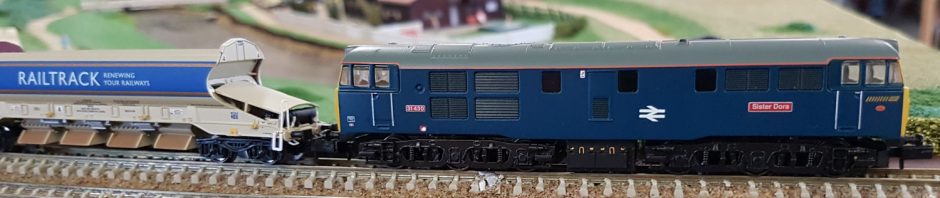
Just a few odds and ends today….
Two excellent HO small layouts – most realistic.
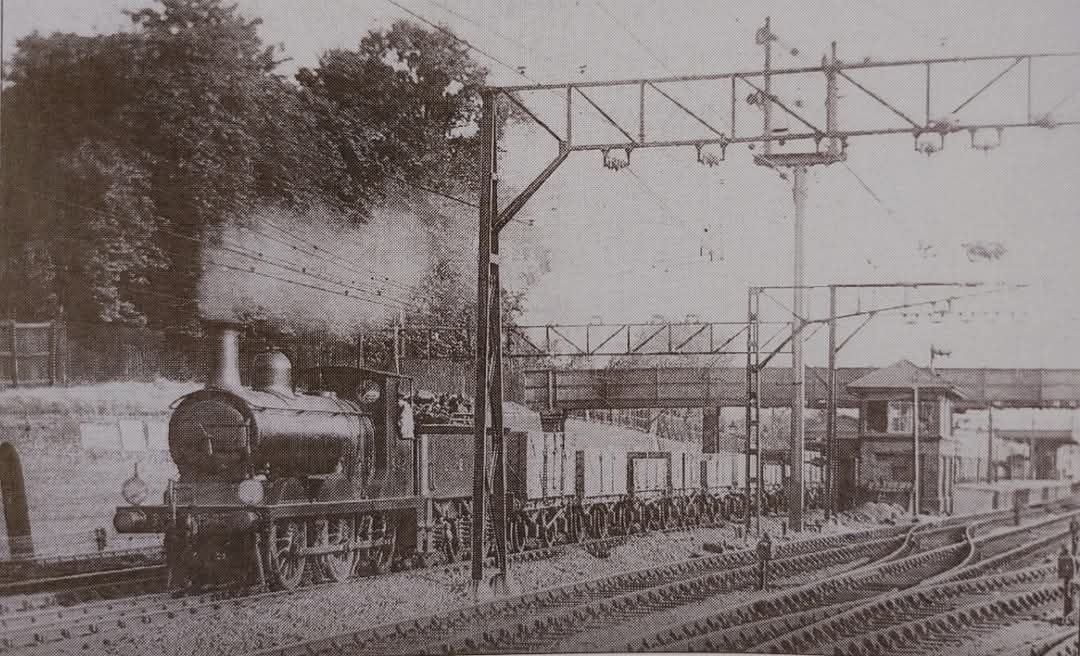
South Croydon 1925, with the LBSCR overhead electric still in place.
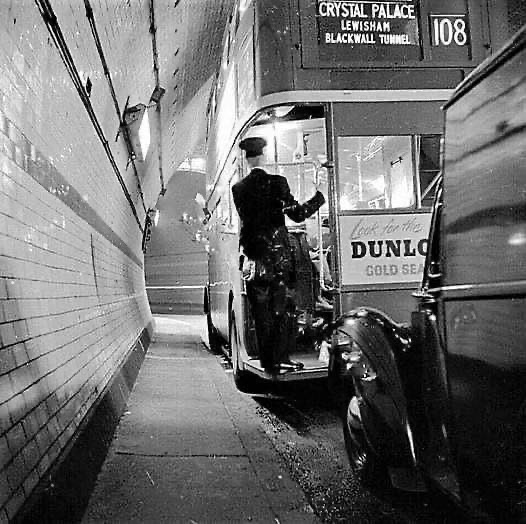
A little bus interest – I remember going to Norfolk on holiday through the old Blackwall tunnel, long before that Dartford upstart! They ran special buses with cut-down roofs to get round those sharp bends.
Interesting dockside photograph with a Sunderland flying boat, and a Swordfish on floats, and some interesting wagons in the background.
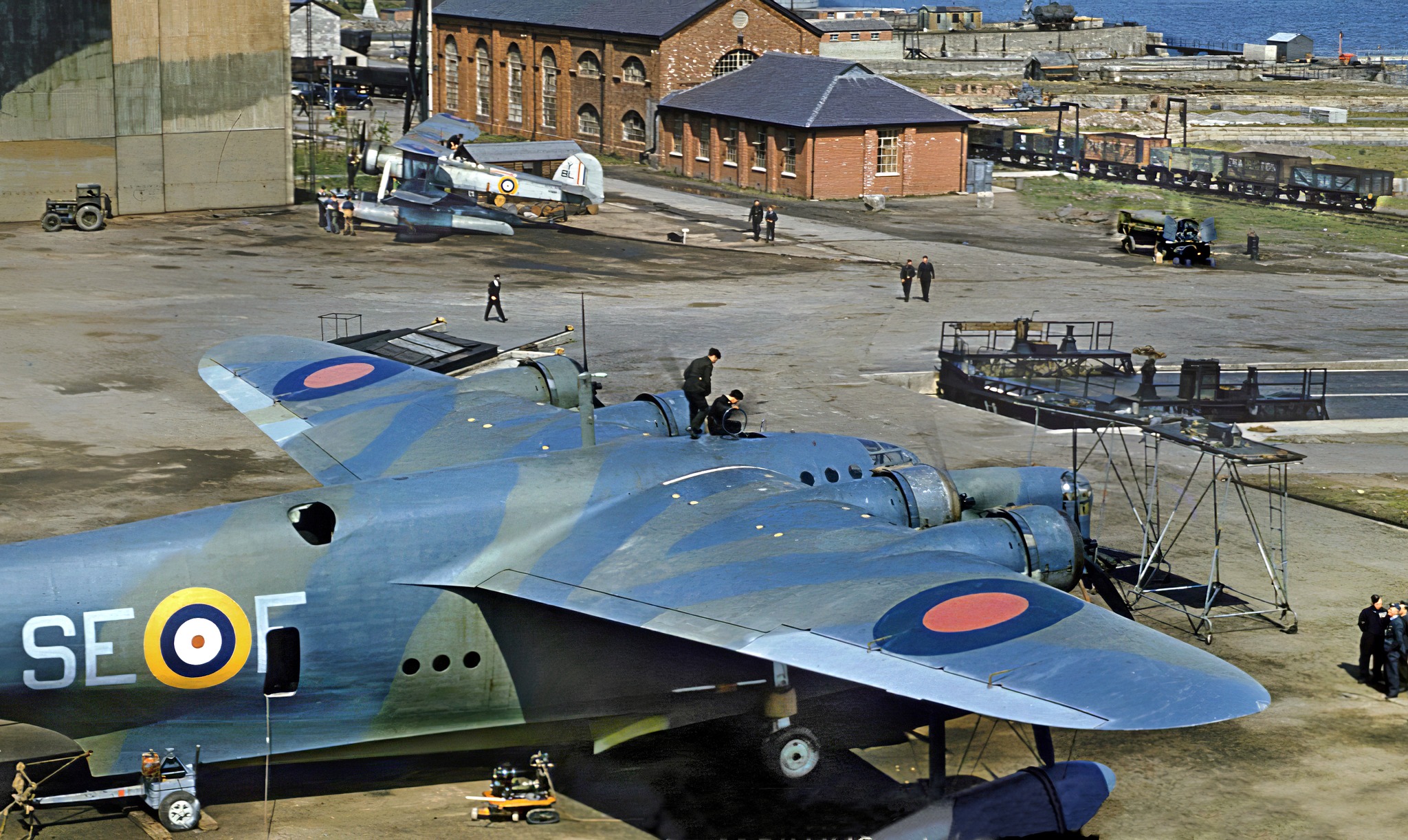
Short Sunderland Mark I, L5802 ‘SE-F’, of 95 Squadron, Coastal Command at Pembroke Dock.c1942, Notes (a) Unusual Type B roundal with a 1:2 ratio instead of the standard 2:5 as on the “Stringbag’ in the background. (b) Badly faded EDSG on the ailerons.
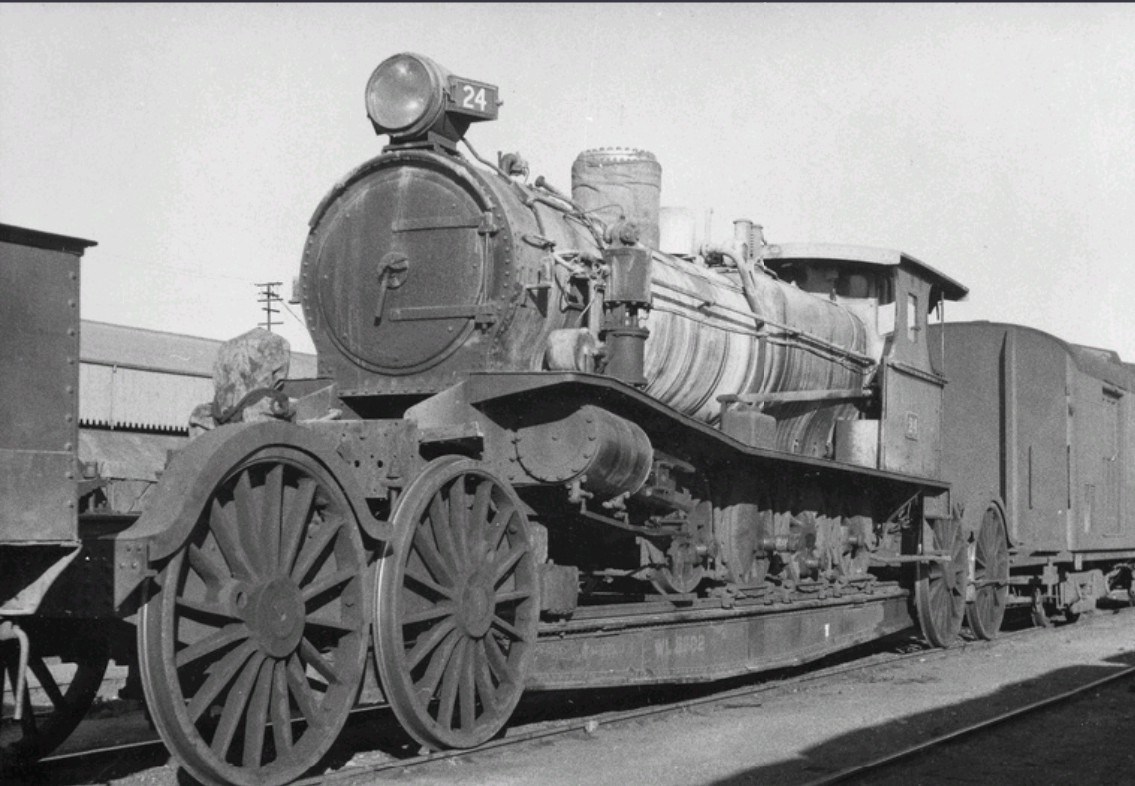
What to do with your old locos. The scale covered South Australian Railways narrow gauge 4-8-0 ” T ” class locomotive T24 being transported on the SAR’s broad gauge Crocodile low loader. Both loco and low loader look a bit worse for wear!
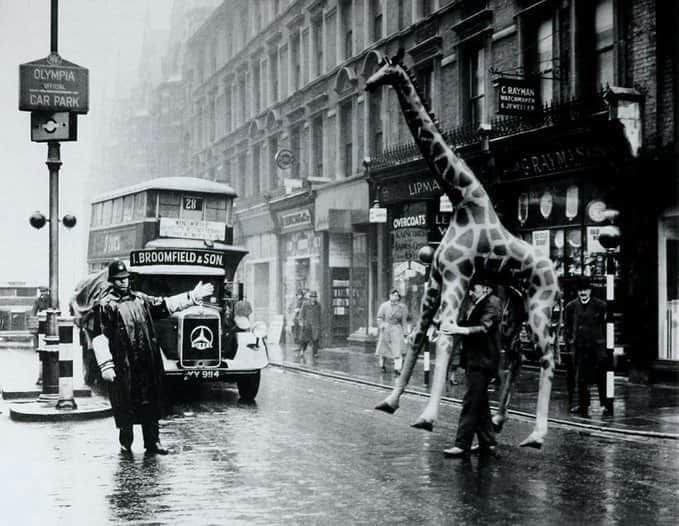
Another atmospheric picture offering a little cameo…..
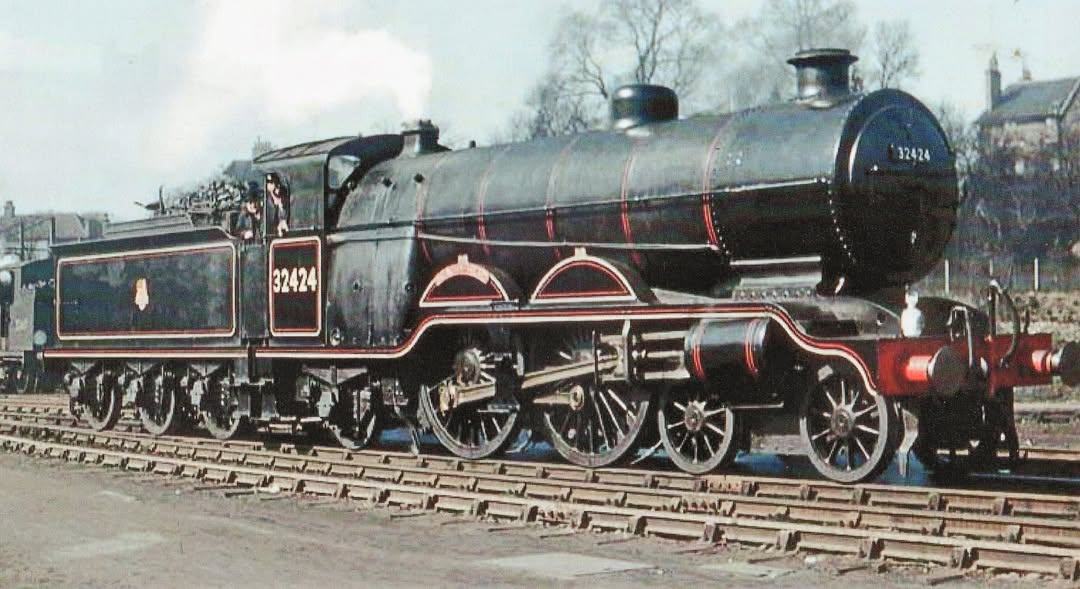
That’s what I call a lovely locomotive. Norwood Junction in 1958.
My son Michael, volunteering on the Bluebell, was hiding on this beautiful new Maunsell restoration for its test run. There were people literally with their ear to the floor listening for any unknown ‘clonks’ or ‘clanks’!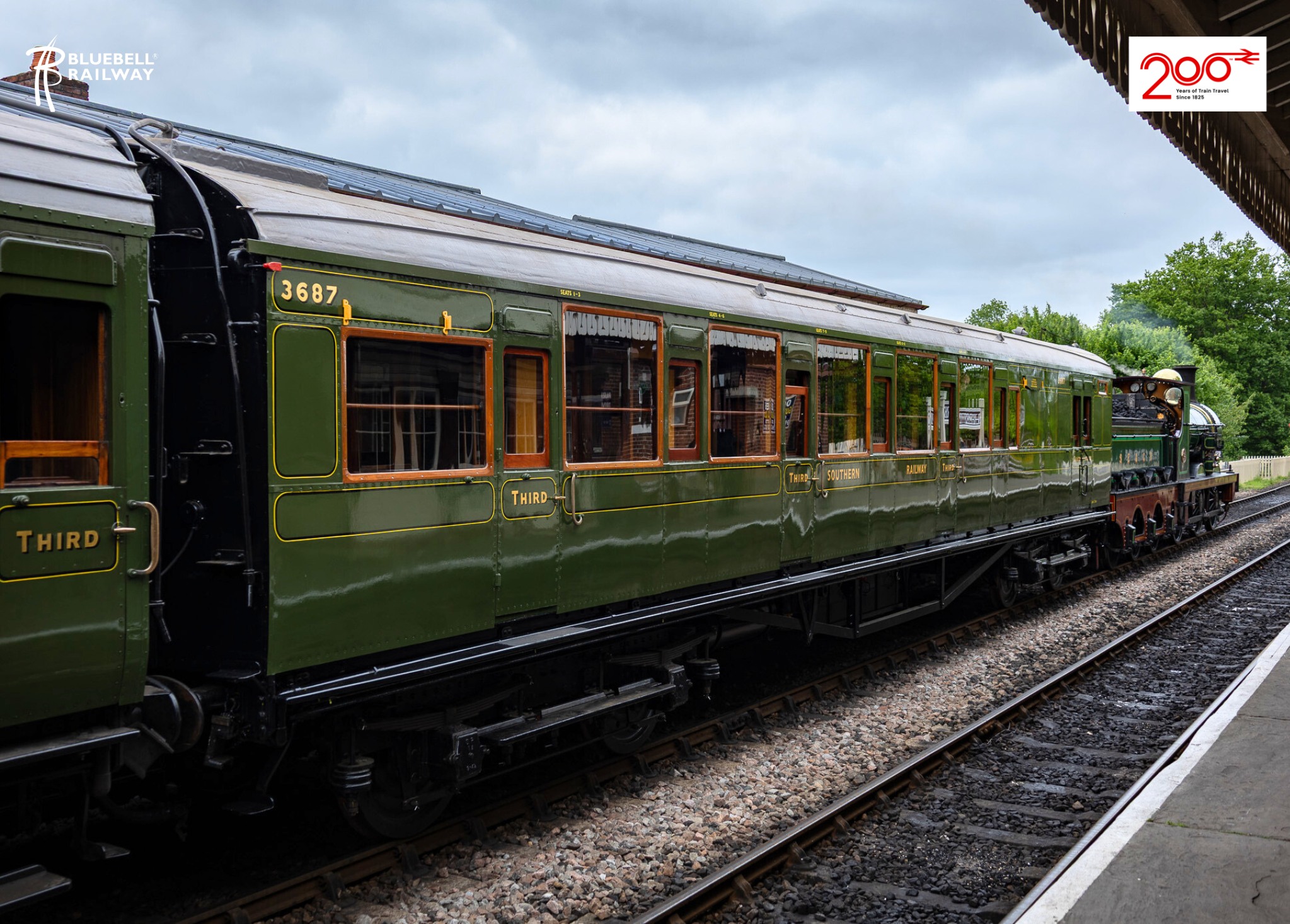
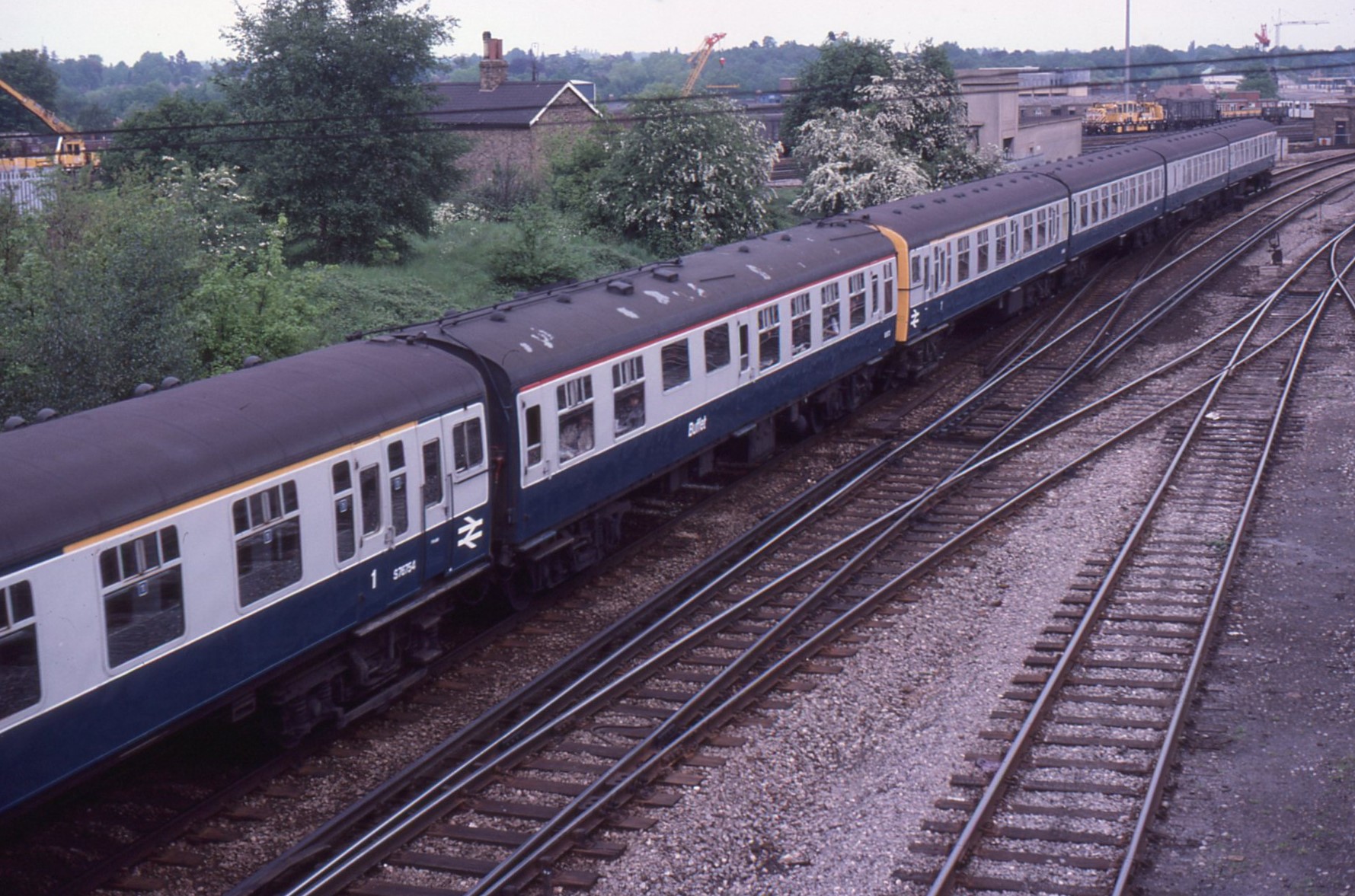
Why can John Atkinson, whose photos capture southern region EMUs in all their glory, always find a unit I’ve never heard of. 8MIG, for goodness sake!
The novel feature of the two 8MIG units was the provision of a former loco-hauled RMB buffet car marshalled in the middle of the unit between the 4CIG and 3CIG parts of the set. The Southern already had two of these cars, 1872 & 1873, modified with 27-way jumpers and air braked with 750v heating to run on Charter and Special trains between two 4TC units when needed. These cars were given a minor overhaul before being formed into the 8MIG units, they still retained propane gas cooking however and the CIG units were unable to heat them as they had no low-level power jumpers like the TC sets did. This view shows car 1873 formed in 2602 as the leading unit of the 09.55 Portsmouth Harbour to Waterloo at Woking Junction on Friday 27 May 1983.
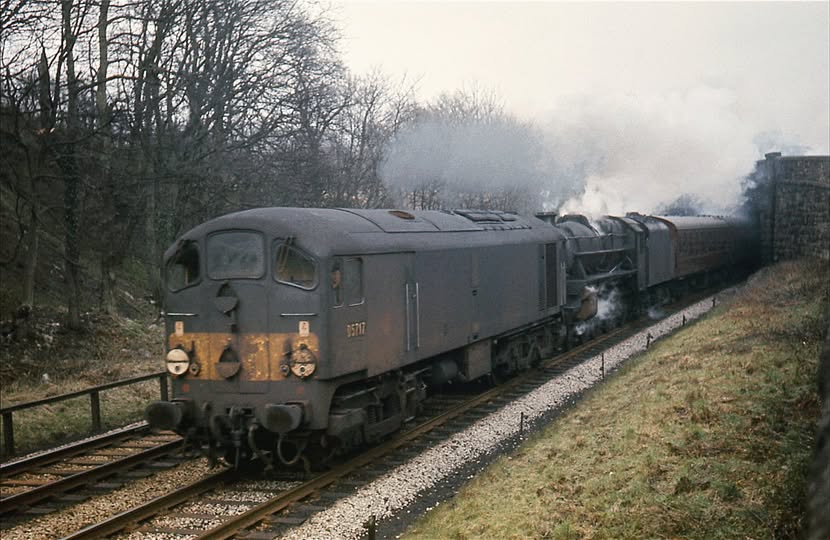
An unusual bit of double heading – a Co-Bo and a Black 5 – both filthy, heading into Carnforth with an express from Barrow on 7th April 1966. (photo Brian Flannigan)
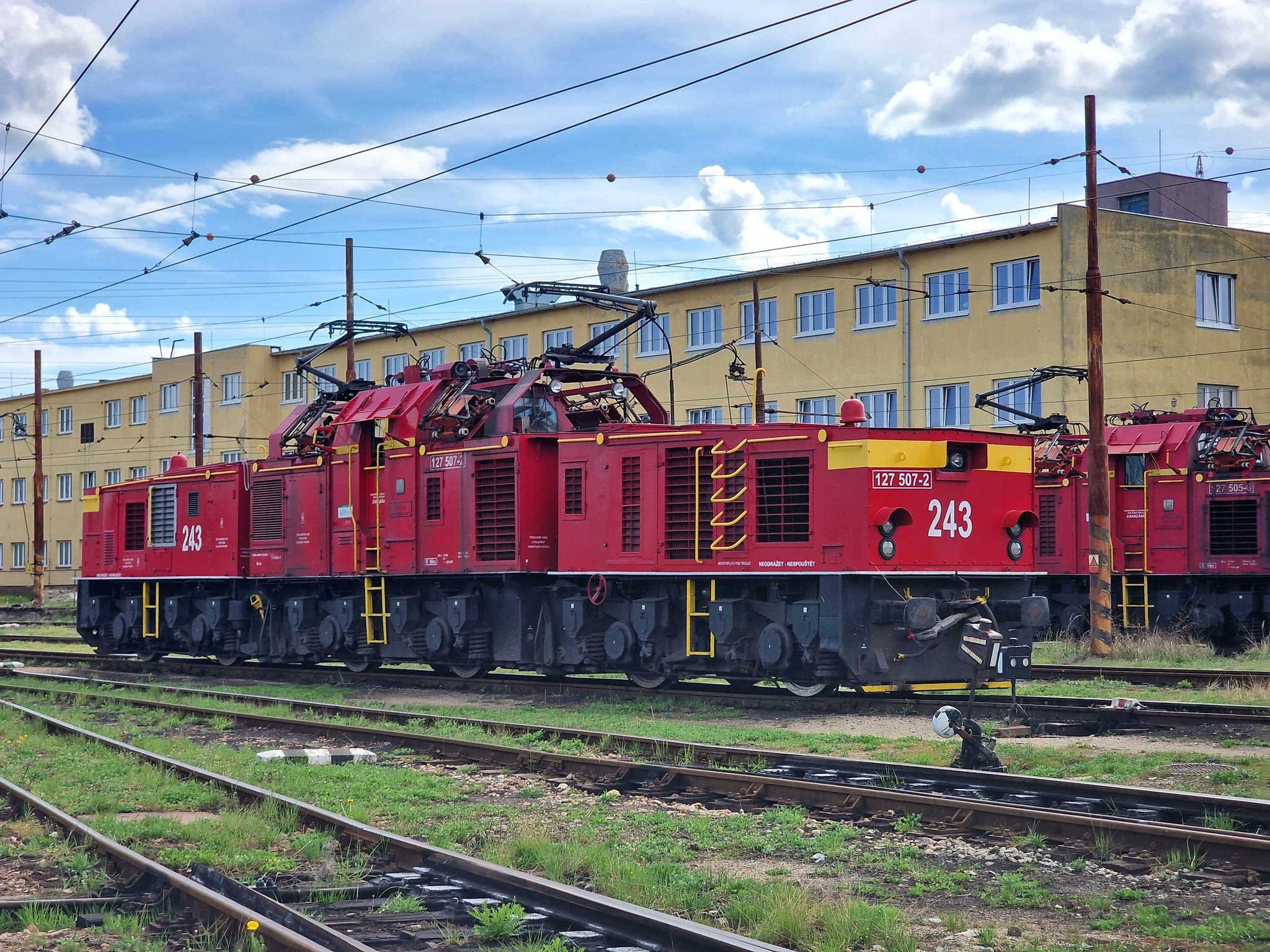
Don’t know what it is or where it comes from, but it’s so ugly I’d buy at least one!!
Another fascinating object that would make a great model…..
History of the Treadwheel Crane
The treadwheel crane, also known as a walking wheel crane, is one of the most iconic lifting devices from ancient and medieval times. It operated using human power, where a person would walk inside a giant wheel (similar to a hamster wheel) to generate rotational force, lifting heavy loads via a system of pulleys and ropes.
Origins:
The origin of the treadwheel crane dates back to Ancient Roman times (around the 1st century AD), where it was used in the construction of large structures like temples and aqueducts.
Its widespread use re-emerged in medieval Europe, especially between the 12th and 19th centuries.
Golden Age of Use:
These cranes were commonly used in harbors, church construction sites, and castles.
In major ports like Gdańsk (Poland), Strasbourg (France), and Bruges (Belgium), the treadwheel crane played a key role in loading and unloading ships.
Some cranes were even built permanently atop stone towers or large wooden structures.
How It Worked:
One or two people would walk inside the wheel, much like climbing stairs.
Their movement turned a drum that wound up a rope to lift heavy cargo.
Depending on the wheel’s size and human effort, the crane could lift tons of weight.
End of Its Era:
With the rise of steam engines in the 19th century, treadwheel cranes became obsolete, replaced by more efficient and powerful machinery.
However, several of these historic cranes still survive today as monuments and engineering heritage sites.
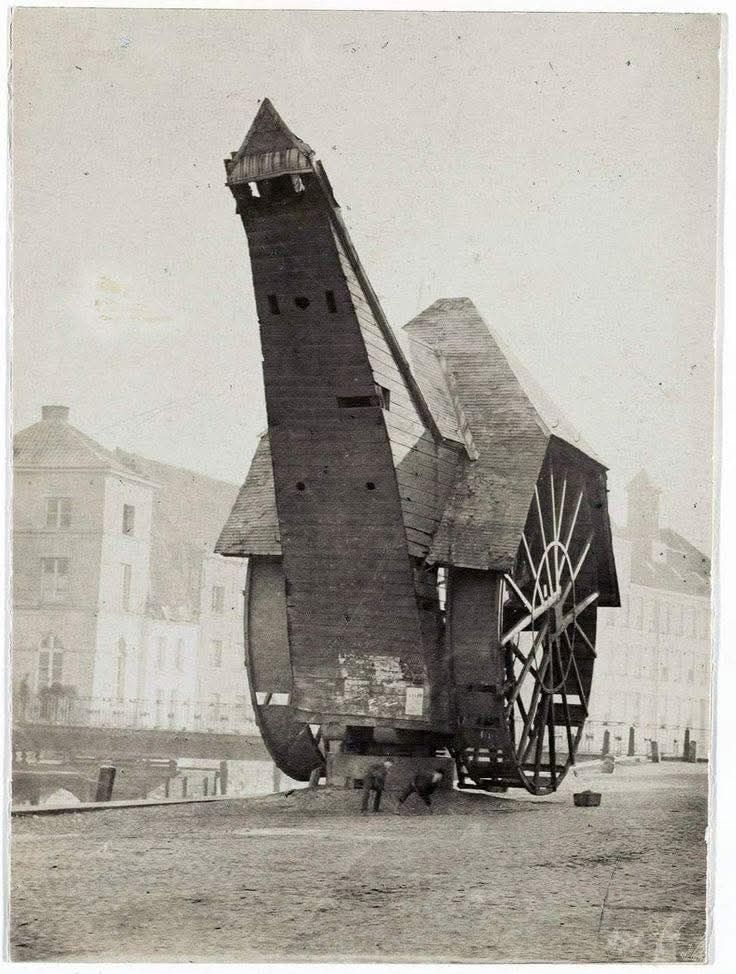


 esngblog
Lots of rare and intriguing photos in this edition!
That “ugly” electric locomitive is from the Czech Republic. It is one of the class 127 Bo-Bo-Bo locomotives owned by Czech Coal. For full details and a roster, go to <spotlog,org/lococlist/class/CZ/12>. I found it by searching for <127 507-2 electric locomotive>.
This website has LOTS of information I’ve not found anywhere else.
Paul Ingraham
LikeLike
Thanks, Paul
LikeLike