ESNG modular systems

The ESNG works to two N-gauge modular systems.  With our show coming up, perhaps a quick reminder of the standards is in order.  The first is N-mod.  This is an adaptation of the USA N-Track system, the main difference being that there are 4 tracks and all tracks are at the front of the board.

The length of the module is defined as 4 foot, to keep a standard geometry and enable a continuous layout, but the width can vary, behind the four tracks, as desired.  All track is PECO Code 80 (at least at the module ends.)  The modules are joined by a short, nominally 3 inch, removable length of track to take up variations in length and width.  And variations there are, perhaps due to unevenness in the hall floor, wood changing shape with time, and the general incompetence of the members.

N-mod

The sketch shows these dimensions.

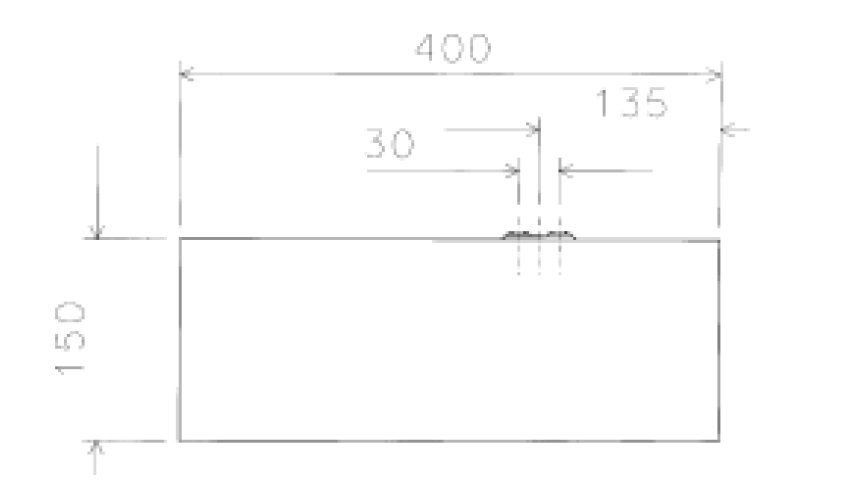
The idea of an N Club International module came from wanting a pan-European N gauge standard.  The boards are double tracked (although a single track standard also exists).  The standard board width is 400mm, with tracks at 120 and 150mm from one side.  The boards can be any length, as the modular layouts set up are generally end-to-end, with loop boards at either end.  Common lengths are 800 and 1200mm.  Junctions can be used to set up a complex layout.

The track goes right to the end of each board, and is laid with a jig.  The modules are aligned by dowels and bolted together.  Theoretically, this method of using a precision jig guarantees a perfect alignment between adjacent modules.  It usually works!  Track is PECO Finescale Code 55 which has a more prototypical look thanks to its lower profile Code 55 rail.
N-club

 The sketch shows the board end profile.

Two different standards, and two different concepts.  N-mod does allow some crowd pleasing running at an exhibition.  We keep enough N-mod modules to build a circuit in our meeting room,  and allows members to run (and watch) plenty of trains on club nights.  NCI perhaps allows more variation of track planning, as double track lines were (and are) more common than four-track sections.

Posted in ESNG, Layout design, N Club International | Tagged , , , , | Leave a comment

West Highland Railway, 1975

A long day down in the UK West Country yesterday, looking at computer models of flooding in the Somerset Levels.  So I’ll post some more of my old holiday snaps!  I hope to post another traction design article in a day or two.

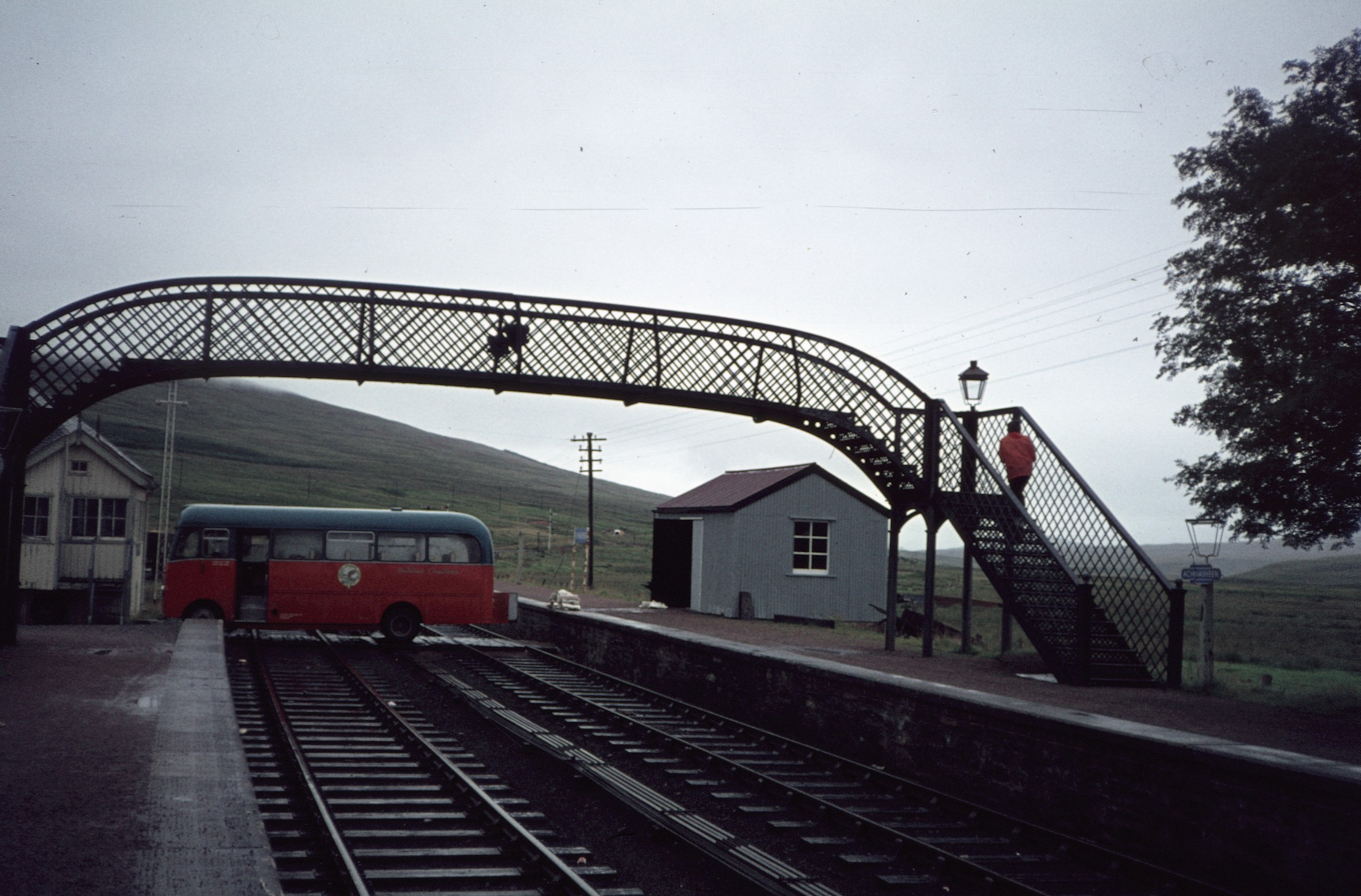
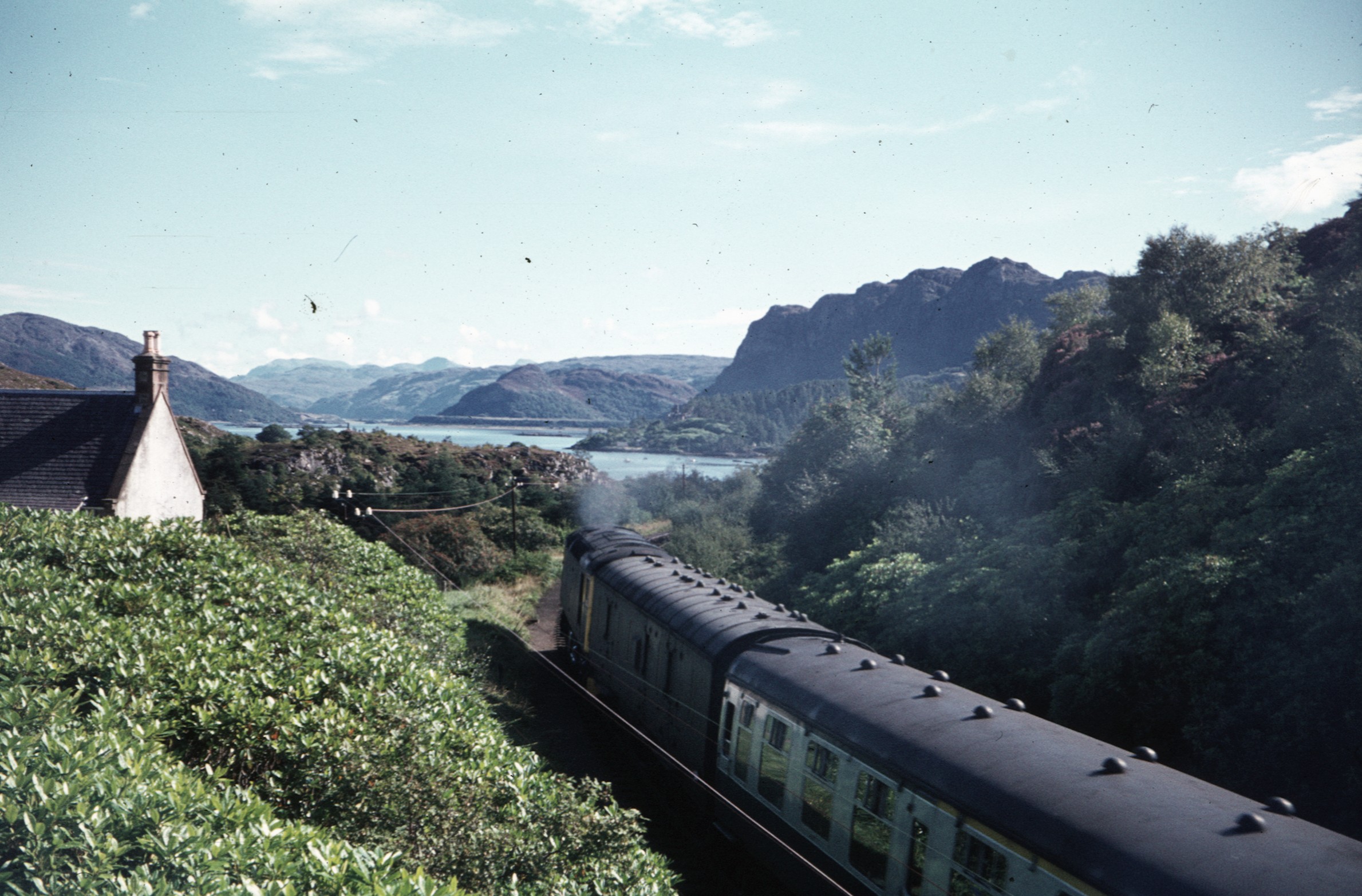
Most of these shots were taken retreating from a walking holiday in the West Highlands with some university friends.  I say ‘retreat’ as we were forced to cut short our holiday after it rained for 24 hours solid (sounds familiar, doesn’t it – this is what usually happens in Scotland), and our tents were soaked through.  Being a careful backpacker, I was the only one with a dry set of clothes in plastic bags….  So we took the train back to Edinburgh (via Glasgow) and spent longer than we expected at the Edinburgh Festival.  The bus in the photo is, I think, parked to put the mail on the platform by collection by the soon to arrive train.  The last photo is from an earlier walking holiday – an idyllic Plockton, on the west coast, in rather better weather in 1973.

s42 s27 s26 s25 s21 s16

Posted in Out and about, Prototype | Tagged , | Leave a comment

ESNG Exhibition 2014

I have been putting together the (hopefully) final plans for our 2014 show.  It’s a more of a challenge this year, as we are changing venues, largely due to increased hall charges.  We knew our old venue very well, and it was easy to plan a show and know what it would look like on the day.

The new venue has the benefits of plenty of on-site and free car parking, and being all on one level (no lift to go wrong during set-up).  It’s a little further from the centre of Redhill, though, and we are going to have to do our own catering.

However, I think the day will be as good as ever.  Layouts attending are:

  • ESNG Modular: N-mod Circuit
  • Alpenbahn: German Modular
  • Garsdale Head: BR Settle & Carlisle
  • Kanjiyama: Japanese
  • Branksdowne Junction: BR
  • Leonard: Modern Southern
  • Plus 2 more (whose owners seem to be reluctant to give me their layout’s name)

We are especially pleased to have Garsdale Head on show, as the owner has recently moved ‘down south’ and is looking to get back on the exhibition circuit here.

Trade is represented by:

  • ESNG Club Shop
  • BH Enterprises
  • NscaleCH
  • Croydon MRS Shop
  • JB’s Model World (Rolling stock storage)
  • N Gauge Society second-hand Shop

Other stands are:

  • ESNG club stand
  • N Gauge Society stand

Maybe see you there?

esng2014

Posted in ESNG, ESNG meetings, Out and about | Tagged , , , | Leave a comment

Black Swans? Dispatches from the front line of climate change.

It seems there are three things not to talk about in polite company – politics, religion and climate change. I can’t be that polite, as only politics is off limits…. However, this article gives a good history of the Dawlish coastal main line, with historic pictures and some interesting weather statistics. The WUWT site is always worth a look – it is sceptical about climate change, but in a balanced way (until you read the comments, that is!)
Sorry, I’ll get back to N gauge railways soon….

Posted in Prototype, Weird and wonderful | Tagged , | Leave a comment

Somerset levels, February 2014

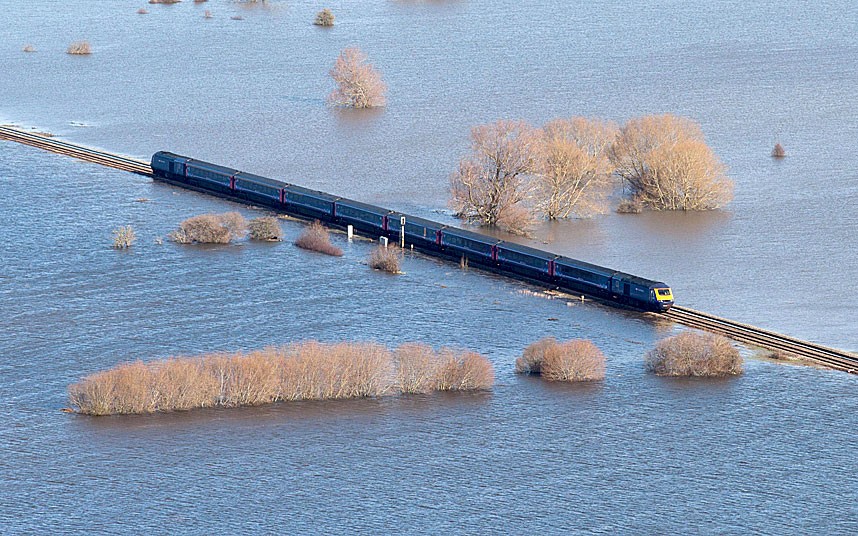
The damage to Dawlish is a bit of a side show to the ongoing flooding of the Somerset Levels.  I did learn last week that ‘Somerset’ is a derivation of ‘Summer Land’ – in days gone by people only lived there in the summer, as it flooded all winter.  We seem to be going back in time.

However, this photo from todays Daily Telegraph might just be an inspiration for a watery module?  It reminds me of the Florida Keys line, that was taken out by a hurricane a good many years ago.

uk-weather-somerse_2815122k

Posted in Prototype, Weird and wonderful | Tagged , | 2 Comments

ESNG meeting – 6 February 2014

Another slow start to tonight’s meeting and we thought we might not get any trains running.  The Cha(I)rman was absent, claiming an early milk round the following morning, and Martin (snr) opted out of the drive from Leatherhead, claiming that you couldn’t see the pot-holes in the road for all the water.

However, we quickly got a small circuit up and running, and ended the evening with more members than usual.  It was good to see Paula and family, and Duncan was present in body, if not spirit, after successive trips to Beijing and Helsinki.  The Treasurer had to be convinced that he had been at the last meeting.  He had no recollection of us all giving him money.  Fortunately the accounts book showed he was present and that we had all paid up.

The usual selection of trains were present, including some long, long Japanese freight trains that stretch half way around the circuit.  We also got some useful planning done for the exhibition.

Posted in ESNG, ESNG meetings | Tagged , | Leave a comment

Dawlish flooding

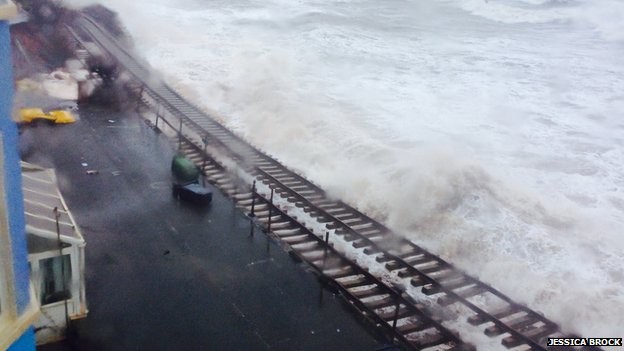
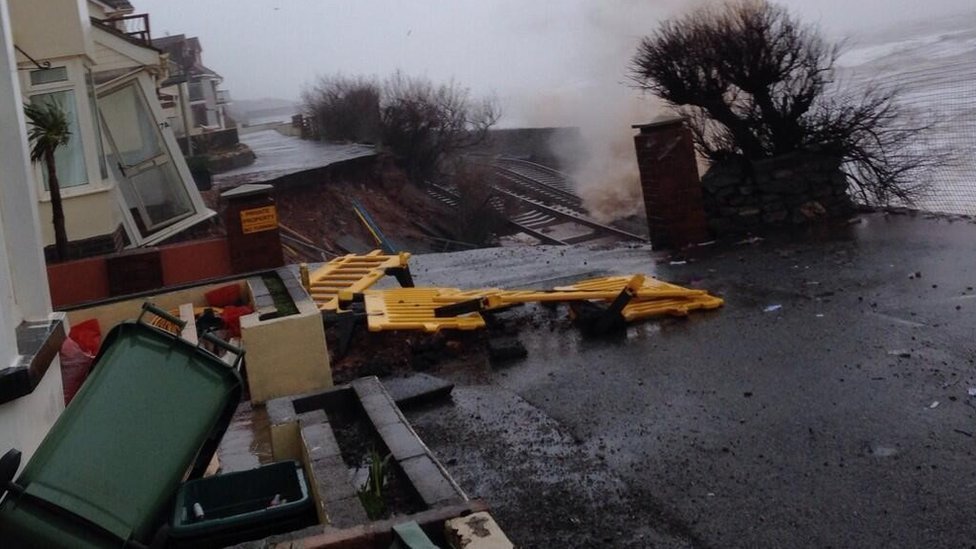
The latest gales and high tides have wrecked the iconic ex-Great Western Railway line along Dawlish Warren and the seafront of Dawlish town.  It’s a far cry from the usual picture of GWR Kings and Castles on a sunny summer’s day.  The sea wall has been breached in places and the rails are hanging in mid-air.  It’s going to take a lot of work to get this going again. 

The following, very small, pictures come from the BBC website I’ll try and update them when I can find something better.

Update – better photographs added from the BBC.

_72769986_dawlish_railway_624map

    _72767440_jessicabrock4 _72767446_72767445

_72763918_72763916

_72768731_72764347

_72765986_72763919


Posted in Out and about, Prototype | Tagged , | 1 Comment

Off my trolley – branchlines 2 – North Hollywood

One of my many diversions away from railways is reading (almost anything).  This includes crime fiction.  One of my favourite authors is Michael Connelly and his Harry Bosch police procedurals – set in Los Angeles, and especially in the Hollywood area.  Since developing and interest in interurbans I have been rereading his books.  And I have been delighted to find that I know a lot of the locations of the action, due to the Pacific Electric having a had line in that area – albeit closed by the year of the novel.

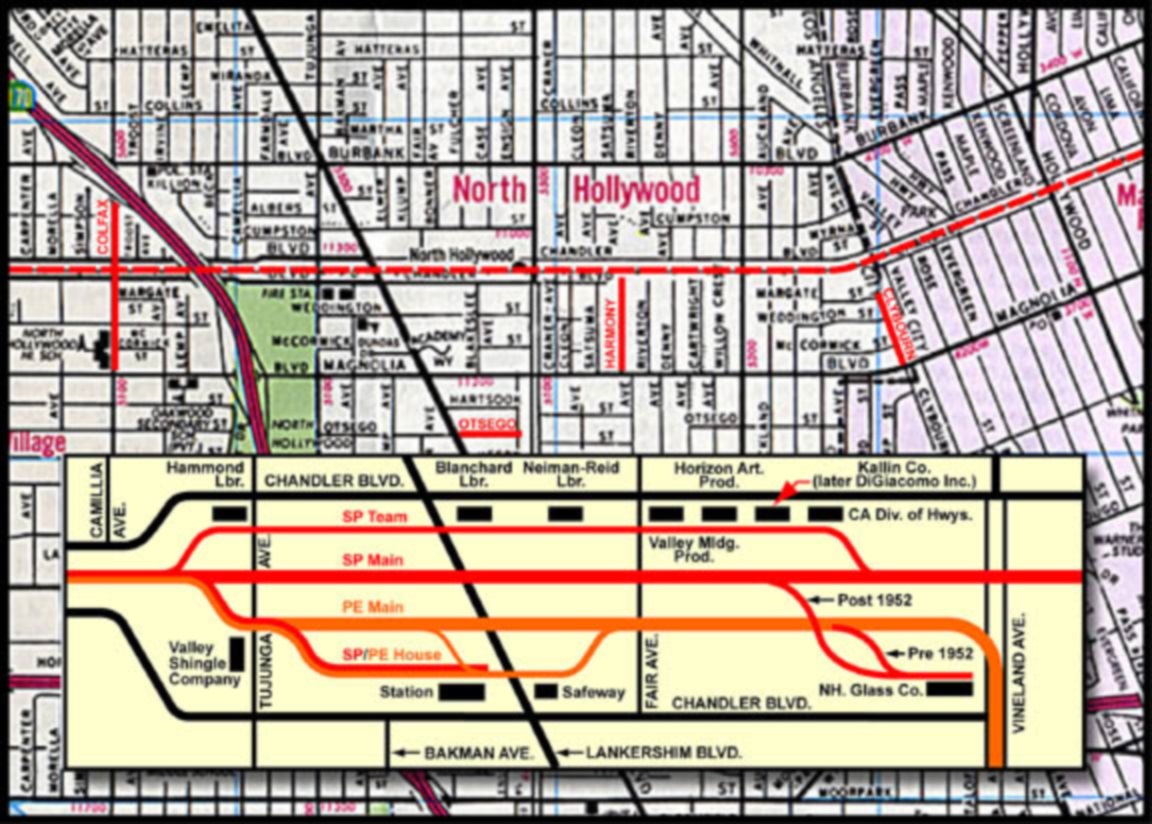
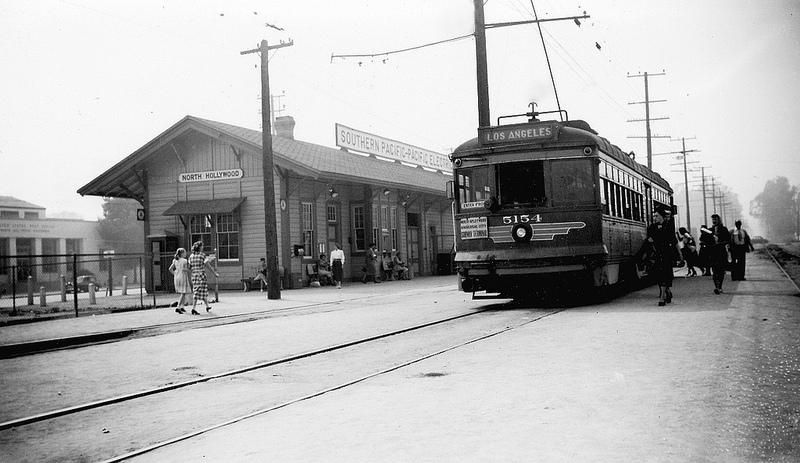
So North Hollywood and Lankershim were familiar due to crime as well as an interesting railroad location.  The Pacific Electric had run north from the city centre, with double track, then singled and turned a sharp left to run parallel with the Southern Pacific Burbank branch.  There was a shared station at North Hollywood, although the PE took the passengers and SP the freight.  For here the PE would go due west, then turn north to cross over the Burbank Branch by a 90 degree crossing before entering Van Nuys (the final terminal for the line for a number of years after closures).  The real branch line continued northeast to San Fernando and to interchange with the SP again.

The portion of valuation map (enlarge for a clearer look, PE in red and SP in blue) and sketch map below shows the approximate track layout, although the track layout varied over the years.

nh

nh.mp.72

Map by Jack Neville

The SP has a single long loop with industries and team track space strung along it.  The PE has an interesting double loop, that also gave the SP access to spot a freight car on the left hand loop.  There is a single siding to the east, accessing industry.  To the west (left) the valuation map shows a single track.  It was originally double tracked, but after the washout of a bridge along the line, the track was singled and the SP and PE shared a single line for some distance.

Here are a some pictures of the station (sorry if these are yours, I saved them onto my hard disk at some point)…..

 nohooutbound n hol pe383 N HOLLY  medium_7707080210 medium_7707079694

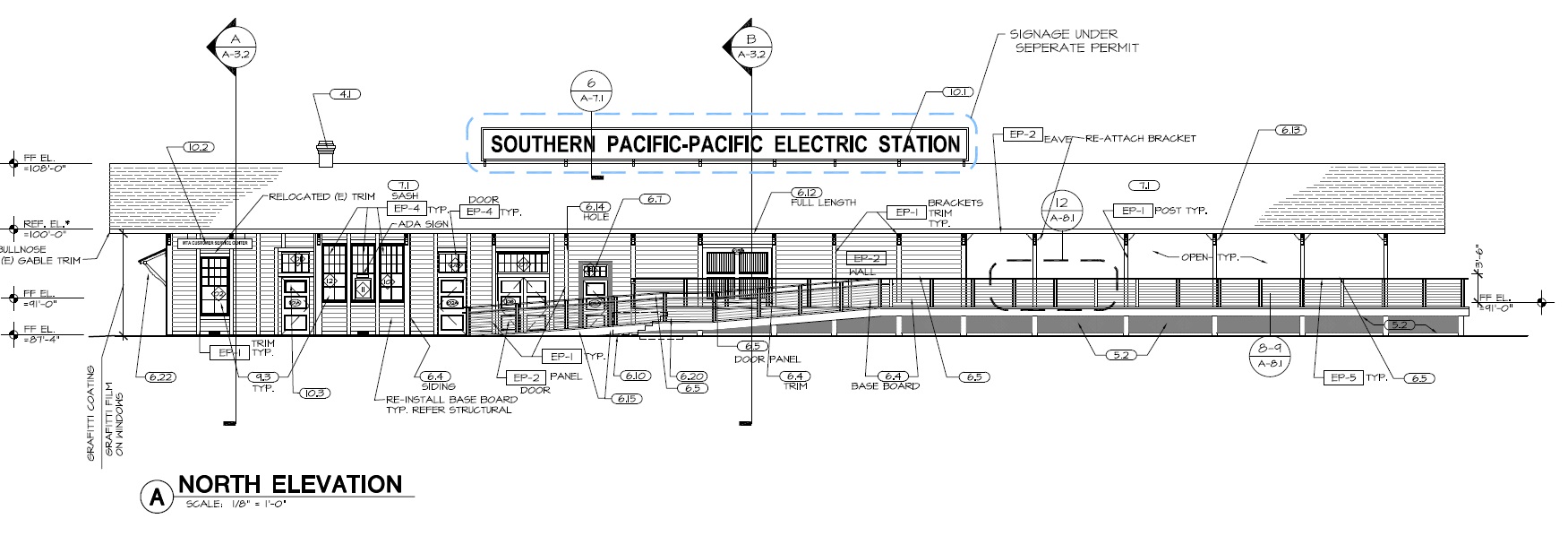
I had been wondering about a model of the station, but I couldn’t find plans of the depot – , although it is a standard SP structure – despite enquiries.  However, Google showed that the depot is being restored as a community building and an email to the architect resulted in a set of drawings by return.

nh depot

I thought of this as a potential modular layout – with a transition board each end, it could happily fit in a N-Club double track modular layout.  However, I am still trying to compress the track layout in a pleasing manner.  The original is at least 16 foot long in N-gauge – too large for my loft space.  And the buildings are very scattered – the interesting industry on the SP loop all lies off to the right (east) except for a lumberyard west of the station.  I have a reasonable plan for a model cut down to 12 foot, as below, but less than this is tricky without losing the character of the place.  Three ideas are shown below.  I’ll keep working on it I guess….

model3c

model3b

model3a

For more information, go again to Bruce Petty’s site, or for pictures to the Pacific Electric Railway Historical Society.

Posted in Layout design, Traction | Tagged , , , | 2 Comments

Severn Valley Railway, 1971

A few more snaps from the Bartlett archives.  These were taken on a school railway society trip, I recall.  Again this was the early days of preservation.  A lot of my film was taken up with the carcass of 70000 ‘Britannia’, rescued from the national collection and awaiting restoration.  I had an old Triang OO Britannia, that I had rewheeled and was undergoing detailing.  It never got finished, and is probably in a box upstairs somewhere…..

w9 w8 w5 w3

Posted in Out and about, Prototype | Tagged , | Leave a comment

The (very little) night mail

Fascinating article from the BBC on the Post Office Railway (otherwise known as mail rail).  This driverless narrow-gauge line carried mail for over six miles from sorting office to sorting office under the streets of London from 1927 to 2003.

_71477012_71477011

That fount of all knowledge Wikipedia (and it’s sometimes even right, too) tells us that:

The main line has a single 9 ft diameter tube with two tracks. Just before stations, tunnels diverge into two single-track 7 ft diameter tunnels leading to two parallel 25 ft diameter station tunnels. The main tube is at a depth of around 70 ft. Stations are at a much shallower depth, with a 1-in-20 gradient into the stations. The gradients assist in slowing the trains when approaching stations, and accelerating them away. There is also less distance to lift mail from the stations to the surface. At Oxford Circus the tunnel runs close to the Bakerloo line tunnel of the London Underground.

Not sure about the gauge though, and its potential for modelling is perhaps low…

_72563182_engineers _72539101_72539100

And now there are now plans to reopen this fascinating little line as a tourist ride.  And it may be as quick as CrossRail to get from Paddington to Liverpool Street, if rather less comfortable.

Read more on the BBC website.

Posted in Inspiration, Prototype | Tagged , | 3 Comments