ESNG meeting – 6 February 2014

Another slow start to tonight’s meeting and we thought we might not get any trains running.  The Cha(I)rman was absent, claiming an early milk round the following morning, and Martin (snr) opted out of the drive from Leatherhead, claiming that you couldn’t see the pot-holes in the road for all the water.

However, we quickly got a small circuit up and running, and ended the evening with more members than usual.  It was good to see Paula and family, and Duncan was present in body, if not spirit, after successive trips to Beijing and Helsinki.  The Treasurer had to be convinced that he had been at the last meeting.  He had no recollection of us all giving him money.  Fortunately the accounts book showed he was present and that we had all paid up.

The usual selection of trains were present, including some long, long Japanese freight trains that stretch half way around the circuit.  We also got some useful planning done for the exhibition.

Posted in ESNG, ESNG meetings | Tagged , | Leave a comment

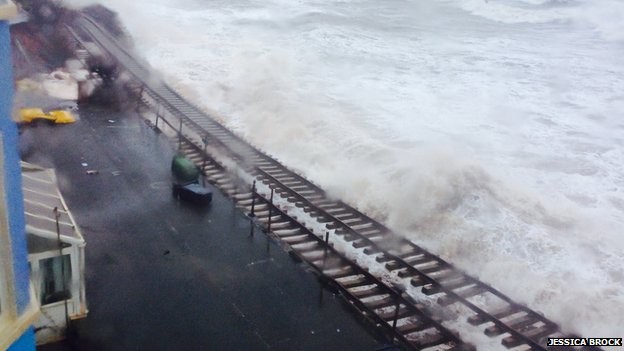
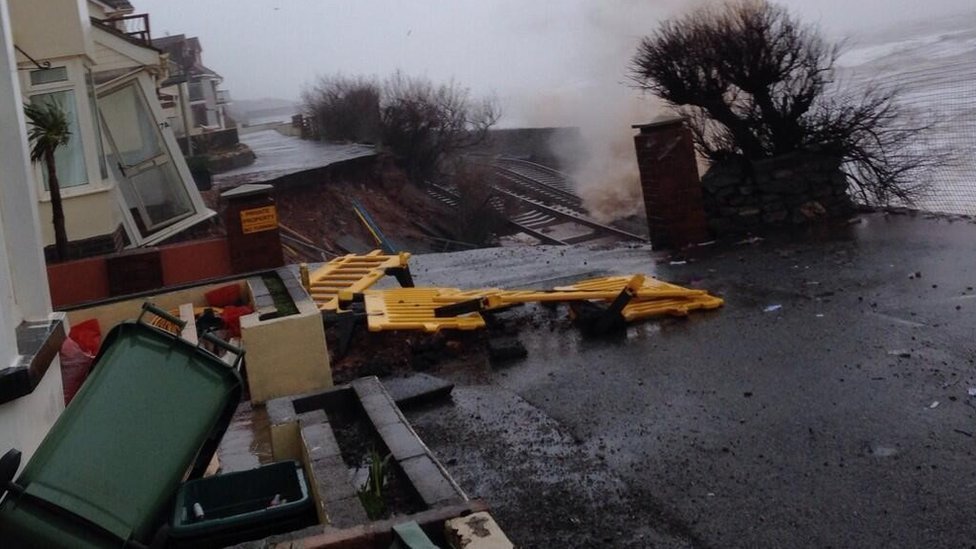
Dawlish flooding

The latest gales and high tides have wrecked the iconic ex-Great Western Railway line along Dawlish Warren and the seafront of Dawlish town.  It’s a far cry from the usual picture of GWR Kings and Castles on a sunny summer’s day.  The sea wall has been breached in places and the rails are hanging in mid-air.  It’s going to take a lot of work to get this going again. 

The following, very small, pictures come from the BBC website I’ll try and update them when I can find something better.

Update – better photographs added from the BBC.

_72769986_dawlish_railway_624map

    _72767440_jessicabrock4 _72767446_72767445

_72763918_72763916

_72768731_72764347

_72765986_72763919


Posted in Out and about, Prototype | Tagged , | 1 Comment

Off my trolley – branchlines 2 – North Hollywood

One of my many diversions away from railways is reading (almost anything).  This includes crime fiction.  One of my favourite authors is Michael Connelly and his Harry Bosch police procedurals – set in Los Angeles, and especially in the Hollywood area.  Since developing and interest in interurbans I have been rereading his books.  And I have been delighted to find that I know a lot of the locations of the action, due to the Pacific Electric having a had line in that area – albeit closed by the year of the novel.

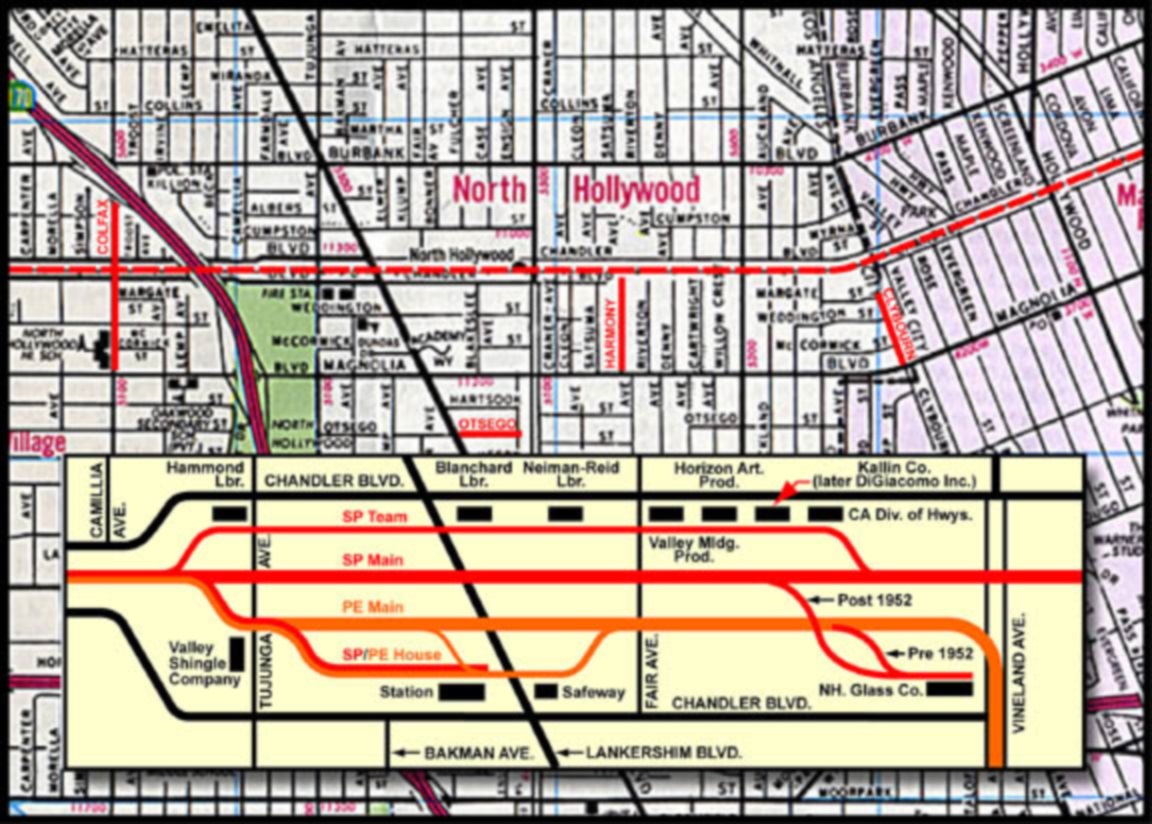
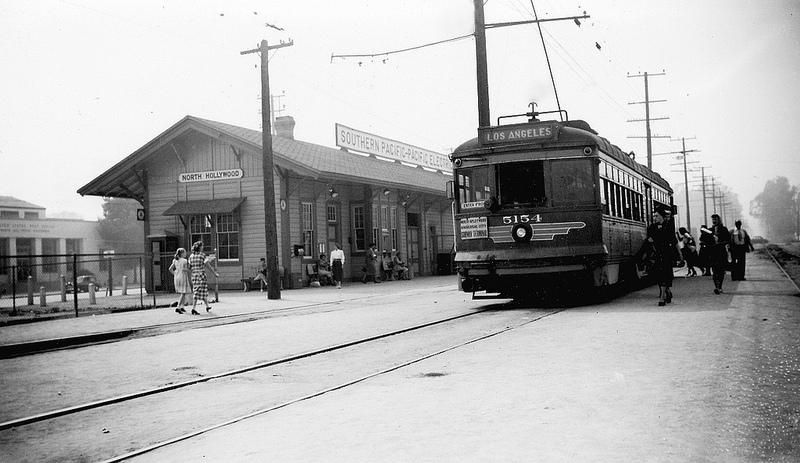
So North Hollywood and Lankershim were familiar due to crime as well as an interesting railroad location.  The Pacific Electric had run north from the city centre, with double track, then singled and turned a sharp left to run parallel with the Southern Pacific Burbank branch.  There was a shared station at North Hollywood, although the PE took the passengers and SP the freight.  For here the PE would go due west, then turn north to cross over the Burbank Branch by a 90 degree crossing before entering Van Nuys (the final terminal for the line for a number of years after closures).  The real branch line continued northeast to San Fernando and to interchange with the SP again.

The portion of valuation map (enlarge for a clearer look, PE in red and SP in blue) and sketch map below shows the approximate track layout, although the track layout varied over the years.

nh

nh.mp.72

Map by Jack Neville

The SP has a single long loop with industries and team track space strung along it.  The PE has an interesting double loop, that also gave the SP access to spot a freight car on the left hand loop.  There is a single siding to the east, accessing industry.  To the west (left) the valuation map shows a single track.  It was originally double tracked, but after the washout of a bridge along the line, the track was singled and the SP and PE shared a single line for some distance.

Here are a some pictures of the station (sorry if these are yours, I saved them onto my hard disk at some point)…..

 nohooutbound n hol pe383 N HOLLY  medium_7707080210 medium_7707079694

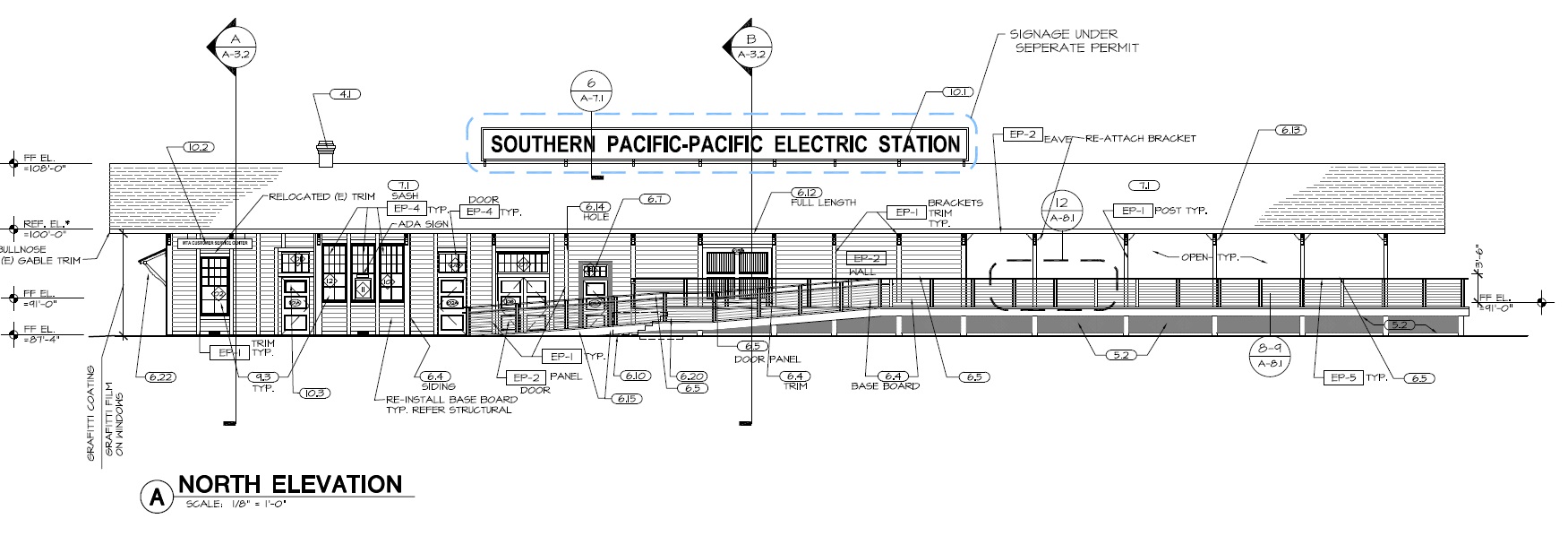
I had been wondering about a model of the station, but I couldn’t find plans of the depot – , although it is a standard SP structure – despite enquiries.  However, Google showed that the depot is being restored as a community building and an email to the architect resulted in a set of drawings by return.

nh depot

I thought of this as a potential modular layout – with a transition board each end, it could happily fit in a N-Club double track modular layout.  However, I am still trying to compress the track layout in a pleasing manner.  The original is at least 16 foot long in N-gauge – too large for my loft space.  And the buildings are very scattered – the interesting industry on the SP loop all lies off to the right (east) except for a lumberyard west of the station.  I have a reasonable plan for a model cut down to 12 foot, as below, but less than this is tricky without losing the character of the place.  Three ideas are shown below.  I’ll keep working on it I guess….

model3c

model3b

model3a

For more information, go again to Bruce Petty’s site, or for pictures to the Pacific Electric Railway Historical Society.

Posted in Layout design, Traction | Tagged , , , | 2 Comments

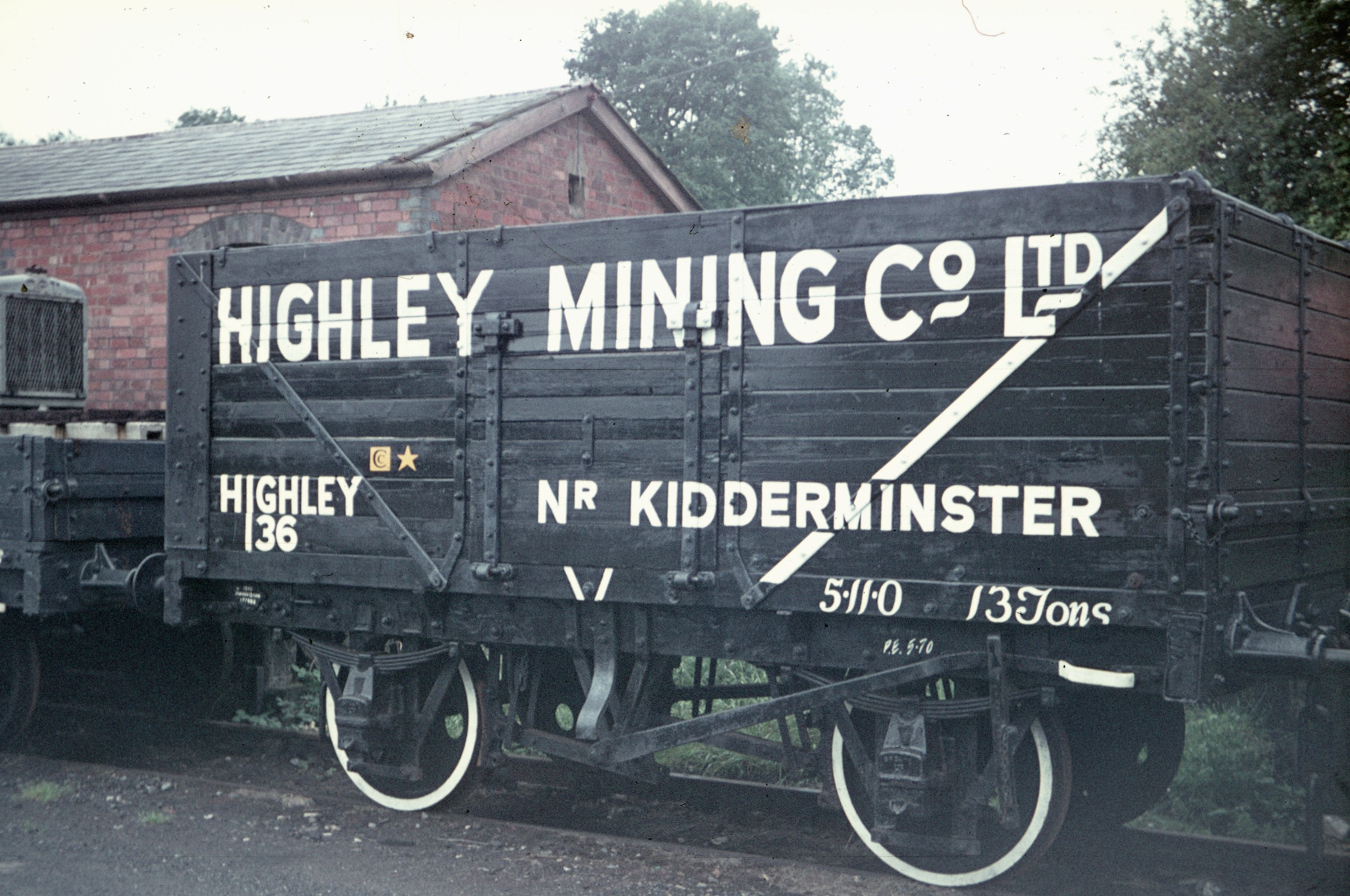
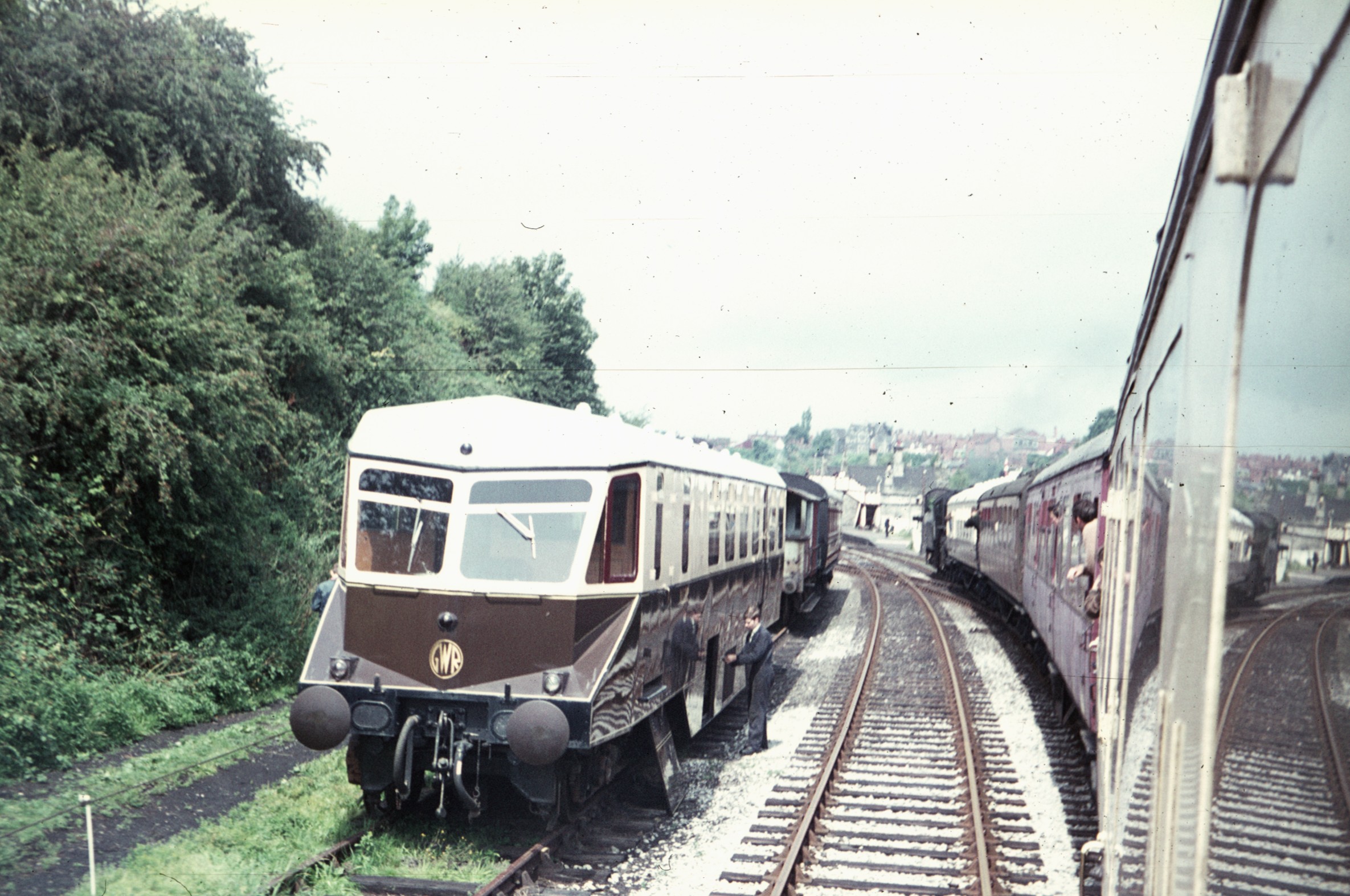
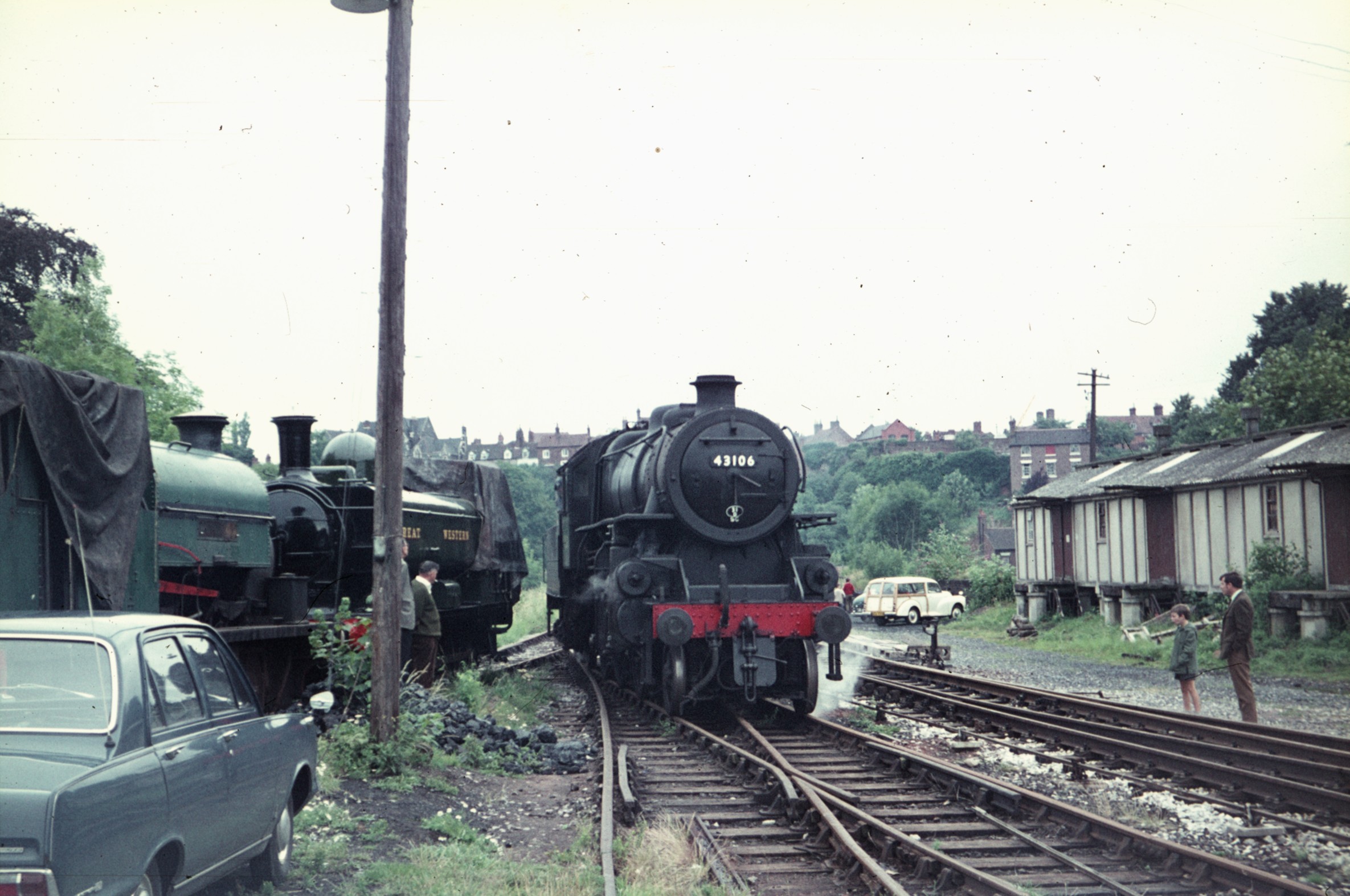
Severn Valley Railway, 1971

A few more snaps from the Bartlett archives.  These were taken on a school railway society trip, I recall.  Again this was the early days of preservation.  A lot of my film was taken up with the carcass of 70000 ‘Britannia’, rescued from the national collection and awaiting restoration.  I had an old Triang OO Britannia, that I had rewheeled and was undergoing detailing.  It never got finished, and is probably in a box upstairs somewhere…..

w9 w8 w5 w3

Posted in Out and about, Prototype | Tagged , | Leave a comment

The (very little) night mail

Fascinating article from the BBC on the Post Office Railway (otherwise known as mail rail).  This driverless narrow-gauge line carried mail for over six miles from sorting office to sorting office under the streets of London from 1927 to 2003.

_71477012_71477011

That fount of all knowledge Wikipedia (and it’s sometimes even right, too) tells us that:

The main line has a single 9 ft diameter tube with two tracks. Just before stations, tunnels diverge into two single-track 7 ft diameter tunnels leading to two parallel 25 ft diameter station tunnels. The main tube is at a depth of around 70 ft. Stations are at a much shallower depth, with a 1-in-20 gradient into the stations. The gradients assist in slowing the trains when approaching stations, and accelerating them away. There is also less distance to lift mail from the stations to the surface. At Oxford Circus the tunnel runs close to the Bakerloo line tunnel of the London Underground.

Not sure about the gauge though, and its potential for modelling is perhaps low…

_72563182_engineers _72539101_72539100

And now there are now plans to reopen this fascinating little line as a tourist ride.  And it may be as quick as CrossRail to get from Paddington to Liverpool Street, if rather less comfortable.

Read more on the BBC website.

Posted in Inspiration, Prototype | Tagged , | 3 Comments

Off my trolley – interurban branchlines – 1

A good, if rather conventional, place to start with interurban layouts, is the conventional branch line.  Some electric railroads were no more than a branch line in total.  Others, like the Pacific Electric, had twigs off the branches off the trunk.  An interurban branchline has all the merits of a conventional one – small space, little stock needed, and what one builds can be built to a good standard.

I think it’s going to take several posts to explore just a few of the options!

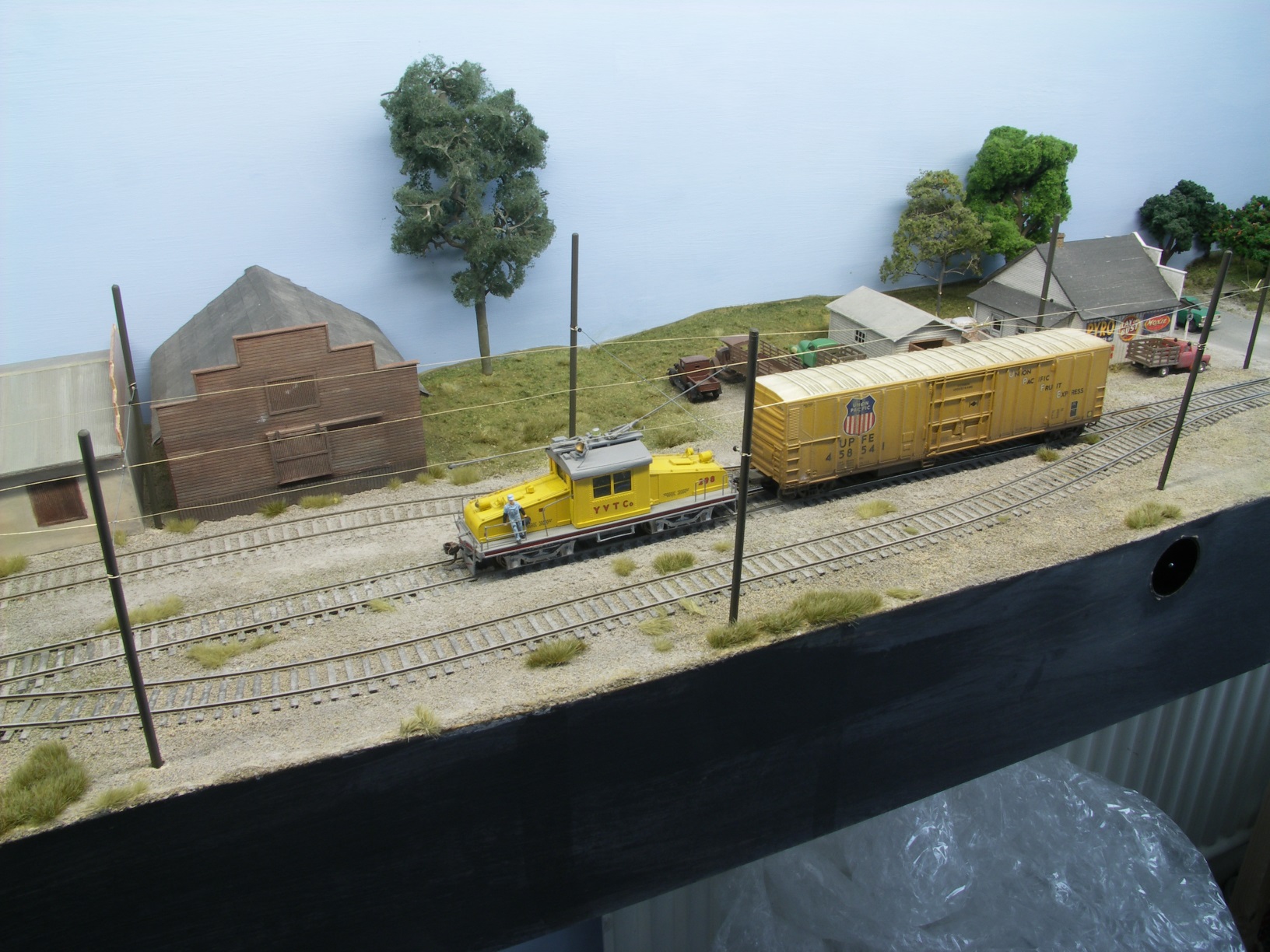
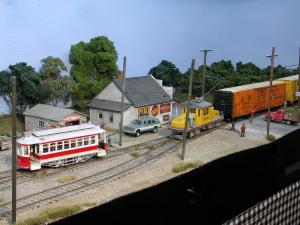
Let’s start with a true branch line layout.  6 foot long in HO and short trains of two or three cars, and the occasional preserved interurban.  This is Andy Gautrey’s Wiley City on the Yakima Valley.  This little layout has a simple track plan, and some well observed modelling.
Wiley City 10 KONICA MINOLTA DIGITAL CAMERA

You can read all about this lovely little layout, with plenty of photos, on RMweb.

Let’s contrast this with an example from the prototype.  When the Pacific Electric Railway (or at least its predecessor) came to the San Fernando valley, there was nothing but fields of grain.  If you go there now, there is nothing but sprawling suburbs.  The interurban opened up this part of the Los Angeles region.  The freeways did the rest of the damage.

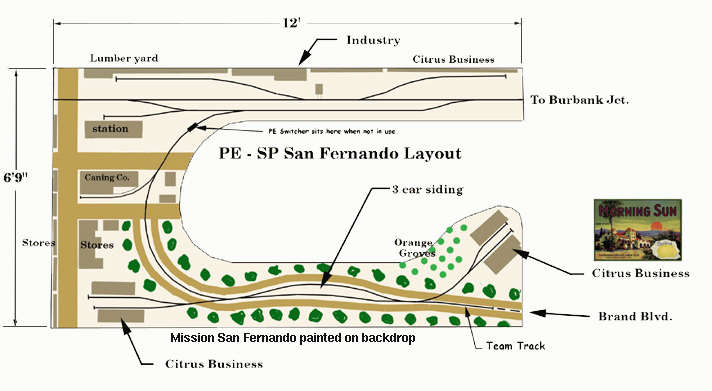
At the very end of the Pacific Electric empire lay San Fernando itself.  Even after the passenger service from downtown had been abandoned, the ‘Orphan Spur’ – an isolated mile or two of track that served a few profitable citrus packing houses.  A single locomotive lived on the spur and dealt with all switching.  This little line would make a good model, especially if the passenger service from downtown was kept going into the post-war period.  The map below comes from Bruce Petty’s excellent ‘Los Angeles River Railroads’ site, as does his interpretation of this line.
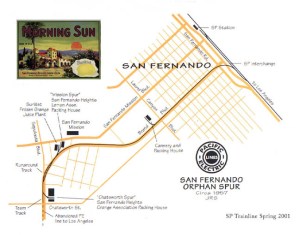
pesfsp_pe_layout

For more, see his San Fernando page .

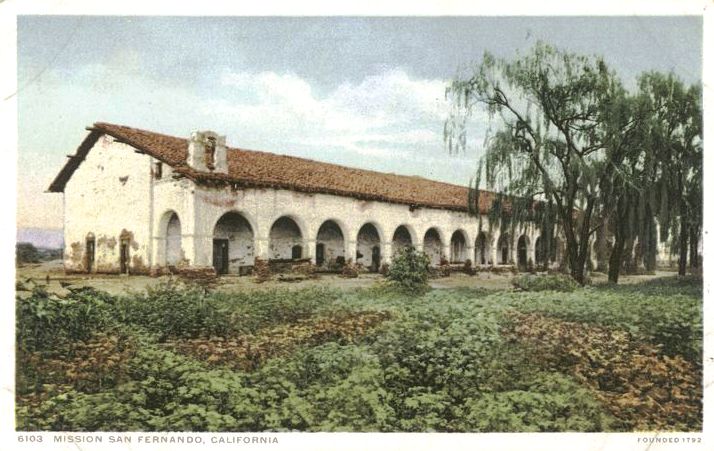
Mission_San_Fernando_Postcard,_circa_1900

One attraction of this line is a chance to model the San Fernando Mission.  The postcard below is its 1900’s form.  It was extended a lot in later years, but the simple building shown here would be the right sort of size for a model railroad.  A little modeller’s licence would place it next to the tracks rather than a road away.
10545
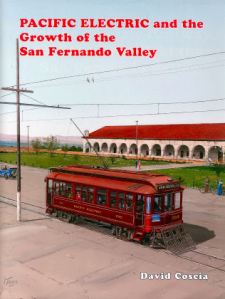
If you are really interested in this line, I can recommend this book.  It’s full of delightful pictures and lots of information on the freight and interurbans and also plenty of social history of the area.  However, you will probably have to get it from the USA, as even Amazon don’t seem to stock it here in the UK.
Posted in Layout design, Traction | Tagged , , , | 3 Comments

Jon’s modules – Mojo coming back!

The mojo returneth (at least in part).  After an interlude that included reading the first 400 pages of Bishop Tom Wright’s 1600 page magnum opus on Paul, lumberjacking a 40 foot pine tree in the garden, and clearing up after my wife pruned the other ten trees to an inch of their lives, I’ve escaped back up the loft.

I’ve been making up the point electrical switches  (see this post) for the remaining six points on the modules.  Relaxing work with a little fiddly soldering to do, but nothing too dramatic.

esng2014

Another diversion at the moment, that will only get bigger is organising the ESNG show, that is rapidly approaching on April 12.  If you are in the south-east of the UK, we can, as ever, provide a friendly little show that is 100% N-gauge….

Posted in Jon's layout ramblings, N Club International | Tagged , , , | Leave a comment

Ffestiniog railway 1970

Another simple blog.  But here are two pictures taken in 1970 at Porthmadoc on the west coast of Wales.  The Ffestiniog was primarily a slate carrier, and ran on a tad under 2 foot gauge.  Although preservation of the line had been going on for some time, the loco roster was limited, and the length of the line was limited by a new reservoir that had flooded the right of way.  This was later solved by the prototype equivalent of a helix….

w1 w2

Posted in Out and about, Prototype | Tagged , | Leave a comment

Hints and tips – N gauge handbrake

Browsing RMweb today (looking for I don’t know what) I came across this idea by Andy Gautrey on his Yakima Valley layout.  It is for HO, but I see no reason it won’t work in N.

“There are also a few 2mm round magnets embedded around the layout, and matching magnets glued to the engine block on vehicles helps to stop them from rolling off the edge.”

Better than my practice to date of setting the tyres in a blob of superglue!

Posted in Hints and tips | Tagged , , | Leave a comment

Welshpool & Llanfair 1970

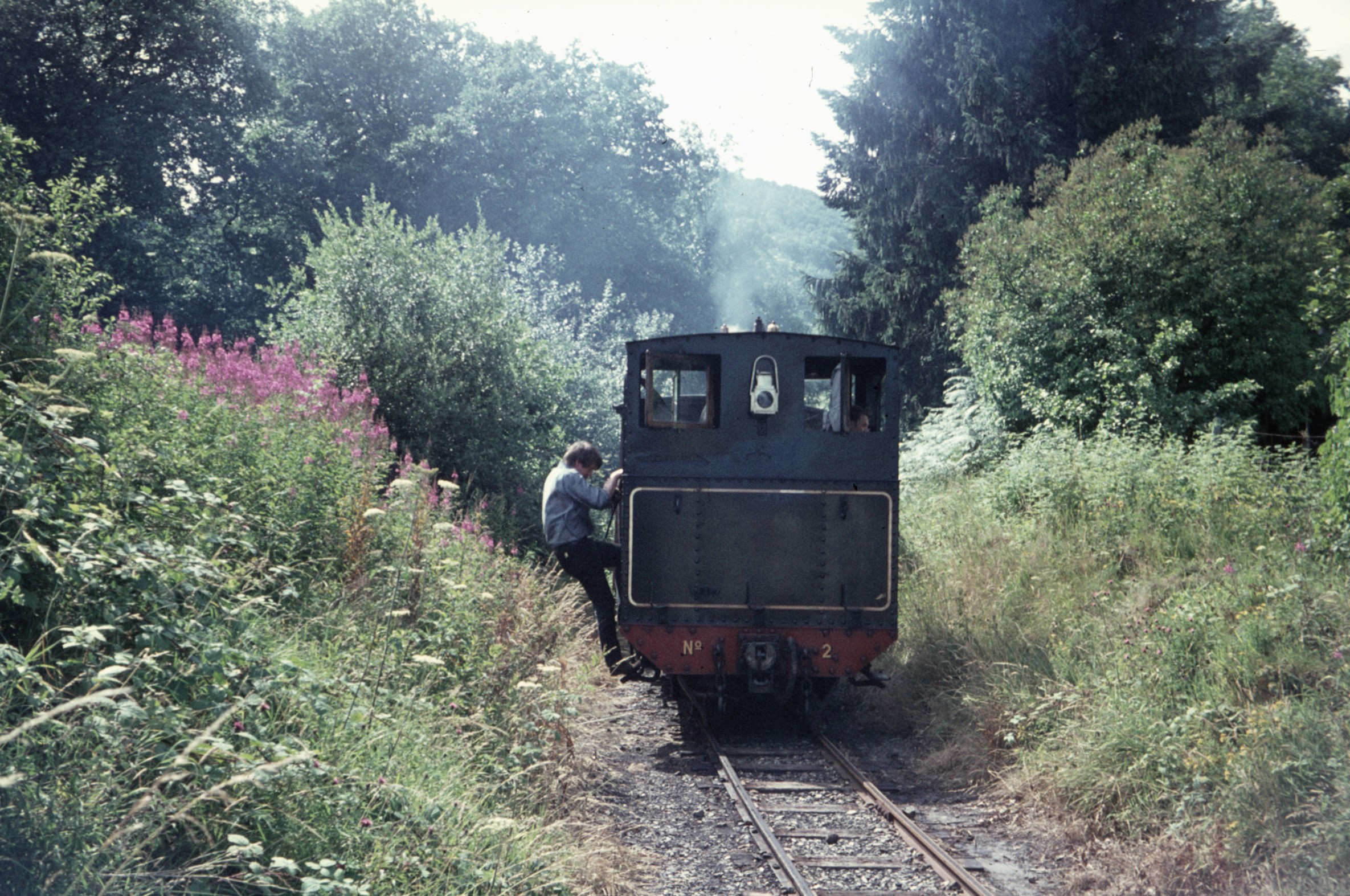
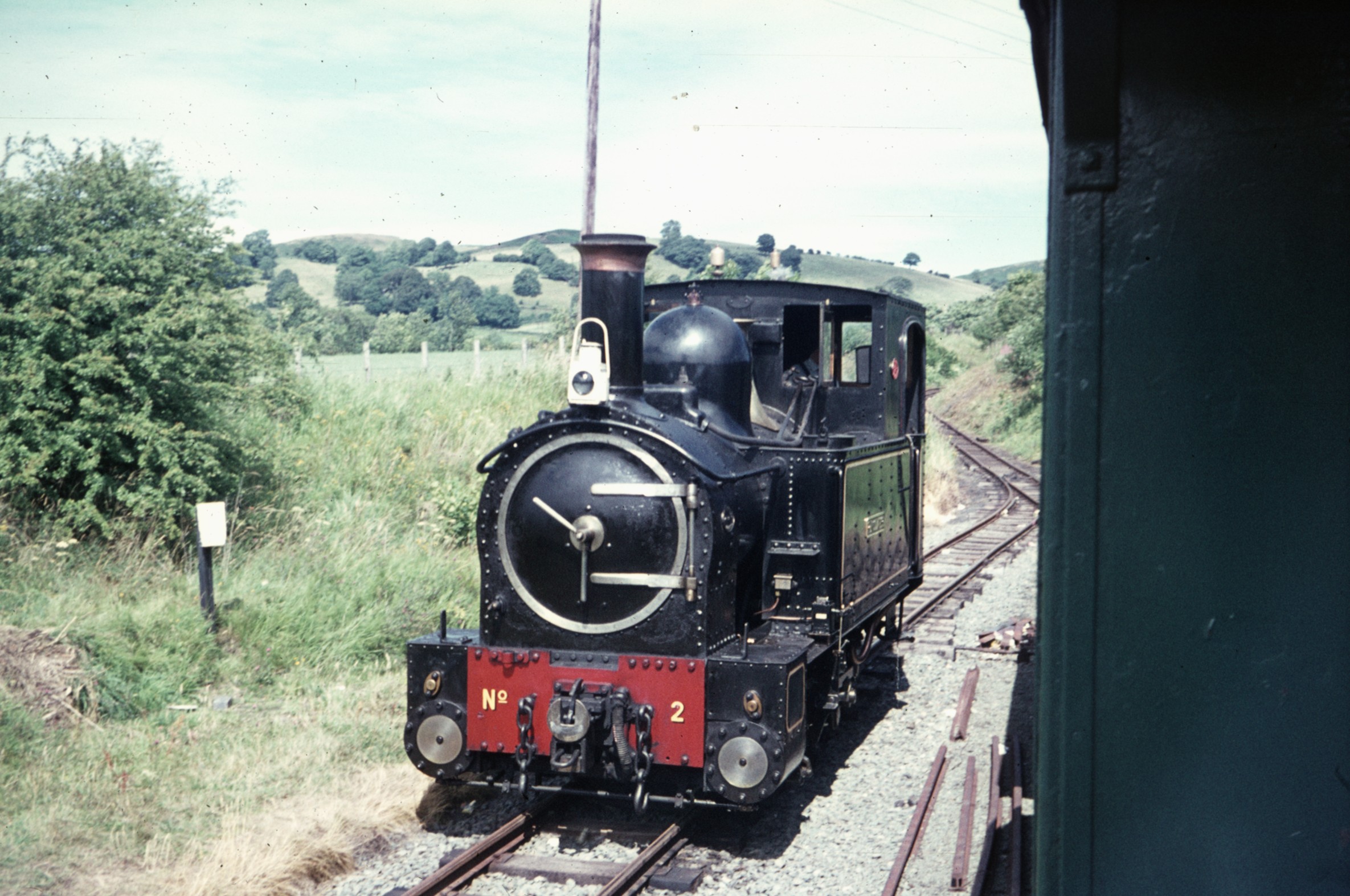
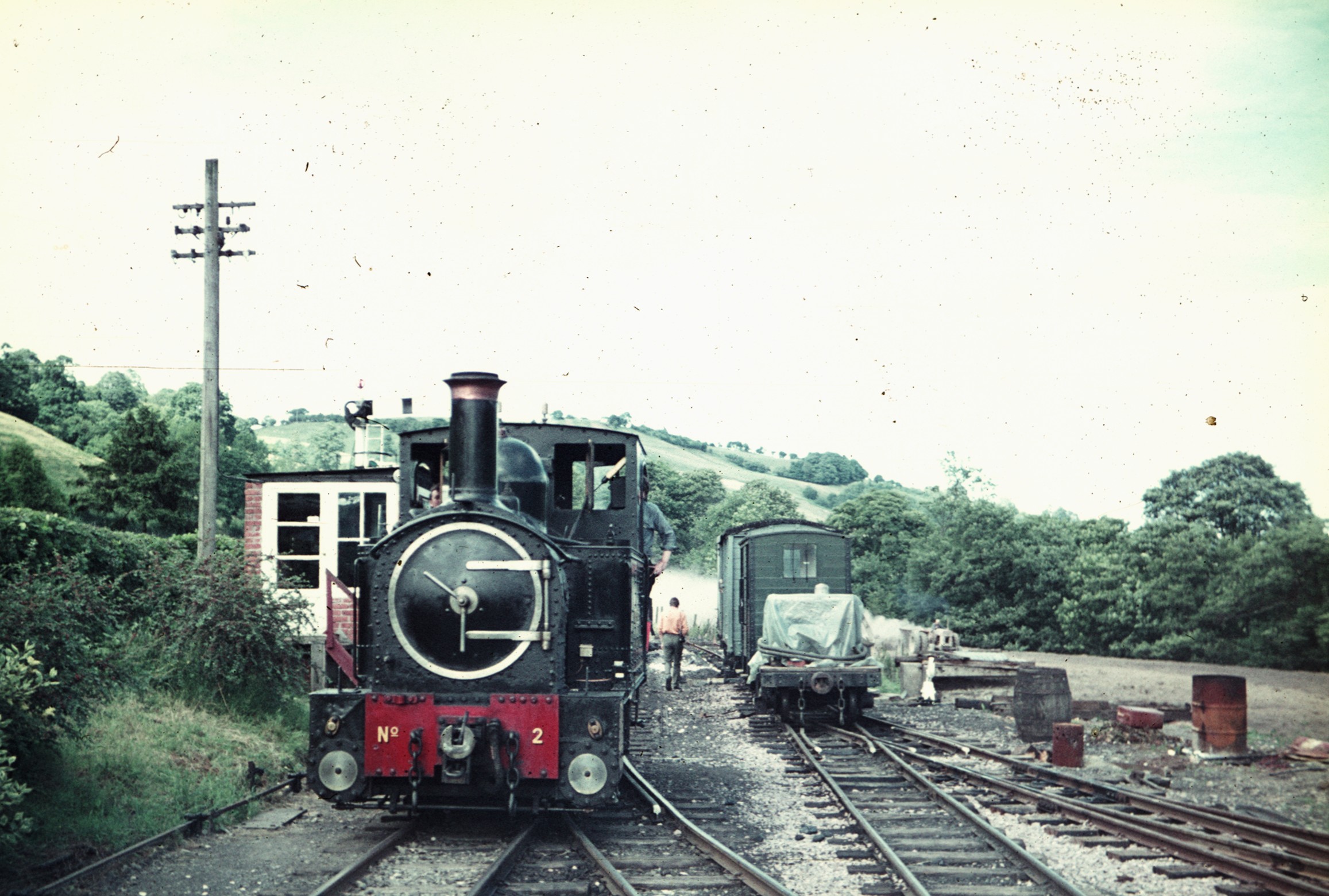
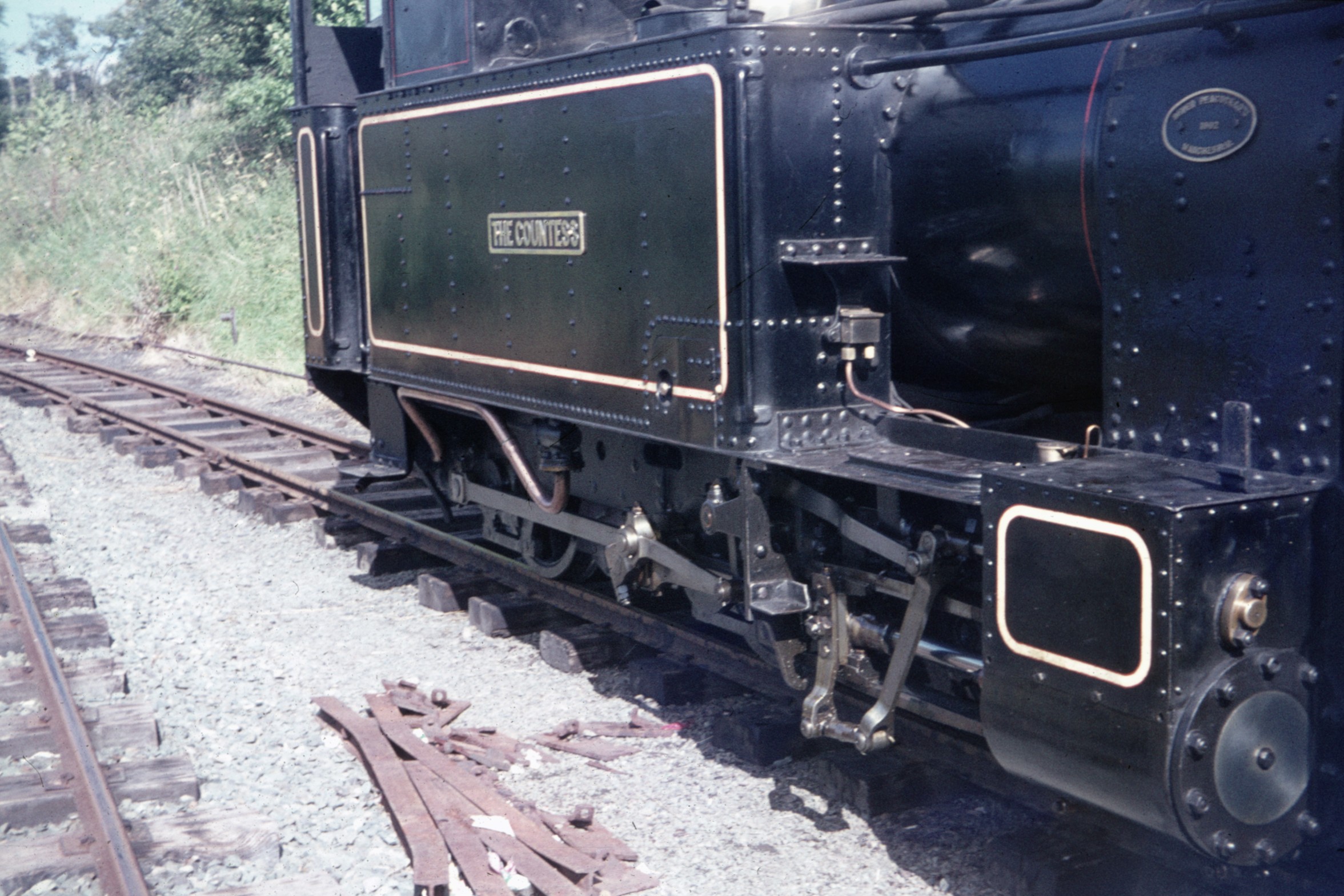
I am going to opt for an easy post (or two) this week, posting a few of my old holiday snaps.  Nothing racy or revealing, I’m afraid, just boring old railways.  So here are four snaps of the 2′ 6″ gauge Welshpool & Llanfair Railway, on the Welsh borders, at the dawn of its preservation in 1970.  One of the original 0-6-0 locos, Countess’ is in charge of the train.

w10 w11 w12 w13

Only a short journey in those days, but nearly the full 9 miles of track has been restored and you can ride behind a variety of European locomotives  – 2′ 6″ is an unusual gauge in the UK, and locos were rescued from all over for the line.  This little railway has always appealed.  It wasn’t a slate or mineral railway, like those in west Wales, but survived on agricultural traffic, and ran through much gentler scenery than the bleak slate country.

Posted in Out and about, Prototype | Tagged , , | 2 Comments