Off my trolley – interurban branchlines 3 – the Sacramento Northern

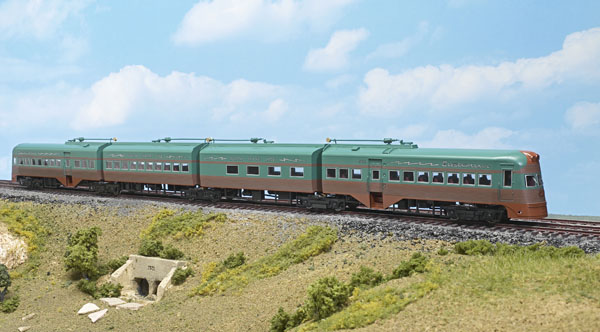
Despite the fact that the Sacramento Northern boasted 183 miles of track around San Francisco it was really just a long, glorified branch line.  Even in 1940, long after most other interurbans had degenerated into poorly-maintained shadows of their pre-WWI prime, the Sacramento Northern was operating trains of freshly painted heavy wooden arch-window cars.

It had some interesting features – some cars carried trolley poles, pantographs and third-rail shoes to operate on various parts of the system.  It also had a train ferry with overhead power.  These was an interesting variety of passenger and freight equipment, steep grades that required helper locomotives, a tunnel and many bridges, all set in spectacular scenery still to be spoilt by suburbia.  Like many other electric lines, the SN operated local services in the larger cities that it served; this was provided by Birney cars in Sacramento, Marysville-Yuba City and Chico.

This photograph sums things up very well.

SN%20-%20Lake%20Temescal-2-13-1957%20-%201600x1067

Photo: copyright 1953-2012 by John L. Mathis under a Creative Commons Attribution-Noncommercial-No Derivative Works 3.0 Unported License

All this seems ideal for the modeller – apart for the dearth of SN models in N gauge.

For a good overview of the whole line, try this site, Sacramento Northern.  Trevor Marshall, on his Achievable Layouts site, has explored options for a number of stations.  Walnut Creek is particularly interesting as a prototype.  It’s just like any other single track passing station, but as it is designed for interurbans, the passing loop is very short – just like a model railroad.

Two other locations are of interest.  Yuba City was a major yard serving the town of that name.  The track diagram below shows modelling potential.  Note the street car line that leaves at bottom left and curves back across the main line.  If you visit Google Earth and the site of the yard, you can still see evidence of track in the tarmac at this crossing.

yuba_tip

Byron Henderson has compressed this well for N gauge, albeit in post-electric days.

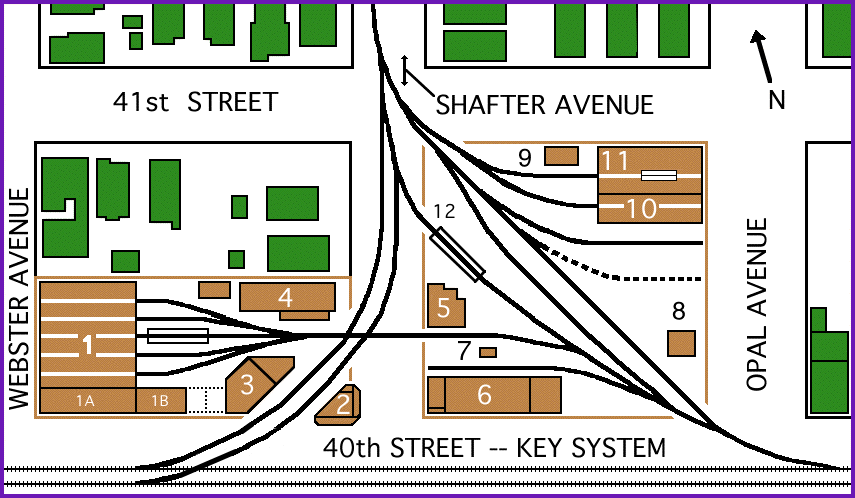
Perhaps even better, was the junction at Shafter, Oakland CA, where the SN met the Key System.  Look at this track layout!  The local residents in Shafter Avenue continually complained about the SN, as any switching in the little freight yard to the right required use of the track up the middle of the road.  At least it wasn’t steam….
shaftermap

Without compression, this would fit a board about 5 x 3 feet in N-scale.  It would probably fit onto the usual 4 x 2 foot board with a little adjustment.
15938b


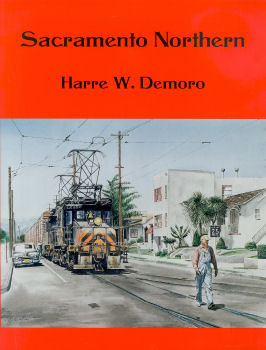
Best book is this one.  Expensive, but delightful.  All in all, the Sacramento Northern has a lot going for it…..

Posted in Inspiration, Layout design, Traction | Tagged , , , | 4 Comments

And Vienna, 2007

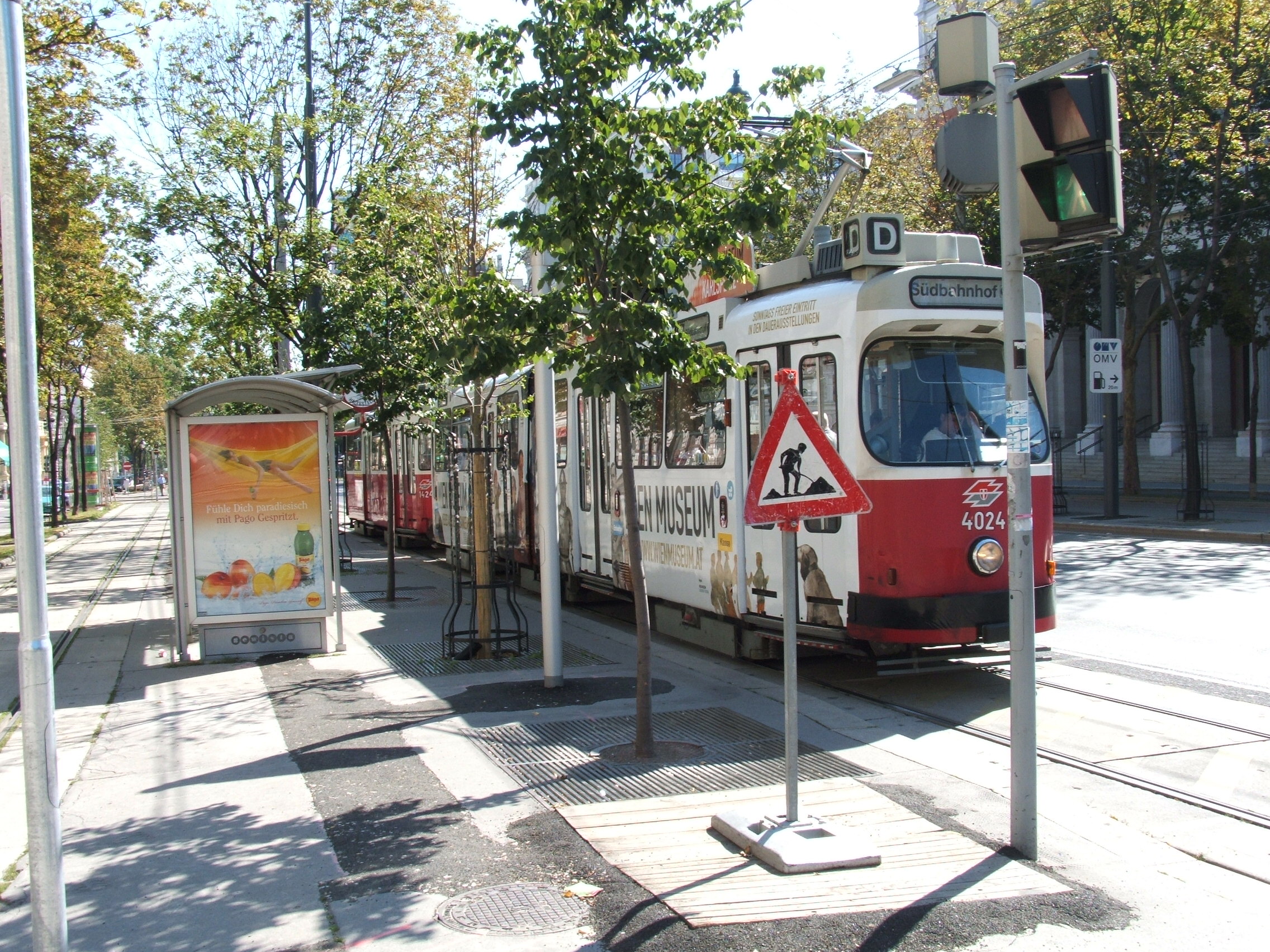
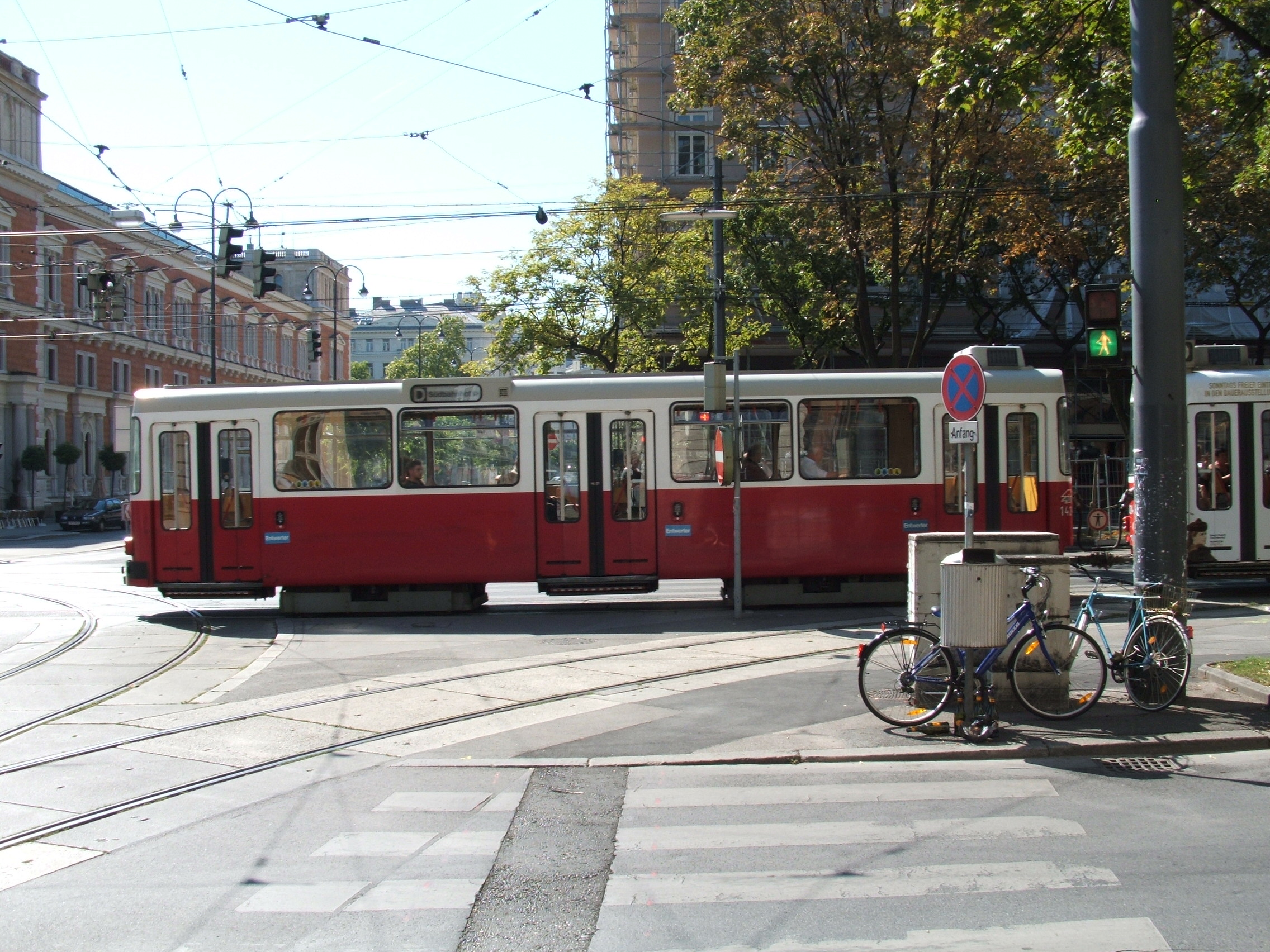
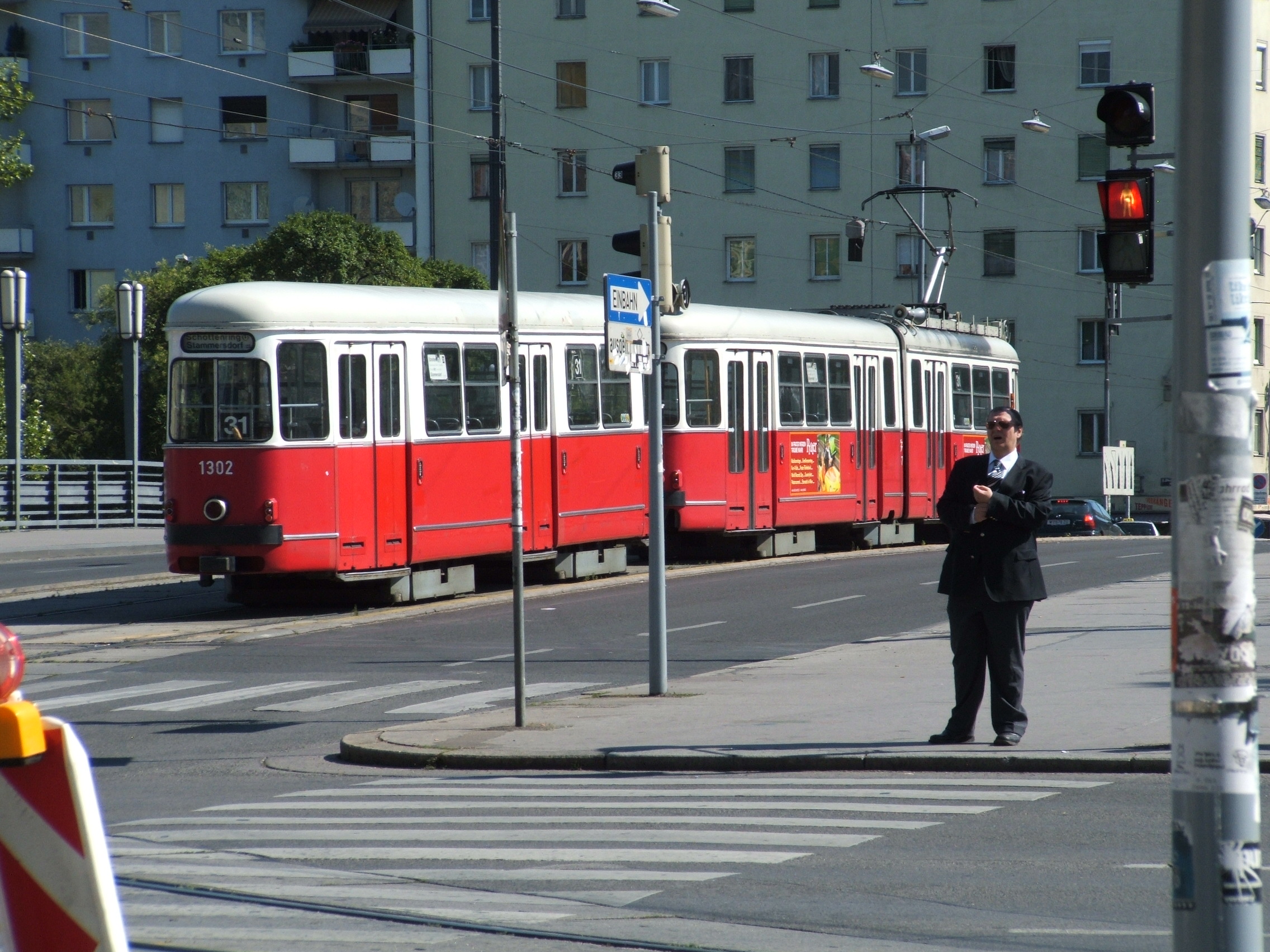
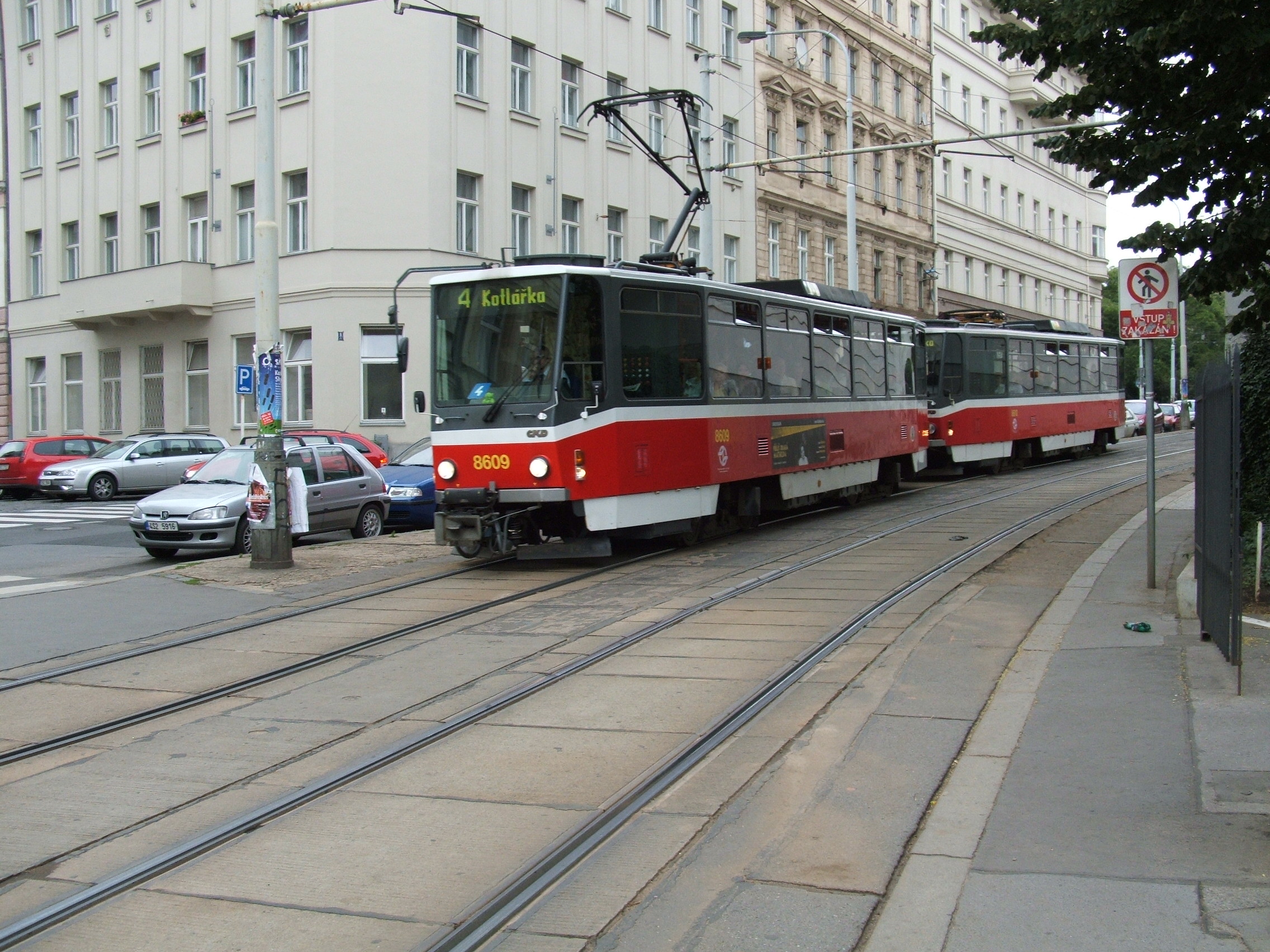
And so to Vienna.  It was really too hot to wander around hunting trams, but I did get a few shots….
DSCF0114 DSCF0117 DSCF0119 DSCF0120

Posted in Out and about, Prototype, Traction | Tagged , , , | Leave a comment

Prague trams, 2007

Another batch of photographs.  In 2011 I went on a study tour of Prague and Vienna (I did pay for the privilege!), looking at flood defences and hydropower schemes. I was delighted to have a hotel room in Prague overlooking one of the many tram lines.  I didn’t have chance to ride the routes, but a walk around the city allowed me to pick up a few more shots.

DSCF0045 DSCF0044 DSCF0009 DSCF0007 DSCF0006 DSCF0004 DSCF0005 DSCF0003 DSCF0002 DSCF0001

And just to show that flooding is nothing new, Prague gets very wet from time to time!

DSCF0014 DSCF0041

Posted in Out and about, Prototype, Traction | Tagged , , , | Leave a comment

ESNG meeting – 19 February 2014

Last night was a ‘blast from the past’ evening.  Ex-member Andy Smith and his young lady paid us a visit.  And a very old friend of Derek the At * turned up.

Duncan and John were ‘knitting’ – fitting overhead masts and dummy rubber overhead wires to an Alpenbahn module, in readiness for the exhibition.  The overhead masts look very realistic, but it really is fiddly work getting it all together.  I might have to do something similar when I start a traction layout and it almost makes crochet seem attractive.

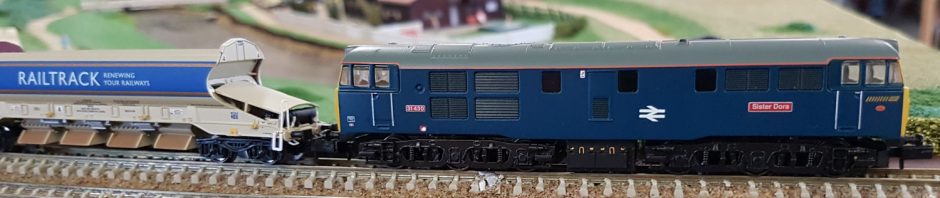
Nothing too exciting on the circuit.  Paul had his usual long Japanese goods trains.  There was a nice Bullied Pacific and Pullman coaches.  Neil was running an HST and also a long unit coal train headed by a blue Class 37.  He then swapped this for a blue diesel and a blue and white inspection saloon.  These looked very good travelling around the circuit a slow but measured pace.

Neil had an interesting question.  Why is it that real bridges, fields and the like are so big, but when you model them to scale (if you have room) it doesn’t really look ‘right’?  He had some videos of Eurostars crossing the Medway bridges and other high speed trains crossing French farmland.  I’m not sure of the answer.  It must be to do with viewpoint, perspective, and just how much the eye can take in at one go.

* For external consumption, we have two members called Derek.  Both have surnames beginning with A and a beard.  One is club treasurer and one is ex-club treasurer.  If you’re not confused by now, you should be.

Posted in ESNG, ESNG meetings | Tagged , , , | 1 Comment

Off my trolley – modelling traction in N

Let’s take a slight diversion away from layout design to consider what one might run on this N gauge traction layout.  At moments like these I sometimes wish I had chosen HO to model in.  There is a good range of traction models and kits in HO, and I would have an excuse to run my HO Con-Cor ‘Electroliner (when are you guys going to do a run of this superb model in ‘N’?)  And of course if I were rich enough, O gauge beckons.

mrr-pr0909_04a

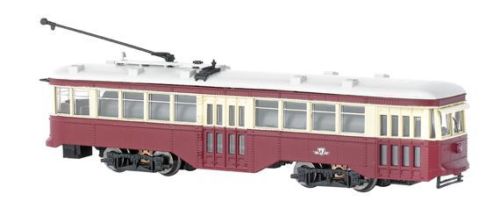
But back to N gauge.  Firstly ready to run USA models.  These are limited to the rather basic Bachmann Brill and PCC car….

$T2eC16VHJHIFFhi0pvg,BRzrmJl4ew~~60_57 $(KGrHqF,!rMFIhbNCUfUBSIjSBt-eg~~60_3

And the very nice Peter Witt….

$(KGrHqF,!okFJFwGUNFjBSTpV(4y8g~~60_12

The Brill looks a lot better with the cut out passengers and original mechanism removed, and replaced by a Tomytec chassis.  You can see the mechanism, but at least you can see through the coach from one side to another.

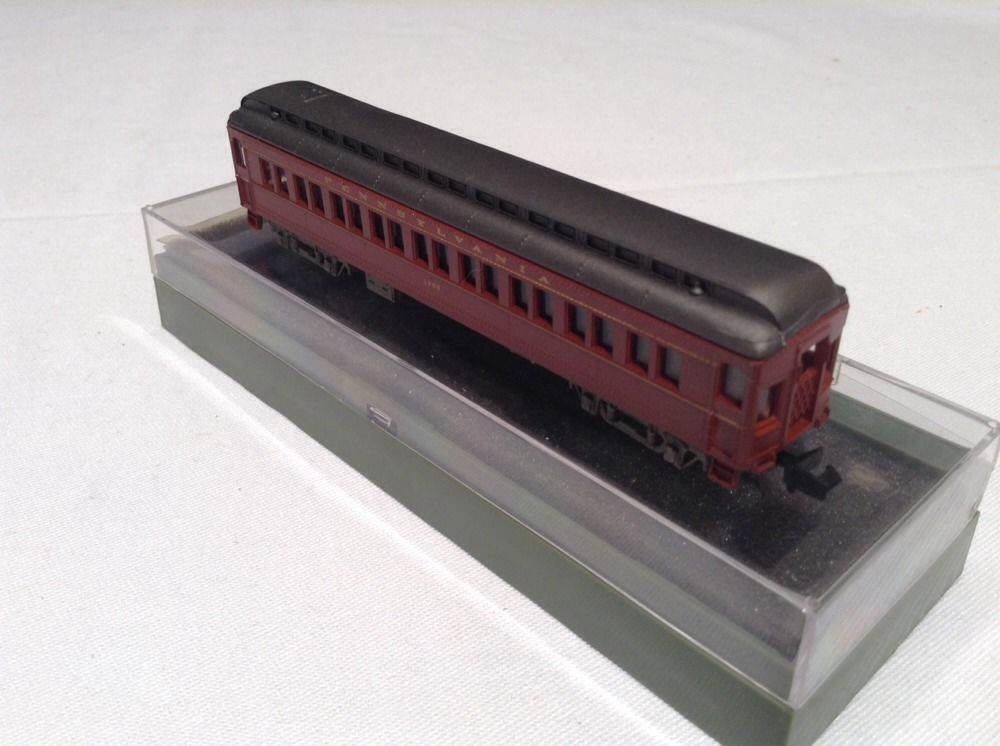
One must also mention the ‘shorty’ Bachmann coaches.  These have a lot of potential to convert them into interurban cars….

$_57

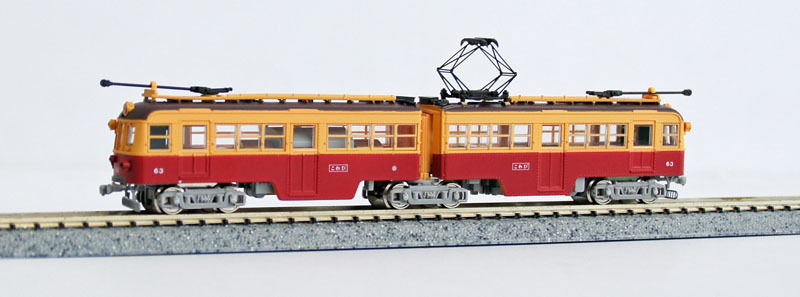
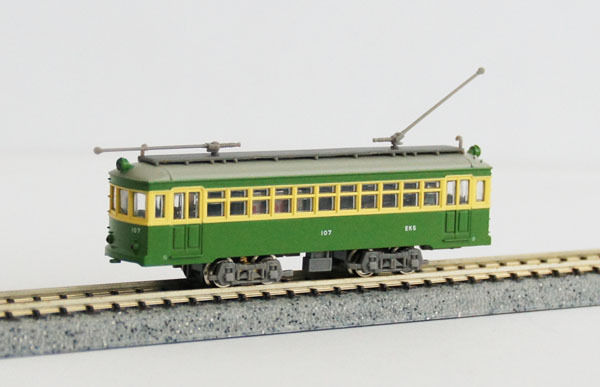
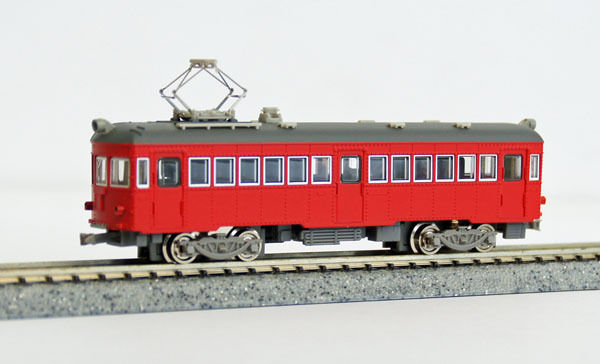
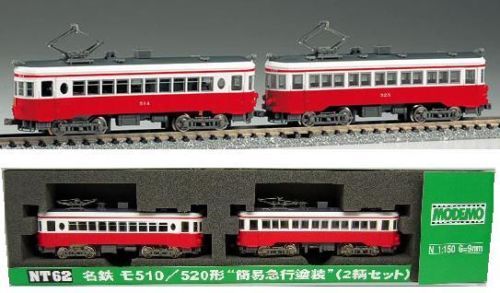
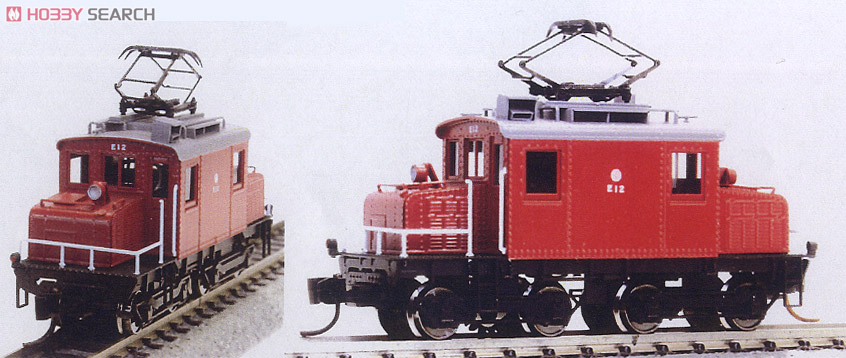
If you are ‘freelancing’ to some extent, there are some very nice models coming out of Japan.  These include cheap models by Tomytec and Bandi, and some very nice models by Modemo….

$T2eC16VHJHYFFkP1fOBJBSOFZY8sLw~~60_3 $(KGrHqR,!hIFEBNFOl(4BREREEzGC!~~60_3 $T2eC16hHJHYE9nzpgI2vBQ8SGzLbkw~~60_3 $T2eC16NHJGkE9no8gGE!BQhWkGdW,g~~60_12

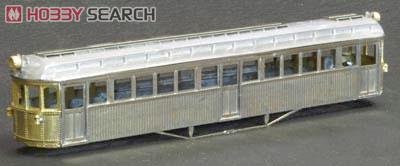
And expensive kits or models by small manufacturers such as World Craft and Masterpiece….

10189726b  10235379b

Some of these models have a real US look, especially if the pantographs were replaced by trolley poles.  Unfortunately, like many US or UK companies, models are often on limited runs and you need to spot them and buy them as available.

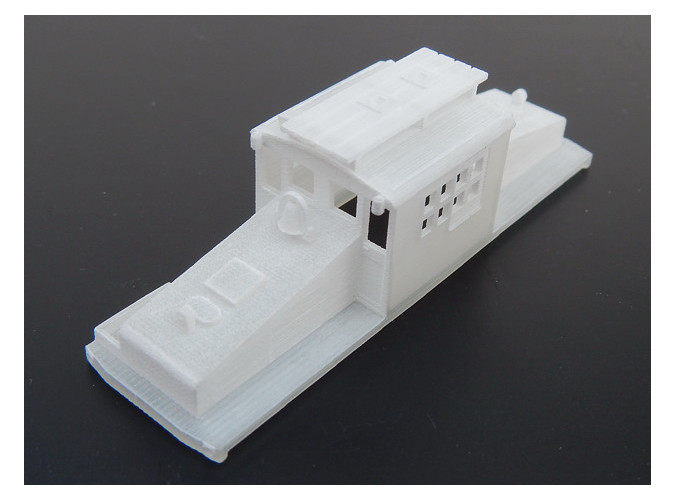
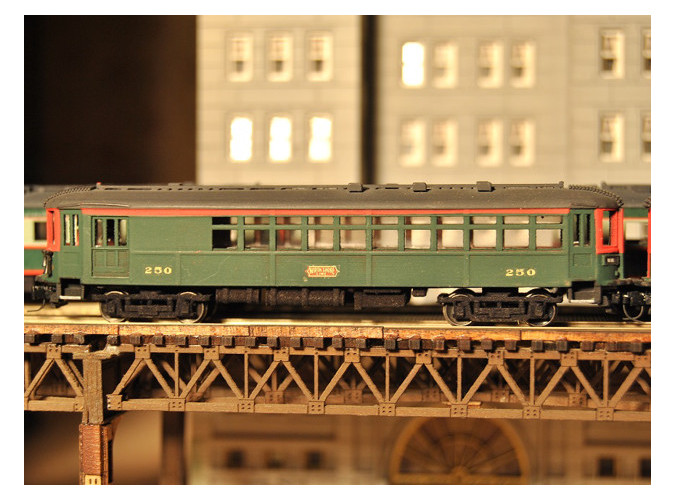
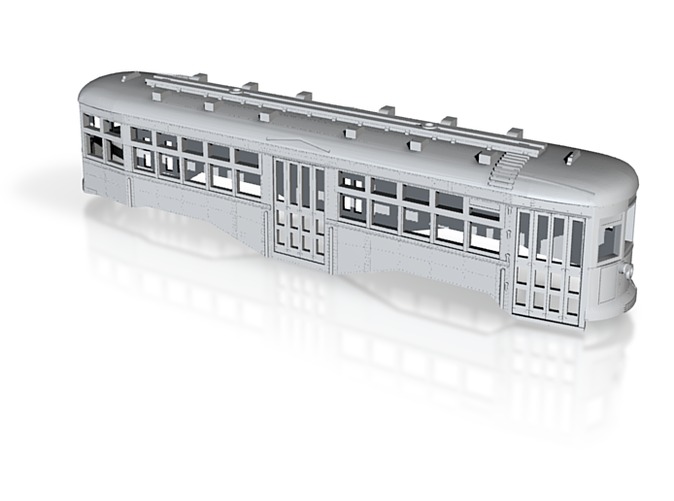
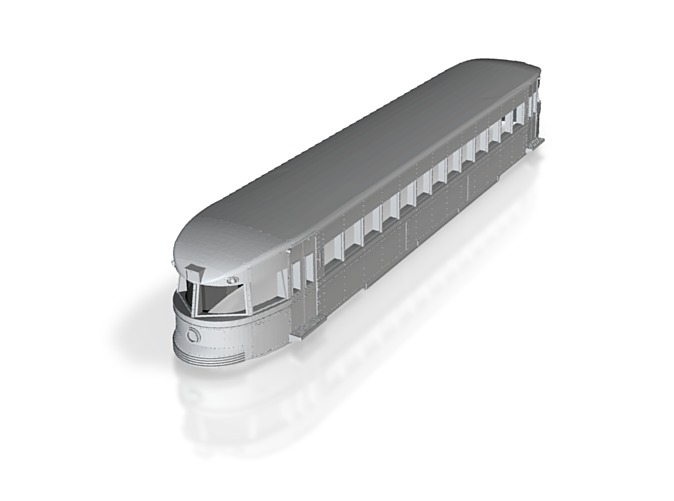
A third source of models is 3D printing, usually on Shapeways.  A number of manufacturers make 3D models, of some interesting prototypes.  (See http://www.shapeways.com/shops/boxcarmodels,  http://www.shapeways.com/shops/ihphobby and http://www.shapeways.com/shops/ghbinternational amongst others).  3D printed models need careful finishing, but the quality of models improves by the week….

674x501_1630886_1983905_1389816174 674x501_1184164_2056633_1390747183 674x501_1221266_1179331_1375389595 674x501_1046815_946781_1366256481

Lastly, track.  N gauge tram track is made by Kato and Tomix, and the really adventurous might try the Proto87 Street Track (http://www.proto87.com/easy-street-track-system.html) , that should be adaptable from HO to N.

So in summary, a certain amount of conversion and scratch building may be necessary to model an N gauge traction line.  But that in itself is an attraction.  This may also affect one’s choice of prototype – but that’s for another post.

Posted in Jon's layout ramblings, Layout design, Traction | Tagged , , , | Leave a comment

ESNG modular systems

The ESNG works to two N-gauge modular systems.  With our show coming up, perhaps a quick reminder of the standards is in order.  The first is N-mod.  This is an adaptation of the USA N-Track system, the main difference being that there are 4 tracks and all tracks are at the front of the board.

The length of the module is defined as 4 foot, to keep a standard geometry and enable a continuous layout, but the width can vary, behind the four tracks, as desired.  All track is PECO Code 80 (at least at the module ends.)  The modules are joined by a short, nominally 3 inch, removable length of track to take up variations in length and width.  And variations there are, perhaps due to unevenness in the hall floor, wood changing shape with time, and the general incompetence of the members.

N-mod

The sketch shows these dimensions.

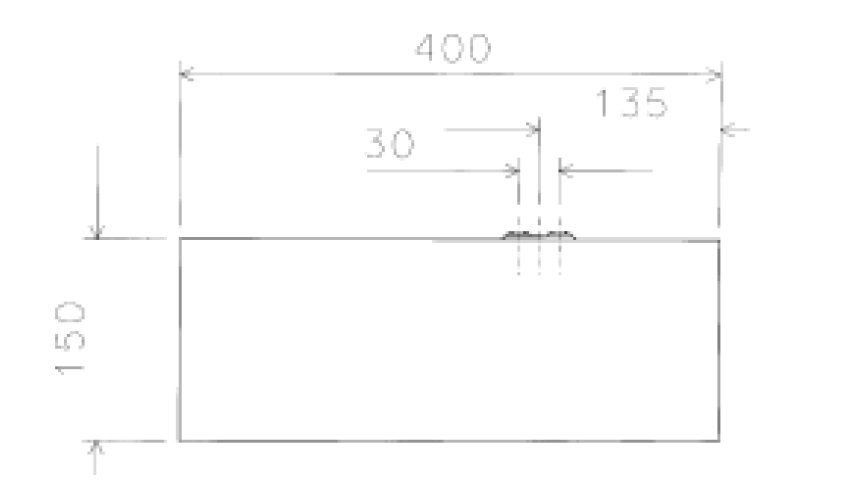
The idea of an N Club International module came from wanting a pan-European N gauge standard.  The boards are double tracked (although a single track standard also exists).  The standard board width is 400mm, with tracks at 120 and 150mm from one side.  The boards can be any length, as the modular layouts set up are generally end-to-end, with loop boards at either end.  Common lengths are 800 and 1200mm.  Junctions can be used to set up a complex layout.

The track goes right to the end of each board, and is laid with a jig.  The modules are aligned by dowels and bolted together.  Theoretically, this method of using a precision jig guarantees a perfect alignment between adjacent modules.  It usually works!  Track is PECO Finescale Code 55 which has a more prototypical look thanks to its lower profile Code 55 rail.

N-club

 The sketch shows the board end profile.

Two different standards, and two different concepts.  N-mod does allow some crowd pleasing running at an exhibition.  We keep enough N-mod modules to build a circuit in our meeting room,  and allows members to run (and watch) plenty of trains on club nights.  NCI perhaps allows more variation of track planning, as double track lines were (and are) more common than four-track sections.

Posted in ESNG, Layout design, N Club International | Tagged , , , , | Leave a comment

West Highland Railway, 1975

A long day down in the UK West Country yesterday, looking at computer models of flooding in the Somerset Levels.  So I’ll post some more of my old holiday snaps!  I hope to post another traction design article in a day or two.

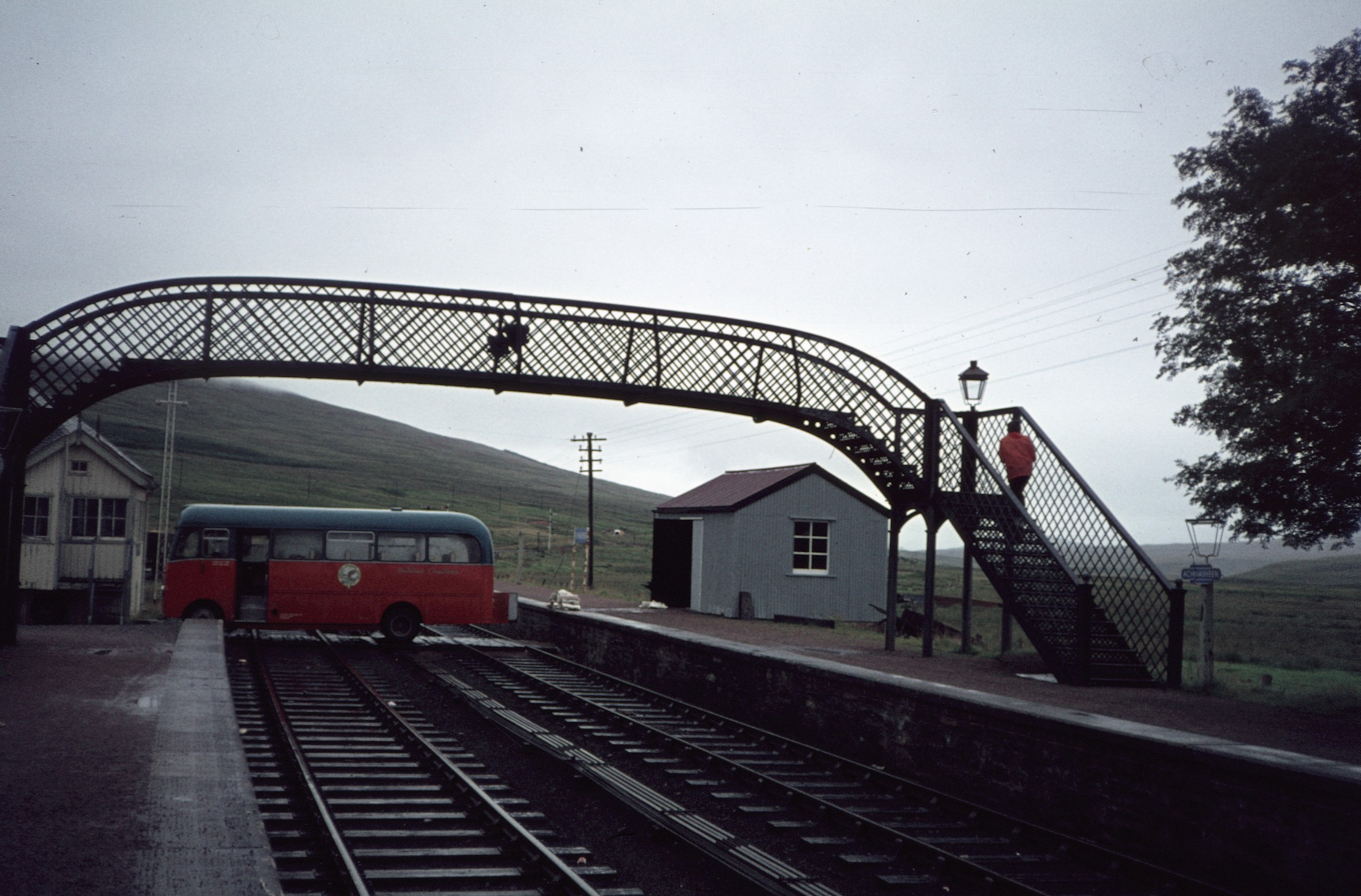
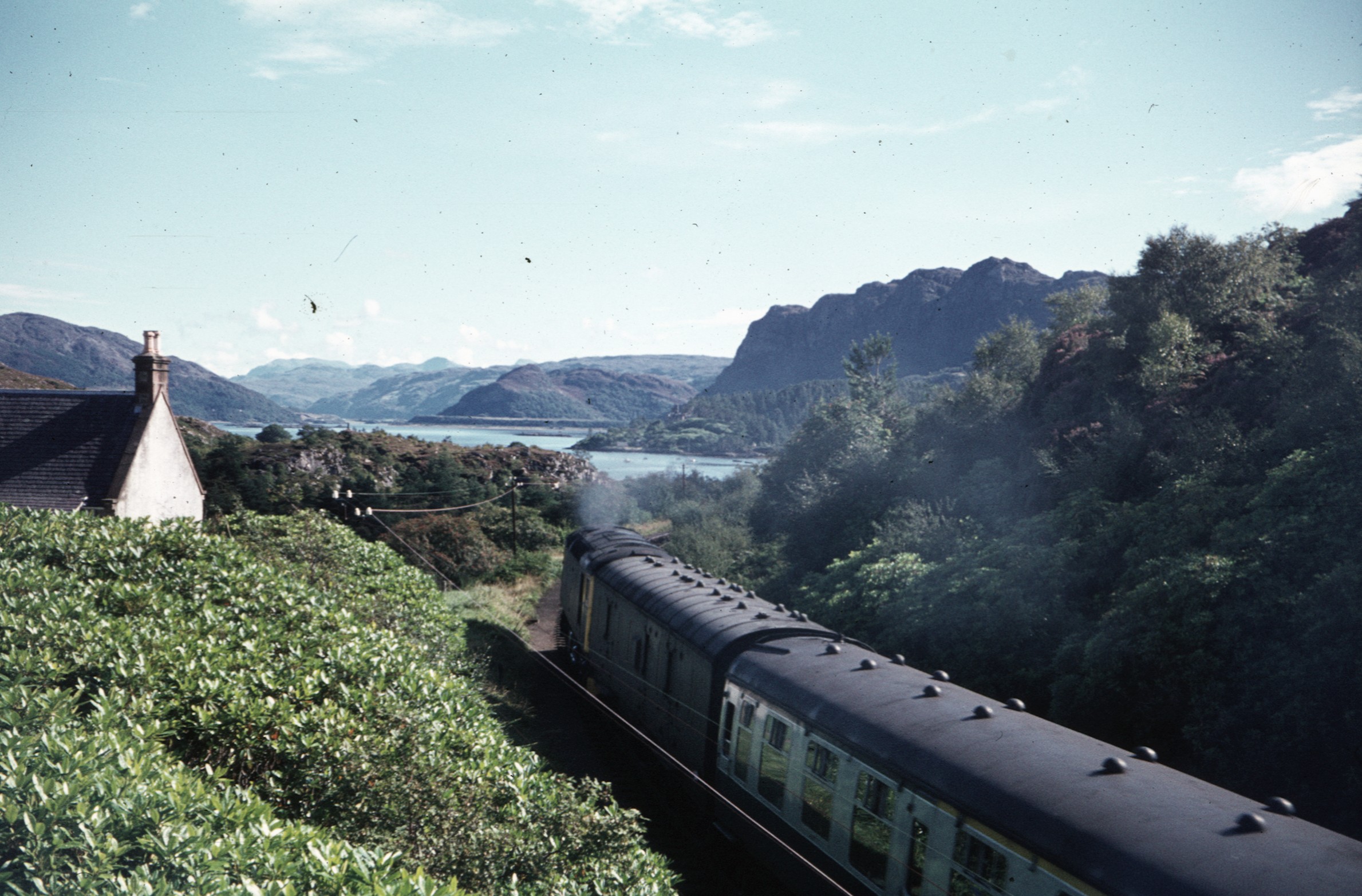
Most of these shots were taken retreating from a walking holiday in the West Highlands with some university friends.  I say ‘retreat’ as we were forced to cut short our holiday after it rained for 24 hours solid (sounds familiar, doesn’t it – this is what usually happens in Scotland), and our tents were soaked through.  Being a careful backpacker, I was the only one with a dry set of clothes in plastic bags….  So we took the train back to Edinburgh (via Glasgow) and spent longer than we expected at the Edinburgh Festival.  The bus in the photo is, I think, parked to put the mail on the platform by collection by the soon to arrive train.  The last photo is from an earlier walking holiday – an idyllic Plockton, on the west coast, in rather better weather in 1973.

s42 s27 s26 s25 s21 s16

Posted in Out and about, Prototype | Tagged , | Leave a comment

ESNG Exhibition 2014

I have been putting together the (hopefully) final plans for our 2014 show.  It’s a more of a challenge this year, as we are changing venues, largely due to increased hall charges.  We knew our old venue very well, and it was easy to plan a show and know what it would look like on the day.

The new venue has the benefits of plenty of on-site and free car parking, and being all on one level (no lift to go wrong during set-up).  It’s a little further from the centre of Redhill, though, and we are going to have to do our own catering.

However, I think the day will be as good as ever.  Layouts attending are:

  • ESNG Modular: N-mod Circuit
  • Alpenbahn: German Modular
  • Garsdale Head: BR Settle & Carlisle
  • Kanjiyama: Japanese
  • Branksdowne Junction: BR
  • Leonard: Modern Southern
  • Plus 2 more (whose owners seem to be reluctant to give me their layout’s name)

We are especially pleased to have Garsdale Head on show, as the owner has recently moved ‘down south’ and is looking to get back on the exhibition circuit here.

Trade is represented by:

  • ESNG Club Shop
  • BH Enterprises
  • NscaleCH
  • Croydon MRS Shop
  • JB’s Model World (Rolling stock storage)
  • N Gauge Society second-hand Shop

Other stands are:

  • ESNG club stand
  • N Gauge Society stand

Maybe see you there?

esng2014

Posted in ESNG, ESNG meetings, Out and about | Tagged , , , | Leave a comment

Black Swans? Dispatches from the front line of climate change.

It seems there are three things not to talk about in polite company – politics, religion and climate change. I can’t be that polite, as only politics is off limits…. However, this article gives a good history of the Dawlish coastal main line, with historic pictures and some interesting weather statistics. The WUWT site is always worth a look – it is sceptical about climate change, but in a balanced way (until you read the comments, that is!)
Sorry, I’ll get back to N gauge railways soon….

Posted in Prototype, Weird and wonderful | Tagged , | Leave a comment

Somerset levels, February 2014

The damage to Dawlish is a bit of a side show to the ongoing flooding of the Somerset Levels.  I did learn last week that ‘Somerset’ is a derivation of ‘Summer Land’ – in days gone by people only lived there in the summer, as it flooded all winter.  We seem to be going back in time.

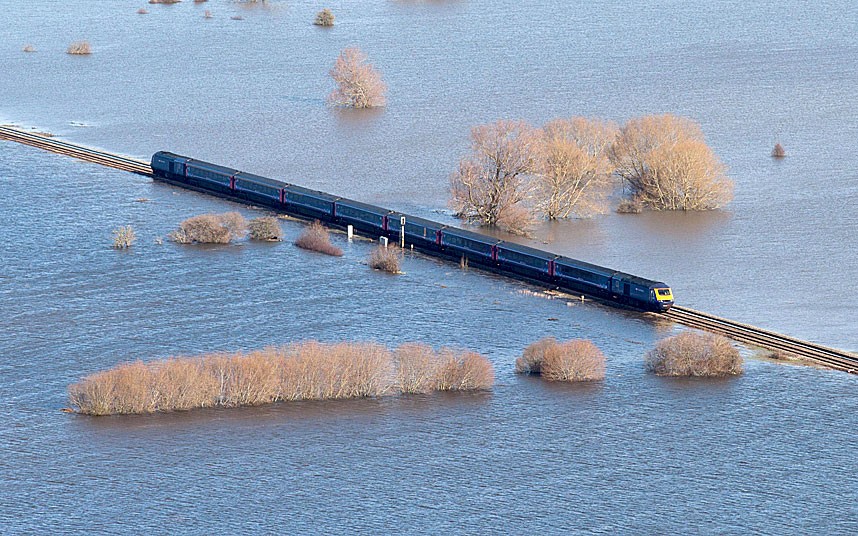
However, this photo from todays Daily Telegraph might just be an inspiration for a watery module?  It reminds me of the Florida Keys line, that was taken out by a hurricane a good many years ago.

uk-weather-somerse_2815122k

Posted in Prototype, Weird and wonderful | Tagged , | 2 Comments