Off my trolley – a new design series

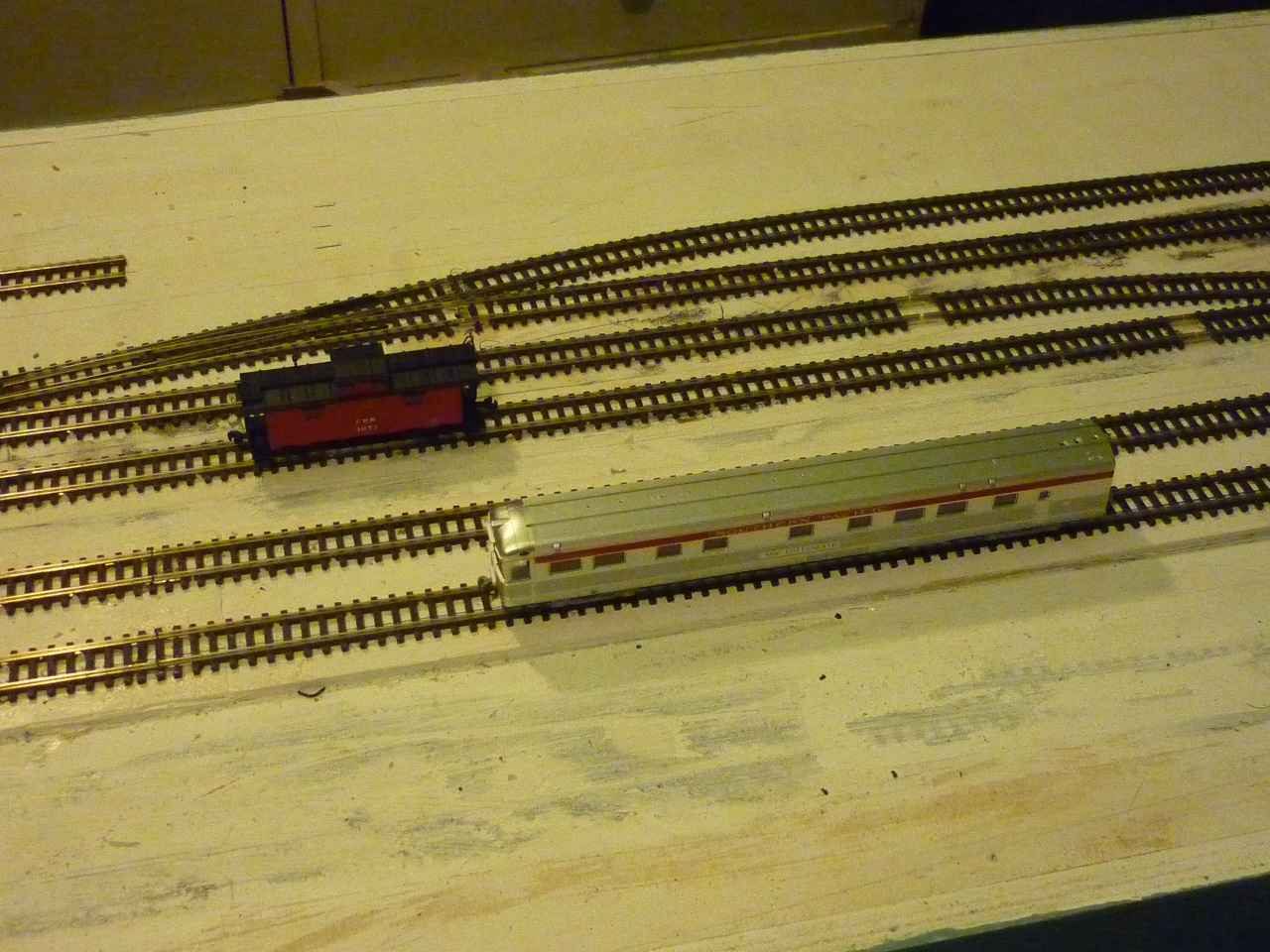
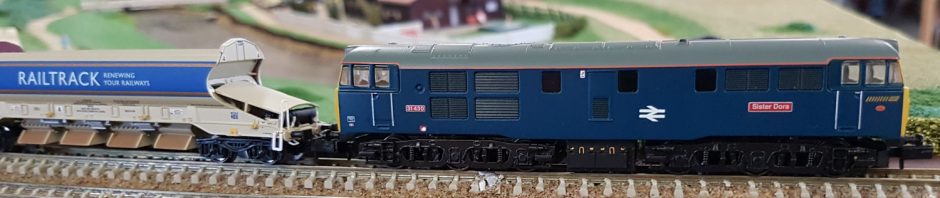
As I continue to make good progress on my modules, the armchair modeller in me is already thinking about another layout.  I have this irrational urge to build an N-gauge US trolley or interurban layout – sometimes known as a ‘traction’ layout.  Not easy, with the materials available, but still an attractive proposition.

In these posts, I’ll try and look at some possible designs, but firstly, what is a trolley and what is an interurban and why model them?

In the UK context, for ‘trolley’ read tram – like the systems that once graced our cities.  ‘interurban’ read ‘large trams’ or ‘EMUs’ running between towns and cities.  There was also often a freight service interchanging with the conventional railroads, handled by small – or in some cases very large – electric locomotives.  Perhaps the UK equivalents are the modern LRT systems such as Croydon and Newcastle that run on public streets, but in places have taken over redundant portions of the rail network.

So traction equipment can cover a spectrum ranging from interurbans, colourful urban trolley lines, modern light-rail systems and elevated rapid transit systems.  In the USA, a number of railroads, especially in the northeast, but also in San Francisco, also went electric.  They ran commuter services with EMU’s much as we find into London, but some ran all services by electricity.  The famous GG1 class electric comes to mind here.  These systems, interesting as they are, are a step up from trolley and interurban modelling.

Interurban and trolley lines often were built with tight curves of smaller radius than we use in our mainline models.  This makes them ideal model railroad subjects, especially in the larger scales.  Interurban equipment often ran on trolley lines as well as their own rights of-way to link city centres together.  Given the limited space many of us have for a layout, traction could be the ideal solution for combining operation, intriguing equipment, and interesting, short, trains.

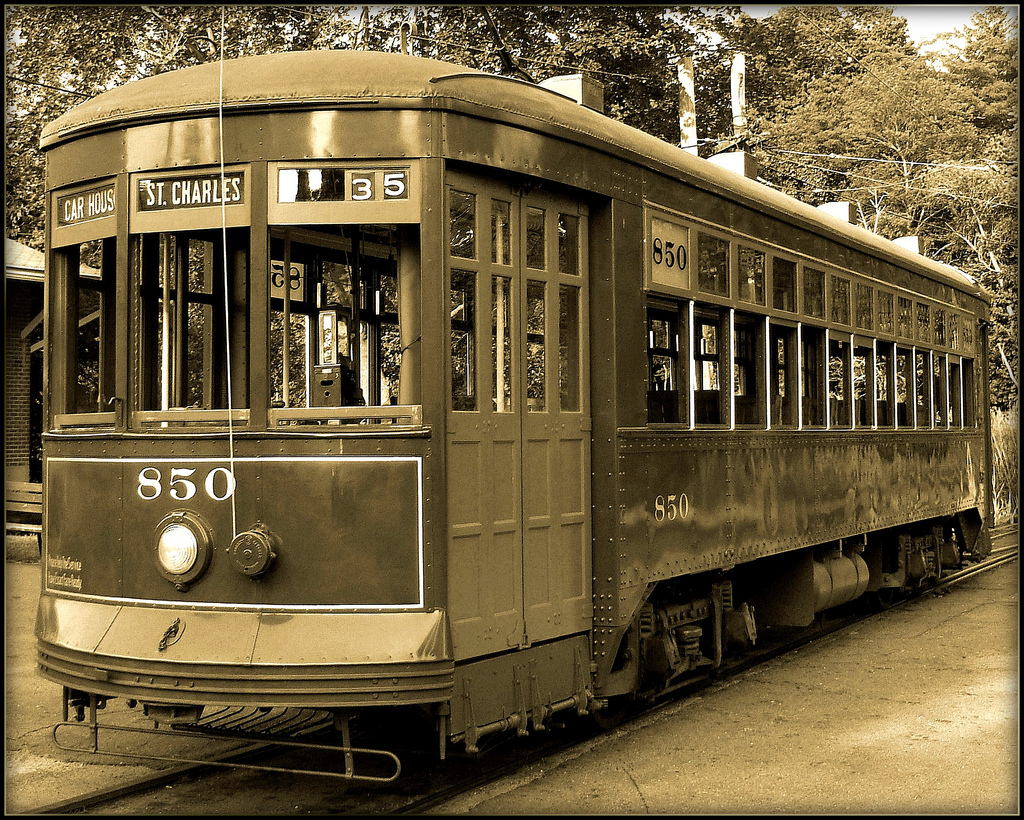
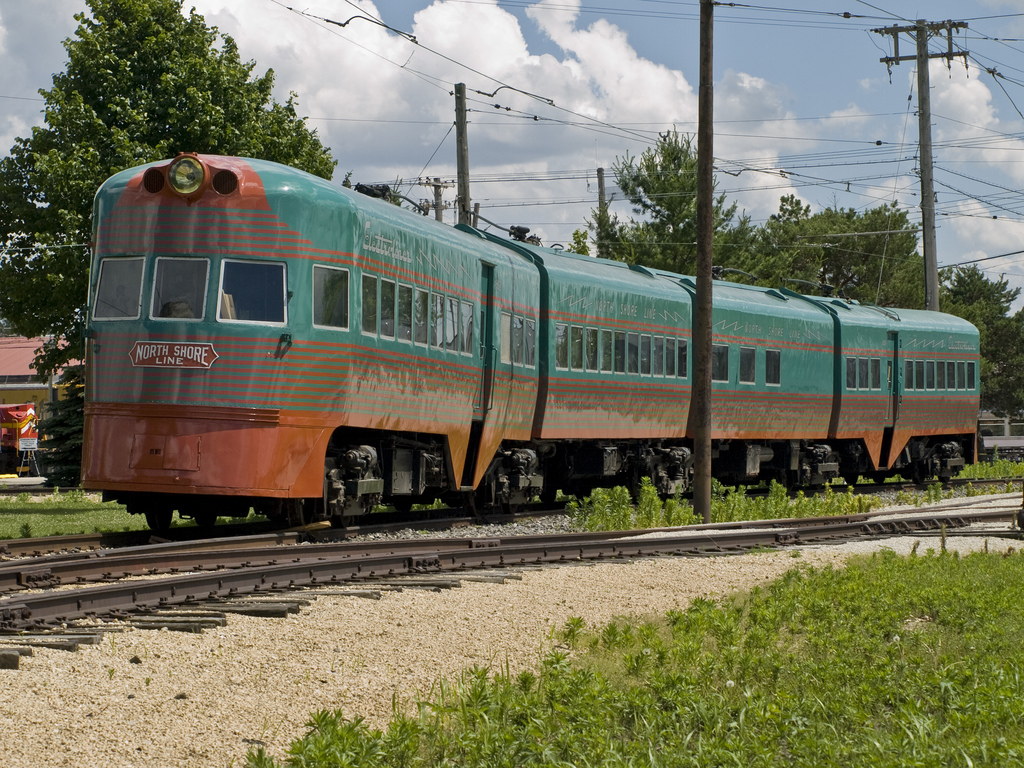
The photos below show some typical traction equipment (photos, creative commons).
large_2608236857 large_2676649224

Next time, I’ll look at the potential of trolley modelling.
Posted in Jon's layout ramblings, Layout design, Traction | Tagged , , , | Leave a comment

Java junction

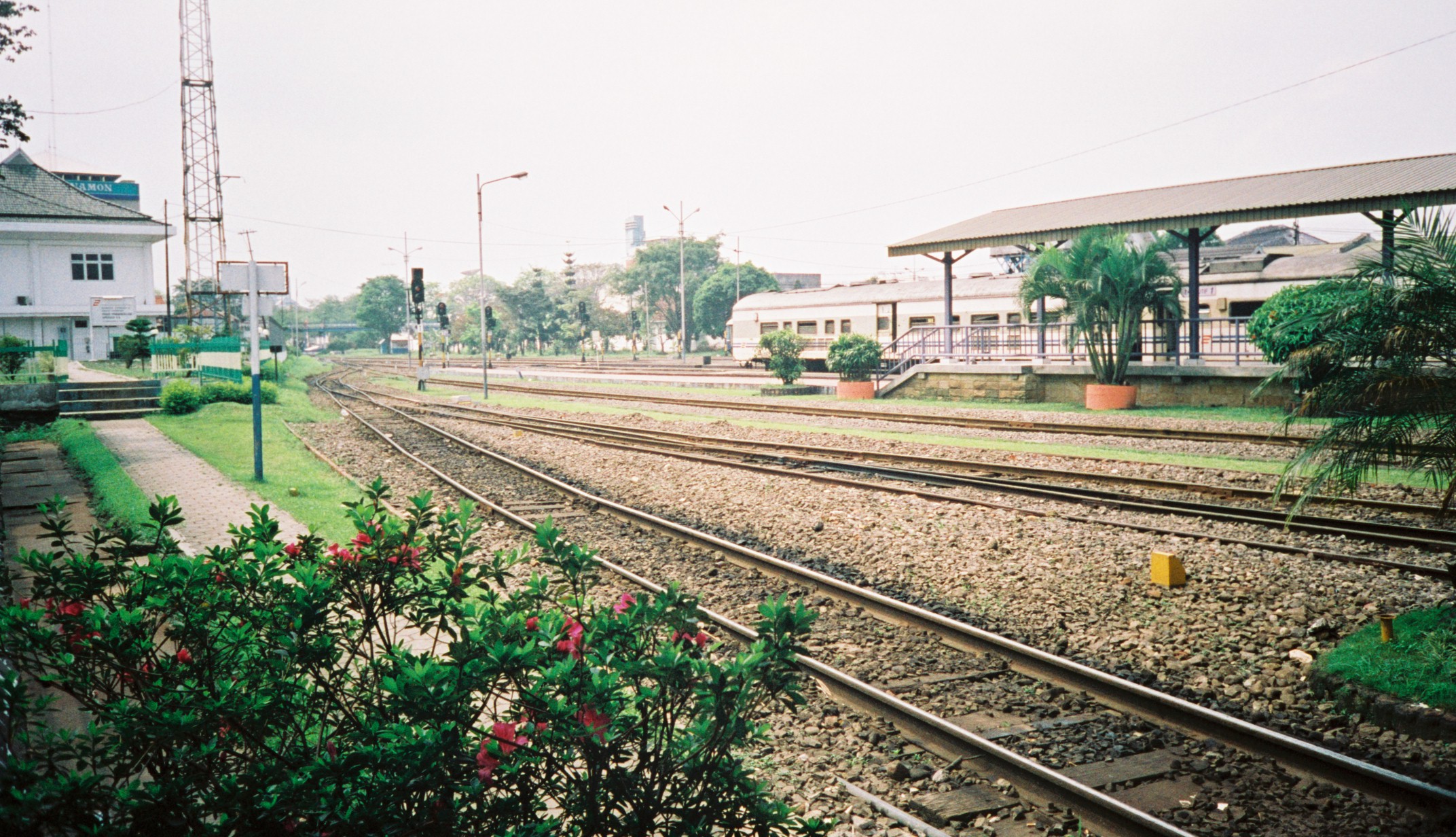
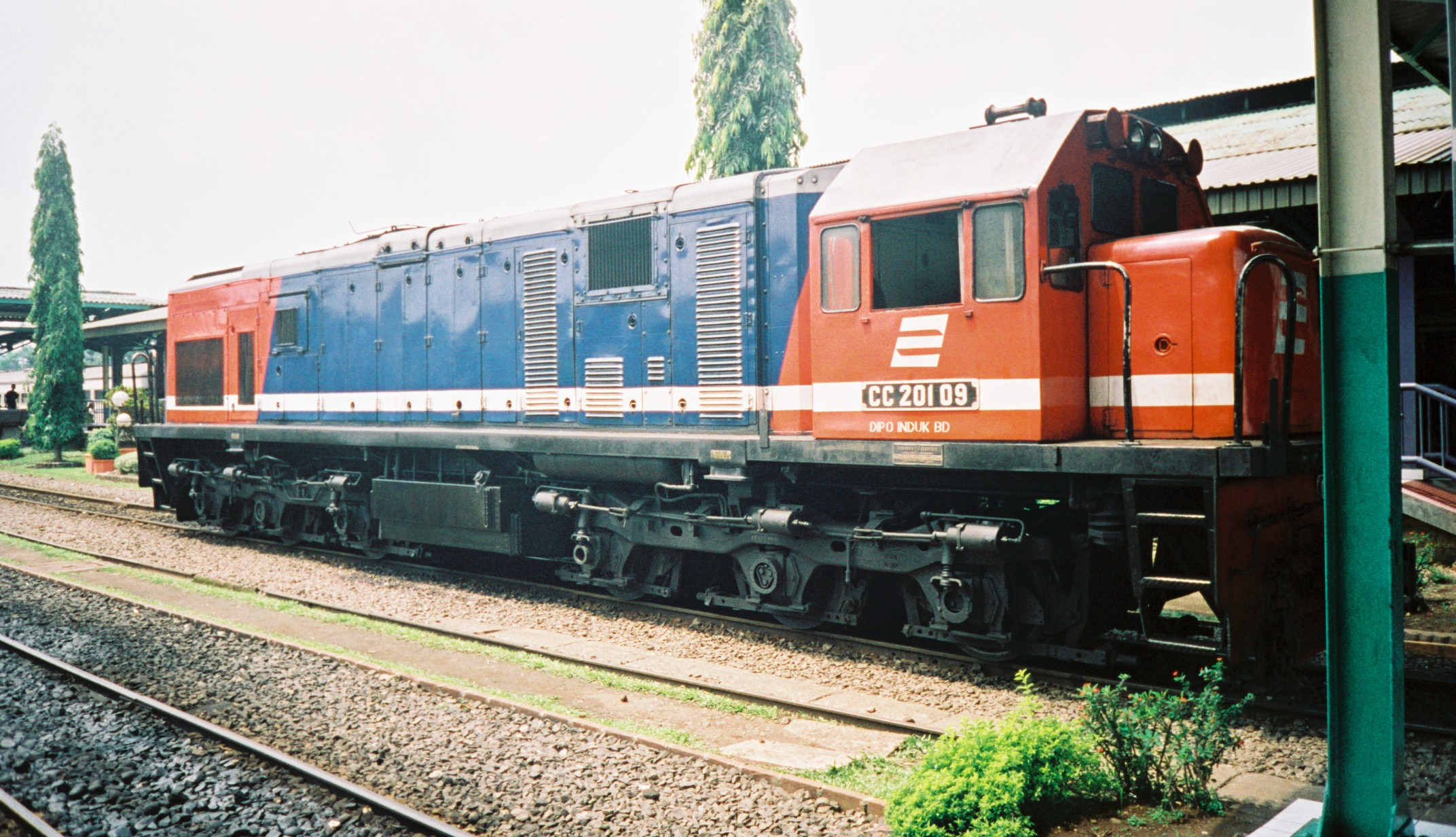
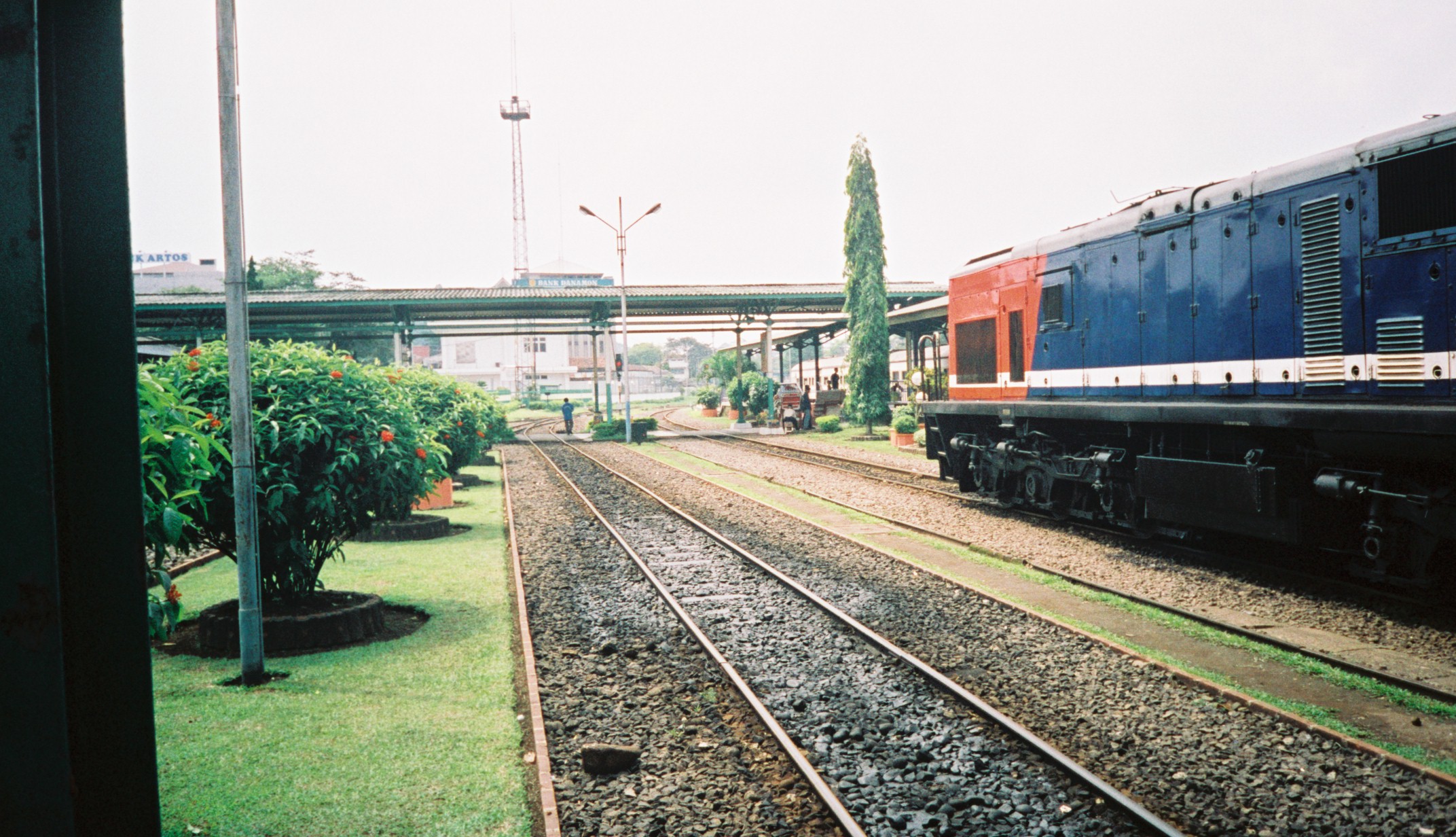
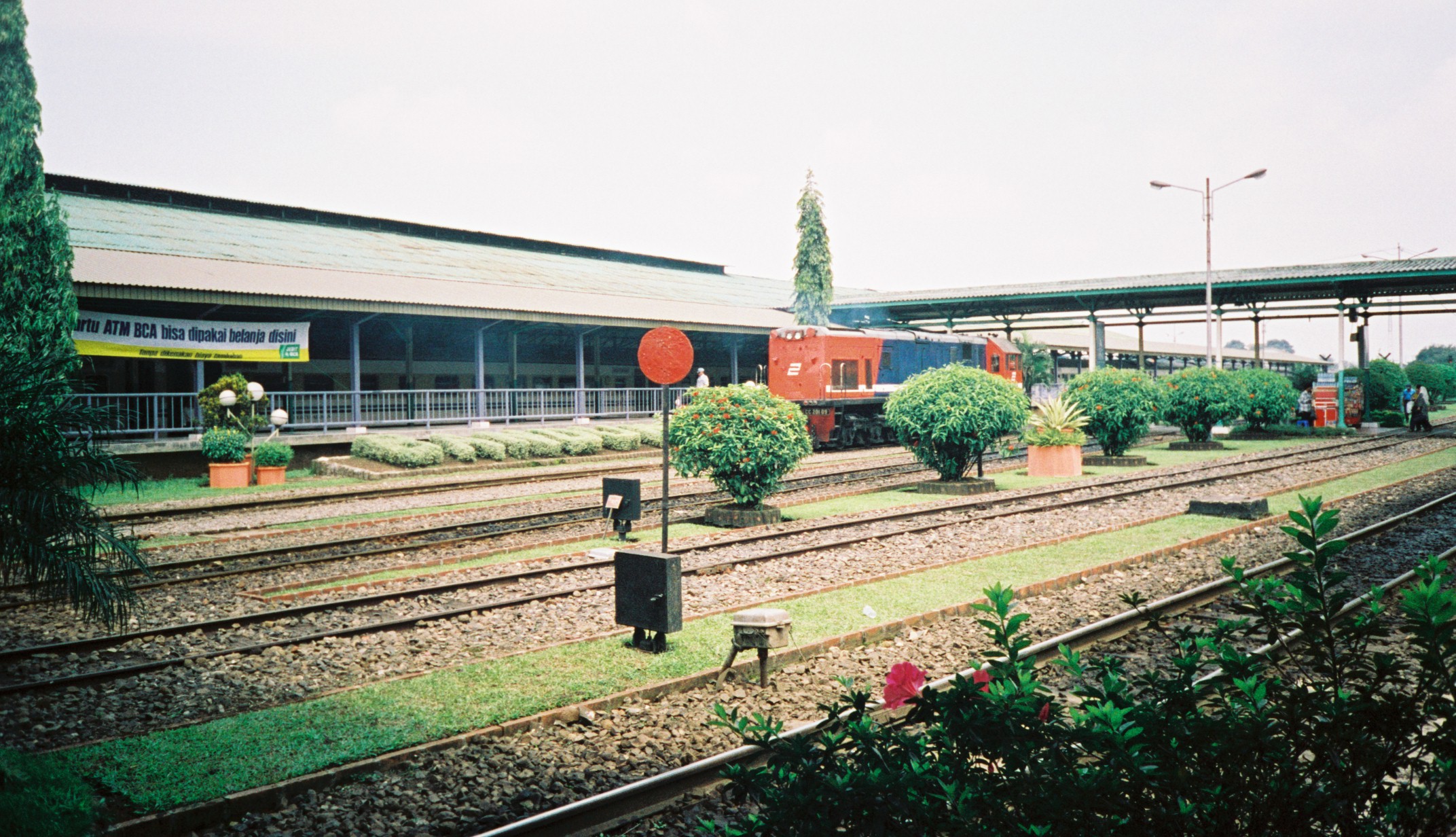
Keeping the overseas flavour, here are four shots of Banjar, Java, and some Indonesian trains.  A modelling point I liked are the grassed areas between tracks.  You don’t see those at Clapham Junction!

java1 java2 java3 java4

Posted in Out and about, Prototype | Tagged , , | Leave a comment

Christmas greetings

A very blessed and happy Christmas to all (both) my readers!

large_2253210318   medium_8313310120
Photo credits: Creative commons, Raela9 (left) & Base Camp Baker (right)
Posted in General | Tagged , | Leave a comment

Quote of the week

From “Branch Line to Upwell” in the Middleton Press series of albums, describing the well known ex-Great Eastern steam (and finally diesel) tramway:

Rev. Teddy Boston, who moved to Wisbech in 1950, was a (sic) ardent railway enthusiast and often travelled on the footplate wearing his cassock and dog collar.  Charlie Rand recalled the occasion when Teddy shunted wagons into the middle siding beside Wisbech shed.  “He gave them such a wallop that they demolished the buffer-stops”.  The official explanation given to Station Master Rose was that the engine had slipped.  It would not have been in Charlie’s best interests to reveal that the Curate of St. Peter’s Church had been driving!

medium_3455766801I can remember Teddy Boston writing about his GWR layout in the Model Railway News in the late 1960’s.  But there is an added family interest as his brother, Rev. Billy Boston, was the vicar who married my parents in East Dereham in 1947.

Photo credit: Phil Parker

Posted in Prototype, Weird and wonderful | Tagged , | 2 Comments

Jon’s modules – staging a fiddle

Or to put it another way, how am I going to add the fiddle yard (UK usage) or staging (USA) to the short line?  I thought I had this all worked out, but once again reasoning through the options came up with a different solution, as shown below.

lvr_fiddle

Option 1 in the sketch was my additional thought.  I could add another N-club 800 x 400mm module at right angles to the main boards.  This could hold a fiddle yard, or form the basis on an N-club single track branch.  However, it does stick out into my loft room a long way, and is less than ideal as far as home use is concerned.

There is also quite a sharp curve into the fiddle yard – I was considering using PECO Set-track radius 4.

Option 2 is another approach.  Here, the fiddle yard lies at an angle to the main boards.  It solves the curve problem, and takes up less space, but it is still less than ideal.  Somehow, it just doesn’t look right.

So we end up with option 3.  Why not put the fiddle yard behind the main lines on the first 800mm board?  There is room for a road switcher, 4 x 40 ft cars and a caboose – a reasonable short line branch train.  This option can hug the wall and is better from a household point of view.  It is less prototypical, as the branch doesn’t curve away through 90 degrees, but I am not trying to exactly model Roselle Park.  Overall, this seemed to be the best option.

There are a couple of issues, though.  If I put points into the fiddle yard, I can only really have two storage tracks.  It would be nice to have three or even four, but even a two track yard will provide two trains for switching, and a pleasant hour’s operations.  If the model goes to a show, a little hand shunting will be in any case be needed after the two trains have returned to the yard to reverse the loco and caboose, and stock could be changed.

Alternatively, using cassettes for storage could both allow trains to be moved onto or off the layout and also allow them to be reversed.  However, I do have unpleasant memories of cassettes at an ESNG show, and an Atlas locomotive hitting the floor.  Perhaps it’s time to give them another go?

The other issue is how to hide the fiddle yard.  A standard USA trick is using large industrial buildings.  This would work well enough, but I wanted to give the layout a more rural appearance.  A high steep hillside or cliffs will look out of place, though I have some good pictures of the Lehigh Valley running next to a set of low bluffs.  It is also difficult to blend the hillside into the module end and a connecting module.  I think the best option is a low bank about the height of N-gauge stock plus a bit – perhaps only 50mm high.  This will be densely wooded, hiding the tracks behind.

I’ll post some pictures when final decisions are made and the track’s all in place.

Posted in Jon's layout ramblings, Layout design | Tagged , , , | 1 Comment

ESNG meeting – 18 December 2013

The evening started rather slowly, and the members present were wondering whether we would get a circuit running.  Then Martin (jnr.) arrived – just the man to lift down the corner boards from the cupboard.  So having decided to go for it, we had a circuit up and running in 25 minutes or so.

Allan and Derek (the Atf)  came in a bit late, as Allan had car trouble and Derek collected him from home.  Then of course they just happened to drop into the Selsdon swapmeet.  The Scourge of the Swapmeet (Mr. Atfield) emerged carrying a number of antique locomotive bodies, having beaten the trader down to a reasonable price.

On the circuit, Japanese bullet trains and Allan’s Swiss lorry carrying train were lapping the Santa special – one little steam loco and a coach.  There was added excitement when one of the bullet trains left the rails and indeed the whole layout.  Fortunately, it bounced.

And finally, Duncan lost a buffer…..

Posted in ESNG, ESNG meetings | Tagged , , , | Leave a comment

Georgian interlude

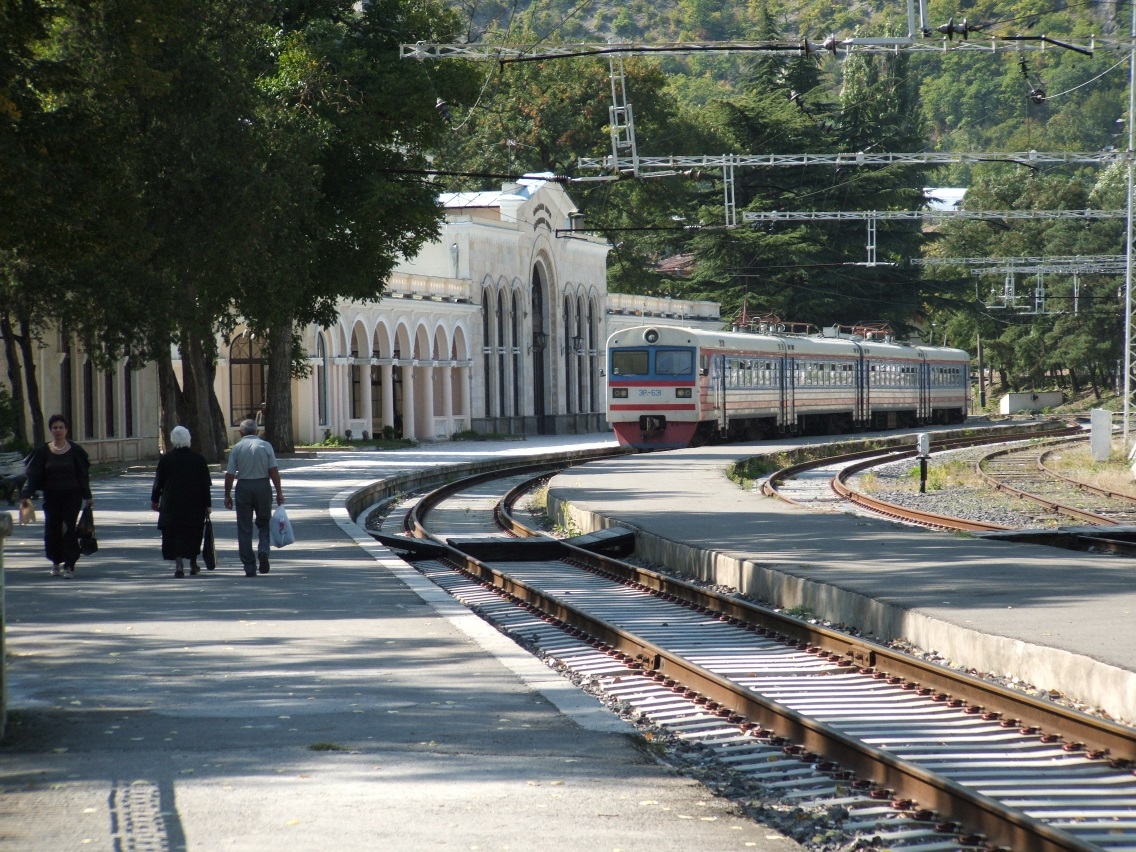
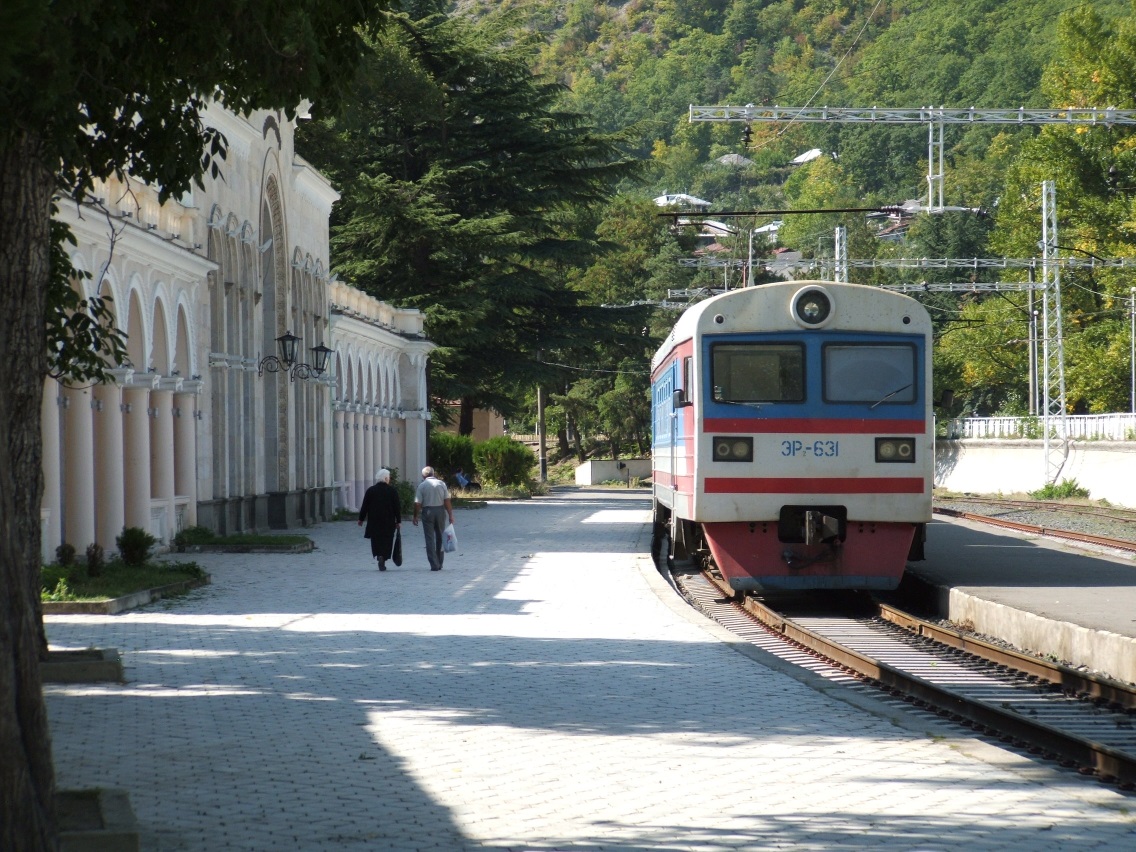
Spring cleaning my work files on the computer, I came across these shots in 2007 of Borjormi, Georgia (the ex-Russian one, not the US state).  I was meant to be looking at the small river that passes under the station.

georgia_1 georgia_4

The ornate station is a little out of place in this alpine region of Georgia, but it was built as Stalin’s personal station – his summer palace is a couple of kilometres away and now open to the public.  Up in the hills above Borjormi are a number of ski resorts.  Down the road from this station (and less accessible) is an interchange with a metre gauge overhead electric line that winds its way up into the mountains.

The multiple units on this line had been recently upgraded to encourage tourism, but they look pretty Russian to me…

georgia_2 georgia_5

Posted in Out and about, Prototype | Tagged , , | Leave a comment

Hobby of the Gods

I have always been convinced that railways are a divinely inspired invention.  You only have to think of Thomas’ author, the Rev. Awdry…

I recently found some family photos of a holiday in Crete, where we were taken to visit the cave said to be the birthplace of Zeus.  I was pleased to see that this particular deity had been well brought up, and had a narrow gauge garden railway.  Unfortunately, there was no stock left to give away his interests.  Probably GWR!  (God’s Wonderful Railway to non-UK readers).  So what went wrong in later life to make him take up hurling thunderbolts??  Perhaps an unhealthy interest in live steam….

zeusrail

Posted in Out and about, Prototype | Tagged , | Leave a comment

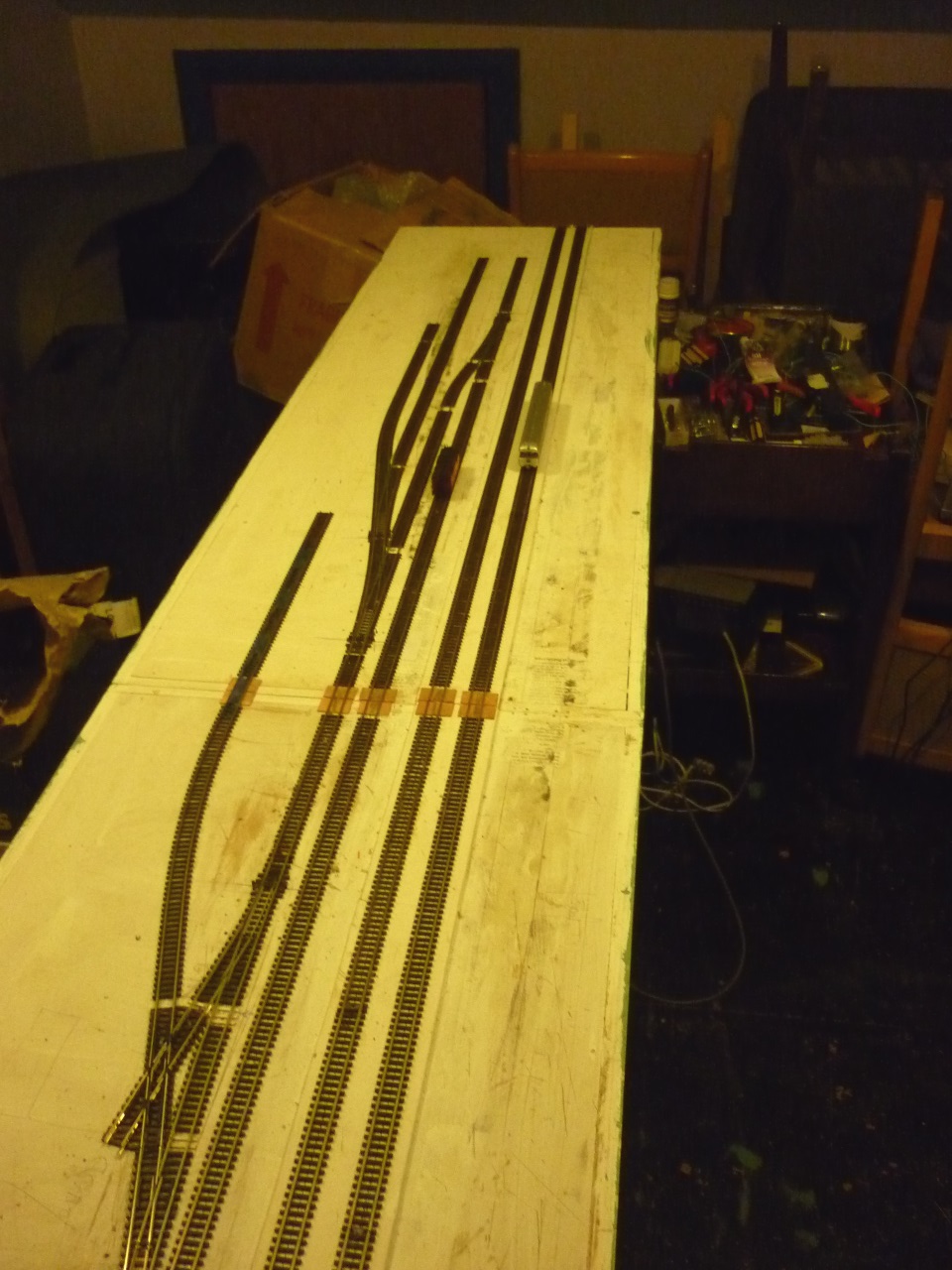
Jon’s modules – board 3 track laid

And the track for the last board has gone down really quickly.  Now for a lot of wiring to get the whole thing working.  I’ve also got to decide how to exit the short line off the second board.  This will affect where I locate the point switches in the facia.board3_1 board3_2

Posted in Jon's layout ramblings, Layout design | Tagged , , , | Leave a comment

An unusual modelling material

Here’s an interesting tip and a new modelling material.  I can’t take any credit for it, as it originally apperared on the Model Railroader forum, and I read it on Bill Schneider’s layout web site. (http://oldandweary.blogspot.ca/2013/10/keeping-it-together.html)

The article discussed making new plastic drawbars between diesel locomotive sets to give the minimum spacing to suit your minimum radius.  The author had tried plastics of various types, including styrene sheet and even laser cut acrylic sheet, but all of them became brittle and prone to breakage around the fixing screw holes.

The material suggested in the web tip was… wait for it… an old credit card.  We all have old credit cards from time to time and we’ve all had “fun” trying to tear up or fold them after they expire.  However, the tip noted that you can cut the material with scissors, file it to shape with any normal file, drill it as needed, and it’s virtually unbreakable (although I confess to having had cards that split in my wallet after a few years use).

Now it may be a bit of a stretch to make new N-gauge drawbars, but I am sure there are other potential applications for mechanical linkages – perhaps that difficult point motor connection?

Now why didn’t I think of that…?

Posted in Hints and tips | Tagged , , | Leave a comment