Engine driver Phil #3

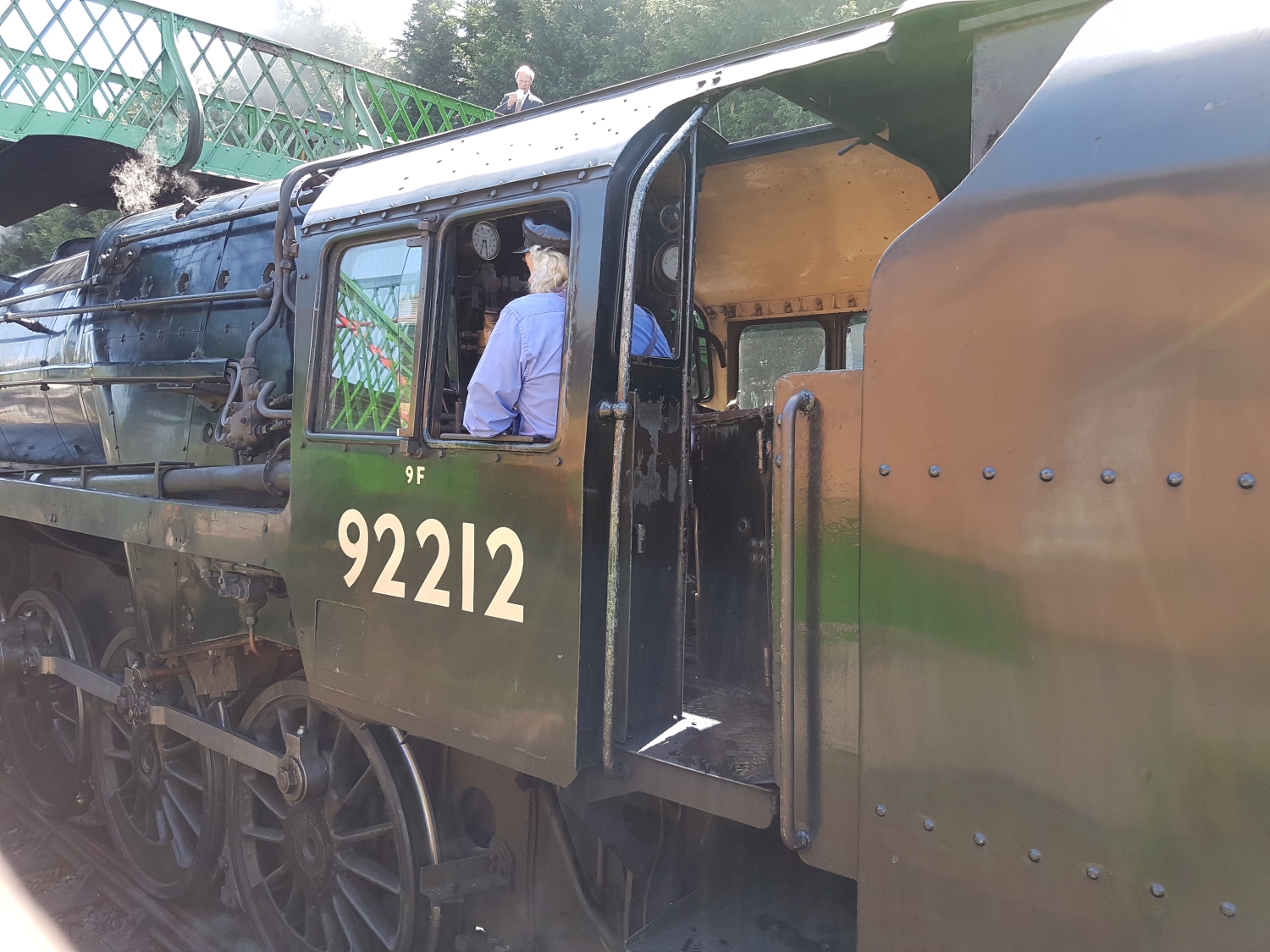
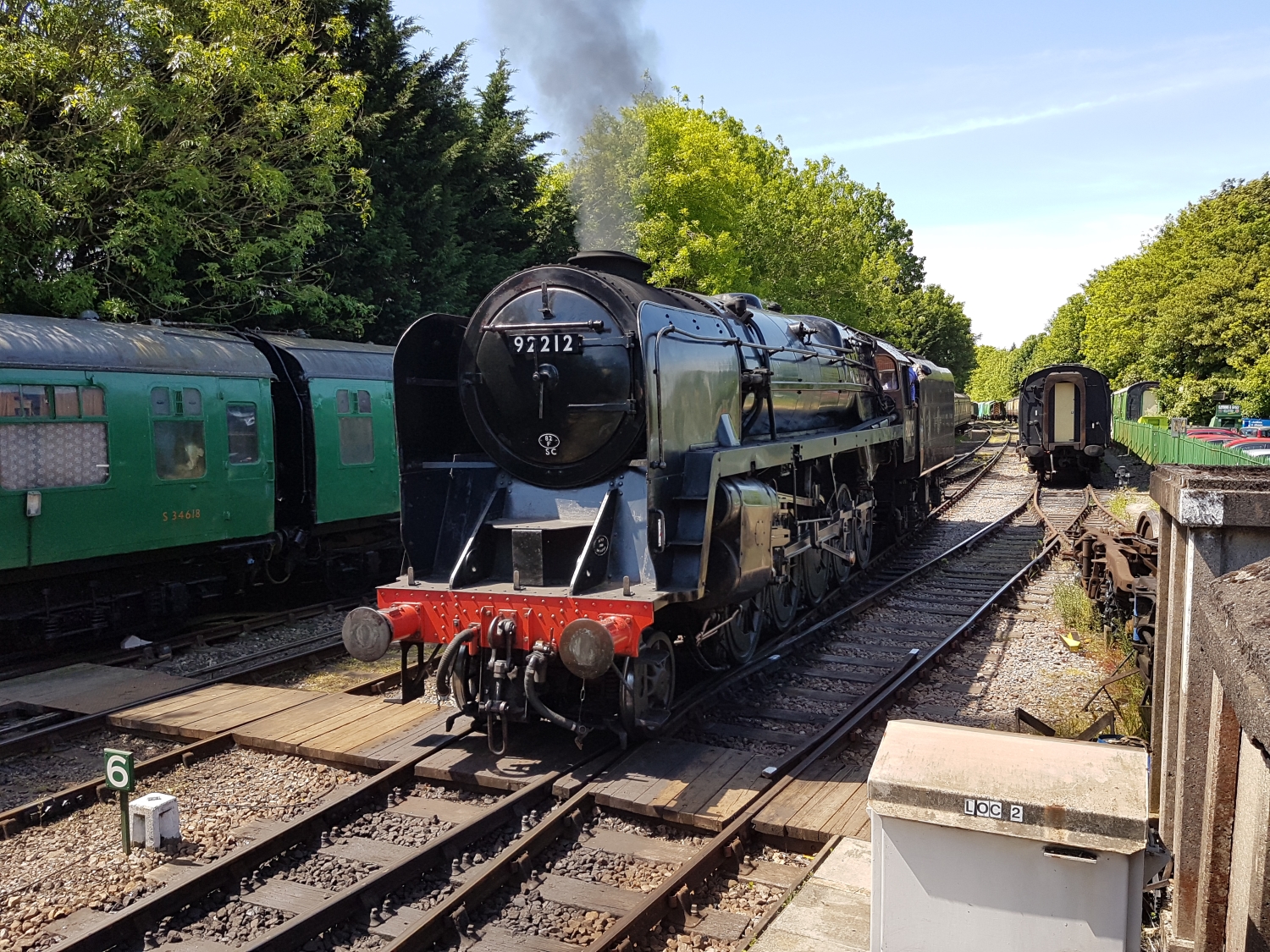
Here we go again.  Back at Arlesford and running around.  Phil has signed his life away on a piece of paper to say that the Mid Hants Railway Ltd is not responsible for anything that happens to him whilst he’s on the footplate.  I’d be more concerned for the engine….
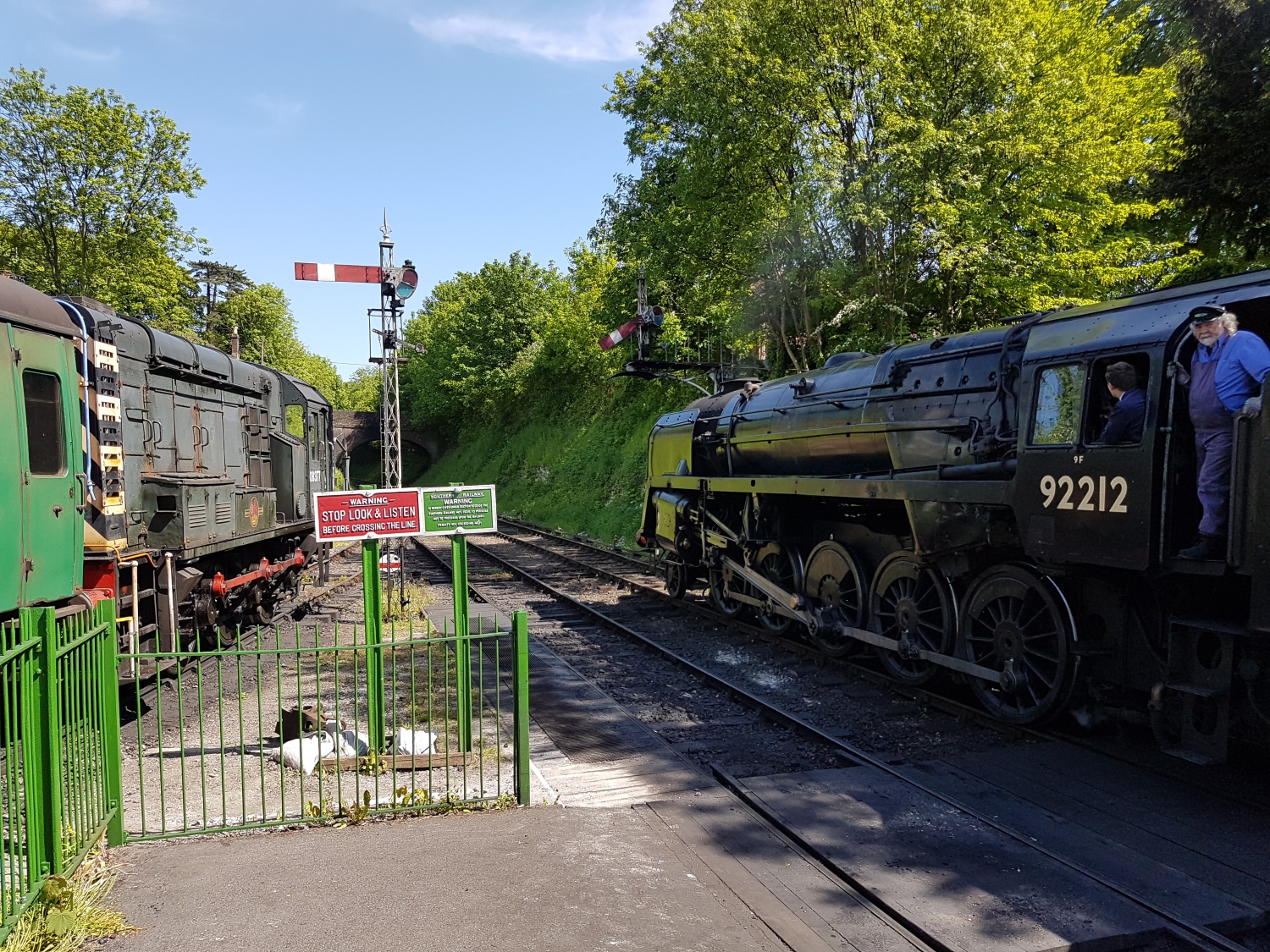
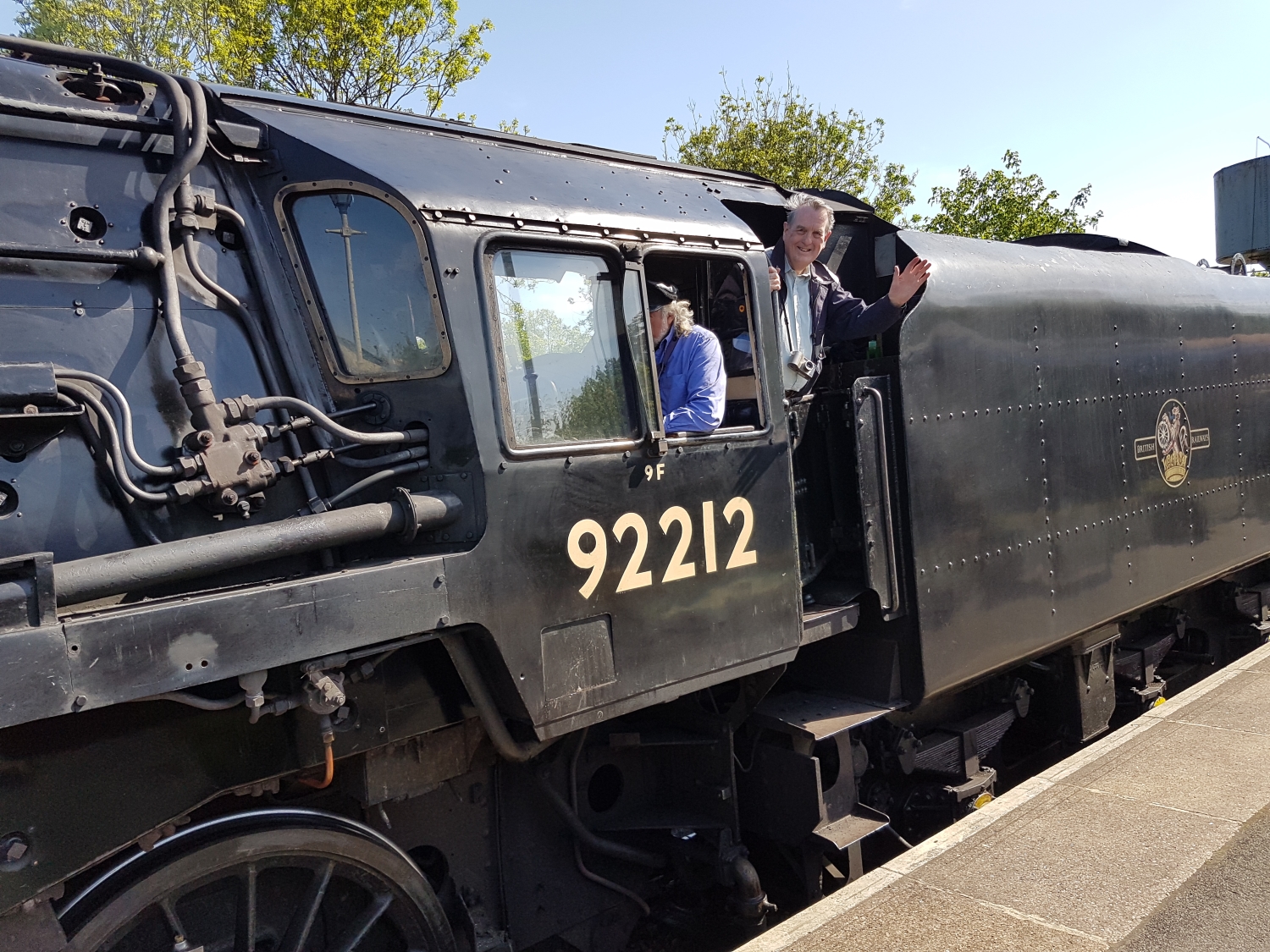
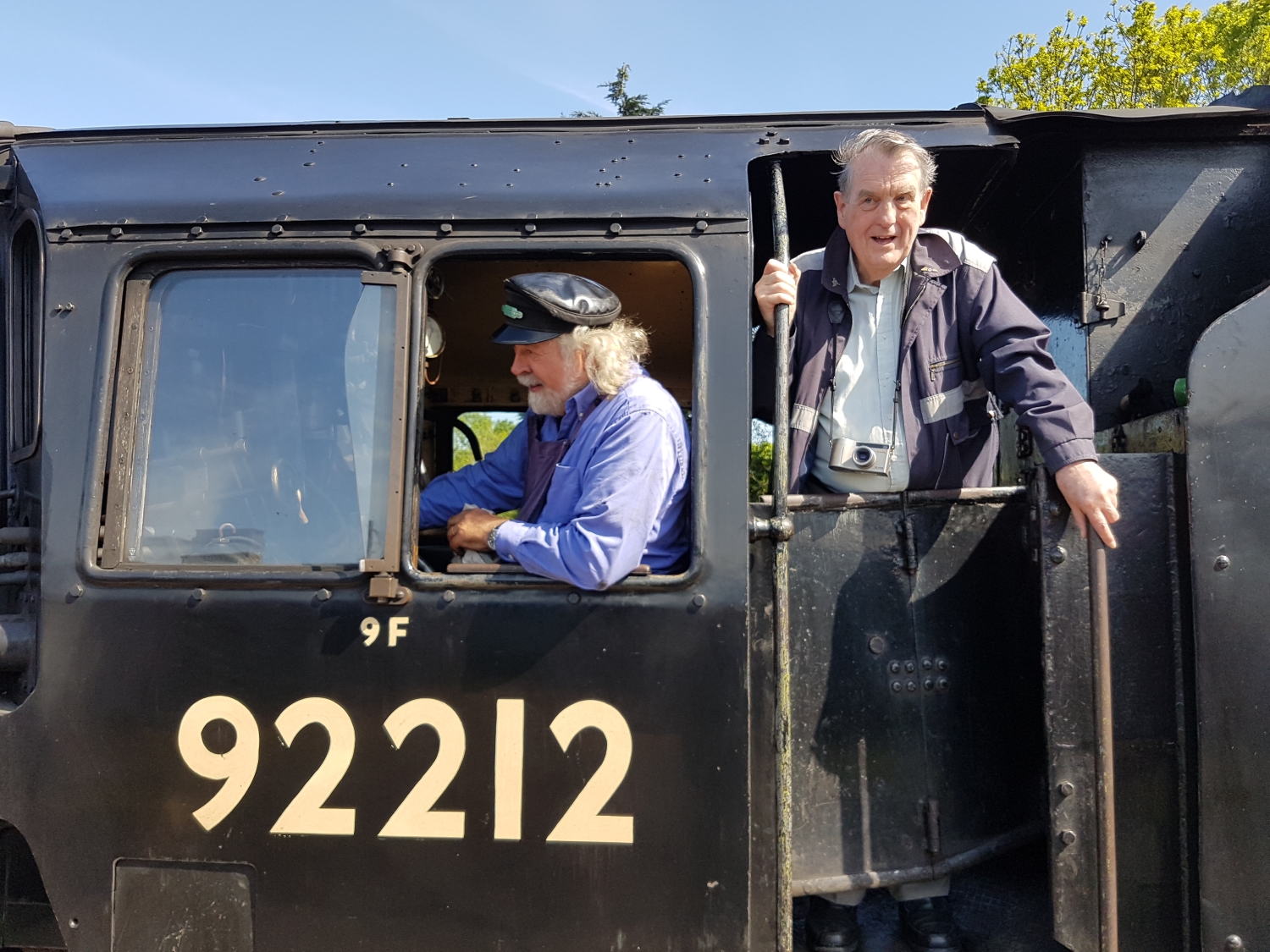
And he’s on the footplate, with a classy wave that wouldn’t look out of place at a Royal Wedding (note the topical reference.)

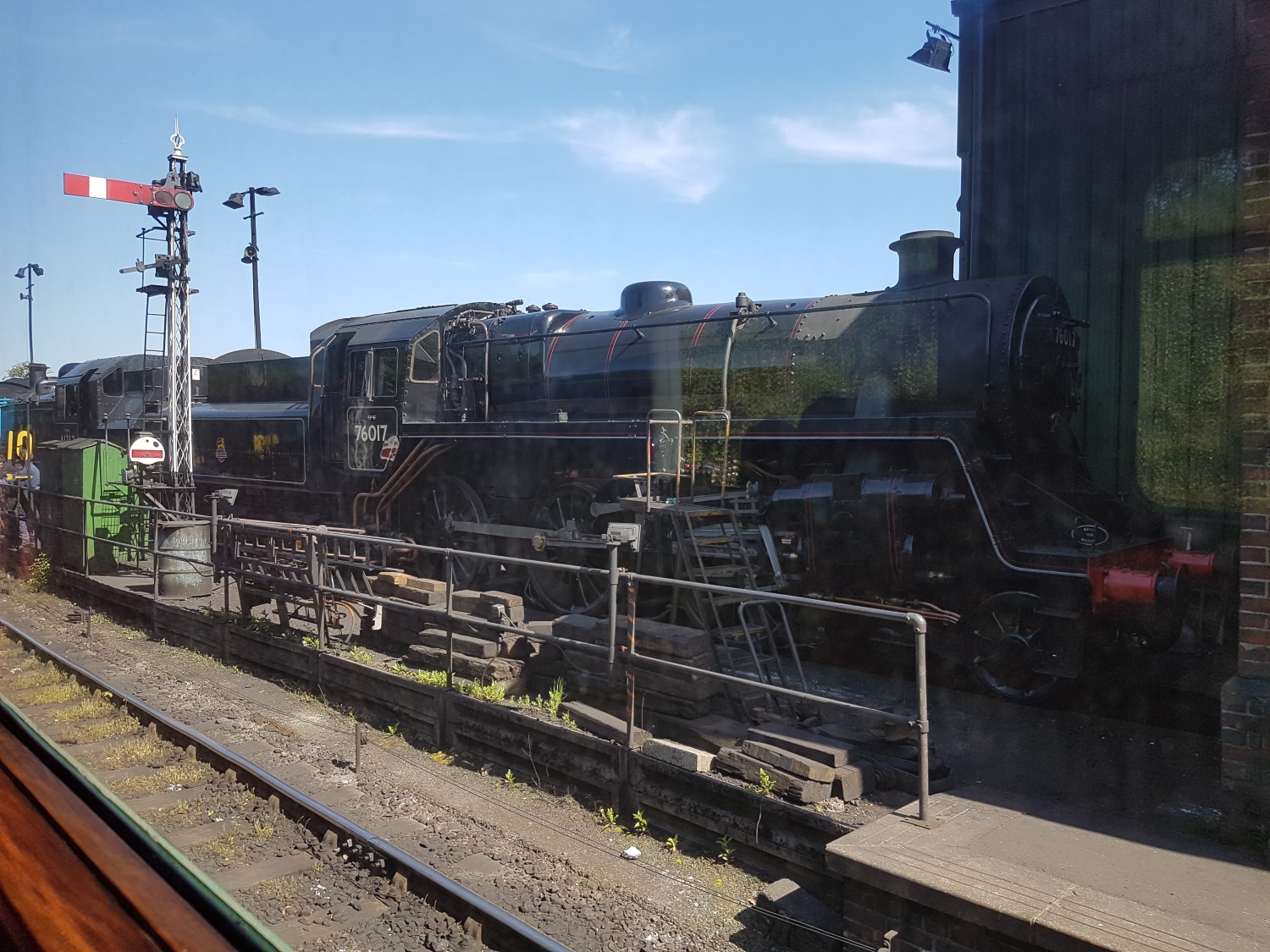
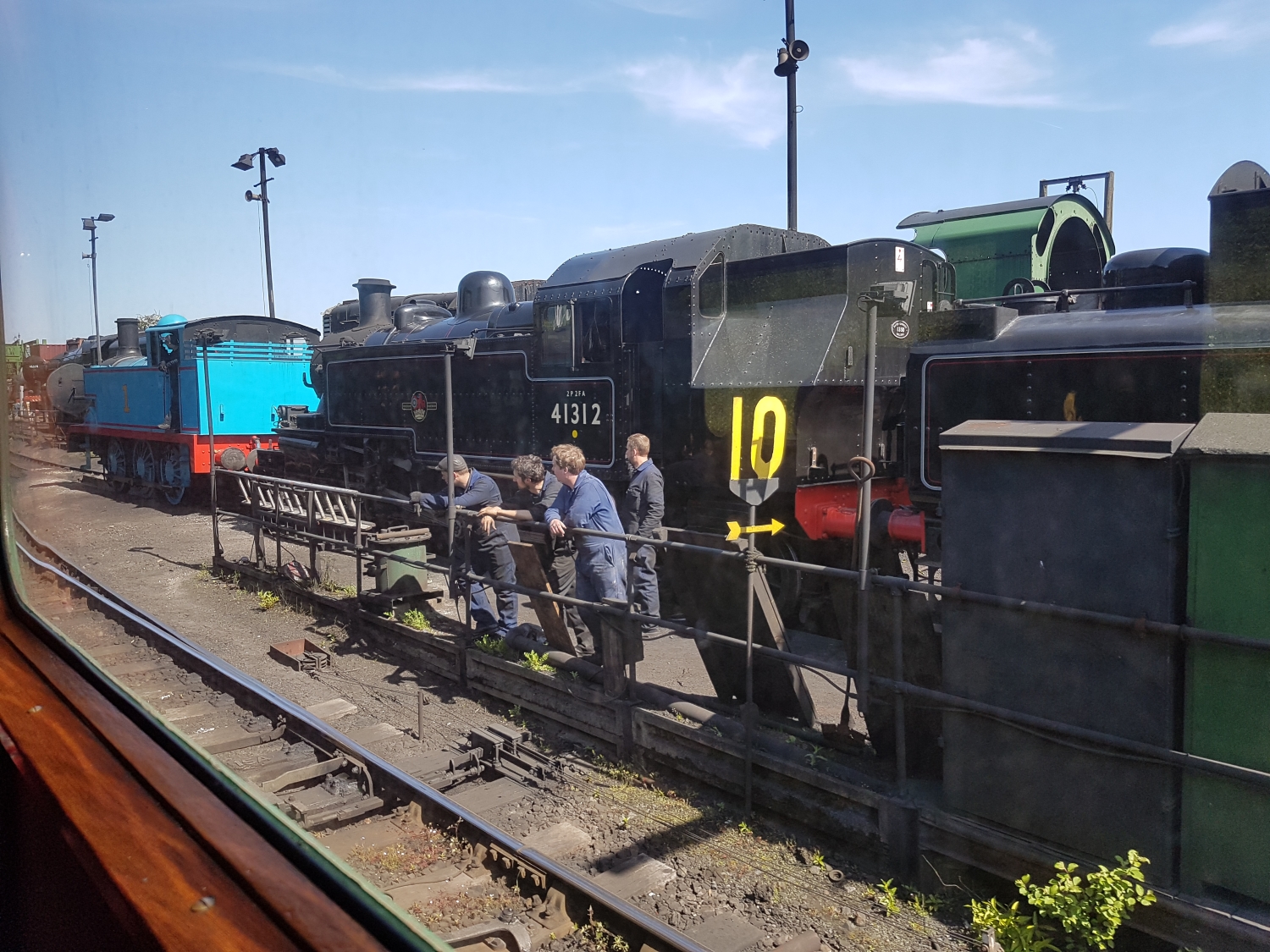
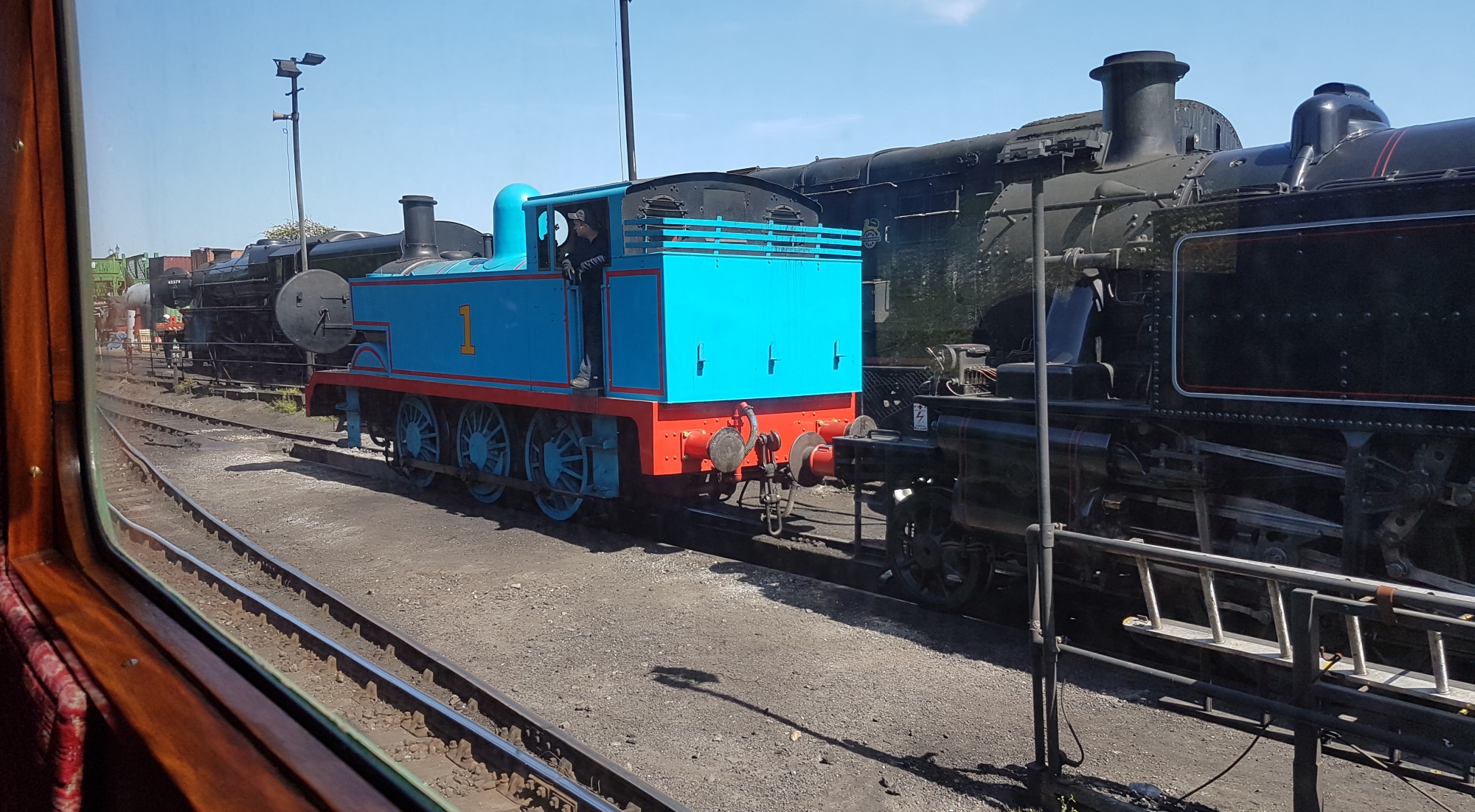
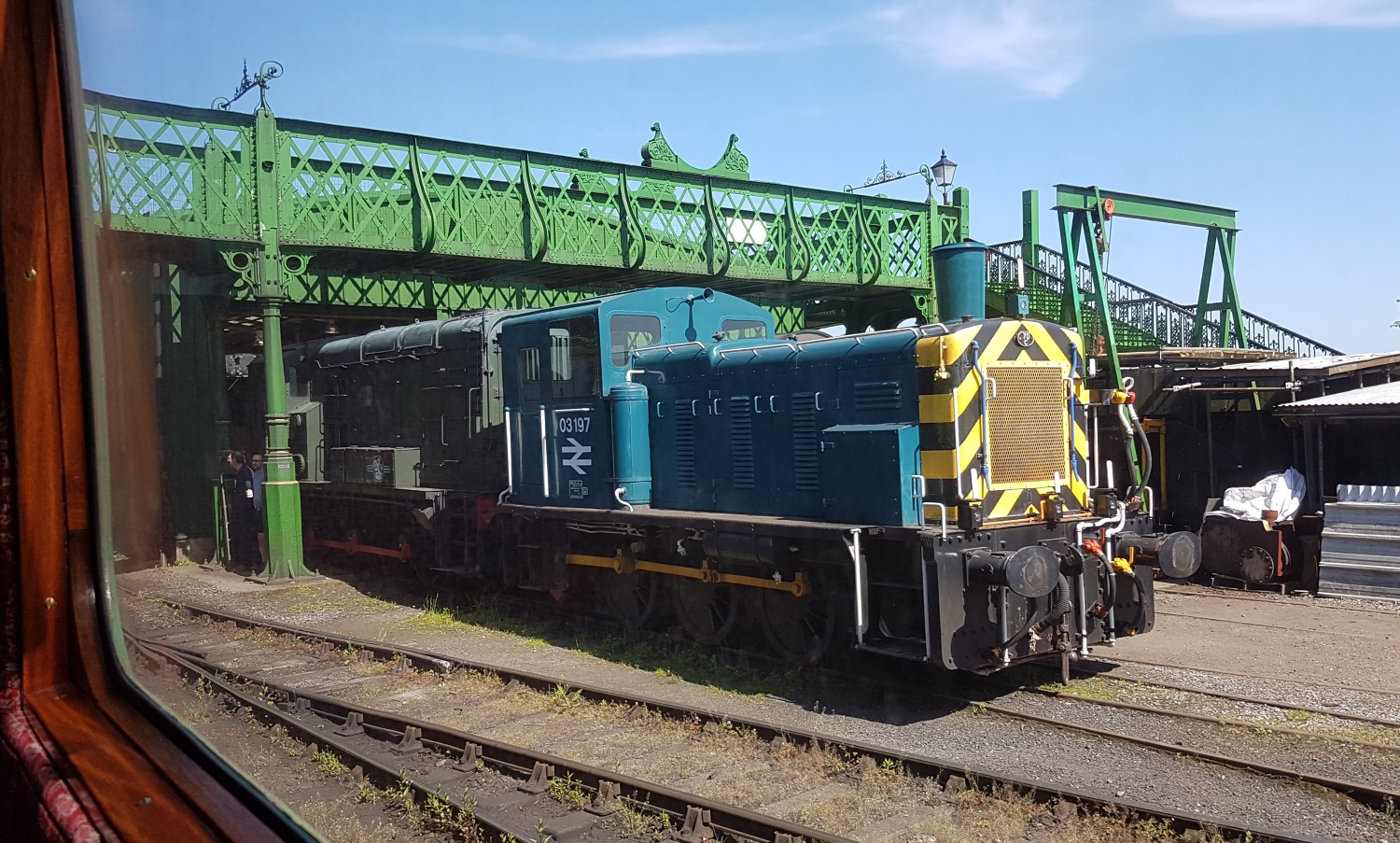
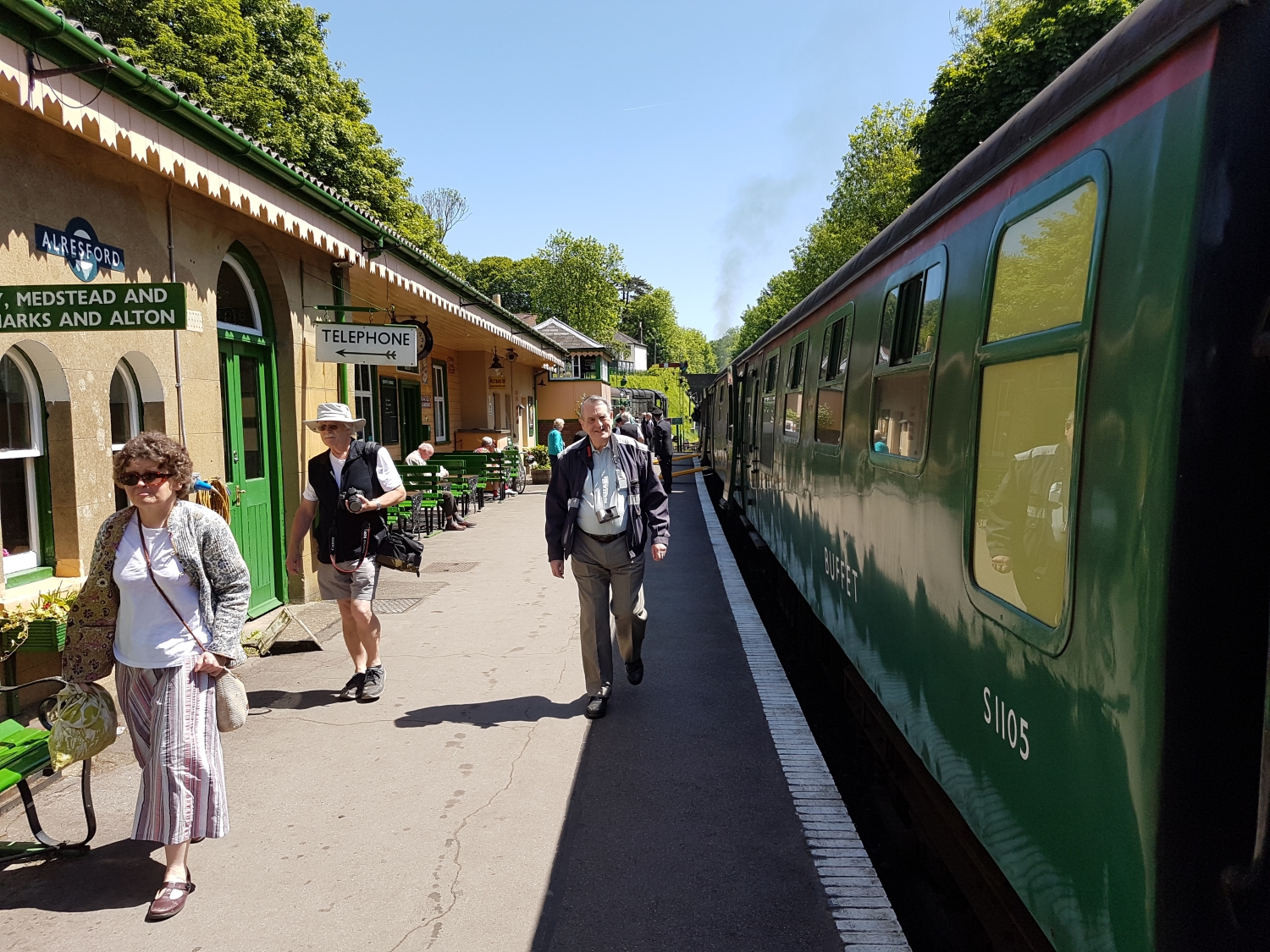
I settled down in the Maunsell coach to watch the world go by again.  This time around I took a few pictures as we went through Ropley, site of the locomotive sheds and works.  And some impressive topiary.
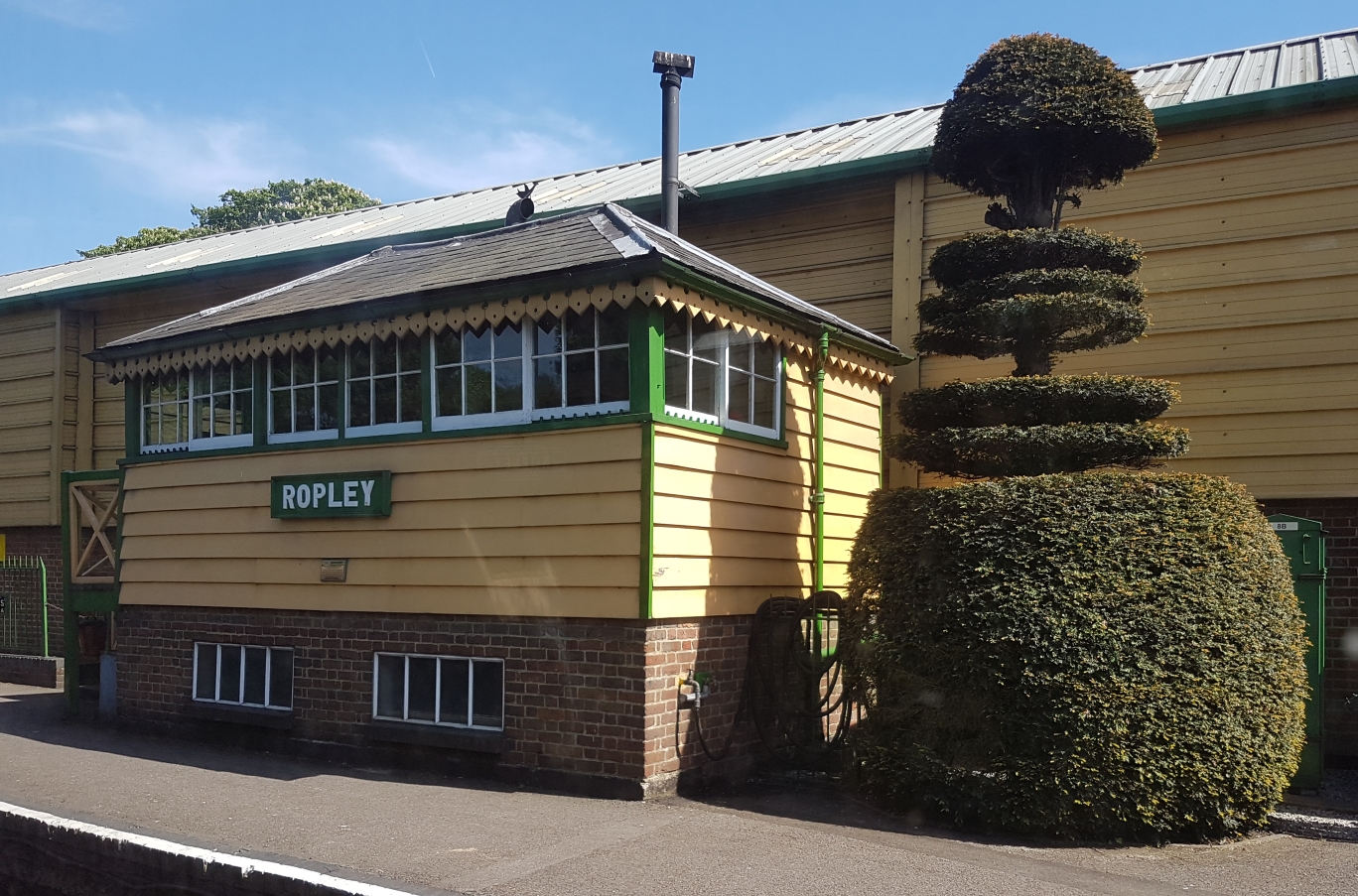
Back at Alton, Phil ran around with the locomotive, and the Royal Wave was still in evidence….
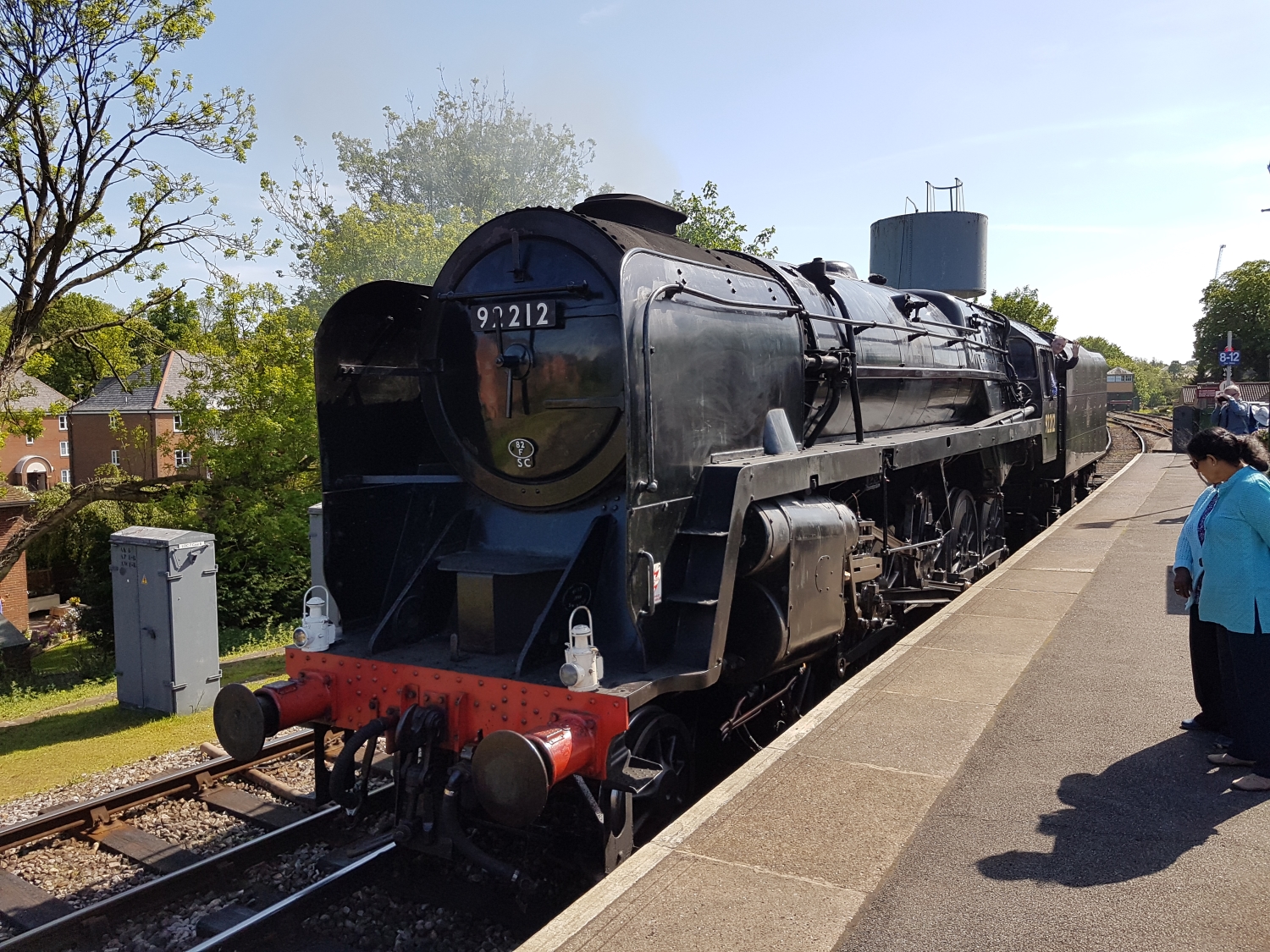
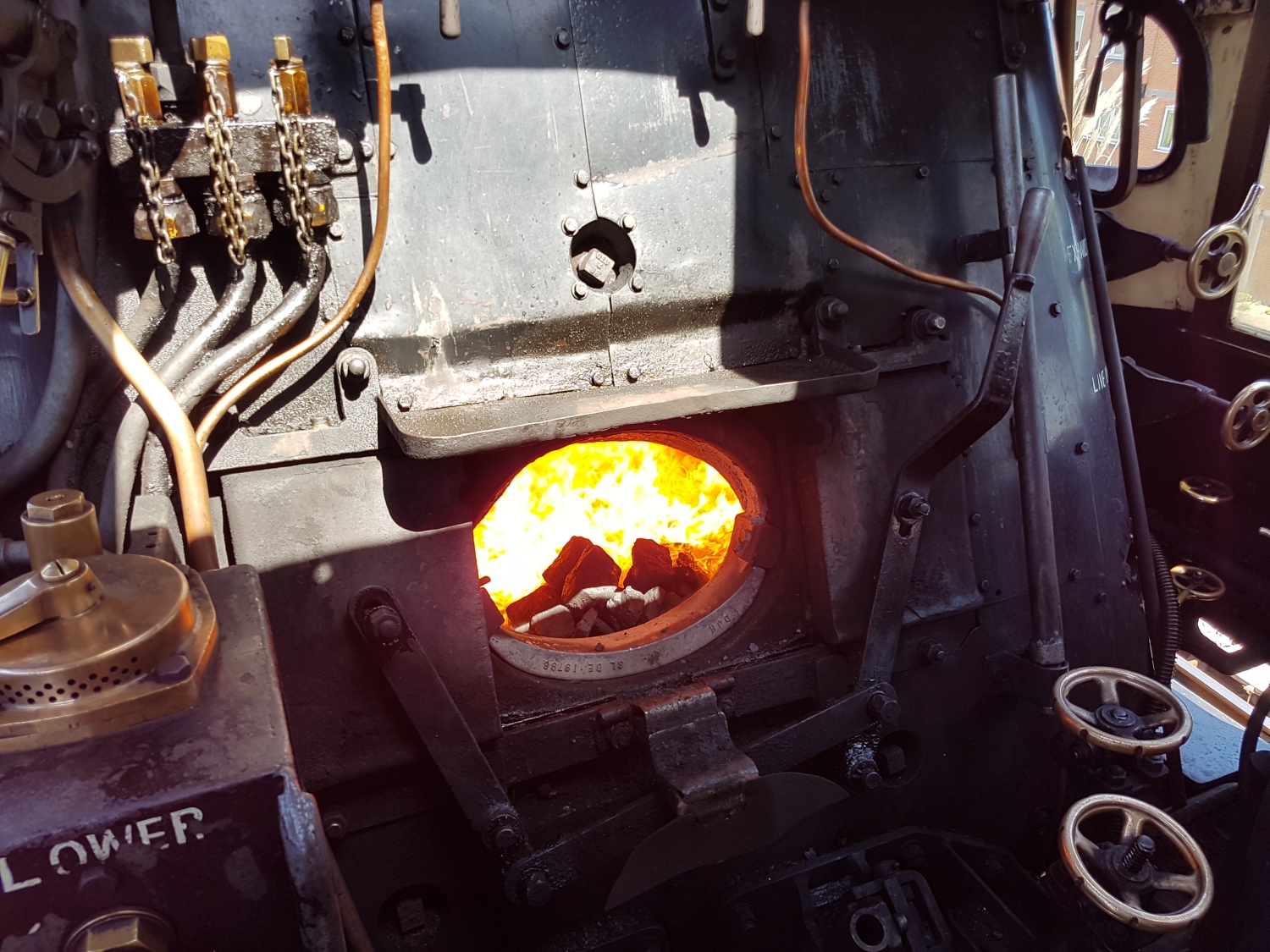
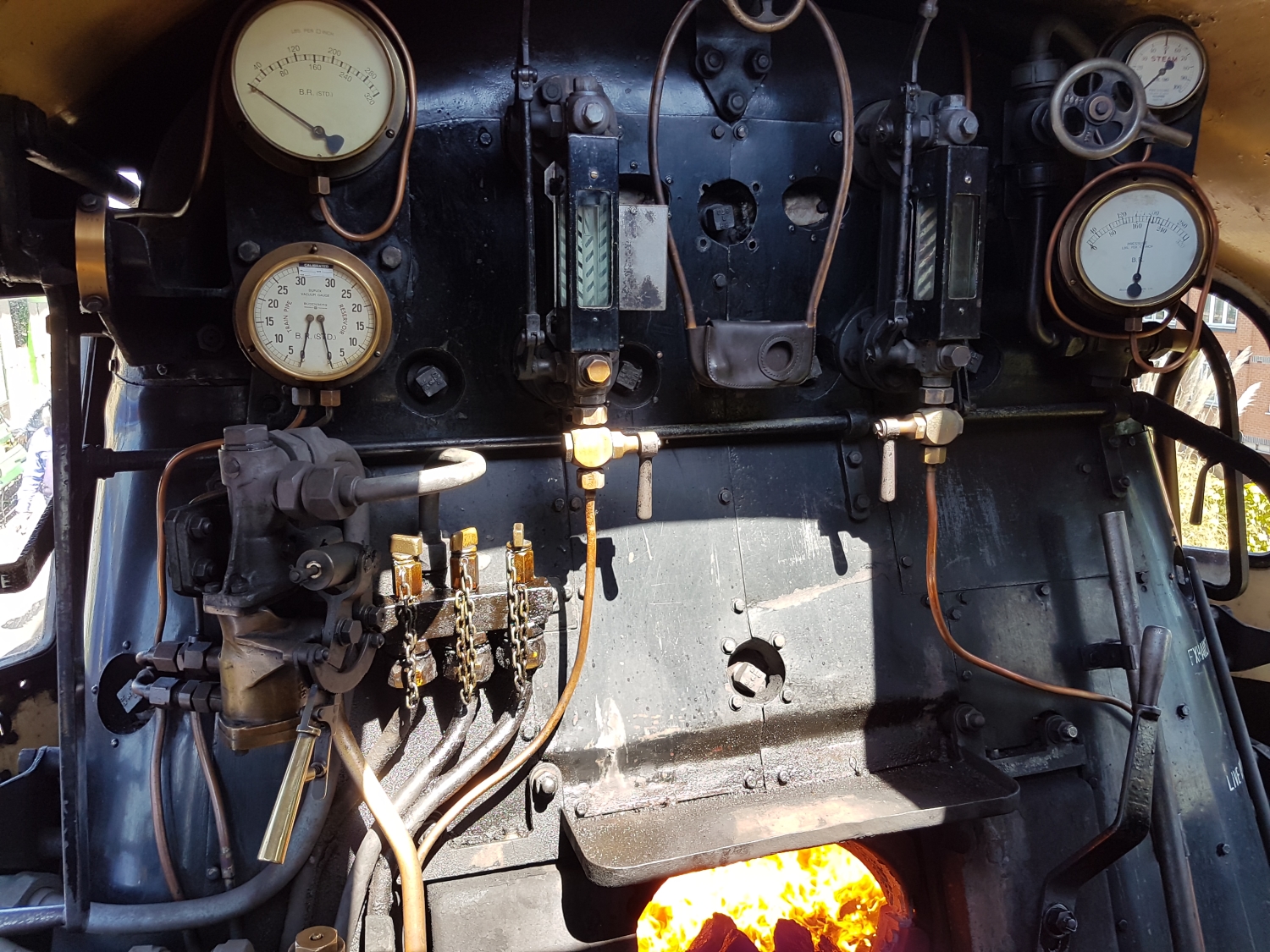
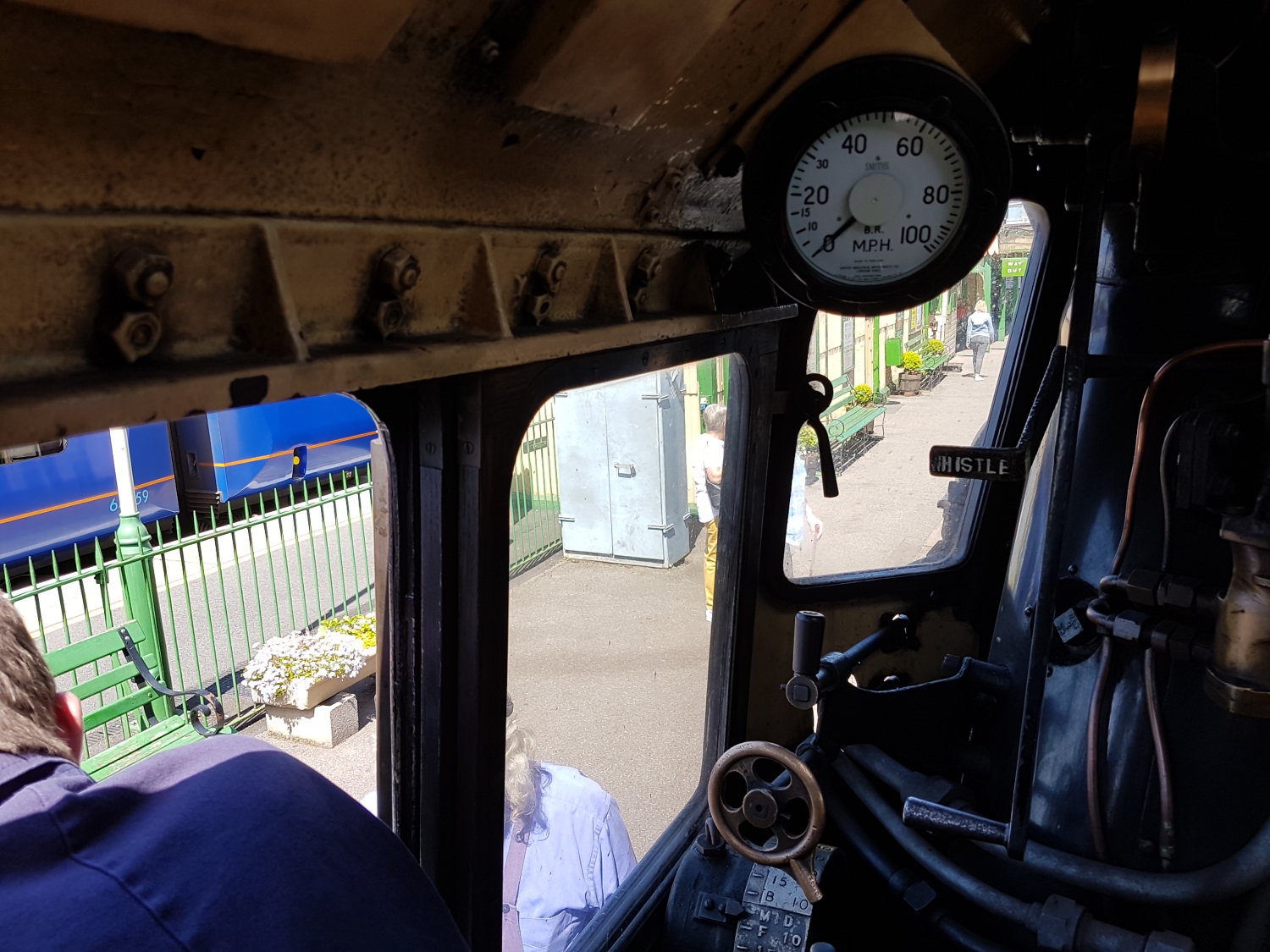
I’m please to report that the 9F was still fully operational after Phil’s trip on the footplate.  He was allowed to operate the whistle, so the years of practice in running trains at ESNG came into their own.  He also reported that the trip, even at 25 MPH, was rather bouncy and very hot.  And the fireman was shovelling coal for most of the time, the 9F being a hungry beast.

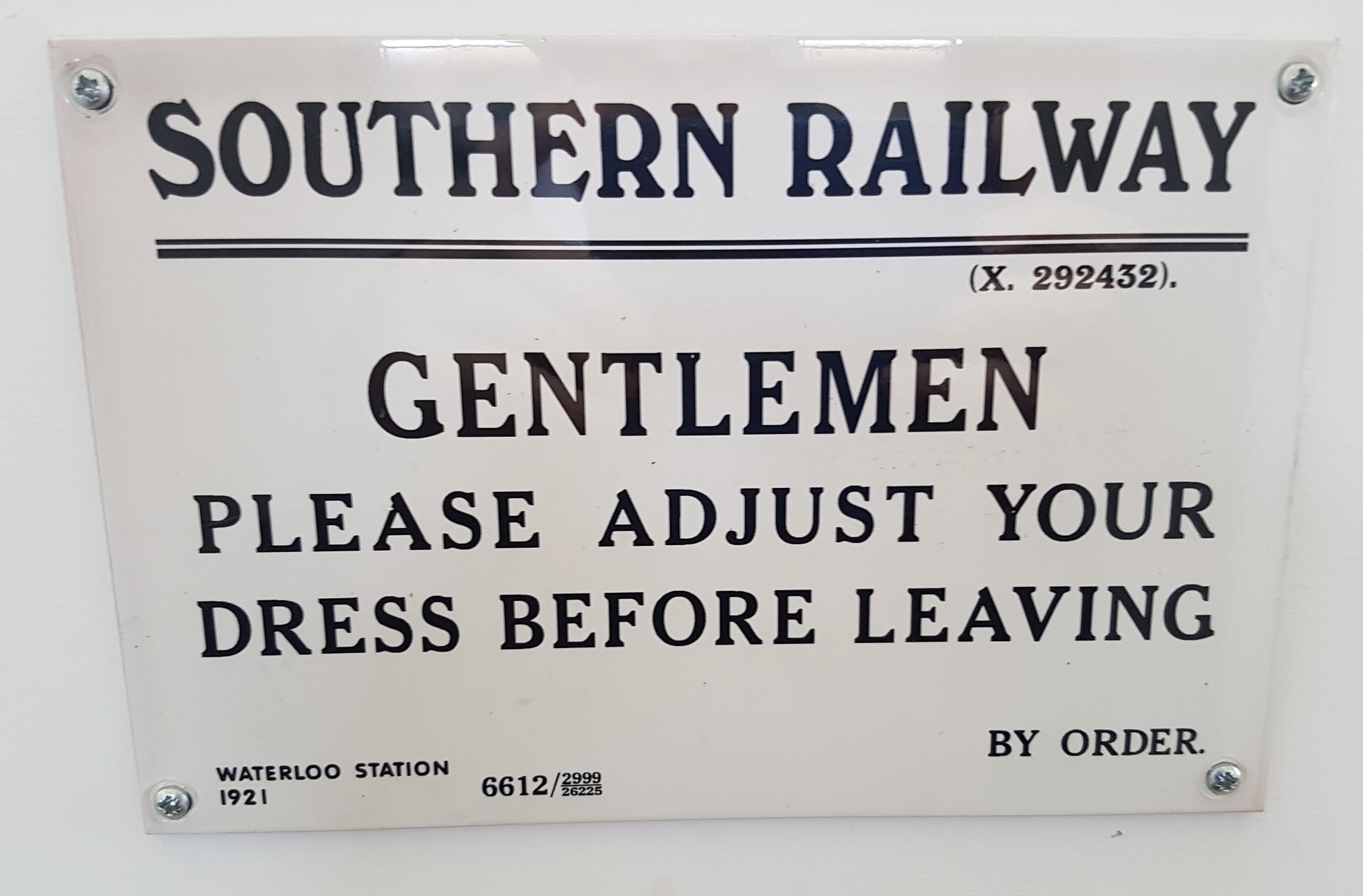
Before returning from Alton to Arlesford for the last time, a quick pit stop in the gents revealed this sign.  I was interested to see that it said Waterloo 1921, when the Southern Railway came into being, I thought, in 1923.  But I was amazed that the Southern had its own gender issues nearly a century ago….
It was an excellent day out.  Lovely weather, excellent trains, and Phil had a day to remember.  Even a crawl around the M25 on the way home couldn’t spoil that.
Posted in ESNG, Inspiration, Out and about, Prototype | Tagged , , , | 1 Comment

Engine driver Phil #2

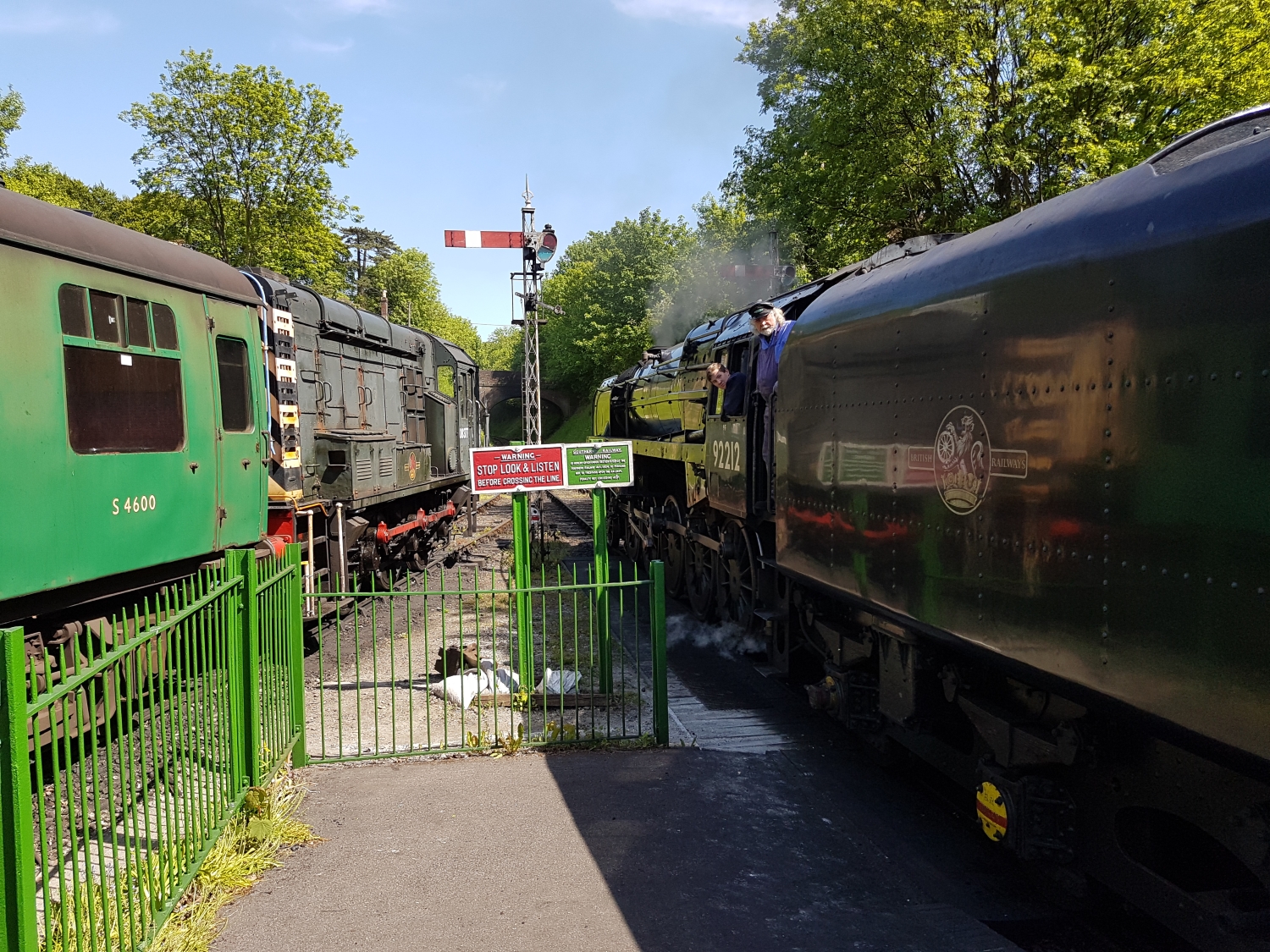
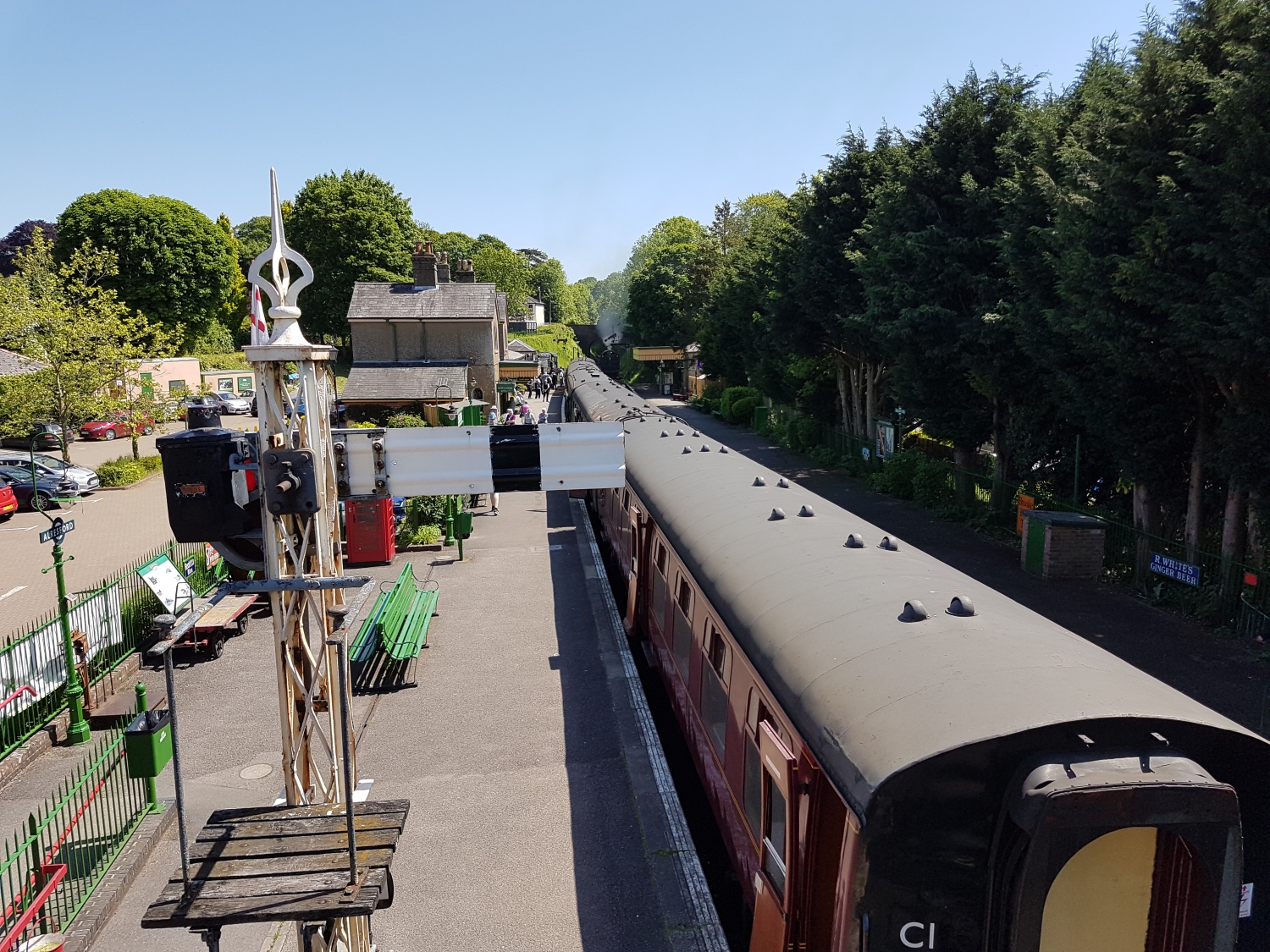
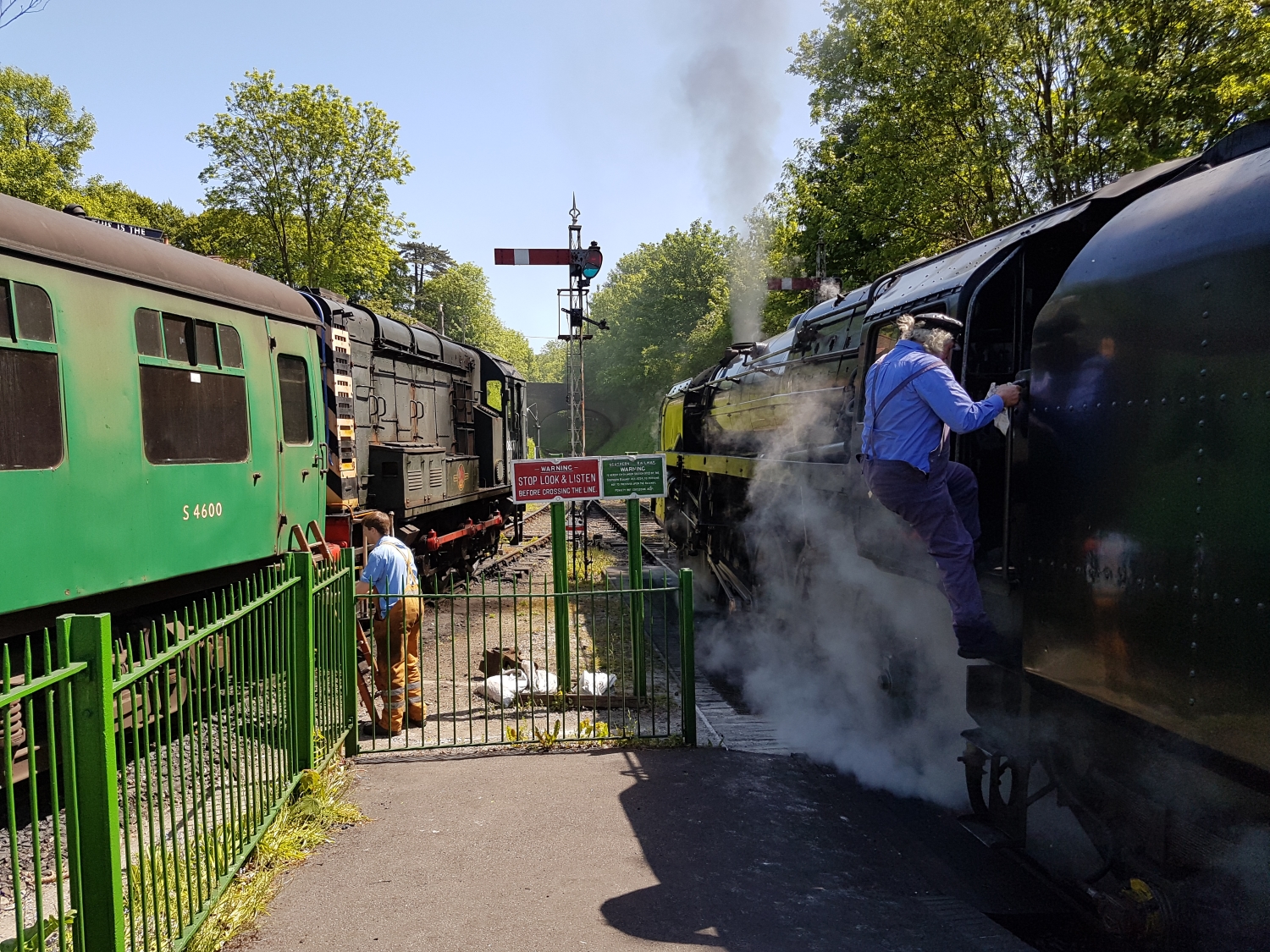
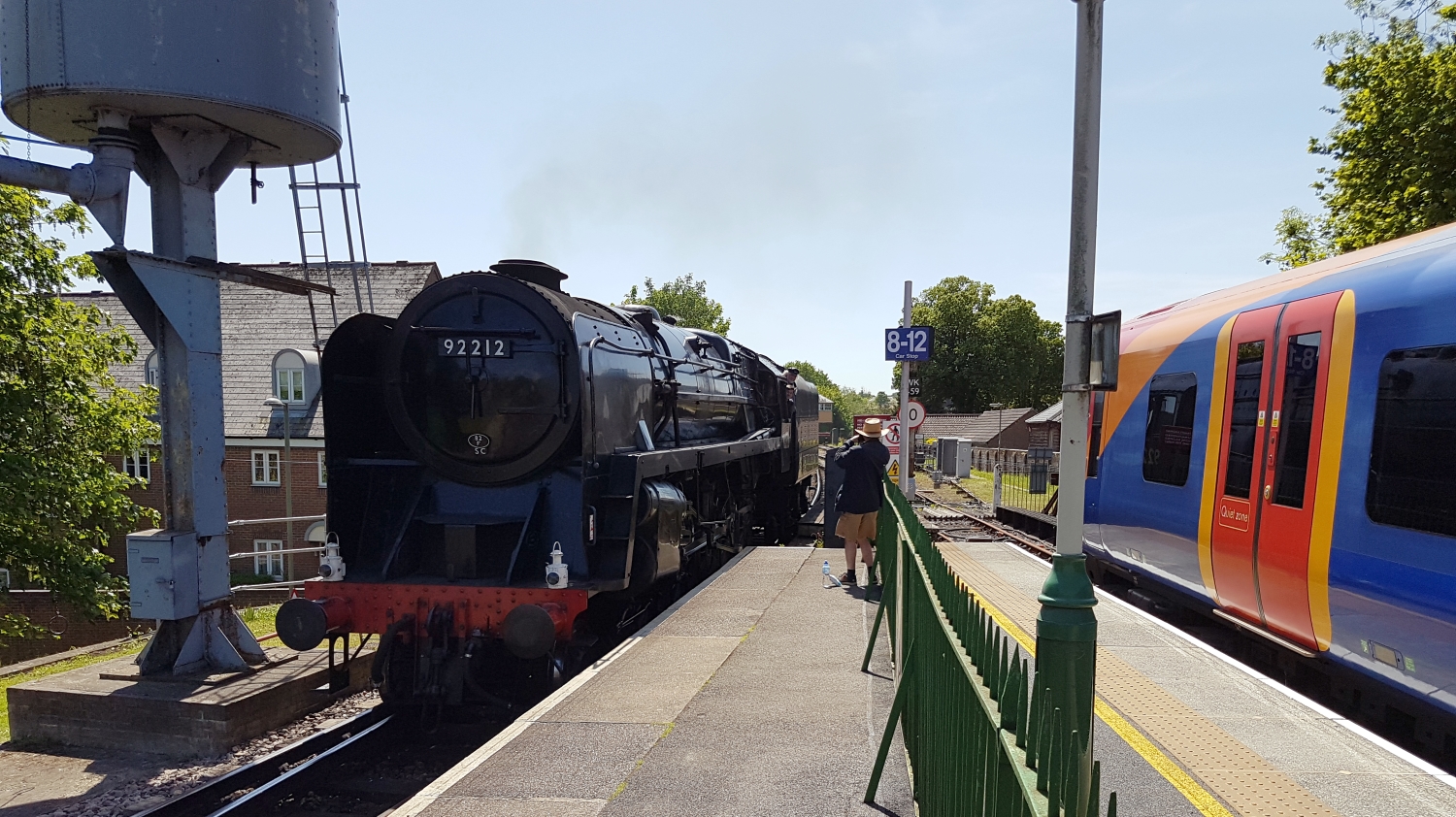
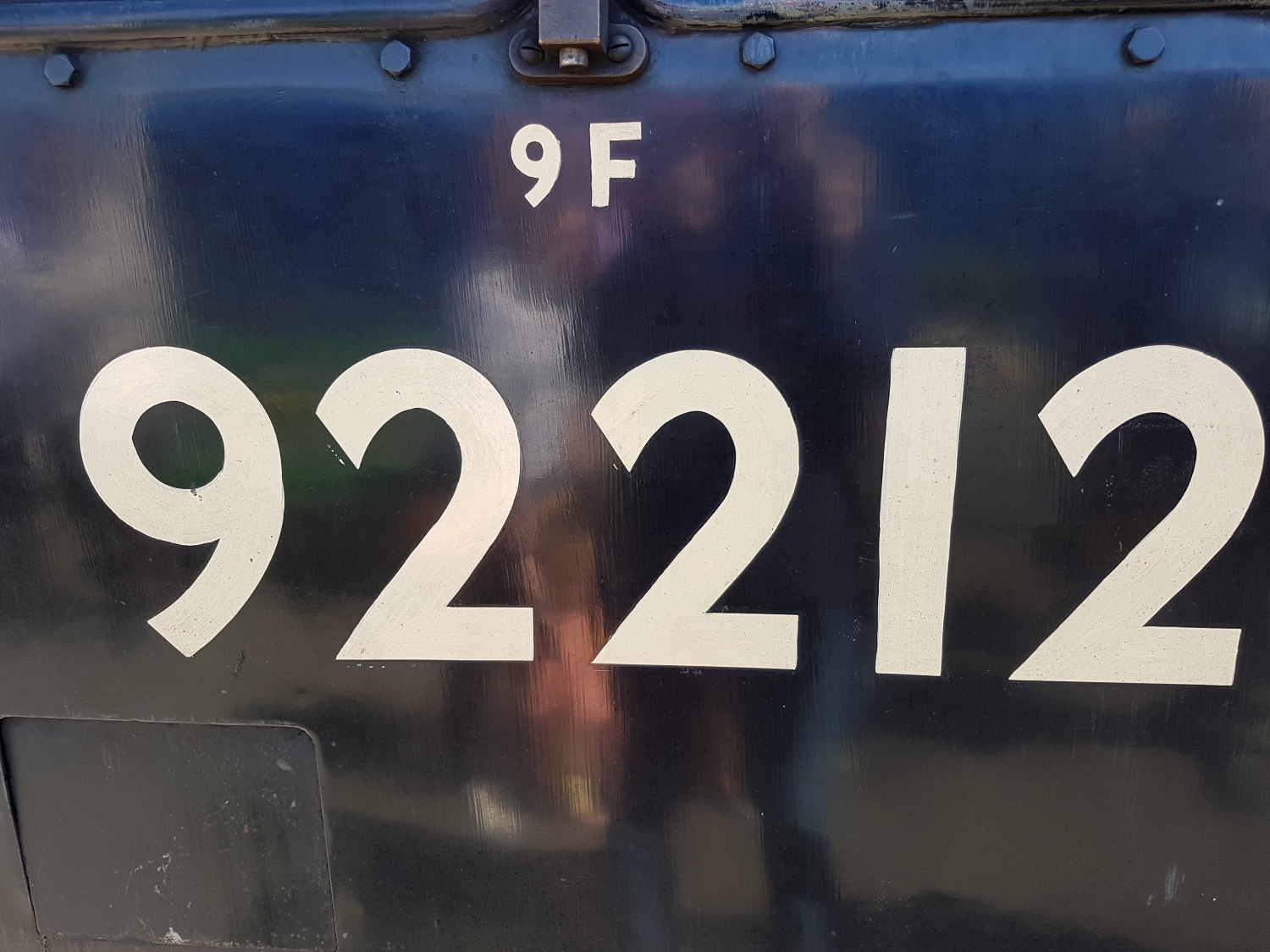
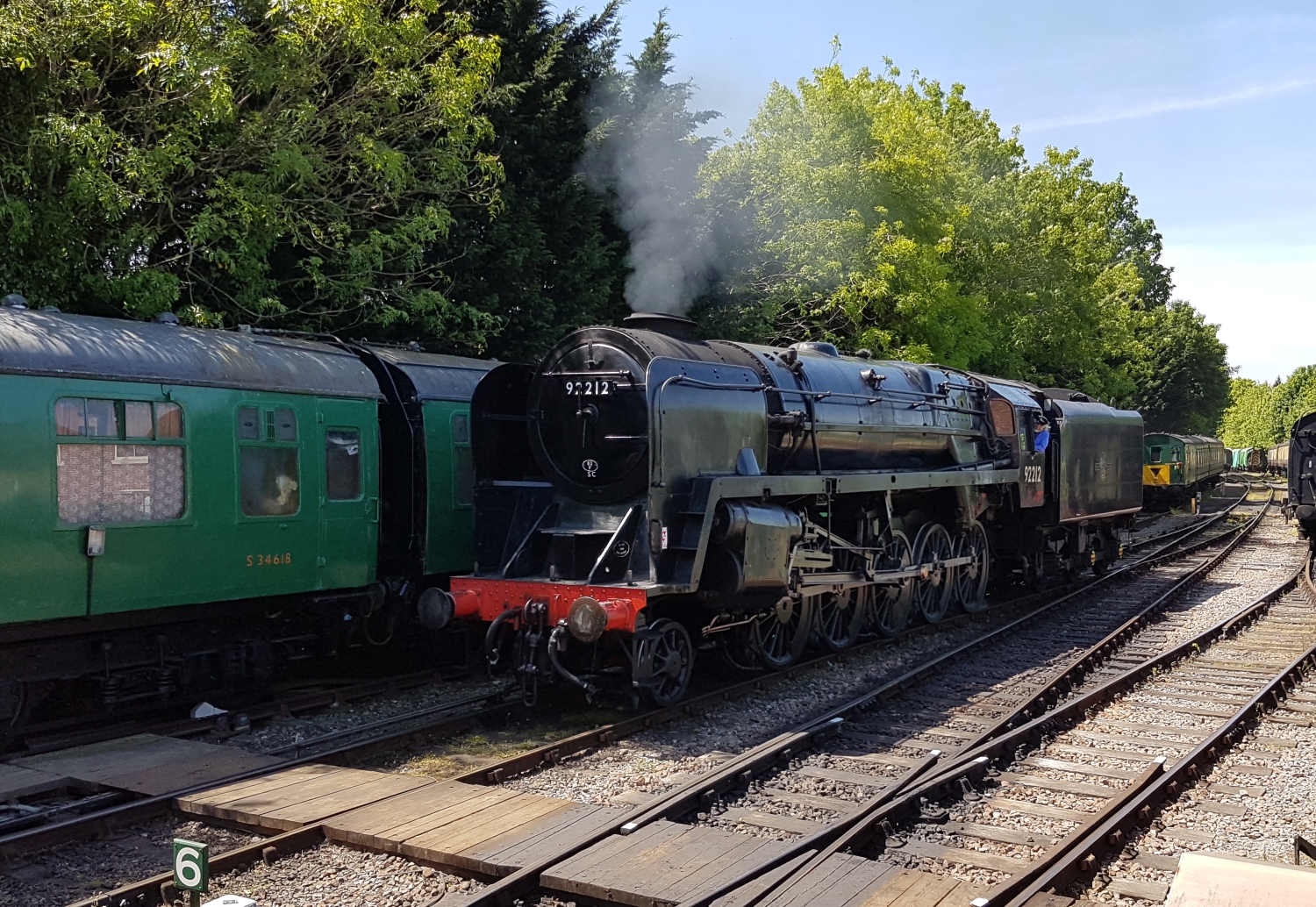
Meanwhile, back at Arlesford, 9F 92212 is running round….

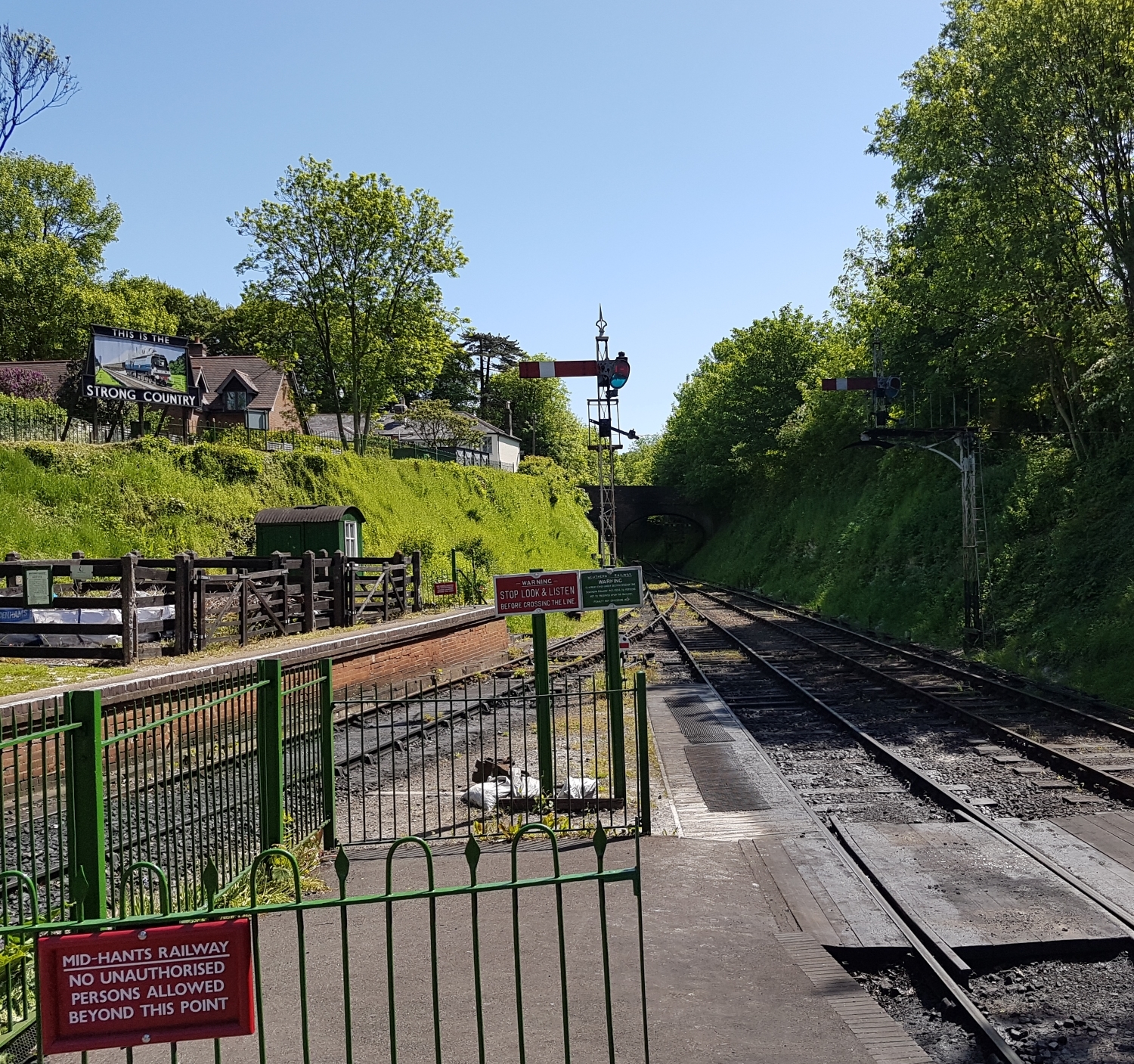
This view from the footbridge shows the details of a typical Southern lattice post signal.  A pig to build in N – I once managed (most) of a rather simpler rail built post in OO.

Just waiting for the signal….

Hurry up Phil, you’ll miss the 1pm to Alton….

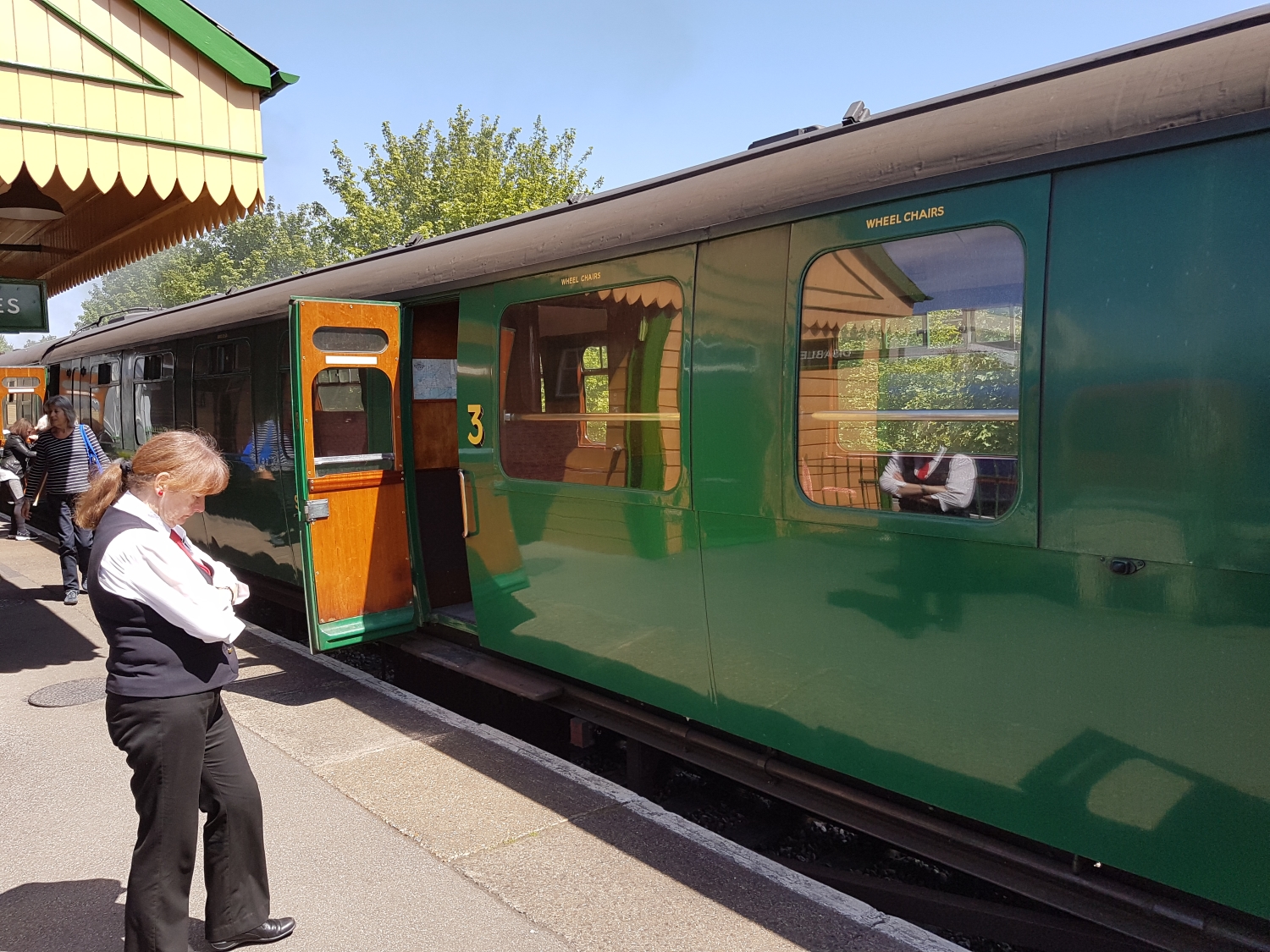
The coach behind the engine was reserved for a lunch party, so we chose the oldest coach in the train – I think it is a 1930’s Maunsell saloon.  The seats were like that old sofa at home.  Easy to drop into, but with tired springs and more difficult to get up!

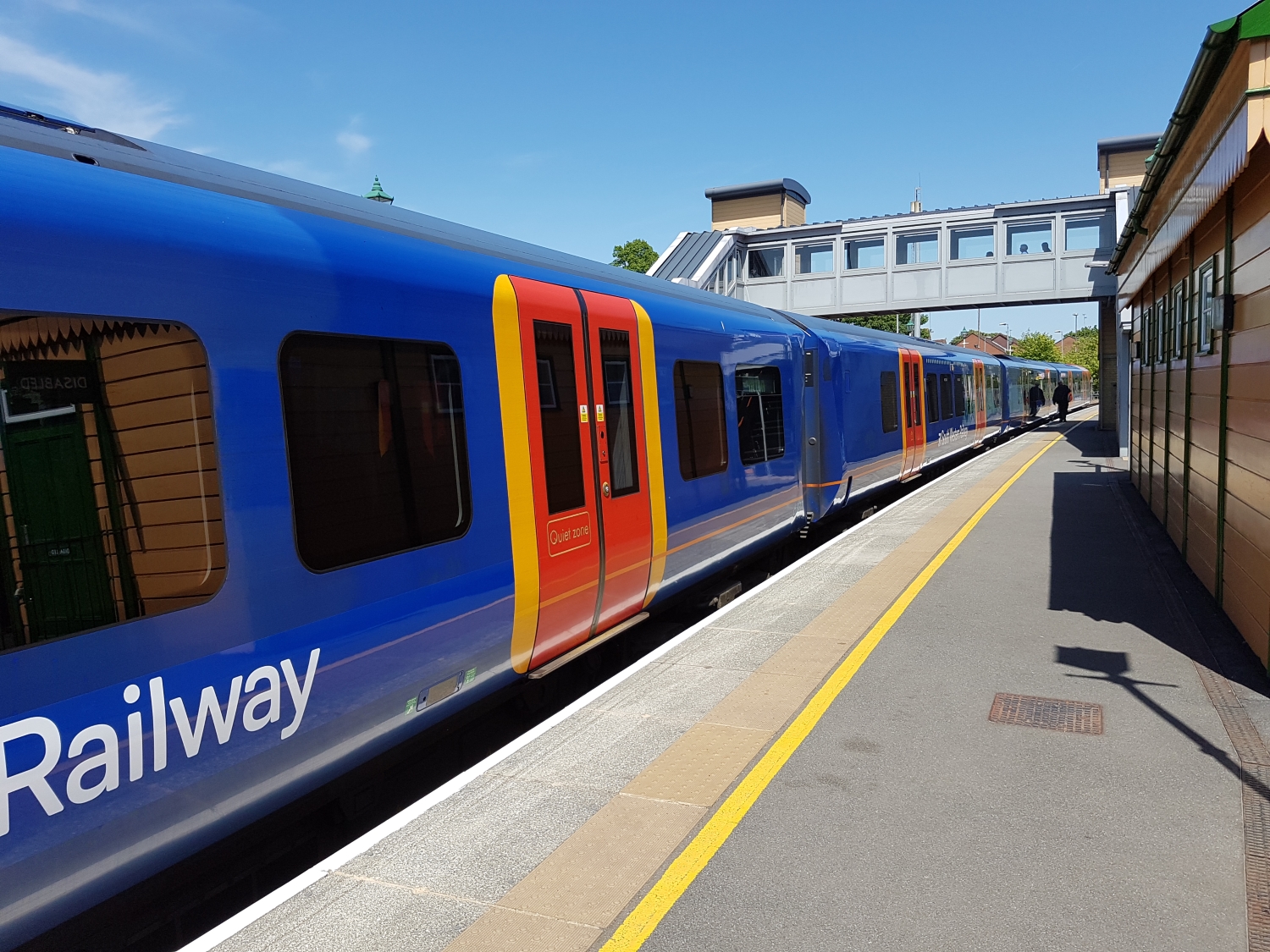
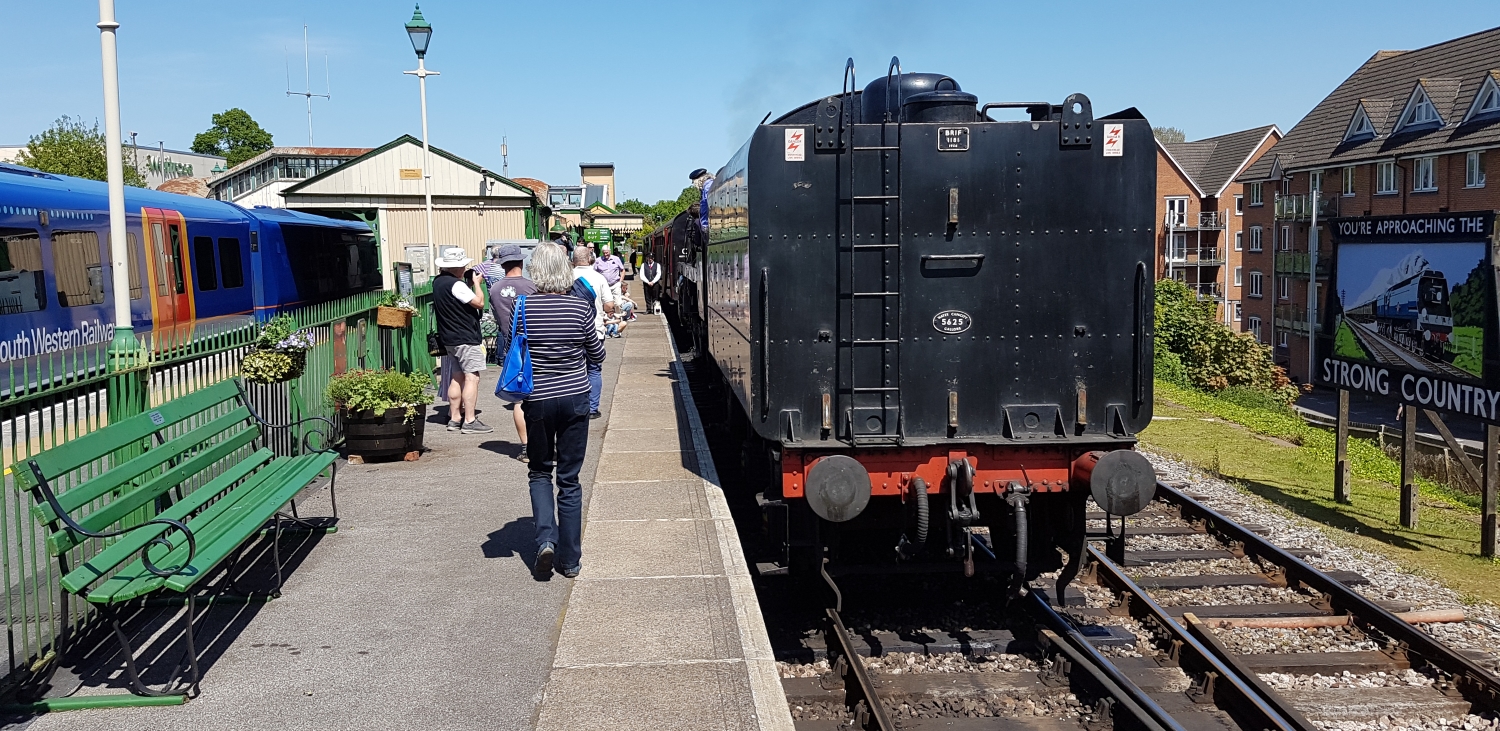
Arriving at Alton, there is an immediate contrast with the Southwest (or whatever they’re called now) EMU on the opposite platform.  The footbridge in the background is the only remaining LSWR standard wooden footbridge in daily use.

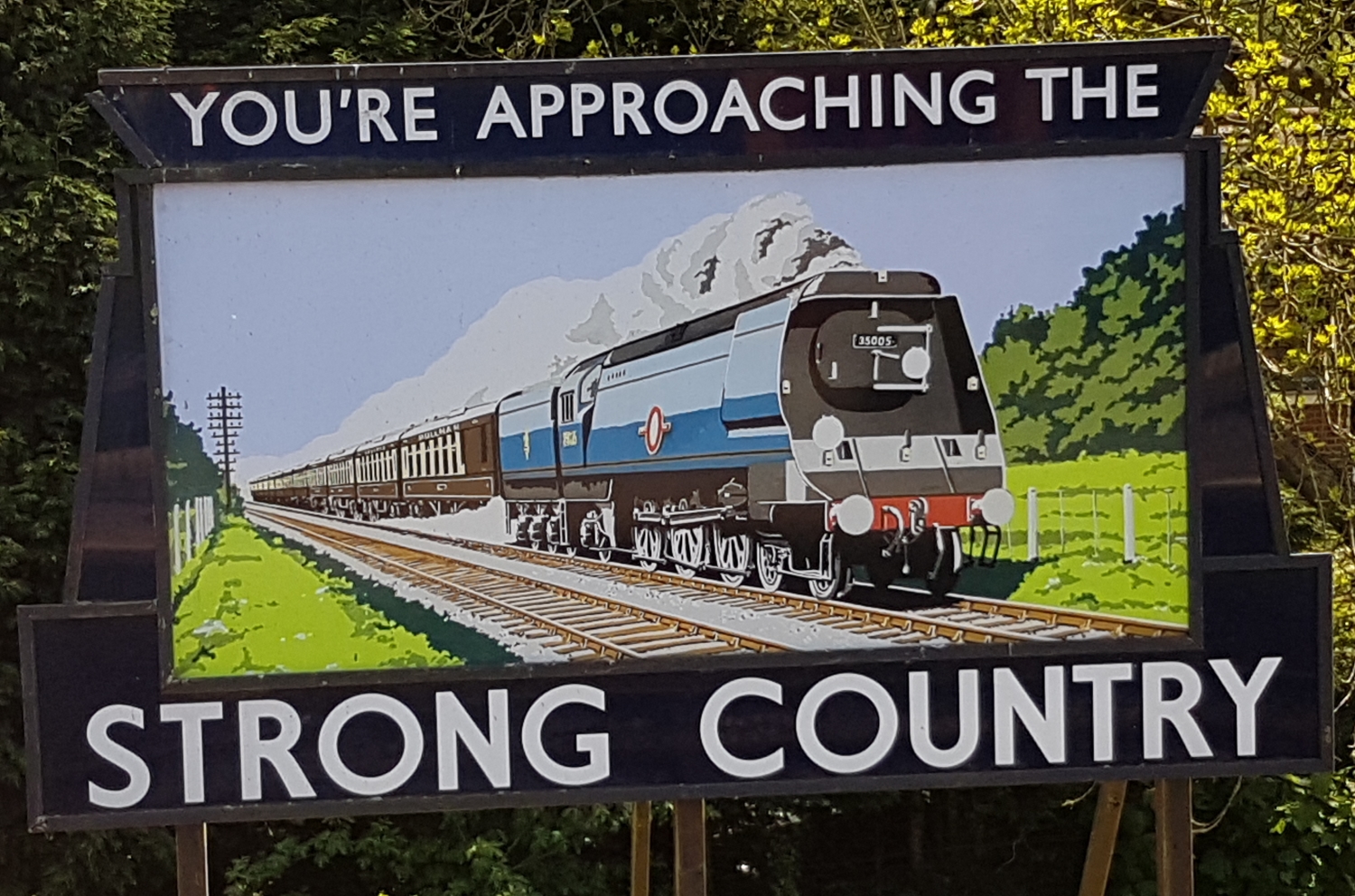
I remember these signs on the roads through Hampshire, going on holiday as a kid.  All advertising Strong’s Brewery, but not with such good pictures.

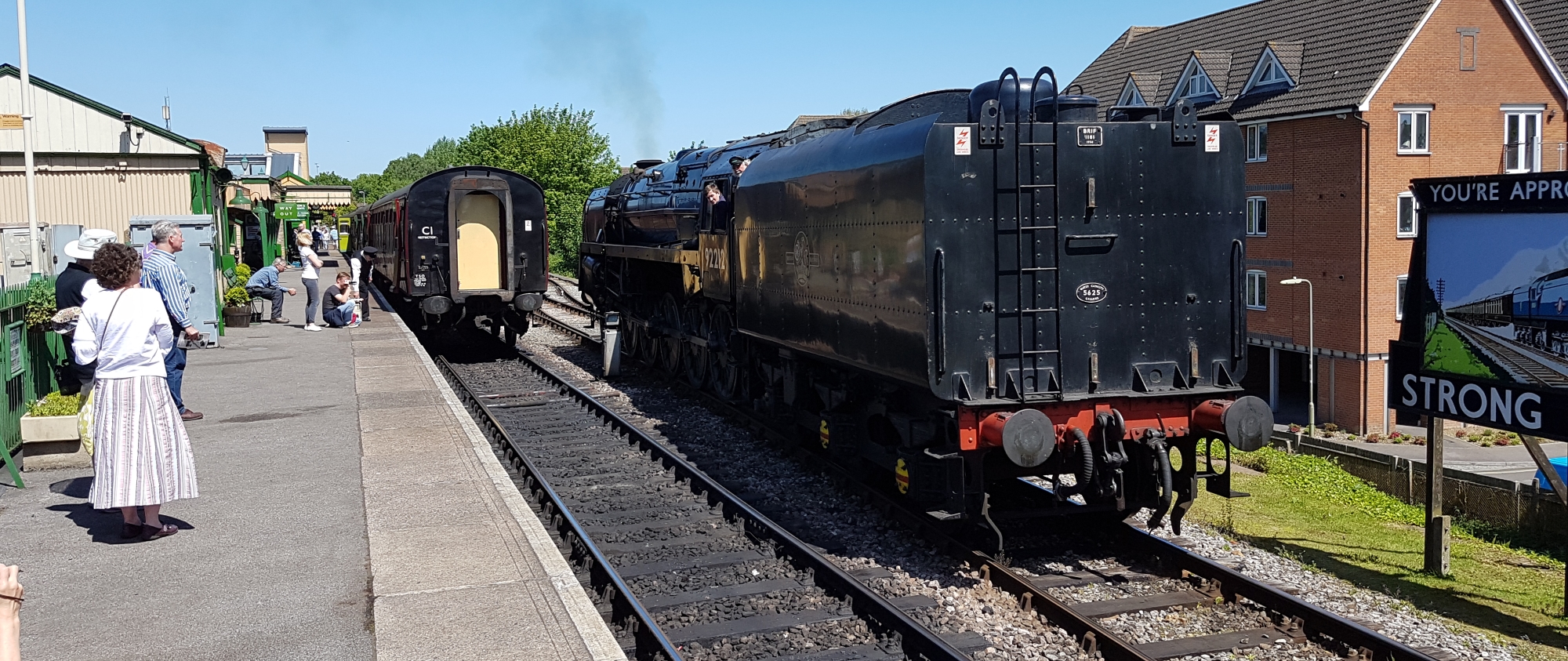
Running round at Alton.  Talking to the platform staff, I found that the signal box was unmanned on quiet days such as this with one engine in steam, and with no interchange with Network Rail.  The run round is automatic, the points being changed after the locomotive is detected by a track circuit.  Not even the ‘big’ railways do this.
Beauty and the beast?  Which is which maybe depends on your era of interest!

Small world department – I was greeted by a gentleman on the platform, and realised that it was Neil Grace who has traded at a number of our shows.  He was doing the proud grandad act – a good excuse for a day out on the railway.

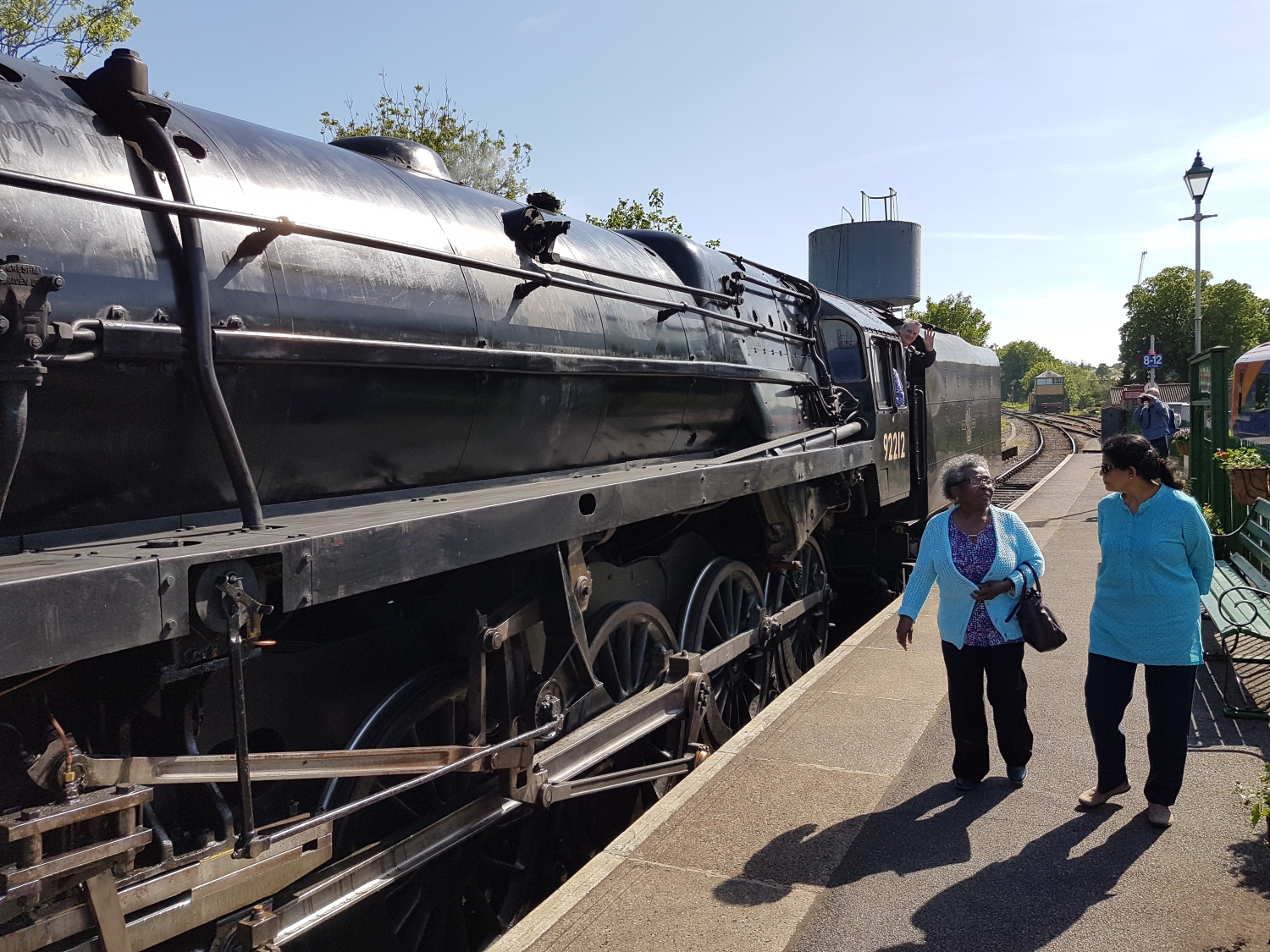
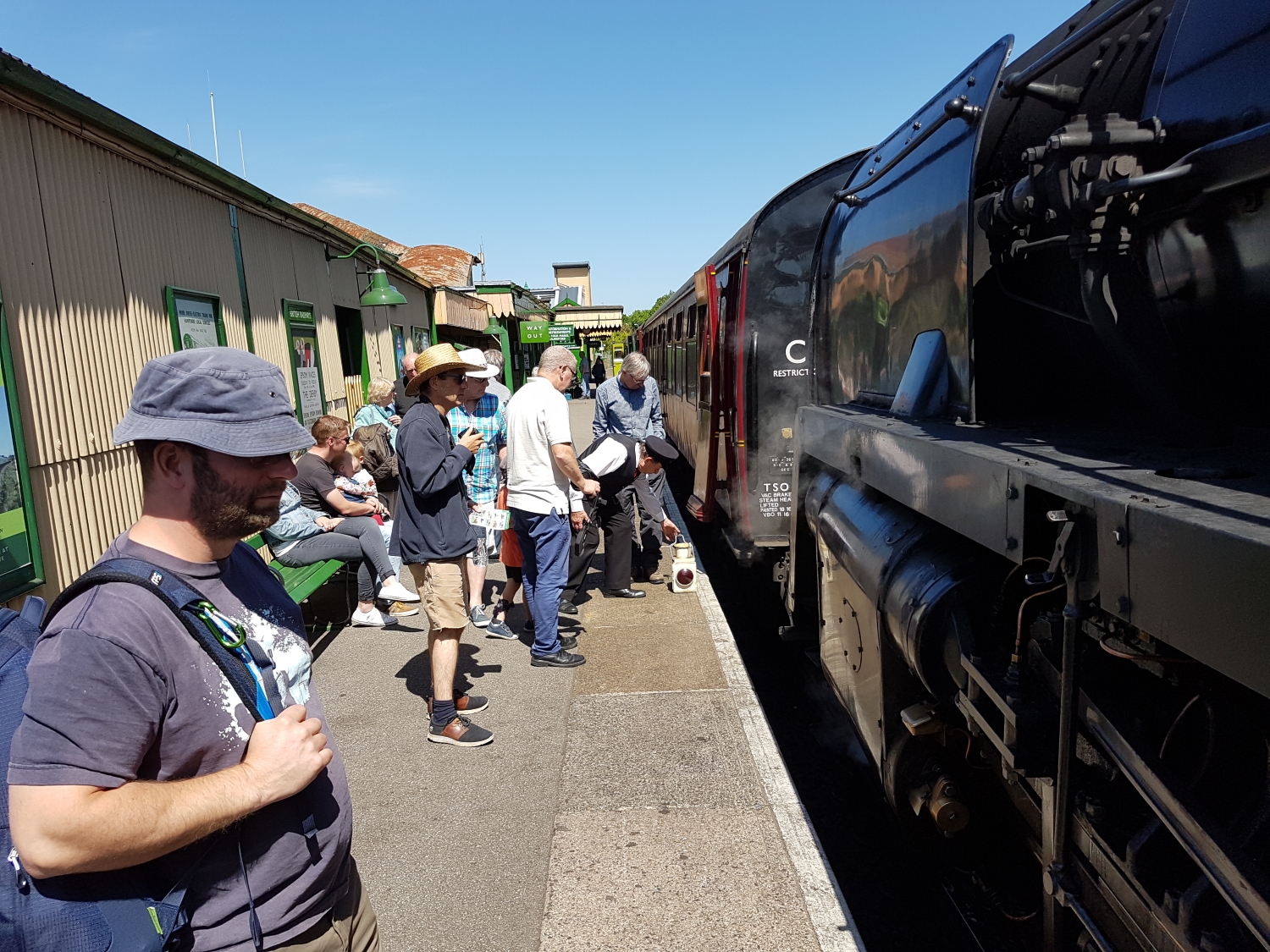
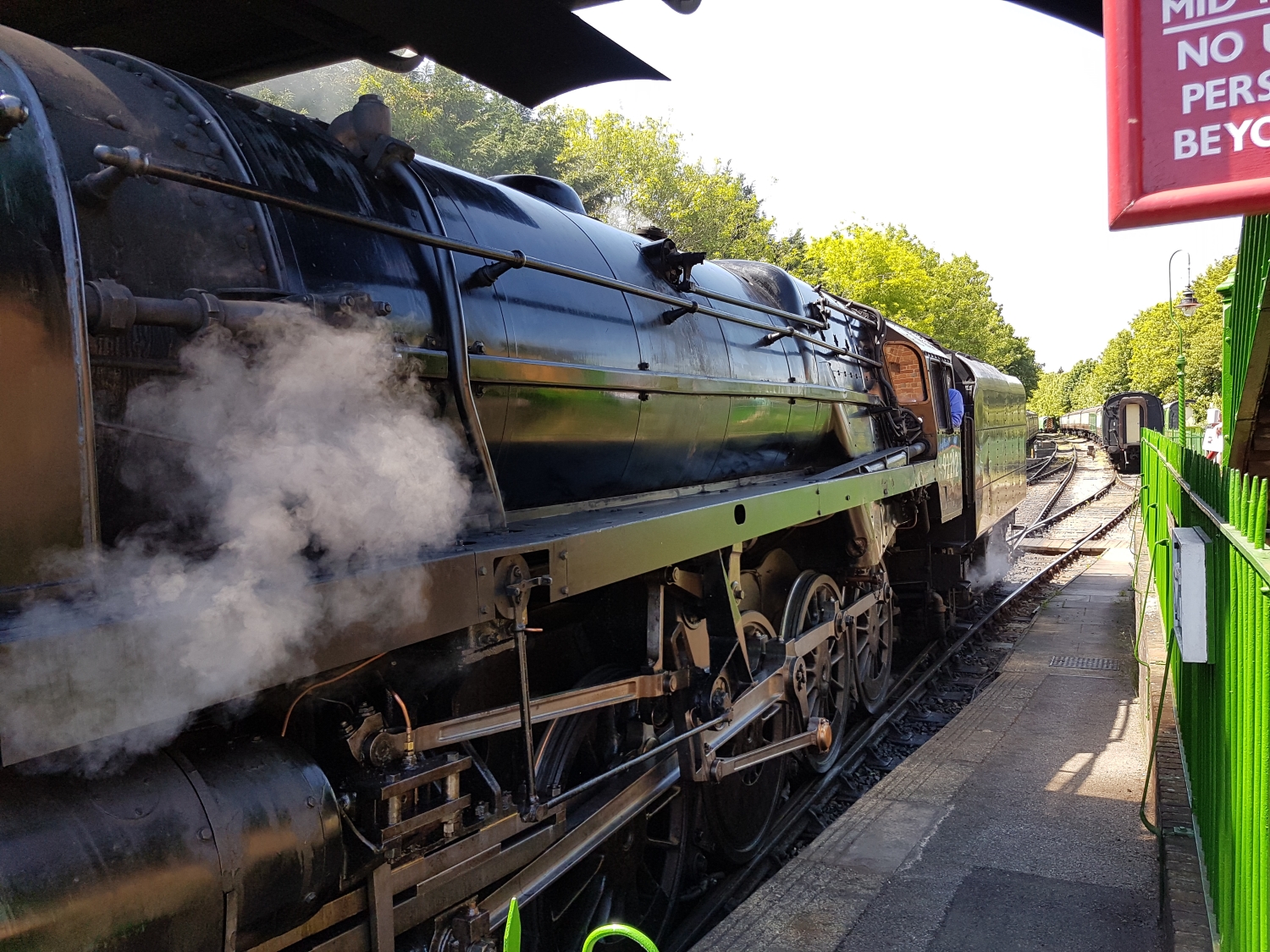
92212 is obviously well cared for, with a lovely oily sheen on the black paintwork.

Though I wasn’t getting a footplate ride (strictly one person, one way), I was delighted to be invited up to have a look inside the 9F’s cab.  There’s a lot of room up there, and a decent roof, compared with older locomotives.  But it’s not much more comfortable.  I think the last time that I was on the footplate of a steam locomotive was 1972 at Barry scrapyard – though my EMU cab ride in Hong Kong is another story.

And so back to Arlesford – ready for Phil’s big moment on the footplate.  More next time.

Posted in ESNG, Inspiration, Out and about, Prototype | Tagged , , , | 1 Comment

Engine driver Phil #1

Phil of ESNG fame recently had a significant birthday (a large number with a ‘0’ – just the one – on the end) and for a present his family bought him a footplate ride on the Mid Hants Railway, the Watercress Line.  I was delighted, and a little privileged, to be asked to chauffeur him for the day.  Let’s face it though, I’ll do almost anything for a free train ride and a free lunch.

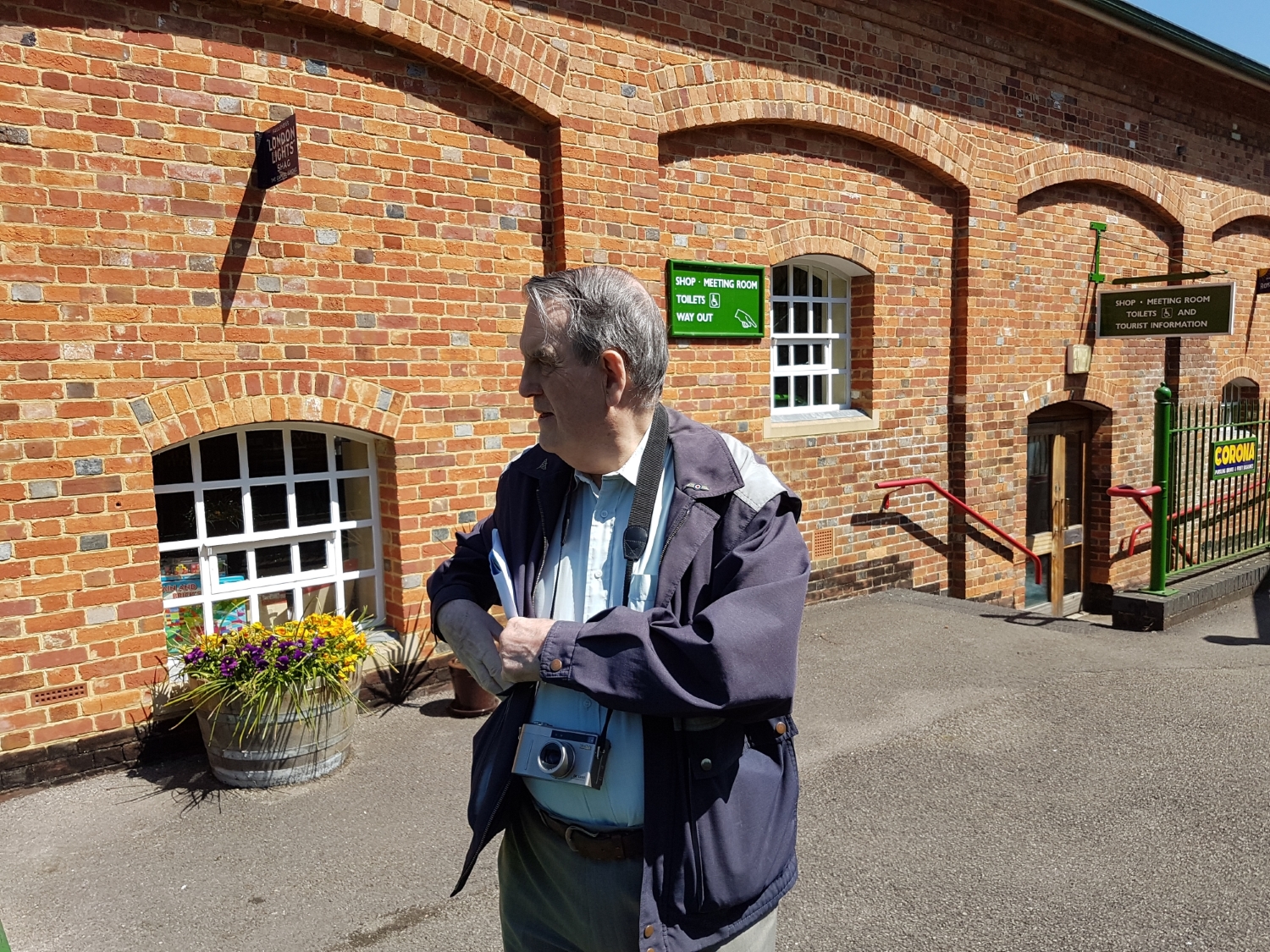
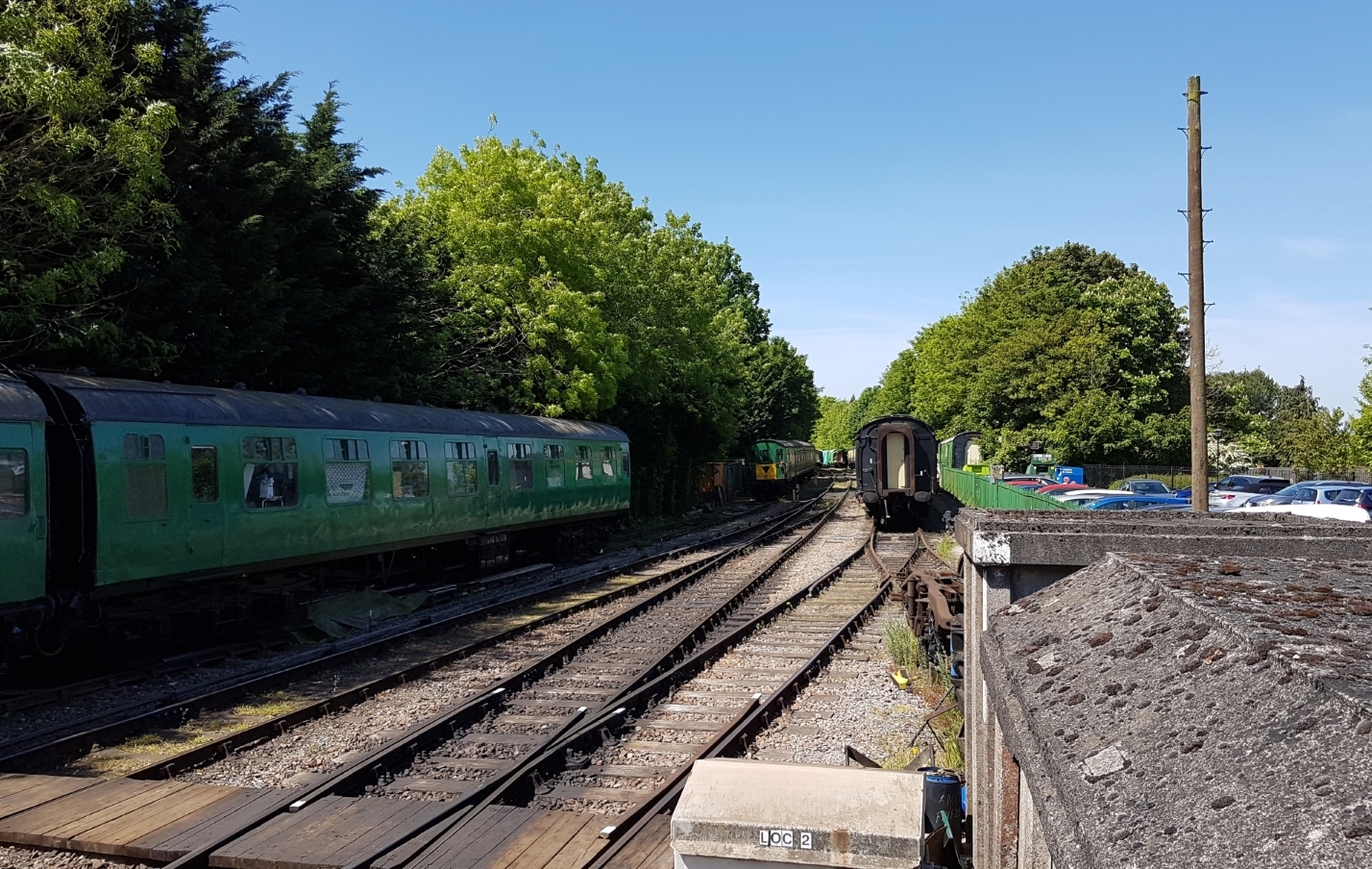
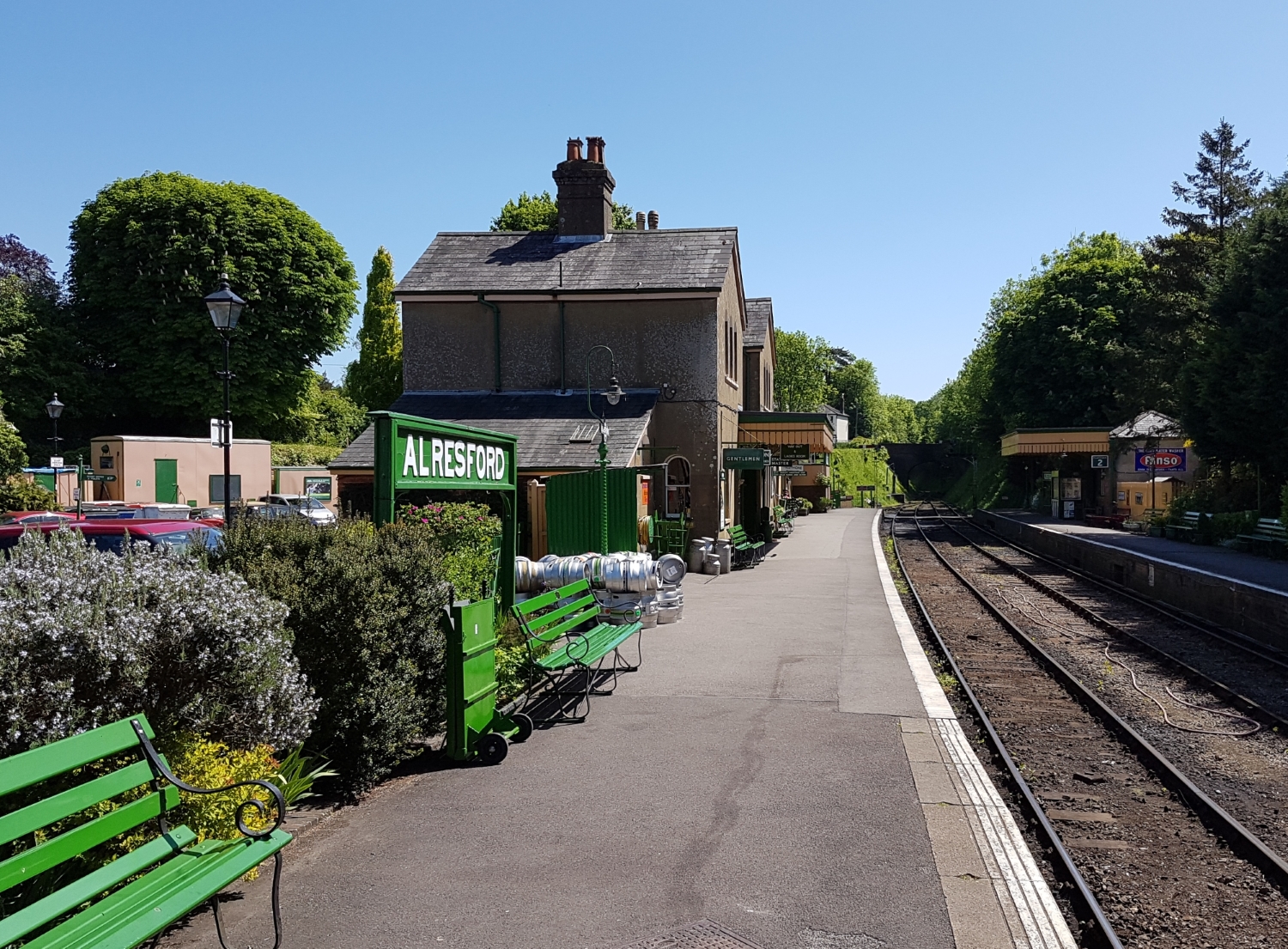
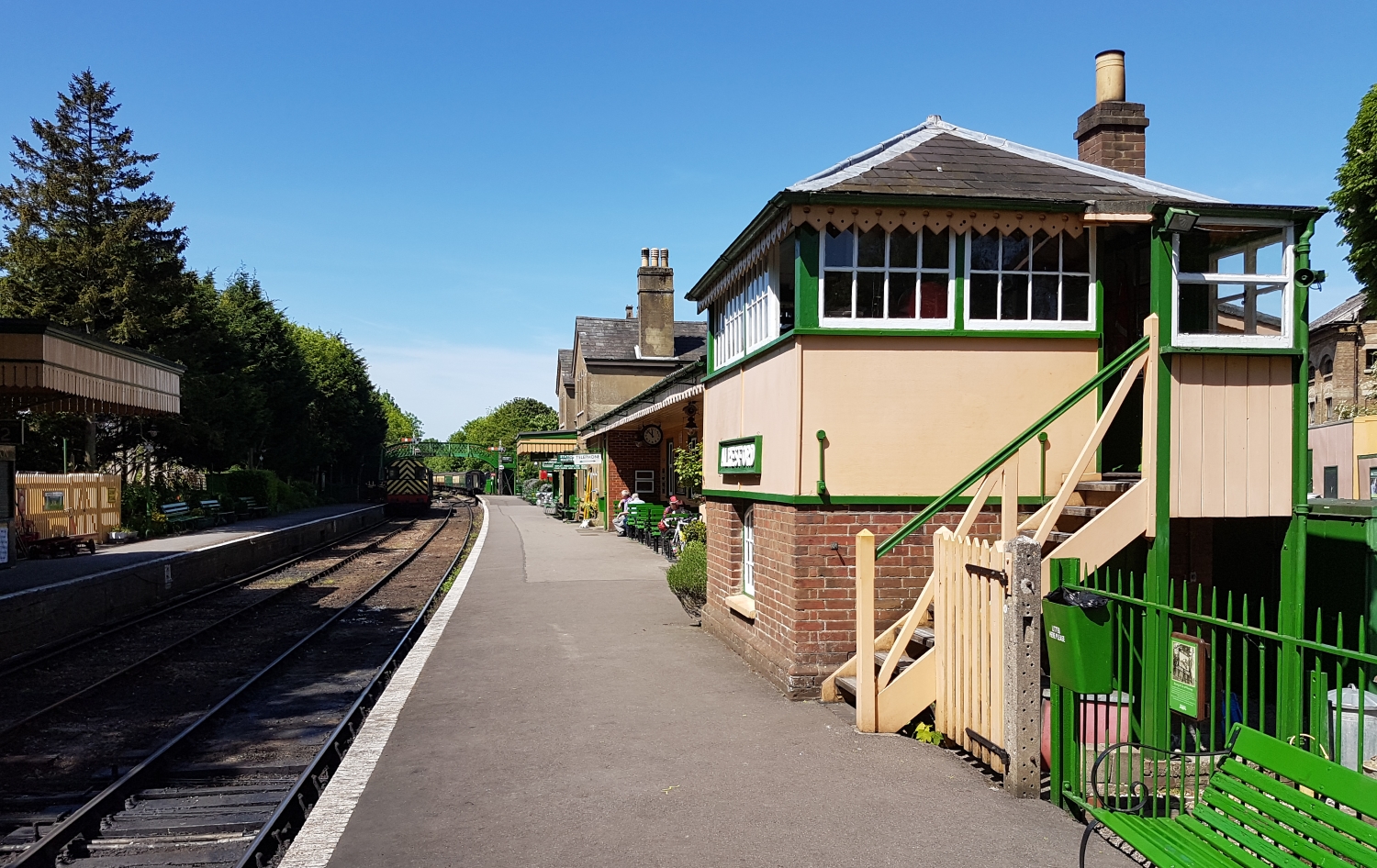
So, Thursday 17 May saw us driving down to Arlesford from Horley, and despite some difficulty in parking – it was market day and there was a big funeral on at the church near the station – we were soon pottering around a rather quiet Arlesford station.  I was impressed by the careful conversion of the goods shed into a shop, meeting room and rest rooms.

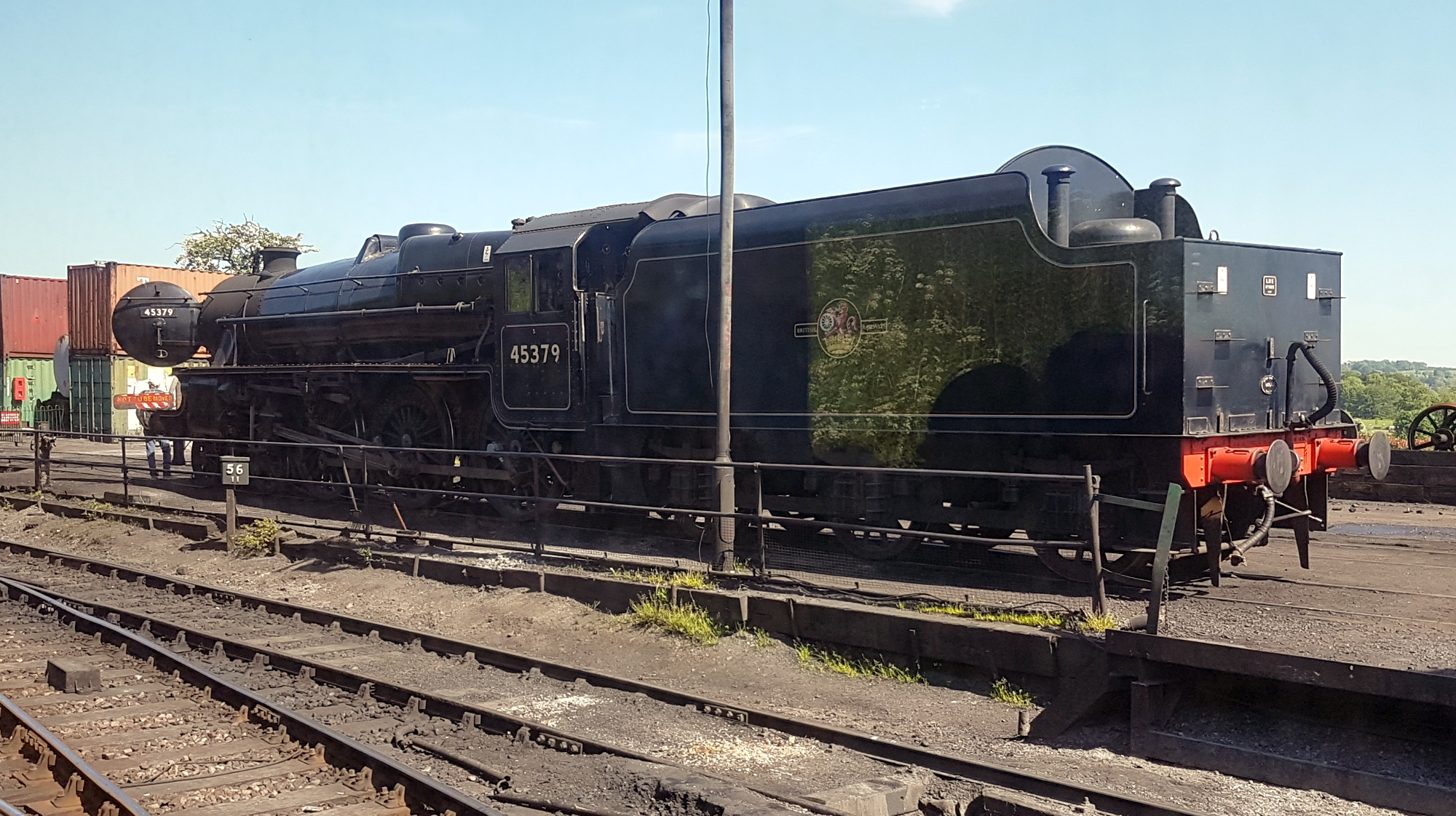
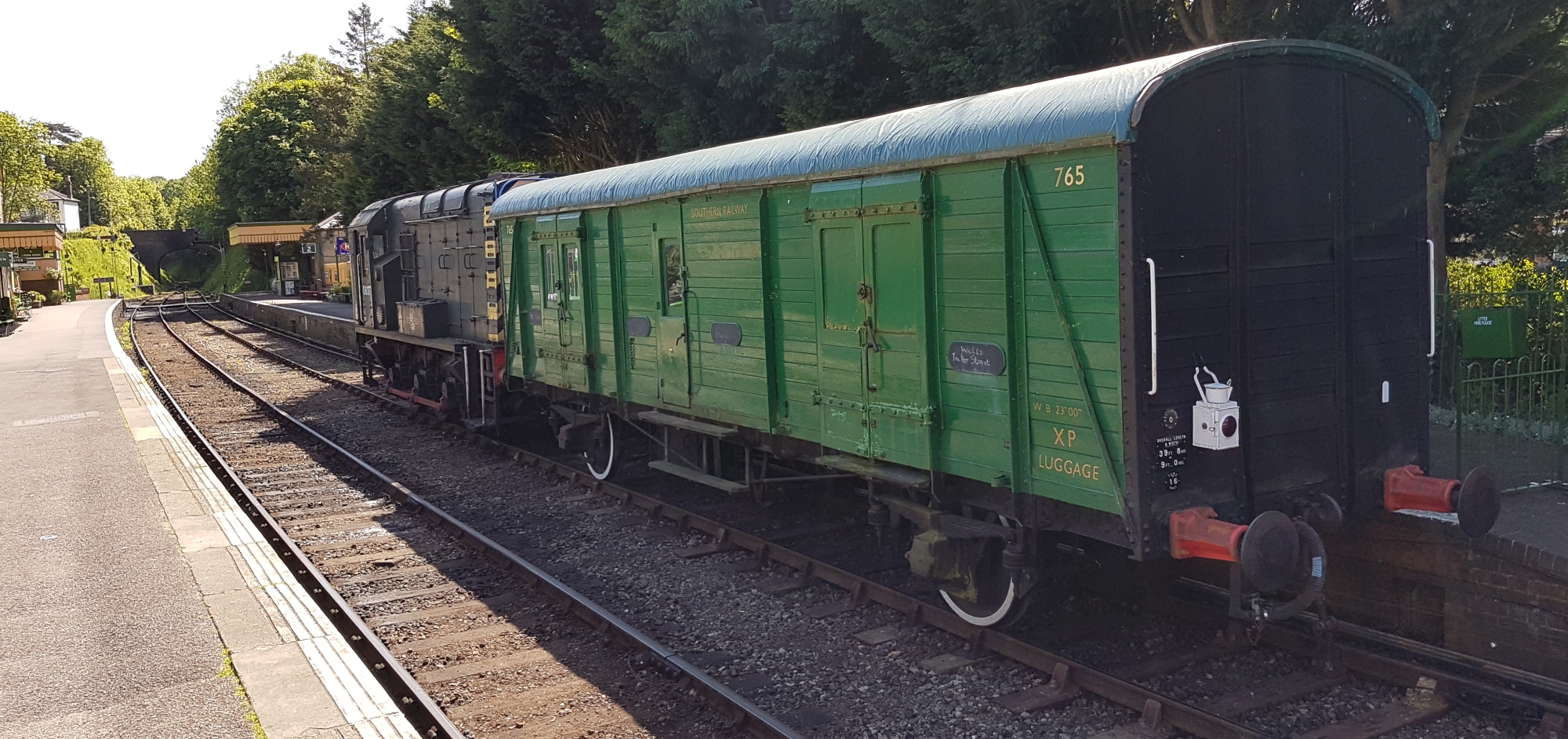
The station was very quiet, the first train of the day having departed, and apart from a few coaches and an Southern Region DEMU, the only thing moving was an O8 and Southern Railway CCT.  This had to move out of the run-round before the train returned from Alton.

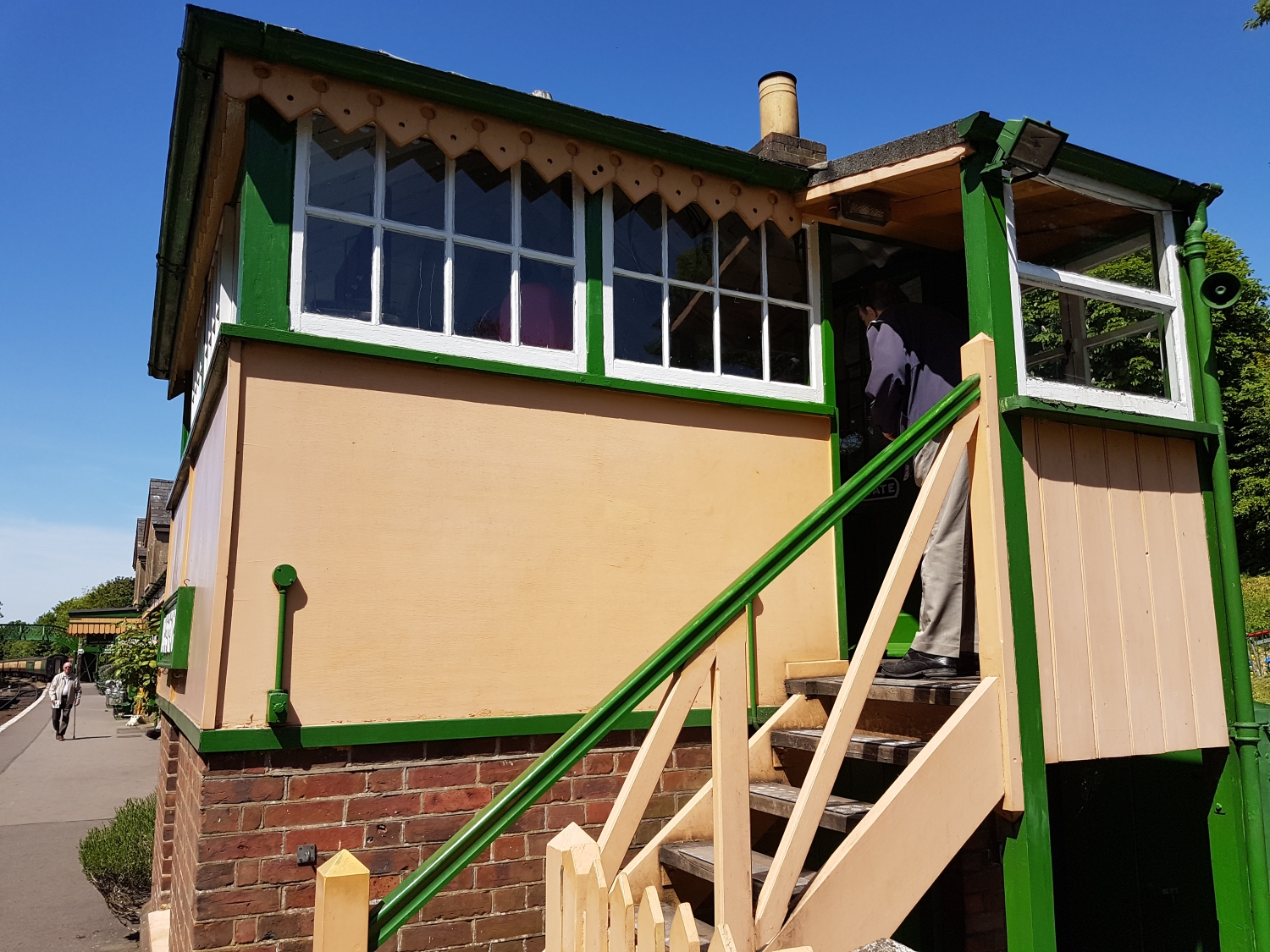
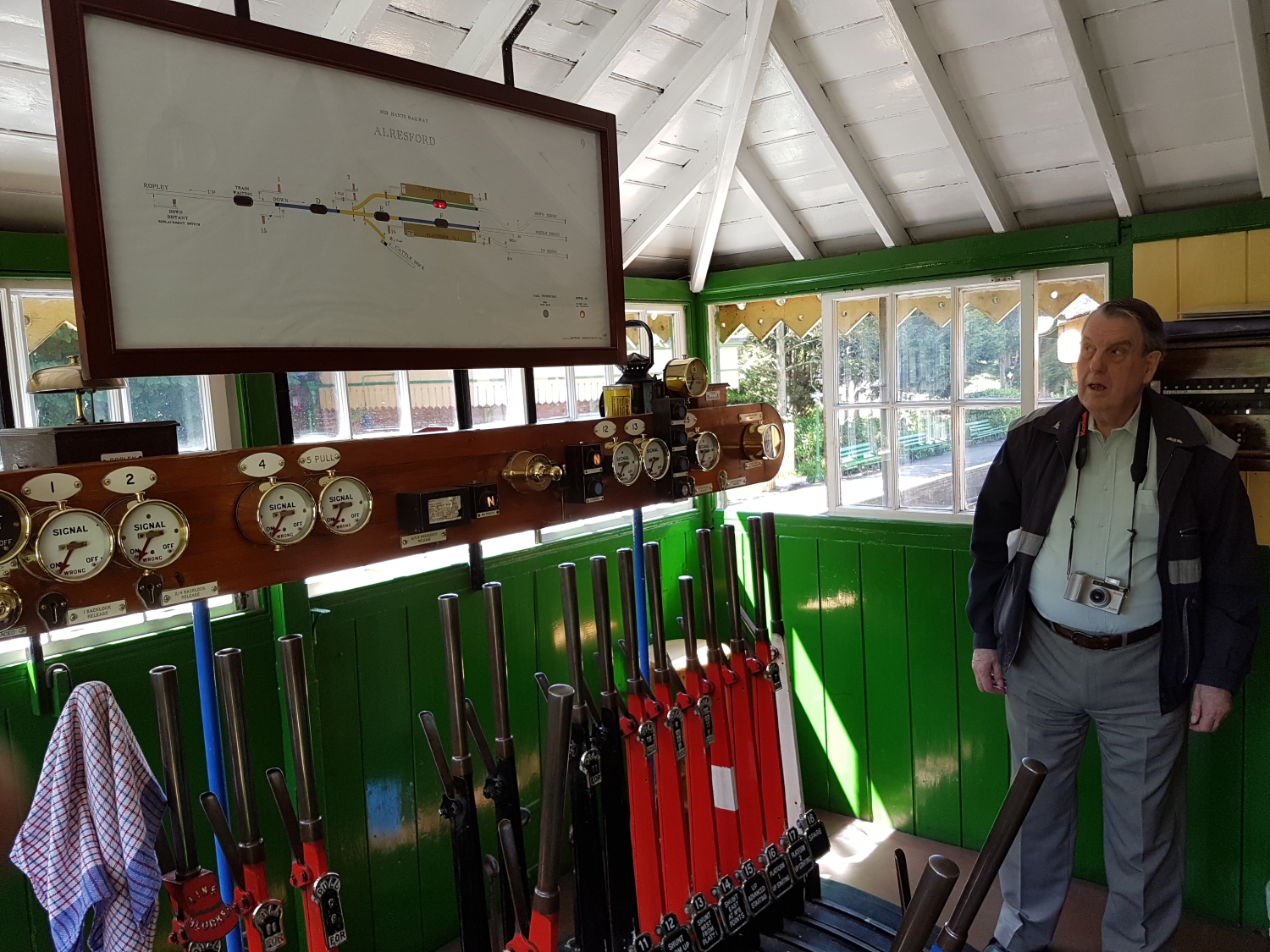
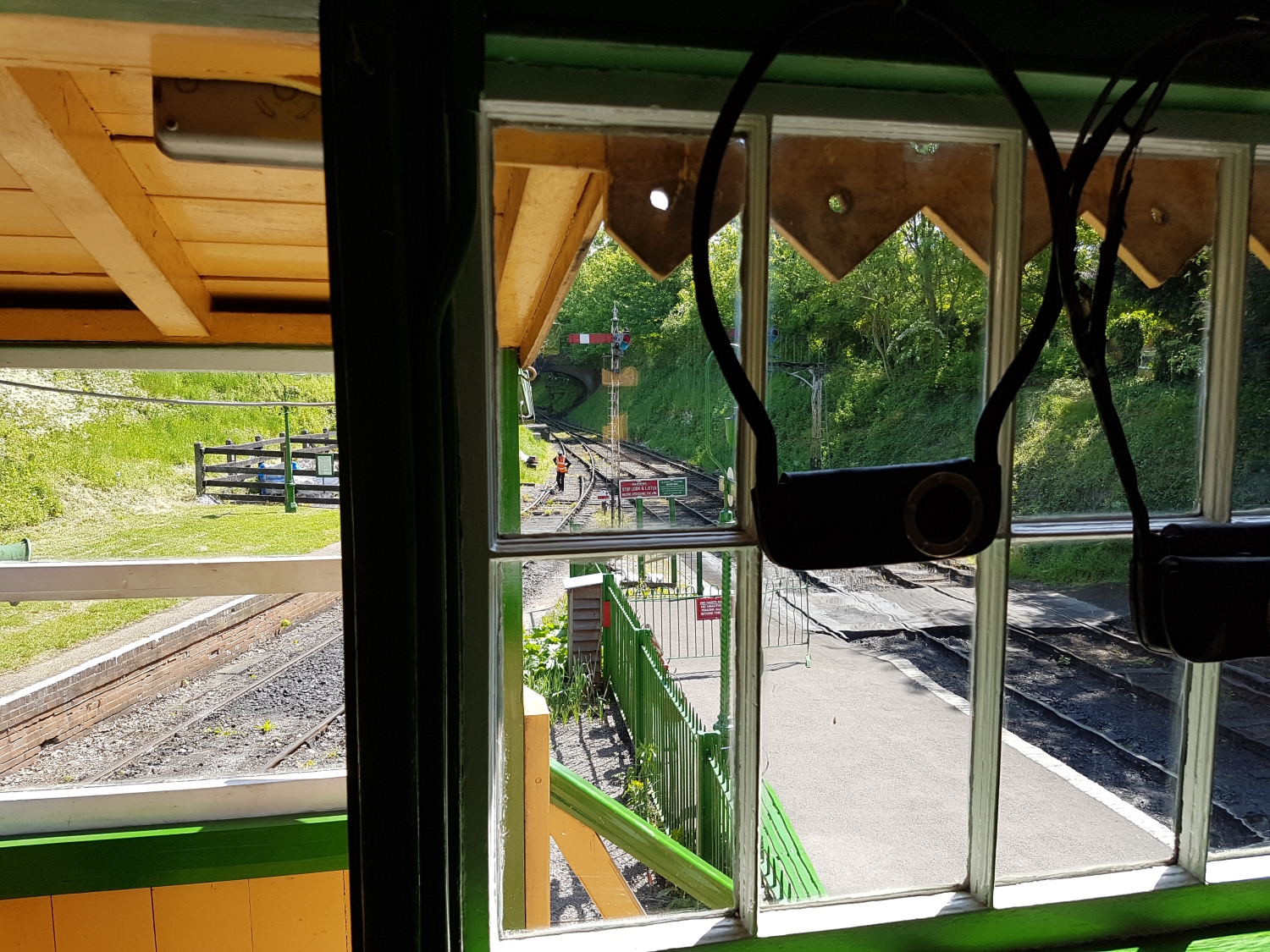
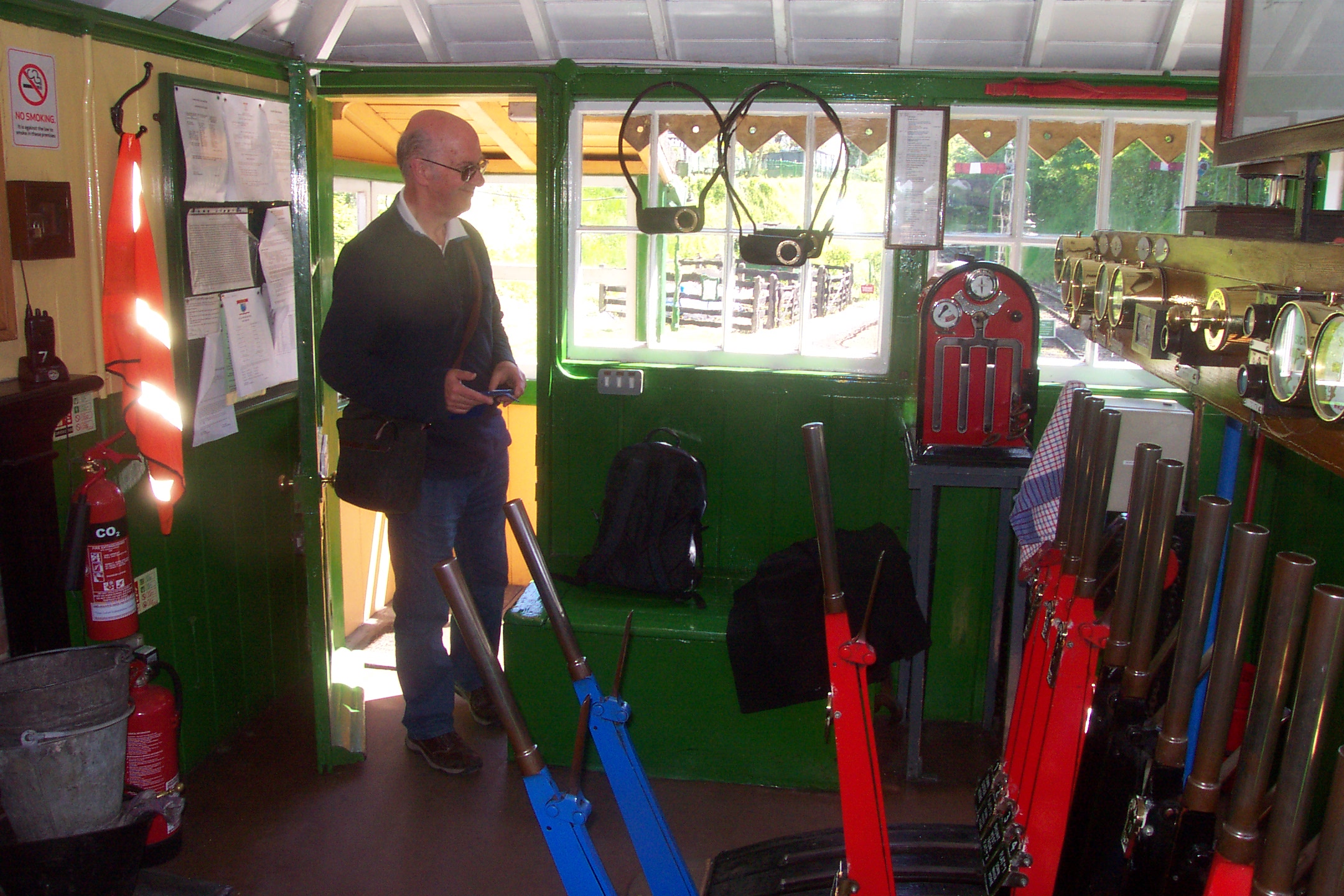
We wandered along to the signal box, and Phil invited himself in.  So I did likewise.  Although it was off-season and mid-week, I was most impressed by the friendly Mid Hants staff, and how quick they were to spend time with you, explain things, and even invite you to have a closer look.

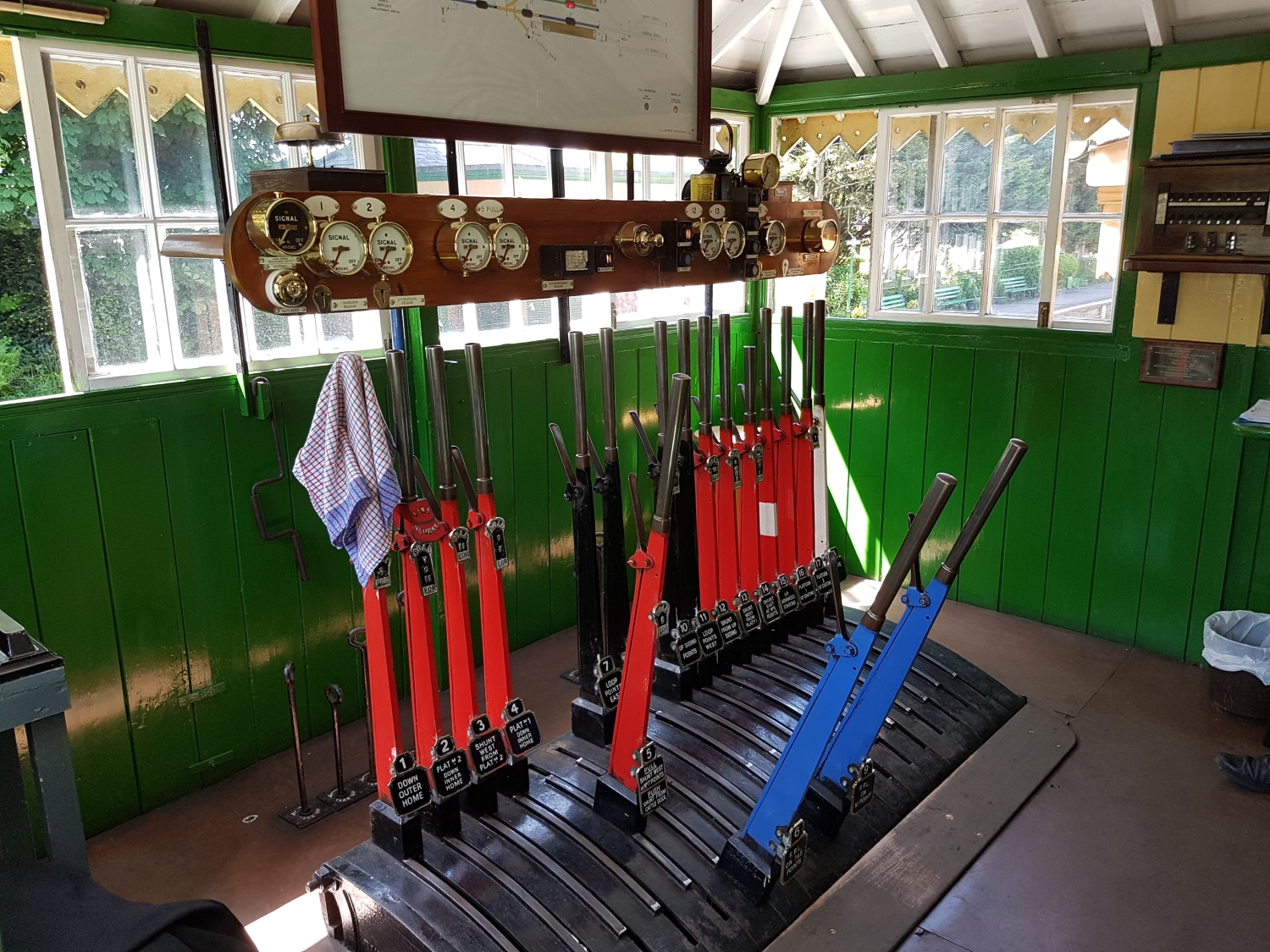
Probably a typical small signal box, no doubt with a few Southern Railway (or even LSWR) details.  It always interests me how a simple track layout accumulates so many levers for points, signals, and facing point locks (the blue ones).  But the signals do go all the way up to the end of section approaching Ropley, next station up the line.

And just to prove that I was actually there…. Inspecting the block token instrument.
We retreated to the station buffet for an early lunch – on my part the old standby of ham, eggs and chips (and very good it was too) – and failed to see the train come in from Alton.  The locomotive on the front, and our locomotive for the day, was a BR 9F 2-10-0.  This monster was a bit of overkill for the Mid Hants, but a 9F with a passenger train was reminiscent of the final days of the Somerset & Dorset Railway.  This magnificent machine was built in 1959, and worked for less than 10 years before the end of steam on BR.

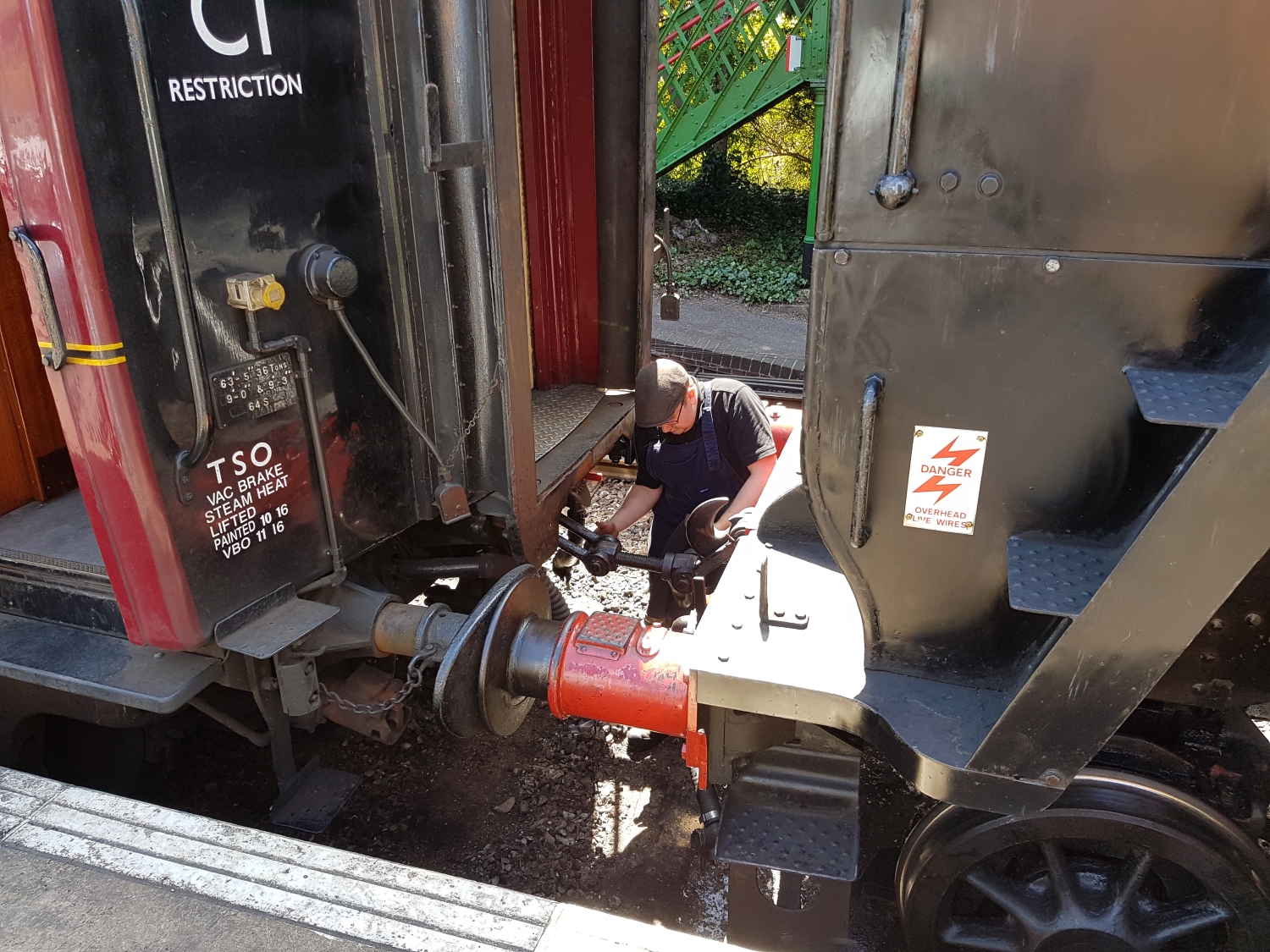
Uncoupling the coaches – mainly BR Mk 1 carriages.  In some ways these standard carriages are as much as a design classic as the HST125 units currently celebrating 40 years of use.  Mk 1’s have been around for over 60 years, now, and are still a mainstay of the preservation movement.

Running around the train, and that’s where we’ll leave things today.

Posted in ESNG, Inspiration, Out and about, Prototype | Tagged , , , | 2 Comments

ESNG meeting – 16 May 2018

After Sunday’s monster N-mod layout, and lots of members, Wednesday was rather more restrained.  But we still got trains running….

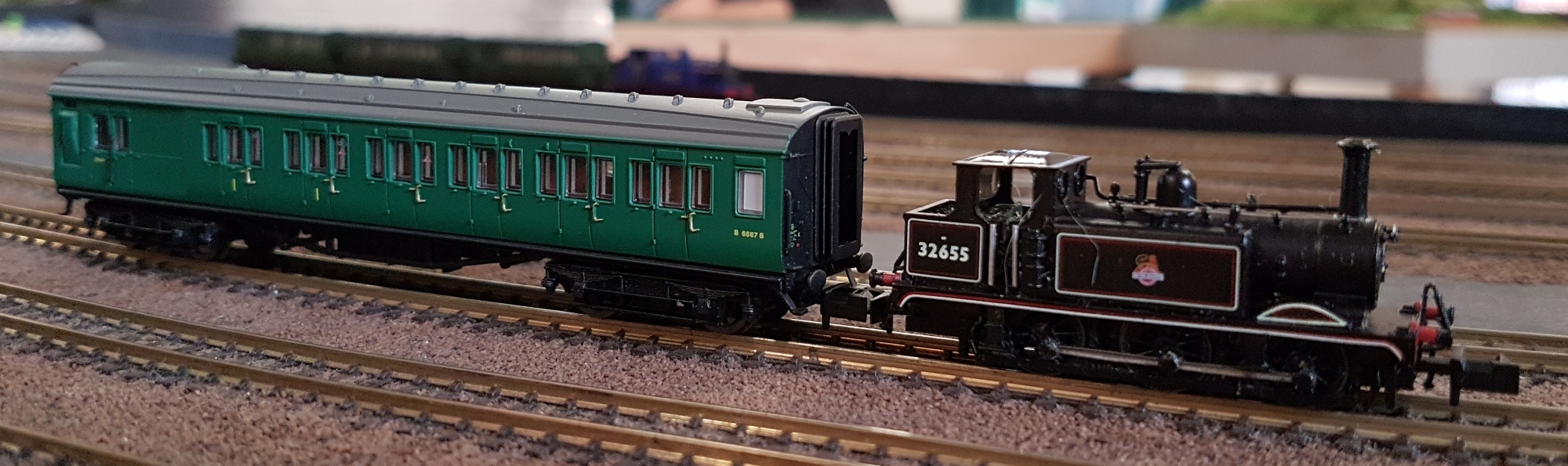
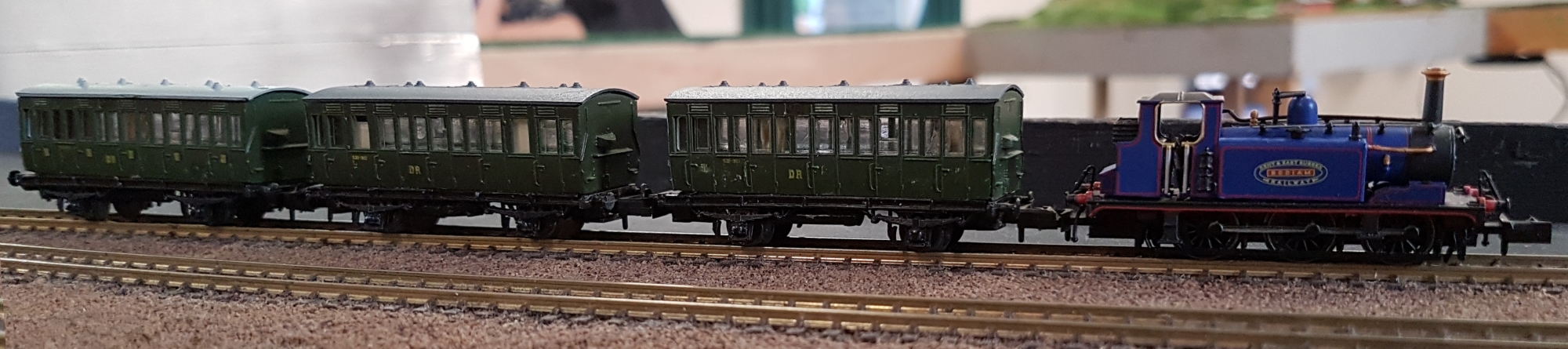
It was Terrier night, with my British Railways version (plus new Dapol Maunsell brake-composite.)

Derek’s ‘Bodiam’….

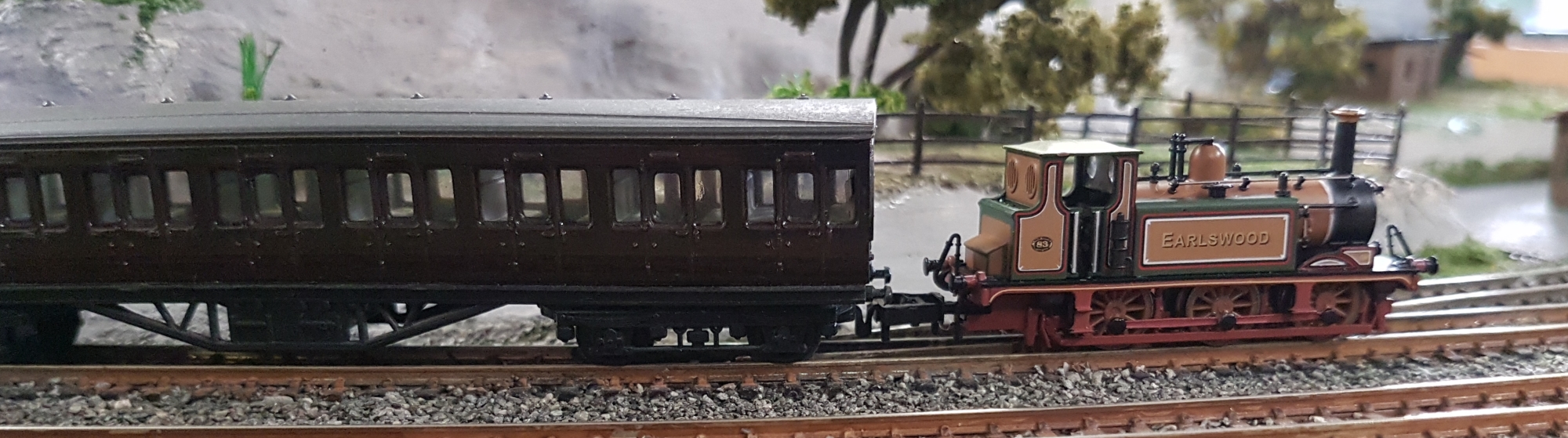
And Derek’s ‘Earlswood’.

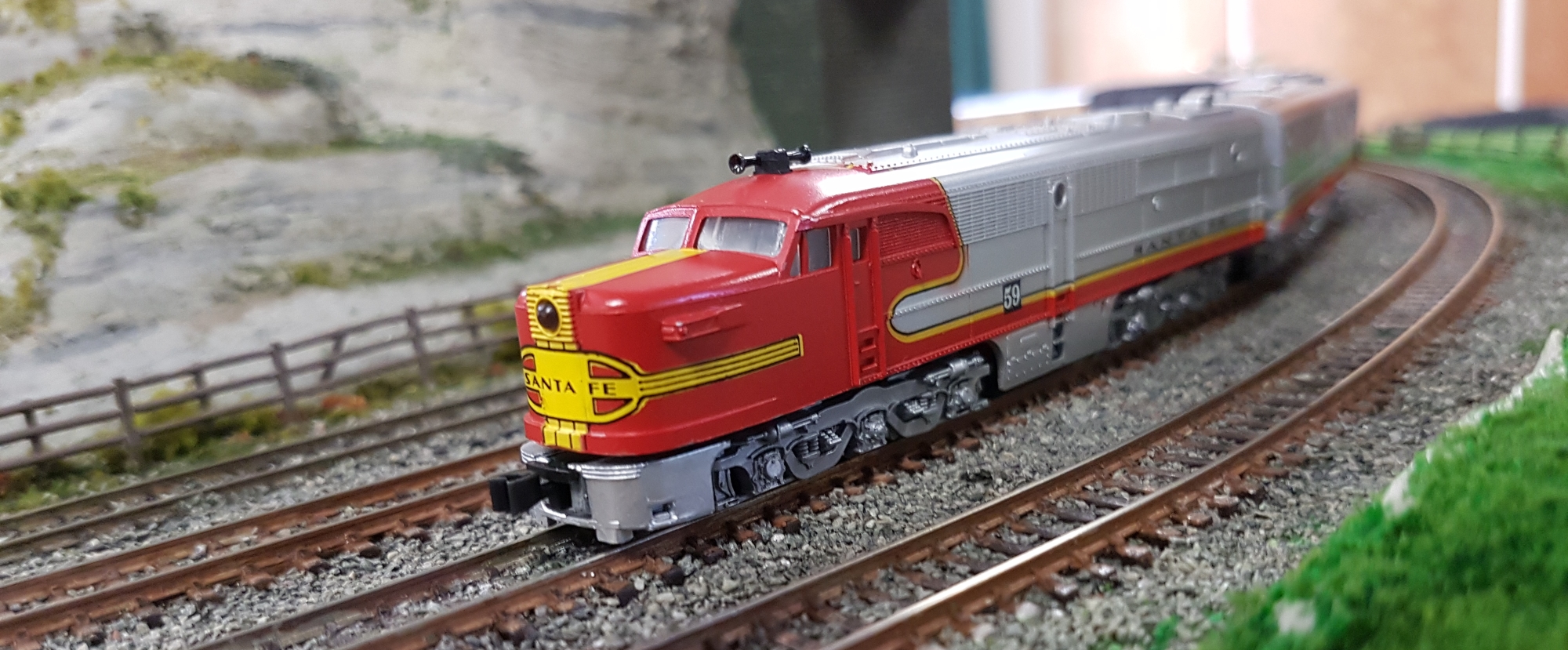
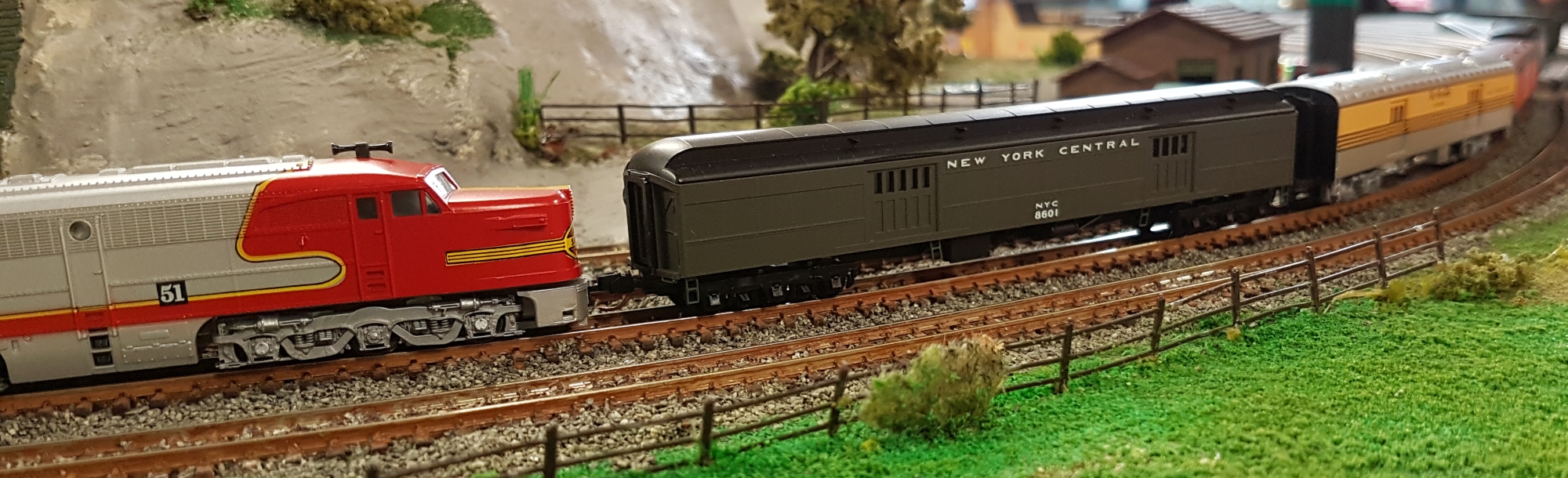
Simon was running a PA-PB-PA set with a train of non-passenger coaching stock and other cars.

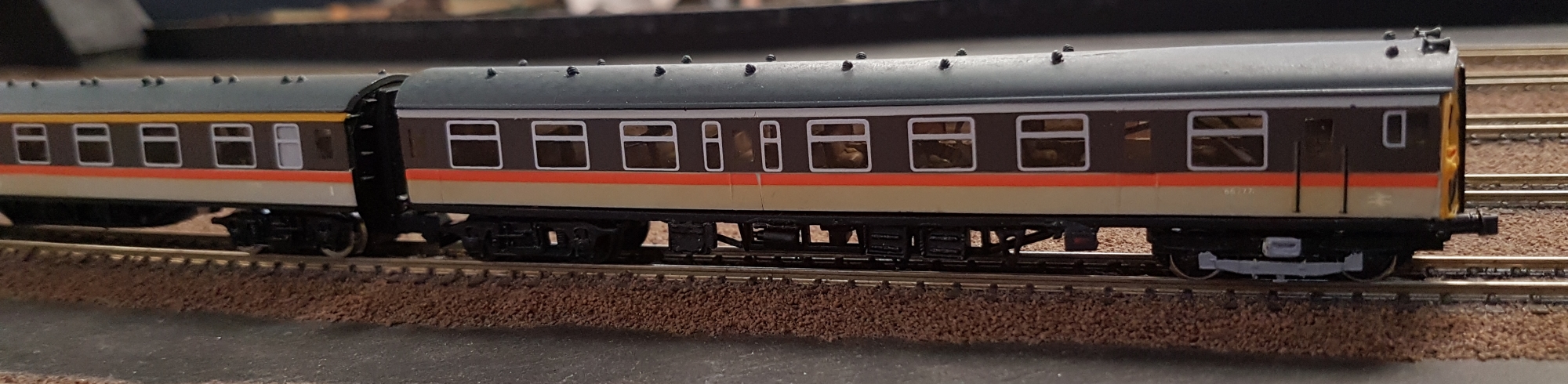
And last but not least, Chris’ EMU in ‘Jaffa Cake’ livery.  Surely one of the best liveries to grace modern rolling stock, but all too short-lived?

Posted in ESNG, ESNG meetings, Out and about | Tagged , , , , | 1 Comment

Brian in Germany

A couple more videos from Brian, who writes….

Dear All,

Just thought I’d share a couple of the most interesting aspects of my recent trip to the Dampfspektakel in Trier Germany.

As part of a RailTrail group we travelled on one of the positioning trains from Cologne to Trier, passing some massive intermodal yards. I’ve never seen anything on that scale:

Then there was a visit to the Dampflok Museum at Hermeskeil, which if you haven’t seen it can perhaps be compared to Barry scrapyard:

I hope you enjoy watching these.

Cheers,

Brian

And here’s the programme (in German)

Dampfspektakel Programme

Posted in Inspiration, Out and about, Prototype | Tagged , , , | 1 Comment

ESNG meeting – PlayDay 13 May 2018

Another pleasant afternoon playing trains, with a bakers dozen or so of members and friends attending.

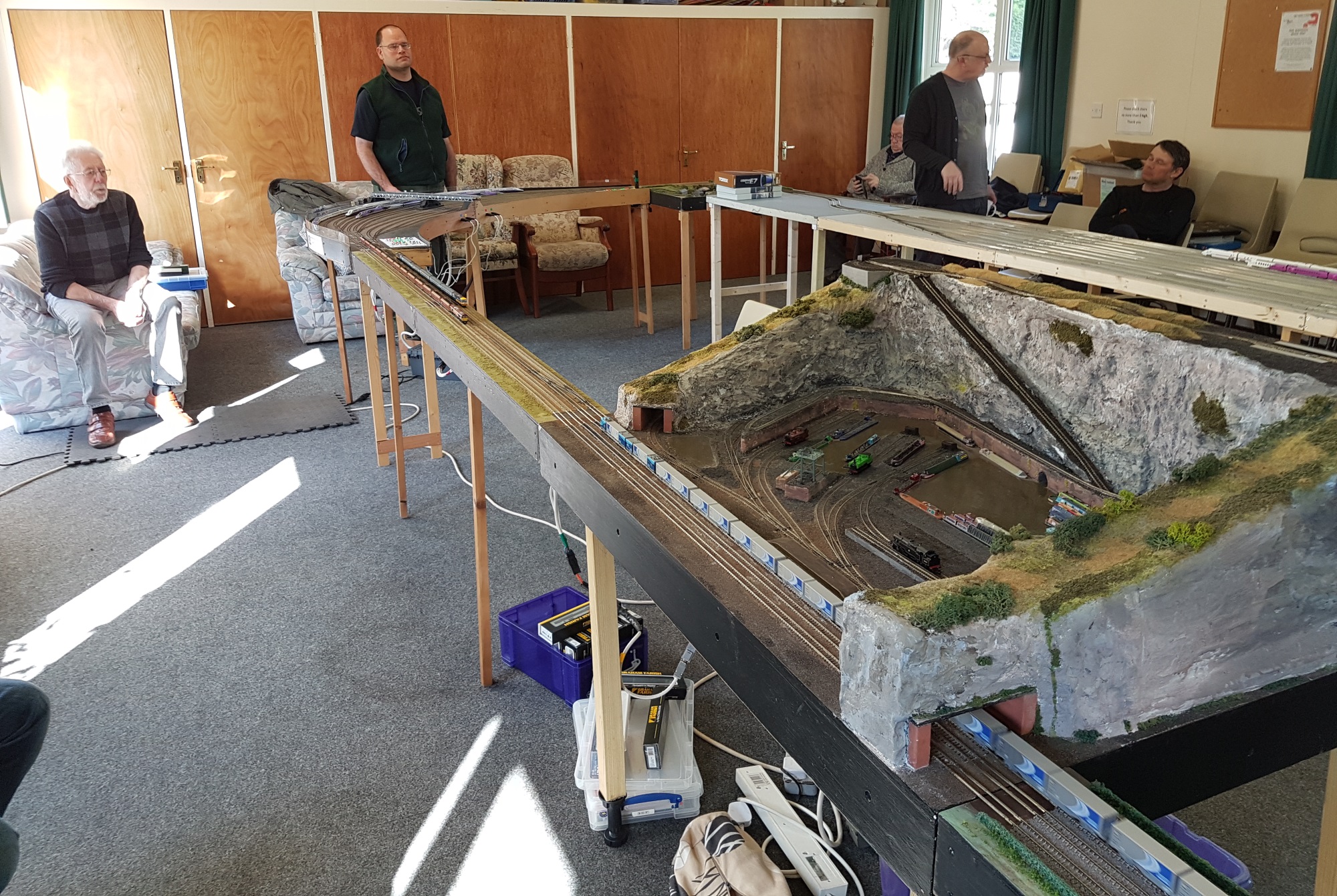
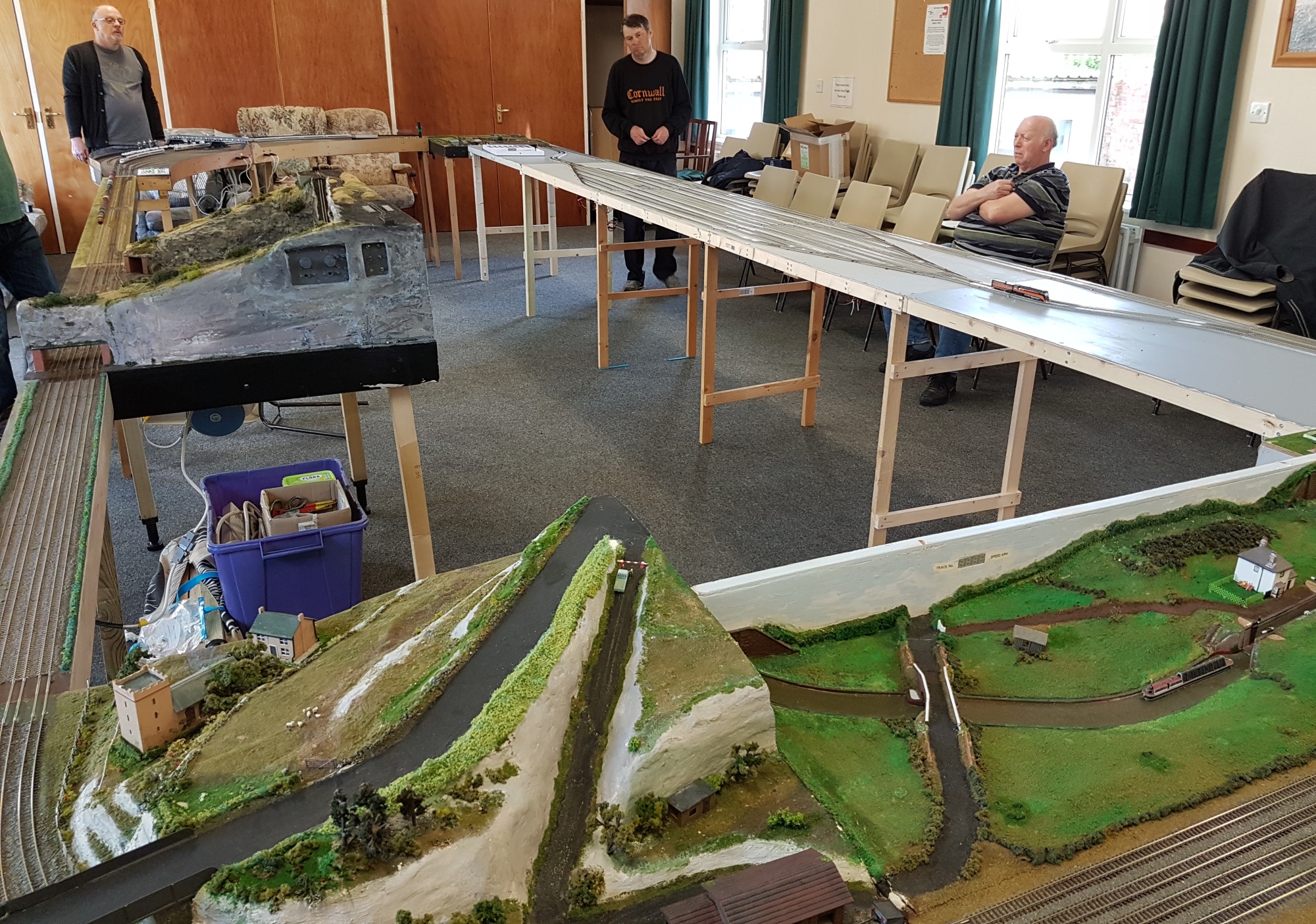
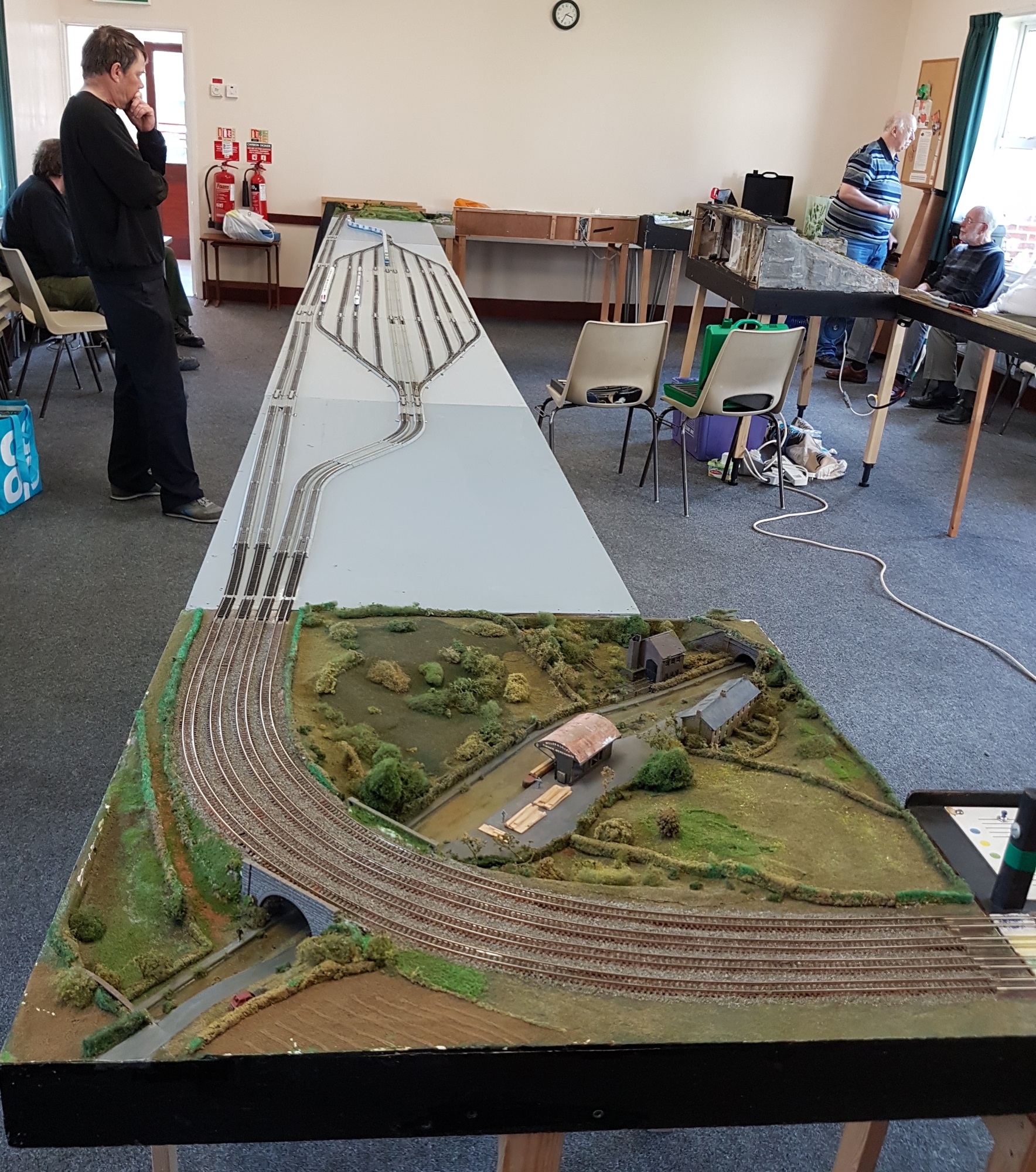
Paul brought along part of his Kato Racetrack, with transition boards to change from Kato Unitrack to N-mod standards.  20′ of layout just about fits in our hall, with the corner boards added each end.  Though one or two members had to breath in a bit to get around the layout….

There’s a lot more to do to the boards, adding scenic detail and a station, but even in this form the boards make a welcome addition to the circuit.  They’re ideal for PlayDay running, but perhaps a bit much for Paul to transport for the evening meetings.  In the picture below, three trains are making good use of the long straight opposite Paul’s boards.

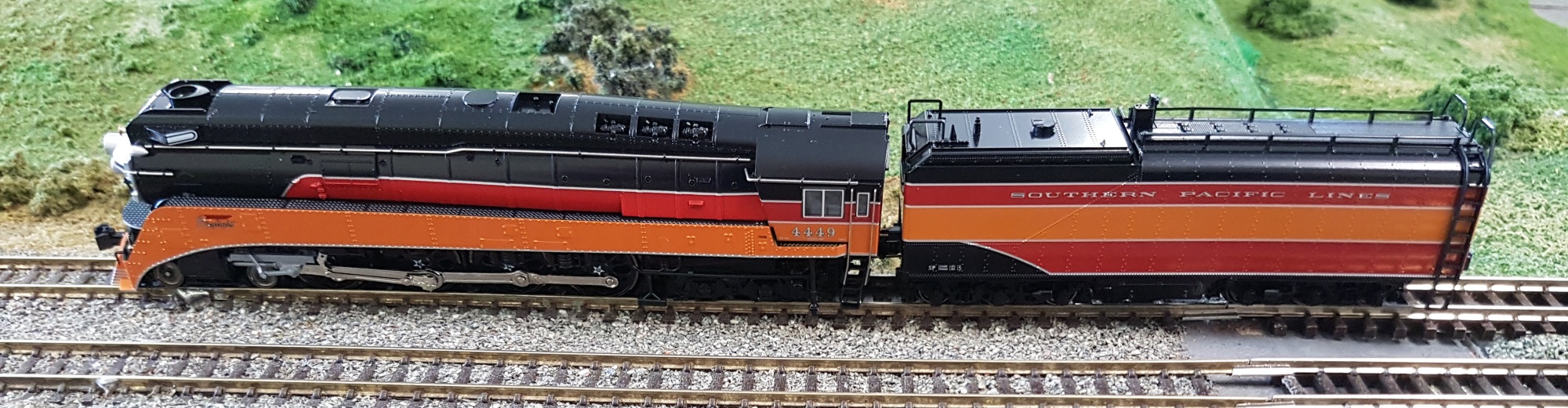
Simon was testing a new purchase – Kato Southern Pacific steam, though he was muttering about getting rid of the gorgeous Daylight livery for boring Santa Fe black….

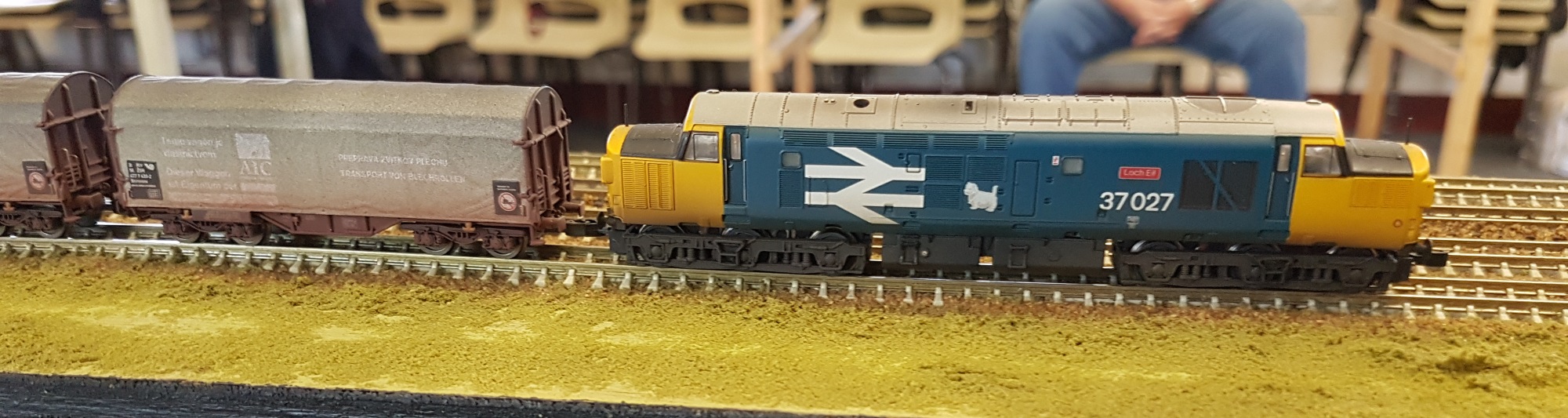
Neil was running a Scottish 37 with a steel train….

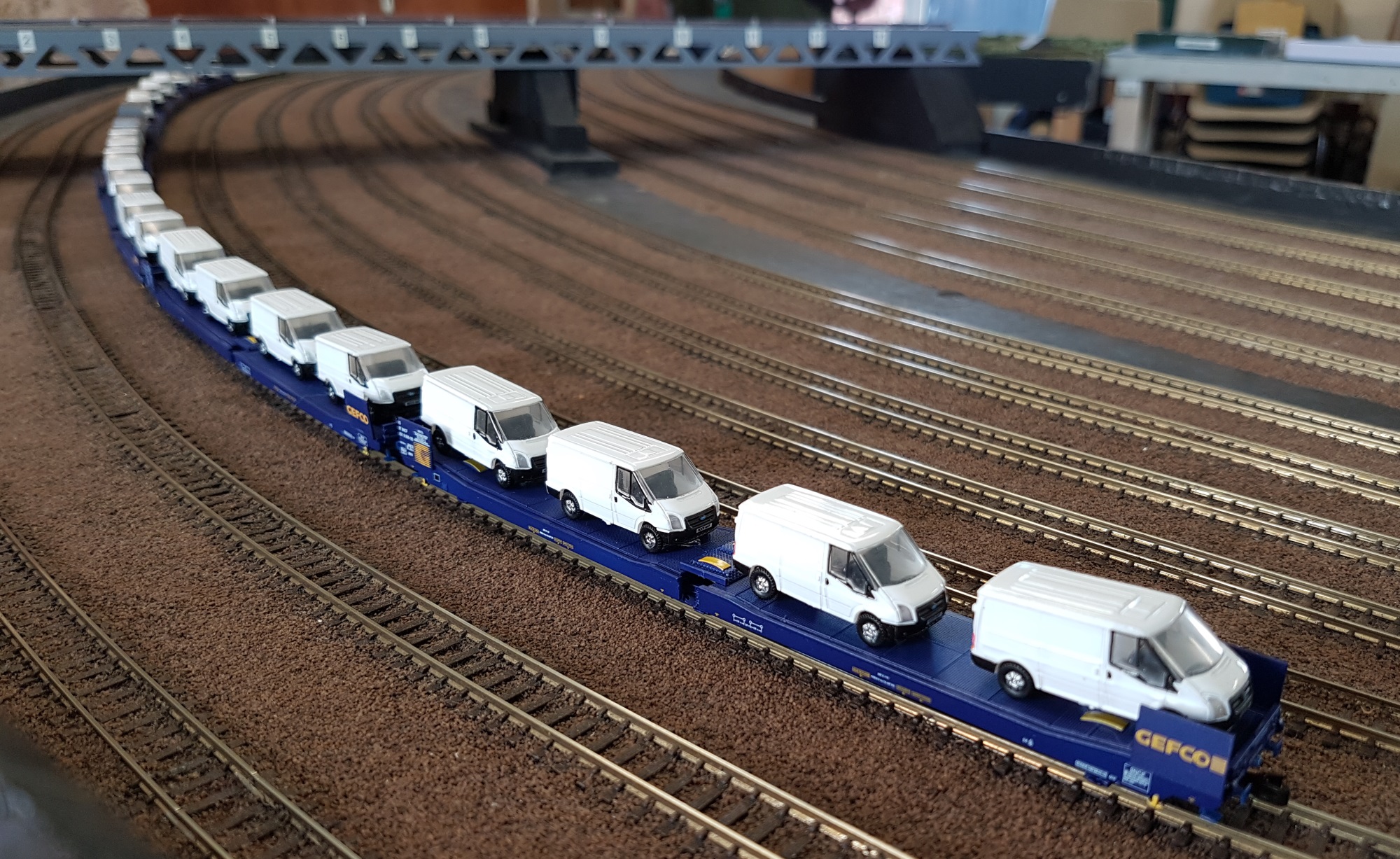
And a white van man delivery train….

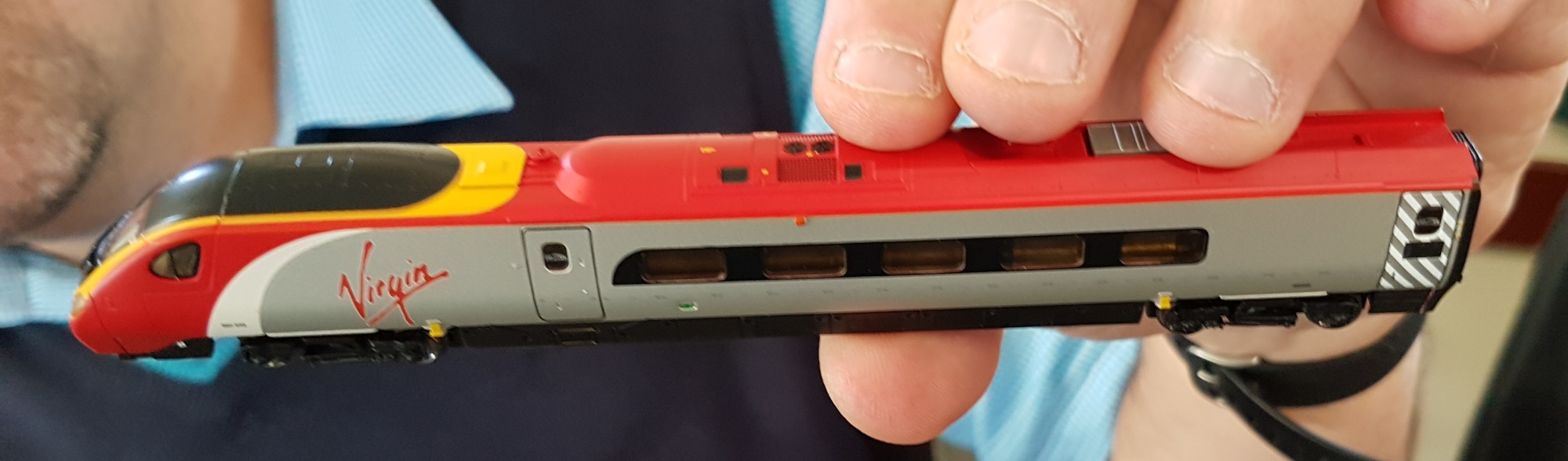
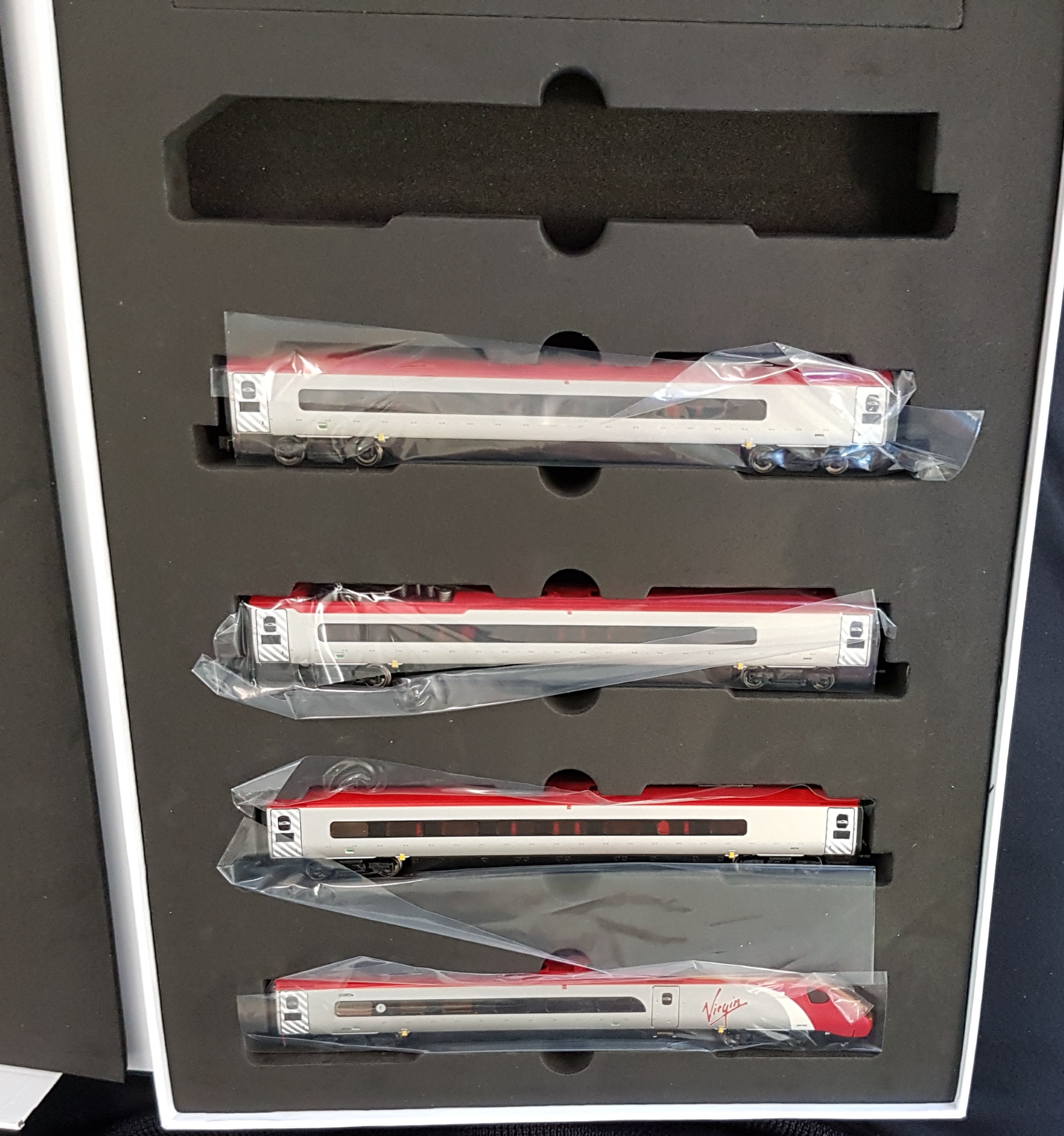
And Neil also had a Revolution Pendolino for inspection and test running.  A lovely model that ran smoothly out of the box.

And of course, we were fed through the afternoon by Mile’s cake, and then retired for a curry in the evening.

Posted in ESNG, ESNG meetings | Tagged , , , | 1 Comment

On my workbench #9

It’s been a month of modifications.  It started when I tried to show off the railway to son Michael, and found that when I changed the points, there was a dead short.  So the first task has been to rewire the point frogs correctly.  It now works.

Then, as I reported last time

I have thought again about my N-club modules.  I decided that I really did want to be able to operate the layout from both sides, and be able to look from the ‘outside’ when the layout is at home, allowing the buildings to form a backdrop.

Rather than duplicate the point switches on the other side of the layout, I have gone for the expensive option, DCC operation of the points.  A package of Cobalt gubbins arrived last week, and I need to build a control panel and rewire.  Disadvantage – cost.  Advantage – layout with control panel is reversible, just two wires control all the points on the layout, and the control panel is connected to the layout by a single Ethernet cable rather than a 20+ way multipin plug with all the attendant wiring.

Despite the often sketchy Cobalt instructions, the points now all work from a control panel that can be placed either side of the layout.  First job was to remove the point switches from the baseboard facia and fill the holes.  Then to simplify the wiring.  Two wires to each point motor decoder (or as here, one for a crossover) from a common bus does simplify things.

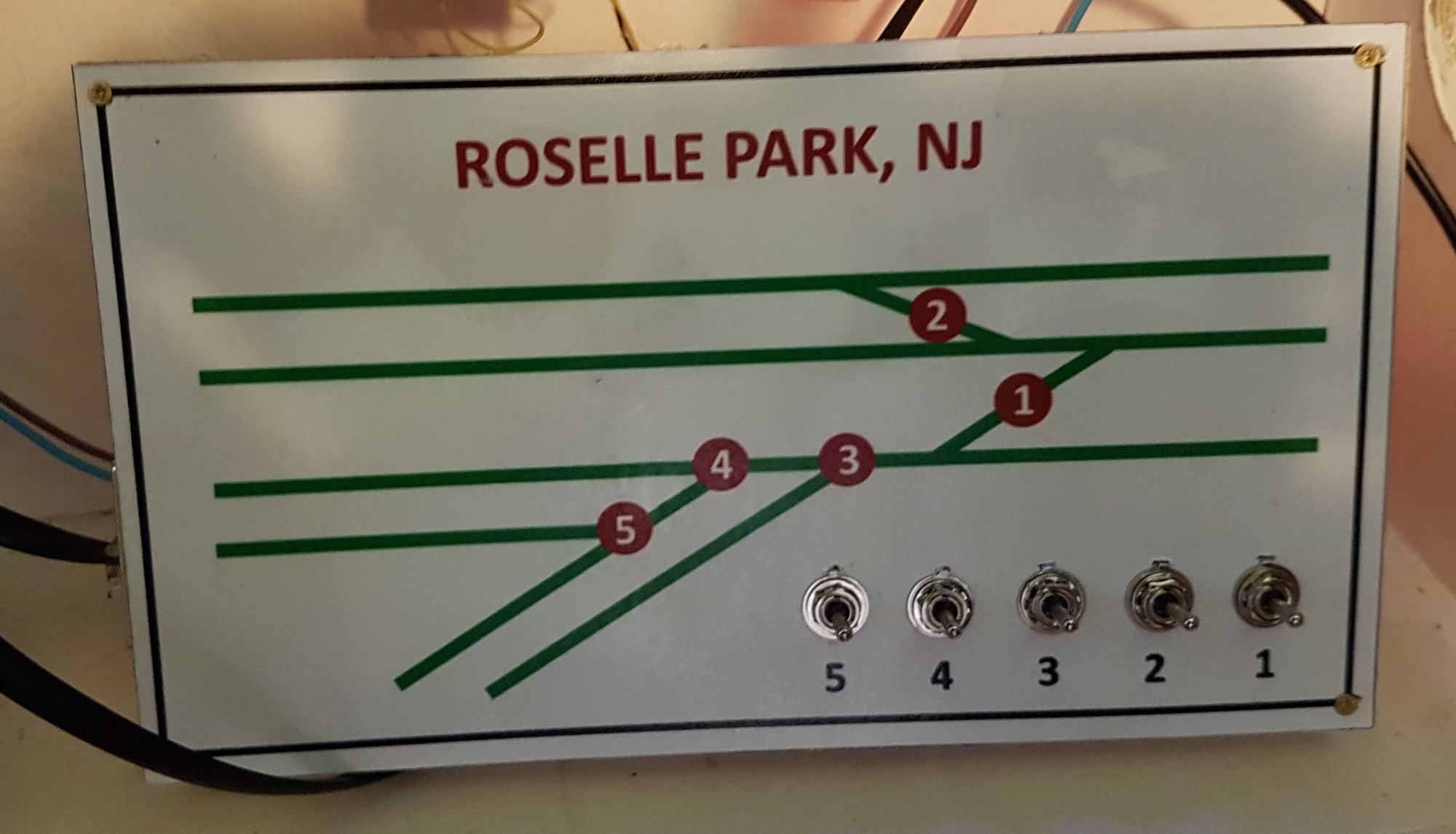
Next to make the control panel.  I decided to still call the layout ‘Roselle Park’ despite the simplified track layout.  A simple bit of graphics printed on my PaintJet, then sprayed with several coats of varnish to make it more durable.  Putting the switches together, rather than on the points they operate made the panel shallower, as the gubbins didn’t overlap.

I then added the ‘sniffer’ that feeds the bus to the baseboard, and the master processer board to the back of the panel.  And just connected two wires to the ‘sniffer’ and standard plug in RJ12 cable between baseboard and control panel.  The master board is a little bit of overkill, as it can take 12 switches and I am only using five of them.  But it is convenient!

The ‘learning’ switches on the point decoders made setting up the panel a simpl-ish job with a little trial and error.  Next time it will take seconds rather than minutes.  And I’m back where I was two months ago, but with the boards reversed, and a nifty control panel – and a running train.

We’ll see how the system works in the longer term, but the pros and cons are much as expected (and already noted above):

  • Pro:
    • Simple wiring to avoid multi-pin plugs all over the place.
    • Easy to set up.
  • Con:
    • Expensive.

It would have probably been cheaper to use servos and to build my own decoder units from components, but hey, life is short enough as it is!  I would use this set up again for a mid-sized layout, ideally with 10-12 points!

Now back to the ballasting and scenery.  And adding magnets for decoupling.

Posted in ESNG, Jon's layout ramblings, On my workbench | Tagged , , | 1 Comment

Bredgar & Wormshill Light Railway #3

Last post from the B&WLR, with some of the other things on show.

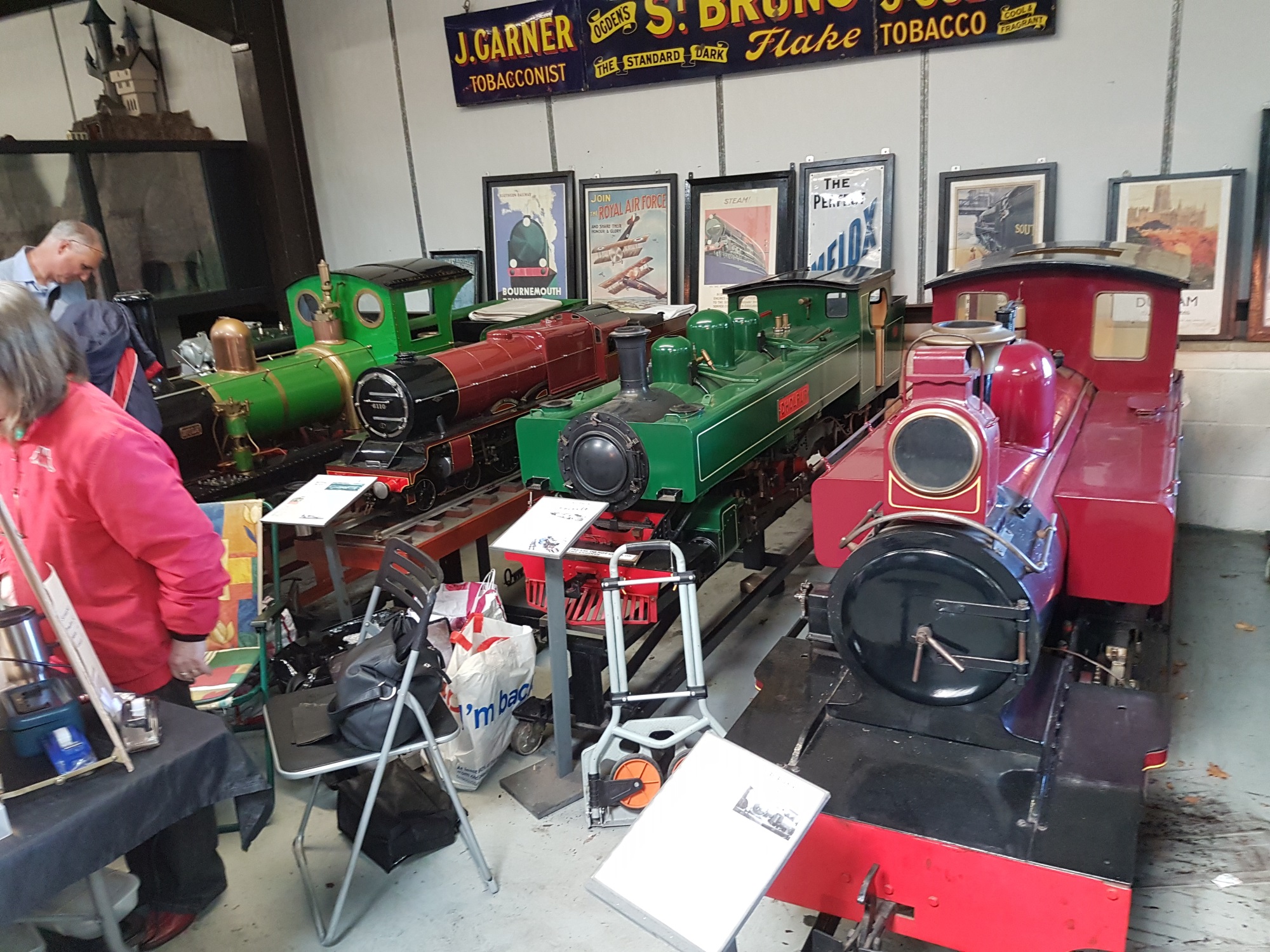
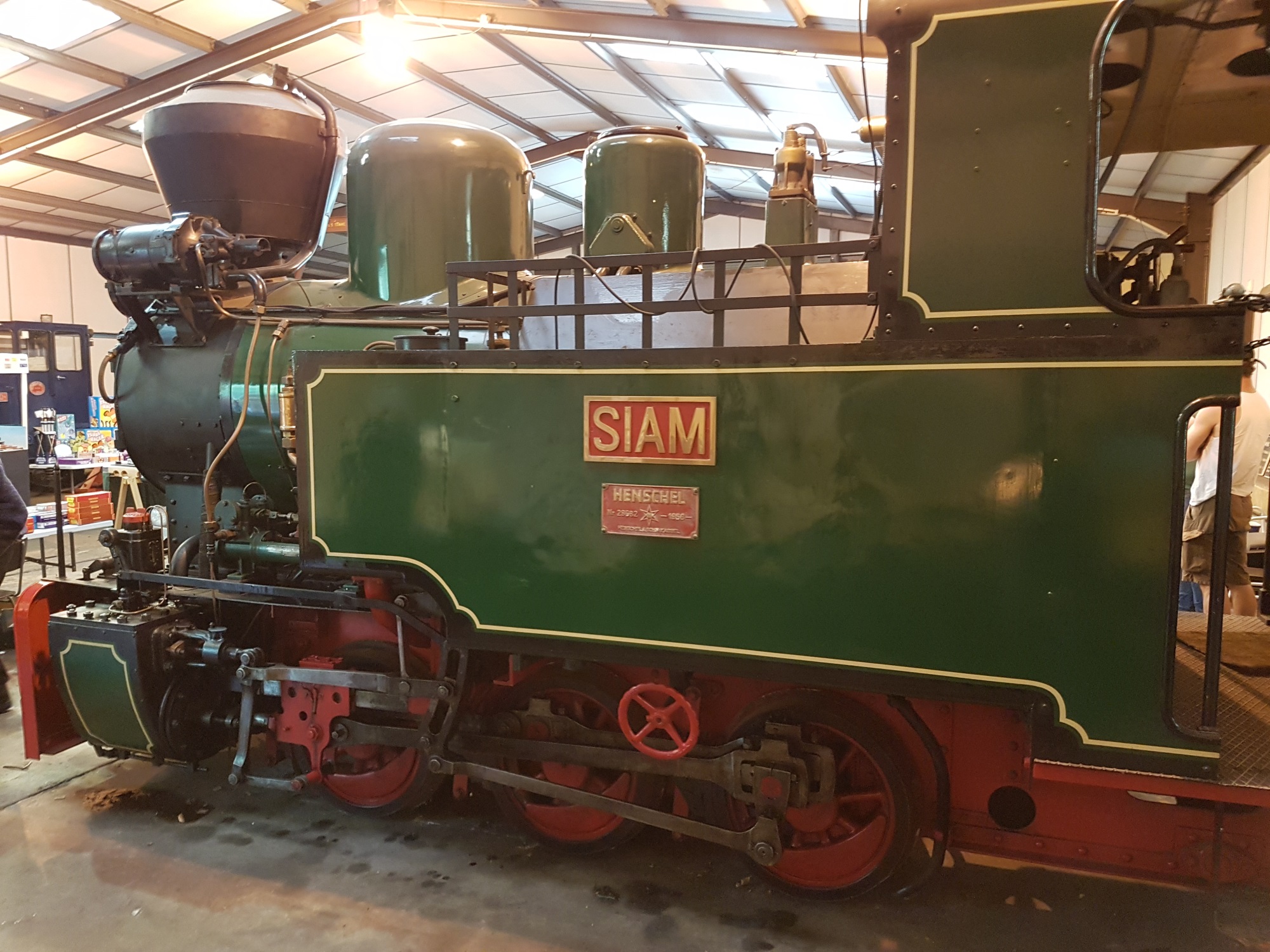
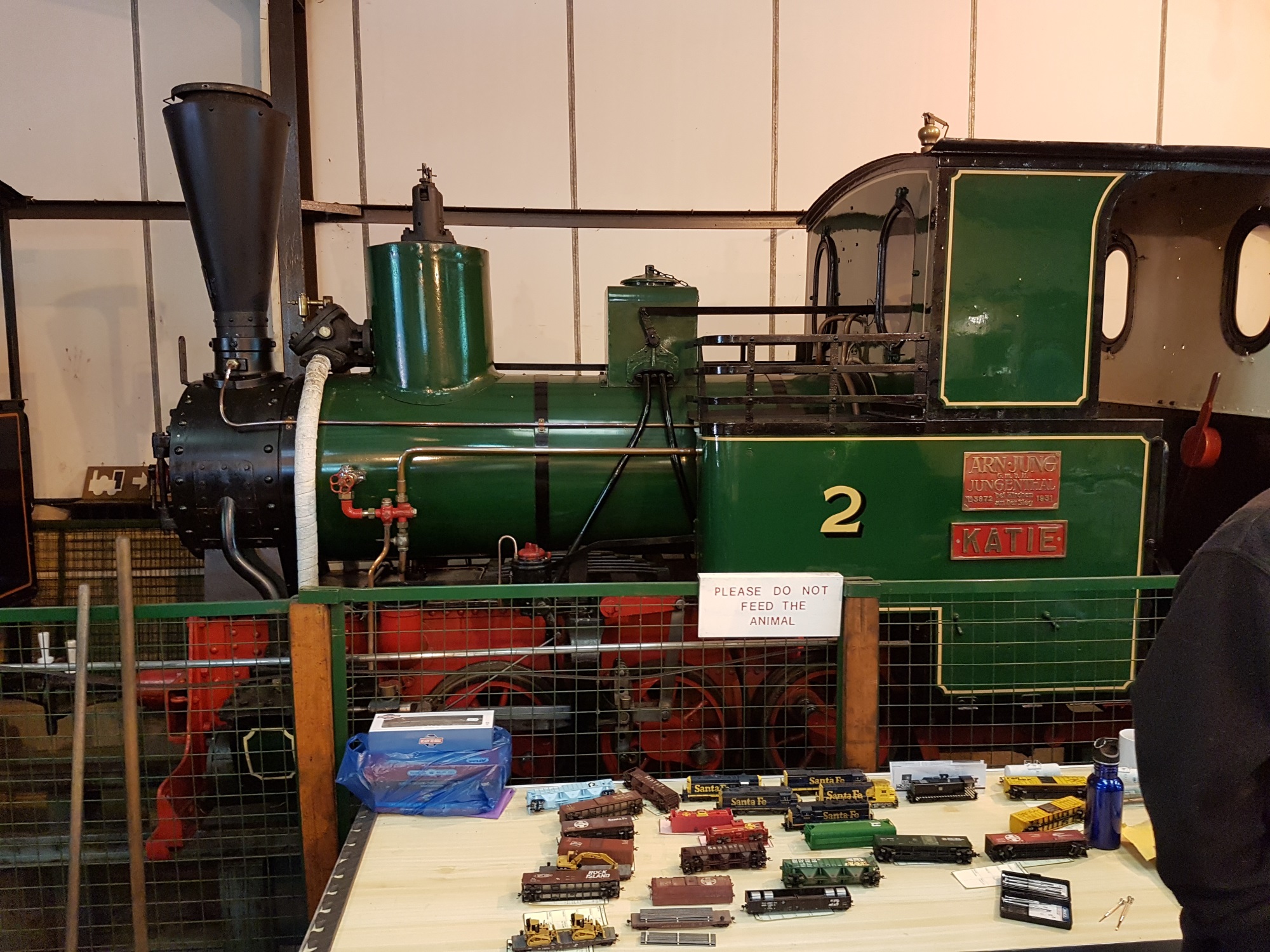
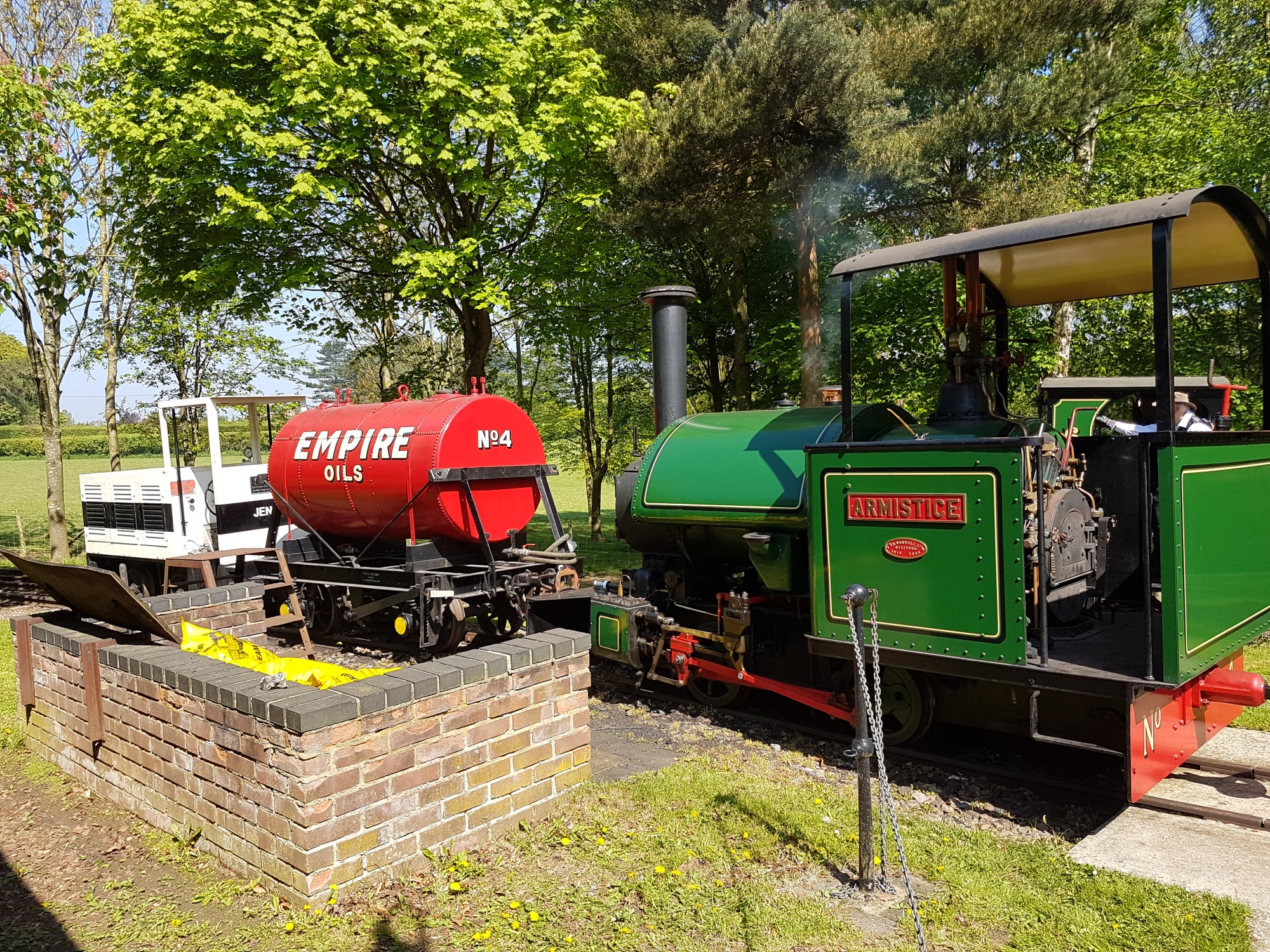
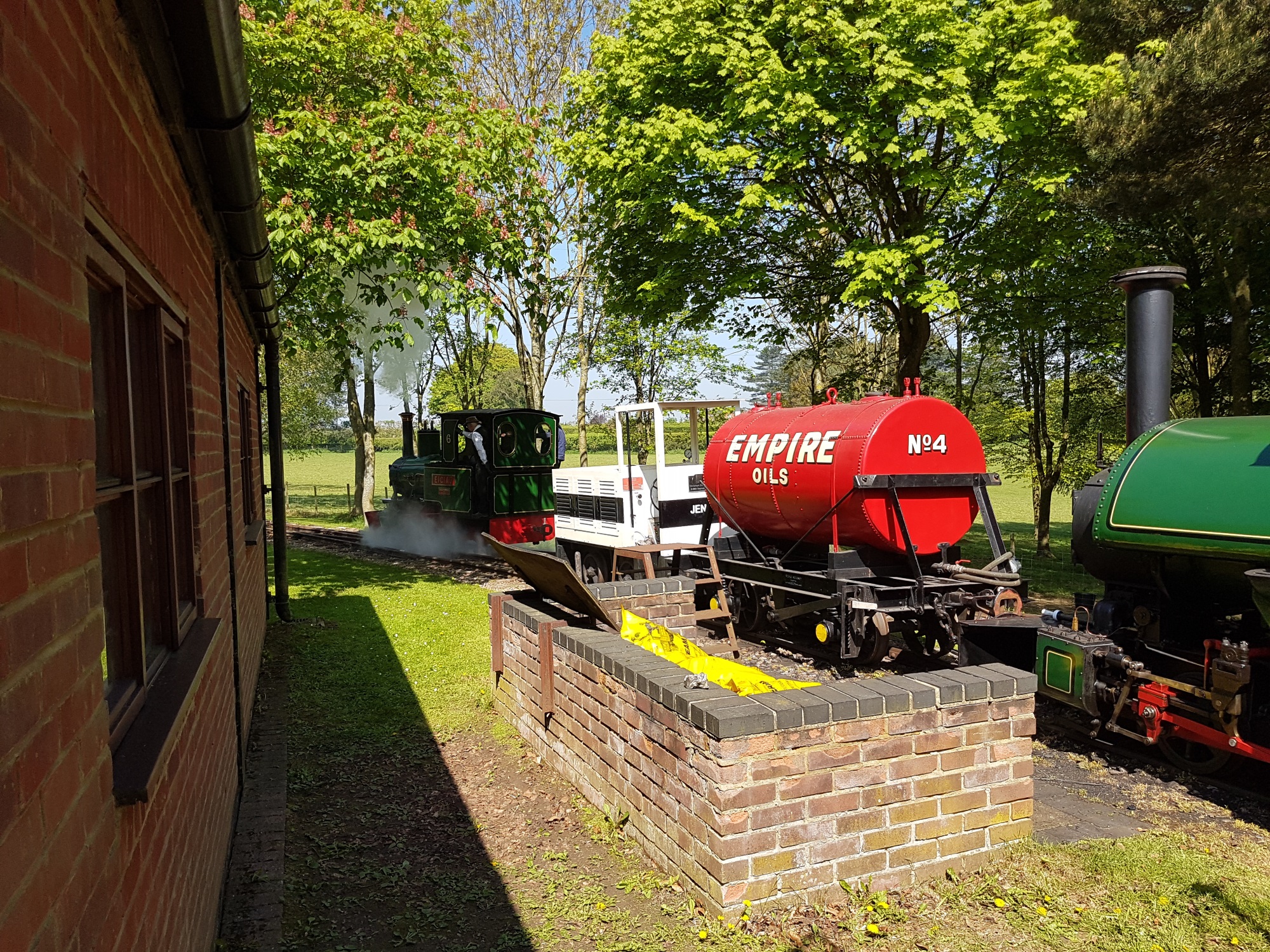
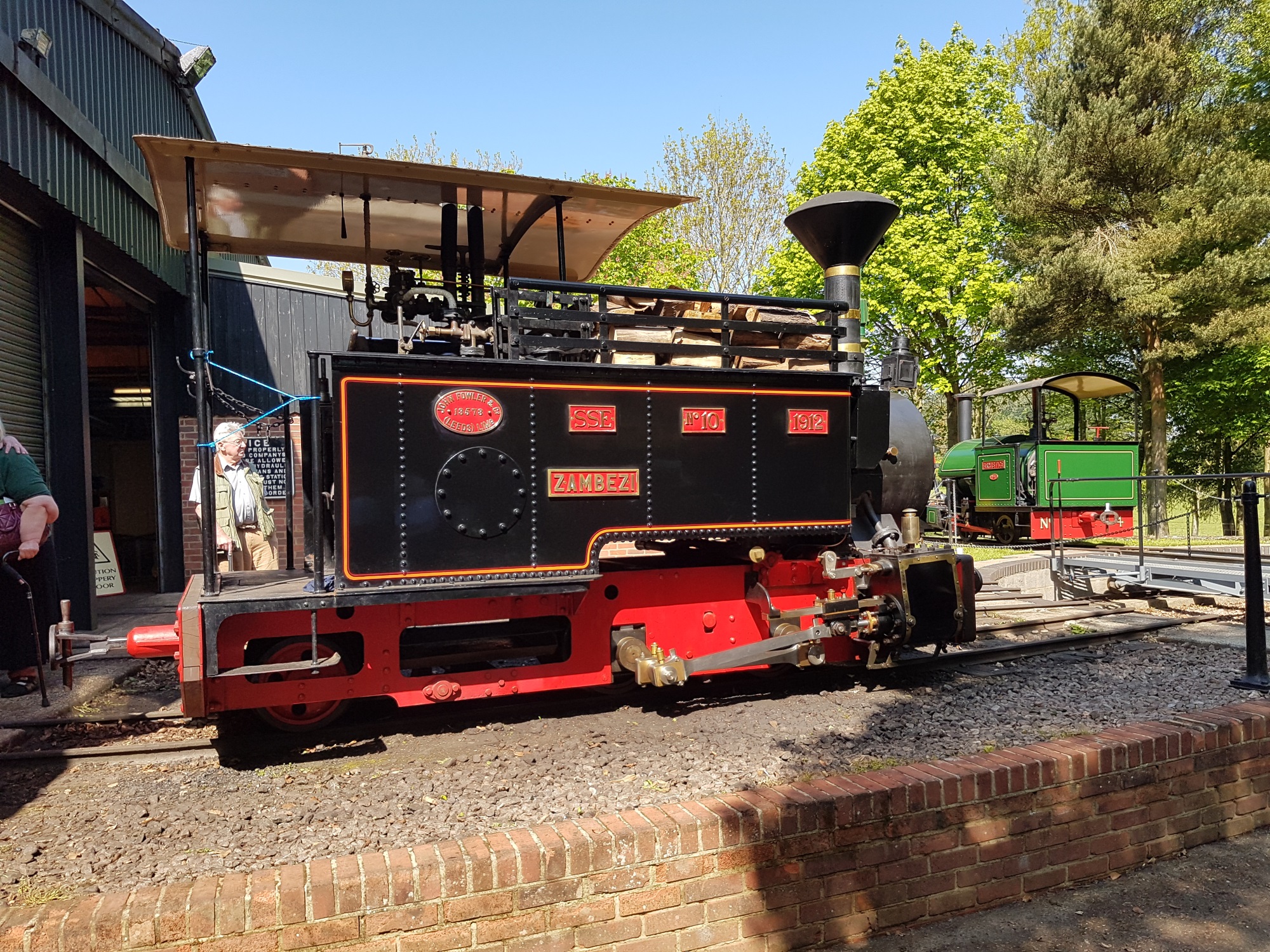
There were even more engines around the loco works and model railway show, including some miniature railway locomotives.

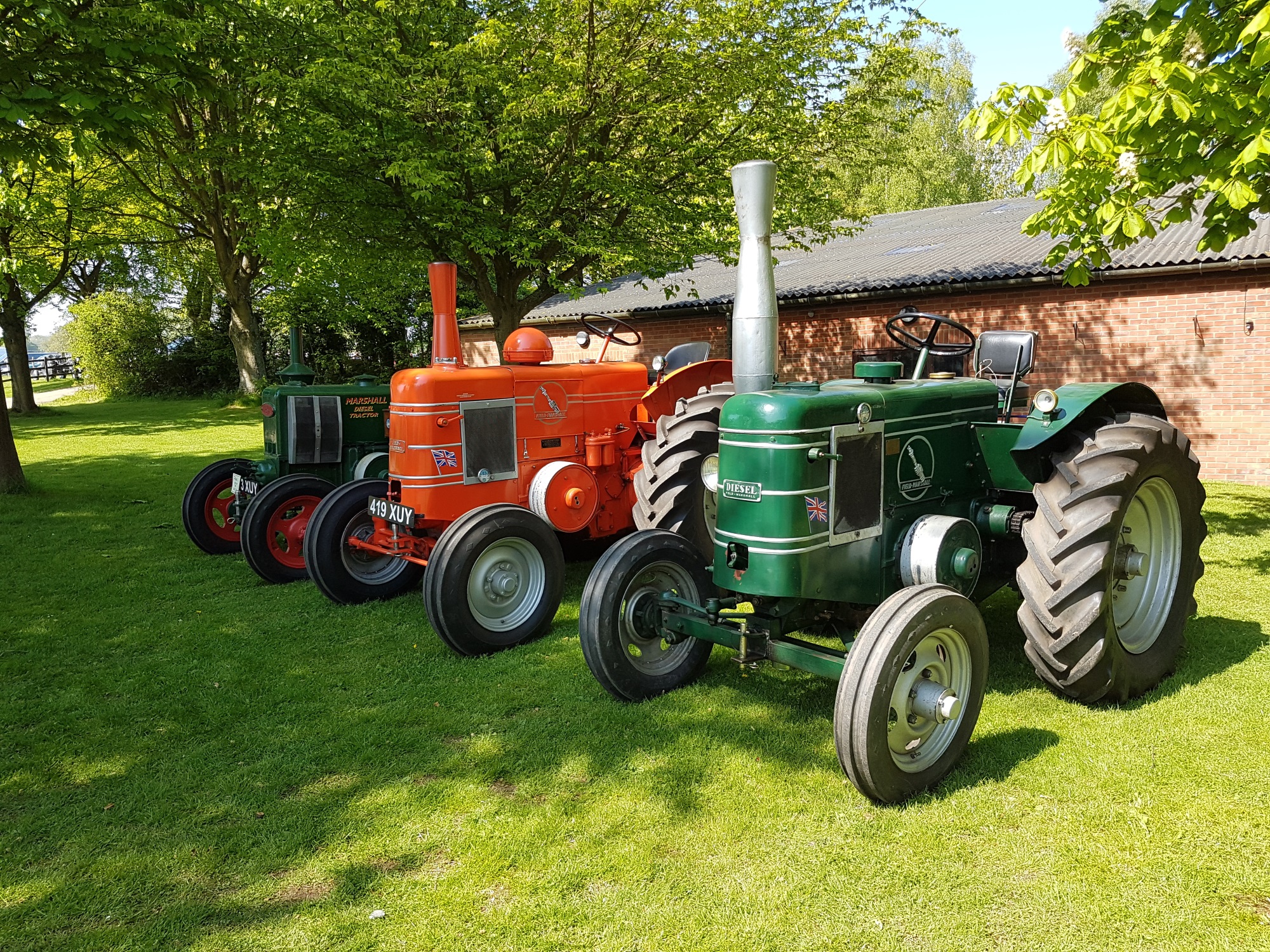
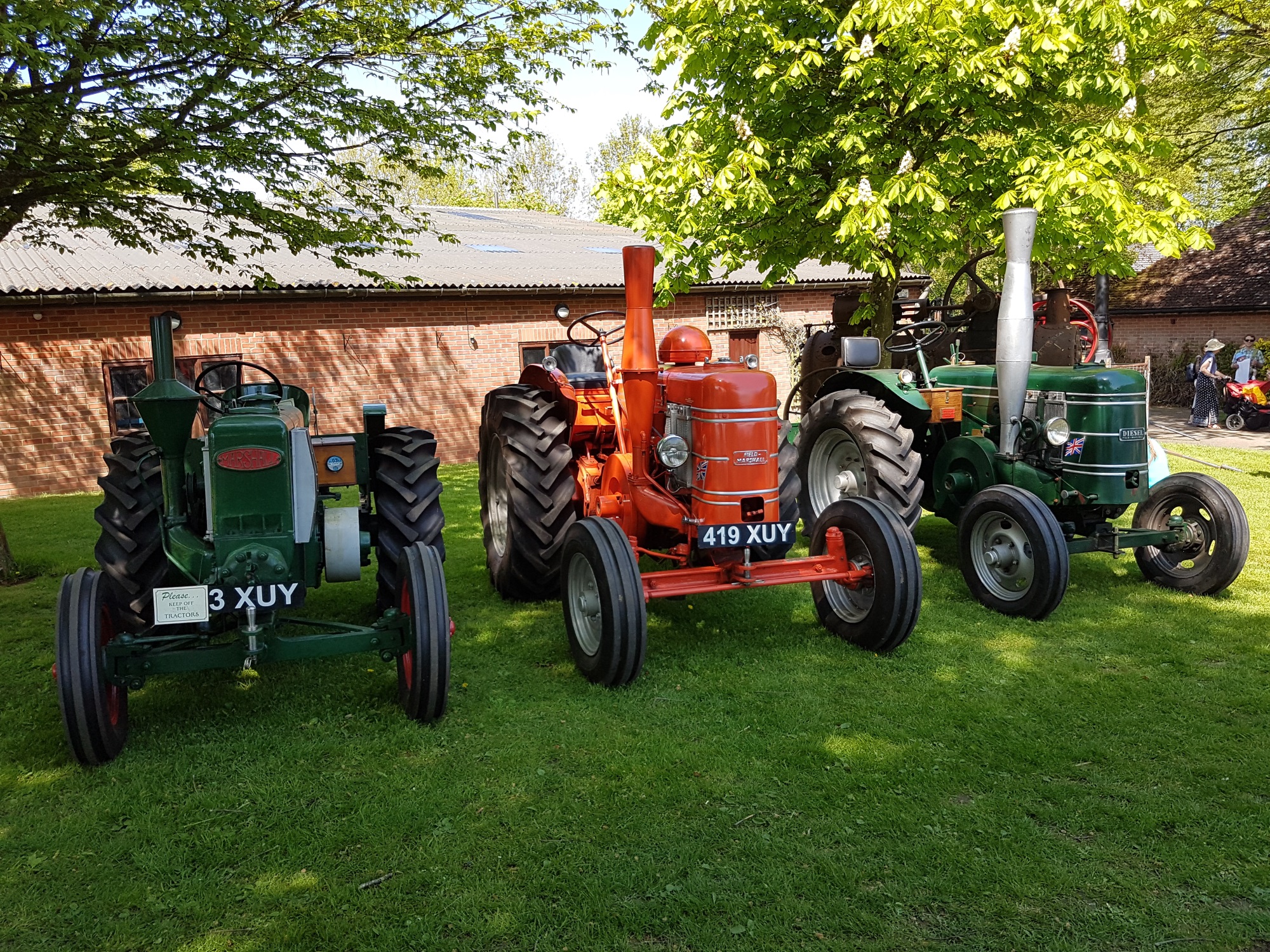
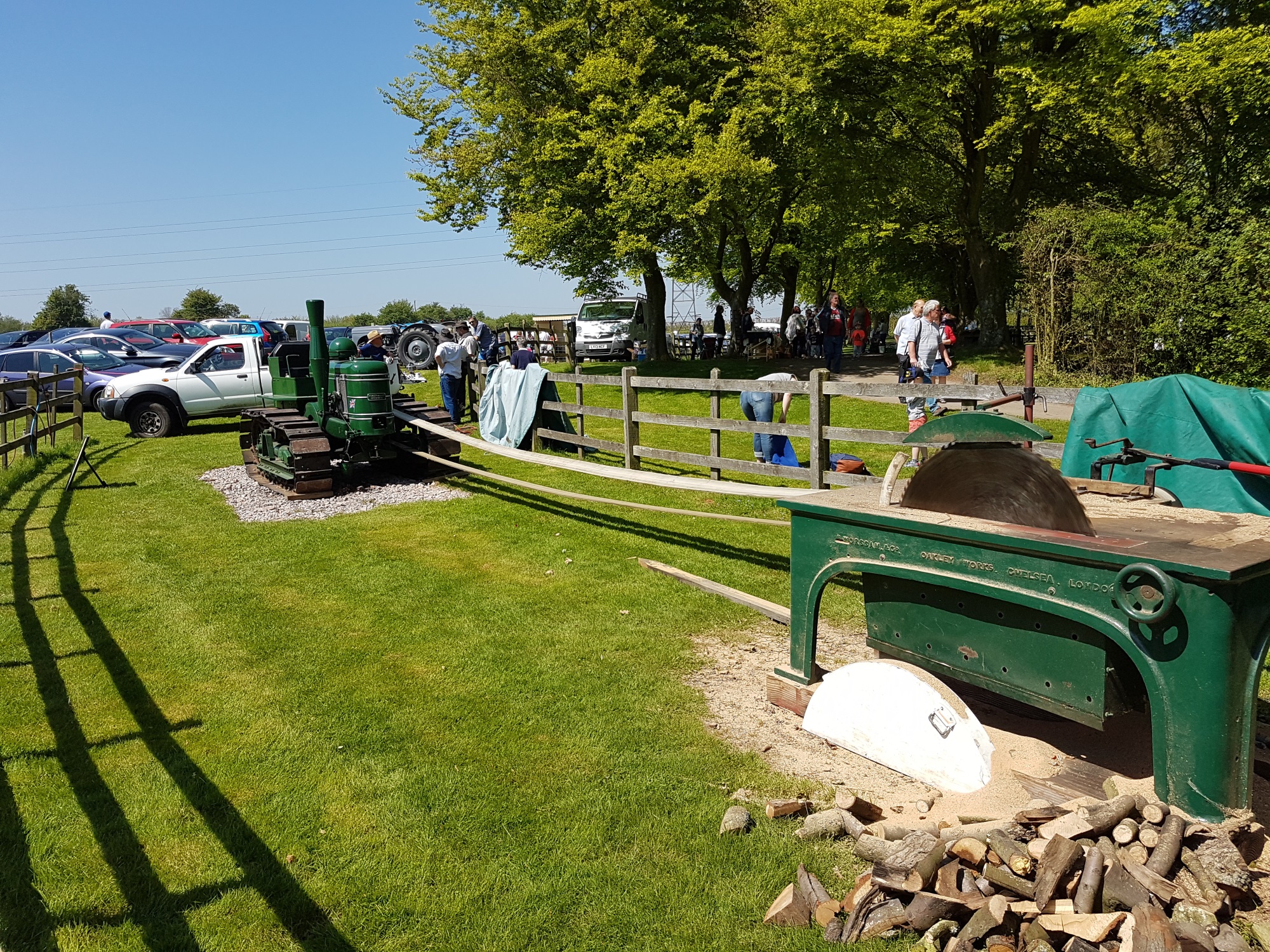
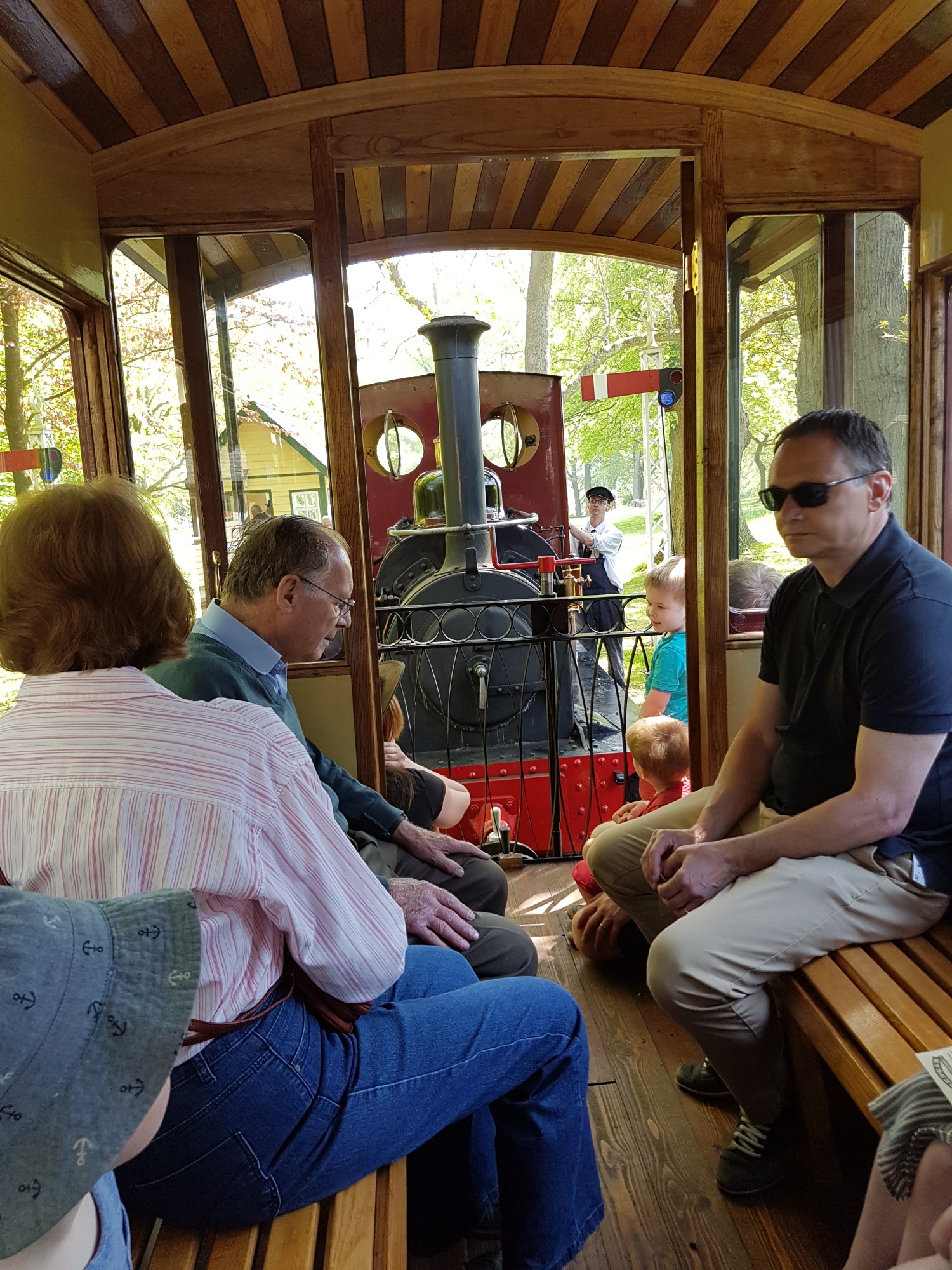
Three fine, and venerable, tractors….

Cutting kindling with tractor power.  Not sure about the H&S on the circular saw, and I quickly left when the operator started cutting the wood!

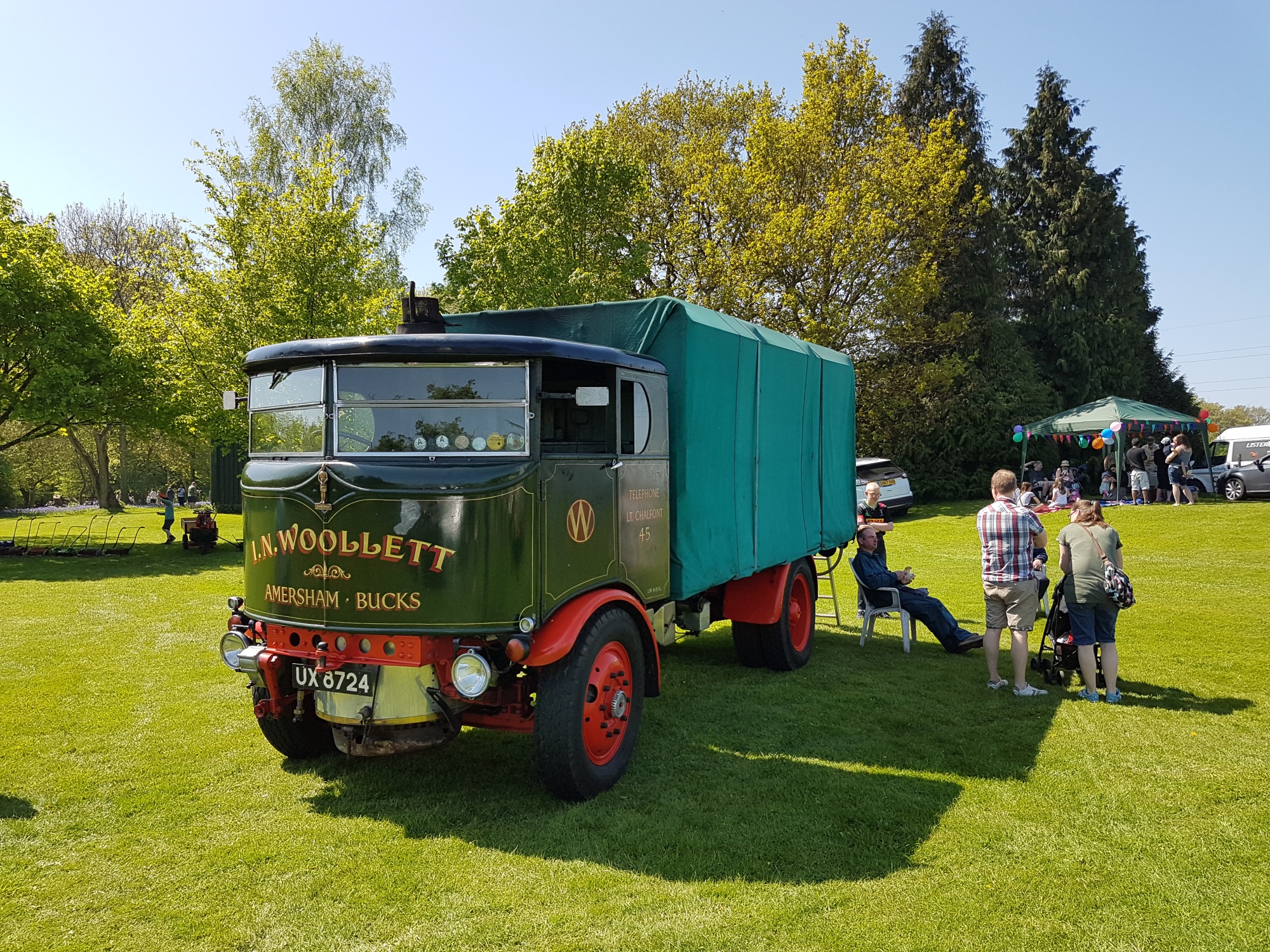
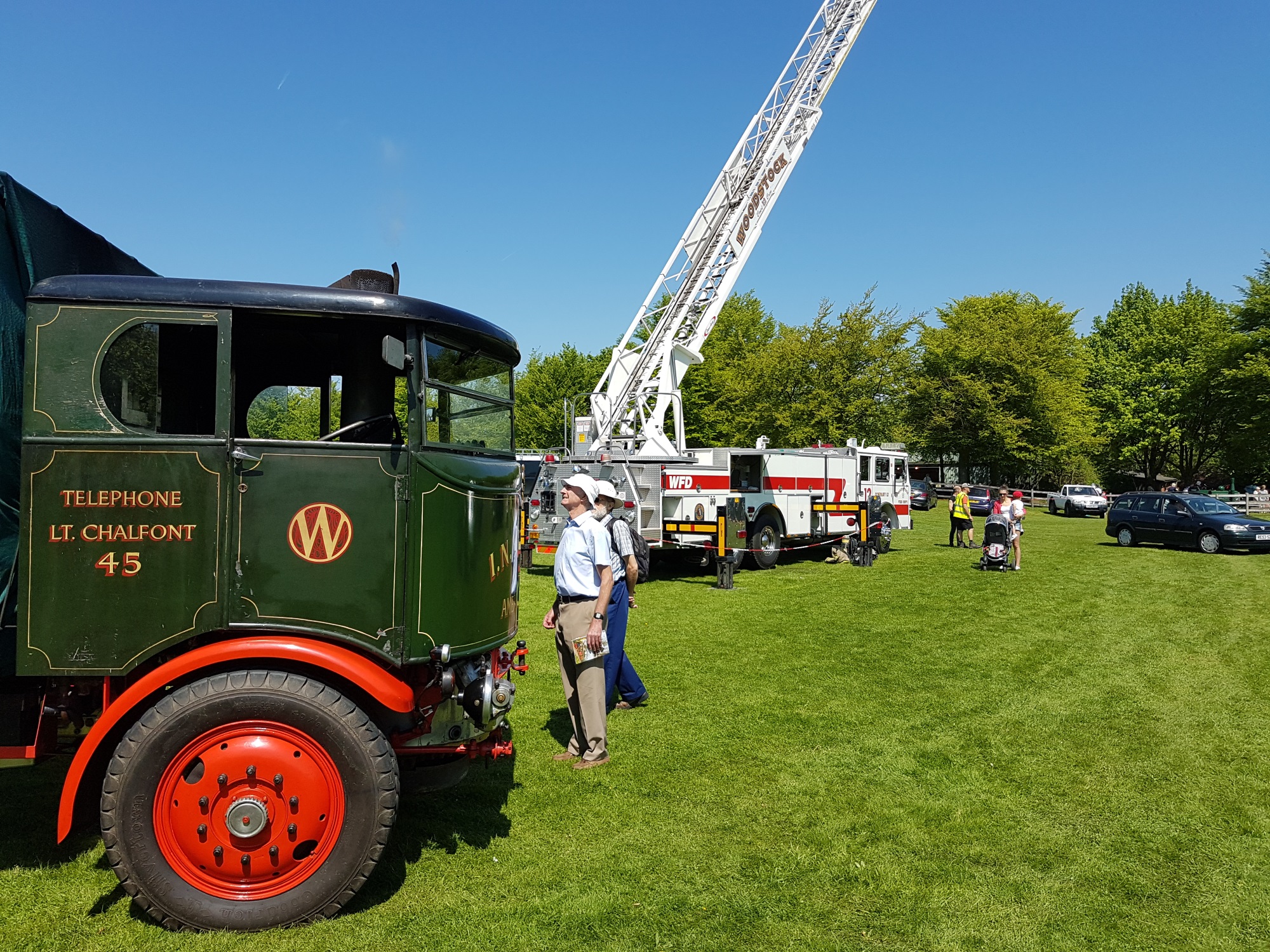
A fine steam powered lorry….

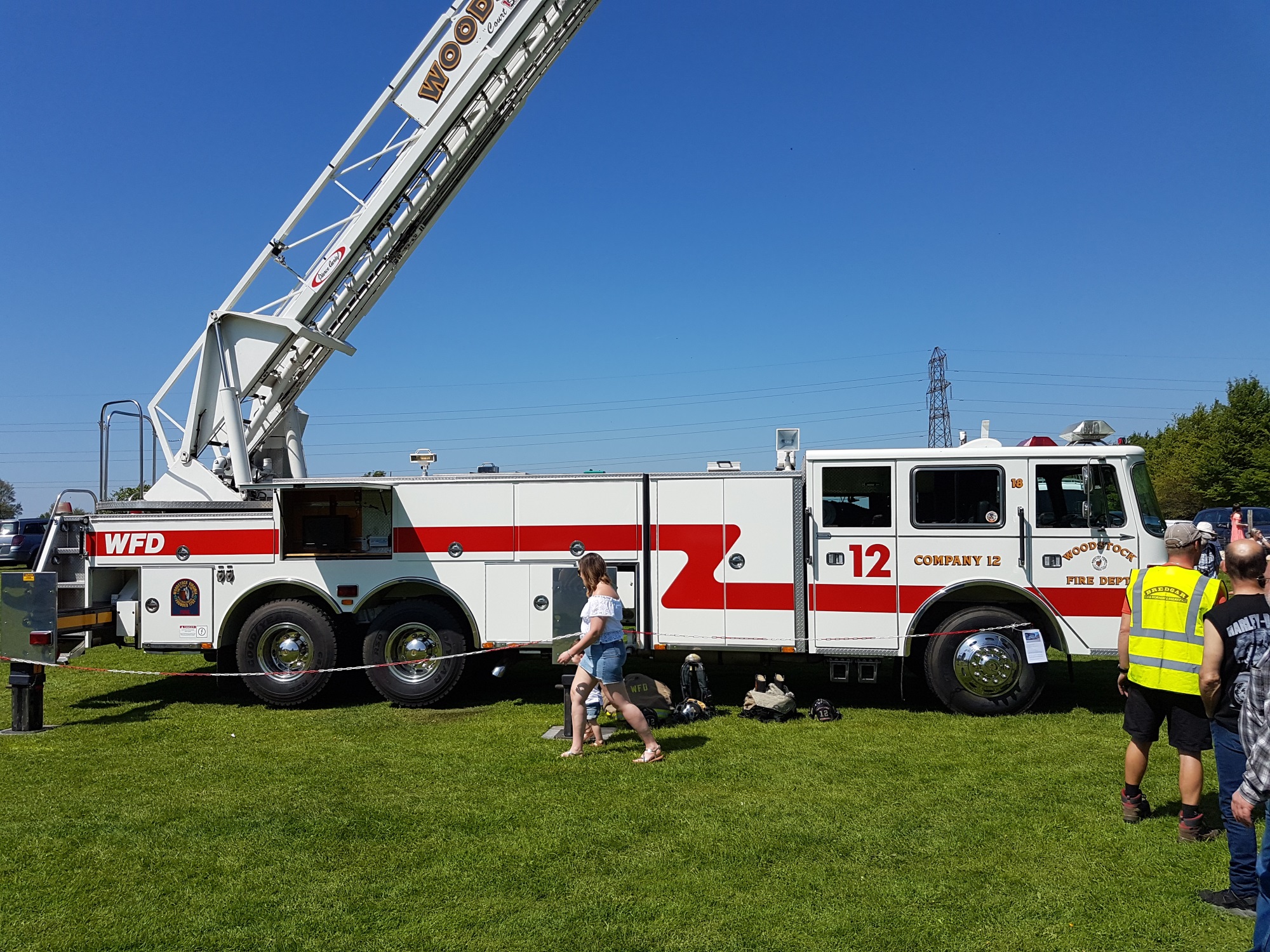
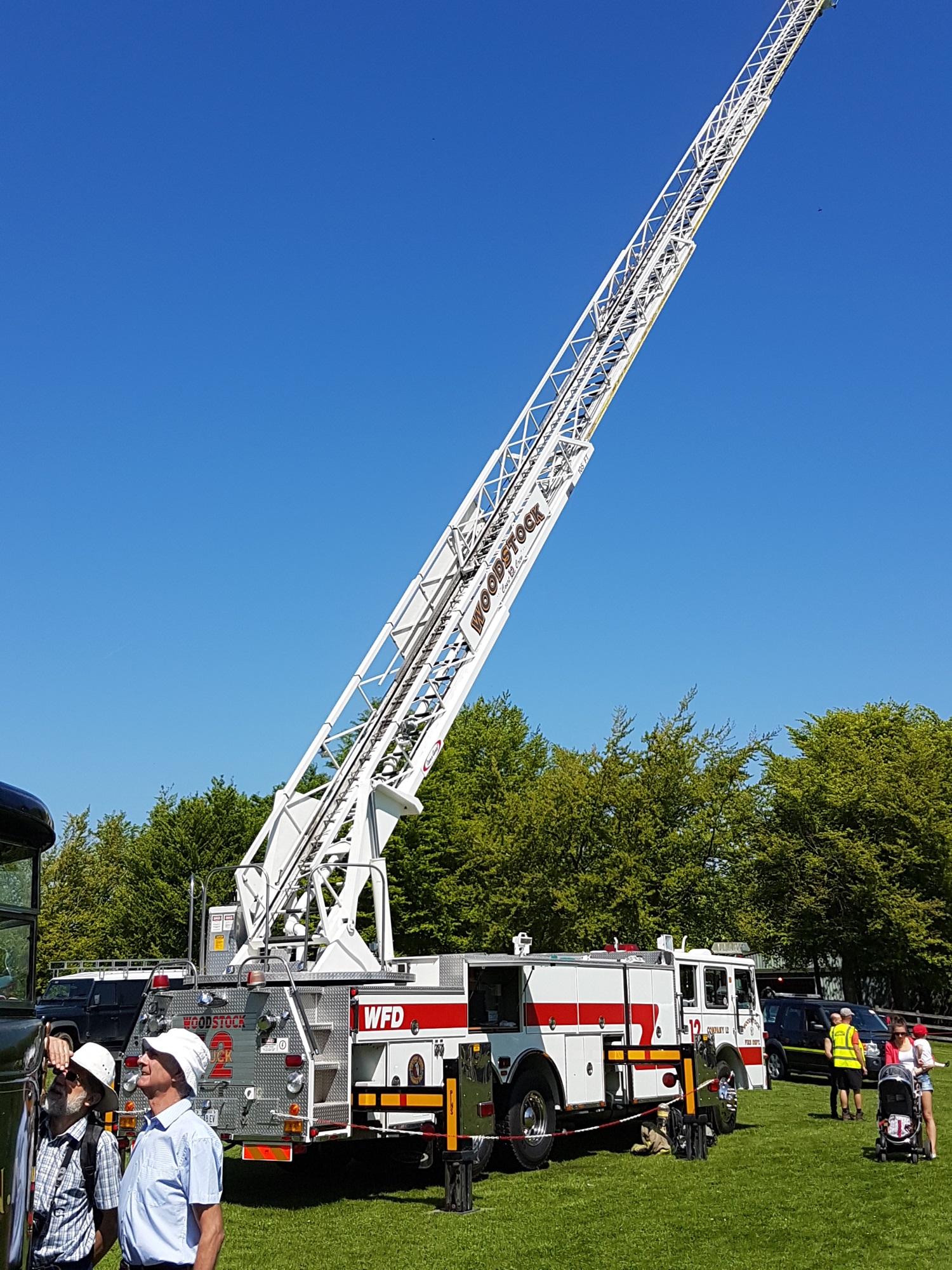
The American fire truck has a 100′ or so ladder.  It was only withdrawn from active service last September (and replaced by a similar vehicle) and shipped to the UK.

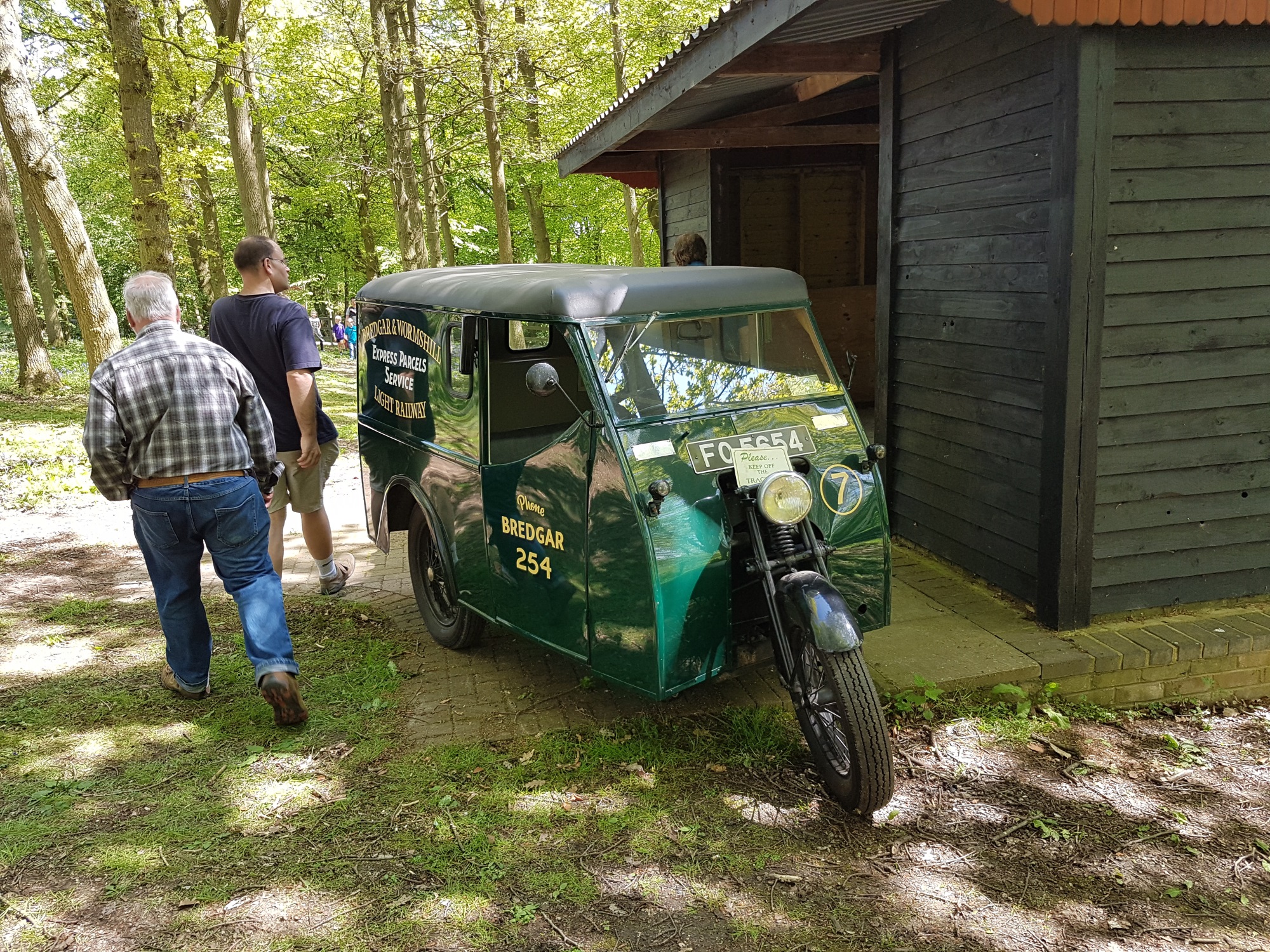
These were still just about around when I was a kid, used by tradesmen for deliveries….

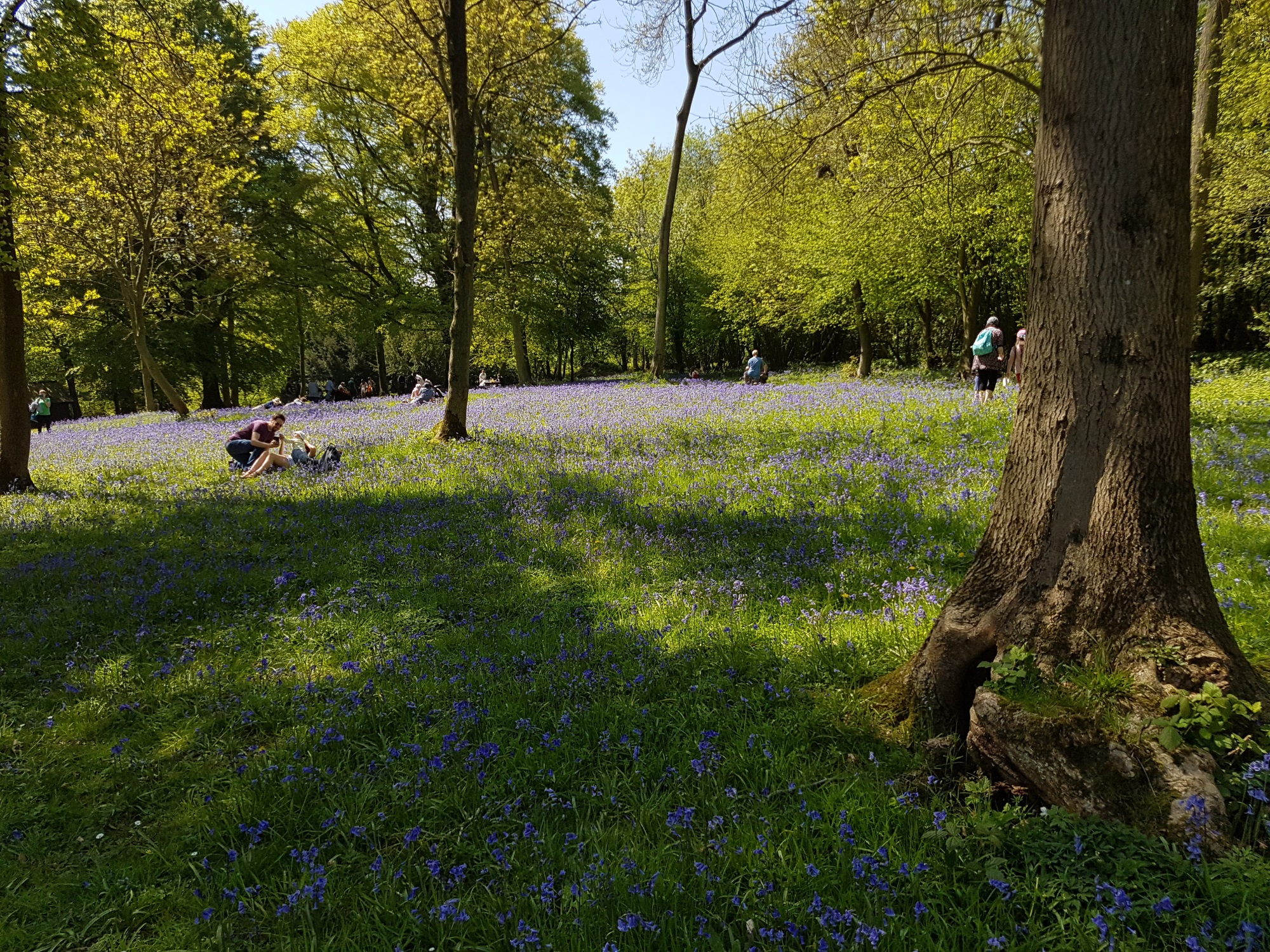
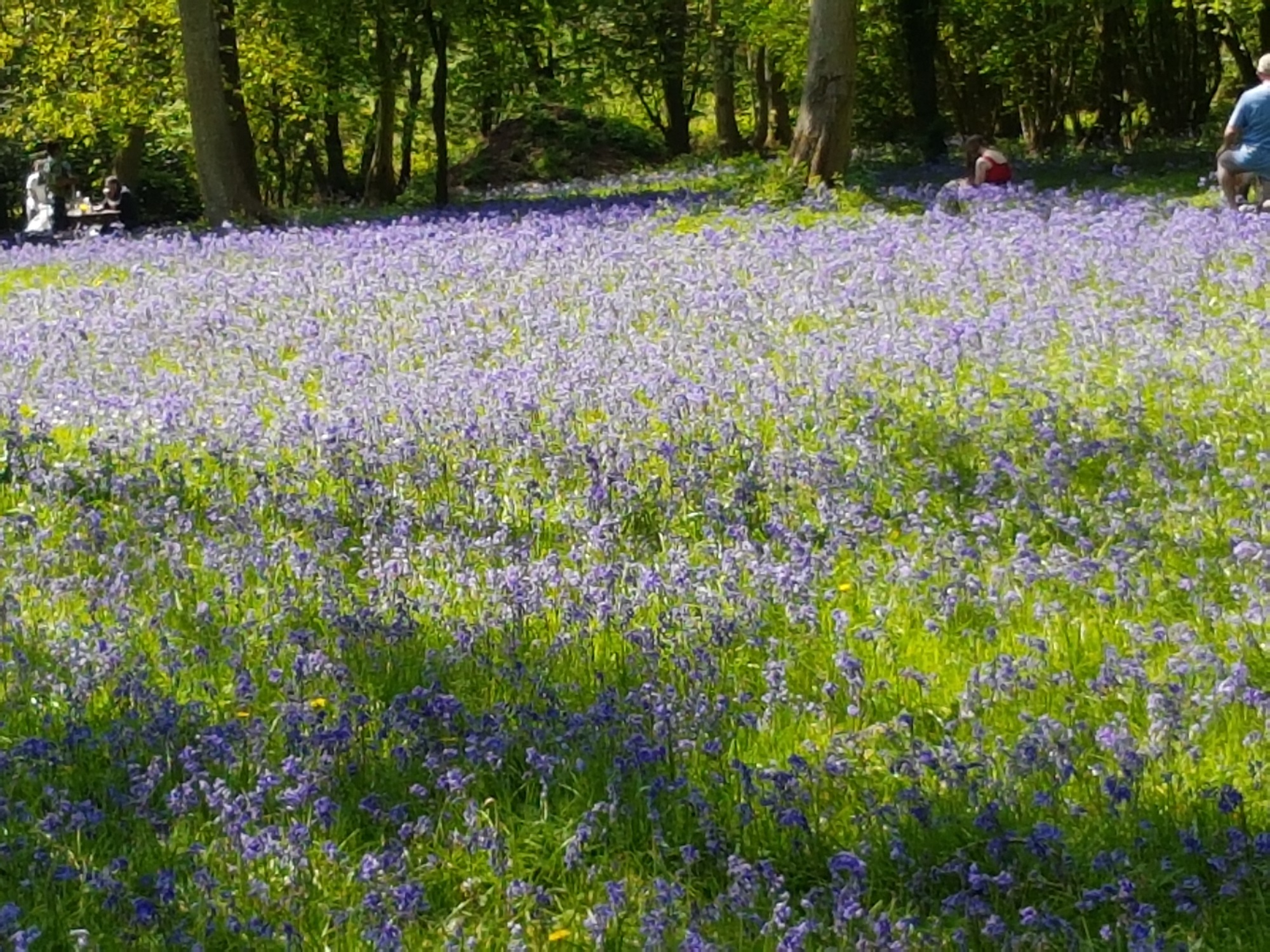
And not forgetting the bluebells….

Finally, a nasty reminder of what I should have been doing last Sunday…..


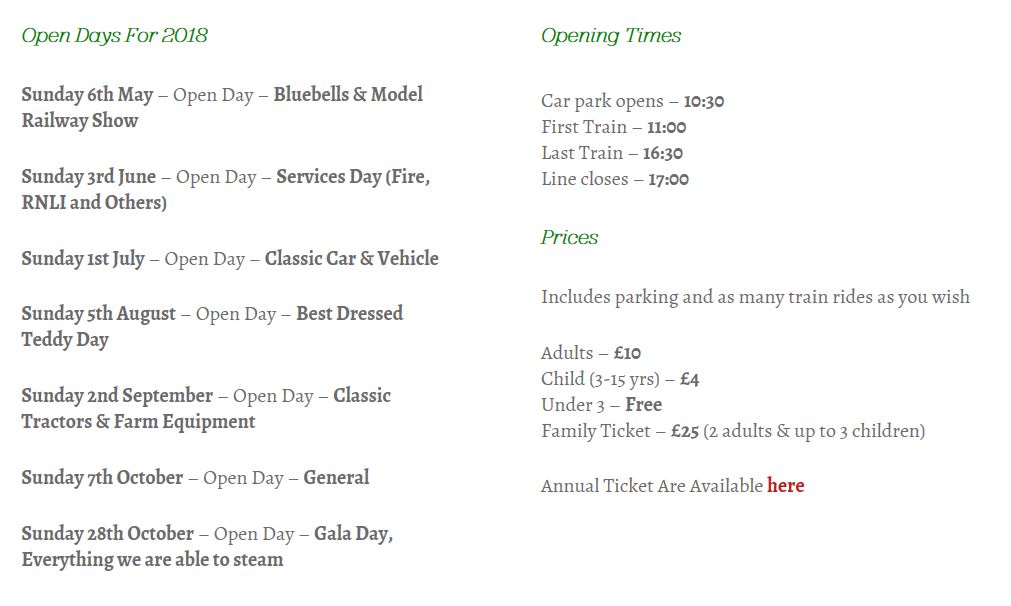
And here’s the programme for the rest of 2018….

Website here.

Posted in Exhibitions, Inspiration, Out and about, Prototype | Tagged , , , | 1 Comment

Bredgar & Wormshill Light Railway #2

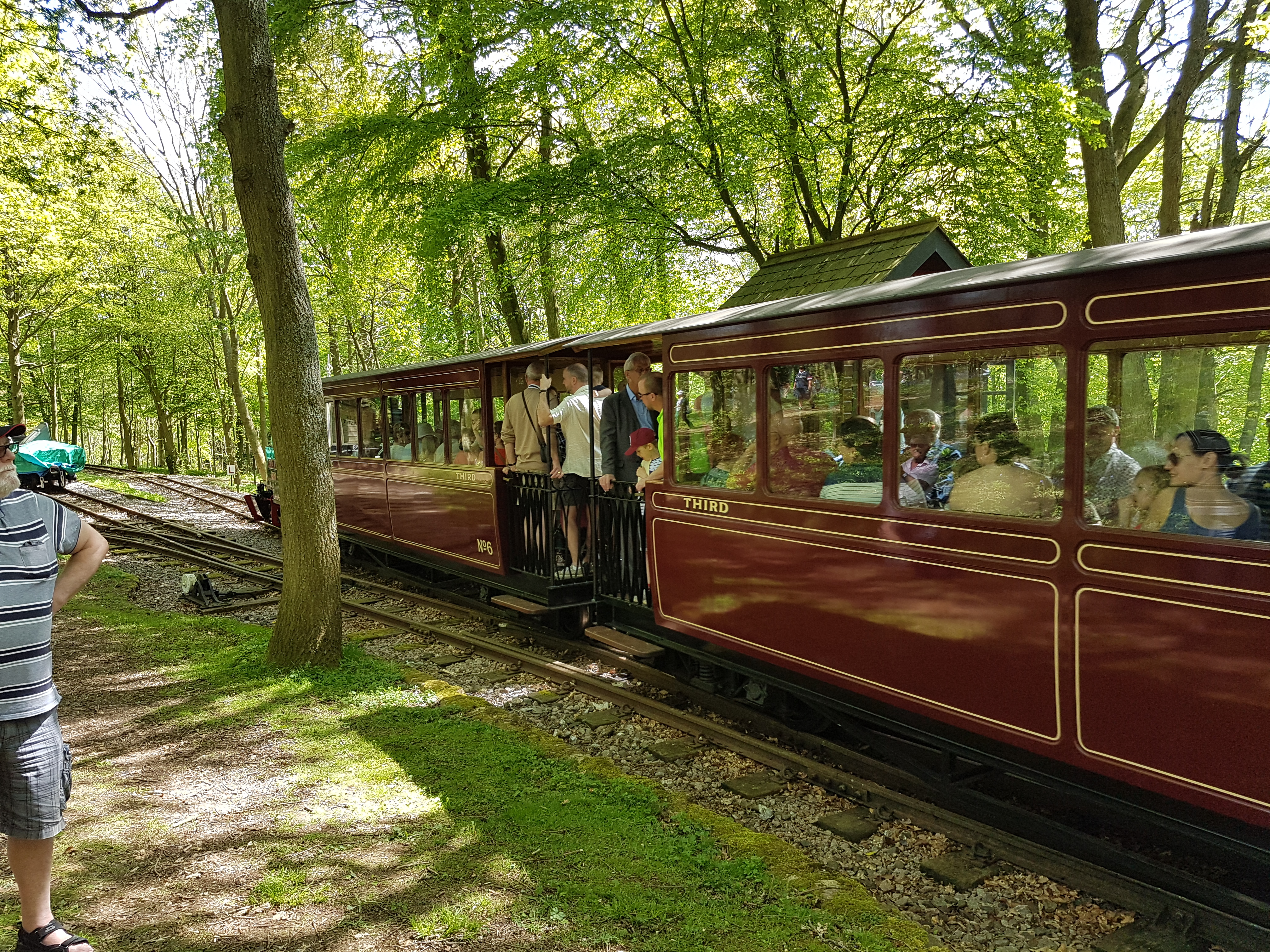
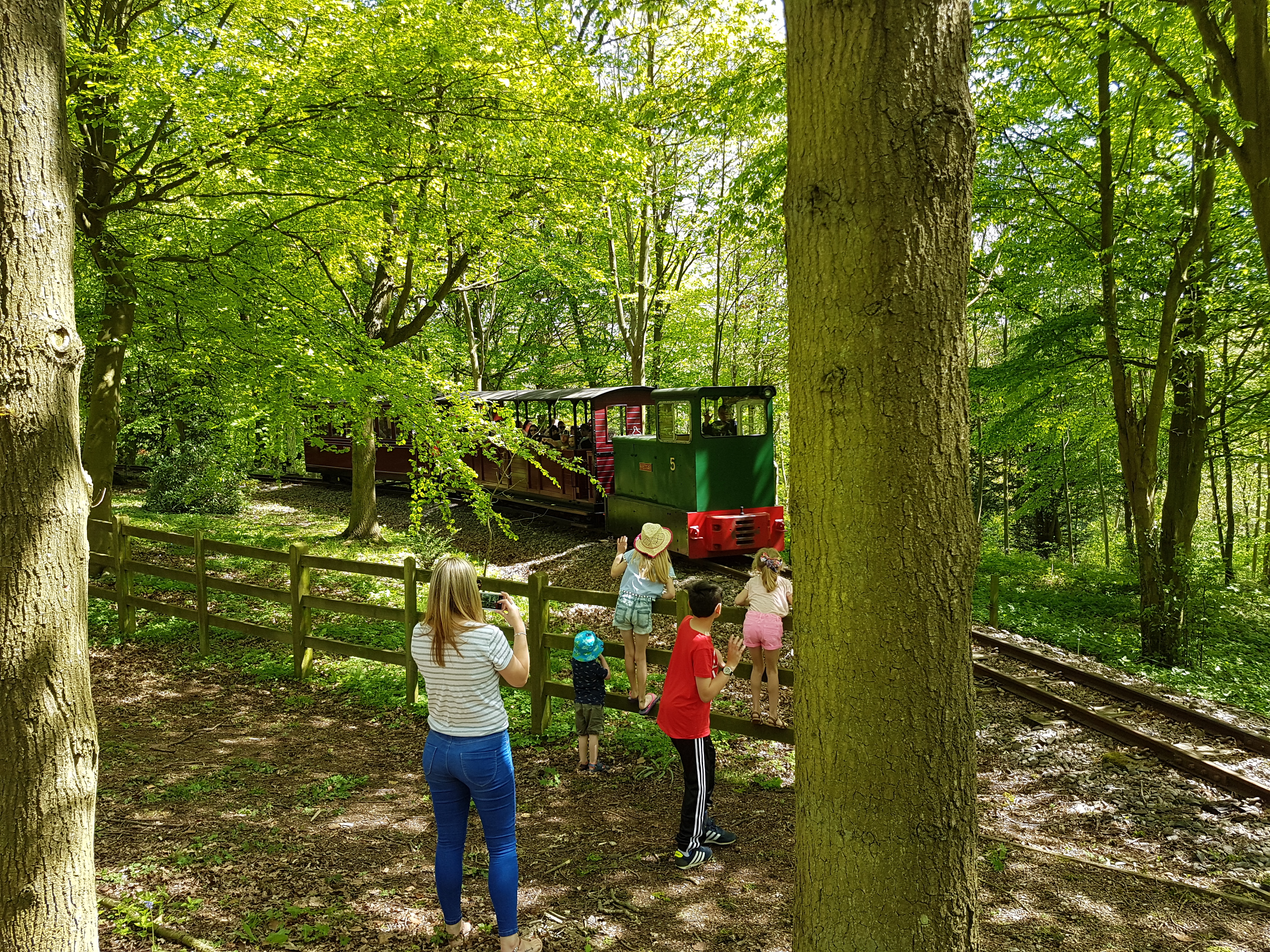
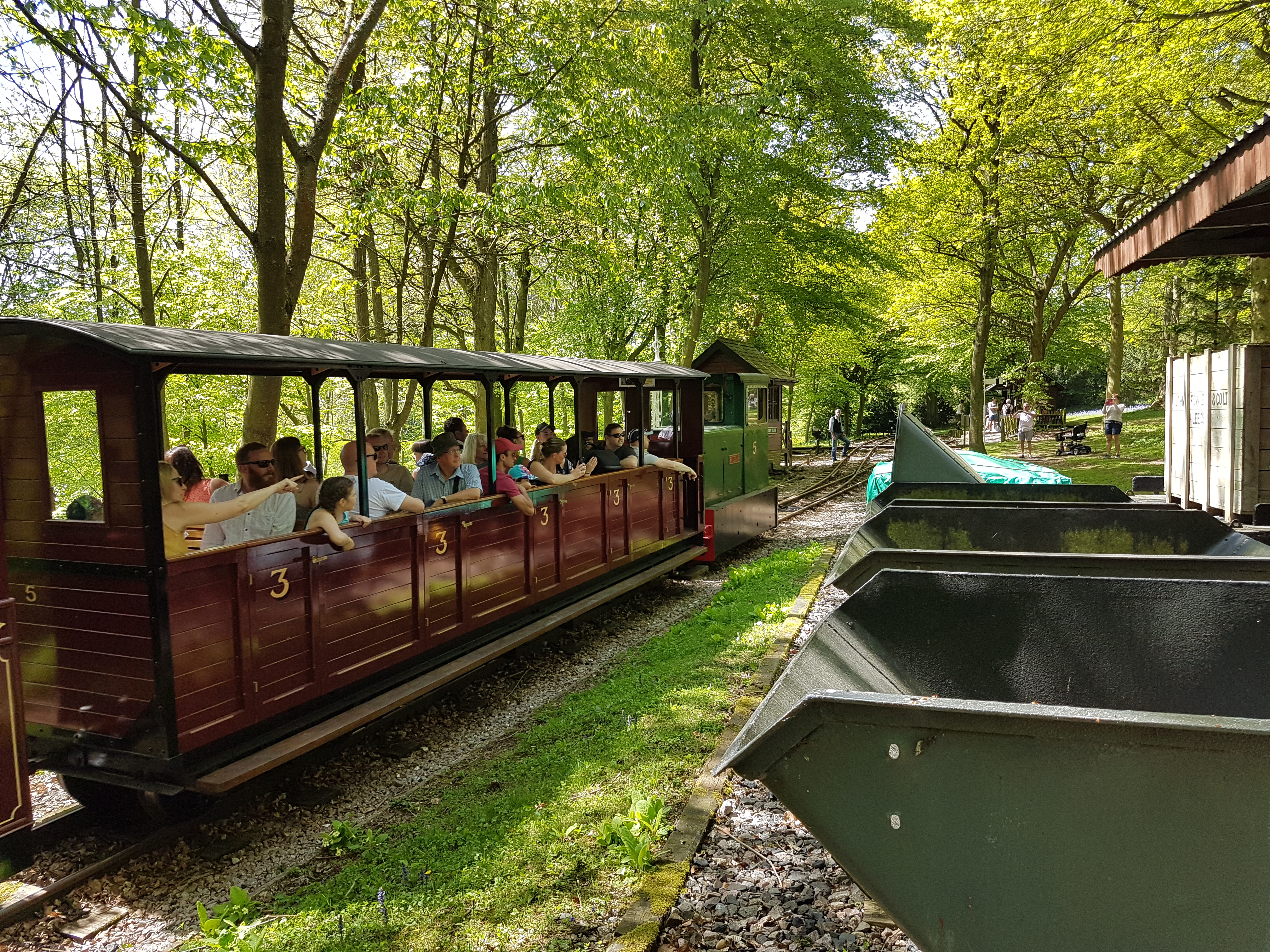
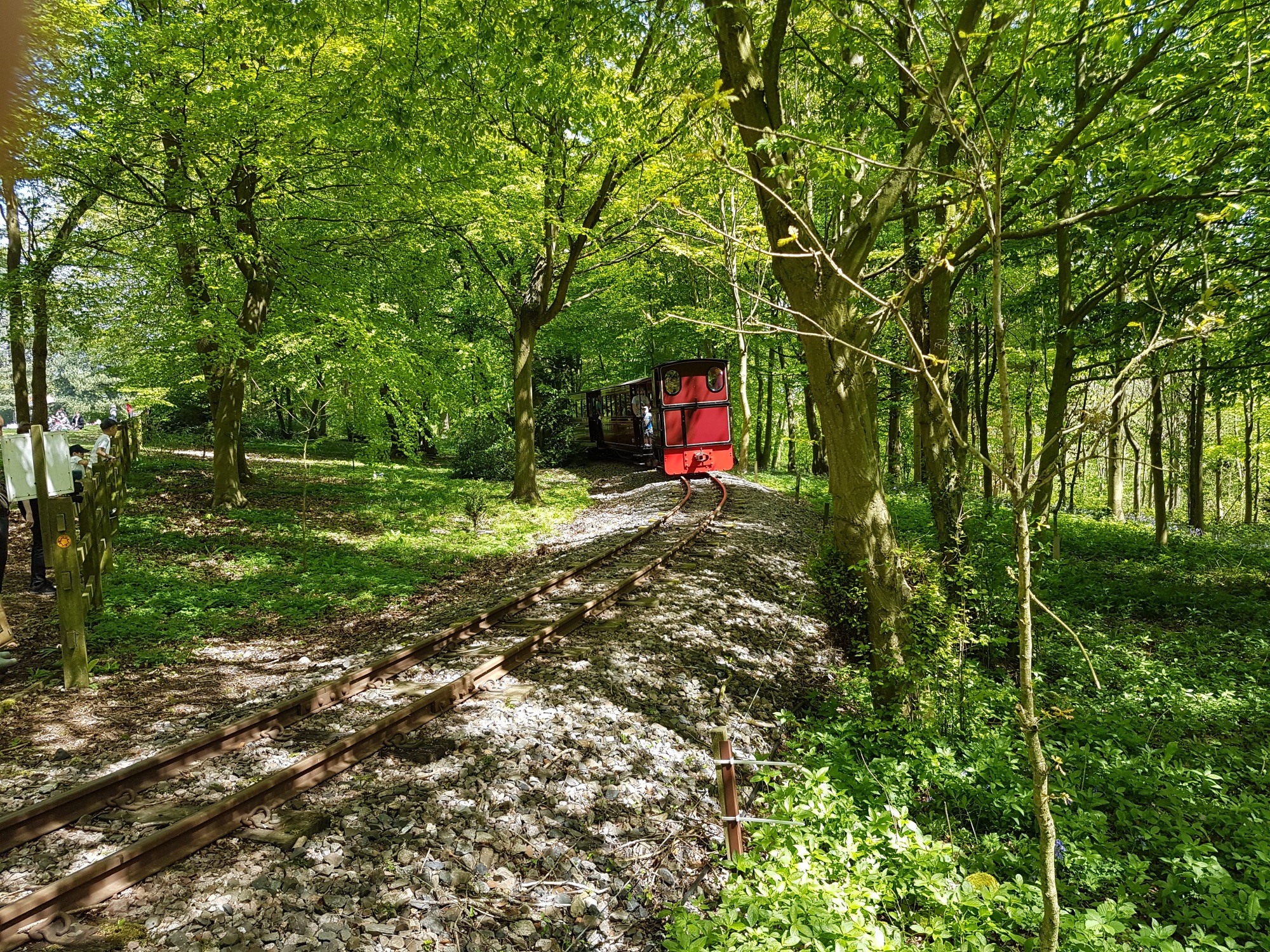
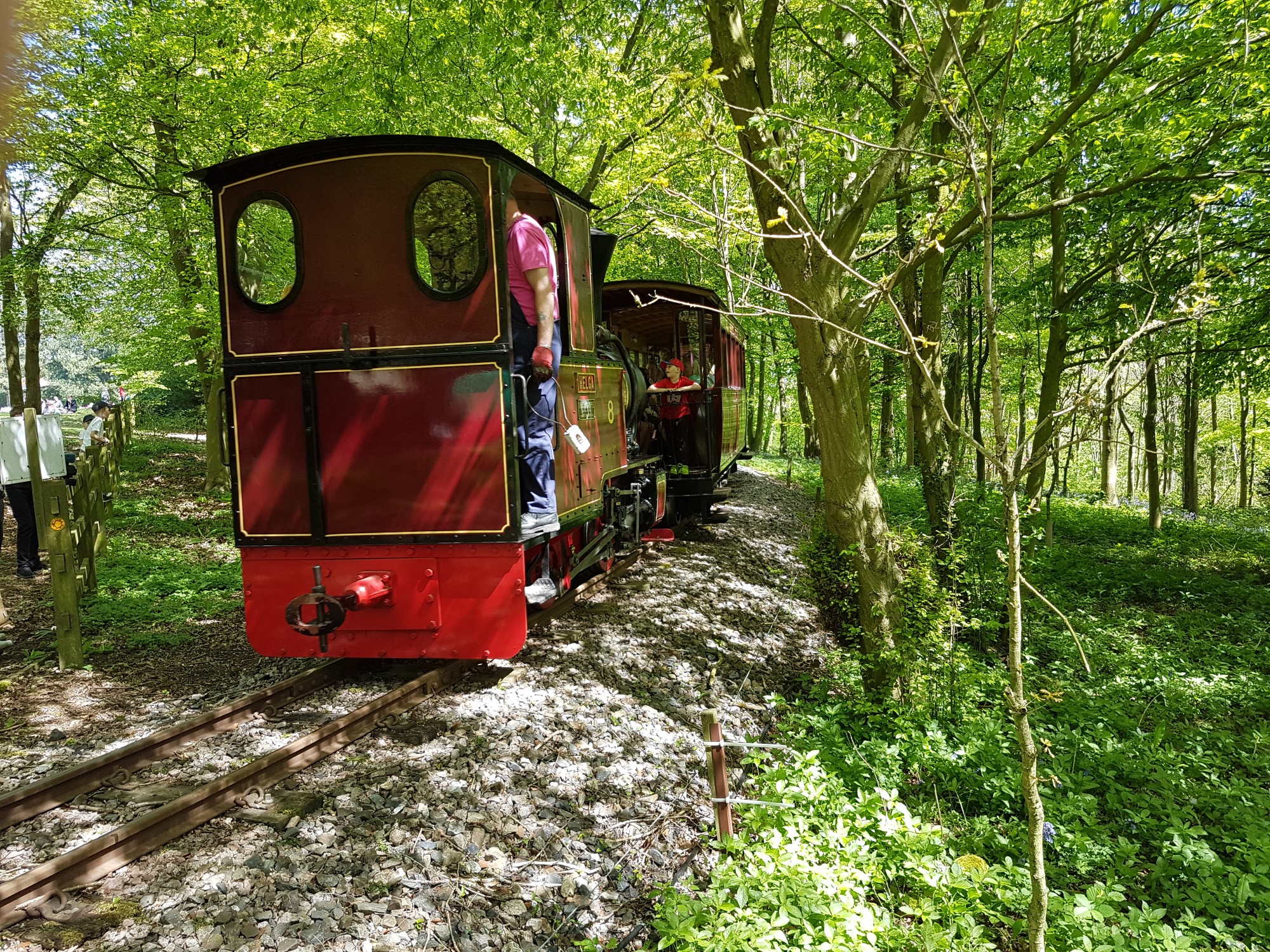
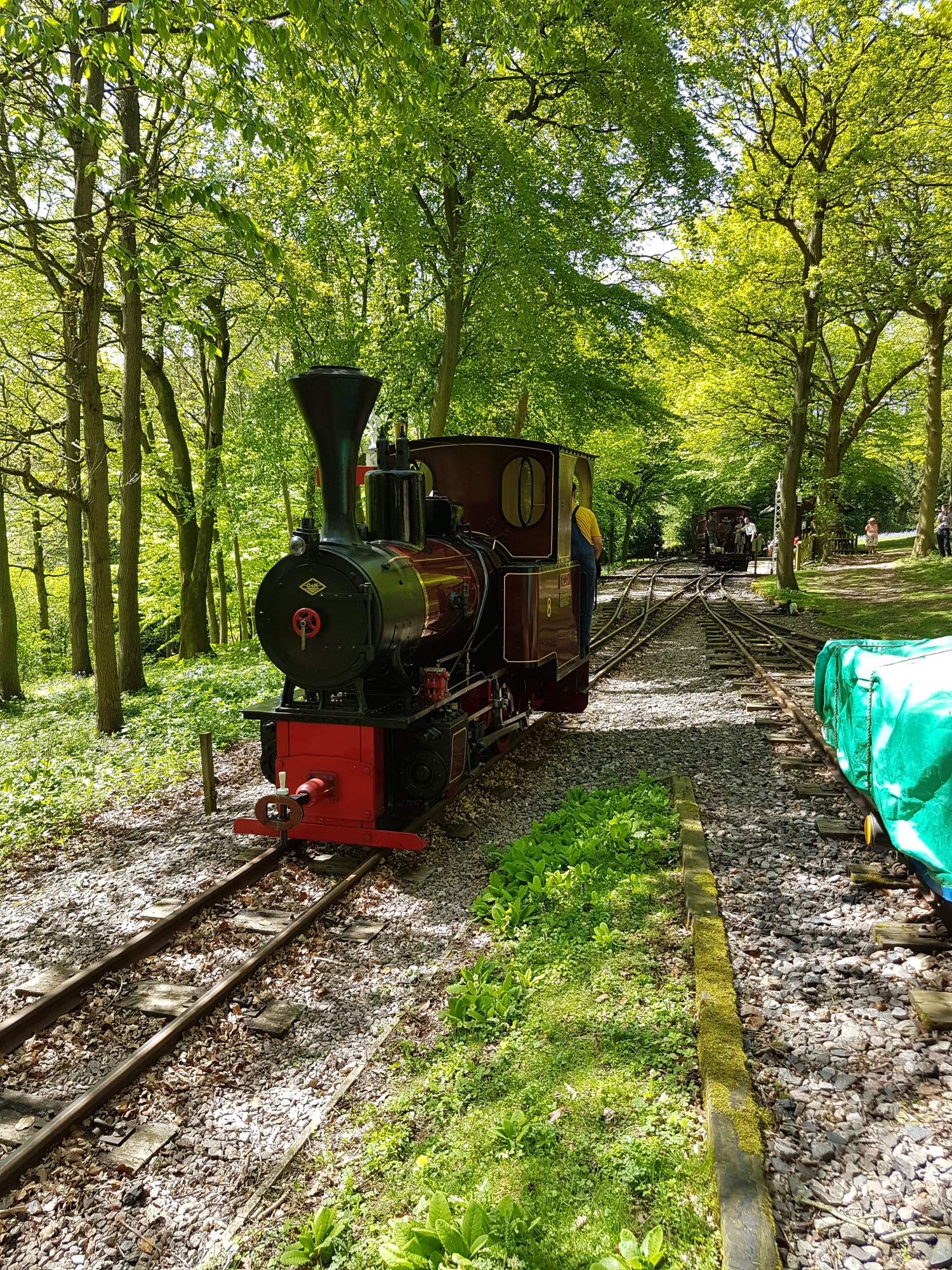
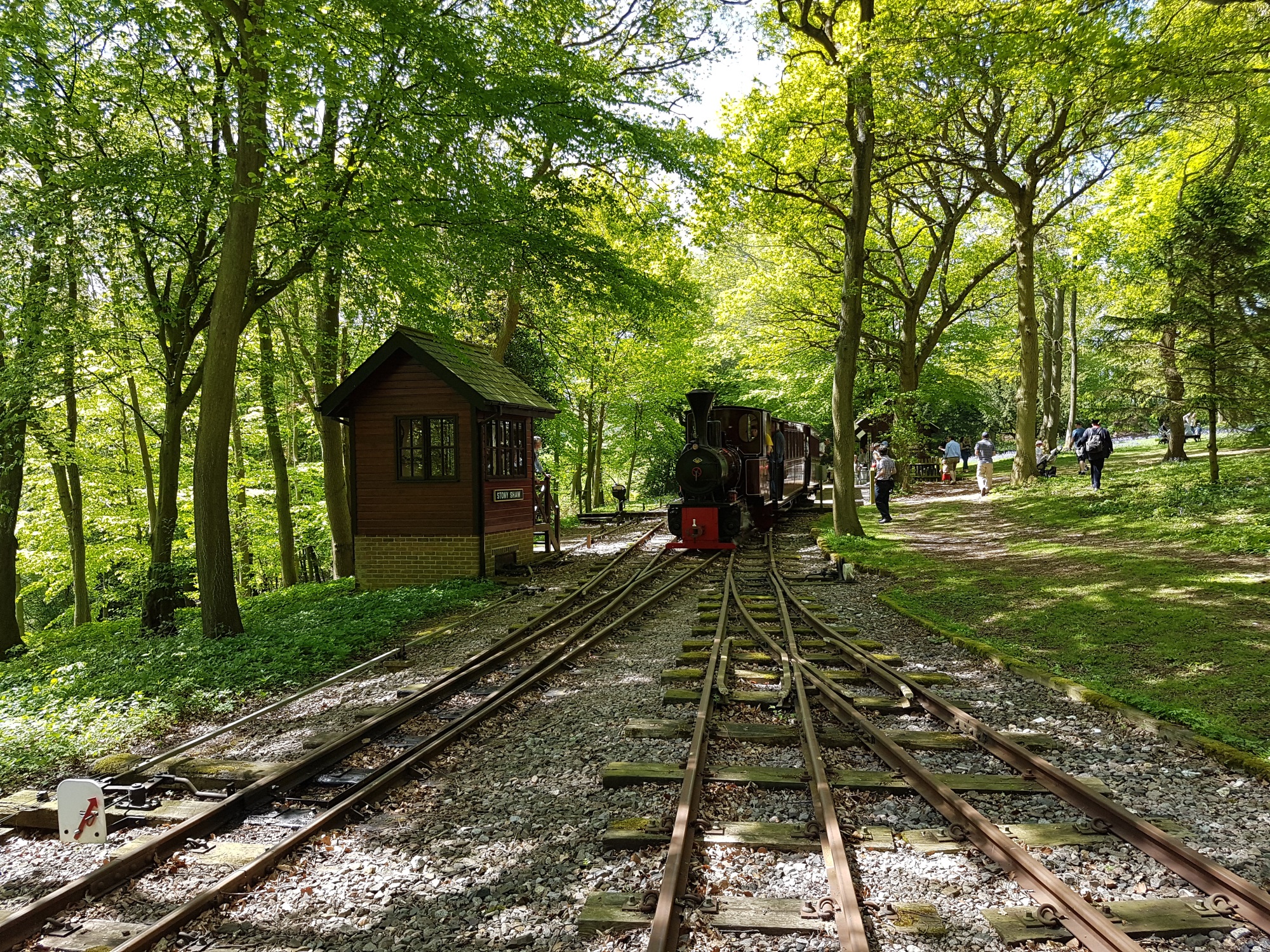
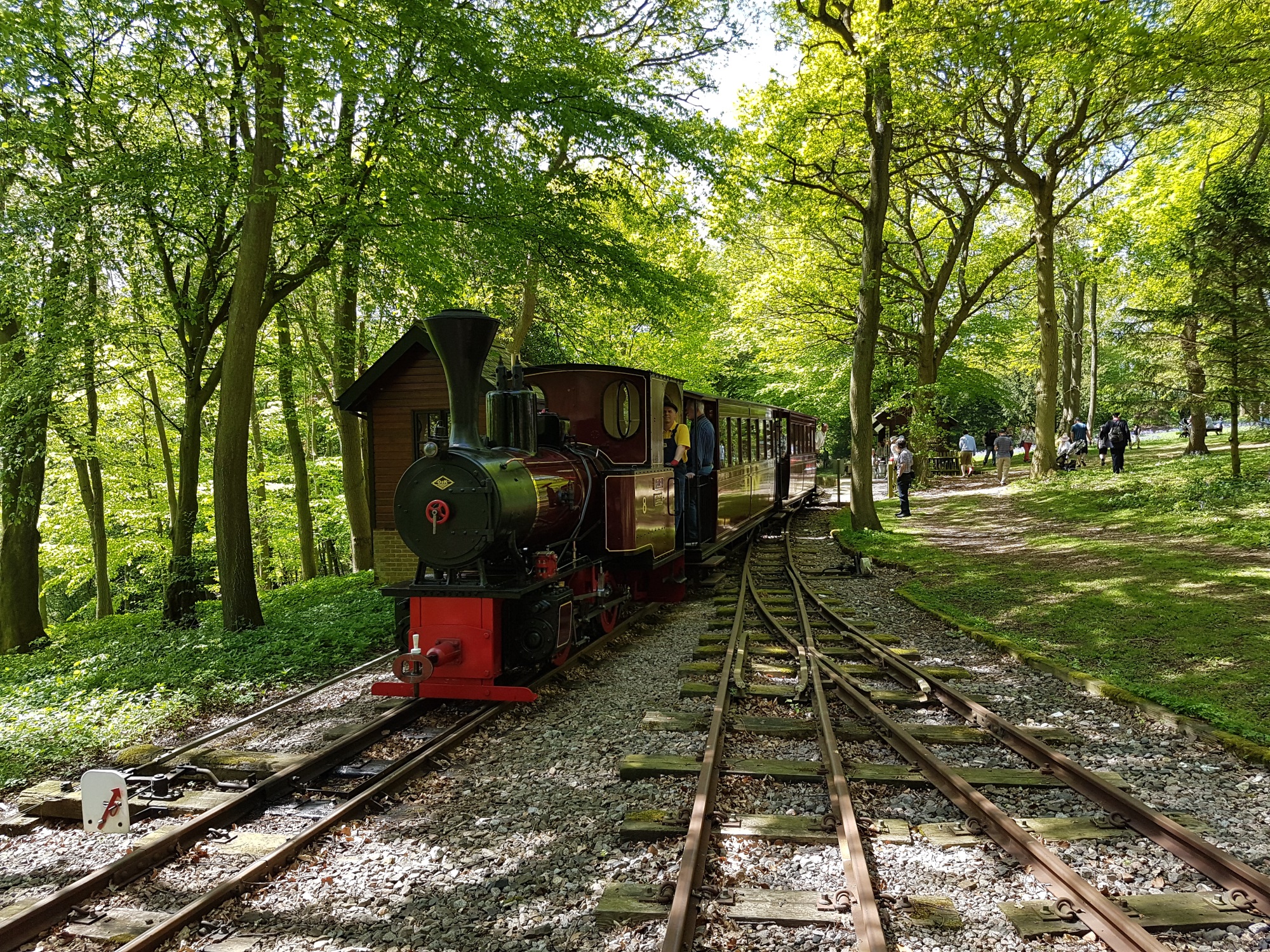
Twaddle-less Thursday today.  Just loads of pictures of the B&WLR trains.  I was surprised at the number and variety of locos in steam (plus one diesel).  Most of the photographs were taken at the far terminus of the line – a pleasant, shady, spot in bluebell filled woods.

Posted in Exhibitions, Inspiration, Out and about, Prototype | Tagged , , , | 1 Comment

Bredgar & Wormshill Light Railway #1

Summer has arrived on the May Day bank holiday weekend – unheard of!  On Sunday, we paid a visit to the Bredgar & Wormshill Railway (B&WR), and their model railway exhibition.

It proved to be an excellent day out.  Kerry and Vernon had put together an interesting model railway show in the engine sheds (see today’s post), there was an intense shuttle service on the 2′ gauge railway (next post), and there were some other interesting exhibits on show (last post later this week.)

The B&WR is a bit of a hidden gem, off the beaten track but easy to get to.  Cha(I)man Allan picked up Mr Atfield and myself from Earlswood at 7:30am on Sunday, and after fortifying ourselves with a solid breakfast in Hawkhurst, we collected Miles from the wilds of Kent, then headed back north to the railway.  With perfect May weather, the car park was already filling up as we arrived, and they must have had a most successful day.

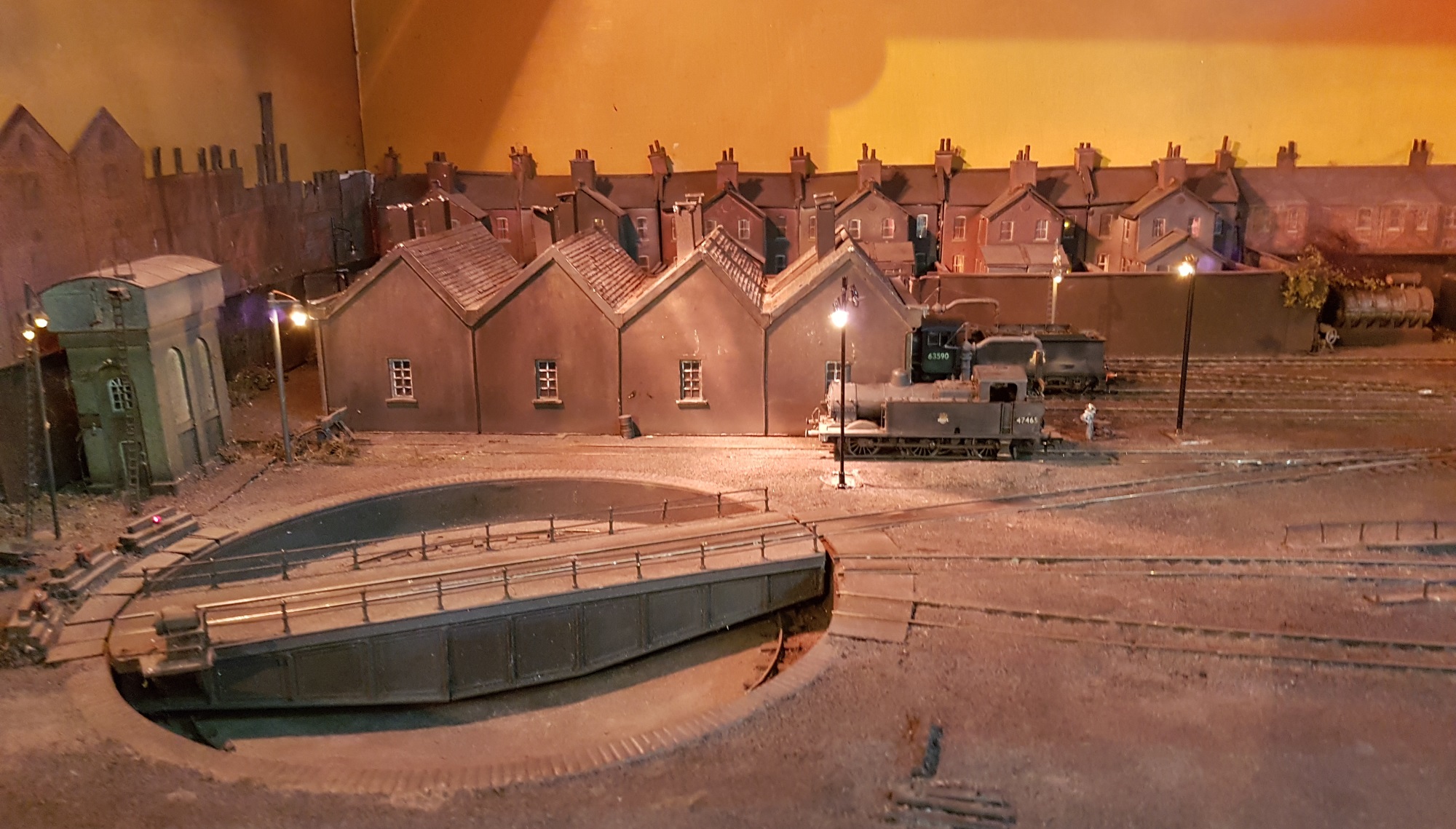
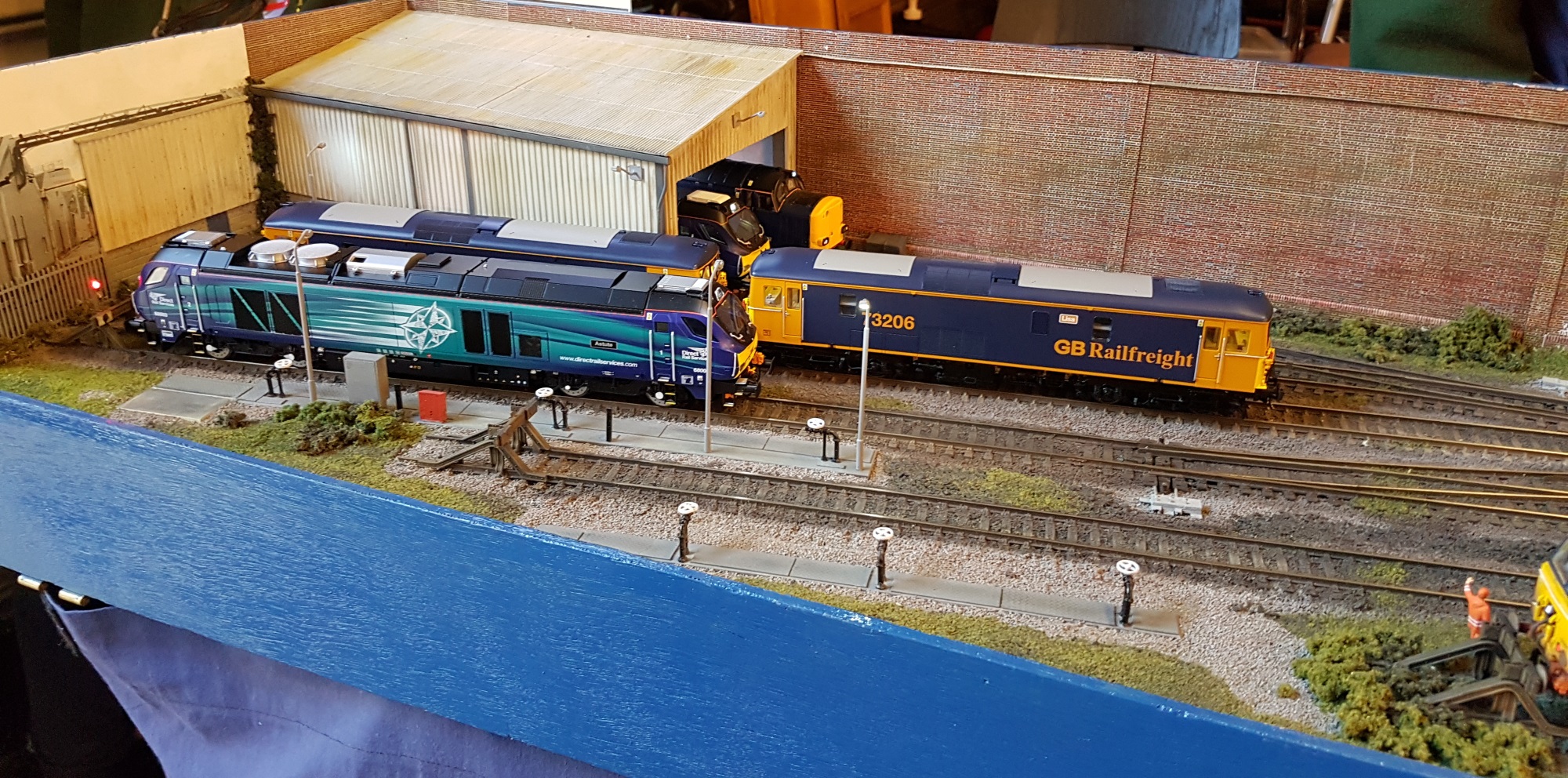
So, let’s start with some layouts.  I’d seen Peters Street before, and like the grimy night-time atmosphere (except for the Baby Deltic  and P class tank engine.)  A compact layout, giving a chance to show off ones locomotives.

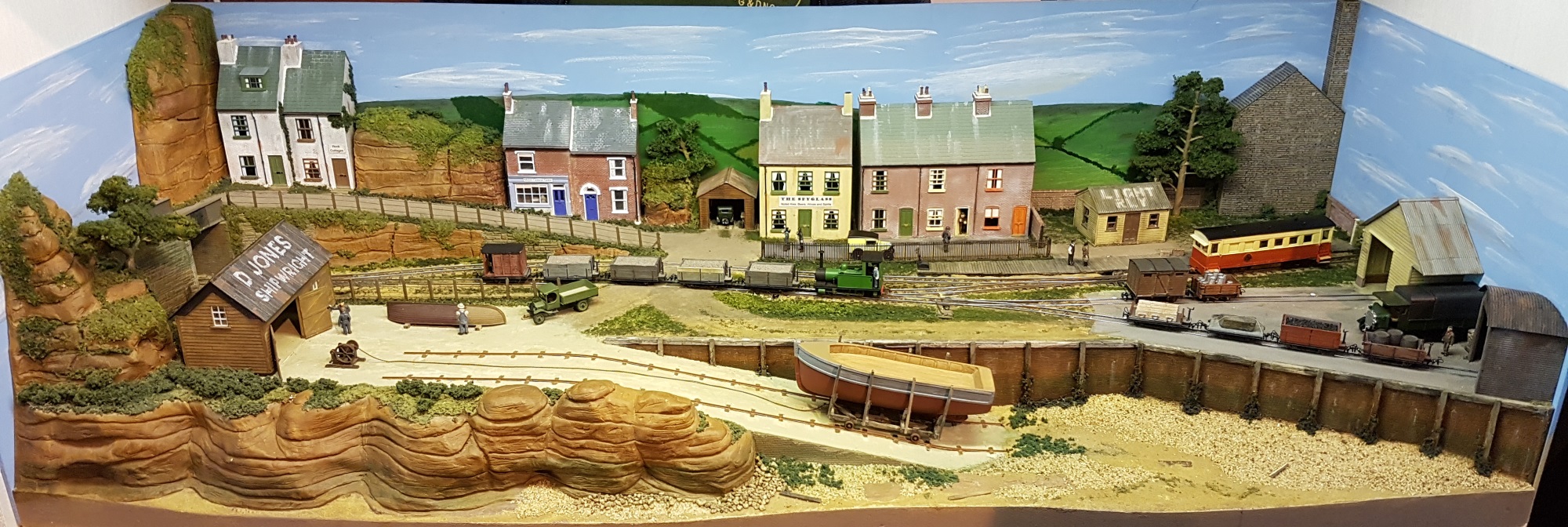
This first photograph of Compass Point was a bit blurred, but I’ve included it as it’s such a charming little OO9 layout.

I especially liked the river mouth at low tide, with a Cormorant, Black Headed Gull, and Oystercatchers seen in the estuary.  The owner was impressed by my birdwatching skills!  Seriously, this little scene captures the atmosphere of tidal mud flats better than almost anything that I’ve seen.

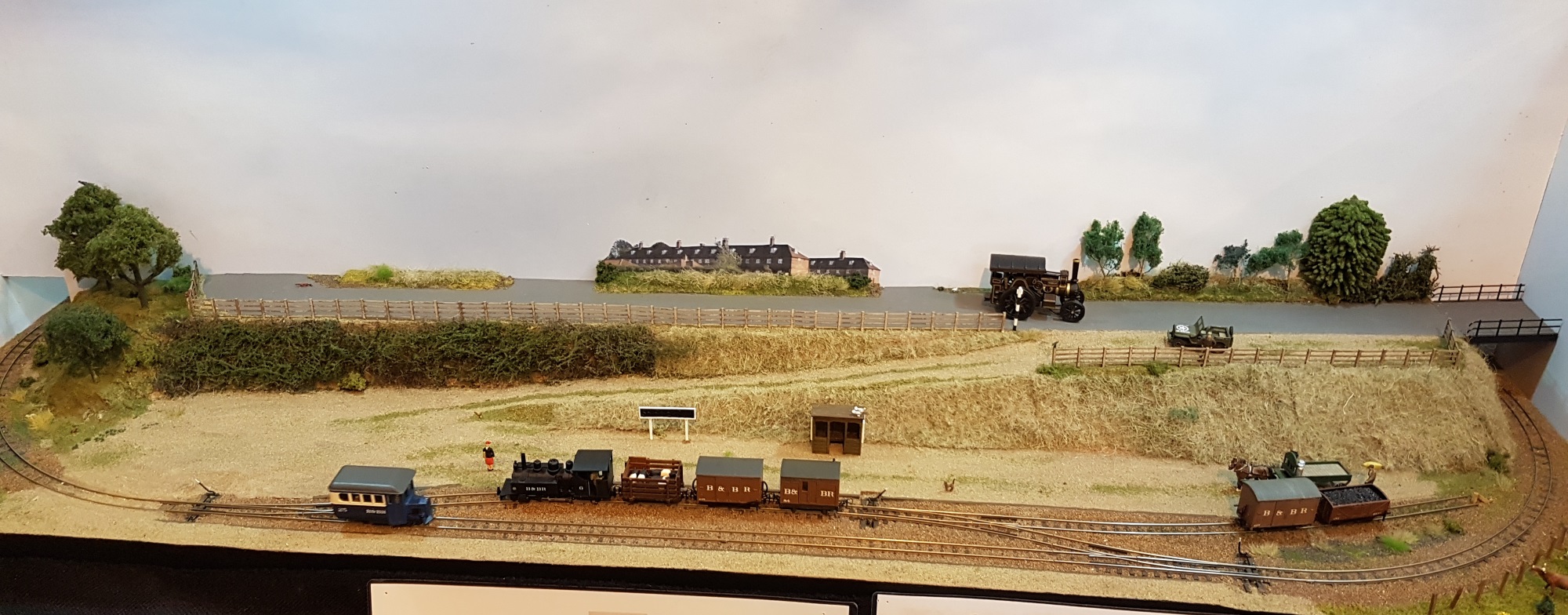
Ville A La Campane is a very compact On30 layout.

The Volks Electric Railway in OO9 models Brighton’s historic and iconic attraction.  However, they haven’t modelled the section past the naturist beach…..

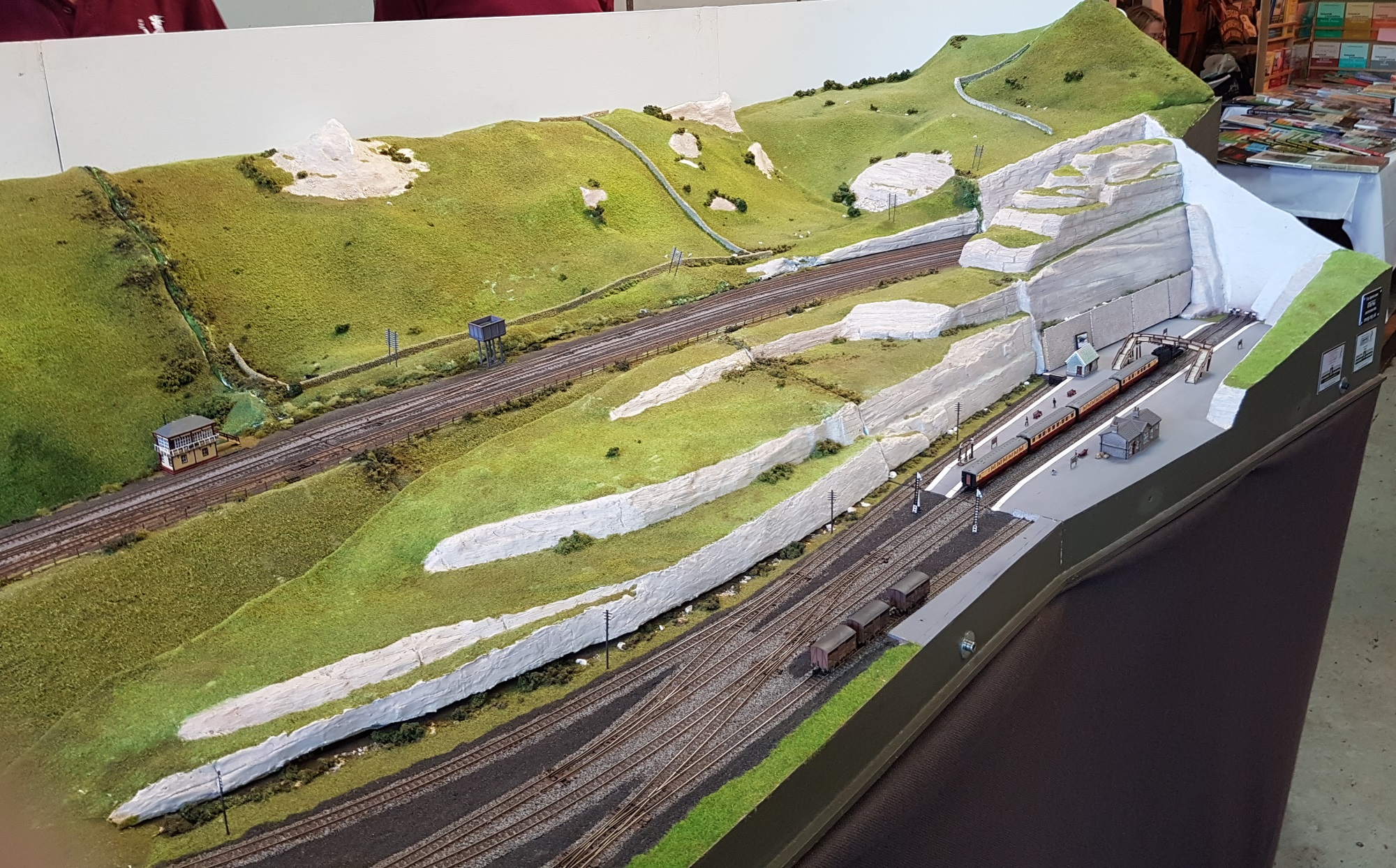
Good to see the Model Railway Club’s Lacey Dale again.  Still under construction, this interesting layout will only get better.

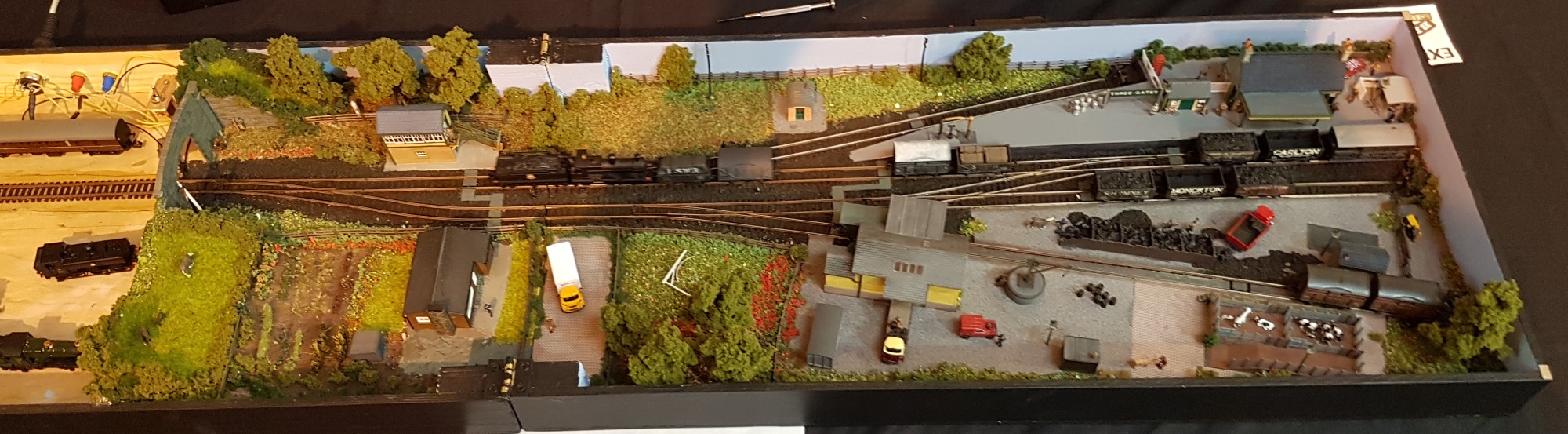
Three Gates came to our ESNG show in 2017.  A fold-up railway in a total length of 4′, that offers loads of operation and shunting.

Sand Point offers much the same in OO9, but with more 3D scenery….

OO diesels on Dudley RD….

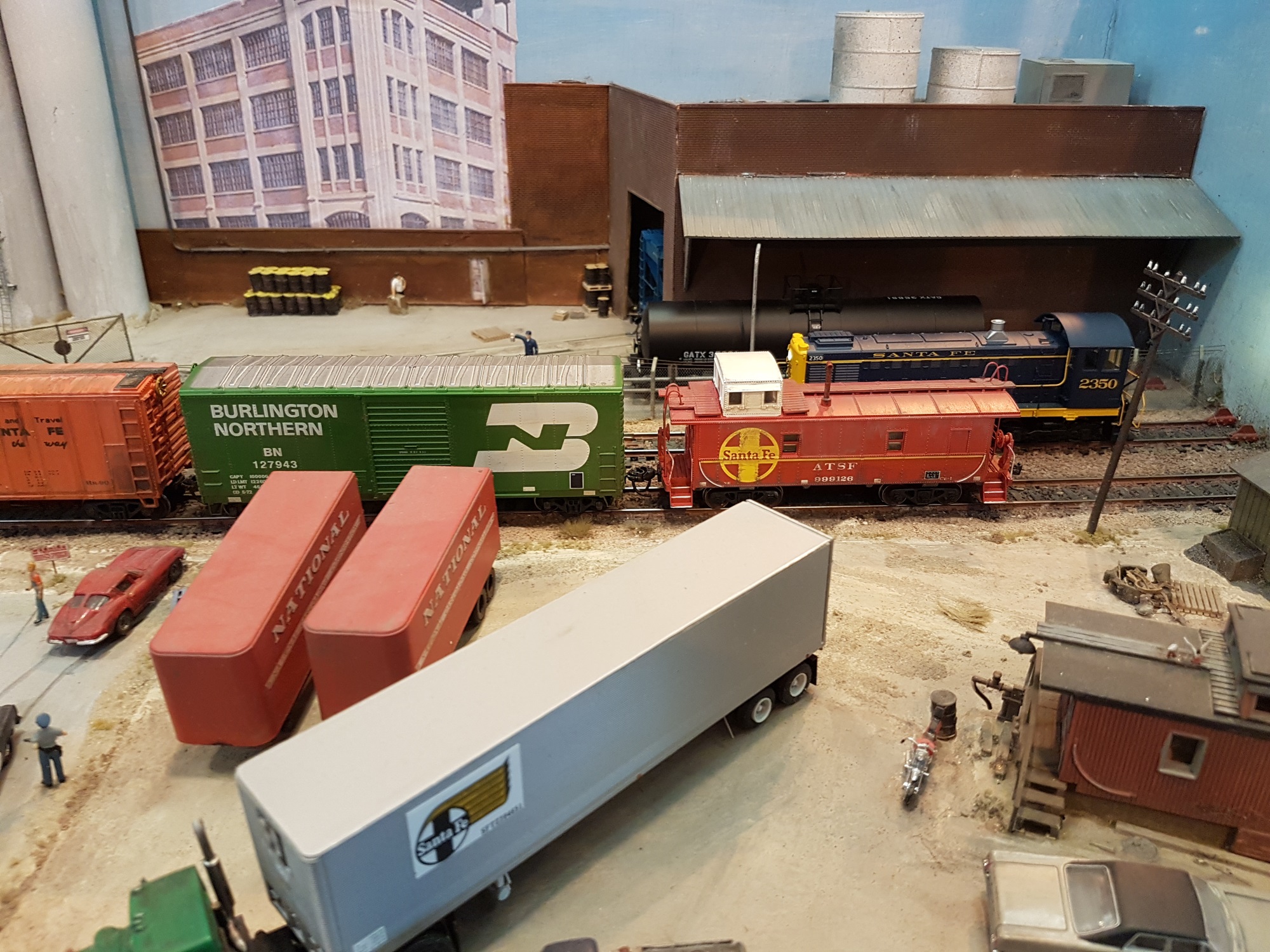
American switching in HO….

This is the entire Beta Cables layout, 14mm gauge.

Shipmeadow is a classic OO9 continuous run, but has a lot of character….

South Down Tar in O-16.5 is full of quality industrial modelling.  Everything looks suitable grimy, without overdoing it.

Next post, we’ll get outside onto the main line.

Posted in Exhibitions, Inspiration, Out and about, Prototype | Tagged , , , | 1 Comment