Crisis – what crisis?

The September 1982 copy of ‘Modern Railways’ has the cover sub-title of “British Rail in crisis.”  This seems to be mainly due to a prolonged strike by the ASLEF drivers.  It seems to have been due to a proposal to take guards off freight trains.  Some things are truly timeless…..

An article, “ASLEF Dispute Diary” says:

In a statement accompanying its strike call ASLEF repeated that the purpose of the strike was to retain the guaranteed 8 hour day and to resist the worsening of conditions of its members.  Referring to calling-off the separate strike by the National Union of Railwaymen the previous day – in terms of a concurrent World Cup football metaphor – a member of the ASLEF Executive said: ‘Now Sir Peter Parker is playing against Brazil instead of Kuwait.’

Or should it be Iceland?  In Germany, there is no union action, but a….

War on draughts  Some travellers in DB’s air-conditioned coaches still complain of draughts and are surprised that there is no simple remedy like shutting a window or ventilator.  The DB research laboratories in Minden are therefore undertaking a detailed study of air movement in compartment and open vehicles, in motion and at rest…..

I had to read it to see why DB were banning board games.  A column by Alan Williams is rather provocative….

Britain’s railways are in a mess, that much few people would deny.  And depending where you sit it is fashionable to blame either the Luddite lefty unions or the wicked, capitalist pro-free-enterprise (ie: pro-road) Government.  Certainly neither side is exactly blameless; Ray Buckton’s antics over flexible rostering have been more than matched by the Transport Secretary’s vacillations, known in Whitehall as flexible posturing.  But what sort of management gets itself into eyeball-to-eyeball confrontation in the first place?  Bad management, that’s what….

It was interesting, but rather depressing, to see BR management in action – or perhaps inaction – during what the media love to call the ‘rail crisis’ – strikes now being rather passe, simplistic confrontations over such minor things as pay.  On such bits of British Rail I confronted during the crisis, the action was decidedly patchy.  At some stations, staff were clearly busy scrubbing, cleaning and planting flowers to such effect that one wondered vaguely if some phantom Royal Train was about to appear.  But at far too many the platforms were deserted and the staff, though presumably still being paid, appeared to have retired permanently to the local hostelry, leaving the station entirely unmanned…..

These days it seems a lost art to write a piece that doesn’t take sides, and has a go at absolutely everyone.  Our journalists should remember that rarely is one side alone to blame.  Elsewhere in this edition, there’s an article that looks rather optimistic in hindsight:

The electrification of Paddington’s suburban services

The British Railways Board’s Corporate Plan of 1980 sanguinely envisaged completion of a Paddington suburban electrification scheme to Didcot and Oxford by 1987, at a cost of £32 million.  But that date had gone by the board long before the Associated Society of Locomotive Engineers & Firemen put all electrification in jeopardy…

As in so many other areas of BR, therefore, the case for the Paddington suburban electrification is one of sheer need to renew worn-out assets in the most far-sighted way if the service is to survive much beyond the life of a Government which, uniquely in Europe, treats public transport as expendable…

Remember that the DTp has recently committed over four times the likely cost of Stage I [electrification] to the M40 [motorway] extension, chiefly to save road transport a quarter-of-an-hour on the West Midlands-Southampton haul.

34 years on, some work is being carried out, but we’re still waiting for the first electrified train.  And we still have strikes.  But there is positive change in other areas.  The privatized railways are a victim of their own success, carrying more passengers than ever before, often with relatively new rolling stock.  Perhaps it’s a case of the yokel’s instruction to the lost tourist: “If you want to get to there, I wouldn’t start from here.”

Still, other snippets put this firmly into the 1980’s….

“Baghdad Metro plans outlined”.  Yes it got built and is operating again.

“London Transport is to accept Visa and Access credit cards in payment for Underground season tickets and longer-period bus passes.  To avoid delays at ticket office counters the facility will apply only to postal and telephone purchases.”  Well, now there are no ticket offices.

“Vauxhall Motors has announced that is has not decided to renew its contracts to distribute cars by rail, and will rely exclusively on road transport instead.  An official statement denied that this reflected on BR’s record of reliability; the decision had more to do with the poor or non-existent rail access to the company’s plants.”

Posted in Out and about, Prototype, Weird and wonderful | Tagged , | 2 Comments

Off my trolley – North Hollywood yet again

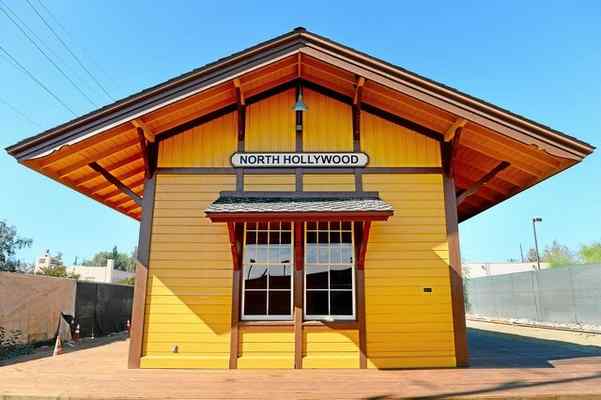
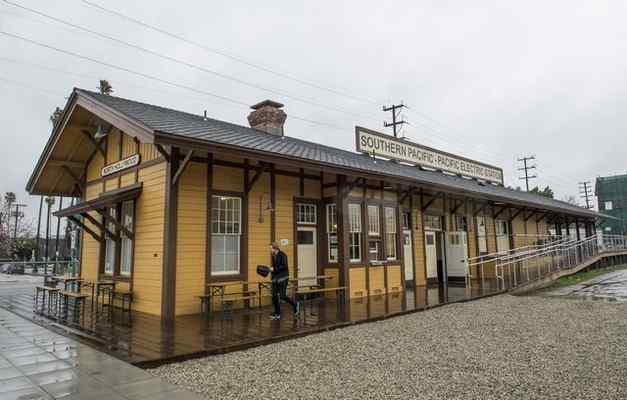
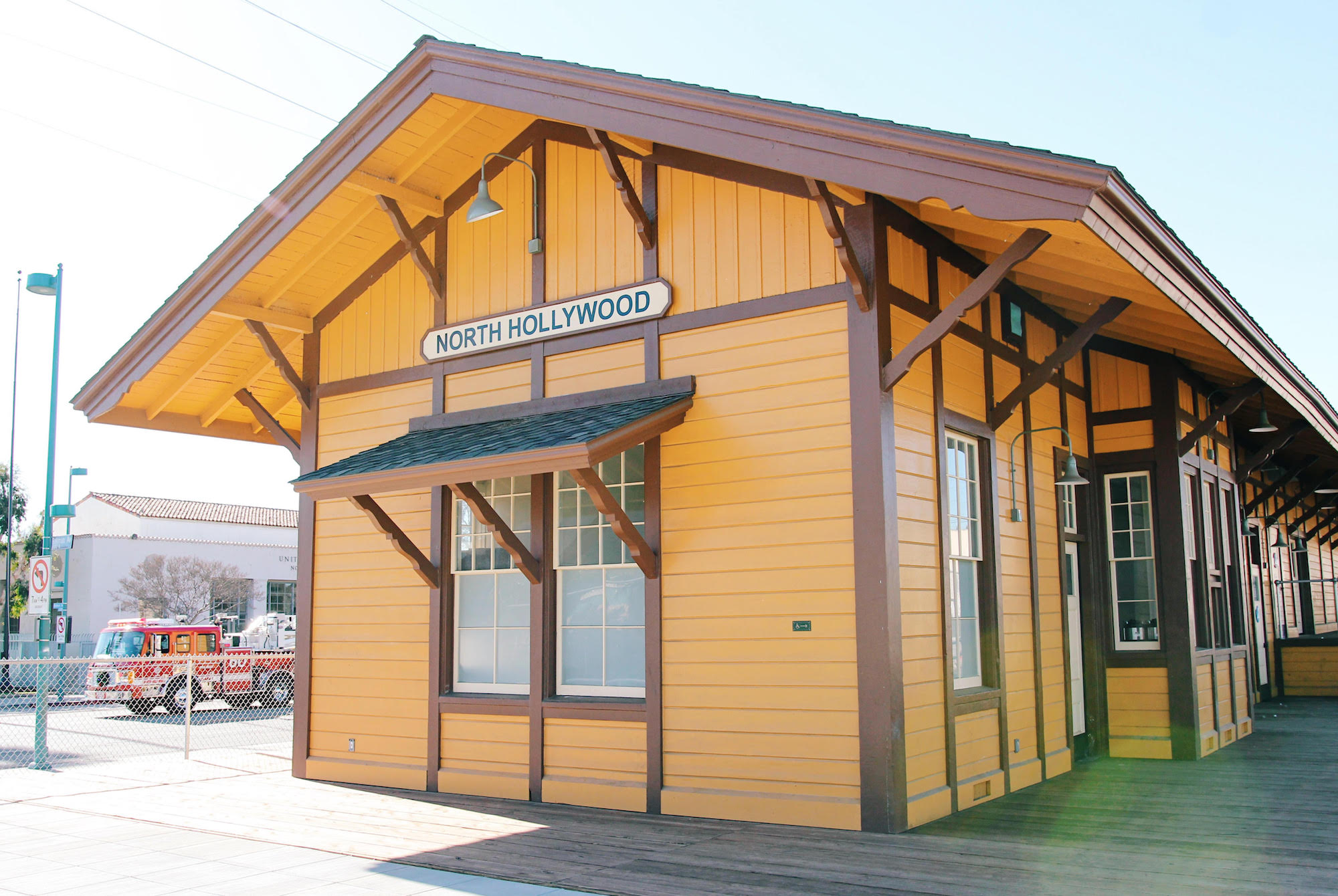
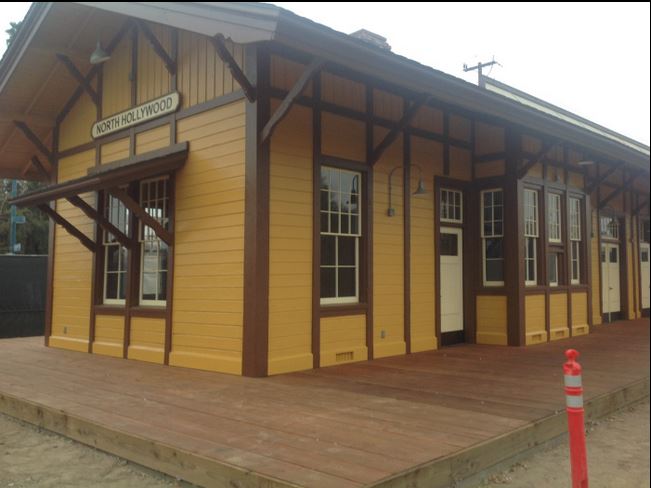
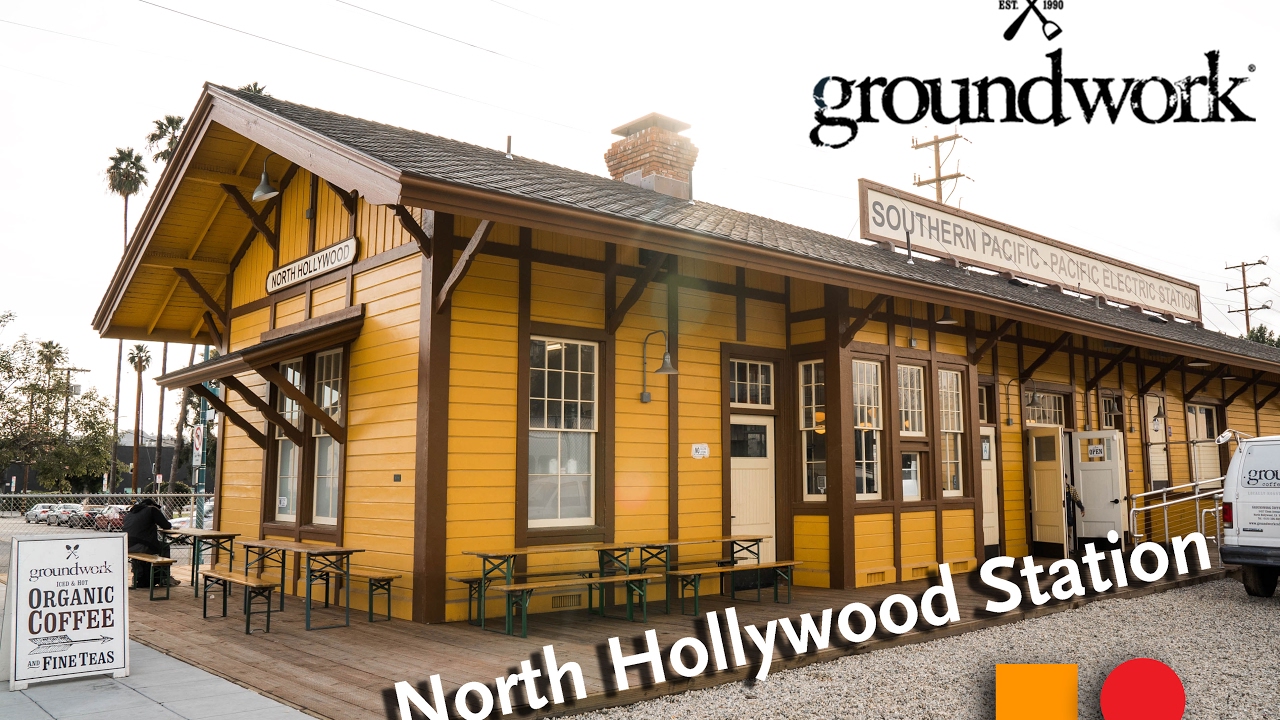
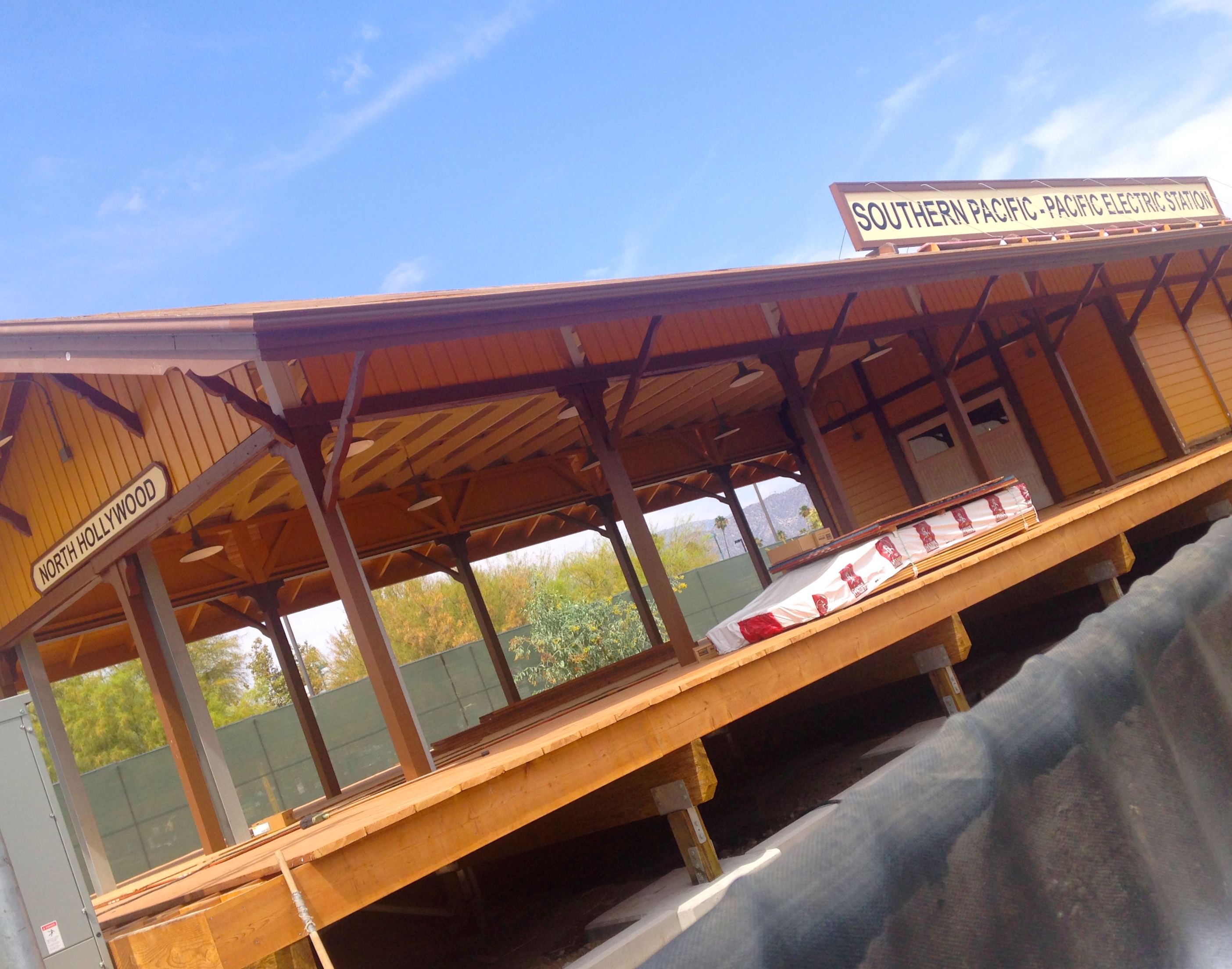
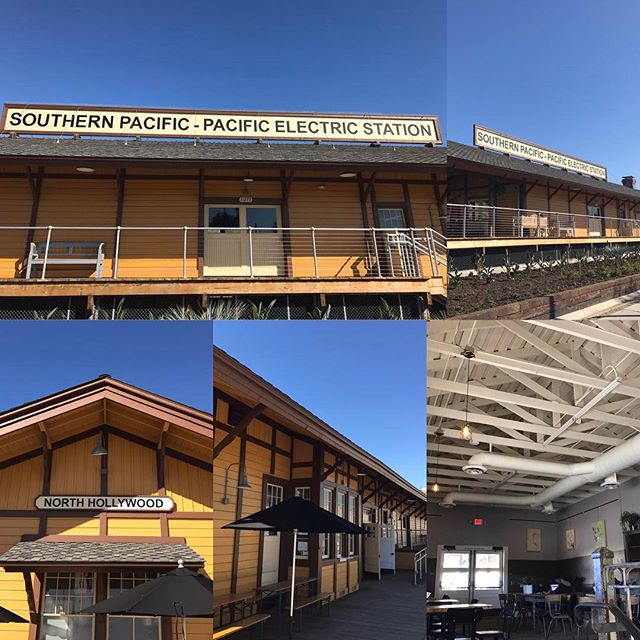
Noticed recently that the restoration of the old Pacific Electric / Southern Pacific depot at North Hollywood has been completed and reopened as a commuter café on the Metro Orange Line.  This article gives the details, including:

The official grand opening of the Groundwork Coffee Co. cafe drew dozens of hipsters and transit officials to the Victorian-era station at South Chandler and Lankershim boulevards, at the terminus of the Metro Orange Line busway.

The hipsters must have mingled well with the transit officials…..

I culled a range of photographs of the restoration from the internet and have included them below – the ones of the café interior are useful as they show the roof structure.

Posted in Inspiration, Layout design, Prototype, Traction | Tagged , , , , | 1 Comment

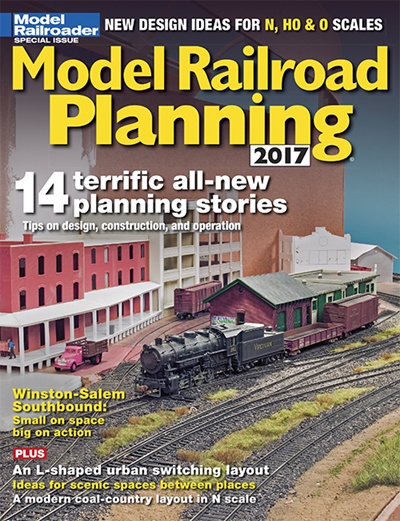
Book review – Model Railroad Planning 2017′

The new year has come around again and it’s time for this year’s ‘Model Railroad Planning’ from Kalmbach.  I get this annual publication every year, and it is almost always worth a read.  There are usually too many (for me) basement sized layouts, but these are usually balanced by a few small ‘British size’ layouts.

This year seems to be a good edition.  The cover layout and featured plan is a shortline switching layout that comes in two sizes, the smallest 8′ (in HO) plus an add on staging siding.  There is also an attractive trolley line.  As the Model Railroader site describes it:

Adding traction to a steam railroad

Thinking of adding a trolley line to your layout? Well, that can be a fascinating addition to an existing model railroad. It can be simple or as complex as you might want. Just be aware of one hidden risk: A trolley operation can become addictive – sometimes to the point that it becomes more intriguing than a traditional steam railroad.

That’s because it can be scaled to your available space more easily than most other types of railways. Most electric lines were short, with ultra-sharp curves, steep grades, simple but frequent operations, and short trains – often just a single car. Scale-length trains are practical. Adding even more realism is that, like their prototypes, the models are powered by electricity!

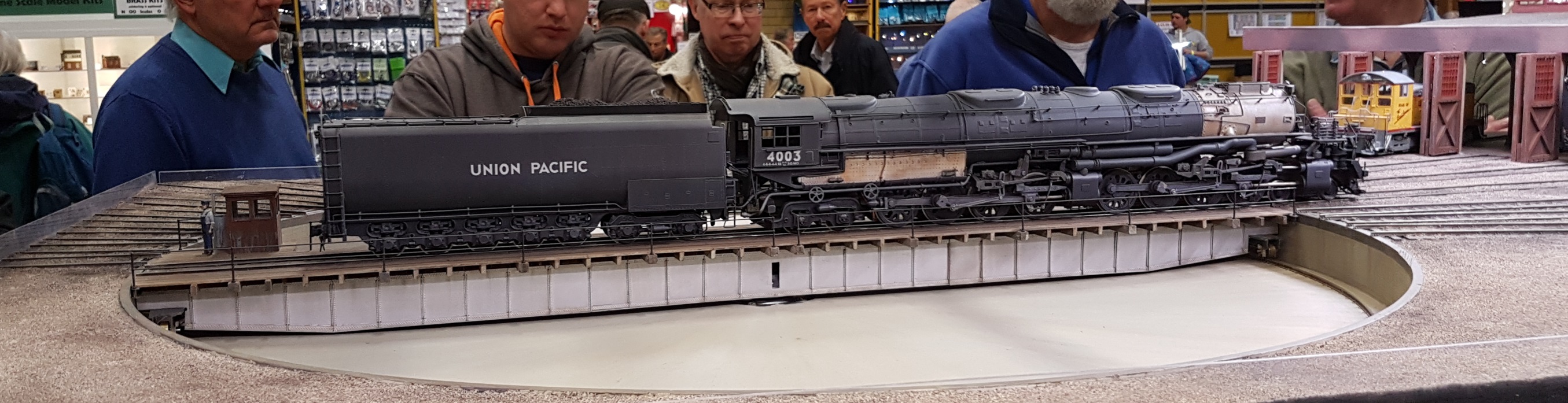
Perhaps the most interesting thing about this edition is the fact that it contains two British based, but American outline, layouts.  The first, the ‘O’ gauge Laramie loco depot is described as:

A slice of Wyoming in the U.K.

Why would someone who lives in rural Gloucestershire, England, model part of a Union Pacific engine terminal in Wyoming? For many, a layout is an unashamed trip back to their childhood. On reflection, I guess there’s an element of this here: I have a clear recollection of the son of two of my parents’ friends having an HO model of a UP 4-8-8-4 Big Boy, and of being insanely jealous of this amazing beast.

This fine layout was at the Stevenage show earlier in the year.

The second UK layout is a gem.  But I would say that, as it is ‘N’ gauge and based on the railways of the North-east.  It even has an abandoned Lehigh Valley line in the background!

An N scale traveling layout

Although I’m a member of the Erie Lackawanna Historical Society and model the EL in HO, I have always wanted to see what I could achieve in a small space in N scale. I started designing a layout capable of being taken to exhibitions and where the main size constraint was the back of my Volkswagen Golf with the seats folded flat. This gave a maximum size of 40″ by 70″ to work in.

I’ve always had an interest in Eastern railroads – especially in Pennsylvania – and have collected reference books for influence. My main interest is the Erie Lackawanna, but I also gathered information on other roads such as the Reading, Lehigh Valley, Lehigh & New England, Pennsylvania, and Central RR of New Jersey.

I scanned this plan from the magazine, to share what a good small design (5′ 10″ x 3′ 4″) this is:

To add interest to a small layout with a small staging yard, Ian Wilson modelled one end of the fiddle yard as visible, so the locomotives and cabooses of trains can be stopped in open view, then moved into the yard as an extra operational movement.  The end of yard tracks are in the foreground below, and a train is leaving past the depot and junction.

Very much recommended!

Posted in Hints and tips, Inspiration, Layout design, The trade | Tagged , , , | 1 Comment

1971 – March – Personalities

Between the February and March editions of Railway Magazine, the price had changed from 4s (20p) to 20p (4s).  Yes, the UK had been decimalised.

From “Some thoughts on the end of steam” by the prosaically named “62741”.

Personalities of the last years

And what of the personalities on the steam scene in the last years – a largely neglected aspect of steam lore?  Mercifully, many bore nicknames so I may chronicle them here without giving offence….

The most noteworthy group was undoubtedly that incredible timing fraternity – more than fifty strong – at Waterloo, who can claim the distinction of introducing BR’s first payment-by-results speed bonus scheme for footplate staff.  (No doubt the Bournemouth electrification resulted in loss of earnings for some of the more enterprising drivers, though not perhaps the famous “Bournemouth Gnomes”!)

What memories the names of this intrepid bank conjure up: “Lurch” (who was nearly out of gauge); “Diddy Man” (round about 4ft, of which the top half was hair); “Squire Huntley” (ever sporting a cravat); “Pest” (since believed to have gone into the Common Market); and last but not least, “Reg Idiot” – the man who always had a faster run.  This led to the coining of the word “Redged” which has passed into the English language wherever Steam is spoken.  For the uninitiated, its meaning is basically “thwarted” (as when discovered by “Gripper” without a ticket, or with one which, by the widest stretch of the imagination and the maximum degree of plausibility, is unusable at the spot where “G” has struck).  There are overtones too of having been “out-done” and being consequently “deflated.”…..

The profound changes in the habits of the steam enthusiasts of this country since 1968 would have made an interesting study.  Some sociologist, preferably female, has missed the thesis subject of a lifetime!

I suppose railway enthusiasts are odd.  But are they odder than any other hobbyist or sportsman?  That I doubt.  Mind you, my younger daughter once asked me, “Are all the German model railway fans in Stuttgart as strange as your friends?”  I defended ESNG, “Oh, far stranger, dear!”

Posted in Out and about, Prototype, Weird and wonderful | Tagged , , | Leave a comment

Minories, Minories everywhere…..

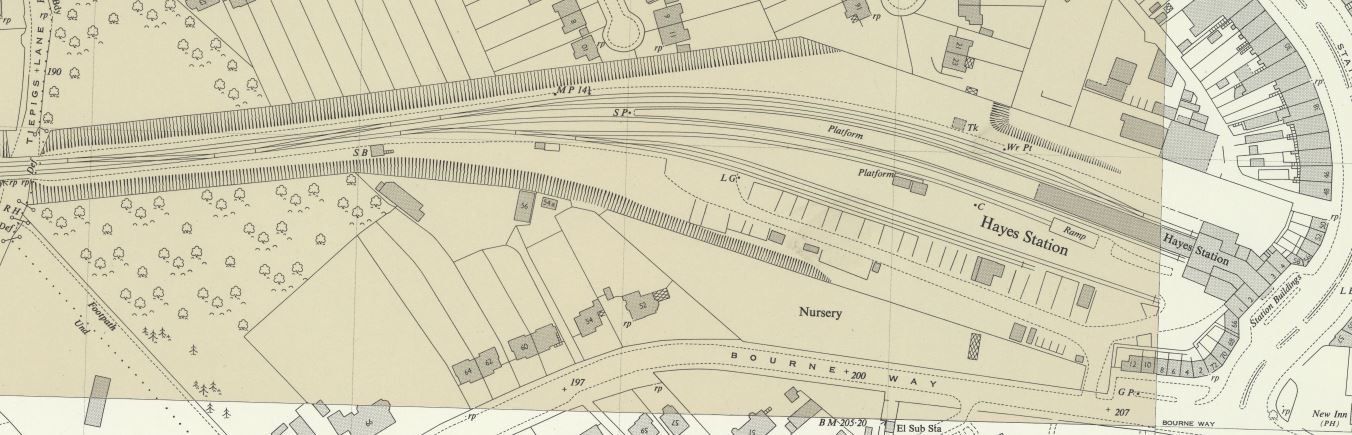
Once you start looking for ‘Minories’ type layouts, they seem to be everywhere.  I suppose this is hardly surprising, as the layout of crossovers and a point to reach three platforms is a simple, intuitive one.  So here’s another attractive suburban terminus, Hayes in Kent.

The West Wickham and Hayes Railway was incorporated by Act of Parliament on 9 July 1880 to build a 3¼-mile line from Elmer’s End on the South Eastern Railway’s Mid Kent line to Hayes.  Traffic was light in the early years.  However, after World War I, traffic grew rapidly with the growth of the outer London suburbia.  The Southern Railway electrified the line in 1925. The branch has thrived with commuter traffic, and despite its short length, there are half-hourly trains between Hayes and both Cannon Street and Charing Cross stations.

In 1950, the terminus had three platforms, and a small goods yard.  It would make an attractive model, being a ‘typical’ terminus, but with a Southern Electric service.  Hayes is not very far from where I grew up, and the way suburbia has formed around the station building is very familiar for the area.

hayes

National Library of Scotland – Creative Commons

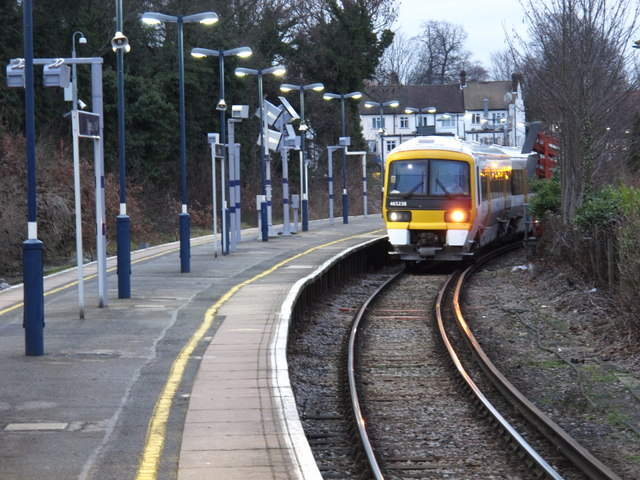
In recent years, the terminus has been reduced to two platforms, but it is still an attractive station, with the double crossovers still in place on the wooded approaches.

2243209_51449fb2

2442668_f52aa33e

At the other end of this short branch is Elmers End.  This too would make an interesting model.  As usual, the small goods yard is mainly a coal depot to cater for local domestic heating needs.  The mainline from London is on the right (and north-east).  The left (and south-west) passes the outskirts of Croydon to join the main London-Brighton line at South Croydon.

elmers_end

National Library of Scotland – Creative Commons

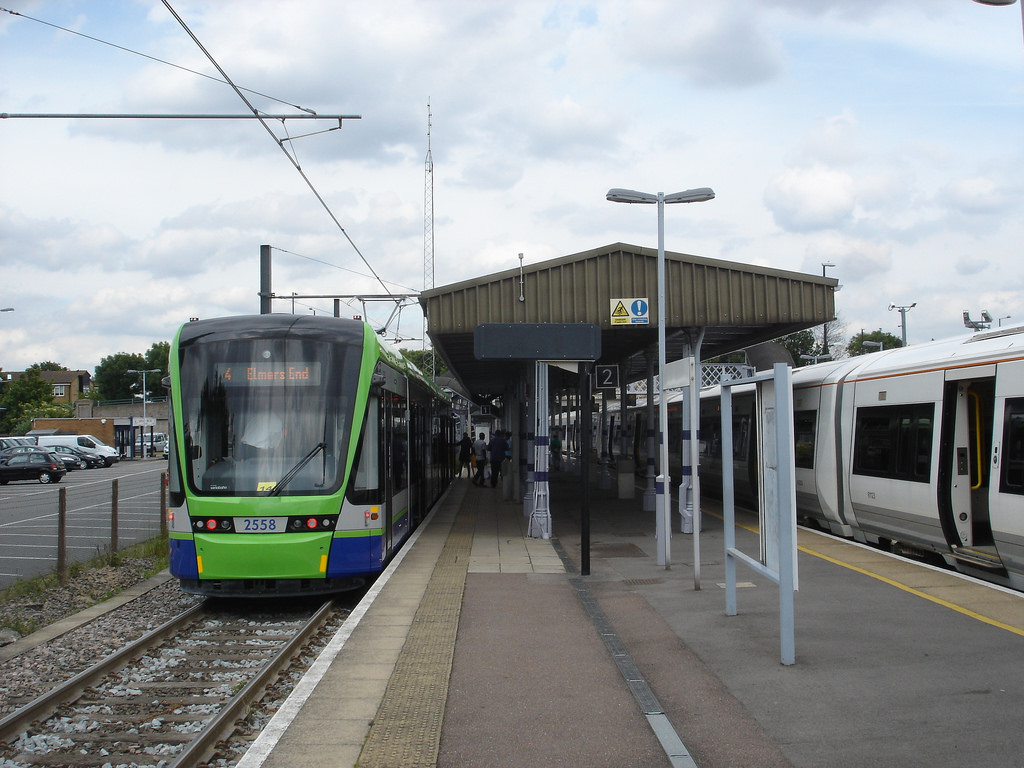
The platform bay to the south is linked to the Hayes branch, that curves away from Elmers End.  Before electrification, it would have been held a steam railmotor shuttle service to Hayes.  The northern bay is still in use today to terminate the Croydon Tramlink service.

7447888908_f5138d6cac_b

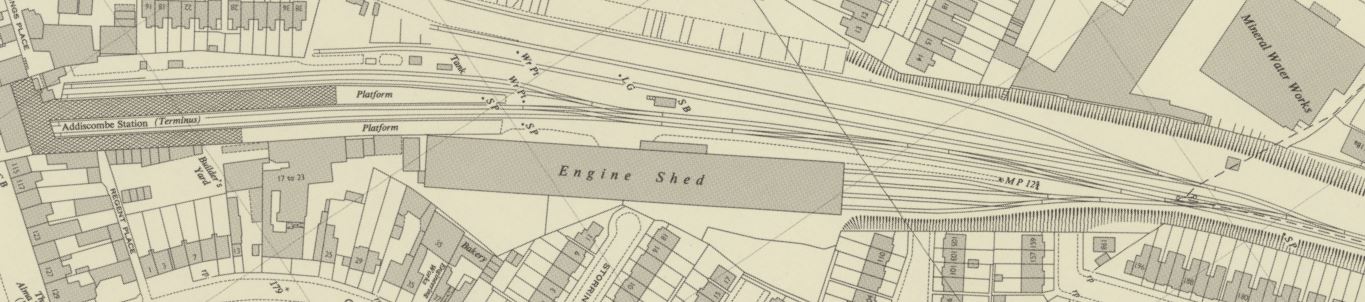
In the past, this bay was home to a shuttle service of a couple of miles to the Addiscombe Road railway station, originally built as the South Eastern Railway’s Croydon terminus.  The station is more imposing than Hayes, with a 4-road EMU storage shed.  I believe that a 4mm scale model of this station is being built for the exhibition circuit.

addiscombe

National Library of Scotland – Creative Commons

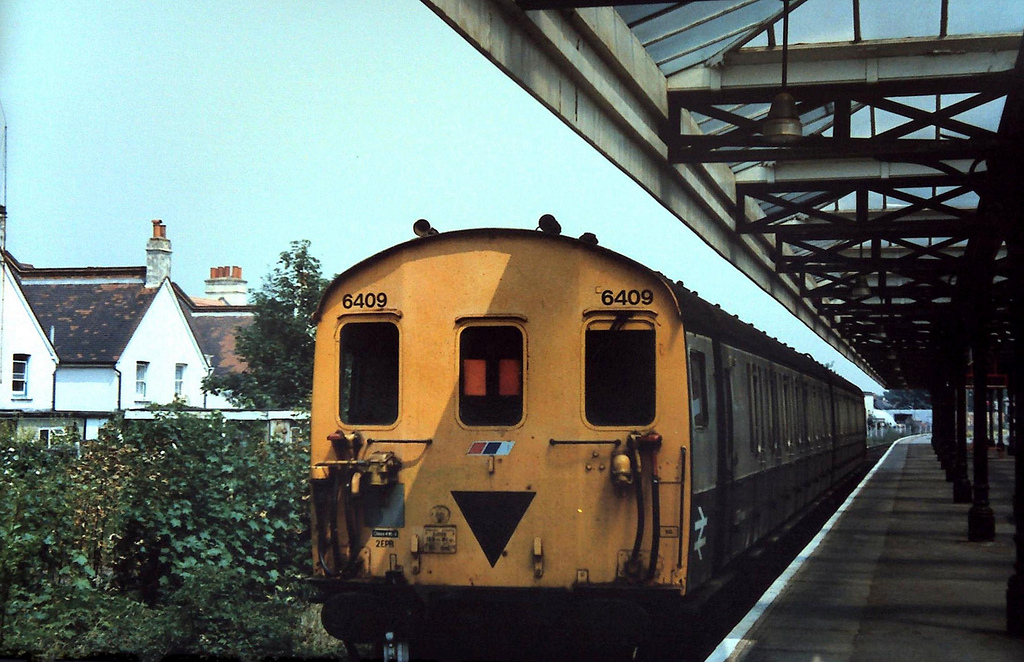
With East Croydon station, on the main London-Brighton line, half a mile away, it was inevitable that Addiscombe Road would be ‘rationalised’  and closed.  In latter years, a 2EPB shuttle service to Elmers End, as below, was its only service.  Now, only Tramlink trams pass through the site of the station, but much of it is a new housing estate.

8354861658_a74f9ff5d2_b

Posted in Hints and tips, Inspiration, Layout design, Out and about | Tagged , , , | 1 Comment

1971 – February – Same old problems?

The 1971 editions of Railway Magazine have some familiar articles.

Alleviating Borough Market

Fundamental changes to the track layout, combined with resignalling, in the London Bridge area is planned by the Southern Region of British Railways to overcome the notorious bottleneck of Borough Market Junction, just west of London Bridge Station on the South-Eastern Division.  In the peak hours this junction is being used to its maximum capacity, and a slight delay to one train can “snowball” into long delays to many trains along the stretch towards St. Johns and beyond.

Trains to and from Charing Cross and Canon Street will no longer need to be “sorted” among conflicting paths at Borough Market.  This will be done further out, concentrating Canon Street traffic on the northernmost tracks approaching London Bridge.

The scheme – which is expected to be started later this year and be completed by 1975 – involves the construction of a flyover at St. Johns (by extending a bridge already there), widespread track alterations and a new signalbox at London Bridge.  The flyover will carry trains from the Lewisham direction on to their proper routes without them having to negotiate “flat” crossings east of London Bridge.

The article ends:

The alterations cannot provide room for more trains, but passengers are promised greatly improved timekeeping.

Too true!  Today, London Bridge again is in the news, with the success of Thameslink services making Borough Market and London Bridge a bottleneck once again.  Rebuilding London Bridge was probably the only solution, but at what cost to train services?


The letters page contains the usual moans:

Reactionary attitude

Sir – One is today sick and tired of the reactionary and retrograde attitude of the average railway enthusiast.  The eternal condemnation of diesel and praise of steam are clichés in a world which no longer recognises the steam engine as a viable piece of motive power.  People should now accept that the days of steam are gone for ever and no amount of silly sentimentalising will bring them back.

Another point deserves to be mentions, namely the attitude of the enthusiast to British Railways.  To him BR is some sort of beneficial agency which provides him with an engaging hobby.  All the rubbish spoken about BR recognising the railway enthusiast and pandering to his whims is ridiculous.  It is a commercial undertaking and, in order to remain viable, has to run its services and lines as it sees fit and not according to the view of some enthusiast with vague recollection of the pre-war supremacy of the railway.  Those who like their lines run in their fashion should concentrate on the preserved lines and leave BR to continue with its proper function – transporting passengers as quickly and as comfortably as possible from A to B.

Wow!  Though I’m not sure BR was either quick or comfortable in 1971.  A suitable reply graced the April edition….

….. is it so very wrong to live in the past?  If so, let us demolish the Albert Hall, blow-up Tower Bridge, and the Tower of London, and build tall blocks of flats in their place.  Let us forget the trams, trolley buses, steam rollers, traction engines, and continually praise their diesel and petrol replacements.  No, why should we forget them: in their time they did an excellent job, and this should be continually broadcast to the world…..

Is it any different in 2016?

Posted in Inspiration, Out and about, Prototype | Tagged , , | Leave a comment

ESNG meeting – 2 March 2017

The layout was very quiet tonight.  A number of us seemed happy just to be social and chat (and what’s wrong with that), and we were missing all Paul’s Japanese stock – as he’s out there at the moment looking at the real thing and emptying model shops.  It was good to have a visit from David, and to see Tommy back running his trains.

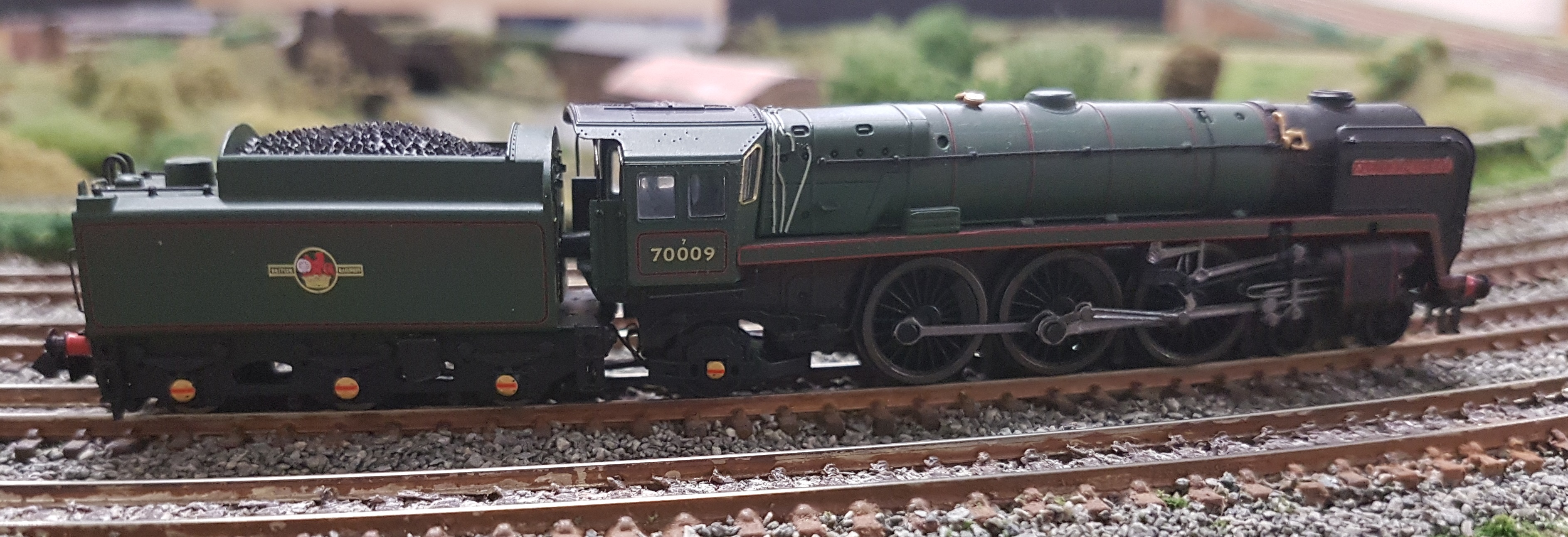
However, I did test my bargain Dapol Britannia.  Half-price and I think that it’s a good on, as it seemed to run smoothly without derailment in both directions.  I couldn’t resist buying it, as Britannia’s were one class of locomotive that I saw a good number of during the final days of steam.  Not a bad model at all of a handsome prototype, but crying out for a better scale chassis.

20170302_203053

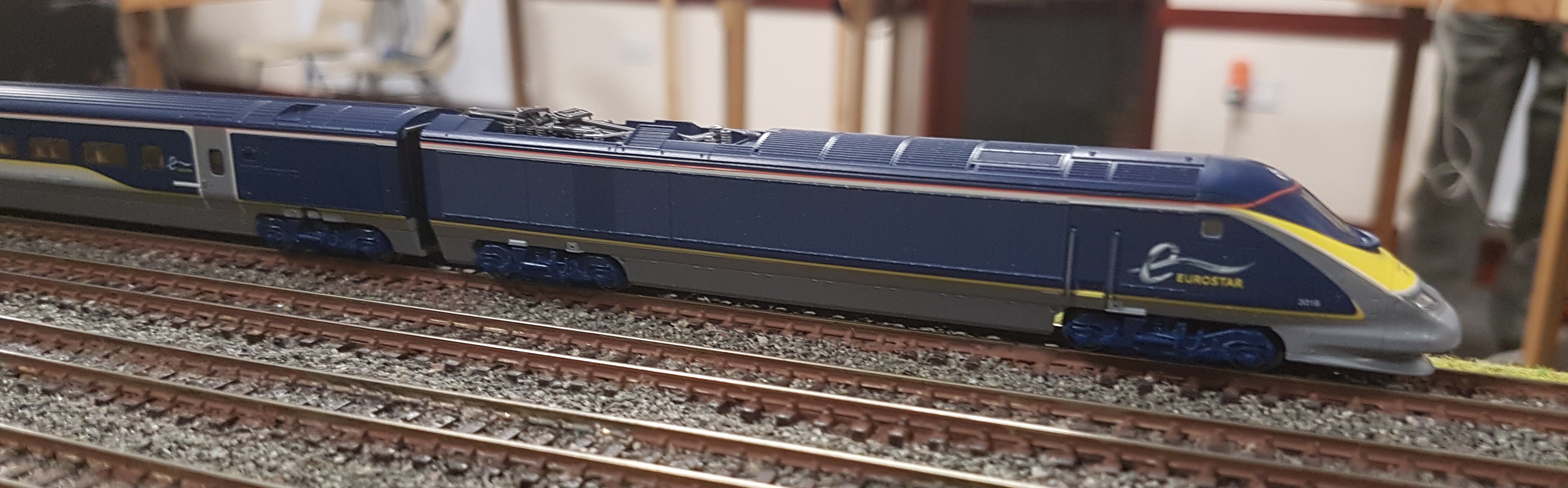
Graham continues to collect very fast trains.  His latest addition is this Kato Eurostar in the new dark blue livery.

20170302_203131

The only other excitement for the night was the news that I will be out of the country for the exhibition in April.  Should be no problem – it’s all organised, just troubleshooting on the day required.  This did concentrate a few minds, though….

Posted in ESNG, ESNG meetings | Tagged , , , | 2 Comments

ESNG exhibtion – 8 April 2017 – coming soon!

Just over a month to go to the ESNG 2017 show.  All is set, and all we need is some local advertising.  The local paper is a bit random, and it’s more difficult these days to place adverts in shop windows (probably H&S – danger of paper cuts to staff), but I hope to do better than last year.

As for the show contents, here’s a quick reminder….ast Surrey N Gauge are 20 this year, and totally logically are holding their 19th annual exhibition in Redhill.  Same venue as last year, but they’ve finished rebuilding the school and the free car parking is back.  Should be up to the usual standard (whatever that is!)  Details are:

Sat 8th April 2017
St Joseph’s Catholic Primary School, Linkfield Lane, Redhill, Surrey RH1 1DU

OPENING TIMES:  SAT 10am-4pm
ADMISSION:  Adults £4.00  Concessions £4.00  Children £2.00  Family £10.00
Still the N gauge show of the South. ESNG is 20 this year. We have the usual mix of N gauge layouts, including 3 modular layouts, and specialist traders. We are again at St Joseph’ School, with the benefits of all exhibits on one level, free parking (it’s back), and refreshments including real coffee!

LAYOUTS
ESNG N-Mod & N-Club (UK Modular Layout)
West Sussex N-Mod (Modular Layout)
Alpenbahn & N-Club (German Modular)
Santa Barbara (USA, West Coast)
Tunbridge Wells Sidings (Southern Region)
Atlantic Road (UK South London Modern Image)
Forrestone (UK Modern Image)
Oakhurst (UK Preserved Line)
Three Gates (UK Shunting Layout)
Kato Racetrack (Japan, Bullet Trains)

TRADE
BH Enterprises
Ian Grace (Rail & Military)
Invicta Model Rail
JB’s Model World
NscaleCH
ESNG Club Shop

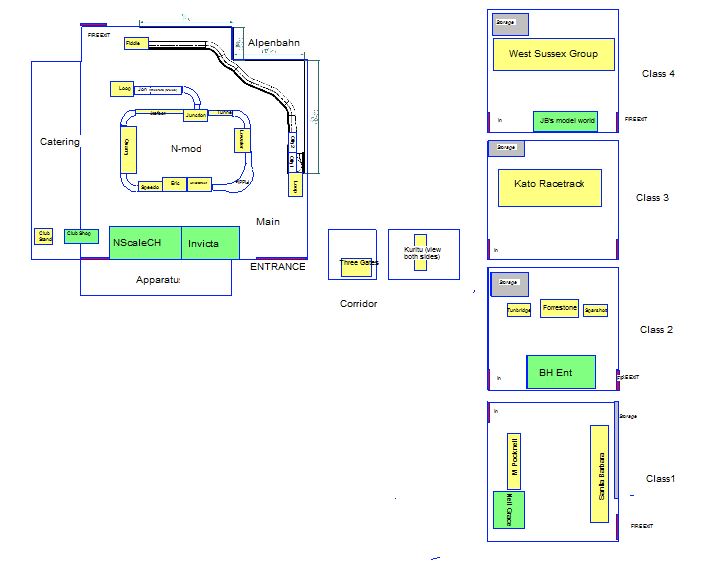
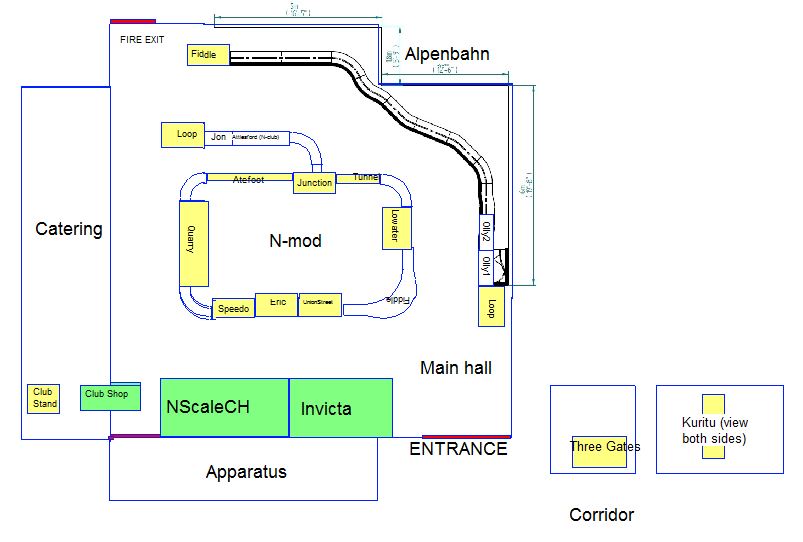
The masterplan is as shown below!  Lots of good things to see and buy, I hope…

esng_2017_1 esng_2017_2

Posted in ESNG, ESNG meetings, Exhibitions | Tagged , , , | 1 Comment

Hindsight is perfect….

A few quotes from the February 1975 Modern Railways show that a lot can happen in 40 years, most of it beyond one’s wildest dreams.  From an article on the “London Rail Study”, a government appointed team looking at railways in and across London….

British Rail north-south through running

While some potential is seen in the reopening of the disused tunnel between Farringdon and Blackfriars, the transmission of delays between what are at present self-contained operating areas would be one unwelcome result.  Nevertheless, as a secondary priority, £10 million has been allowed for preparation of a through running scheme.

WRONG!  Thameslink has been one of the great transport successes of the last 20 years.  Wikipedia tells me that:

It opened as a through service in 1988 and by 1998 was severely overcrowded, carrying more than 28,000 passengers in the morning peak….

The Thameslink Programme is a major £5.5 billion scheme to extend the service to a further 100 stations and to greatly increase capacity on the central London section to accommodate more frequent and longer trains, scheduled for completion in 2018.

£10 million…. £5.5 billion….. Who’d be a report writer.

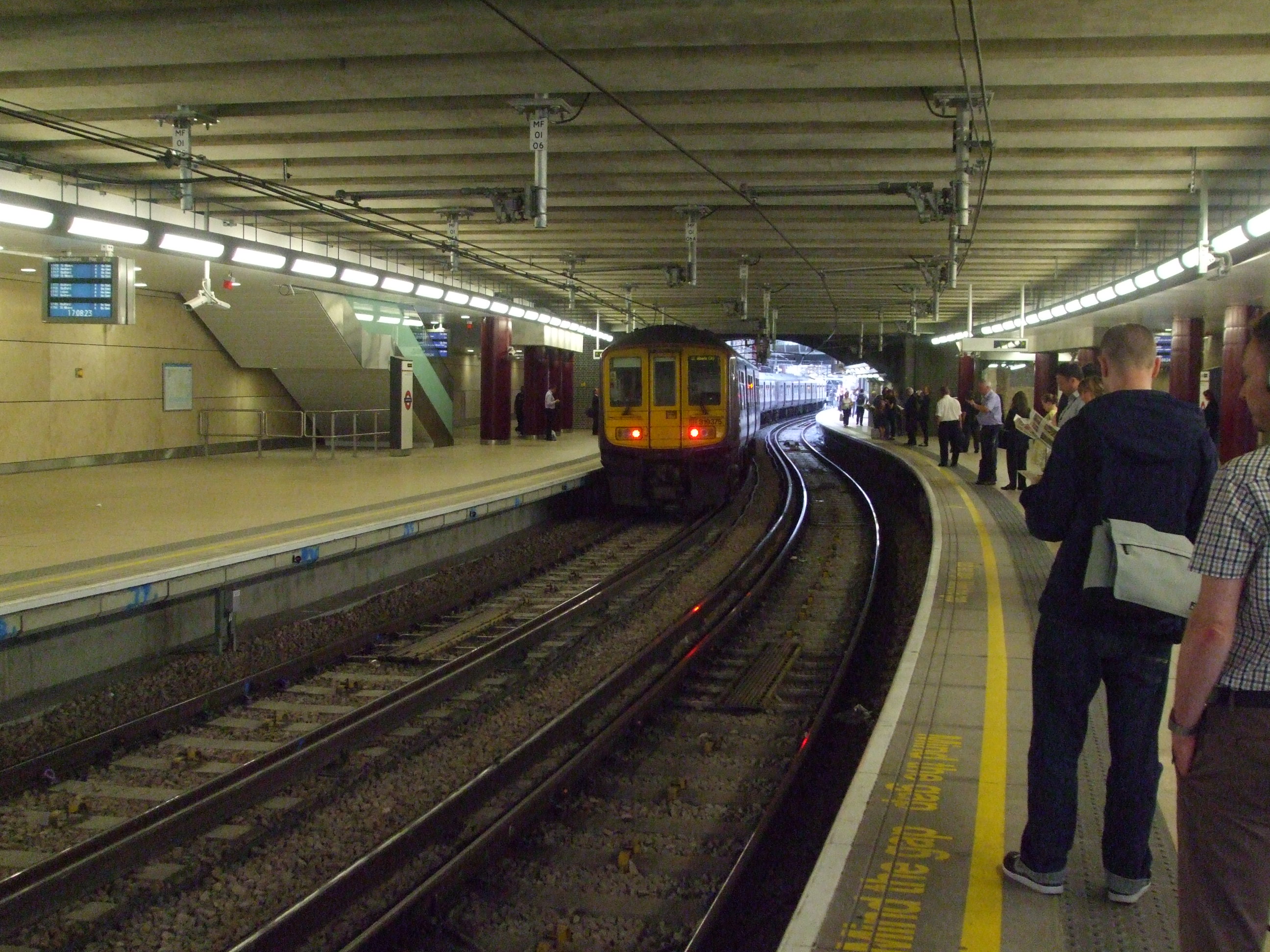
farringdon_station_thameslink_southward_extension_look_north

The change from third rail to overhead pantograph is made at Farringdon

They did a little better with this one, but it took some time to get there….

British Rail Crossrail

Crossrail envisages the construction of two deep-level cross-London links to allow BR passengers to reach central London direct by linking Western Region and GE lines to the north and Southern Region routes to/from Victoria/London Bridge to the south.  There would be an interchange at Leicester Square.  Though very costly – in the region of £300 million – the benefits could be considerable and further feasibility studies on the practicabilities of such a scheme are strongly recommended.

Well, we have a link from Western Region to the GE lines and then into south-east London, opening December 2018, 43 years after this was written.  Must admit the “British Rail” and “region” dates it a bit – as does the £300 million.  Latest estimate is £15 billion.  Crossrail 2 – the rest of the links envisages above – may come by the 2030’s.

crossrail-route-map-geographic-outline-interchange

Finally, from that always interesting and usually wildly wrong section, the letters page….

Sir, I was very interested by Graham Robson’s article and especially his criticism of the investment by British Rail in HST and APT.  Although I disagree about the latter, which will represent a significant advance, I wholly endorse all he says regarding the HST.  Indeed he echoes sentiments I expressed in a letter published in September 1972.

Now that some HST sets have been ordered I suppose they will have to be used.  I would suggest, though, that the number be curtailed and that those which are delivered be allocated to specific prestige services on non-electrified lines – if necessary they could be called Pullmans – with supplementary fares.

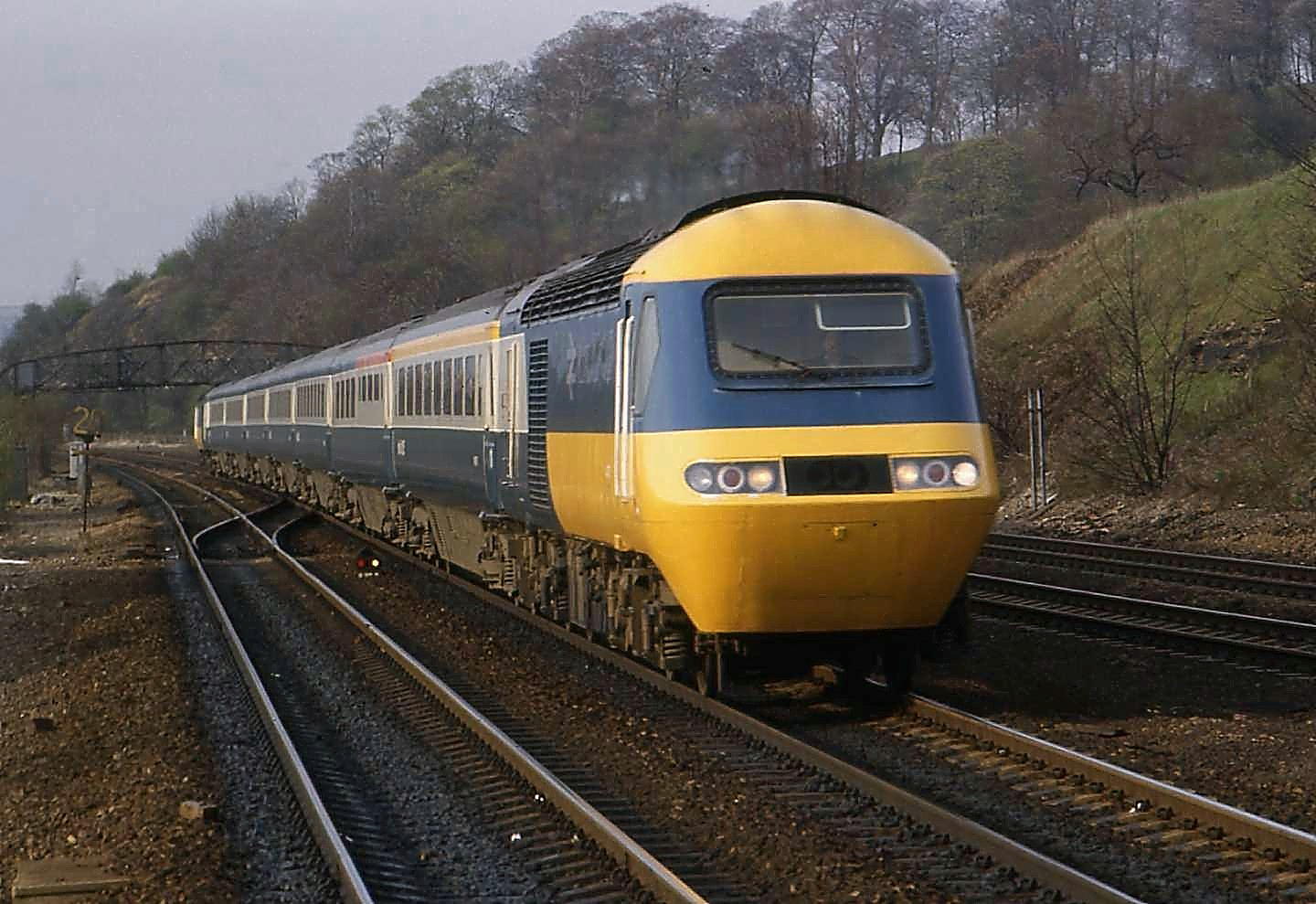
VERY, VERY, WRONG!  The HST 125’s restored British Rail’s image at a time when train travel was suffering from a terrible image and low self-esteem.  Over the years, their distinctive outline has become a design icon (OK, so has the Honda 90 motorcycle, but you get the point.)  The fastest diesel trains in the world, they immediately introduced 100-125 mph services to the East Coast main line and the Western Region from Paddington.

hst1

They continued to provide Intercity services, gradually being filtered onto other main lines as electrification continued….

hst2

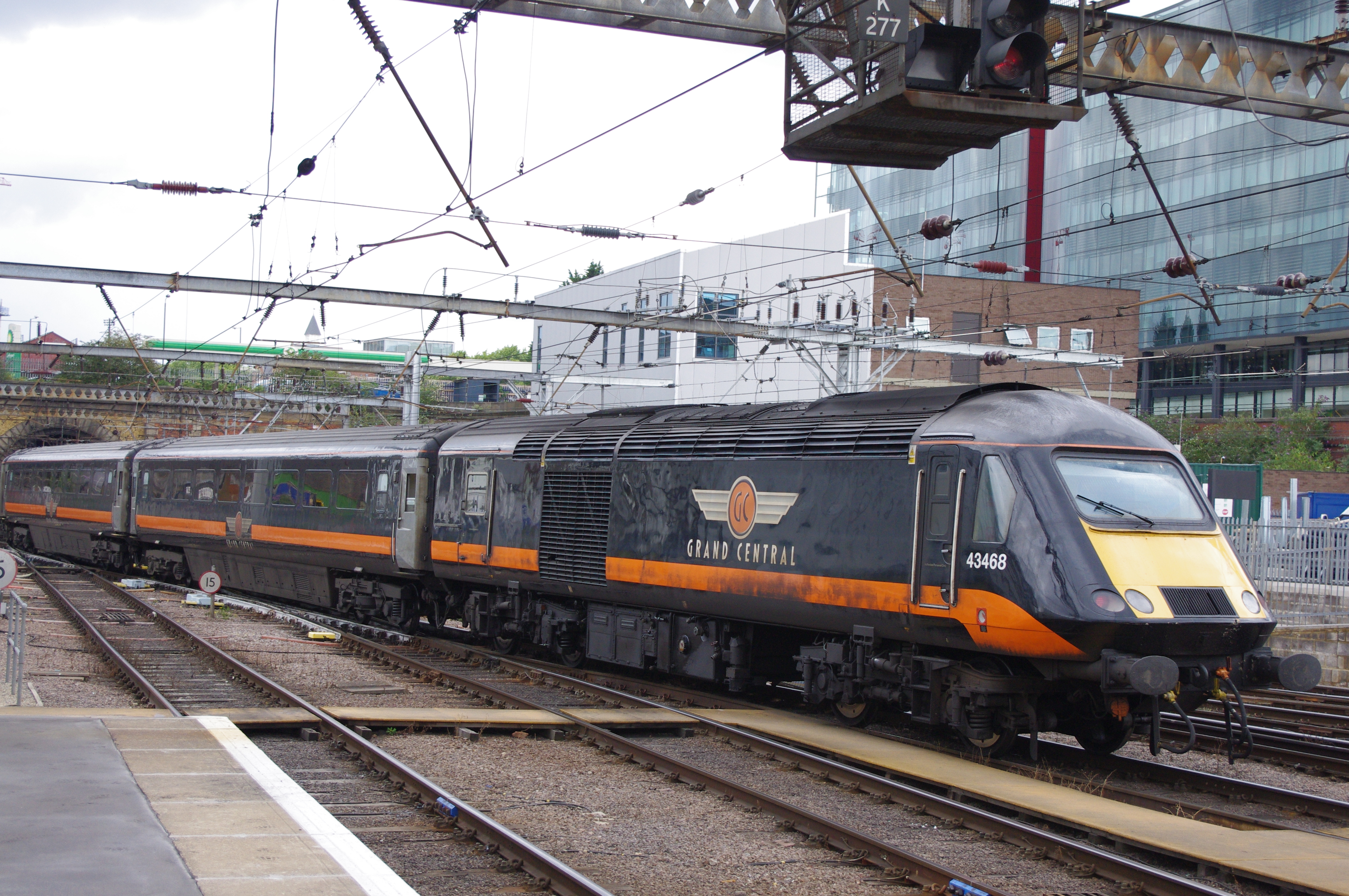
And then they were filtered further to secondary cross-country services and to a number of privatised operators…..

hst3

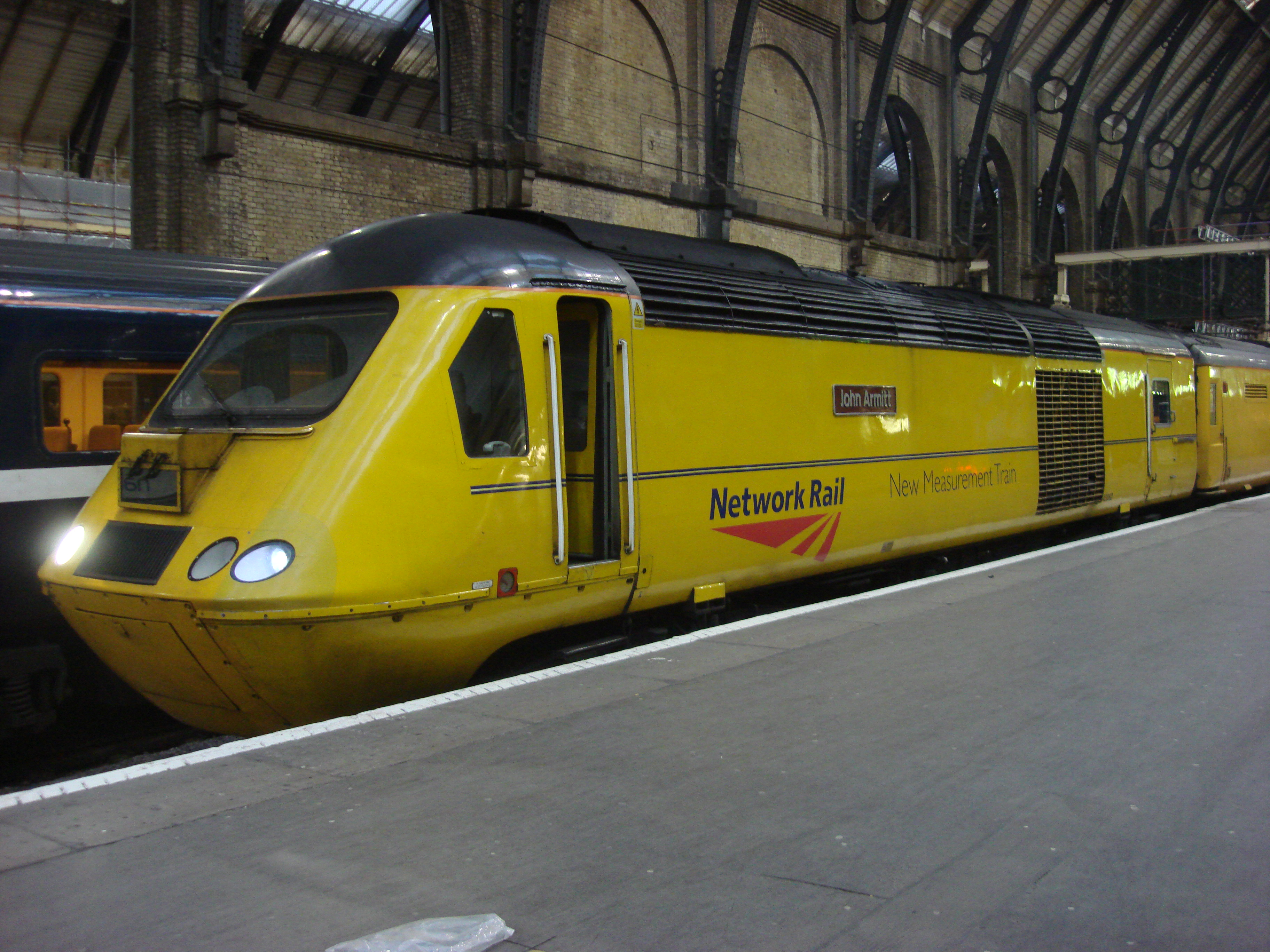
And even into departmental use….

hst4

HST’s are expected to be phased out by the end of this decade, giving them 45 years of generally reliable high-speed service.  And I suspect that some units may last even longer on secondary routes!  It’s a good thing British Rail didn’t listen to the “experts”.  And don’t get me started on the APT!!!

Posted in Prototype, Weird and wonderful | Tagged , , , | 2 Comments

Another prototypical Minories…..

Reading the July 2011 Railway Modeller, I came across another ‘almost’ Minories design, and a very attractive one at that.  This is the ex-LSWR station of Windsor and Eton Riverside.  Windsor had an LSWR and a GWR terminus, both angling, no doubt, for the royal patronage to get to Windsor Castle.  Both were just a few hundred yards from the station.  The LSWR terminus is slightly smaller, with the attraction of being next to the River Thames, and having the castle as a backdrop.

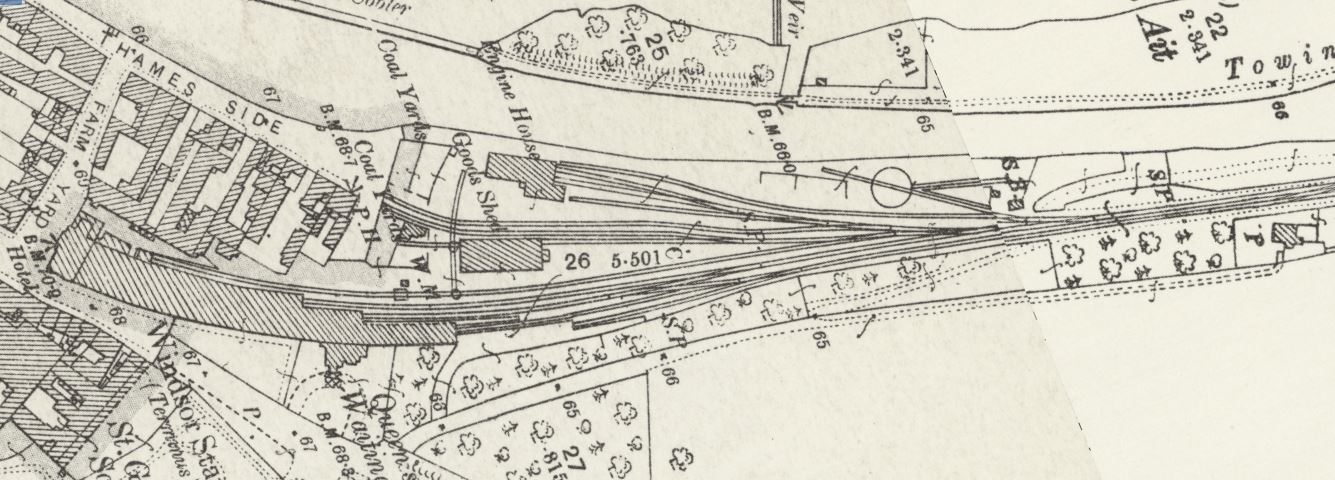
Here’s the track layout around 1900….

windsor

National Library of Scotland – Creative Commons

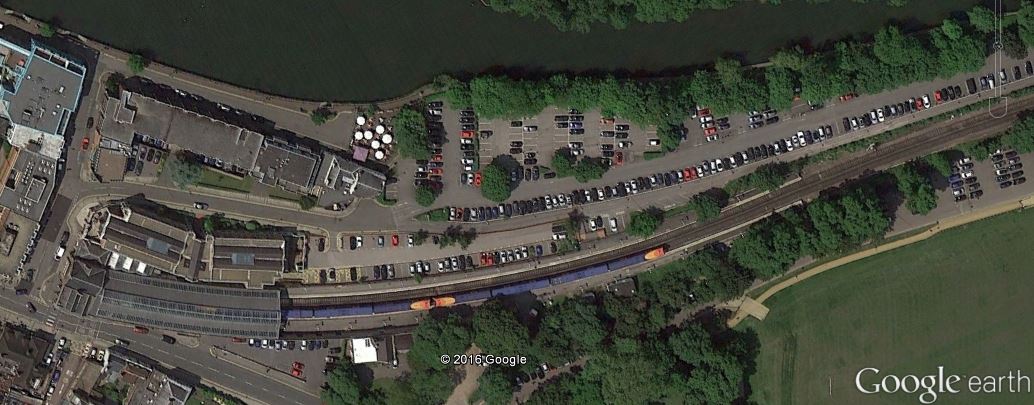
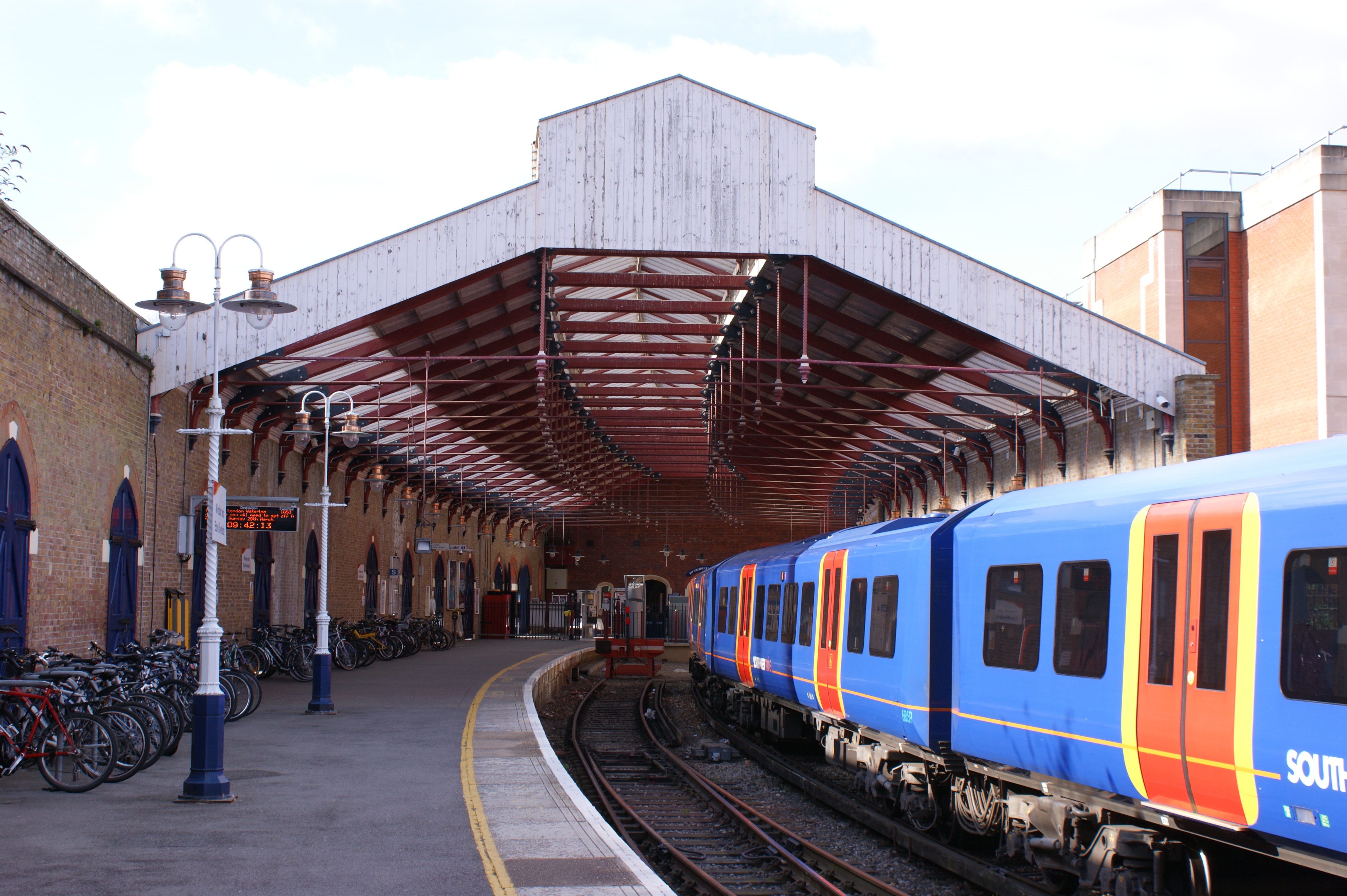
The castle lies just to the south-west.  Note the queen’s waiting room on the south wall of the station, and the Thames to the north.  Here’s what it looks like today, with two platforms still in operation, and a South West Trains service at one of them.

windsor2

The Railway Modeller plan is for modern days and suggests moving the station a little closer to the Thames, so that the river forms a foreground feature, and moving the castle slightly east, so it forms a background to the station.  Reasonable enough changes, if you are not concerned with total accuracy.

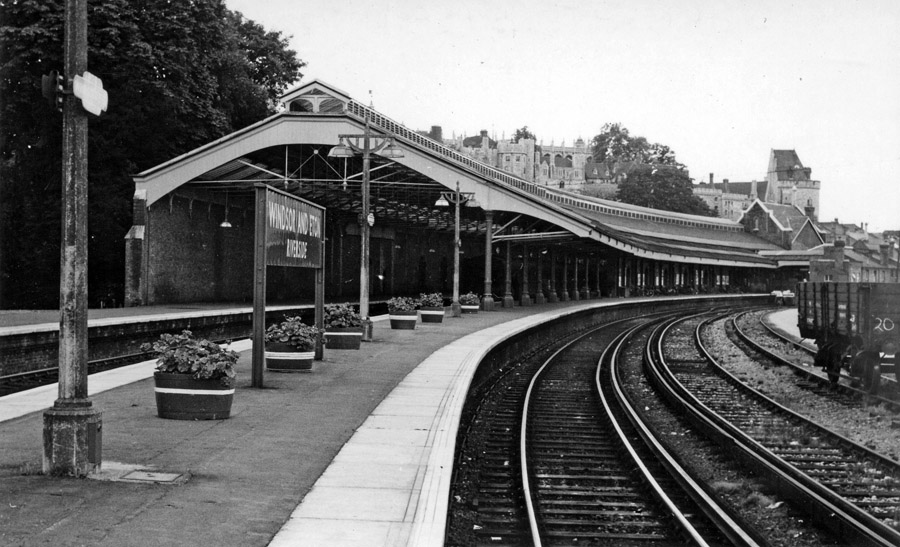
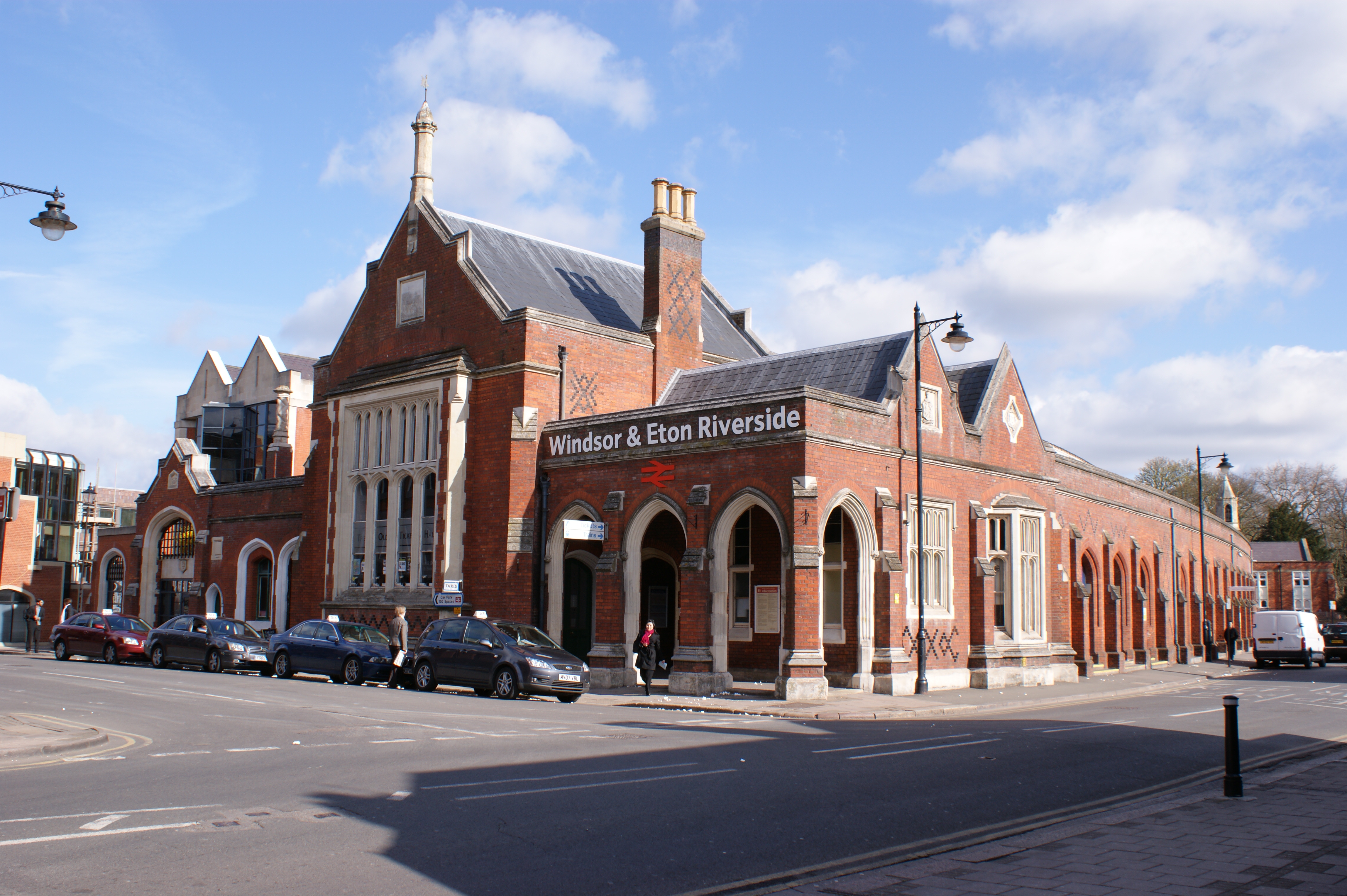
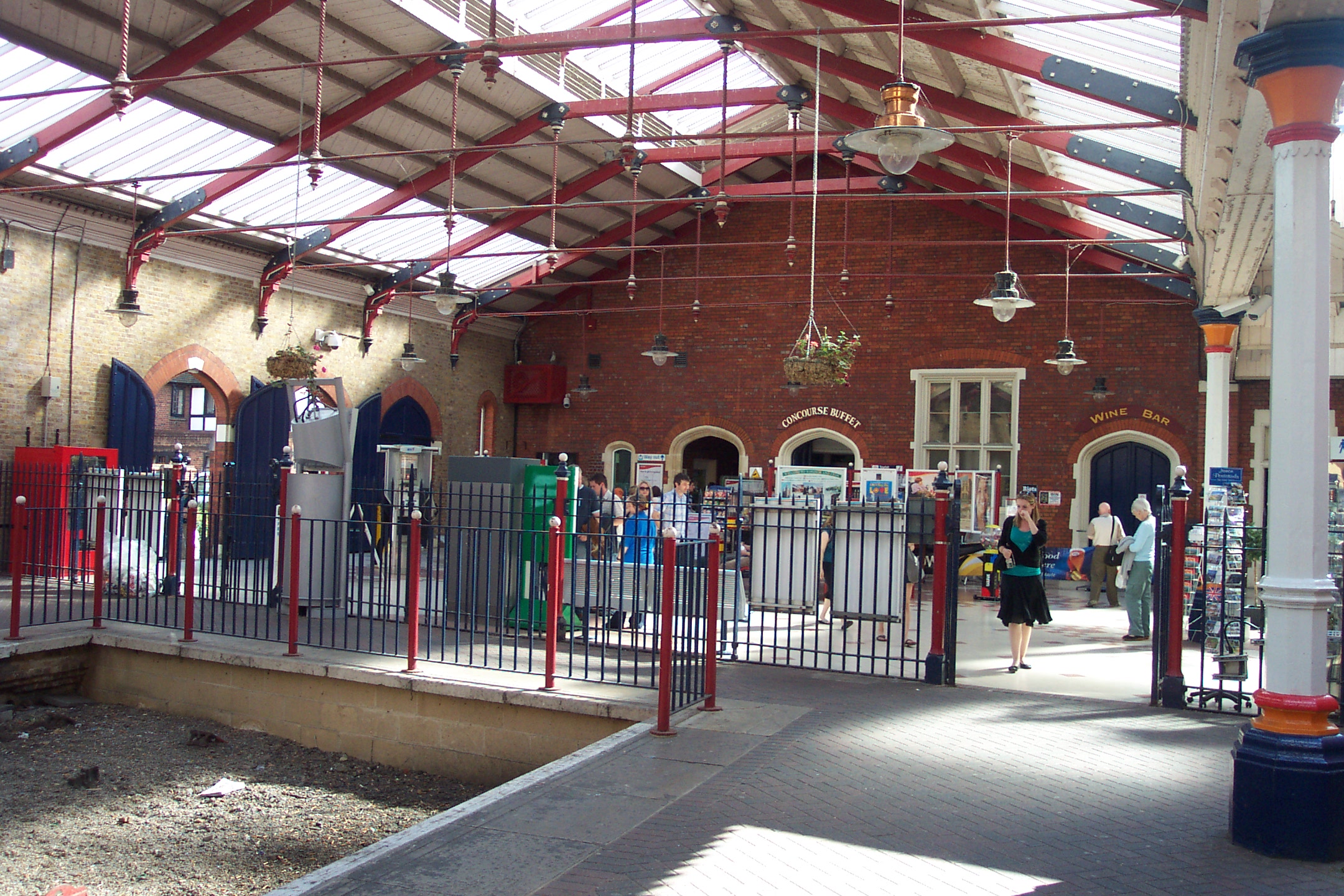
Most of the ornate station buildings are still in place, as is the curved south wall of the station with its large, high, doors for mounted soldiers with funny pointed hats, and the royal waiting room itself.  I’ve added a few non-commercial photos below.

4700620_8469f55f

riverside%20station%20platforms%20900

SONY DSC

SONY DSC

windsor_and_eton_riverside_railway_station_2

I think this would make an excellent model in electrified days (the third rail was added in 1930.)  The same layout would allow Southern steam and multiple units and also early BR livery with the same track layout and scenery.

Posted in Hints and tips, Inspiration, Layout design, Out and about | Tagged , , , | 1 Comment