ESNG meeting – 21 December 2016

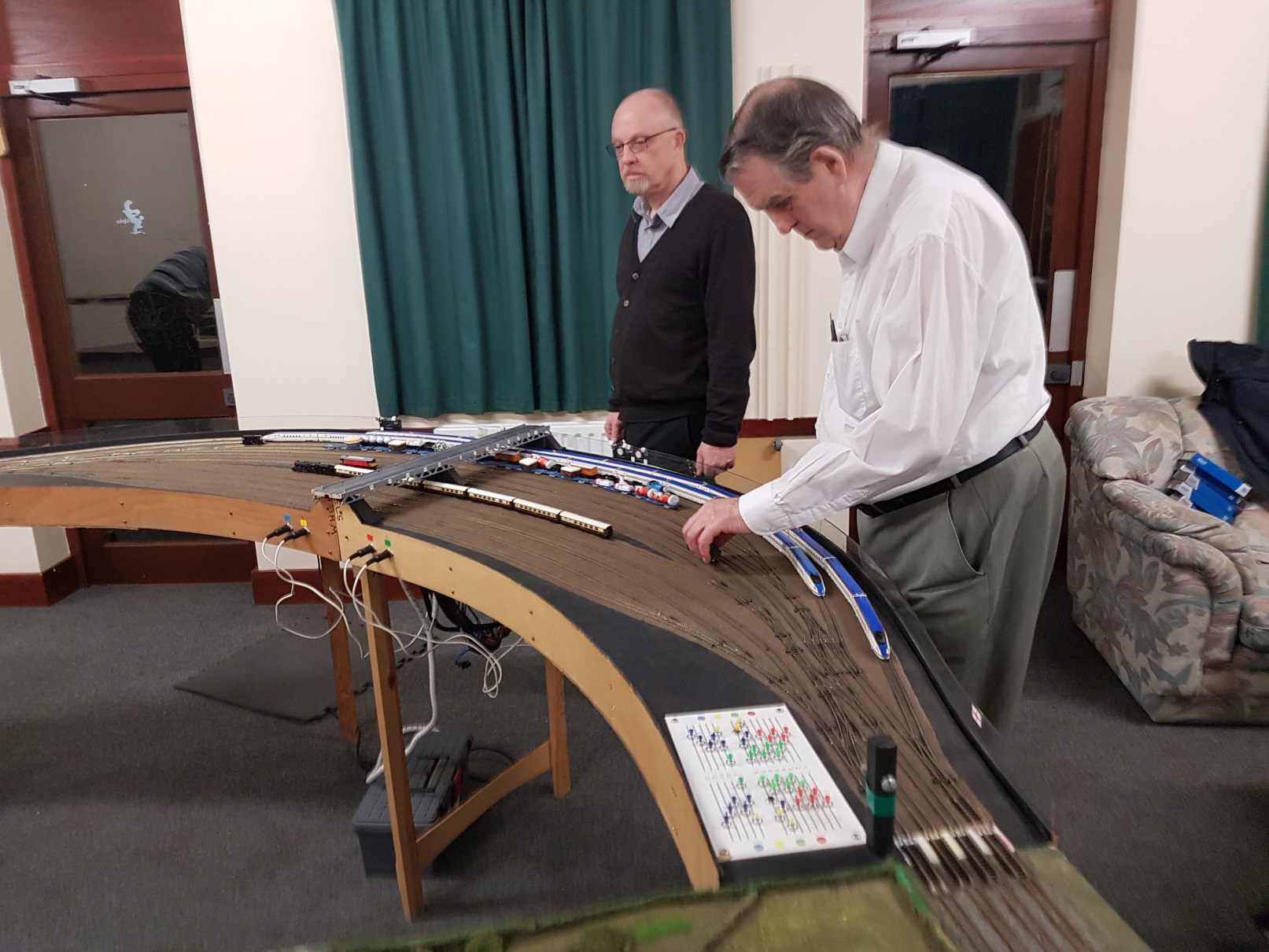
‘Twas the night before Christmas – well, it was the last ESNG meeting of the year.  It was also surprisingly well attended, as we all tried to escape the Christmas preparations.  Ten members present, plus a couple of visitors from the church when rain and lack of numbers meant carol singing was abandoned.  We were missing the Cha(I)rman again, due to Christmas milk rounds and family visitors.  I shall have to post a picture in the newsletter – ‘Lost – ESNG chairman.  If found……’

There was plenty on the move, despite an initial Railtrack points failure in the fiddle yard meant that services were a bit like Southern – one train on the go if you were lucky.

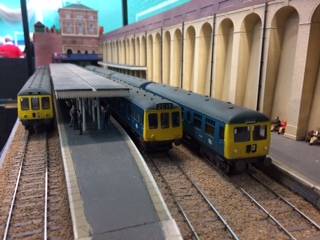
20161221_200616

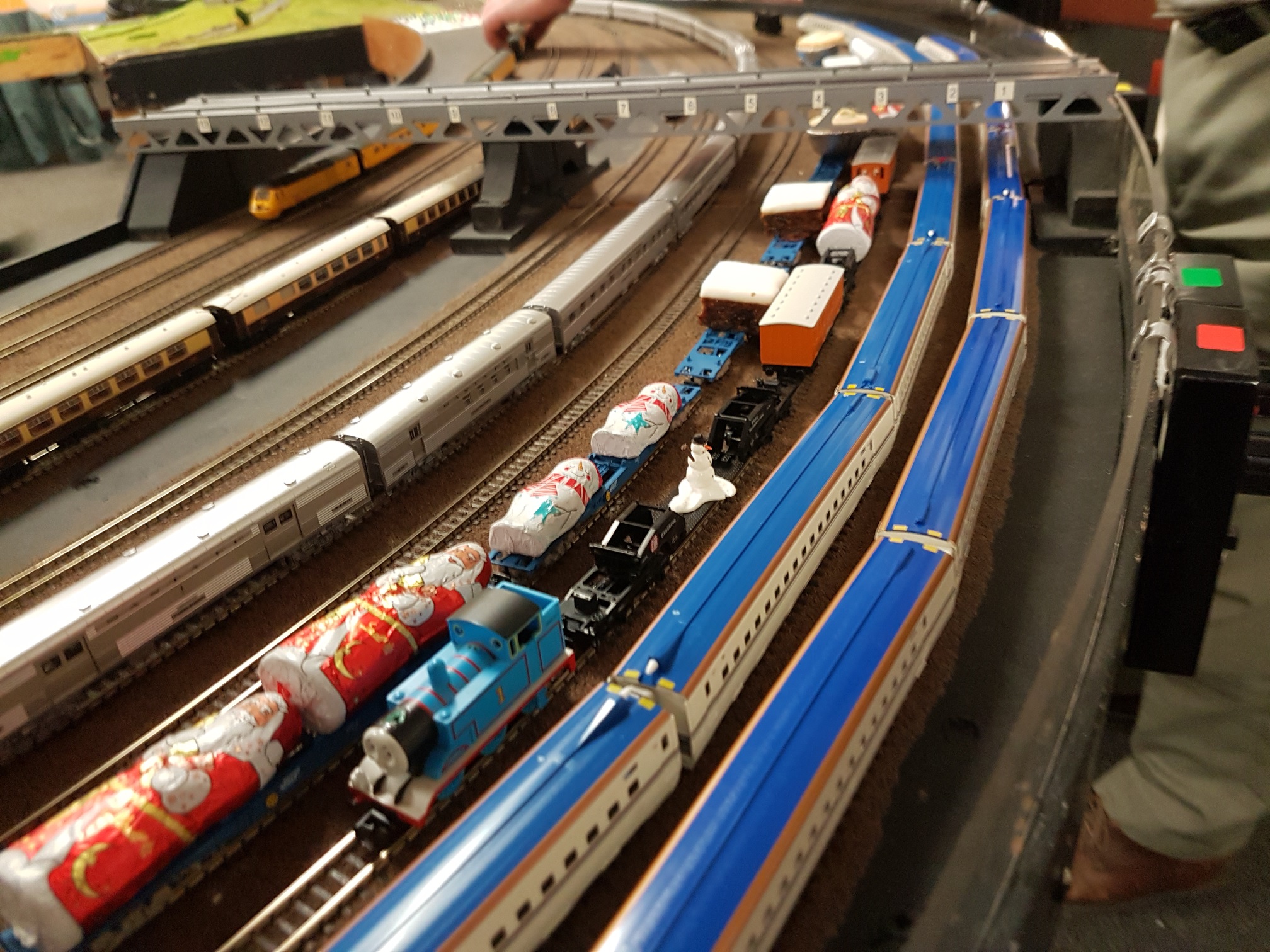
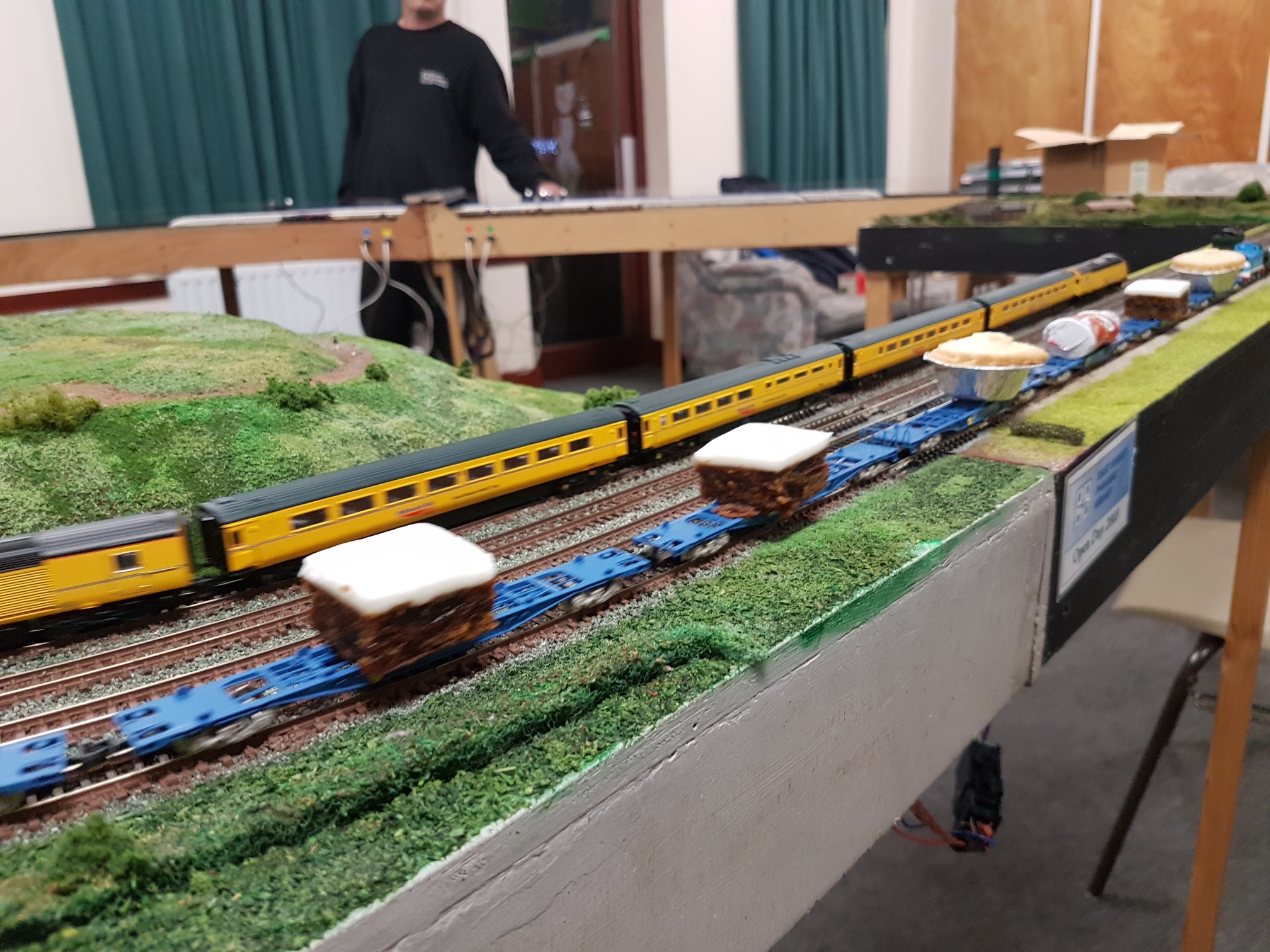
Here we have Paul’s bullet trains and Santa special, Simon’s long Santa Fe passenger service, Phil’s Pullmans, and Martin’s Railtrack HST.

20161221_200653

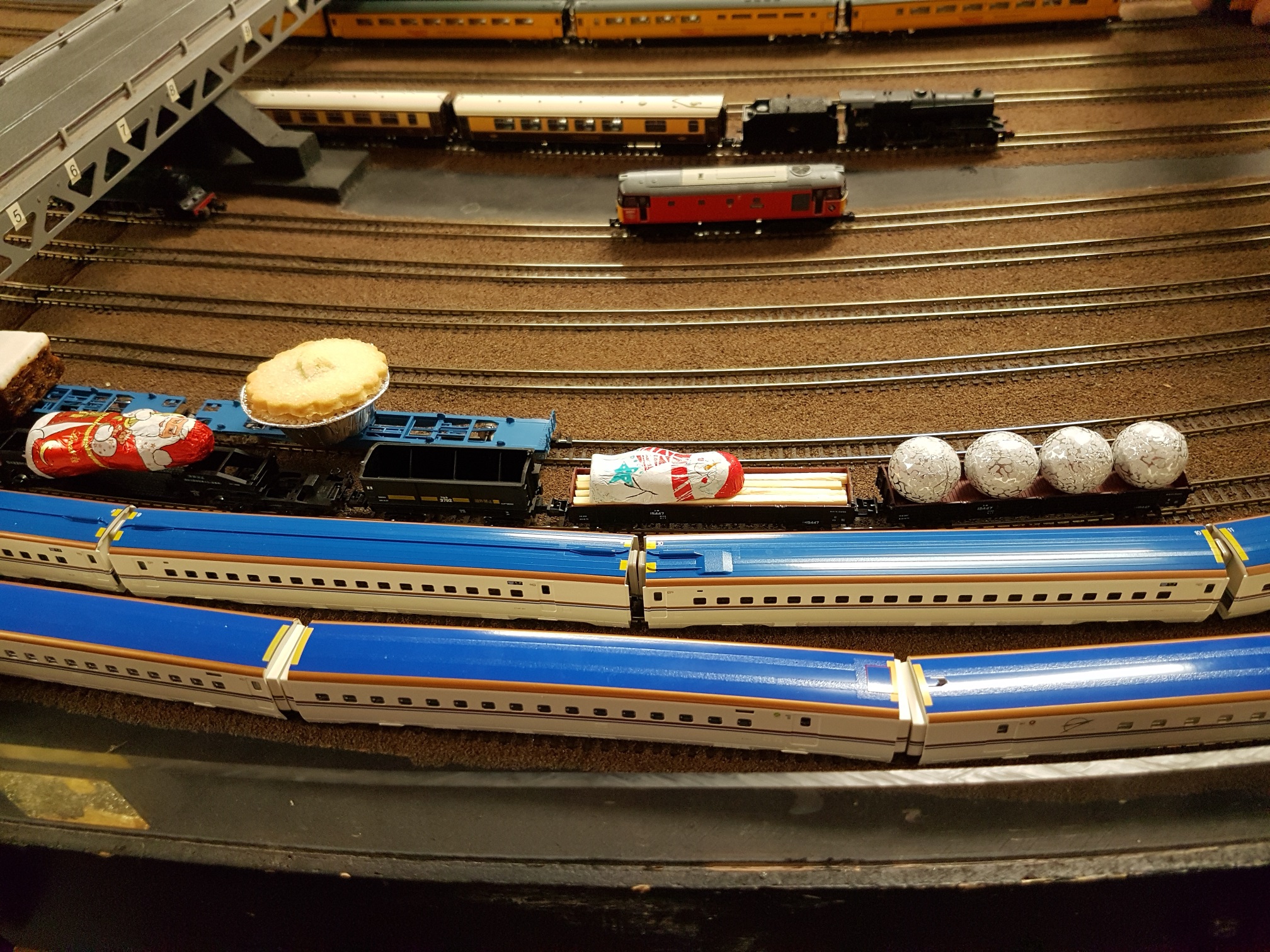
The mince pies were a little out of gauge, and the Christmas tree didn’t fit under the bridge, so had to be removed from the train!

20161221_200726

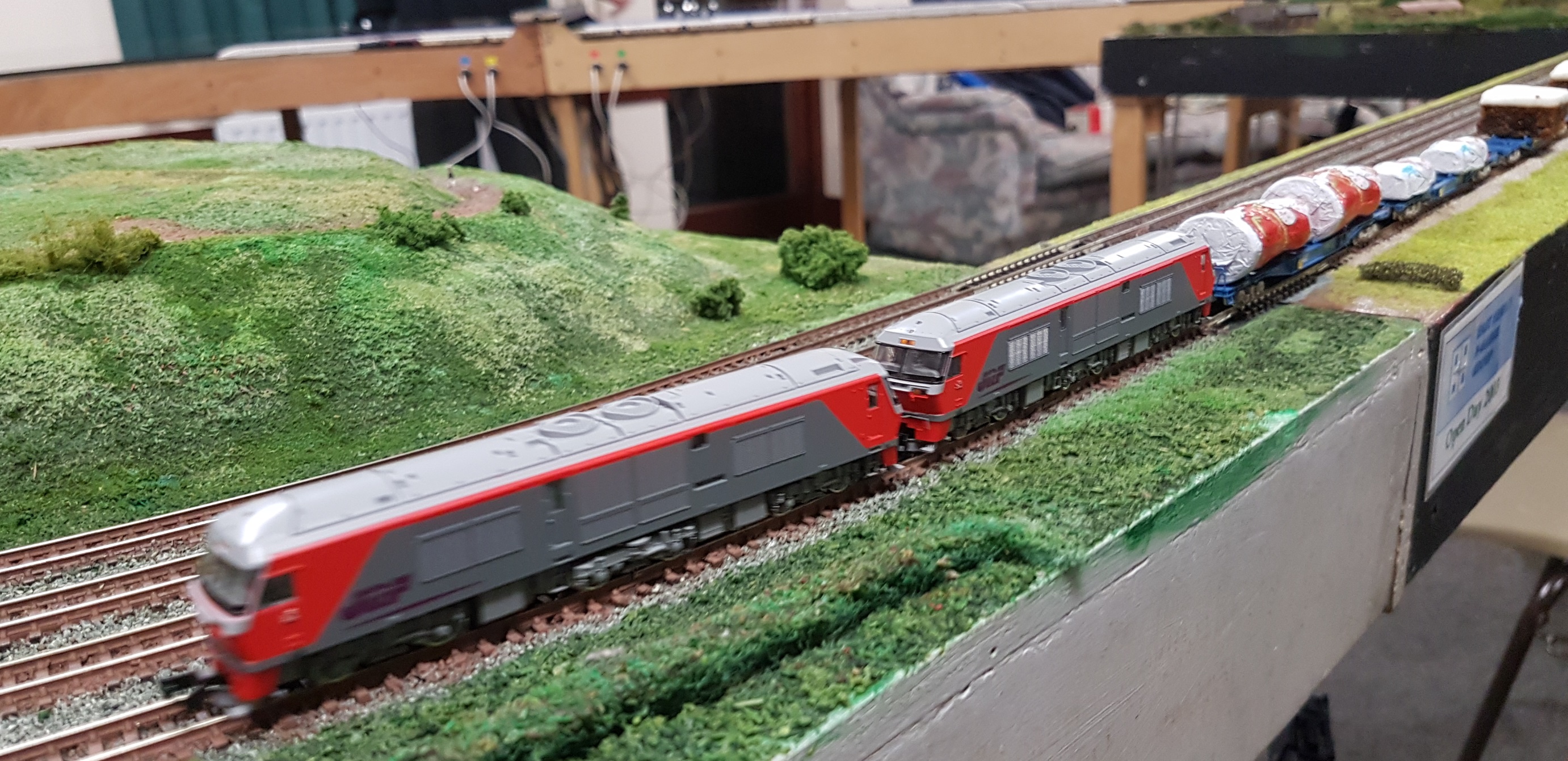
Out on the main line, pulled by a couple of Japanese diesels.  I have often wondered why the Bo-Bo-Bo wheel arrangement is so popular in Japan, but rare elsewhere?

20161221_201047

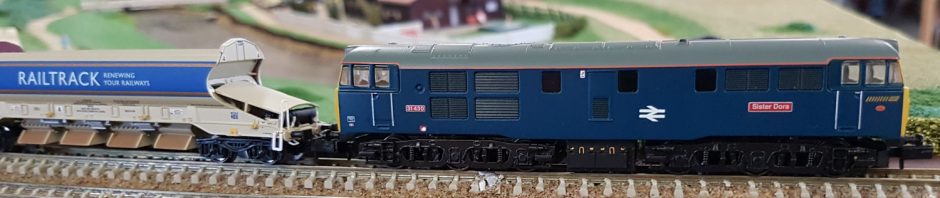
No doubt there were a few raised eyebrows in the Railtrack inspection train….

20161221_201055

Neil came in later with a number of Stuttgart bargains, and a box of stock that he proceeded to test run and try to sell to Honest John.  He even succeeded with some of it.

Posted in ESNG, ESNG meetings | Tagged , , , | 2 Comments

Minories #2 – Out in the suburbs

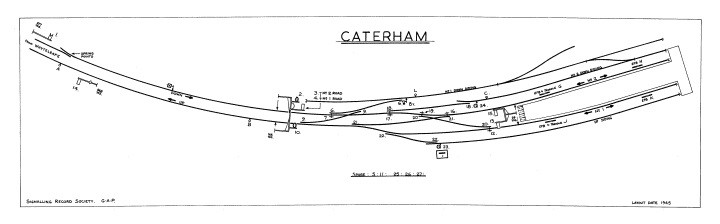
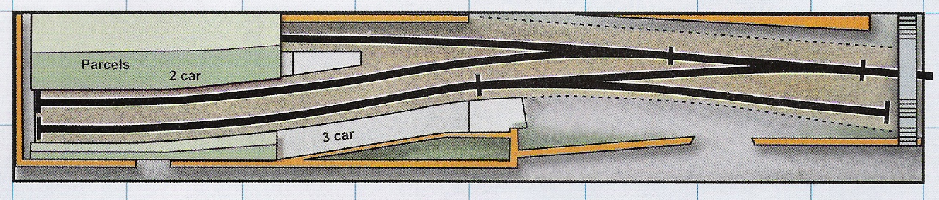
If you leave London, and head to the other end of the commuter lines, a Minories like design, sort of ‘mini-Minories’ is another option.  Iain Rice published this excellent design, loosely based, I think, on the outer-London terminus at Caterham.

minoroesrice_0003

Notable features of this design are the use of slip points to keep the interesting complex trackwork at the throat and the way that this compresses the classic Minories design and means that the platforms stretch for 4’6″ of the 6’6″ design (in OO).  For N gauge, this could fit neatly on a 4′ board, giving a little more elbow room.  Keeping the full length would allow 8-car EMUs in the station.  Another good feature is the prototypically wide platform – we are too inclined to have very narrow platforms on our models.

Again, the design allows for an intense suburban service, and the occasional goods train for the coal siding.  We do, perhaps, lose the parcels traffic, although one could include a daily service, assuming an adjacent depot.

When one looks at some prototype track layouts on the Southern one sees how Rice has captured the suburban character.  Caterham, Bromley North, and Allhallows all look very similar and modelable.  I like the layout of the crossover and single slip at Bromley North, and Allhallows gives an excuse to use the Peco scissors crossover that you bought, and don’t know what to do with!

r1795c

r1633c r1888c

Bromley North has been captured in an excellent little layout, that you can read about here.  The layout is now defunct, but captured some of Bromley’s character.  It did, however, have a modified track layout, and far more traffic than seen by the real thing.

Of course, if you want a real mini-Minories, some of Ian Futer’s tiny layouts take a lot of beating.  Here we have Victoria Park, an inner city terminus in OO in 4′.  Although it has a single track entrance, this does allow a visual trick to turn it into a double track terminus.  If the kick-back road is extended under the footbridge and into the fiddle yard, one can assume a double track main line, with the other crossover lying out of view.  It also makes the fiddle yard very simple with two points and four roads to the right, as bi-directional running can be carried out on both tracks.

victoria-park-actual

Finally, returning to the city centre, I can recommend the London Reconnection site, that contains excellent articles on London rail past and present, and often very interesting maps and track layouts.  The series on what is now Thameslink, through Holborn and Farringdon is most interesting.  This 1916 map shows the complexity of the lines, mainly underground, in this area – and linking with Moorgate and the original inspiration for Minories.  Perhaps most interesting is the numbers of goods depots tucked below ground behind London streets, belonging to the various pre-grouping railway companies.  These hidden lines could make excellent models, much as the little New York City yards do.

widenedlines1961

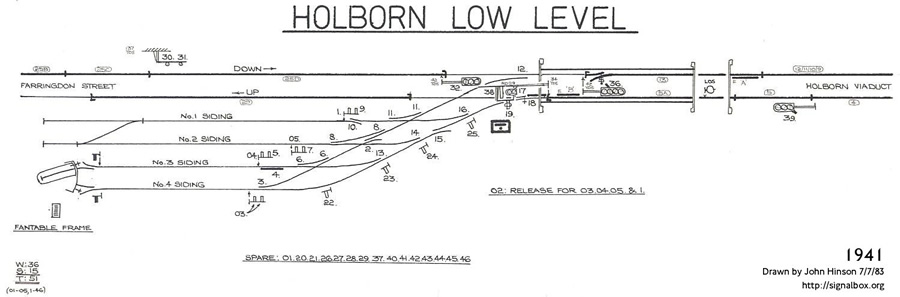
Finally, for the track-builder, how about Smithfield Sidings, just north of Snow Hill and Holborn Viaduct station?  To quote from the site:

As the GN depot plan makes clear, the Smithfield Sidings ran alongside the GN depot but were not connected to it. There were four sidings, and were mainly used by London & South Western Railway (LSWR) stock after working the Richmond to Ludgate Hill services, which ran via Addison Road (now Kensington Olympia). The empty trains descended to the sidings, two of which had a turnplate for reversing locomotives.

If you modelled this, no one would believe the track design.

holbornll1941

Later this month, I hope to write a final post, with a couple of new Minories ideas, based on the last couple of posts.  Maybe a Christmas job…..

Posted in Hints and tips, Inspiration, Layout design, Out and about | Tagged , , , | 4 Comments

Minories #1 – the original design

There are few model railway plans that can be deemed ‘classic’.  One surely must be the late Cyril Freezer’s ‘Minories’ plan.  The plan was the result a flash of inspiration whilst waiting for a train, then some doodling to try the recreate the Metropolitan station at Liverpool Street.  The classic design that emerged was a three platform terminus.  The terminal throat is an interesting pair of crossovers which mean that any movement only involves one reverse curve.

Over the next few days, I would like to post on the ‘Minories’ plan and delve into variations of it.  I’ve gathered a number of track layouts from RMWeb posts and other locations – I am not sure of the copyright on some of these, so I ask the owners patience if I post something I shouldn’t.

The original Freezer design was for TT gauge, to make use of the then new Triang ‘Jinty’ and suburban coaches.  It was on a pair of folding boards, set in a cutting with retaining walls, like the original Metropolitan line.  He later redrew the plan for OO and larger radius points, as shown below.  The simplicity, yet charm, of the plan is clear….

minories-close-up

Despite the simple track layout, an intense loco hauled commuter service would provide a lot of operating fun, especially with small tank engines and 4- or 6-wheel coaches.

The kick-back siding wasn’t in the original design, and provides additional train storage, or room for a parcels or milk depot.  Another of Freezer’s original Minories design had a two road parcels depot to the left of the platforms, linked to the kick-back siding.  This would give more entertainment, but makes the layout wider.  The narrow boards of the above design makes it look longer than it really is; this illusion is lost with a wider board.

The basic track plan can be modified, but change it too much, it loses some of its original genius.  Three bits of plan from RMWeb show some ideas.  Add a third running track as below, and you have easier access to platforms 2 & 3.  However, I wonder whether loop would be better as second loco spur, or as the parcels depot.

post-6882-0-26341300-1384095900_thumb

Then it’s possible to add a loop, so that the kick-back doesn’t need a second locomotive to haul the train back out of the station.  Perhaps better operationally, but I feel that it does lose a little of its big-city image.

post-6882-0-94977700-1384220371_thumb

The strength of Minories is using basic pointwork to give a visually interesting and complex station throat.  If you like making track, how about the layout below.  Note also the addition of the carriage sidings/parcels depot.  Somehow this looks better than in the Freezer original, perhaps as the layout itself is longer, so the proportions still look long and thin.

post-11380-0-79397500-1346103088_thumb

For comparison, here’s the layout of Marylebone, the Great Central Railway’s London terminus.  If you simplify the four-track approach, it’s almost a Minories – even down to the milk dock next to the platforms.

marylebonestn1945

And this is the kernel of a Minories/Marylebone plan with large radius pointwork.  A neat way of getting four platforms, but I miss the loco spur.

post-2-12625858880689

Finally today, I’ll give links to a couple of classic Minories layouts.  To mark the 50th anniversary of the design, in 2007 a group of MRC members looking for a new project thought they would try to recreate the plan closely as possible but to aim for a high standard using modern modelling techniques.  Built in EM gauge, the layout is a little larger than the Freezer original, to allow for the larger radius points needed in 18mm gauge.  The site is here.  The layout:

Our layout is built in EM gauge, and our main compromise has been to slightly lengthen the points to give slightly more generous curves making the scenic area about a foot longer and 2″ wider than Cyril envisaged. This allows loco + 4 coach trains – a small reduction from the real thing. Whilst the over-bridges are ideal scenic breaks and joint-coverers, we have avoided the middle hinge device to allow for a deeper back scene, more accurate alignment and to make the boards more manoeuvrable. The baseboards are mainly plywood with some softwood to strengthen the corners. There is a 6-road traverser fiddle yard built from heavy duty filing cabinet sliders and more ply, which allows for a wide variety of trains. Operation is conventional DC control with Kaydee buckeye couplings.

2e1ax_evolution_entry_minoires-3-dmus-ilford-apr-16

The second version comes from Australia, and can be found on Gav’s Workbench, Gavin Thrum’s site.  It also appeared in the Railway Modeller in 2015.  Whilst the MRC got rid of the hinged joints, Gav has hinged the fiddle yard to make the layout a single, foldable, unit.  It’s a very fine variation on the classic Minories design.  I note that in order to maximise the length of the fiddle yard roads, the station throat tracks are bi-directional.  An acceptable ruse to save space, and I doubt whether you notice when operating.

great-moor-street-for-tch-jpg

minories-great-moor-street

Next time, I’ll post on some variations to the basic Minories theme.
 

Posted in Hints and tips, Inspiration, Layout design, Out and about | Tagged , , , | 2 Comments

‘Sorry’

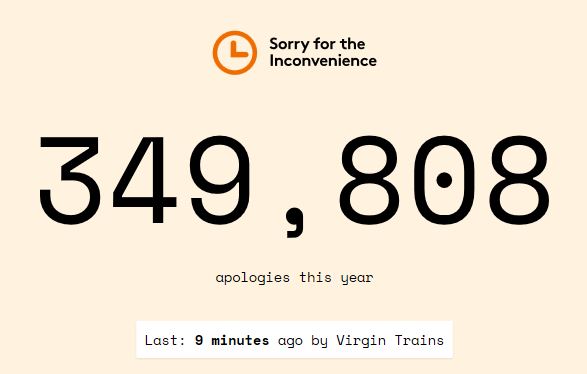
The Daily Telegraph came up with this intriguing website….

Fed up railway commuter builds website to track every time a train operator apologises

Delays, cancellations, strikes, overcrowded trains and irregular services: millions of British commuters know the pain of travelling by rail.

But few have gone as far as Omid Kashan, a web designer and developer in Manchester, who went to the trouble of building a website that tracks every time a British operator says sorry.
The site logs each time an operator’s Twitter account says “sorry” or “apologies” in response to disgruntled passengers.

Try it here!  When I looked, it was showing….

sorry

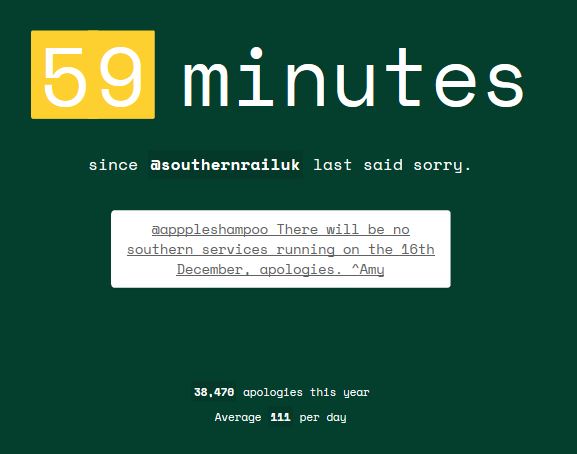
But Southern had the best offering….

sorrys

Maybe ‘apple shampoo’ is a new business line?


If you can’t get into London for work, you can console yourself with this article, “The Tube stations where you’re most likely to be pickpocketed.” 

Nearly 4,000 thefts were reported on the Underground throughout the 12-month period, according to statistics, which were obtained from Metropolitan Police Service under the Freedom of Information Act. That’s an average of 333 thefts per month, or just over 10 thefts per day.

The Tube line most beleaguered by pickpockets is the Central line, upon which 632 reported thefts occurred between January 2015 and February 2016

If you travel through King’s Cross, Oxford Street or Victoria, at least it’s safer to keep off the trains and stay at home!

Posted in Inspiration, Out and about, Prototype, Weird and wonderful | Tagged , , , | 1 Comment

Shelf layout design

An interesting clinic presented at the NMRA MCR “Thoroughbred Limited” Convention May 13-18, 2015 by Philip Gliebe.  It’s interesting as this is an American looking largely at UK branch line layouts for inspiration.  ‘Shelf layouts’ in the USA are often (but not always) the equivalent to the UK terminus to fiddle-yard layout.  Some of his favourite layouts look a little ‘obvious’ to me, but there are some good design tips here.

I have always liked ‘Albion Yard’ and it’s as good in the flesh as the design is interesting.  British goods only layouts are not as common as in the USA, perhaps simply because we have more passenger traffic?

albion_yard

I also liked the simplicity of Fisherrow Yard – it sort of tempts you to buy a Dapol gauge ‘O’ O8 shunter…..

fishellow

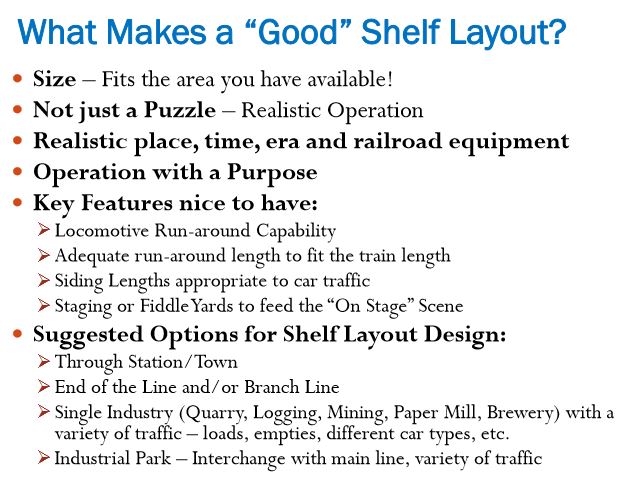
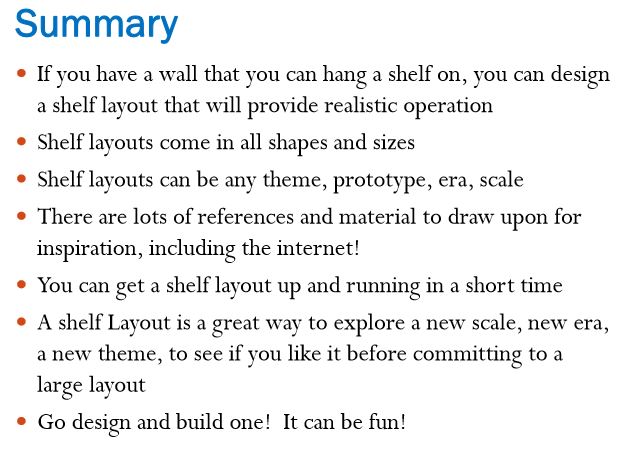
And these slides of advice for shelf layout are pretty sensible…..

shelf1

shalf2

Posted in Hints and tips, Inspiration, Layout design, Uncategorized | Tagged , , , | 3 Comments

New Edinburgh station

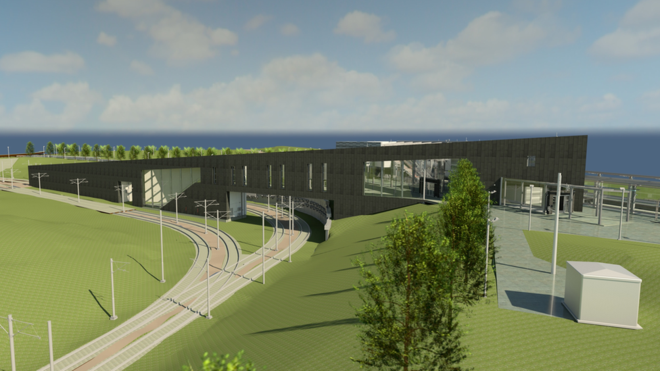
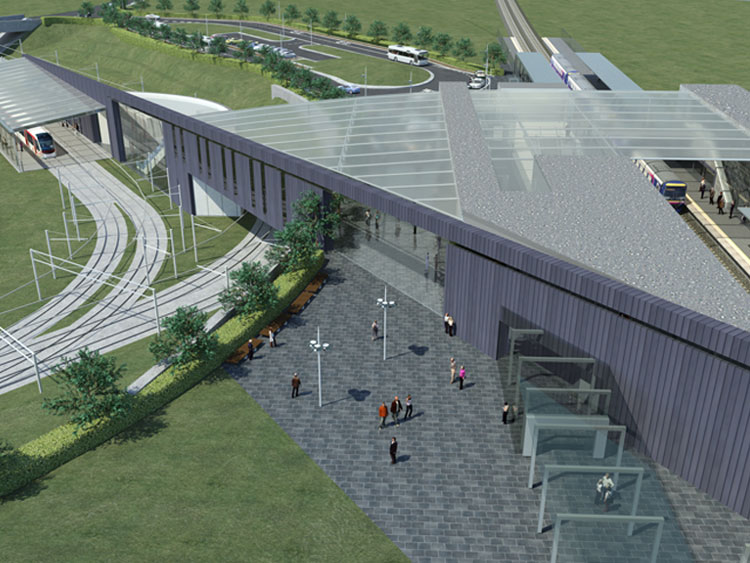
I must have spend 15 years or so involved in the river works around Edinburgh Airport, that is adjacent to the River Almond and the runway and terminal are on top of the flood prone Gogar Burn.  It was interesting to see this article on the new station at Gogar, next to the airport.  This station is on an existing line, adjacent to the airport, and in fact on the route to the nearby iconic Forth Bridge.

The Edinburgh Gateway interchange, situated between South Gyle and Dalmeny, will serve passengers from Fife and the north of the city.  The station will link the capital’s northern train line to the tram network and Edinburgh Airport and offer local travellers services to Perth, Dundee and Inverness.
A combined train and tram ticket will also be available to passengers.  The station lies next to the Gogar roundabout on the A8 and will also have a link to the Gyle shopping centre.

These artists impressions show more than the photos I found online of the opening,

_87812234_photo

Photo: Network Rail

what_s-happening1_large

This seems a better solution, with a station a short tram ride from the airport terminal, than the solution proposed when I was working on the rivers.  The railway would have had a station adjacent to the terminal.  The trouble was that it would then need a very steep gradient for the railway to drop under the runway, and then join the line the new station is on north of the airport.  Special multiple units would be needed, with all carriages powered to get up the slope.  And there were the construction problems of a shallow tunnel under both the runway and the River Almond.  Any mistakes could close down the airport or fill the tunnel with water.

I do miss the occasional day trip to Edinburgh, getting no further than the BAA administrative building next to the terminal.  And it did give me a chance to pick up a haggis at duty free on the way home.  On one occasion, Atlantic gales meant that I was on the last flight out before it got too windy and they stopped all flights.  I’m told that on that occasion the planes were landing, then moving backwards in the wind when they released the brakes.
The other incident of note was when the Pope visited Scotland, and as the lady we were dealing with was also coordinating the papal arrival, we got to see the whole arrival from a control centre.  We asked whether the Pope would be presented with a deep-fried Mars Bar on arrival.  The contemptuous reply was, “This is Edinburgh, not Glasgow.”

Posted in ESNG, Inspiration, Out and about, Prototype | Tagged , , | Leave a comment

No New Ideas

Mike Cougill continues to post challenging – and dare I say it philosophical – articles on his OST blog.  It is not that common to read contributions from authors who can build models, but also to think and write.  Here in the UK, Iain Rice has been one person to fill that niche in the UK – you might not agree with him, but it’s always worth reading what he writes!

I’ve quoted a lot of Mike’s article – probably more than I should – below, as it’s such a good read.

We’ve been shuttling back and forth or going in endless circles since the dawn of model trains. Whether it’s a crude circle of track on the floor or a traditional layout, little has changed with this craft in spite of all the techno wizardry we now have.

What do model trains mean to you? What are you trying to express or capture?

For me, the craft represents an opportunity to pursue ideas and develop skills….

Looking around, I see a lot of mimicry. A theme is popularized and people can’t jump on the bandwagon fast enough….

We excel at imitation but fall short of expressing a truly personal viewpoint. We simply don’t know how…. we need your unique perspective…. instead of more poor imitations.

Realizing that not everyone will connect with my work greatly helped my understanding. It removed the pressure to please others and allowed me to explore subjects and techniques that I found fascinating.

This also applies to our modeling. Many enjoy the social aspects the craft affords yet don’t wish to blindly follow the crowd. If you find yourself here, it can feel awkward……

The fear of doing something wrong holds many of us back. People relentlessly seek the approval of others….

It takes courage to share something that has deep meaning. Doing so leaves us vulnerable to the misunderstanding and insensitivity of others, which can hurt. Yet, we need your courage and example. We need to know the craft has more dimensions to explore than the ones the old guard clings to for dear life.

I think this is great advice.  It’s a more reasonable version of ‘Rule 1’ – it’s my railway.  Of course ultimately for our models to look good we must imitate the real thing.  The most realistic track layouts are based on the prototype.  Bu HOW we imitate the prototype is a personal path to be followed.  We can learn from others, but should try not to exactly imitate them.

Mind you, there may be exceptions.  I was reading a thread about CJ Freezer’s ‘Minories’ plan and its near perfect simplicity.  Imitating this may be rather different.  It is firmly based on the prototype, and the individual touch may come with the implementation, rather than the concept.

Posted in Hints and tips, Inspiration, Layout design | Tagged , , | 1 Comment

Three links for Thursday

Three links for this Thursday.

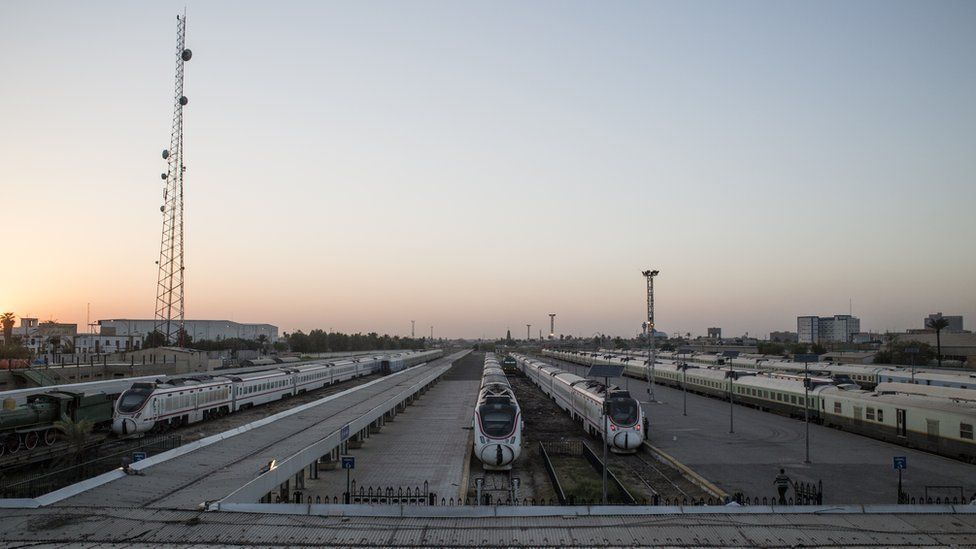
First the BBC visits Baghdad Central station.  It’s an interesting and sympathetic article, interviewing a veteran train driver.

The state railway’s heyday, when it offered luxury travel to Jerusalem and even as far west as London, has long passed.

Now, its overnight journeys run only to Basra, and its large fleet of trains has been reduced to just six, pushing more than 200 train drivers into compulsory redundancy.

_92212626_344a3004

_92213866_344a2945

Another off the wall layout idea.  We’ve seen wartime UK and European models.  How about the Middle East?  Operation could, of course, be limited…..

Secondly, probably a familiar scene to some, the ‘foldaway’ market over the railway tracks in Bangkok.  I have worked there, but never discovered this gem.  I do recall travelling by train into Dhaka, Bangladesh, where people lived and traded within inches of the train, but they kept off the tracks.

Southwest of Bangkok, the Maeklong Railway Market is one of the most popular places to shop for seafood in Thailand. But buyer beware: oncoming trains may spoil your trip if you fail to step out of the way.

thailand-railway-market

When we were in Stuttgart, the punters were most impressed by the train-operated level crossing barriers on Konigshaven.  How much more impressed would they be by a train-operated market model?  Mind you, if it were a module, they’d have to move quick to dodge the ICE and bullet trains….

And lastly, on the same site, I followed this link to an interesting article on beating graffiti on the New York Subway.

In just about every movie set in New York City in the 1970s and 80s there’s an establishing shot with a graffiti-covered subway…

For two decades, the MTA failed miserably in its attempts to fix the problem, sometimes, laughably. Like the time they decided to repaint 7,000 subway cars white.  They called it “The Great White Fleet.” Of course, this only provided a fresh white canvas for the graffiti writers and then before you knew it, the fleet was covered in spray paint again.

Then there was Mayor Ed Koch’s “Berlin Wall” method. Koch surrounded the train yards with two fences topped with barbed wire and guarded by German Shepherds. This worked until graffiti writers realized they could distract the dogs with food and cut through the fences……

In 1984 David Gunn became President of the New York City Transit Authority…..

Systemically, train line by train line, Gunn took the subways off the map for graffiti writers. While they were fixing it, they didn’t allow any graffiti on it. If graffiti artists “bombed” a train car, the MTA pulled it from the system. Even during rush hour.

There is still subway graffiti—it just never leaves the train yards. Artists—many of them from abroad—paint subway cars knowing full well that they will get cleaned before they’re ever seen by the public…..

The only place most people can see NYC subway graffiti is on social media.

One has to say that graffiti looks better on a model than on the real thing – especially inside carriages.  There are plenty of sources of decals to tag your models.

graffititrain-7615_lead

Posted in Inspiration, Out and about, Prototype, Weird and wonderful | Tagged , , | Leave a comment

Ron’s Rambles #2

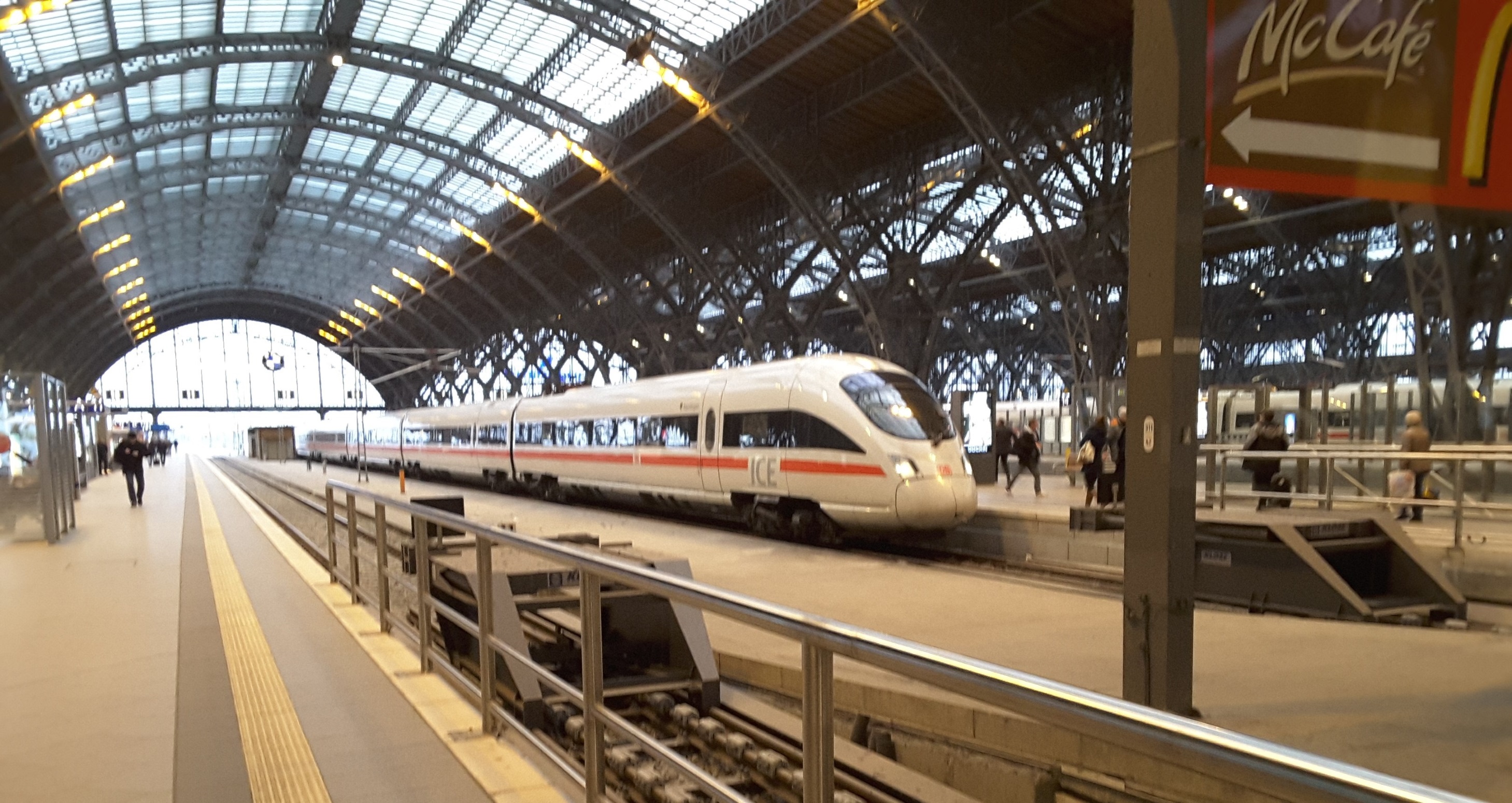
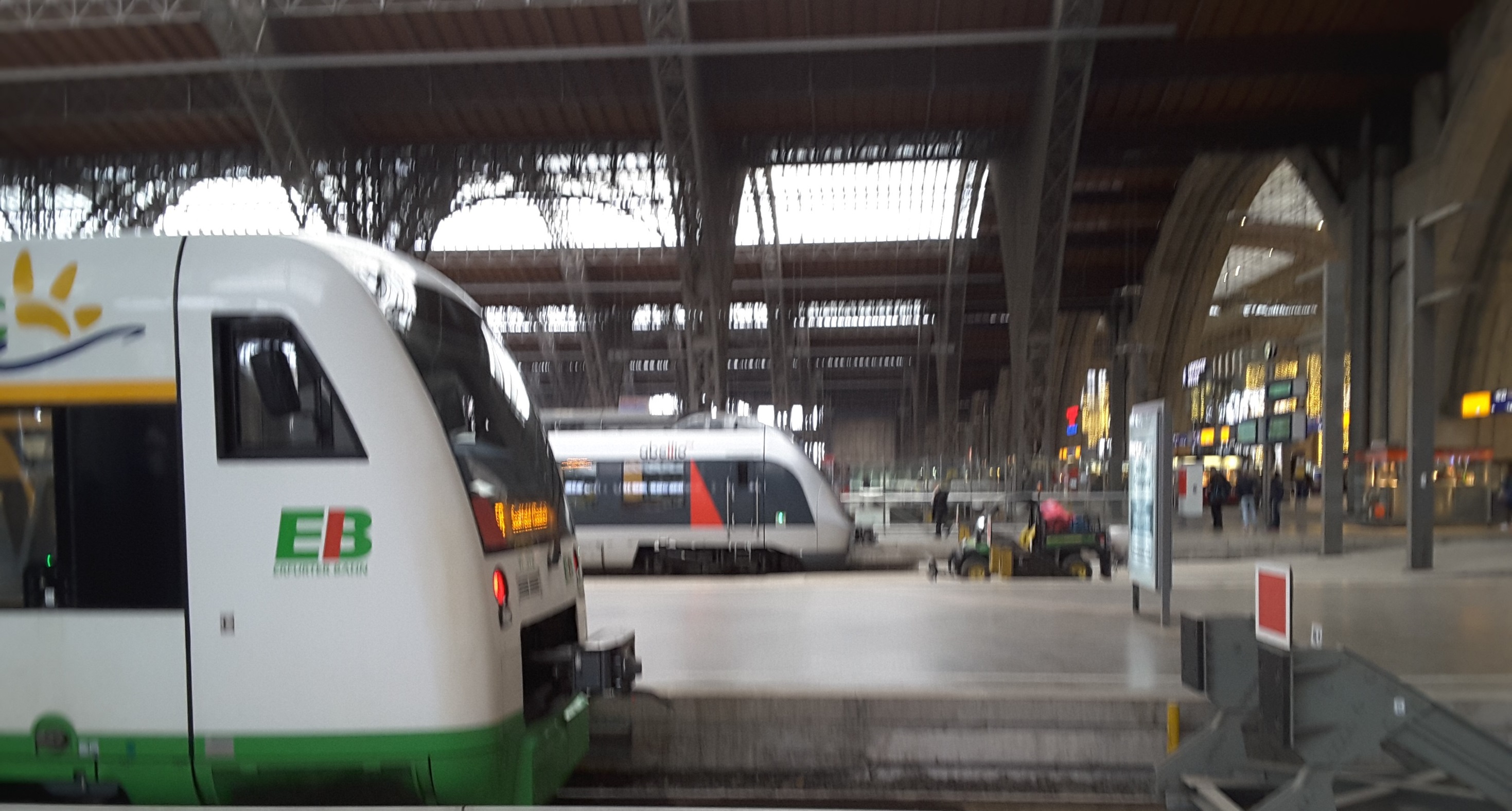
More of Ron’s pictures, this time from Leipzig.  First, the railways.  Seeing the ‘McCafe’ reminds me that the inventor of the Big Mac died this week, age 93.  Perhaps he never ate his own invention to get to that age!  How do you invent a burger?  The paper said that the original version didn’t have that piece of bread between the two bits of meat, and it was too ‘sloppy’.  My (not altogether limited) experiences that all bits of a Big Mac slide in all directions even with the bread divider.

r1_1

r1_2

r1_3

r1_4

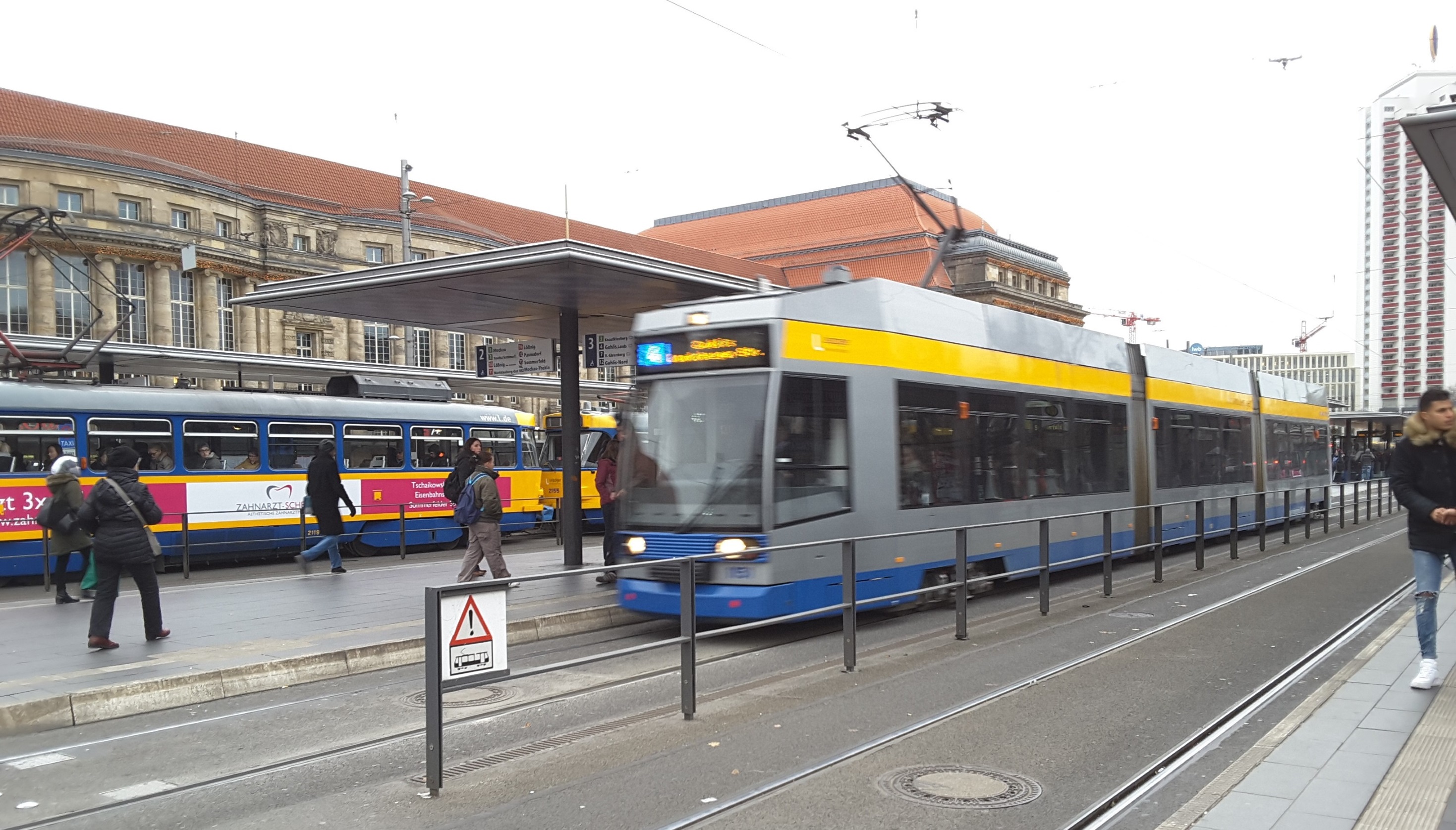
Then the trams.  Attractive designs, with an equally attractive livery…..

r1_5

r1_6

r1_7

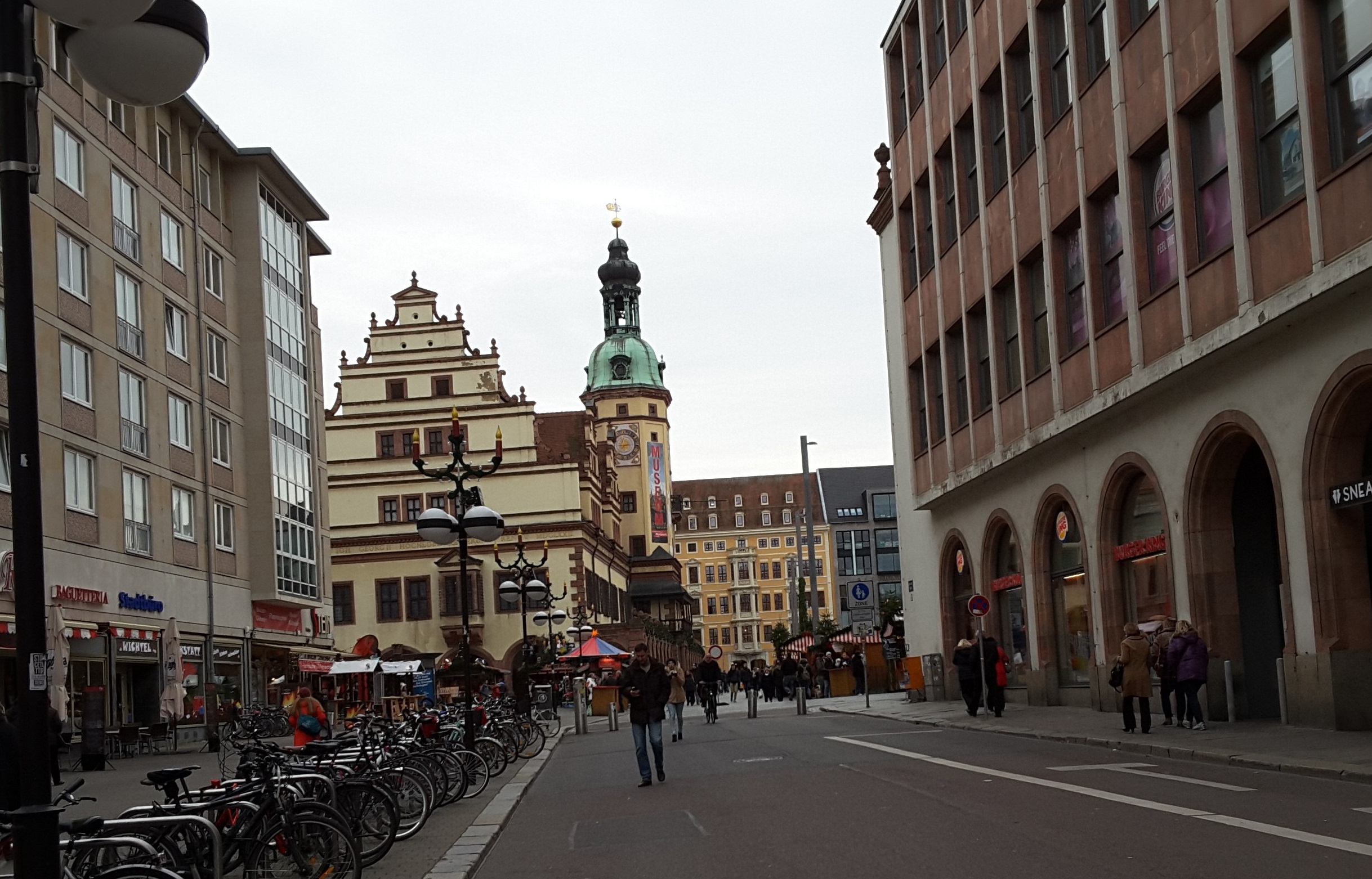
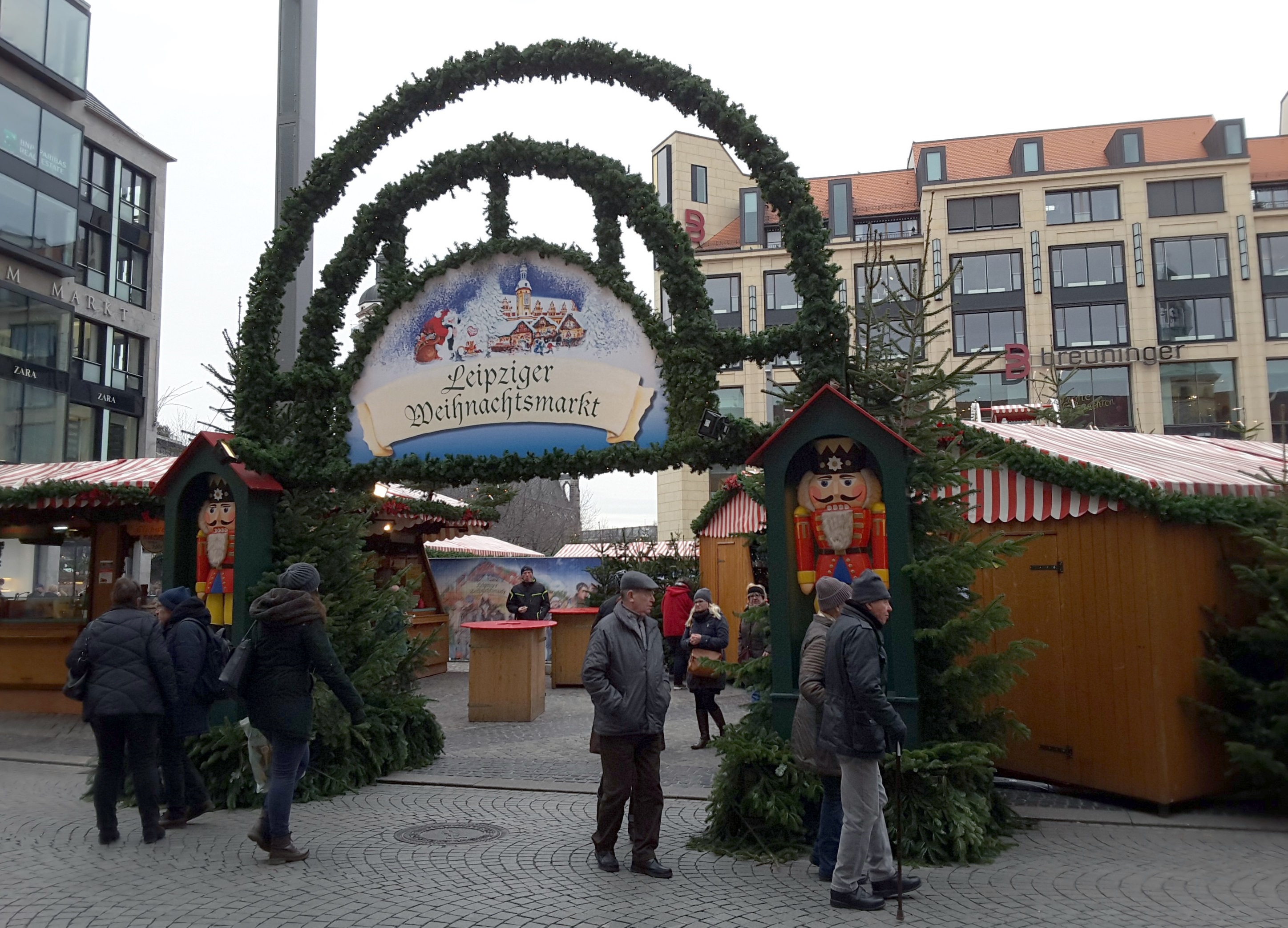
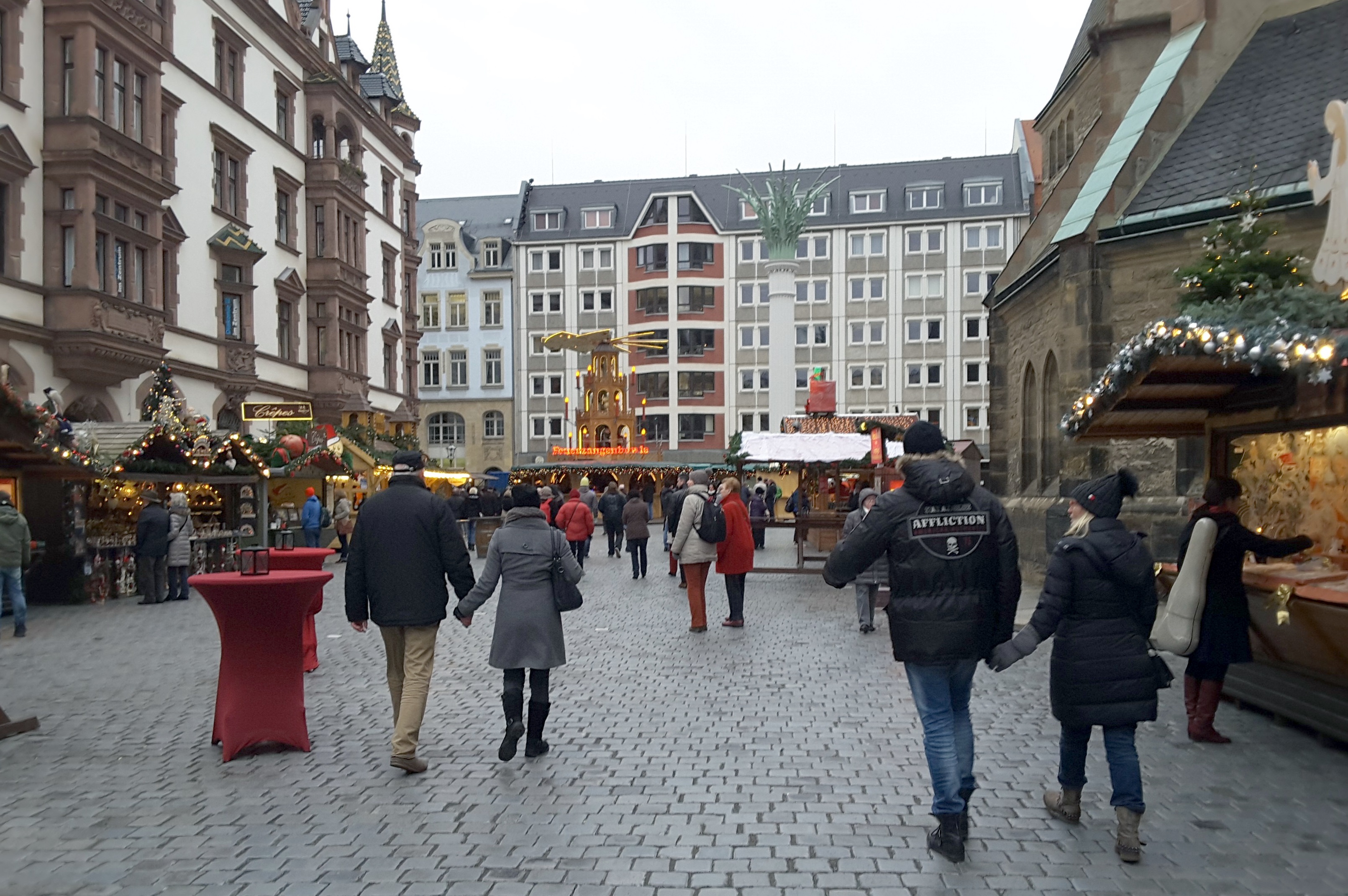
And finally, the markets.  That reminds me, better start shopping.  And very soon Maxine will say to me, ‘Isn’t it time WE wrote the Christmas cards’, meaning, ‘It’s time YOU got on with it’….

r1_8

r1_9

r1_10

Posted in ESNG, Inspiration, Out and about, Prototype | Tagged , , , , | Leave a comment

Ron’s Rambles #1

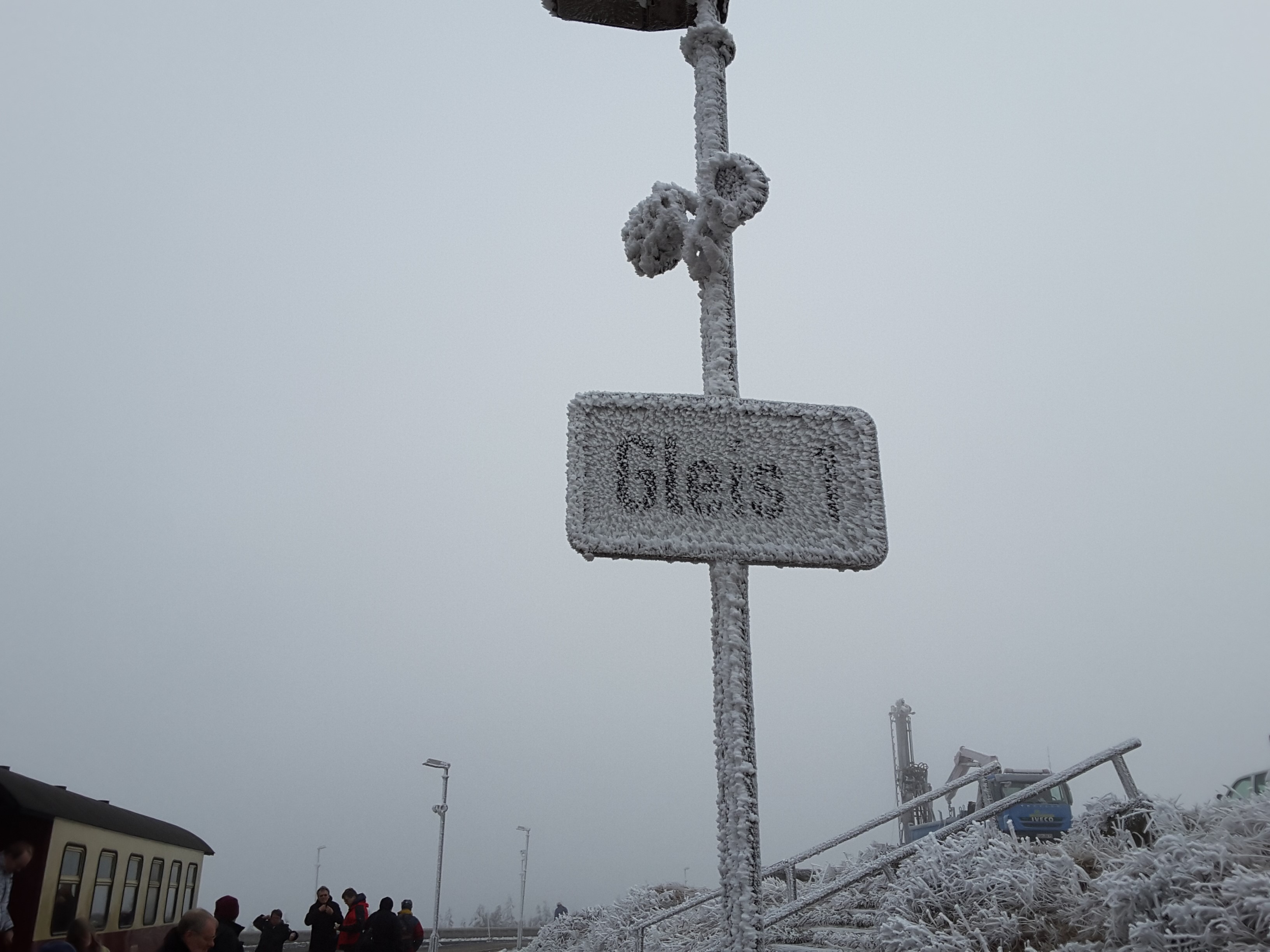
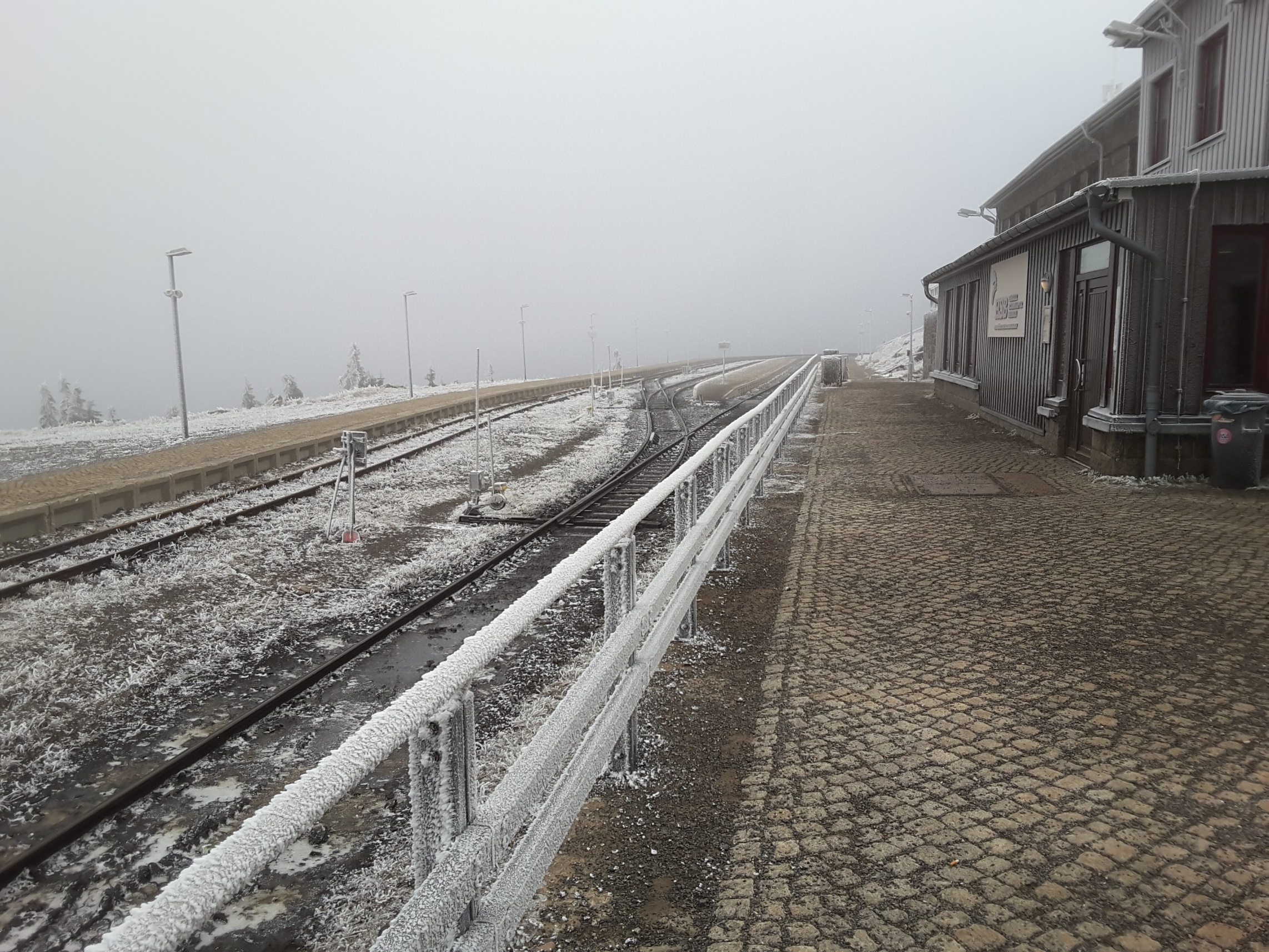
A new contributor to the blog for the next couple of days – Ron Dawes, brother of Allan.  Ron is on safari in deepest Germany, around Leipzig and Hanover, I think, visiting an eclectic mix of Christmas markets and stations.  So welcome, Ron, and thanks for the photographs!

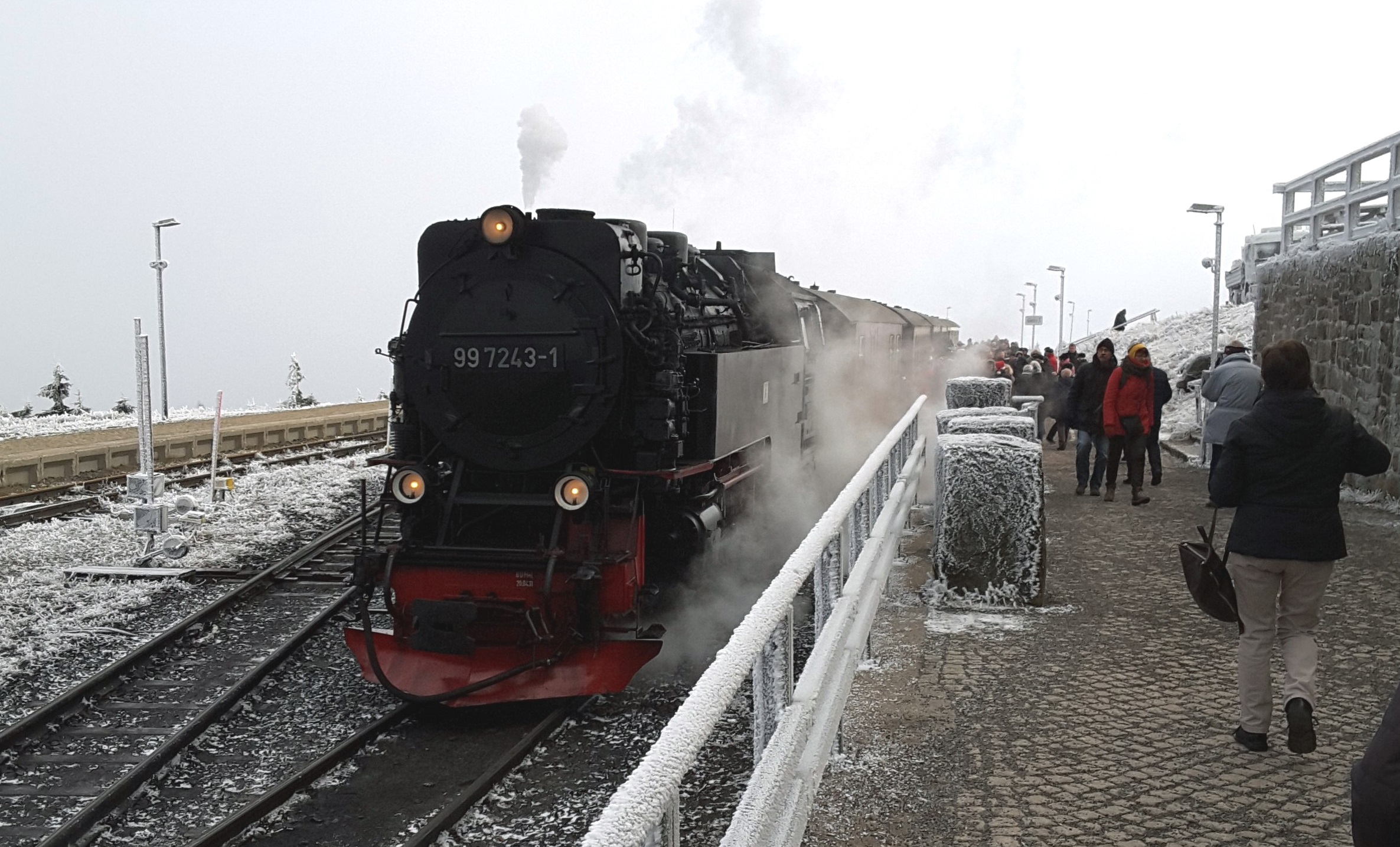
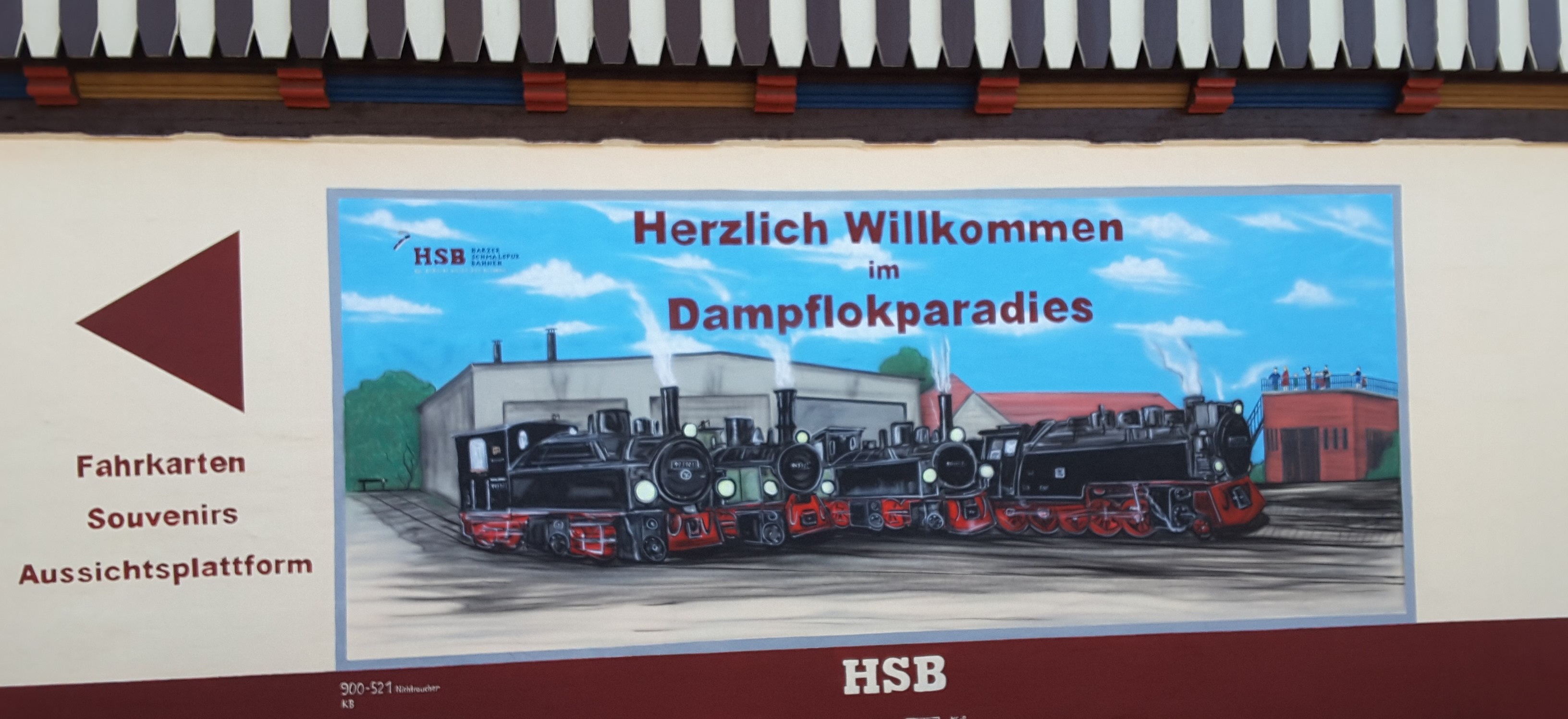
We start on the Harz metre gauge lines – at least I think that’s where Ron is looking on the map!

r1_1

r1_2

My German is so good that I thought ‘Gleis’ is a place – not Platform 1.  I do like the trains, but Ron is welcome to the weather.  Is there on a Christmas market in June for me?

r1_3

r1_4

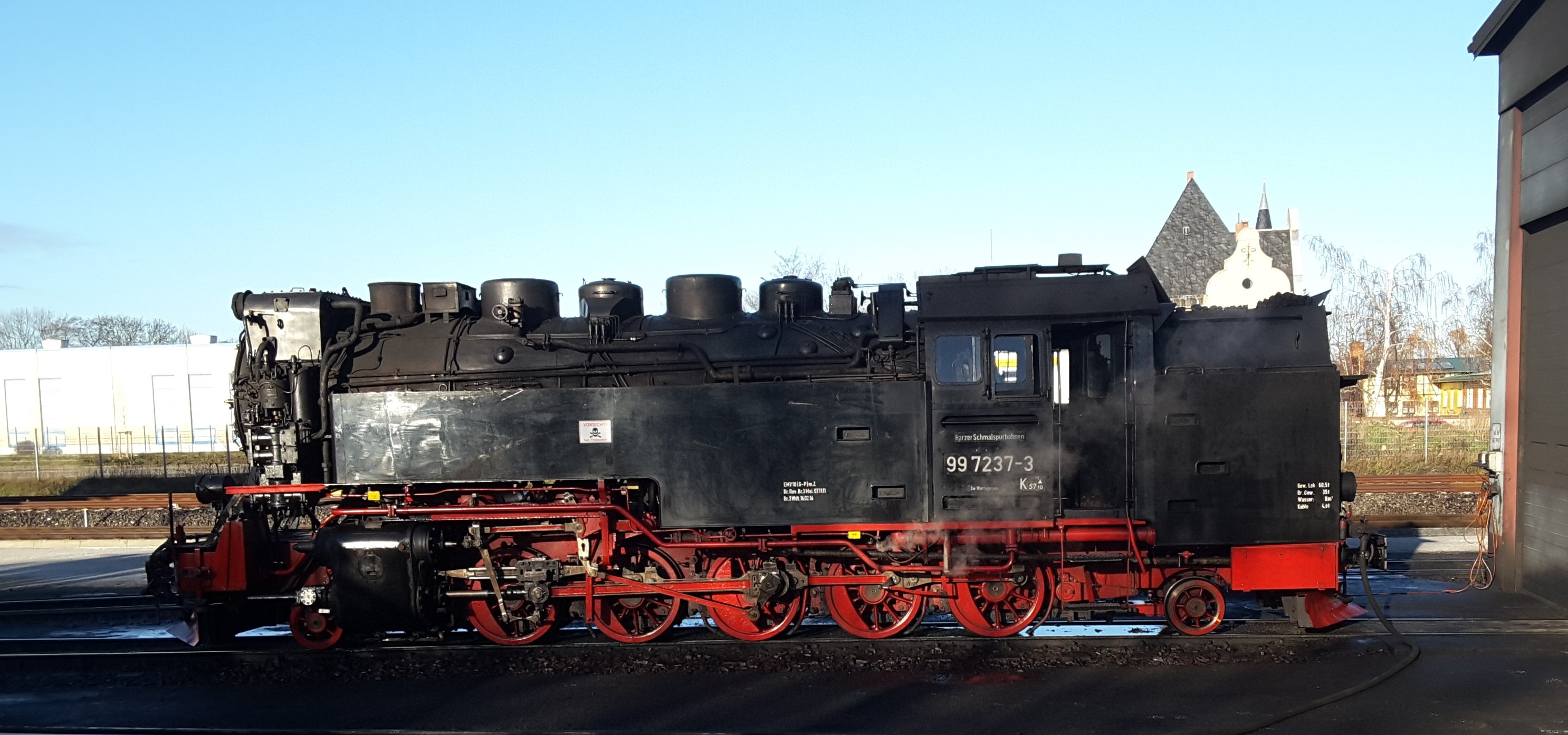
What a handsome brute – of a loco, I mean….

r1_5

The Harz website is an interesting read.  The key figures it gives are:

  • 25 steam locomotives
  • 16 diesel engines
  • 48 train stations
  • 140.4 km of tracks
  • 1,000 mm gauge network

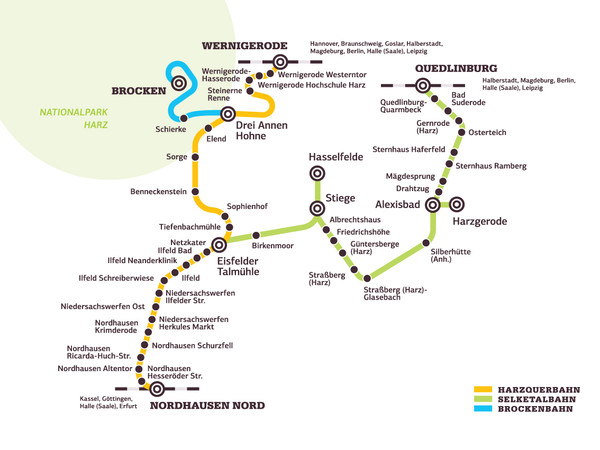
An extensive system, as this map shows:

149727e448

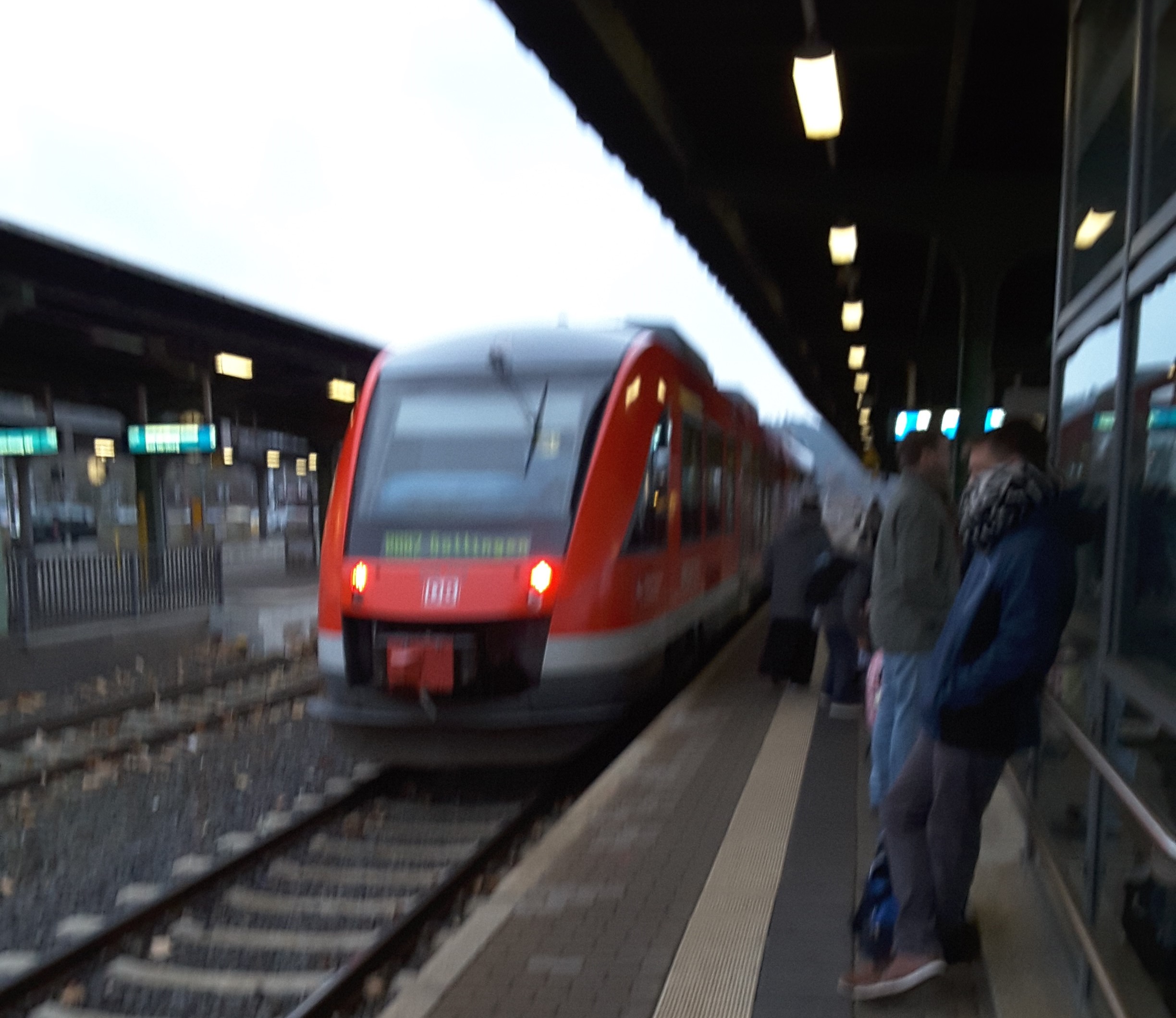
Next three shots from a ‘cold and damp’ Goslar.

r4_1

Ron must have been shivering taking this one – or perhaps it was late afternoon and just getting dark!

r4_2

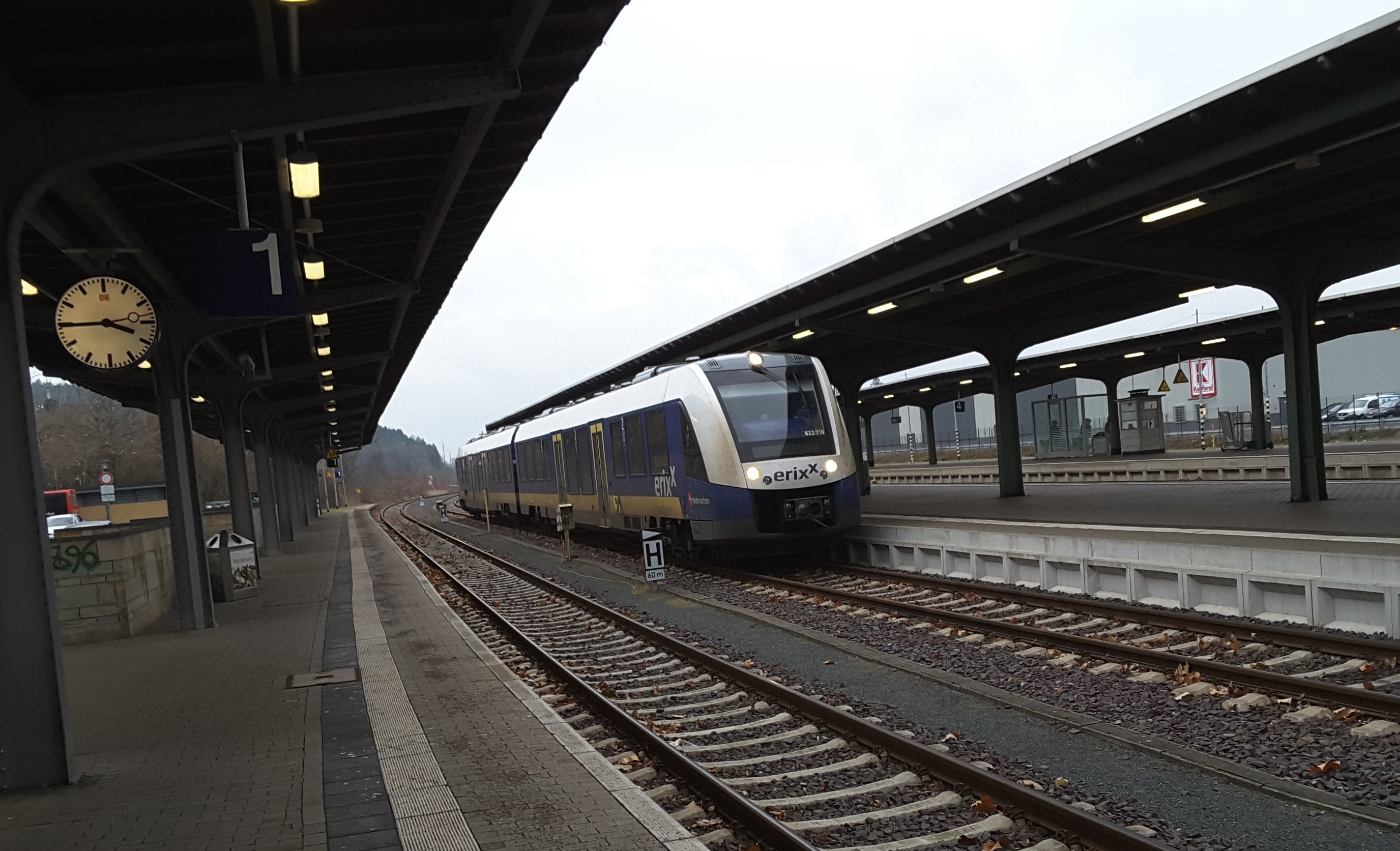
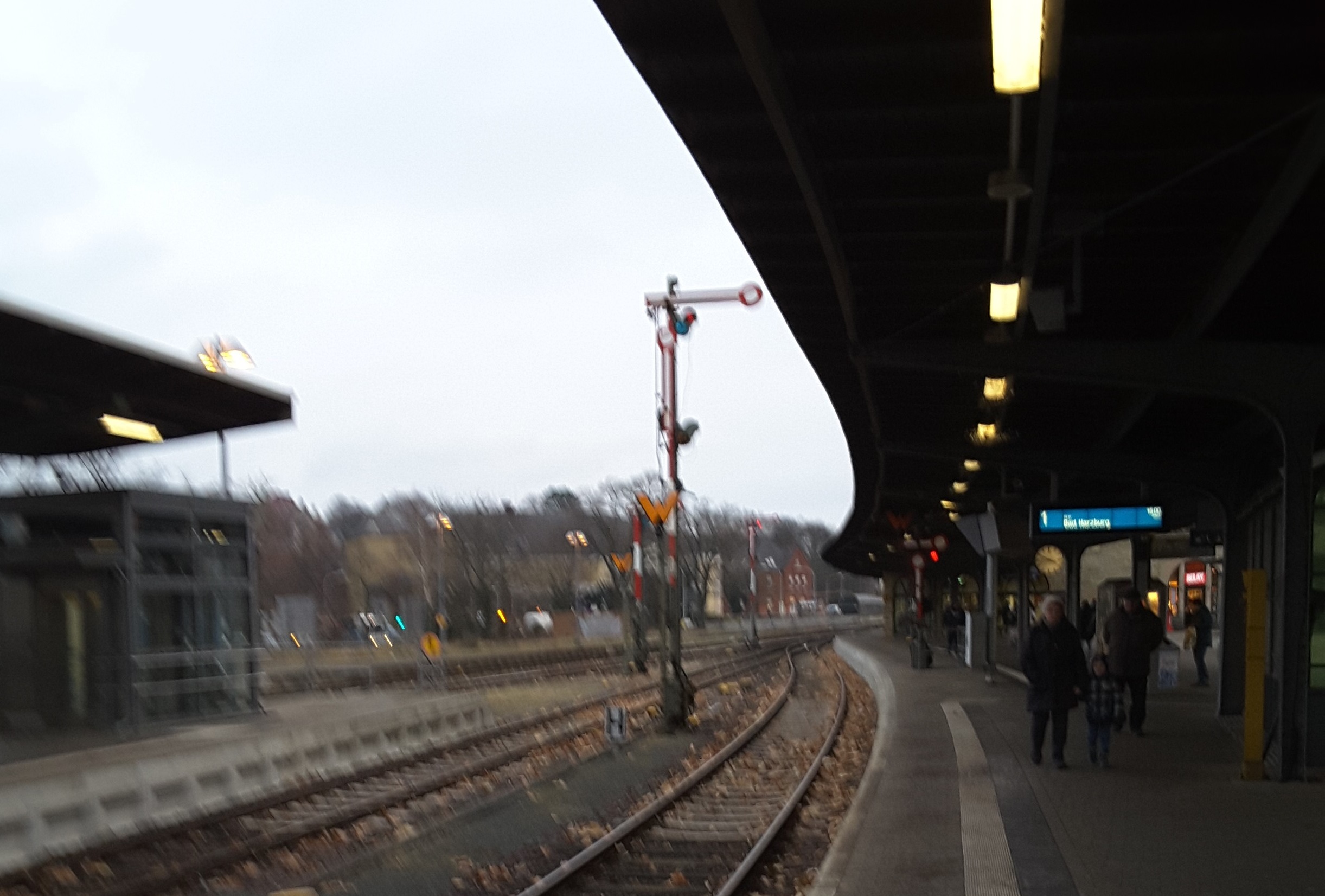
I like the semaphore signal still in use.

r4_3

Posted in ESNG, Inspiration, Out and about, Prototype | Tagged , , , , | Leave a comment