Hong Kong – The Railway Museum

Today we’ll have a stroll around the HK Railway Museum.  When HK does bother to preserve anything, they usually do it well.  The museum is a very pleasant place to visit for an hour or two, and is also a shady spot with lots of old banyan trees around the old station yard.  My only complaint was that like much of East Rail, MTR have built noise barriers between the museum and the adjacent main line – mainly for the flats behind I guess, but it would have been a great spot for a few photos.  But amazingly for HK, it’s free so you can’t really complain.

The museum is based around the old Tai Po Market station building.  Tai Po Market is the original old market town at on the shores of Tolo Harbour and at the mouth of the Lam Tsuen River.  The station has been replaced by new ones at Tai Po and Tai Wo, that serve new towns either side of the market town.  You walk to the museum through Tai Po Market town, which is old 1960’s and 1970’s low(ish) rise buildings, in contrast to the high rise of the new towns.

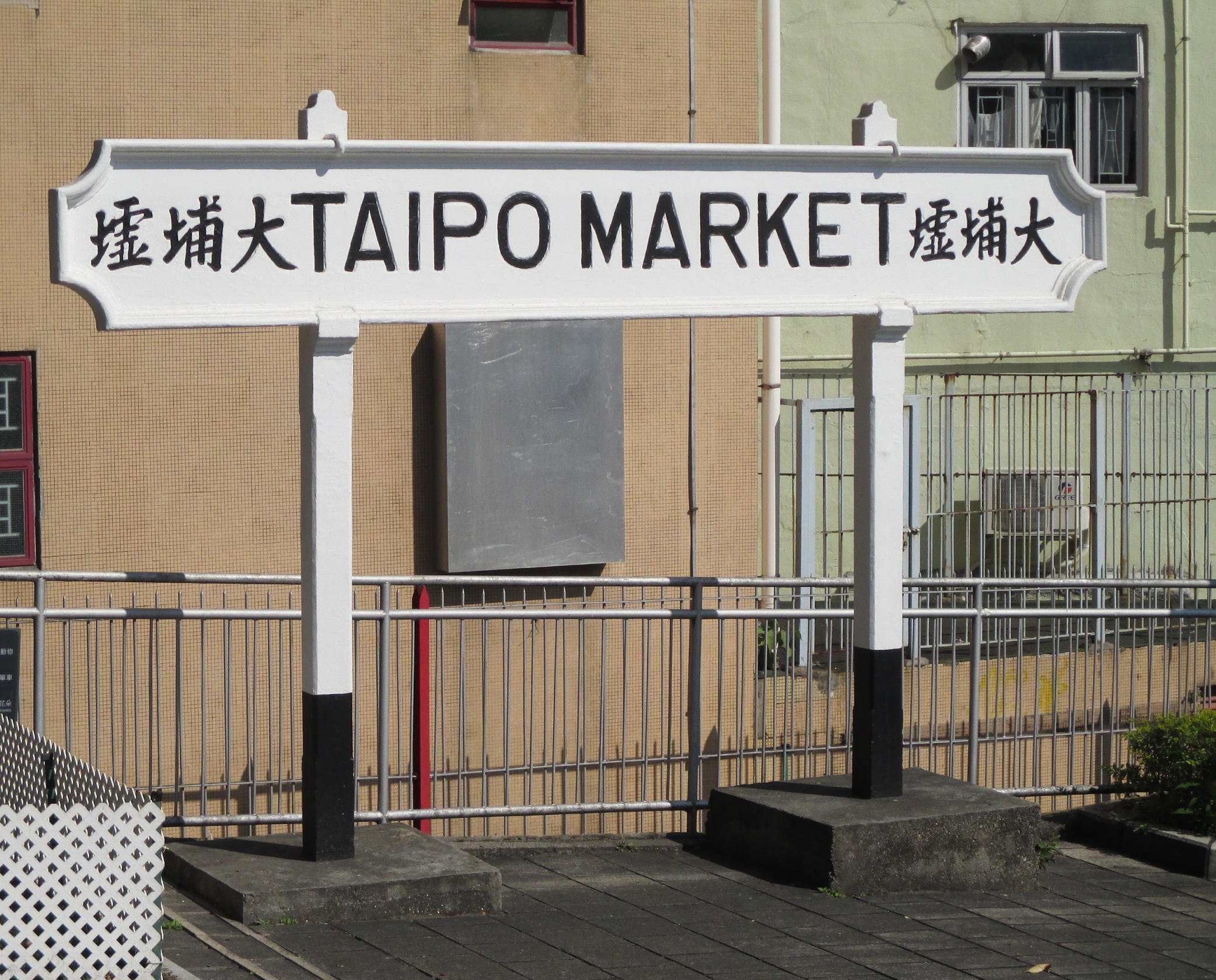
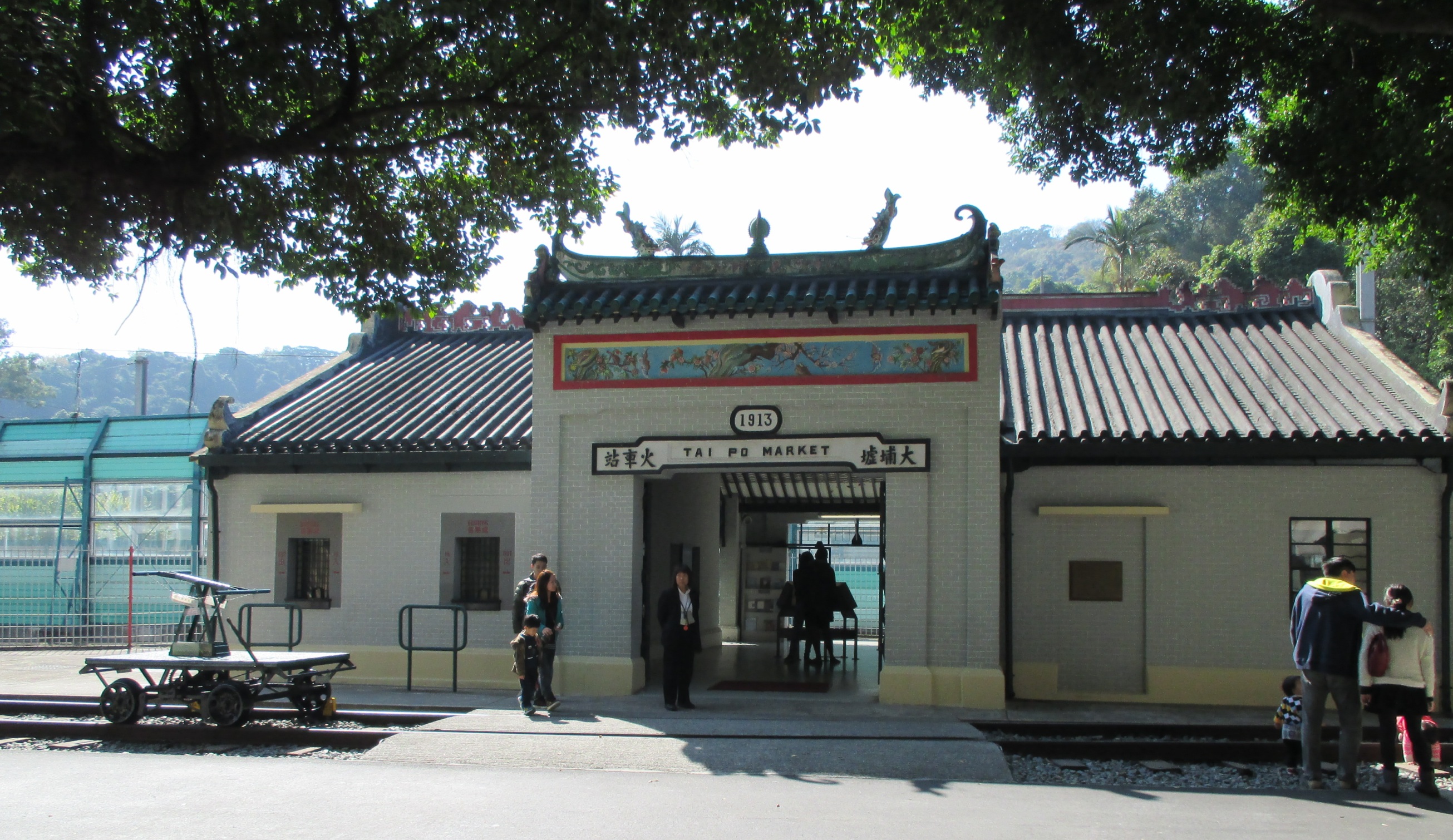
On arrival, you see the old station nameboard, and the delightful traditional Chinese style station building.
rm1 rm2

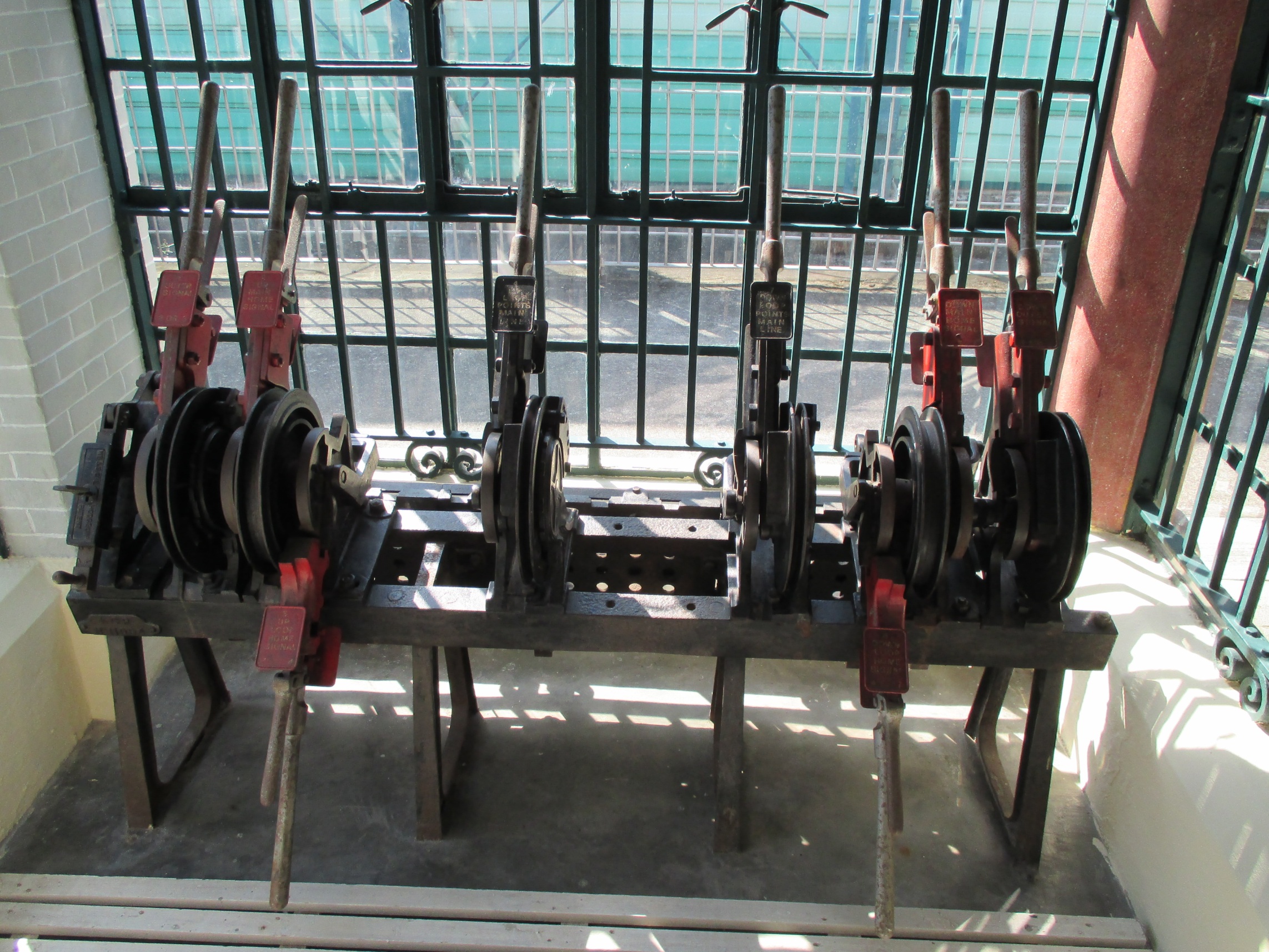
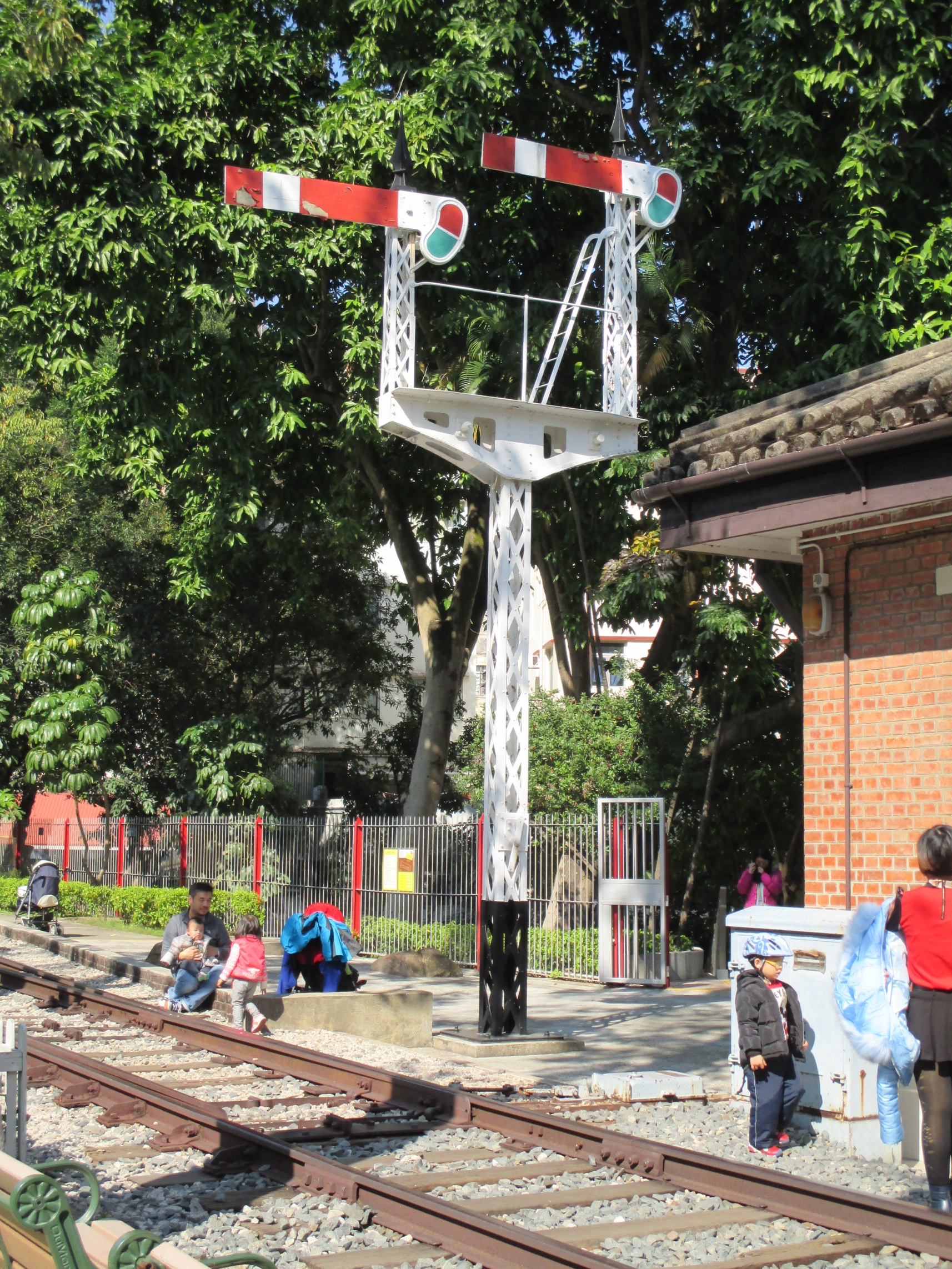
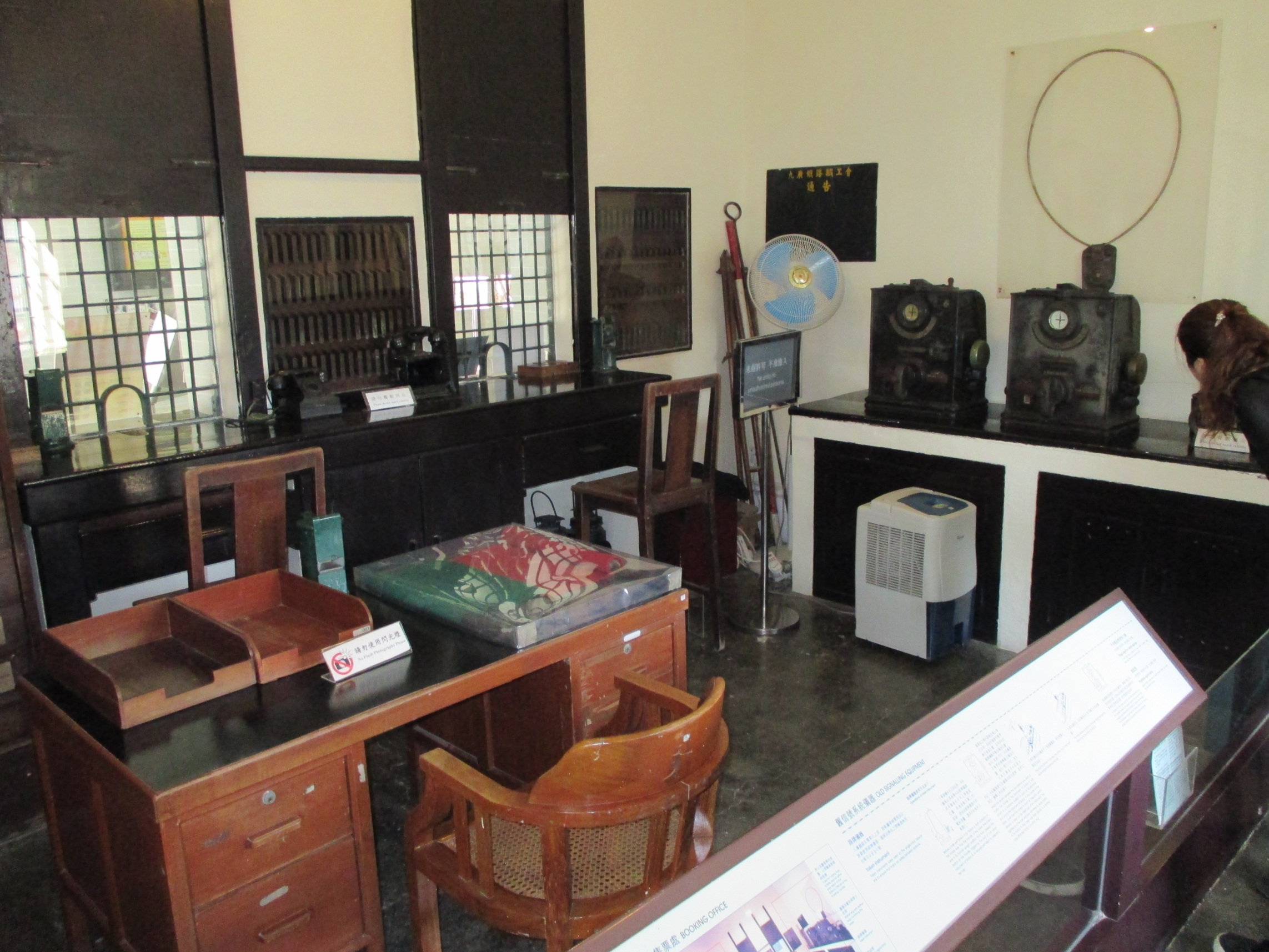
Inside, there are interesting poster and video displays of the history of the KCR and MTR, but some of the station has been restored to its old appearance.  Here we have the ticket office and block equitment (and a modern dehumidifier).  I doubt whether the block equipment could cope with the current 2 minute train separation.  The lever frame is still there, with a signal outside.
rm4 rm3 rm5

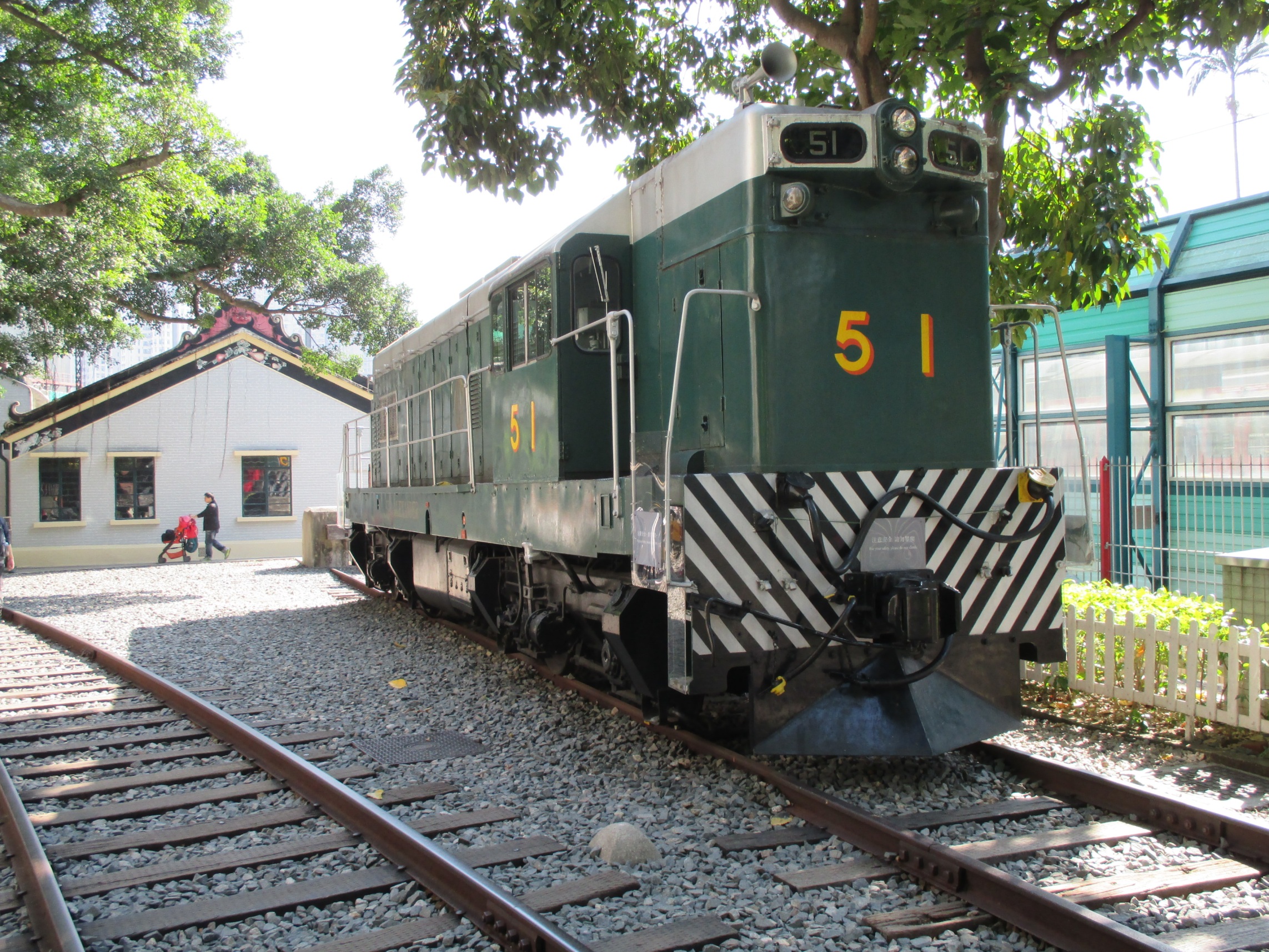
Sir Alexander is one of the early diesel locomotives bought from Australia and used for passenger services before electrification and freight as well.  There were also some newer larger Co-Co locos, for freight, but I am unsure whether they are still around.  I had a short cab ride in Lo Wu marshalling yard at Lo Wu in 1991 – I knew the operations manager of the KCR at that time.  A sister locomotive to No. 51 went home to Australia and is still in use.

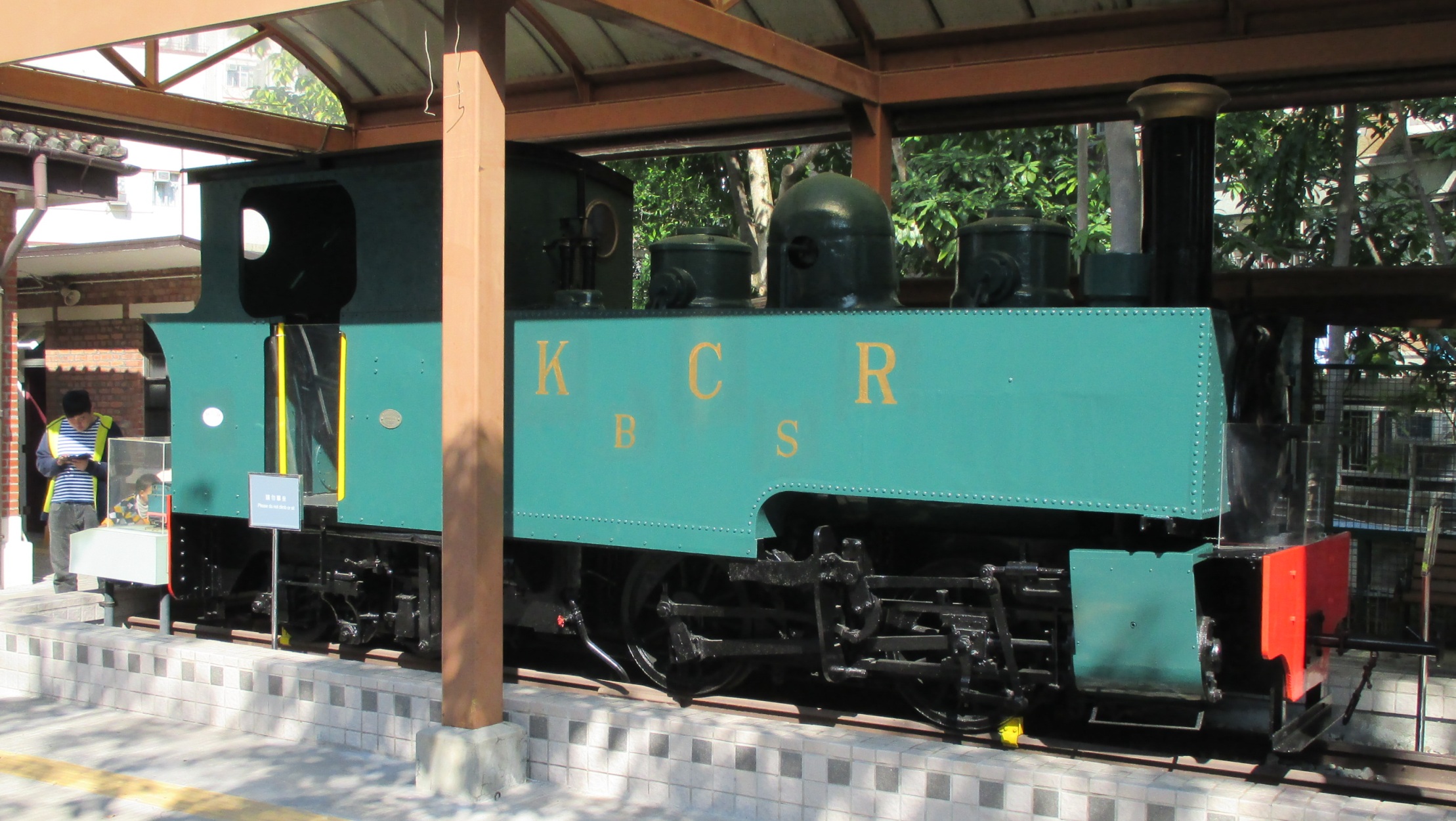
The second locomotive is a 2′ narrow gauge Bagnall 0-4-4, used for the short Fanling to Shau Tau Kok branch.  This was only open for 16 years, till 1928, and was closed after a road was built.  The locomotive then went to the Philippines and continued working at a sugar cane mill till 1990.  It then returned to HK for restoration and preservation.
rm6 rm7

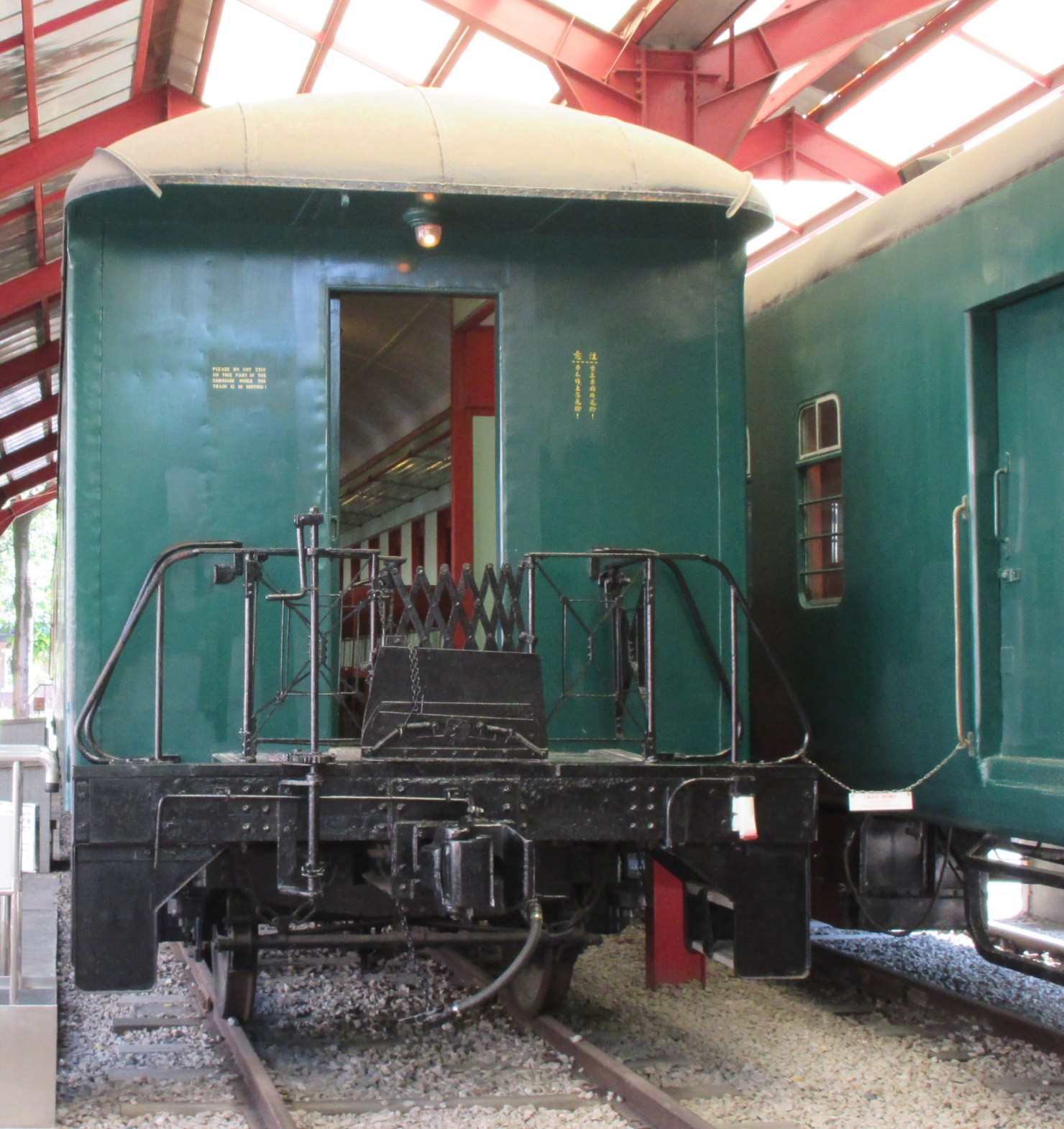
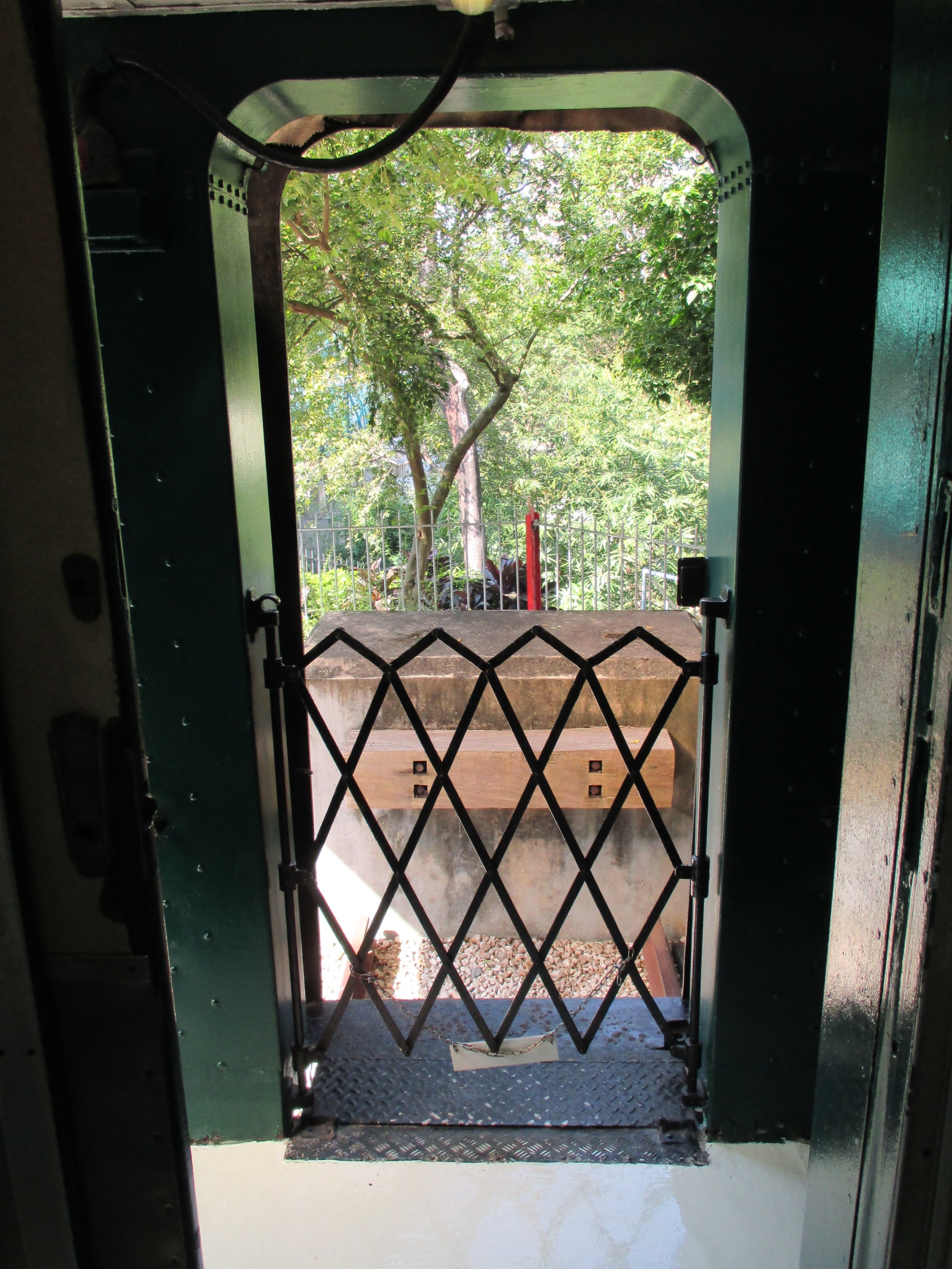
There is a rake of coaches preserved at the museum, in their final condition before electrification of the KCR.  I remember riding on one of these in 1981.  All the railways preserved here show their strong UK roots, but slight USA and Australian features – no buffers, buckeye couplings and verandas.
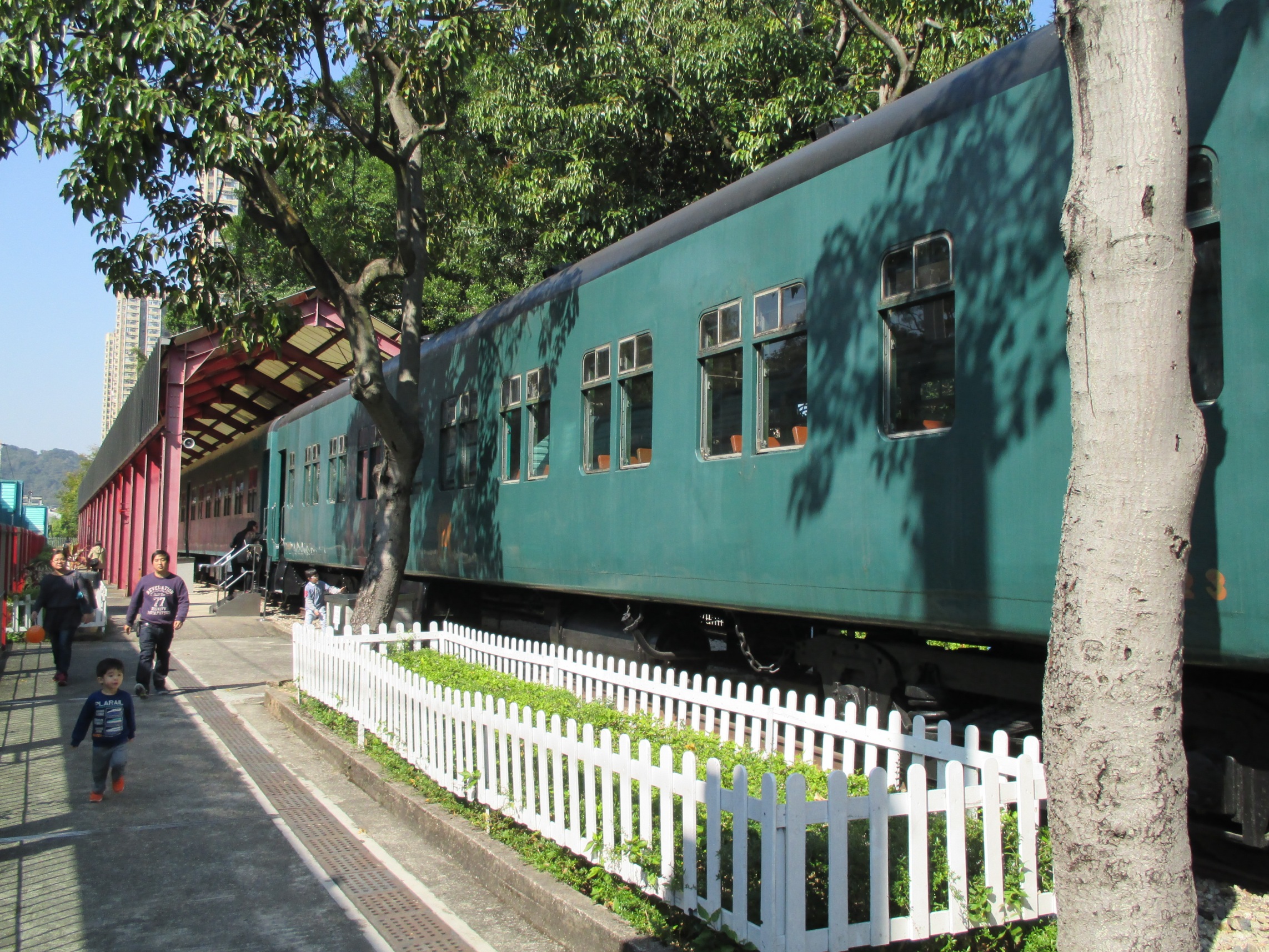
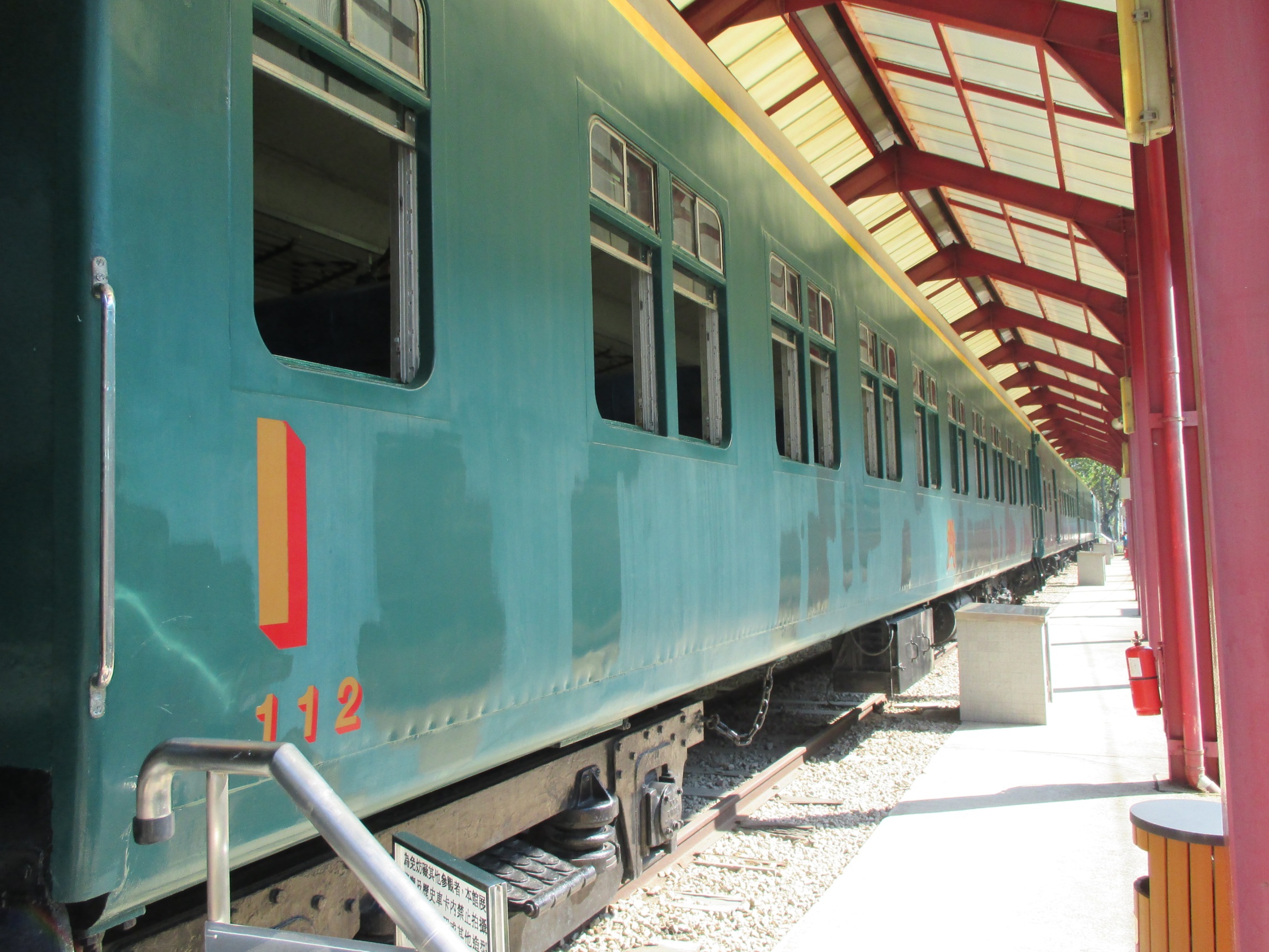
rm8 rm9 rm10 rm11 rm12

And being a model railway enthusiast, one has to have photos of the underframes, in this case a couple of aged and interesting bogies.
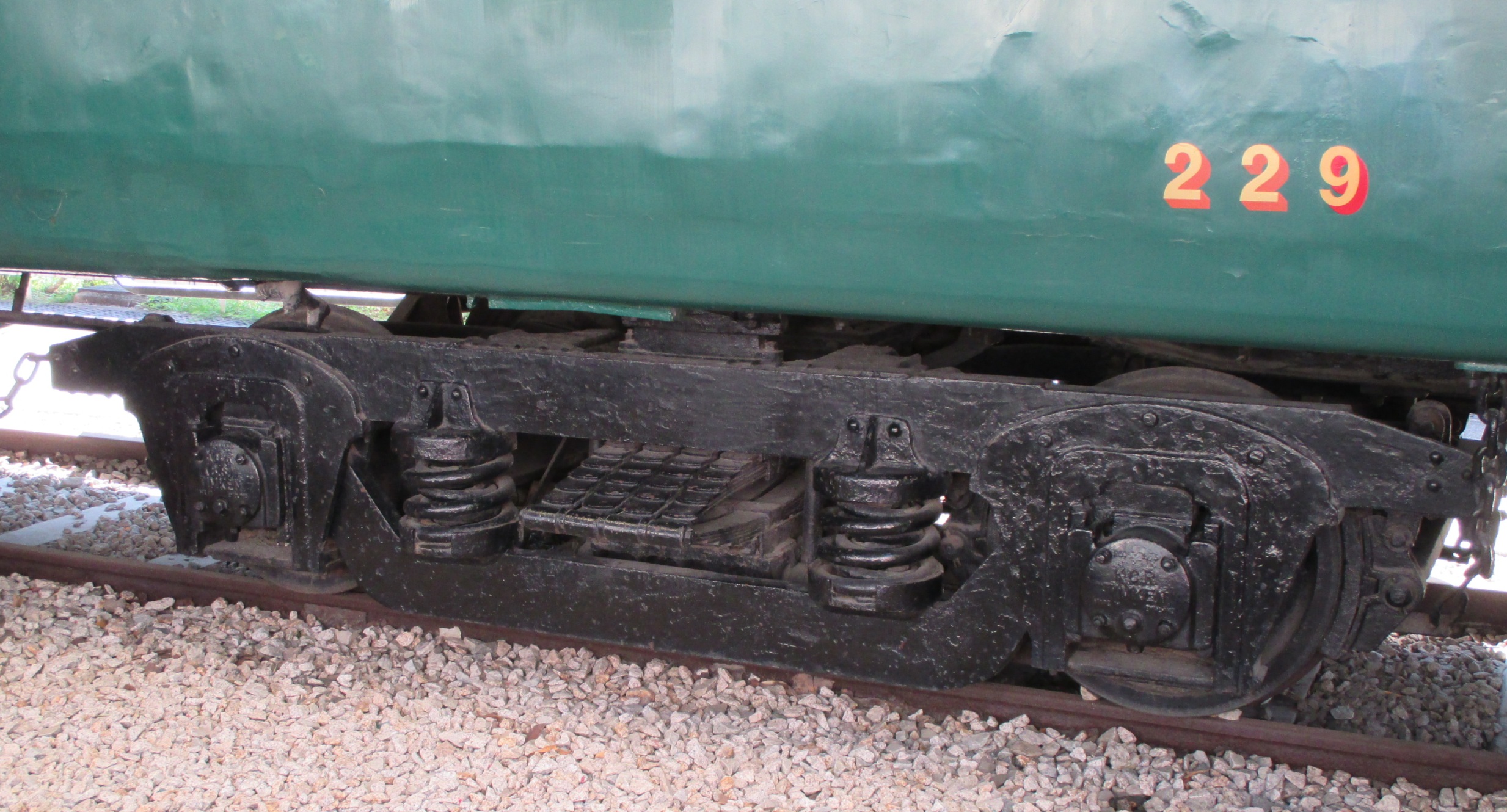
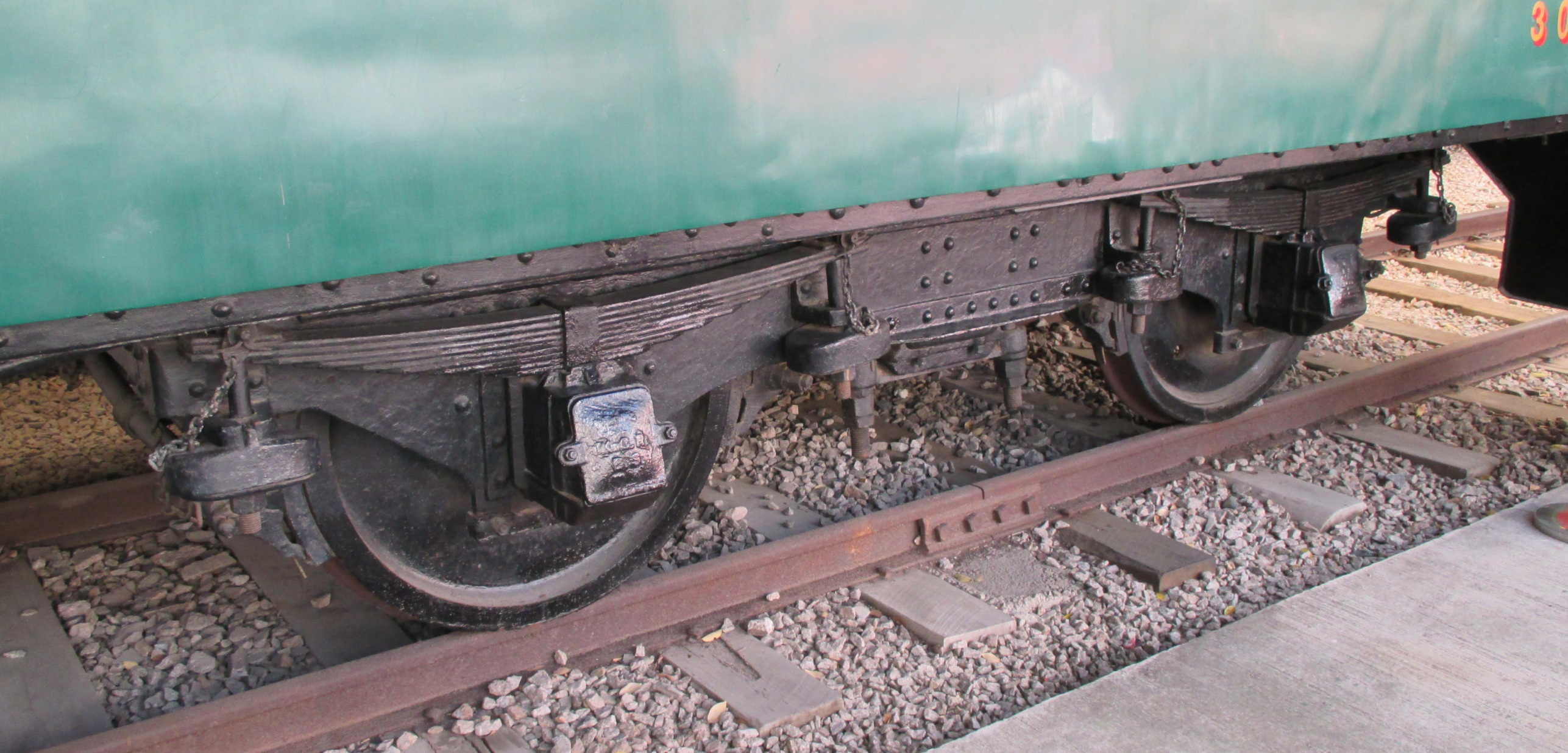
rm13 rm14

Posted in ESNG, Hong Kong, Out and about, Prototype | Tagged , , , | Leave a comment

Hong Kong – Riding East Rail

On New Year’s Day I worked in my hotel for the morning, but spent the afternoon exploring.  A five minute walk from the hotel took me to Ngau Tau Kok MTR line.  An investment of HK$55 (about £4.50) gave me a 24-hour tourist ticket for most of the rail lines in HK.

er1

Ngau Tau Kok is on the elevated section of this MTR line.  Like the London Underground, the outer ends of the line tend to be above ground.  In HK, these tend to be elevated viaducts shoe-horned between building and above main roads.  I’d hoped to get some photos of the trains in the station, but the MTR has been fitted with safety gates – low gates at above ground stations, and full height ones in the underground section.  I did managed to get one photograph of my train approaching the station, that gives a good idea of how the station fits into the local environment.

er2 er3 er4

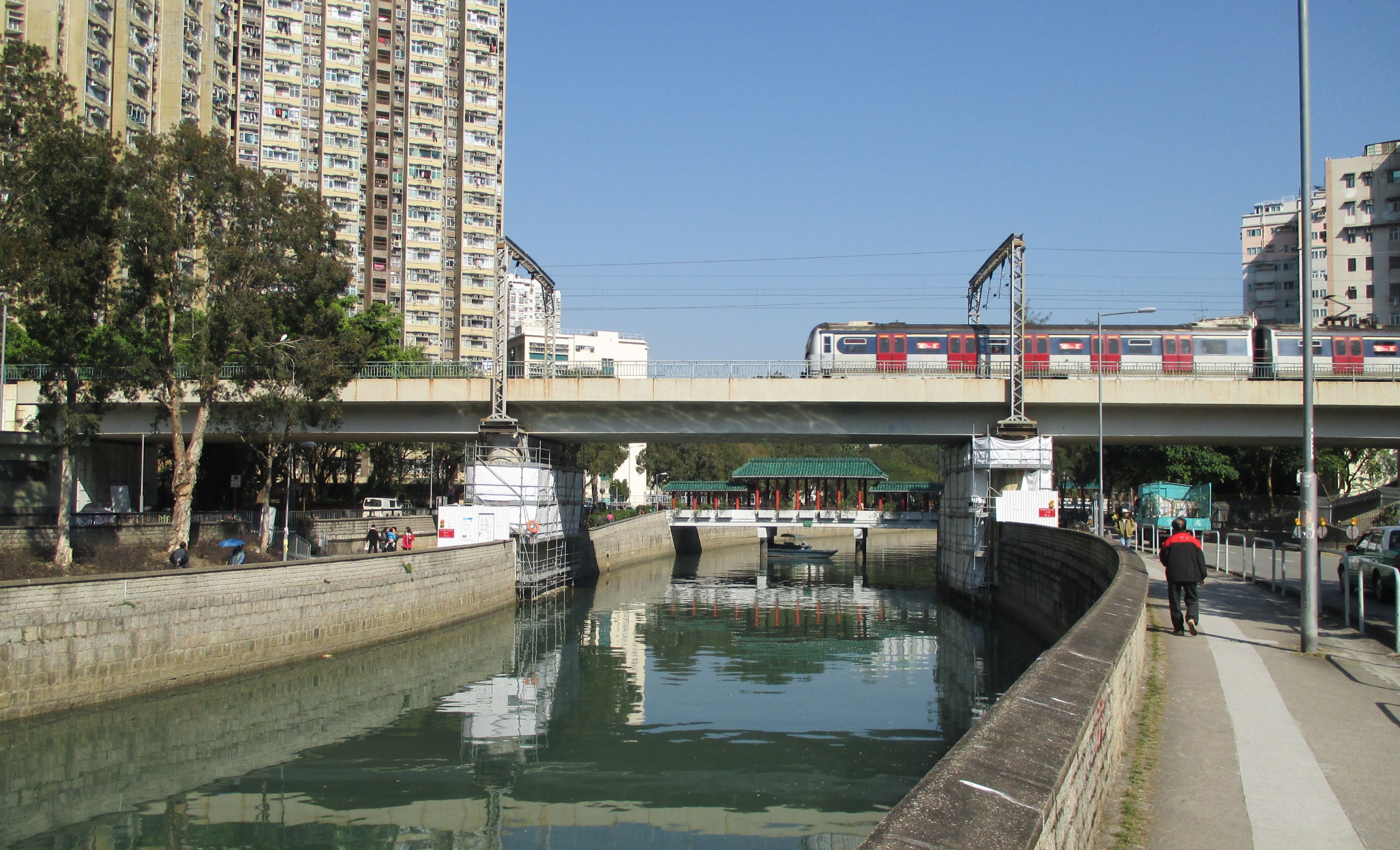
I took the Kwun Tong line MTR to Kowloon Tong and changed trains onto the ‘main line’ – the old Kowloon to Canton railway.  Once the KCR, this section of HK railways became part of the Mass Transit, MTR, in 2007.  I then took the KCR train north to Tai Wo station.  The next picture is a KCR line train crossing the Lam Tsuen river.

er5

Five minutes walk from Tai Wo and next to the main line is the HK railway museum – I’ll write about this in my next post.  After a happy hour or so at the museum, I took the train back south to Sha Tin.  This was a purely nostalgic visit, as I had spend a year in 1991-92 living and working in Sha Tin.  The shopping centre next to the station was a busy as it ever was.  I recall that in 1991, the Sha Tin MacDonalds was the busiest branch in the whole world.  And in 1993 there were fights in the branch over the latest Snoopy toys.

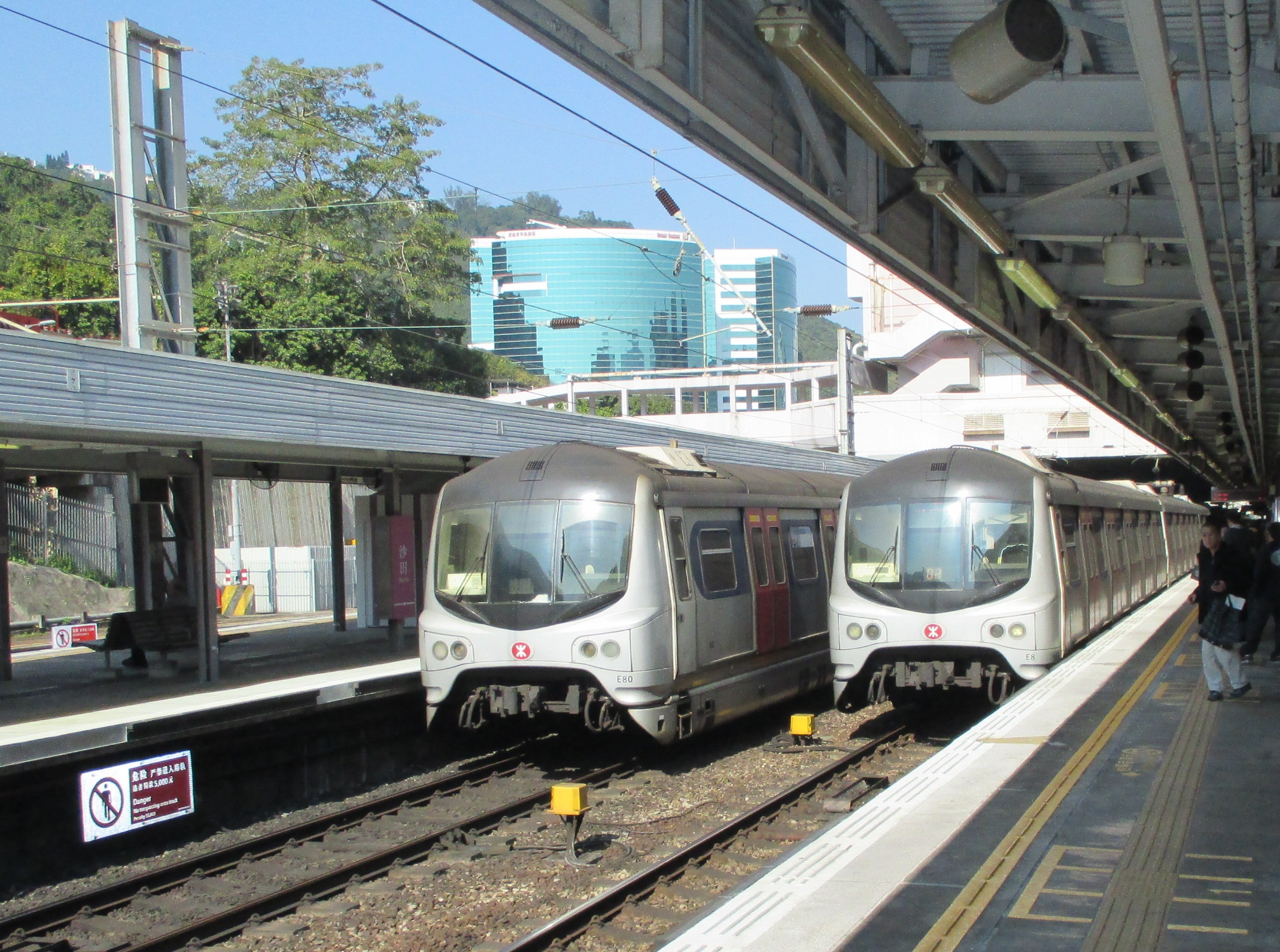
I spent some time on the station, and took a few pictures of two generations of multiple units in the station.  These trains only go up to Lo Wu and the old HK-China border.  It is now the HK China- Guandong China border.  It was interesting to compare these modern units with the old first generation electrics that I rode in the 1980’s and 1990’s.  I had a cab ride in one of these, all the way to Mong Kok to Lo Wu – almost all of the HK section of the KCR.  I had hoped to get a look at some of the cross-border through trains, too, but managed to time things badly and was on a train each time one went through.  I did, though, see the prototype of my Kato model of the double-deck push-pull service, with a loco at each end.

er6 er7 er8 er9

Finally, here’s a picture of the new West Rail line crossing the Kam Tin valley in the north-west New Territories.  My work involved inspecting the inflatable dams on each arm of the Kam Tin river here, and the pumping station in between.  It was also a good chance for a little bird-watching, as there were plenty of birds like these Black-Winged Stilts in the channels.

er10

Stilts

Posted in ESNG, Hong Kong, Out and about, Prototype | Tagged , , , | Leave a comment

Hong Kong – Dr Beeching in reverse

Hong Kong just can’t get enough railways….  Here’s a brief potted history so far.

The beginning of the present day railway network in Hong Kong goes back over one hundred years. The idea of connecting Hong Kong and China with a railway was first proposed in 1864. But it took a further 30 years before the idea of building a railway from Hong Kong to China was given serious consideration, and the single track line from Kowloon to the Chinese border opened on Saturday, 1 October 1910, and the Chinese Section opened in 1911.

Little changed up until the Second World War, with the commercial success of the railway being closely linked to events in China. The railway was operated by the Japanese after the fall of Hong Kong, and then returned to the British after the war. As with railways worldwide, the line had been seriously run-down and it took time to restore it to an efficient carrier.

Through-train passenger services to China stopped on 14 October 1949, the day prior to the capture of Canton by the Communists. Passengers and goods then had to be transhipped at the border. In 1951 agreement was reached with the Chinese authorities for goods wagons to again cross the border, but passenger services continued to terminate at the border at Lo Wu station.

During the 1960’s the decision was made to move the Kowloon terminus from its iconic location at the Tsim Sha Tsui Star Ferry in Kowloon a mile east to Hung Hom. This was necessary to permit construction of the first cross harbour road tunnel, and to overcome constraints on rail traffic growth. The Hung Hom Terminus complex was completed and opened in November 1975, and the Tsim Sha Tsui Terminus closed and demolished except for the clock tower, which remains a landmark today.

Parallel to this development came the Mass Transit Railway. Construction of the MTR was a response to growing road congestion in the late 1960’s. The first line opened in 1979.  And this was about where I came in in 1981, when the system looked like this, with a diesel powered main KCR line, and the first MTR lines open to Tsuen Wan and Choi Hung.

map1

With the development and urbanisation of the New Territories, the British Section of the KCR became an important corridor to connect the new towns in eastern New Territories with urban Kowloon. Electrification and conversion to a dual-track system was completed in 1984. Since then, the suburban rail became much more metro-like (there is now often only 2-3 minutes between trains).  In 1991 when I again lived in Hong Kong for a year, the system had grown a bit more.

map2

Development of lines by both the KCR and the MTR continued, with new MTR lines and a light rail system in the north-western New Territories (around new towns that I was involved in building.) And with the opening of the new airport on Lantau Island, a new railway link was added.  In 2006, the government, as the sole shareholder of the KCRC, decided that the two railway networks should be merged with the MTR being granted a service concession to operate the KCR network for an initial period of 50 years. And new lines carried on being built. As I return in 2014, the system looks more like this, with a direct service to DisneyWorld (!!) amongst others.

map3

And it doesn’t stop.  This diagram shows some of the planned extensions to services.  The first, already under way, is a high speed rail link from Kowloon into China, to link into China’s extensive high-speed network.

Hong-Kong-Current-and-Future-MTR-Map

Surely there can’t be room for any more railways?

Posted in ESNG, Hong Kong, Out and about, Prototype | Tagged , , , | Leave a comment

Hong Kong – Tram Jam

Today’s title is blatently stolen from an excellent 1984 collection of photographs of trams in HK.  It tended towards the artistic, rather than the boring railway enthusiast album, but was none the worse for that.  (And it is still available second-hand from Amazon UK.)

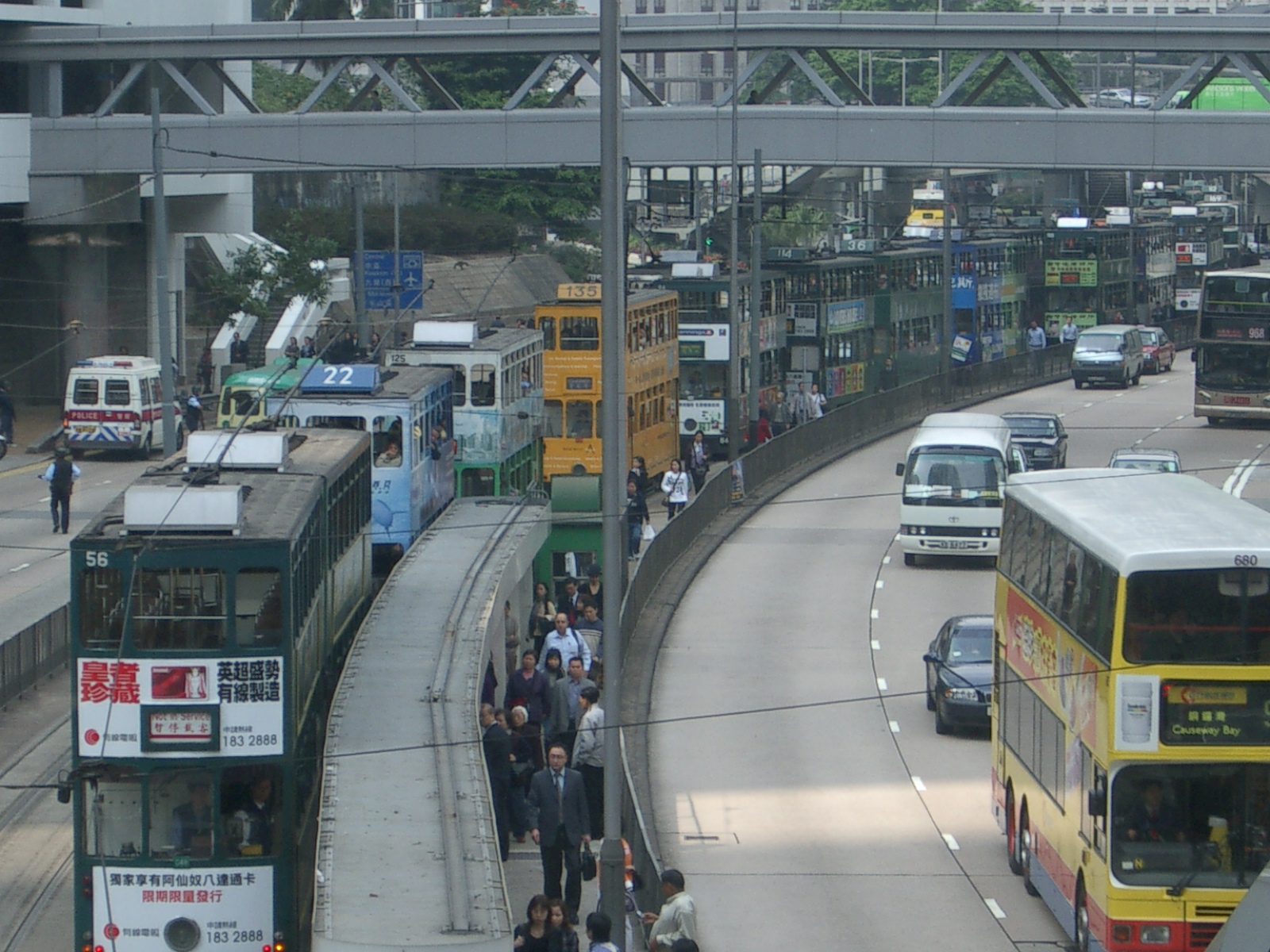
What do you call a group of trams?  You have a flock of sheep, a pride of lions, and delightfully, a charm of goldfinches.  In Hong Kong at least I suggest a “kaleidoscope of trams”.  On New Year’s Day I travelled down to HK Island from Kwun Tong to meet my old work colleague Peter Stuckey for dinner.  I was a little early and caught the last of the light to snap this procession of trams on Johnson Road (next to the prosaically named ‘Southorn Playground’.)  However, there were none of the new-build trams amongst them.

tram1 tram2 tram3 tram4 tram5 tram6 tram7 tram8

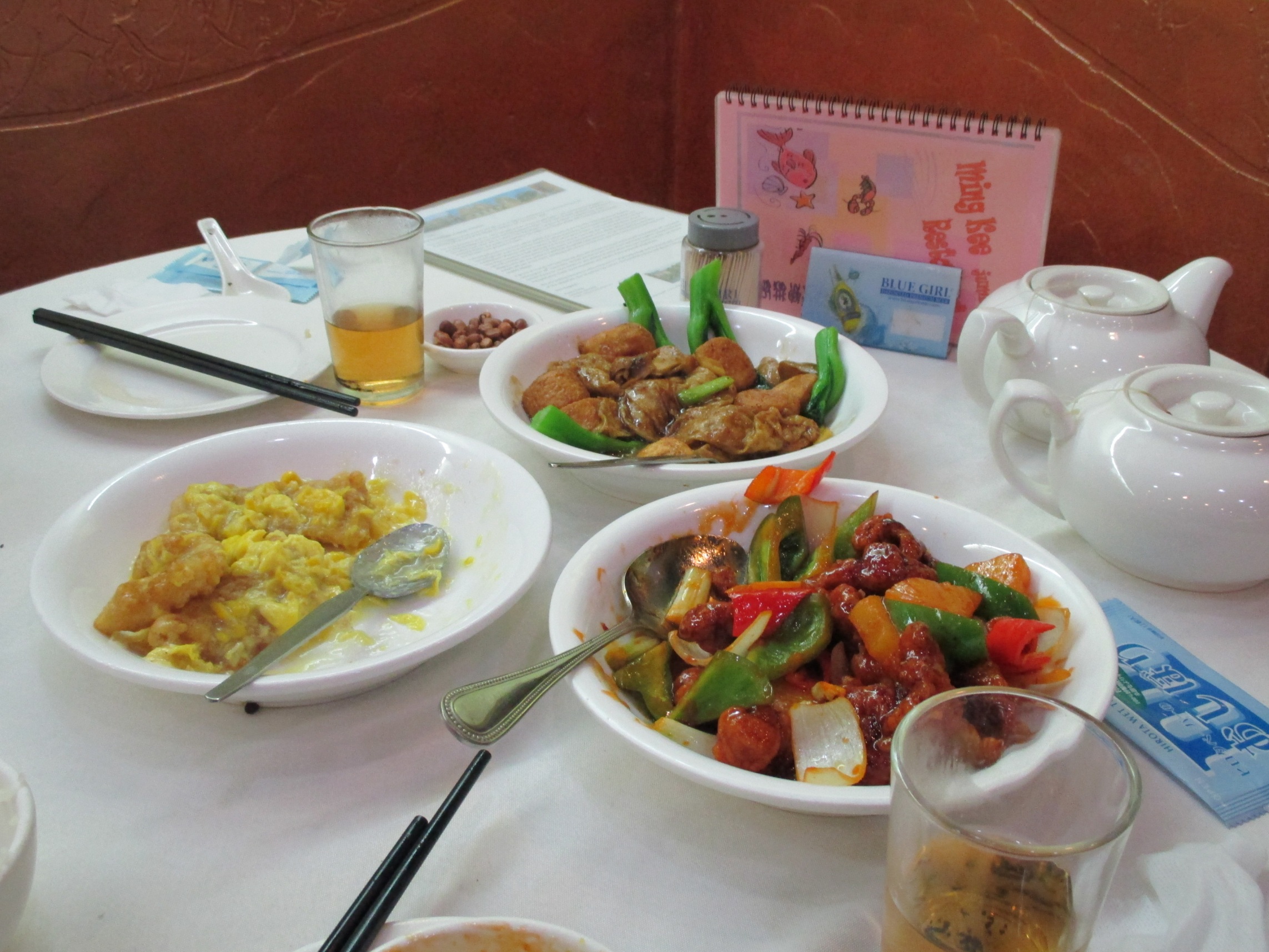
We then had an excellent meal (as below).  Fried fish with egg and sweetcorn, tofu and greens and the ever reliable sweet and sour pork.  Followed by a cup of coffee at the base of Hopewell Centre, where we had worked on the 51st floor through the 1980’s.

dinner


Posted in ESNG, Hong Kong, Out and about, Prototype | Tagged , , , | Leave a comment

Hong Kong – Home of International Superstars?

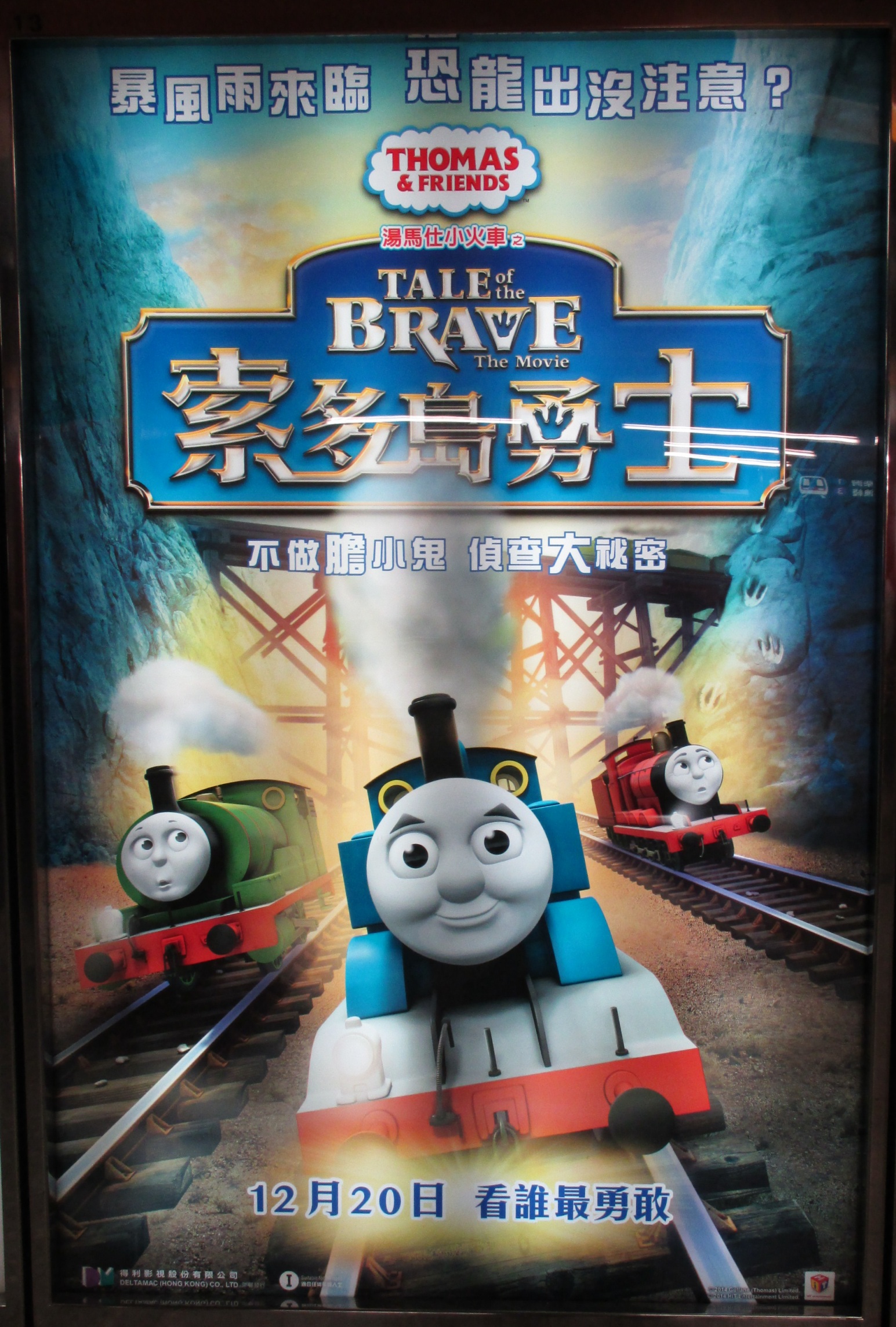
I’ve a few posts to finish about Hong Kong, but I have been out and about on the trains today, visiting a few old haunts and catching up with an old friend.  I need to edit some of my photographs before I post them.  In the meantime, here’s the blockbuster I didn’t go and see on New Year’s Day – I probably wouldn’t have understood a word of it.

Here’s the gripping synopsis!

With the help of his new friend Gator, Percy learns all about being brave as Thomas spots some suspicious giant footprints at the Sodor Clay Pits

However, Allan, it certainly looks like Thomas escaped Gertie the Gas Axe and lived to shunt another day!

Thomas

Posted in ESNG, Hong Kong, Out and about, Prototype | Tagged , , , | Leave a comment

Happy New (English) year

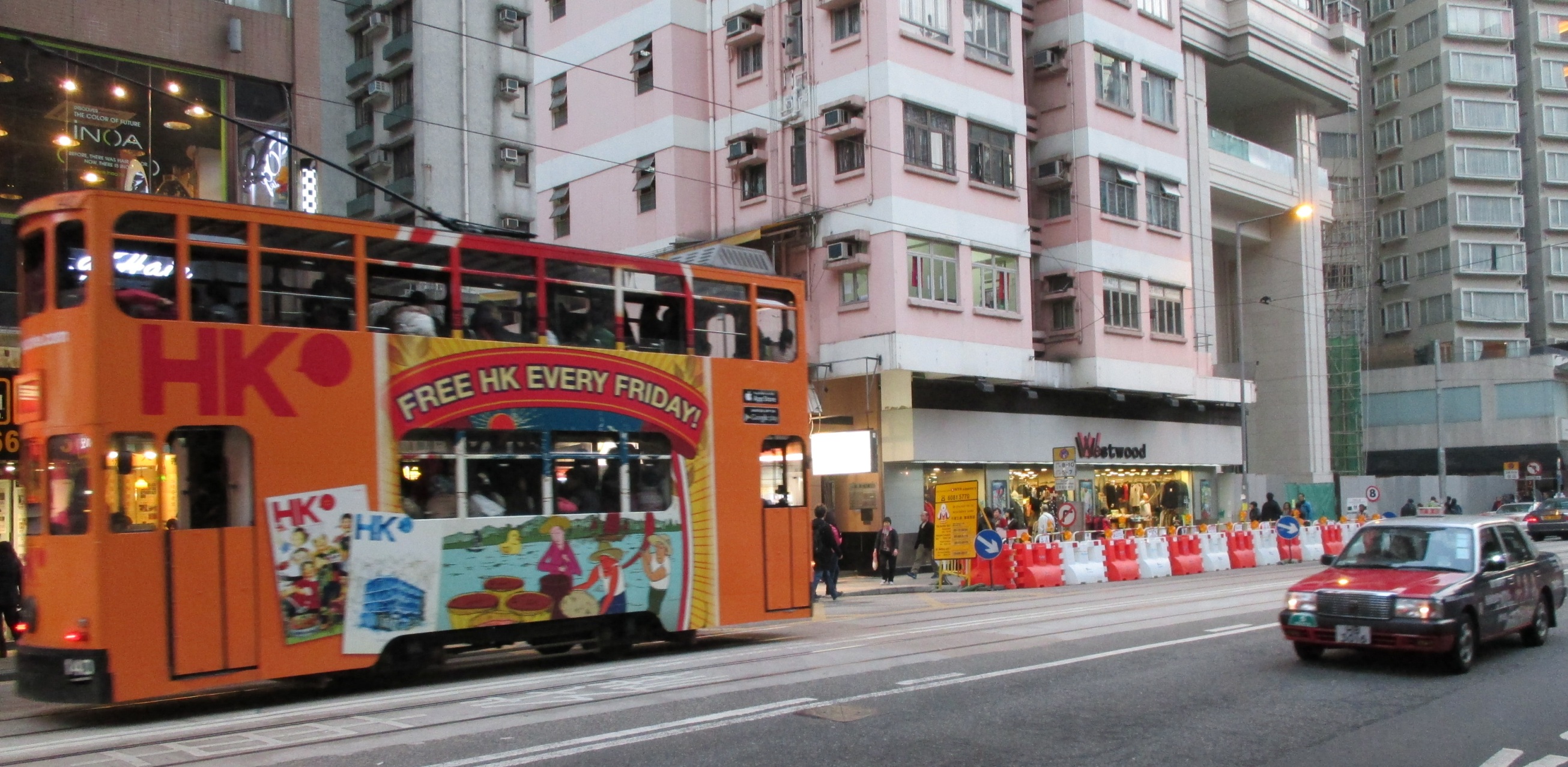
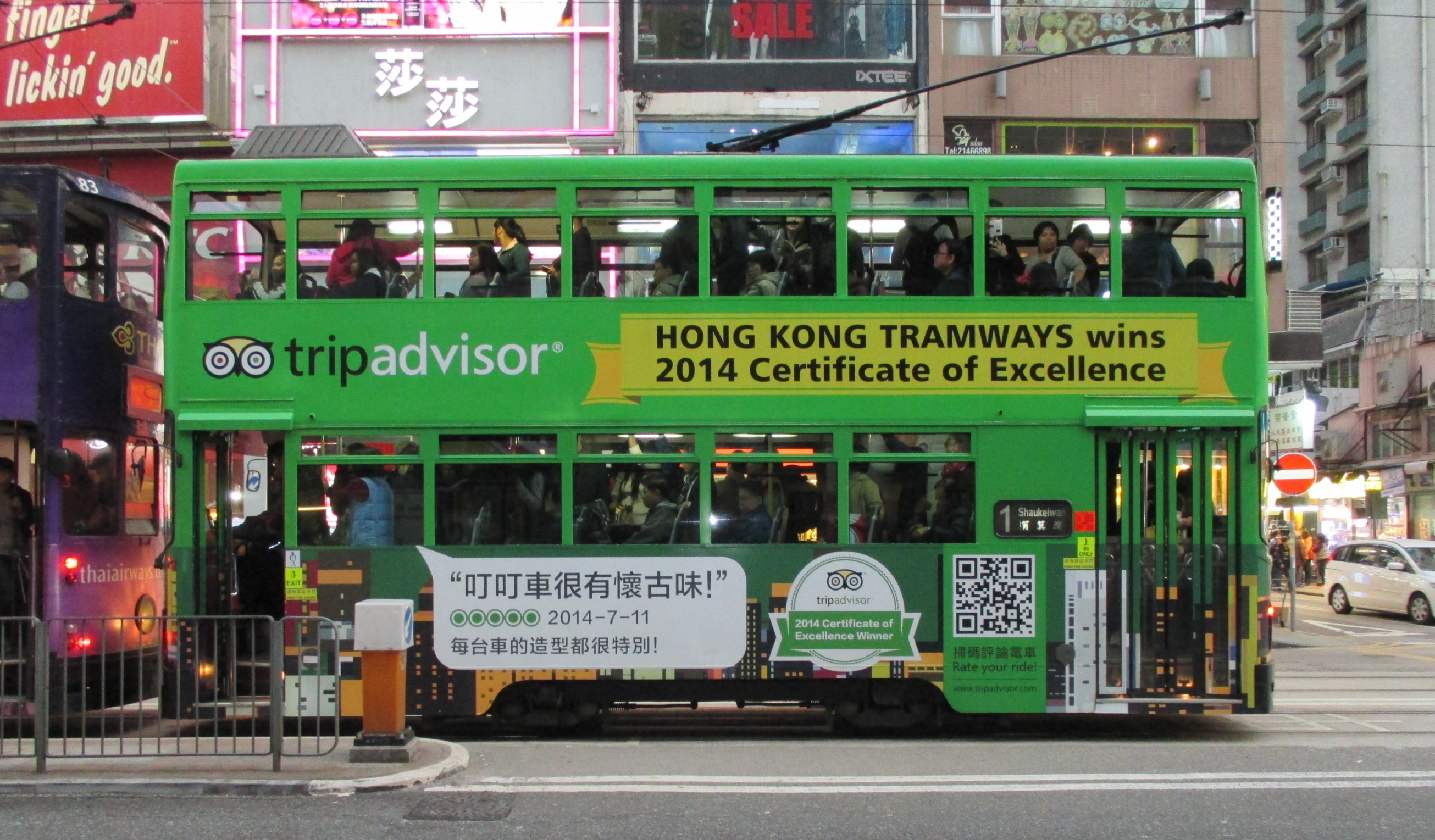
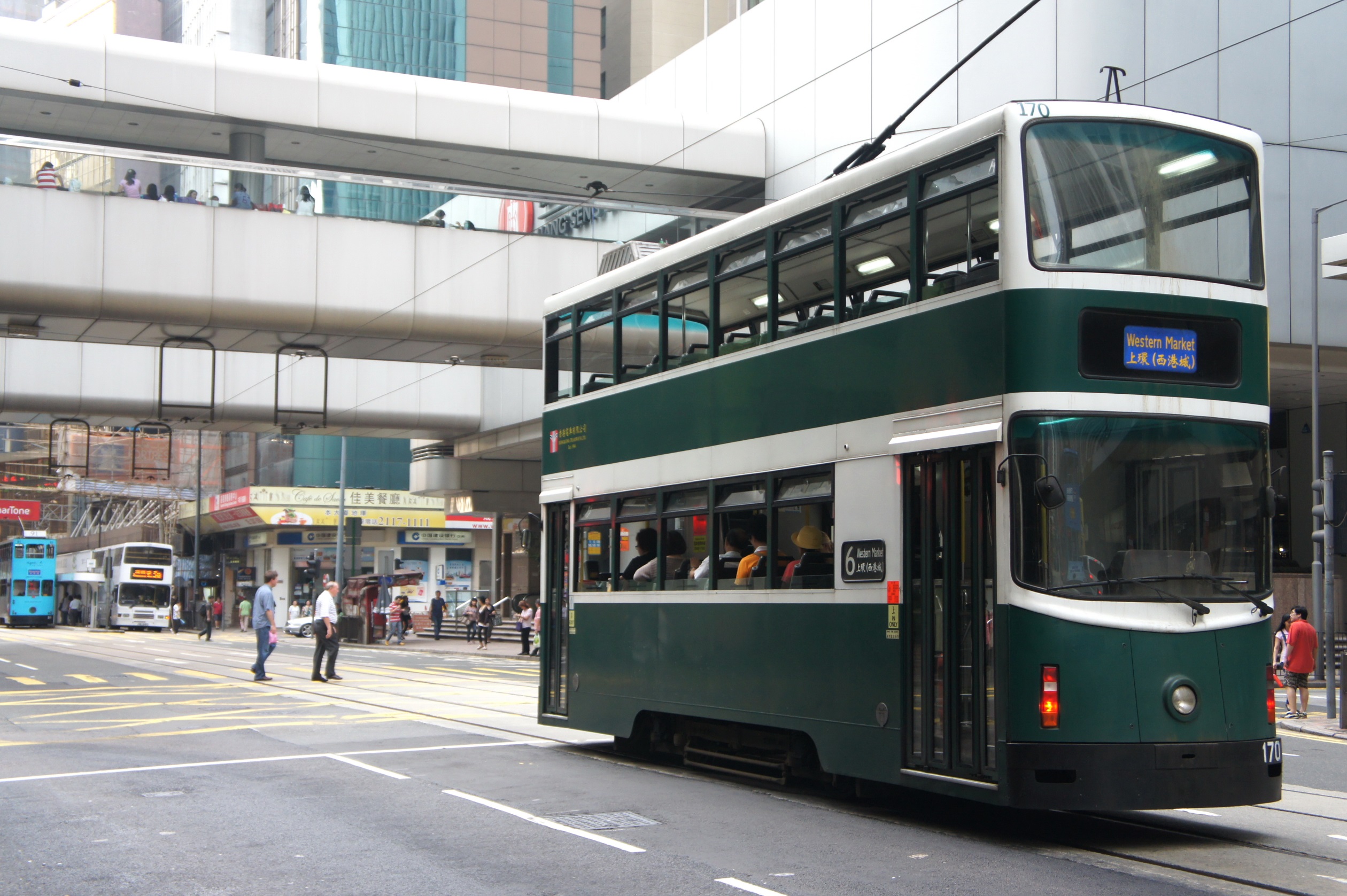
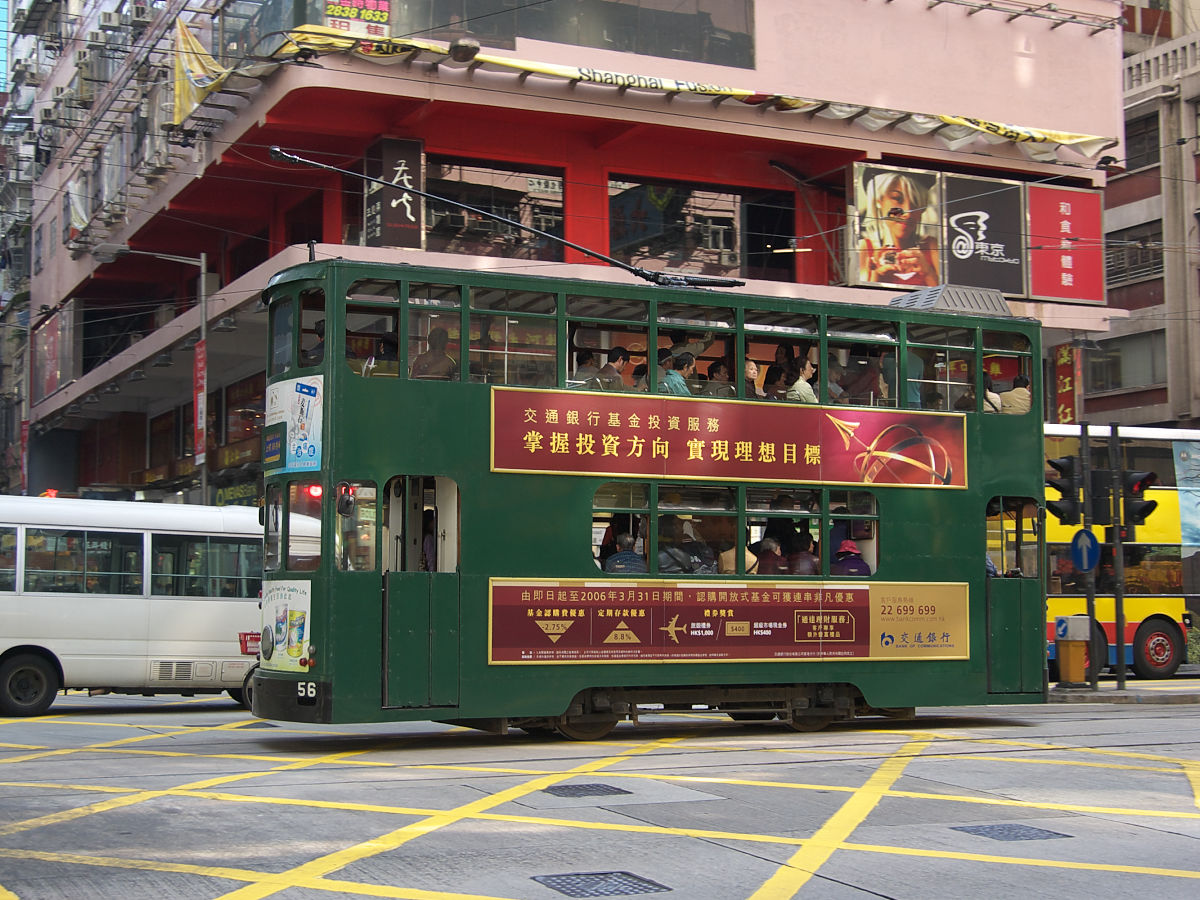
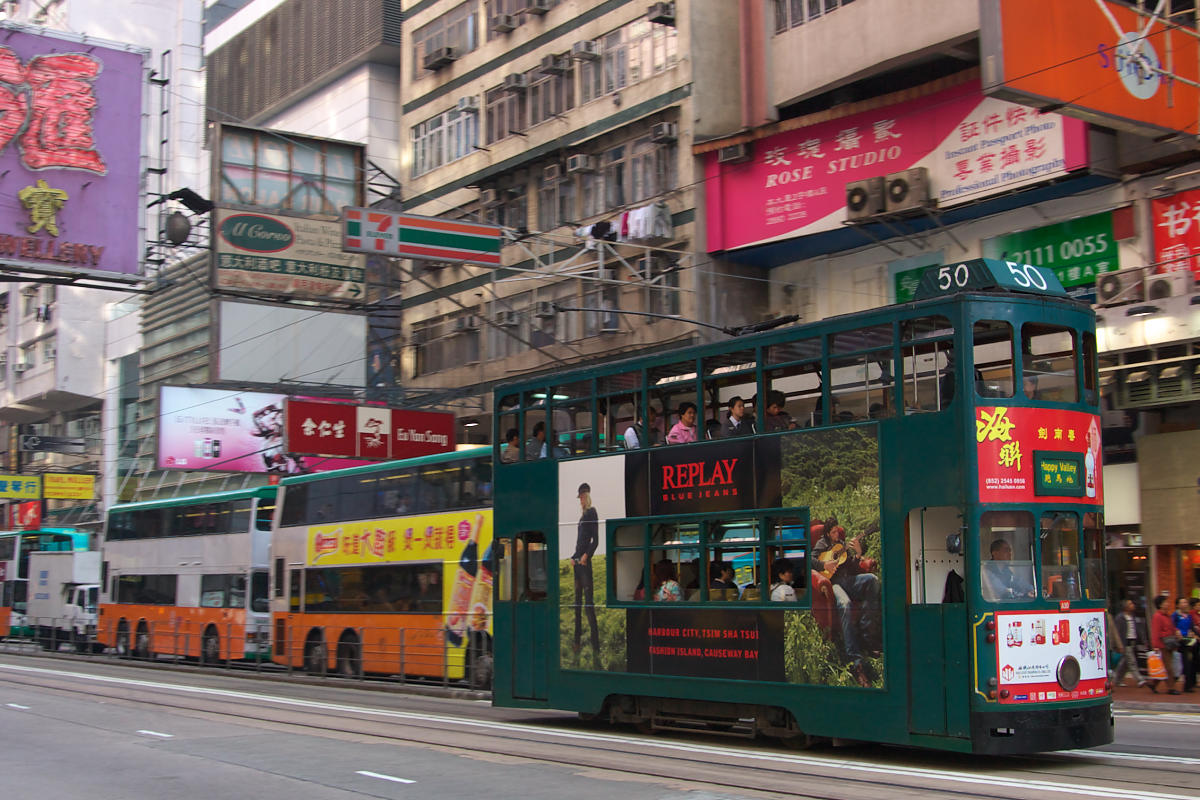
And a Happy New Year from Hong Kong!  It’s not Kung Hei Fat Choi for another six weeks or so, but Hong Kong being a practical sort of place, the Christmas lights might as well stay up for both the English and Chinese New Years.  And we’ll have fireworks for both New Years! I’ve yet to get over to the Island to look for the trams.  I first travelled on a Hong Kong tram in 1981, but never thought they’d be going strong in 2014.  But they form an important travel link for short hops along Hong Kong Island.  And they are cheaper than the parallel MTR underground, and for one or two station trips just as fast, as you have to walk miles in some MTR stations.  In the 1990’s, the trams were rebuilt, but the basic chassis and control equipment was as built many years before.  And I’m sure the new version contains much of the old…. Anyway here are three shots of trams, now and then, that I found on the internet.  I’m yet to see a new build tram, with a neat wrap-round windscreen.  I’m sure you still have to open all the windows in a typhoon, to stop the tram being blown over.

new tram These next two shots are more my era in the 1990’s, with rebuilt trams and new 6-wheel buses in the background (although the first 6-wheelers were running in 1981 on key routes).

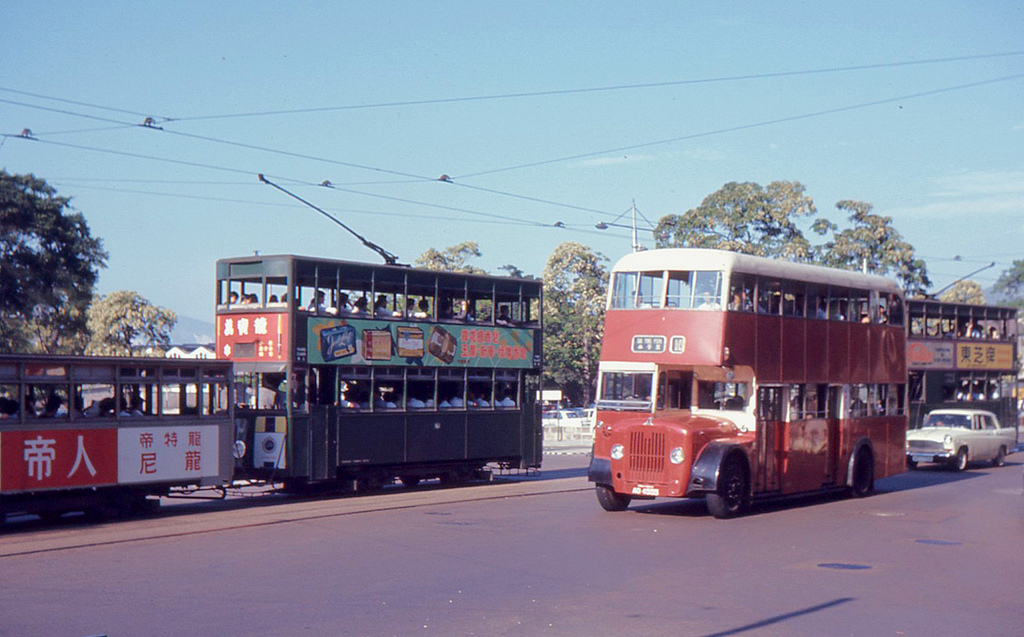
Hongkong-Tram-56 Hongkong_Tram_50 I couldn’t find any 1980’s tram photos – either on the internet, or from my home photos.  I know I have a load, but they are tucked away somewhere ‘safe’.  One day….  But here is a super photo from the early 1970’s by Roger Wallstadt.  The date is evidenced by the bus and car –  and  by the lack of high rise in Queens Road!  But the tram with single deck trailer are as I remember them in 1981.  The trailers had gone before I returned to HK in 1983, but the original trams were still around through the 1980’s.

tram_roger_wallstadt

HK Tram with trailer. Roger Wallstadt

Buses could be I whole post on their own.  I recall catching a bus like this home from work in the 1980’s, but China Motor bus livery had changed to blue and cream.  The 11 route to Tai Hang estate was a joy.  It was running ex-London Transport DMS buses, that I had last seen on the 185 bus route to work from Camberwell.  They were sold to HK, as not tough enough for the 185.  In HK, they slogged up the steep hills of the 11 route (and elsewhere) for years.  I remember the 11 terminus, when a little man topped up the radiator with a watering can after every trip.  Inside, the original mocquette seats were still there, beloved of generations of cockroaches that loved the warm seats at the back next to the engine.  And by the exit, you were still encouraged to phone Abbey 123 to complain….

Back to trams, and one final shot of what happens if a tram breaks down in Admiralty district.  Gridlock – or should it be tram-lock!

Hk_tram_jam

Posted in ESNG, Hong Kong, Out and about, Prototype | Tagged , , , | Leave a comment

“This could be painful, Mr Bond”

Today’s modelling challenge comes, of all places, from the Metro free newspaper:

Zap leaves on the line with lasers Train companies are testing lasers as a way of clearing leaves from the paths of high-speed trains. Trials to zap slippery foliage were started last month on railways in Holland.  The lasers, fitted just in front of the wheel and angled downwards, vaporise residue as the train passes. They also dry the rails to prevent new leaves from piling up, giving the trains better traction and allowing faster acceleration and braking. Using lasers to clear leaves was first proposed by a British company called LaserThor in 1999.  It developed a laser with a temperature of 5,000C that was strong enough to zap leaves 25,000 times per second. “This worked really well in the lab,” said Network Rail, which racked up 4.5 million hours of passenger delays because of leaves last year. However, the operator opted for high-powered water jet because vibrations from moving trains made it hard to keep the laser focussed on the rails.  The Dutch team has been working on the focusing problem.

Also in the Daily Mail with a video of the Dutch unit in operation. Perhaps these units would also be brought into use to control football supporters? I’ve seen LED flashing lights to simulate the arcing of the collectors against the third rail, but this would be a different challenge.  It would probably also need a smoke generator….


And a good link to the BBC about progress on CrossRail under London.


And remember – no ESNG meeting on 1st January 2015!

Posted in ESNG, Out and about, Prototype | Tagged , , | Leave a comment

Jon’s modules – I hate wiring and a new train

Yes, I truly hate wiring.  I finished wiring up the third module on Christmas Eve.  It all seemed so straightforward.  I got the basic feeds in place, and wired up the plug sockets at each end of the board.  I fitted the point motors, fitted the operating switches onto the baseboard facia and wired them to the motors.  All worked perfectly, after swapping polarities on a couple of switches so that the switch movement matched that of the point.

Trains were also running on the main lines.  I then drew a careful diagram of the point frog connections as supplied through the point motors.  A very careful diagram to make sure that it all worked without any nasty short circuits.  I wired it all up point by point.  Working…. working…. then a short.  I checked it several times and everything matched my wiring diagram.  So back to checking everything, connection after connection.

Finally, after swapping a couple of wires, success!   Trains moving over all the board and just one more to go.  This should be genuinely easy (ha ha) as most track is just fed from the adjacent board.


And some better news.  You may recall how disciplined I was at Stuttgart in not buying a lovely Kato Illinois Central passenger train.  Logic overcame lust (I think).  It was beautiful, but it was very expensive and not my part of the USA – the northeast.

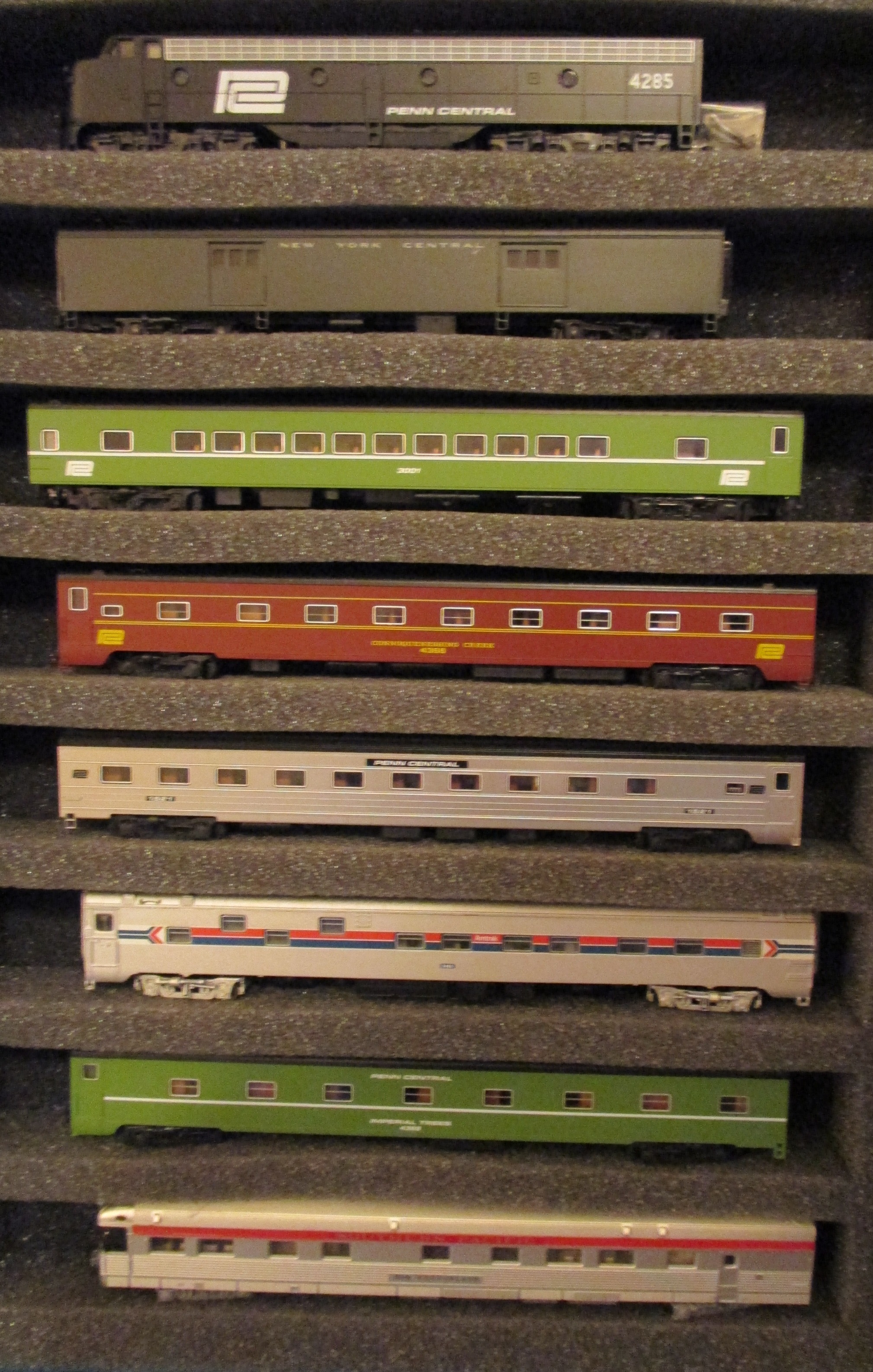
However I was still hankering after a new train to run at club nights, and here it is.  Not as pretty as the Illinois Central one, but shorter, cheaper, and being Penn Central, at least it is from the northeast, if a little modern for my tastes.

IMG_0100

So what do we have here?

  • A Kato E8A
  • A Walthers New York Central baggage car
  • 4 Kato Penn Central coaches
  • A Rapido Amtrak Phase 1 sleeper
  • A Kato Southern Pacific Club Car (on safari with a tycoon from the west)

I’m not sure how strictly accurate this all is.  But it looks pretty good together, and makes a varied and colourful train.  I’ll post some more pictures when I give it a run on club night.


Boxing Day update.  Most of the wiring for that last board completed.  But not totally complete and not tested – so there may be fun and games still to come.


The budgie has flown to Hong Kong for a weeks work today.  Posting will, I hope, continue, albeit less frequently.

Posted in Jon's layout ramblings, Layout design, N Club International | Tagged , , , | Leave a comment

Christmas greetings

Wishing you a blessed and peaceful Christmas 2014, in a pretty random world.

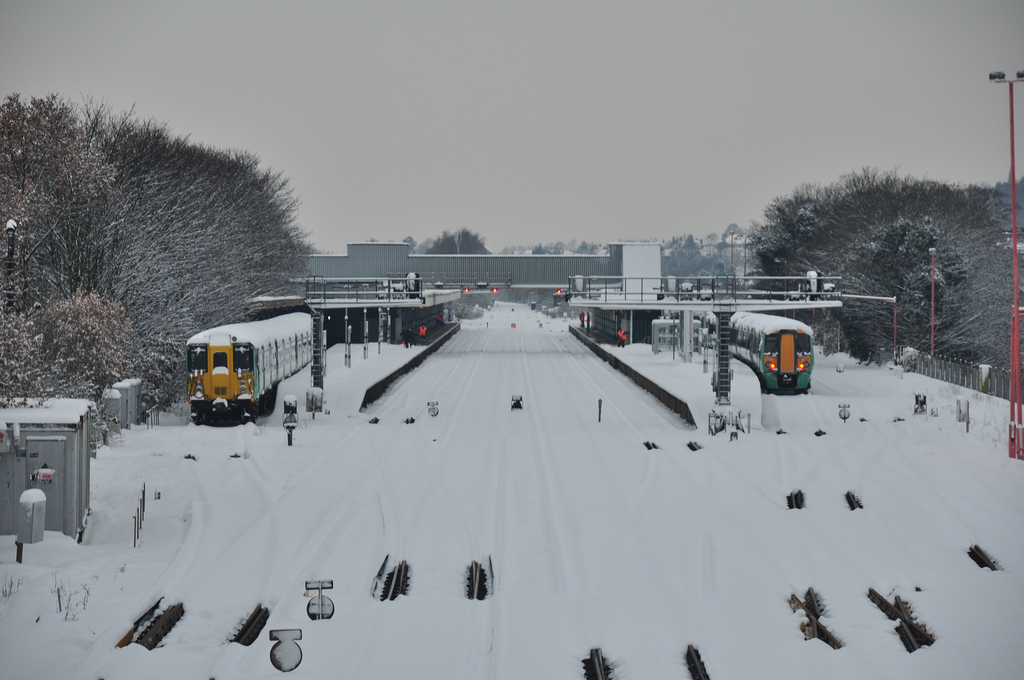
Redhill doesn’t look like this – yet.  I like how the point heaters are working perfectly – pity about the rest of the railway.

5226315684_38ecf68c6f_b

Redhill in the snow, 2010 (Benjamin Nolan)

“A friend of mine always wanted to be run over by a steam train. When it happened, he was chuffed to bits.”  Tim Vine

Posted in ESNG, Out and about, Prototype | Tagged , , | 2 Comments

Model Railway Journal no. 235

I used to buy the MRJ regularly, enjoying the high quality of model making, and sometimes even taking away an idea that I could use myself.  Why did I stop?  I’m not sure – I stopped buying most railway magazines at some point, realising that all they did was to clutter up the house.

Nevertheless, I still have a quick look at every edition in W.H. Smith’s in Redhill, and buy a copy if anything takes my eye.  Edition no. 235 is a bumper issue for the 2mm modeller, and there are a lot of useful articles.

The contents include:

  • Building lightweight baseboards from extruded polystyrene.  Interesting for the idea of casing a plastic beam on all four sides with thin plywood, making a very strong but very light structural member.
  • Kit building an MR 0-6-0 in 2mm fine-scale.  2mm fine-scale modelling is always inspiring, and some useful ideas here that could be used in ‘N’
  • An amazing Proto-87 layout of a Dutch dockside and industries.  I’m fascinated by the baseboards built to seemingly random shapes to match the track layout, rather than the other way round.
  • An interesting article on the Aerofilms aerial photo collection, including a gorgeous picture of Wadebridge in 1932, with lots of Southern Railway steam in evidence.
  • And finally, and best of all, John Greenwood’s wonderful North Cornwall Railway in 2mm fine-scale.  This is 2mm on the grand scale, 45 years or so work, culminating in a 20′ x 15′ 9″ layout with close to scale representations of Padstow, Wadebridge and Wenford Bridge, amongst others.  Wonderful, inspired modelling.  I’ve included a couple of pictures from RMweb below, just to show how good it really is.
RMweb

RMweb

Rmweb

Rmweb

Posted in Hints and tips, Inspiration, Layout design, The trade | Tagged , , , | Leave a comment