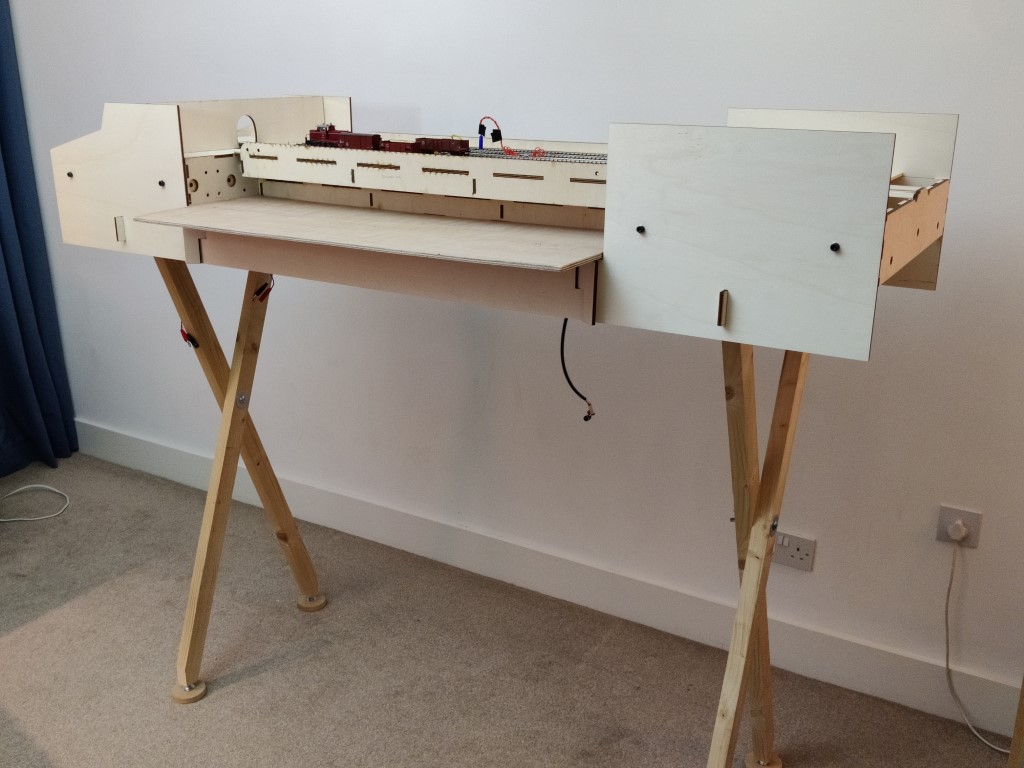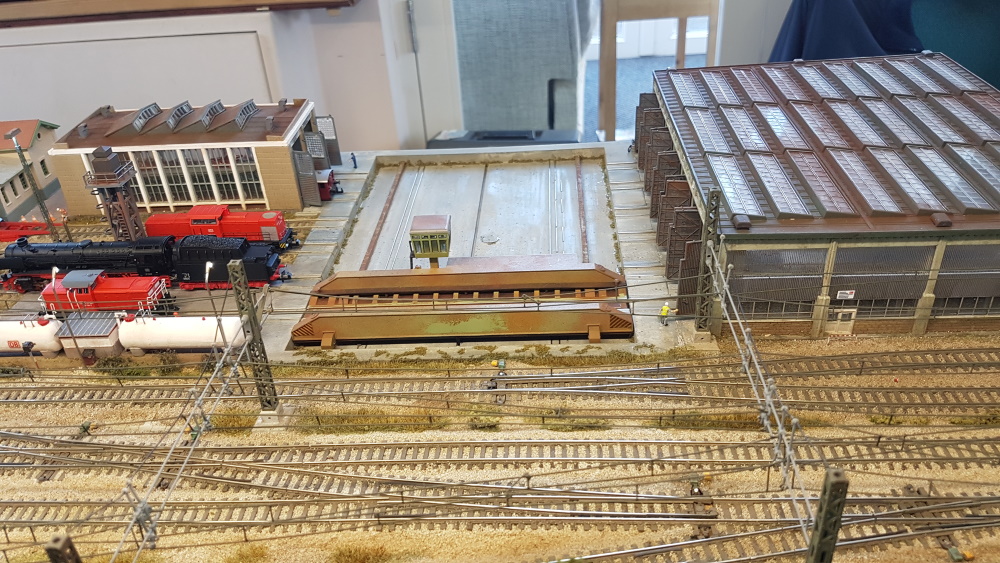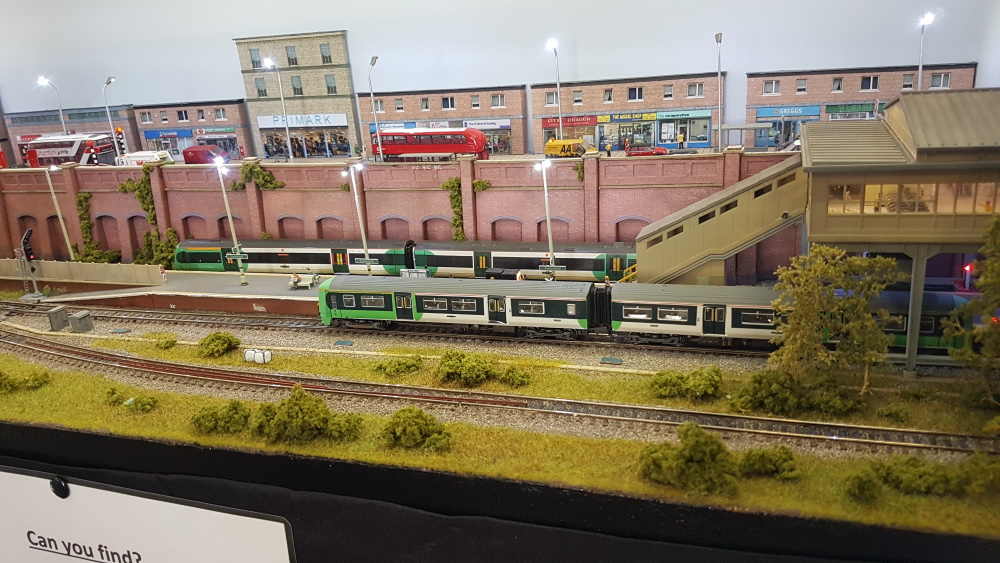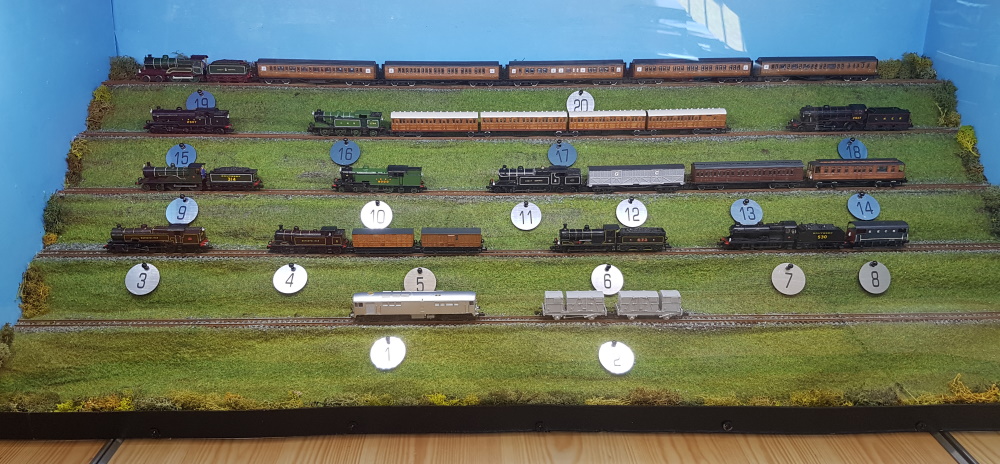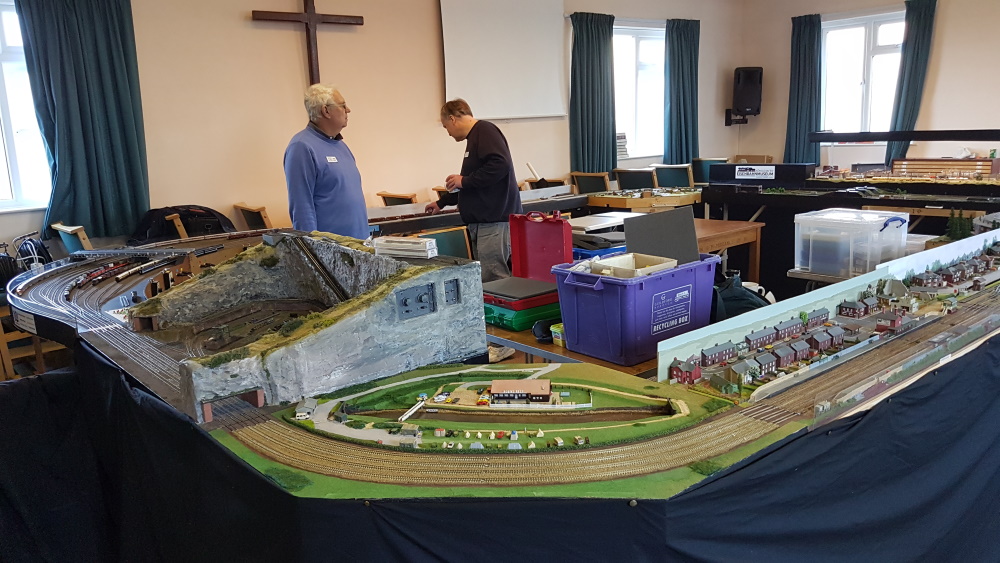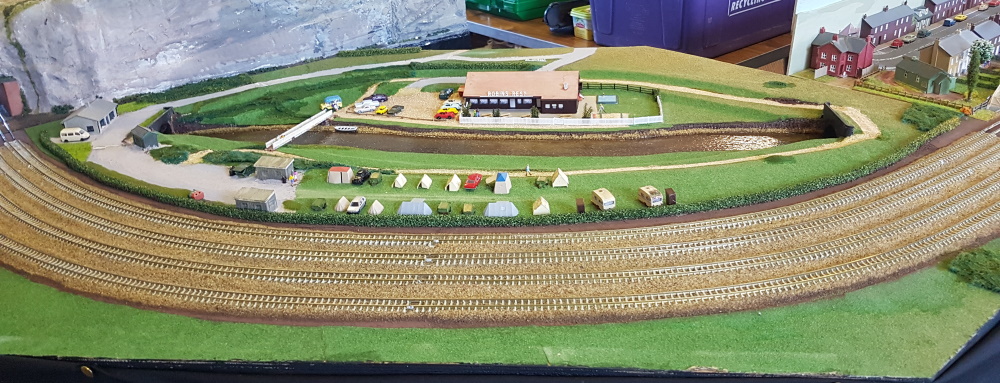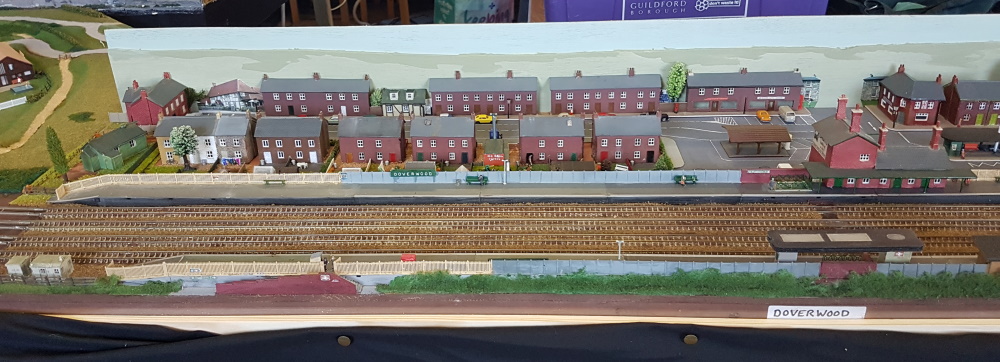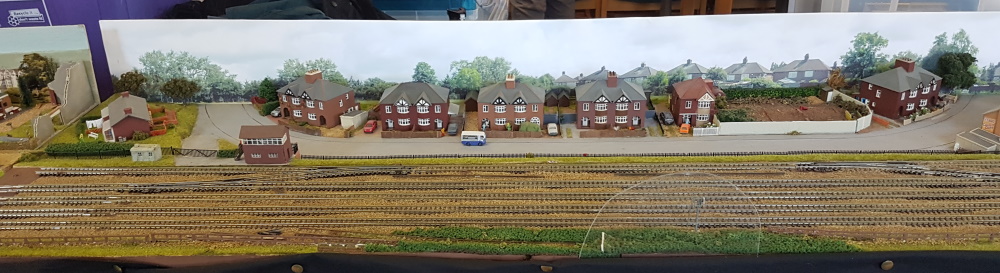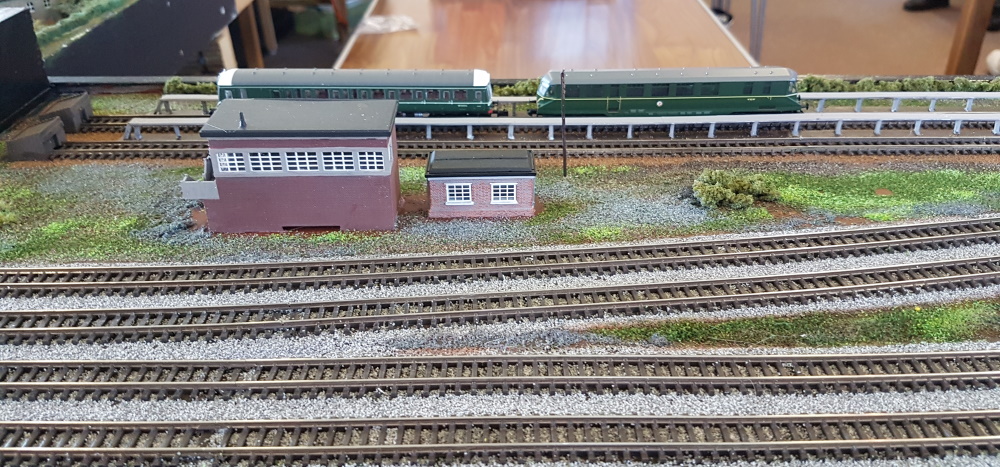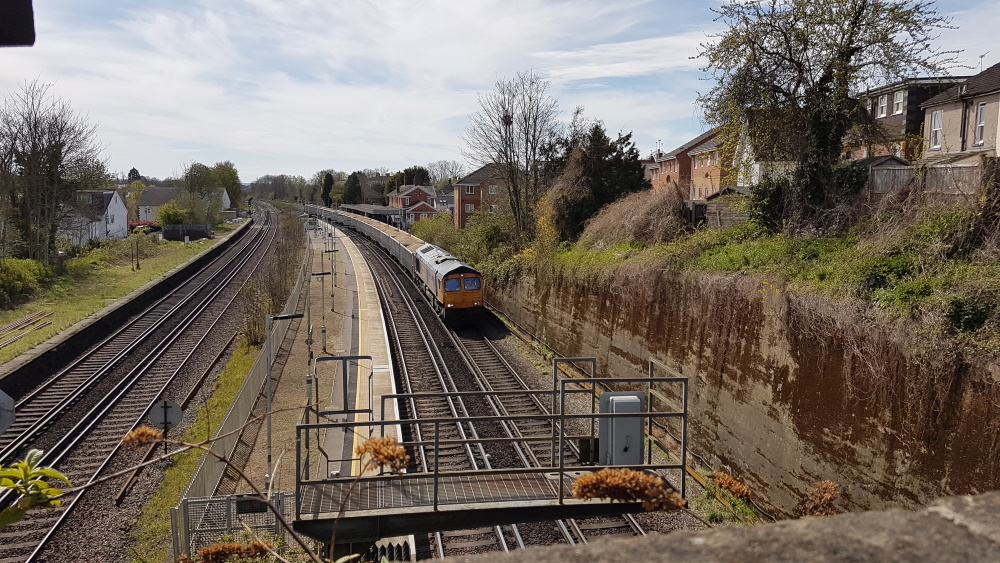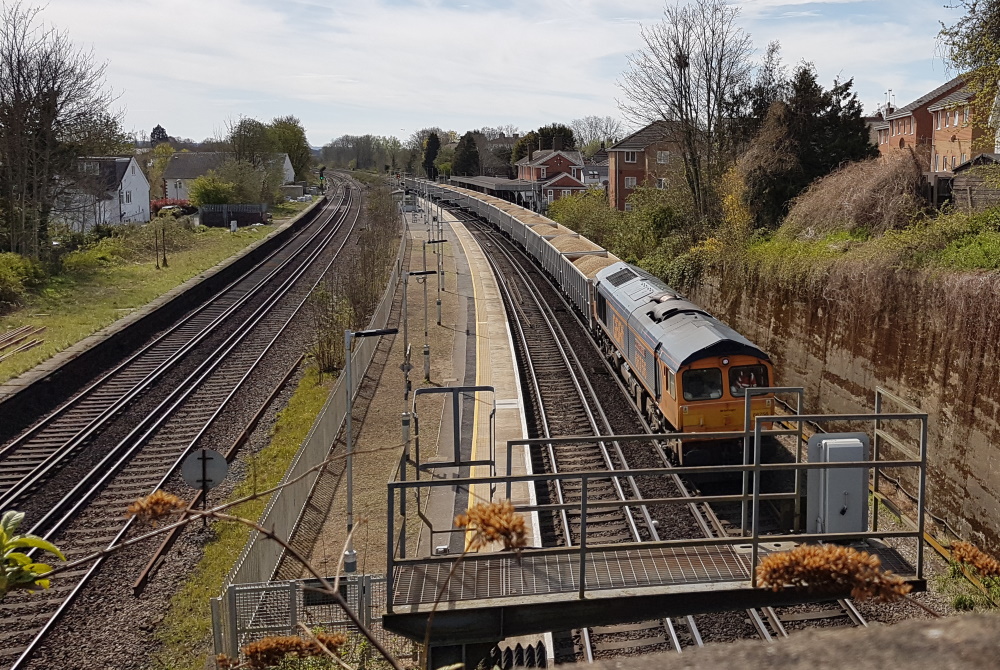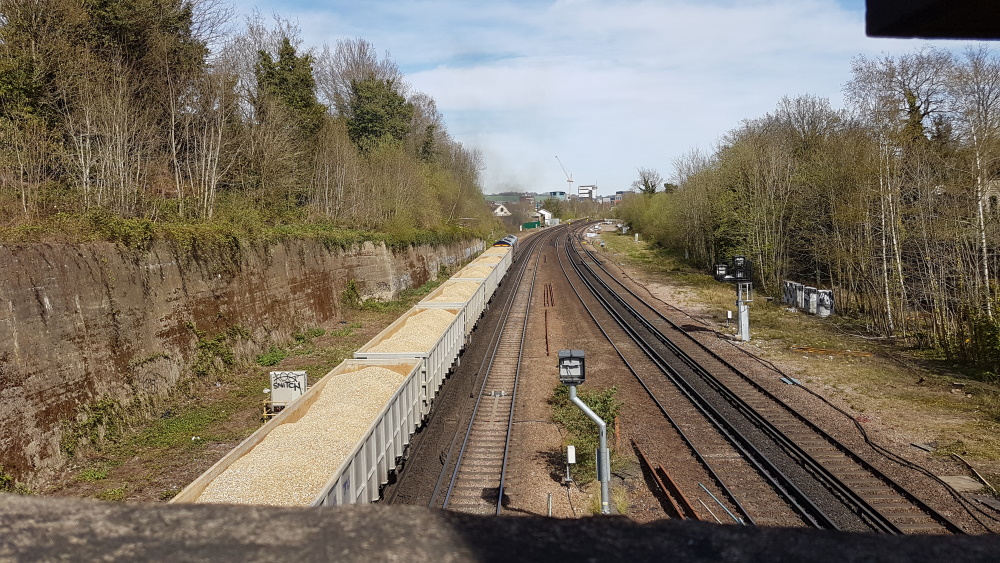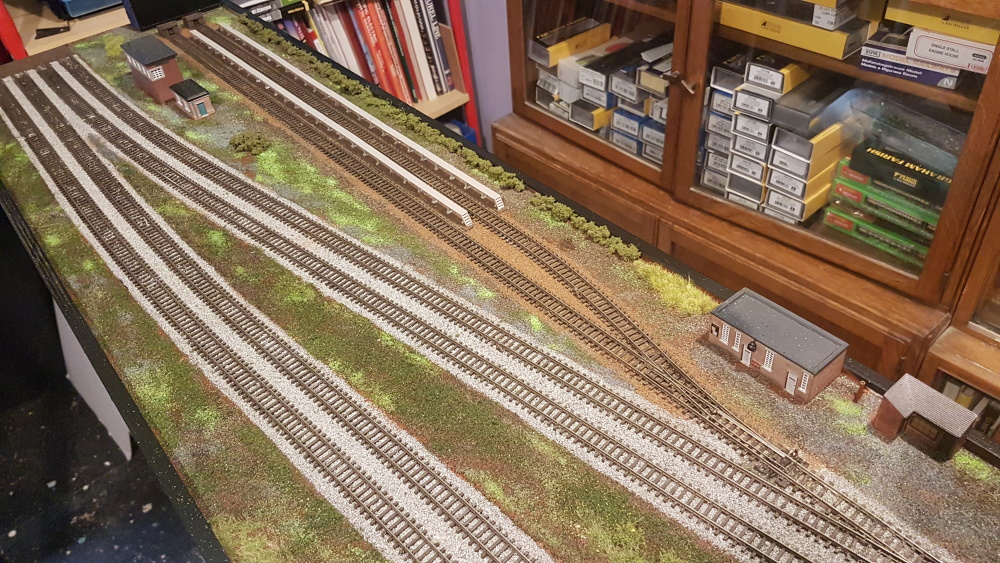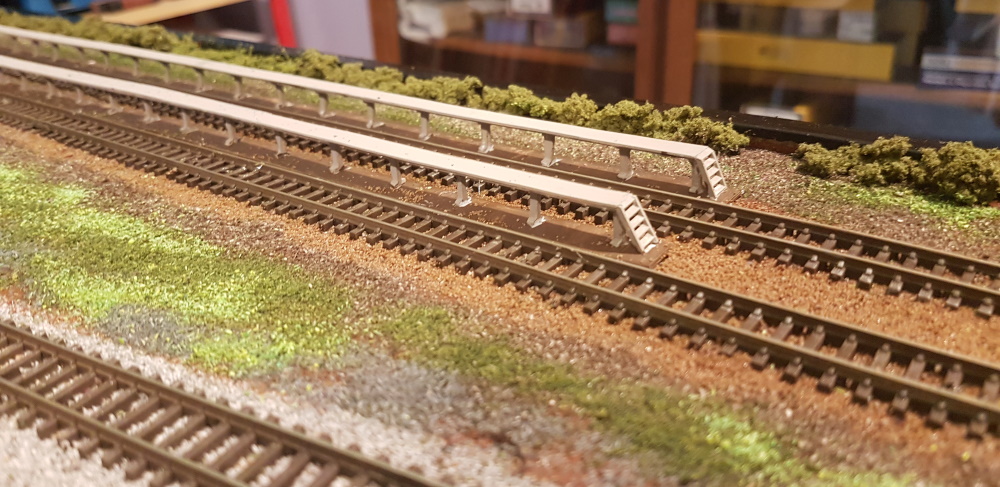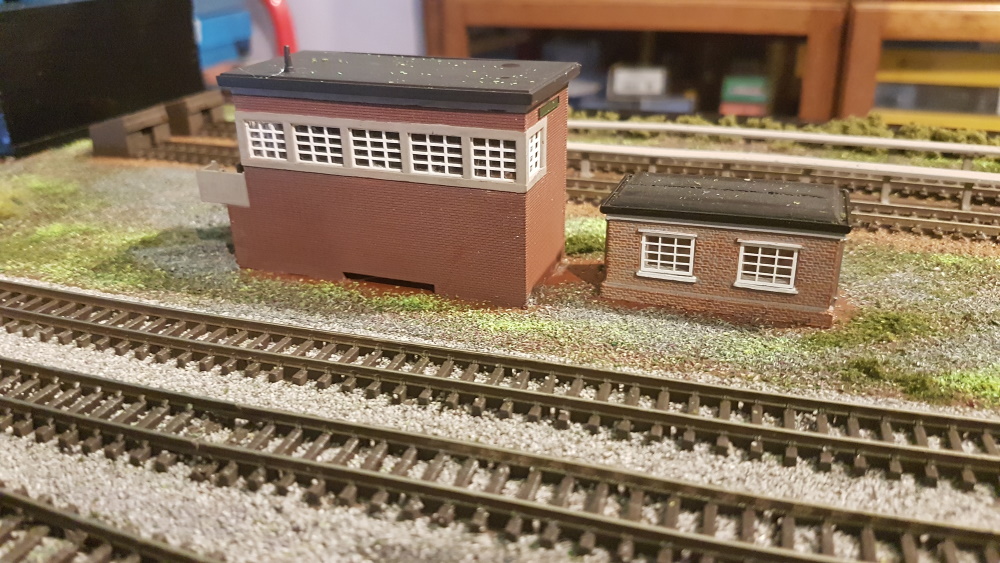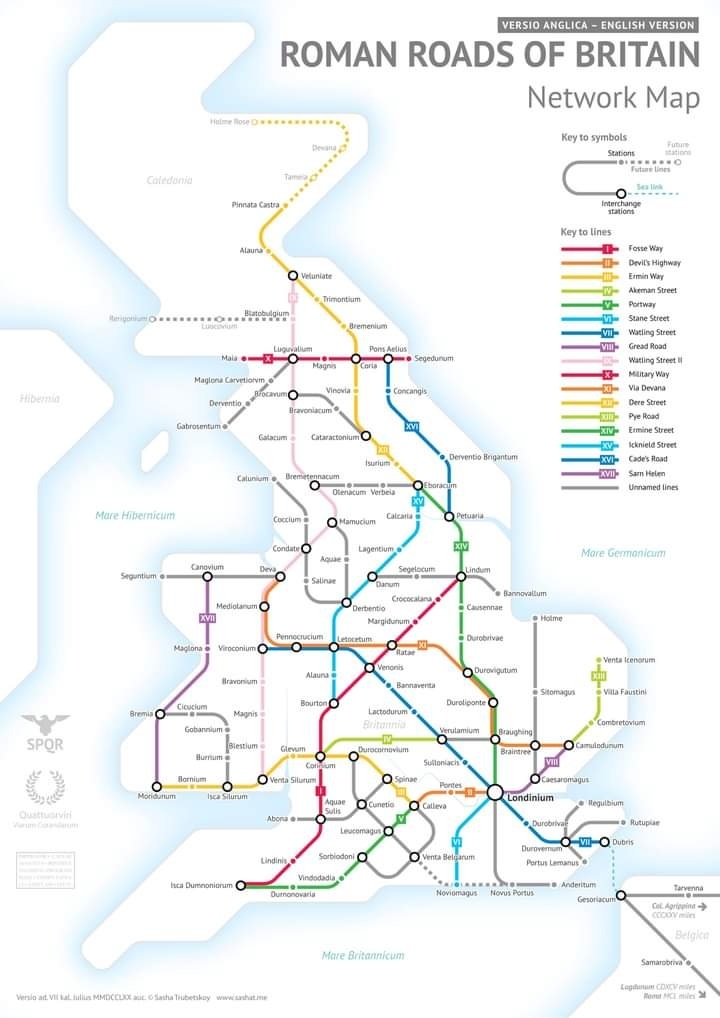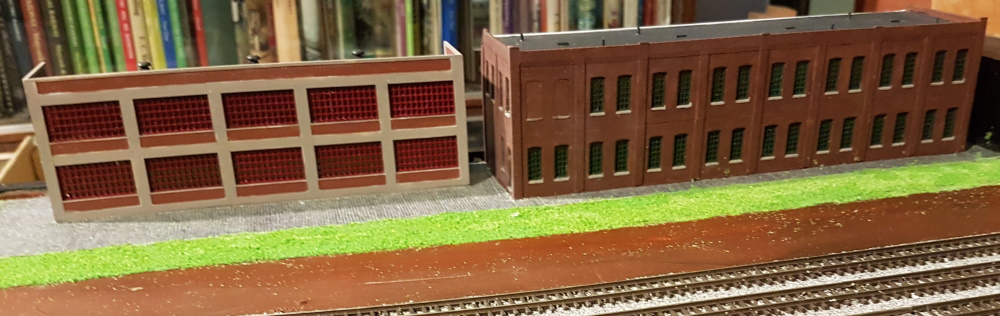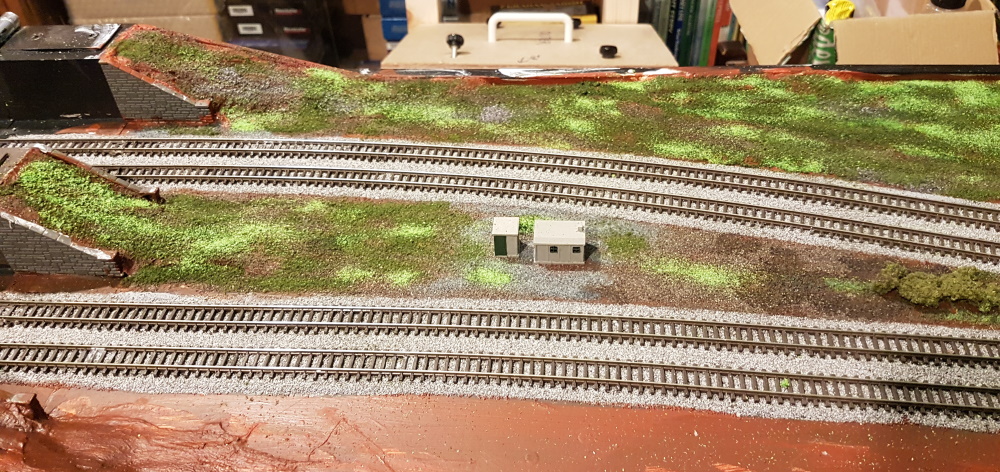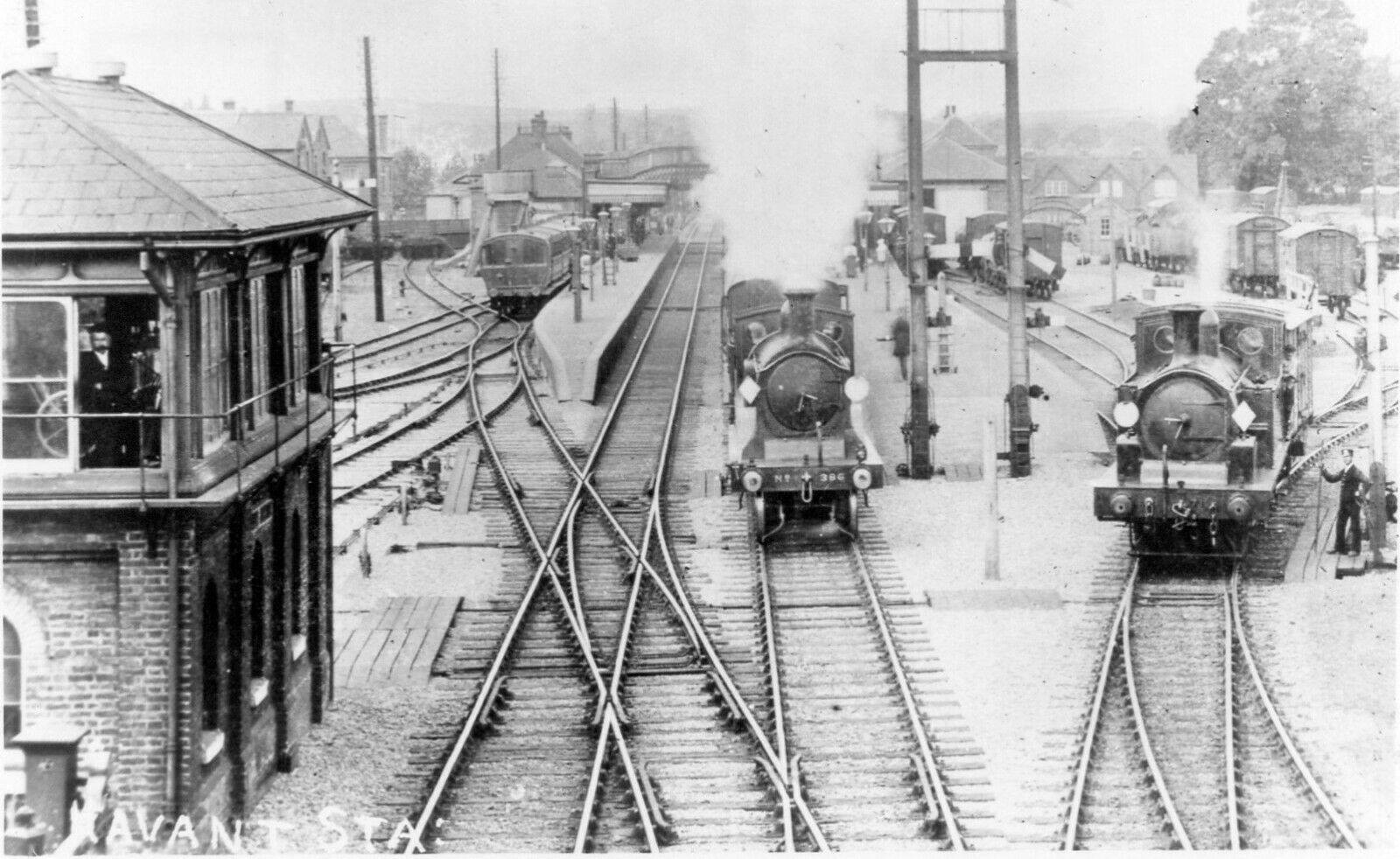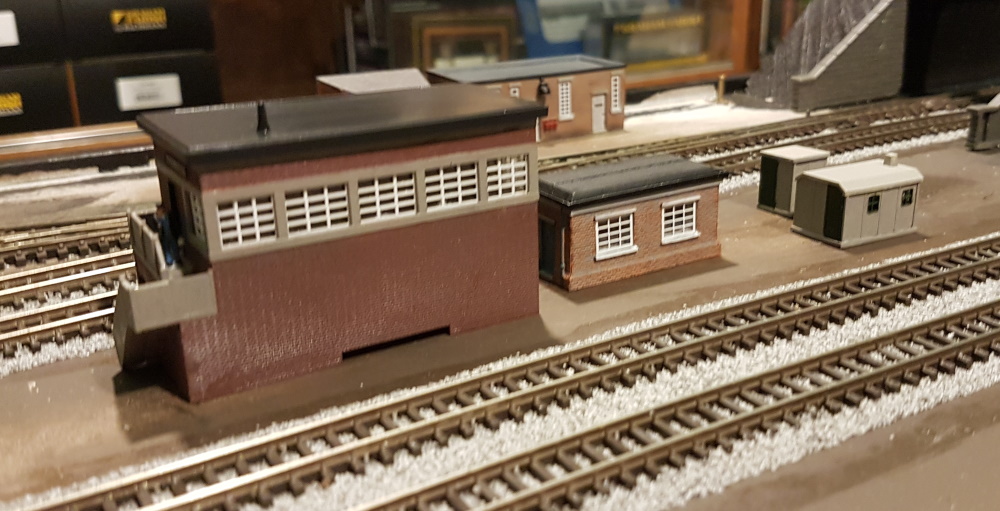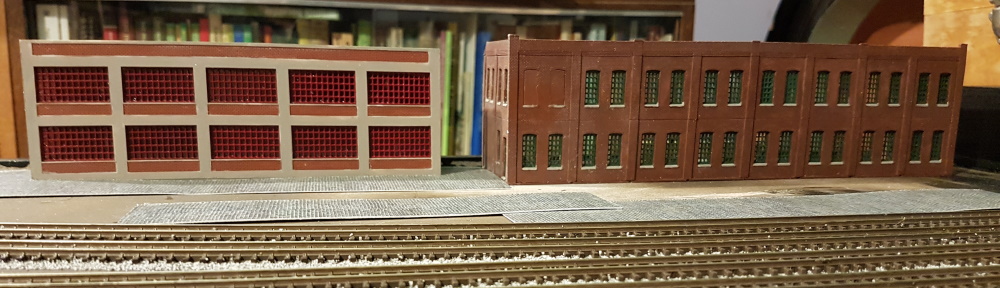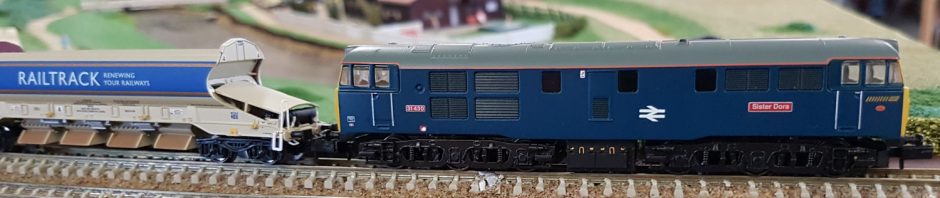
Meanwhile, back in the real world, a little more progress on the ESNG fiddle yard yesterday, with track laid on the fiddle yard extension board. I’m also feeling pleased with myself, as I’ve also replaced four fence posts!
Beautifully colourised film of LA in the 1930’s. Plenty of Pacific Electric and LA streetcars. Note the dual gauge track, as the two systems were standard and narrow gauge. And I was amazed at just how busy the whole place is. A contrast to pictures of London in that era?
Keeping the USA theme, two very nice American layouts, one eastern, one western.
And returning to the tram theme, the 2021 Crich Model Tramways Exhibition.
After Friday’s weather, Sean drew my attention to this little gem – legless in Croydon again! A tram does appear. Actually, this could be any day of the week…..
Wednesday’s meeting was a successful one. No new modules this time, but 9 members plus a visitor. Not least, yet another final meeting for Paul – even though we told him no curry this time!
Another last ESNG meeting, but this really should be it! If everything works out, the flat in Redhill will be professionally cleaned and finished around 3pm tomorrow, I can then hand the keys in and return to Daventry before storm Eunice arrives on Friday.
And it was good to see Peter who was in the area and dropped in. We also discovered that Chris had missed a meeting due to Covid, but good to see him looking well again. And Ian was able to come to the meeting – and keen to pay up his subs for the year. Here we have both usual and unusual suspects.
Graham seems to be wearing his MEGA hat – Make Earlswood Great Again? Paul is looking happy – perhaps it’s the effect of so many ‘last’ ESNG meetings….
On the rails, Michael was running fairly modern UK stock.
Chris had brought along some Southern multiple units, including this ‘Thumper.’
Simon was testing an old Roco model, that ran very well, but will probably be butchered into something American.
Modelling challenge of the day comes from the BBC and Storm Dudley…
Or just use this…..
Bet they can’t do this at Miniatur Wunderland! The prop landings are just sideways….
Many moons ago, ESNG renovated Dreibruken, a 25 year old Swiss layout that was donated to the club. Dreibrucken was a firm exhibition favourite, but the old lady was finally a bit past it and retired. In 2005, Dreibruken appeared in the Continental Modeller, with some lovely photographs by Len Weal. The Continental Modeller generously allowed us to reproduce the article on our web site, and it seems long enough ago for us to also post the photos again on the blog.
My main memory of Dreibruken was how heavy those massive baseboard were. I’m not sure that the current aging ESNG members, 15 years on, could lift them any more. As an occasional operator, I found it confusing as to which tunnel the train was going to appear from….
A busy Sunday afternoon, with eight members present, including Paul for his last, last, meeting.
My final East Surrey N Gauge Group meeting finished off with a curry to mark my 60th birthday which is a week tomorrow. I should be back for the ESNG open day on April 9th.
The outside, red, track looked very empty without a procession of Japanese trains – currently all in storage in Daventry….
Tomorrow will be my last regular meeting of the East Surrey N Gauge Group. I joined in August 2002 when I moved from Devon to Selsdon Park. There are memories to cherish from my association with the group and I have made many friends as well. I will be staying in touch and will remain a member. There are a number of model railway clubs which I could join when I move north including Daventry, Northampton, Lutterworth, Coventry, and Leamington and Warwick, as well as specialist N Gauge groups in Kettering and Milton Keynes.
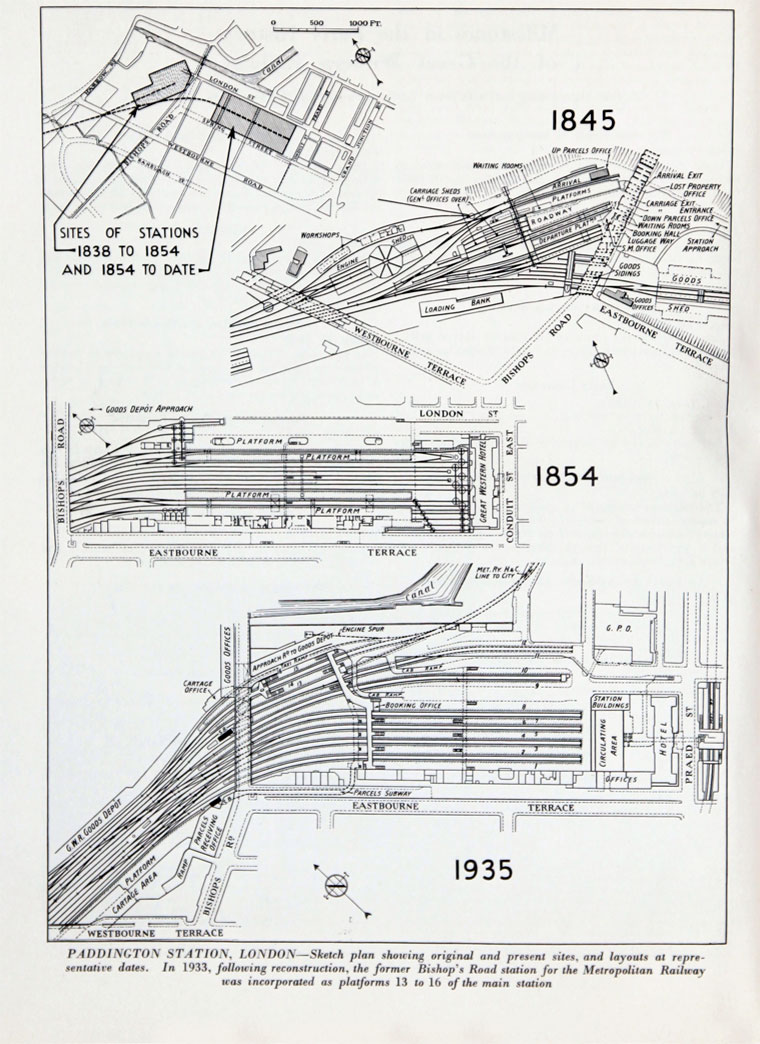
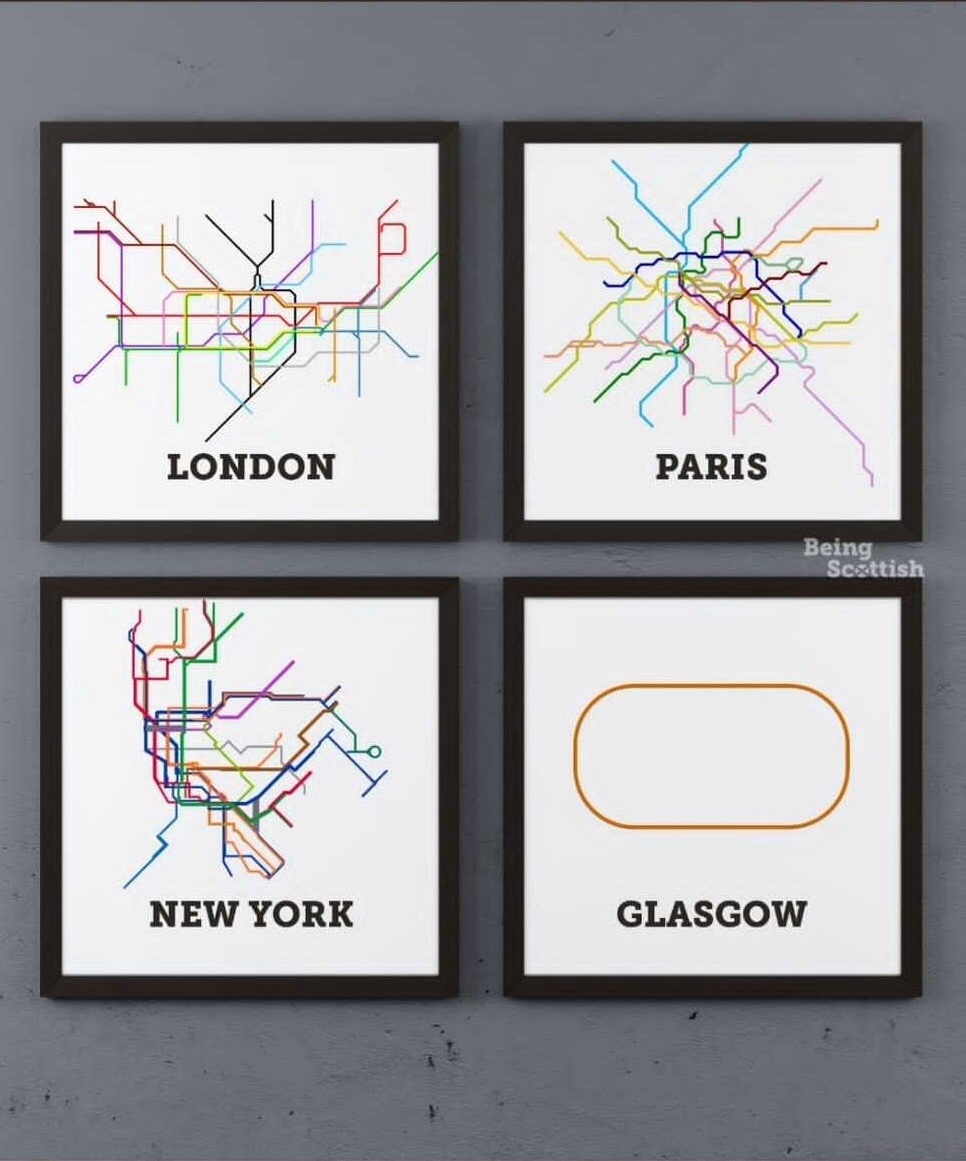
Well, at least the last 20 years ended with a curry!
What was exceptional was such a large circuit to play with. With Dave’s (relatively) new boards, and Derek and my new modules, we achieved a 3 x 1 setup. The Treasurer complained that it took too long to walk around the layout.
I was delighted that I had wired up my modules correctly, and trains ran first time. Next job will be ballast and scenery.
Derek’s (Atfield) new module is a drive-it-yourself module for exhibitions (and possibly any club members without a driving licence?)
Trains looked excellent crossing the viaduct.
And Dave’s module can hijack trains off the main line!
Sometimes I worry about Mr Atfield’s imagination….
Simon’s lovely SP cab-forward. With sound, even with DC control.
Next job was to fit end plates to transport the modules and protect the track ends. Nothing clever here, just thumbscrew bolts and retaining nuts. All very carefully marked out, but of course they weren’t as square as they might have been. They will, however, do the job.
Most of the wiring is complete, too. This is for the first board, and I have started the second one. Easier than expected, and I have, I hope, cracked how to crimp the wire to the pins and sockets ready to fit into the plugs. The acid test will be when we try and run a train on it, but I may test that out tomorrow. The two ends of the modules are joined by a bus for each track to feed the track from both ends of the board. I haven’t wired up the points, that will have the frogs switched with microswitches, but this can be done after initial testing – the points should work OK with power passing through the blades alone.
We’ll miss Paul at ESNG meetings. He posted this on Facebook, and it reminds me of club running nights. I won’t name the usual culprits!
I’m afraid that I have another book to add to the already overloaded shelves.
I saw this was coming out and pre-ordered it, thinking that it would have some good photos of Earlswood and Redhill – and I was right. Lightmoor Press’ blurb says:
This book charts the developments of the London, Brighton & South Coast Railway through the Southern Railway to British Rail, from Brighton to Coulsdon North, with particular focus on a signalling perspective. With a wealth of illustrative detail, the historical progress of the railway is recounted – from steam to electric motive power, and mechanical to colour light signalling – using original documents and photographs from national and regional archives, supplemented by material from personal collections including the author’s own. Whilst the author’s technical and professional expertise as a signalling engineer is employed to the full, this book is also about a way of life. Giving access to the proudly polished interiors of historic signal boxes with glimpses of signalmen’s domestic routines, the triumphs and tribulations of life in the S&T (Signalling and Telecommunications) maintenance department, and the liaisons with fellow departments, this book is as much a history of railwaymen as of the railway. The story of the surrounding landscape encroaches, too: the railway adjusts from racegoers to airport traffic at Gatwick and accommodates the building of a motorway; signal boxes encased in brick protect against wartime air raids; elements of the skyline change whilst others remain. Documenting a time before passengers became customers, when performance targets and train operating companies were unheard of, this book celebrates the work of the engineers who built the railway, recognises those whose aim was to maintain and run an excellent service, and honours the photographers who took time to capture evocative images of architecture and infrastructure from construction to demise. While thoroughly research-informed, it is threaded through with the author’s inimitable personal commentary.
There are some excellent pictures of Earlswood. I hadn’t realised that the track was rationalised in the mid-1980’s, just before we moved to the area, and that there was a large signal box close to where I live. There is a fine picture of Redhill station in the early part of the 20th century, that shows how much the town has changed.
But the whole volume from Brighton to Coulsdon North is full of high quality photographs, signalling diagrams and interesting information. I was especially interested in Coulsdon North. Once the limit of the LBSCR overhead electric services, it only closed in 1983 – again just a few years before we moved here out of London. Wikipedia sums up its demise:
The situation of Coulsdon North on the so-called “fast track” of the Quarry Line posed pathing problems, as the route had to give priority to express services heading for the South Coast. Accordingly, through services to the coast were withdrawn, and the fast platforms saw only occasional use for special trains. Furthermore, the opening of Smitham (now called Coulsdon Town) in 1904 had created 3 stations in the same area and, by the 1960s, the decline had begun to set in. Only the terminal platforms were regularly used, for stopping trains from Victoria or London Bridge. Weekend passenger services were withdrawn in 1965, the goods yard was closed in 1968, and from May 1970, passenger services only operated at peak hours on weekdays. The station finally closed in 1983 as part of the resignalling of the Brighton main line.
This sample image from Lightmoor Press’ website gives an idea of the quality of photograph included. A book full of local pictures, track plans, signals, and personal stories – what isn’t there to like? Strongly recommended.
More progress on the club fiddleyard today. Slow, but sure. No Simon due to cat pee problems (don’t ask), but two Derek’s hard at work. We tidied up the extra baseboard ready for a cover and tracklaying. We then started wiring the point motors on the end boards.
Not quite as complex as Waterloo. Not sure how a 3SUB got on the Waterloo and City line….
And Birmingham Moor Street seems to combine a Minories with an N-mod to N-club transition. Hmmm…..
And all the track is down, and the joints soldered. I have to admit, that laying PECO code 80 is really rather easy, compared to code 55 and even easier than hand laid track. Next job, wiring, then a coat of track colour before ballasting. I’m hoping to get it operational before next Sunday’s ESNG meeting. I’ve also got a few structures coming by post to complete the scene. I have to decide how to hide the hinges. A bridge would be one option, but having read about Elmstead Woods tunnel, in SE London, recently, a short, shallow removeable tunnel might work. This tunnel was built at the insistence of the landowner, who didn’t want an SECR cutting through his land, and in places there was only 4′ of soil over the tunnel.
And how about this for a prototype to model. Shaker Heights interurban, with a turn-round loop on the main line. An N-club module, perhaps?
This is the blog of the East Surrey N Gauge model railway club. Find out about our club activities here, as well as news and views on N-gauge railway modelling.