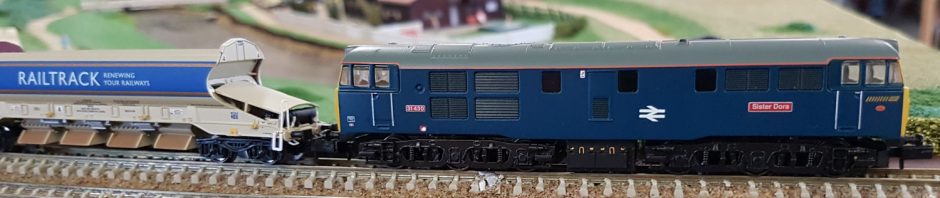
1971 – July – Birdcage discomfort

Also in the July 1971 edition of Railway Magazine was an interesting article on the Oxted line of Southern Railway and BR Southern Region.  This line branched off the main Brighton line at East Croydon, wound its way through Oxted and Lingfield to East Grinstead, where the line now terminates.  In steam days the line branched at East Grinstead to Lewes and the coast (now the Bluebell heritage railway) and to Tunbridge Wells (now closed.)

This line certainly would have been electrified in the 1940’s, but such work was delayed by the 2nd world war, and the third rail only reached East Grinstead in 1987.  So in the 1960’s, it provided a bastion of steam amongst all the EMUs of East Croydon.  This got even more interesting for race days at Lingfield.  The author, D.A. Bone writes…..

Several times a year the Oxted line became more than the poor relation of the electrified services.  Lingfield Park races must have caused plenty of operating difficulties, but they provided a near paradise for the lover of Southern steam.  East Croydon resounded, as it must have done up to the Brighton Line electrification in 1933, to the sight, smell and sound of a succession of heavy steam hauled services.  The idea of Pullman cars going through Woldingham now seems a fantasy.  The pattern of services on race days did not change after nationalisation.

Now here’s an interesting layout idea – a racecourse line.  A chance to run EMUs or local passenger services, and then loads of express power on race days.  One could even bring in trains from other regions, allowing you to run your ‘Rule 1’ stock to the race meeting.  Perhaps someone has chartered a ‘Brighton Belle’ or a ‘Blue Pullman’ for the day??  Lingfield itself seems a small station for race traffic….
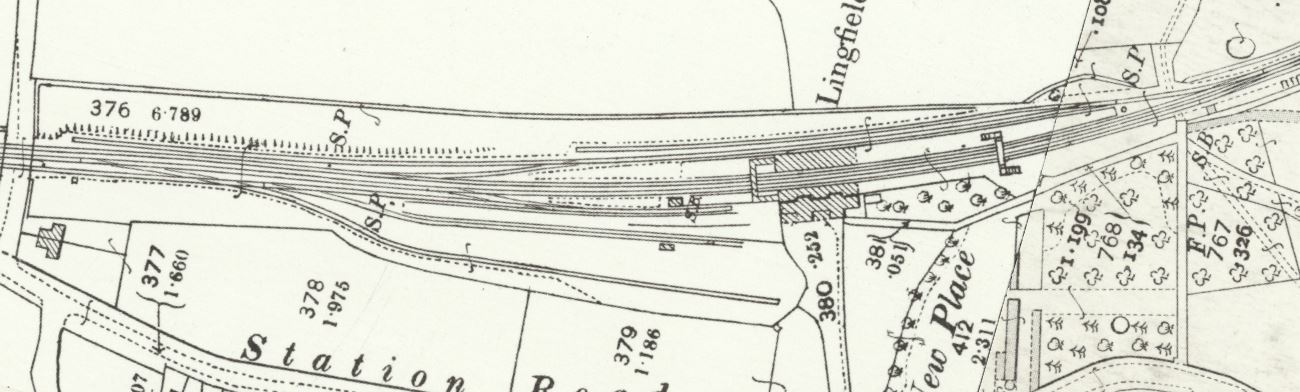
lingfield

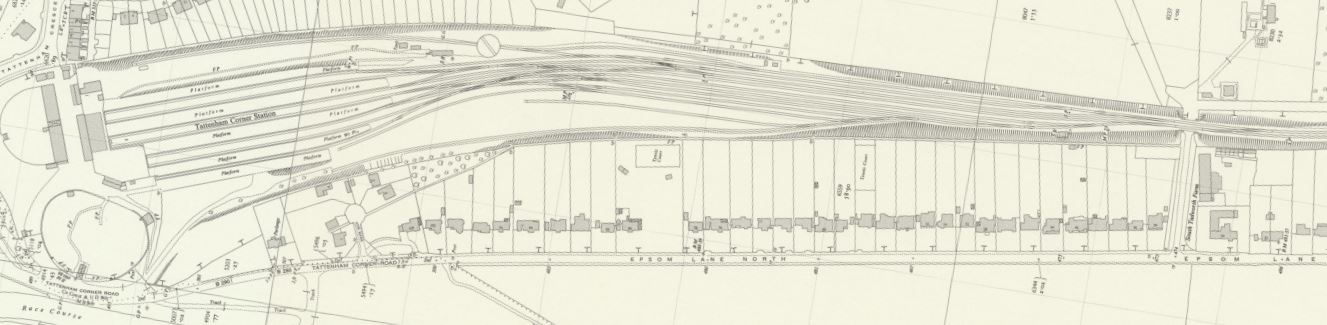
But up at Epsom, both Tattenham Corner and Epsom downs are relatively large termini.
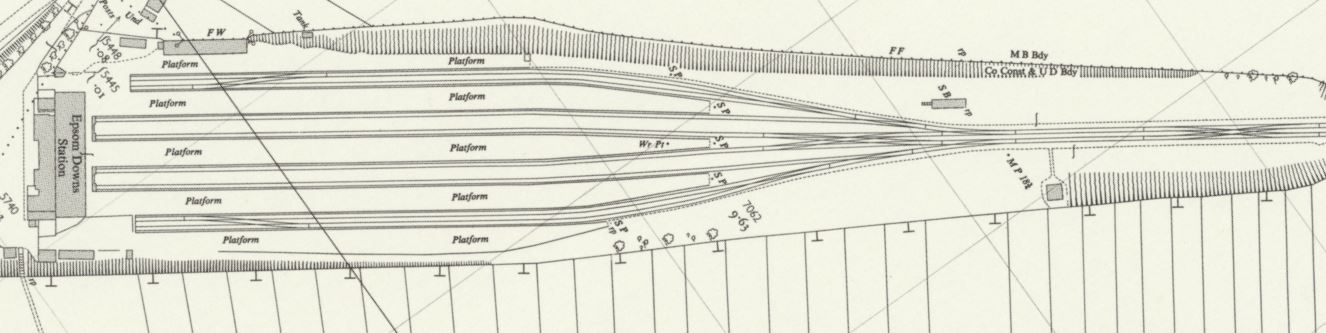
epsomd tattenham

Perhaps too large for many layouts, but a through station on the line, retaining its goods yard, could be an interesting prototype.  Of course, if your racecourse is at the end of a tram line, like ‘Victoria Street’, you can do it all in a few feet.

This has turned into a long post, but I must mention the ‘Birdcage discomfort’.  This is not the same as waiting for the Farish model to appear!  It’s a long quote but so evocative of a certain era of UK train travel….

It would be unfair to recall all aspects of Oxted line travel in the 1944-47 period through rose-coloured spectacles.  The frequently used birdcage three-coach sets did not provide good third-class accommodation.  The standard “4-LAV” or “2-BIL” sets used on the Brighton line slow trains were infinitely better upholstered and lit.  Birdcage compartments were narrow and the strip of blue leatherette one leant back on had the minimum of padding.  Lighting in both the first and third compartments was by ceiling fixtures.  There often seemed to be water in the bottom of the glass shade that enclosed the dim bulb.  This produced rather ghastly shadows, especially when the stock was running at speed, as the water was continually shifting position.

Heating was controlled by a large brass handle, which could be put in the usual three positions, full, half and off.  It required considerable strength to move, but was at least conveniently placed below the mirror.  Each side of the mirror were sepia Edwardian scenes of Tunbridge Wells or Bexhill.  Only passengers in the middle coach of a birdcage set had access to a toilet:  the door to this had a formidable know of ribbed brass, and the word LAVATORY boldly written in gold.

The worst features of third class travel could be avoided provided you had time to choose your compartment.  The erstwhile second-class accommodation provided wider and better upholstered compartments than the original thirds.  By comparison the first class was opulent: a rich paisley design in green or dark red was the standard.  Some birdcage sets (and some push-pull services which worked Oxted-Tunbridge Wells West) had a first-class open saloon section, with heavy armchairs that swivelled.  To sit back in one of the first class compartments was to be very much isolated from the noise and sensation of travel.
Posted in Hints and tips, Inspiration, Layout design, Prototype, Uncategorized | Tagged , , , | 1 Comment

1971 – July – A polite correspondence

The letters page of the July 1971 Railway Magazine produced some interesting snippets, but most fascinating was the style.  Letter writing was still an art – no email, Fa(r)cebook or Twitter.

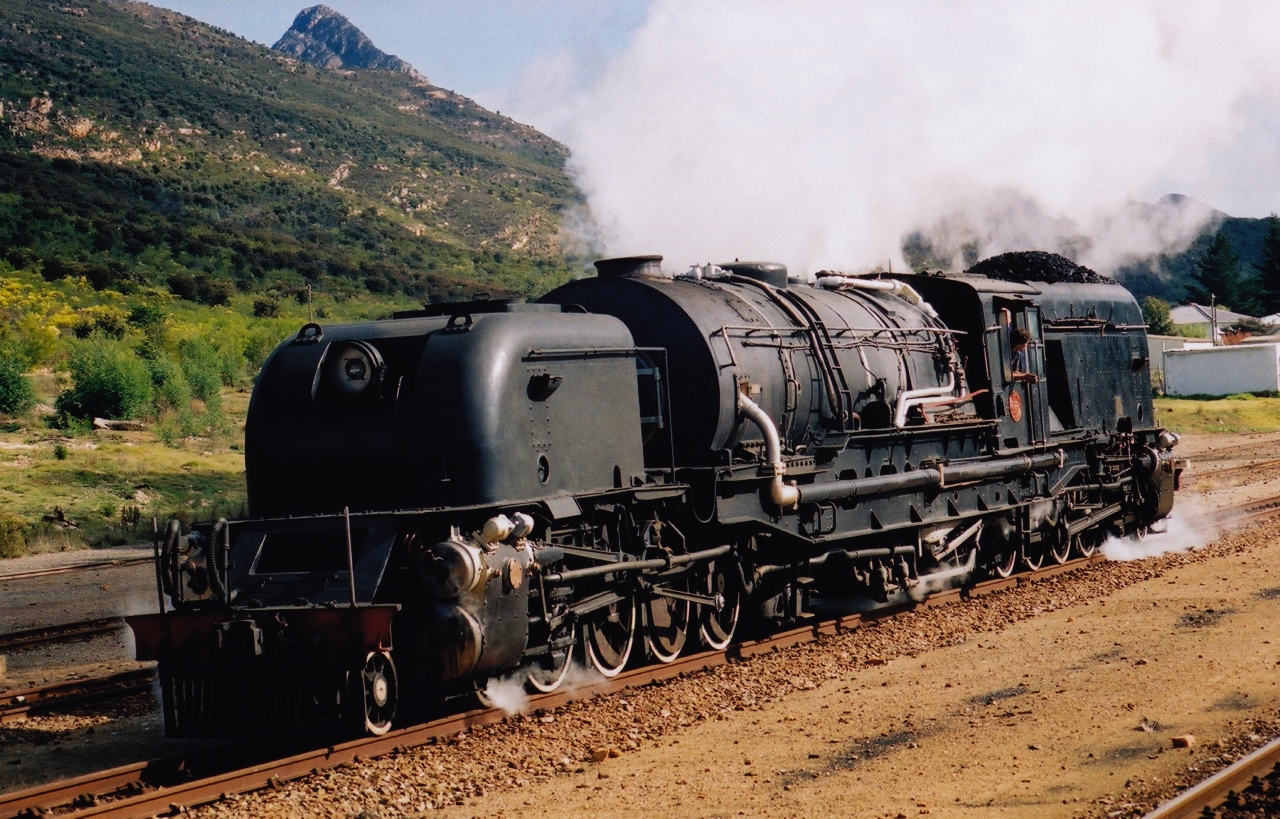
This month’s letters had an exchange of views on whether the exhaust beats of a Mallet or Garrett locomotive, with two sets of cylinders and motion, were synchronised or not.  One protagonist was the famous O.S. Nock.  We complain about the aggressive exchanges on the internet.  These extracts from two long letters show that the polite insult goes back a long way.  A.E Durrant, from Western Australia, writes….

Sir – I read with some interest Mr. O.S. Nock’s article on the subject of Garratts and Mallets, and now that the postal strike has ended am able to comment.  The idea that the two unots of a Garratt or non-compound Mallet, “get in step” and stay synchronised is utter nonsense…..

By his own words, Mr Nock’s Garratt experience is little more than vestigial, and certainly  not in line with his authority on British express train running…..  My own extensive Garratt experience started in 1955…..

In the stillness of the African dusk, supping a “sundowner” at my local pub, a Garratt would depart on the immense climb to Uplands, slowly but surely ascending the grade.  Similarly, dawn in the game park, near Athi river, wondering whether that dark shadow would materialise into a lion or just a bush, usually coincided with a main-line freight from Mombasa, with a “59” class…..

Mr Nock’s musings concerning cylinder positioning are as naïve as his attempts to justify the non-existent synchronisation phenomenon…..

O.S. Nock replies……

Sir, Mr Durrant should be a little careful in suggesting that other people are talking “utter nonsense” when the argument he is trying to sustain is in flat contradiction of the experience of senior engineers in many parts of the world who have lived their lives with Garratts.  This is the experience of men who have designed, tested and run Garratts, rising to positions of the highest responsibilities in the process – not the results of lineside and carriage tape recordings, and background music to the pleasure of a “pint at the local”!…..

I hesitate to suggest that some of those sundowners Mr Durrant enjoyed were stronger laced than he realised and contributed to the syncopated effects!  So there you are, Sir.  A “dusty” letter invites a letter that is a bit dusty in reply.

Mee-owww!  I’ve seen people defriended on Facebook, or leave a forum after an exchange like this!  There was no further correspondence on the subject in 1971.

class_gmam_4122_july_2004_7863980914

Posted in Prototype, Weird and wonderful | Tagged , , , | 1 Comment

ESNG Exhibition 2017 #4

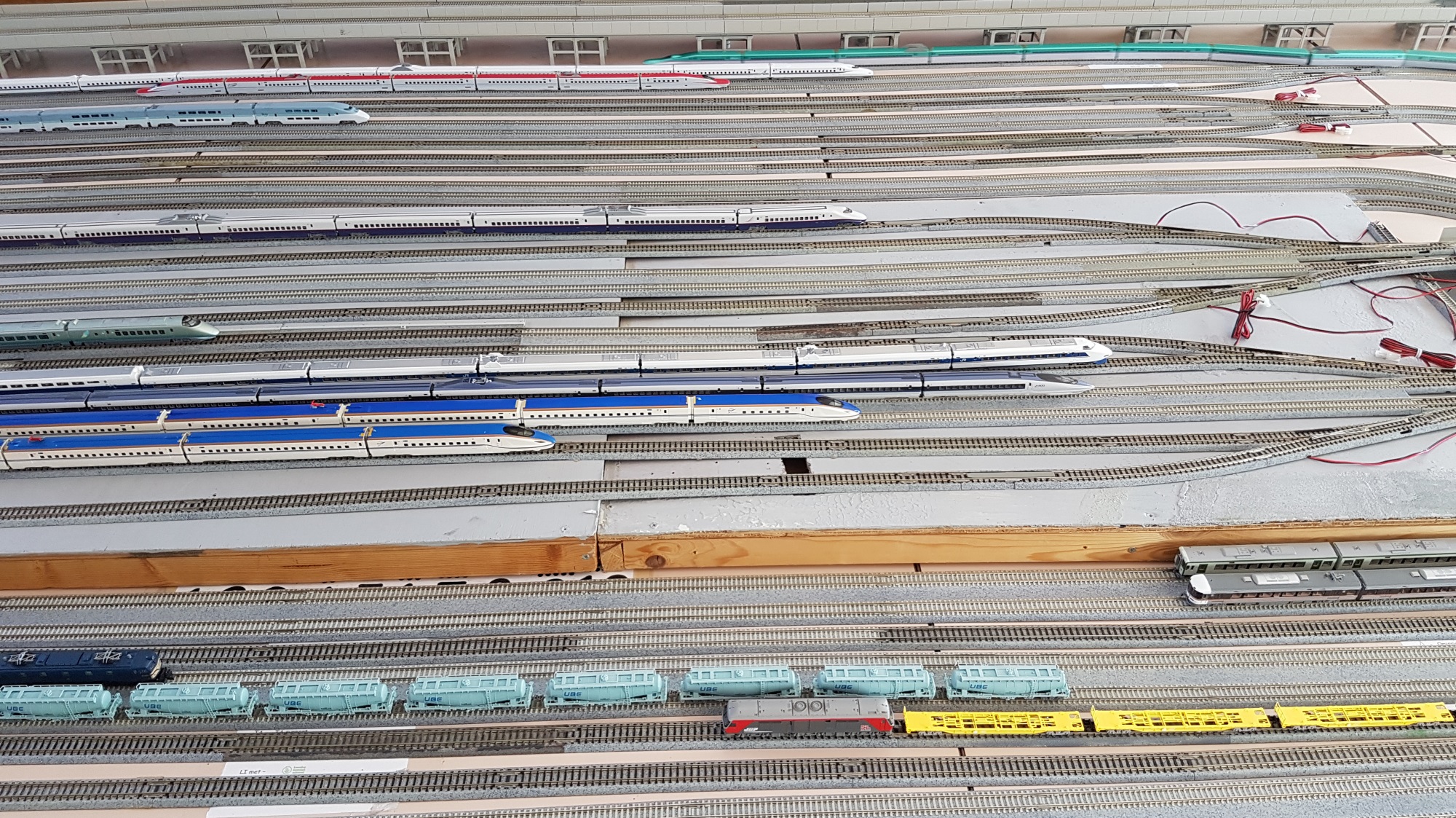
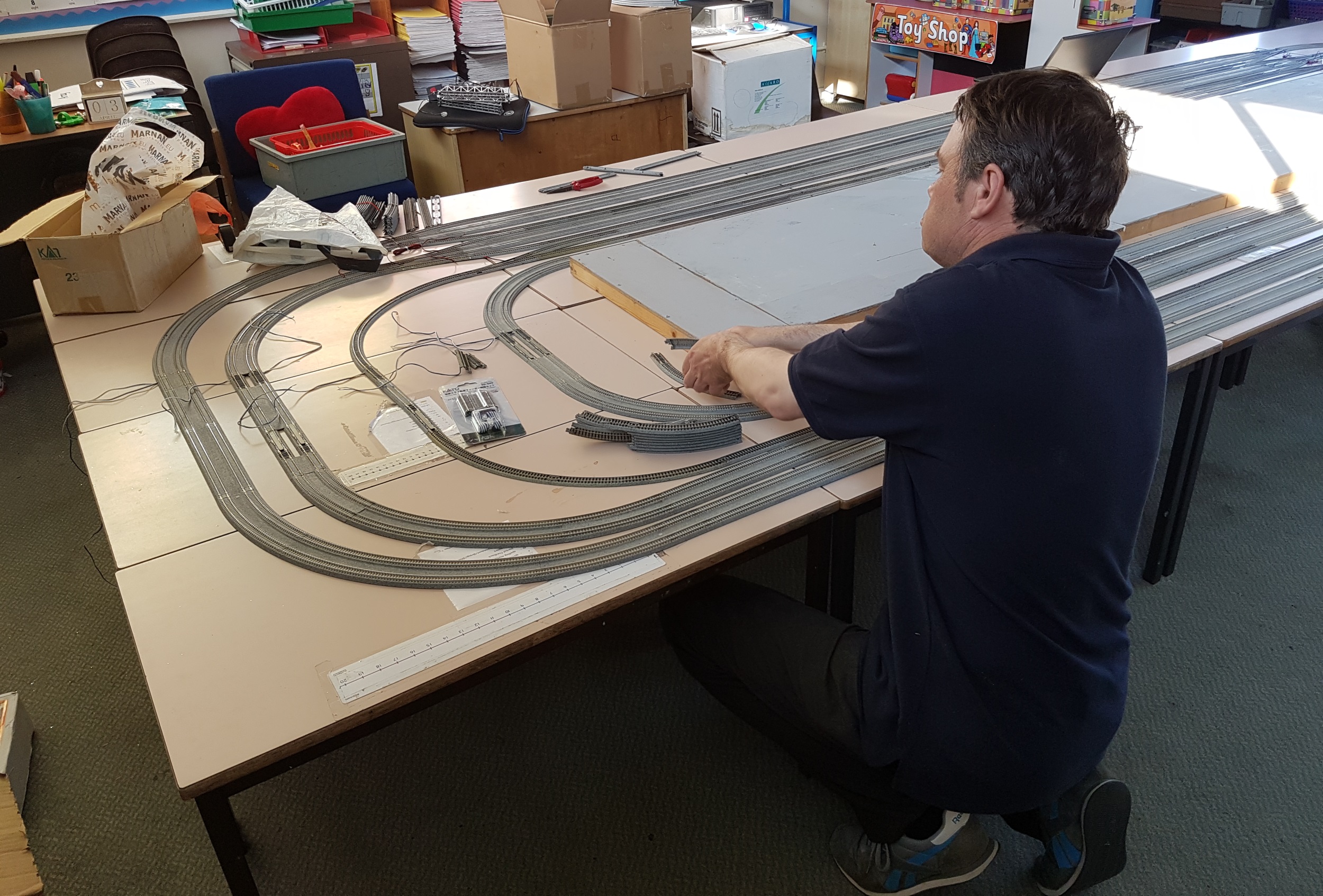
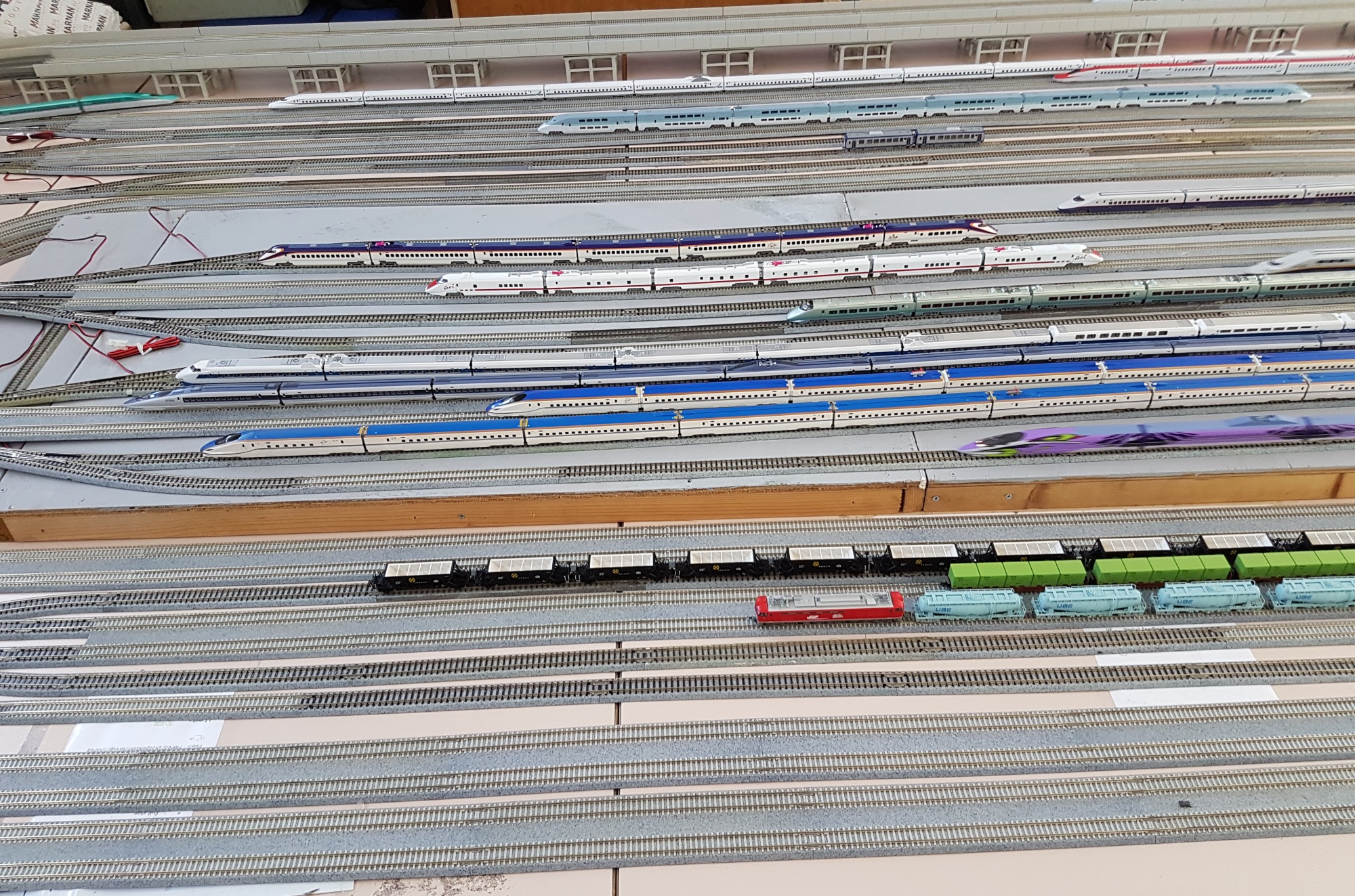
The Kato Racetrack had (I think) 14 independent circuits to run all of Paul’s bullet trains and some other trains as well.

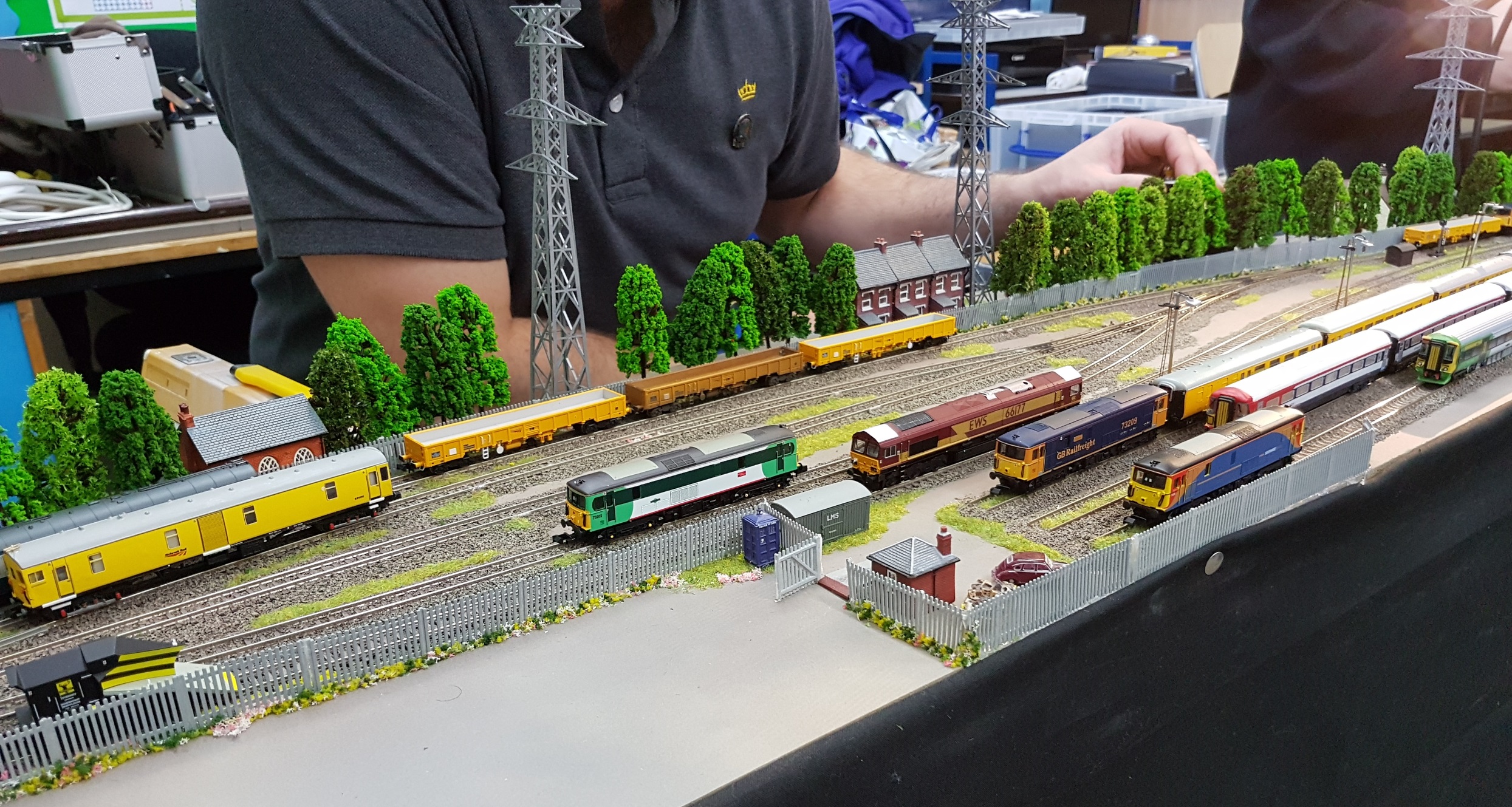
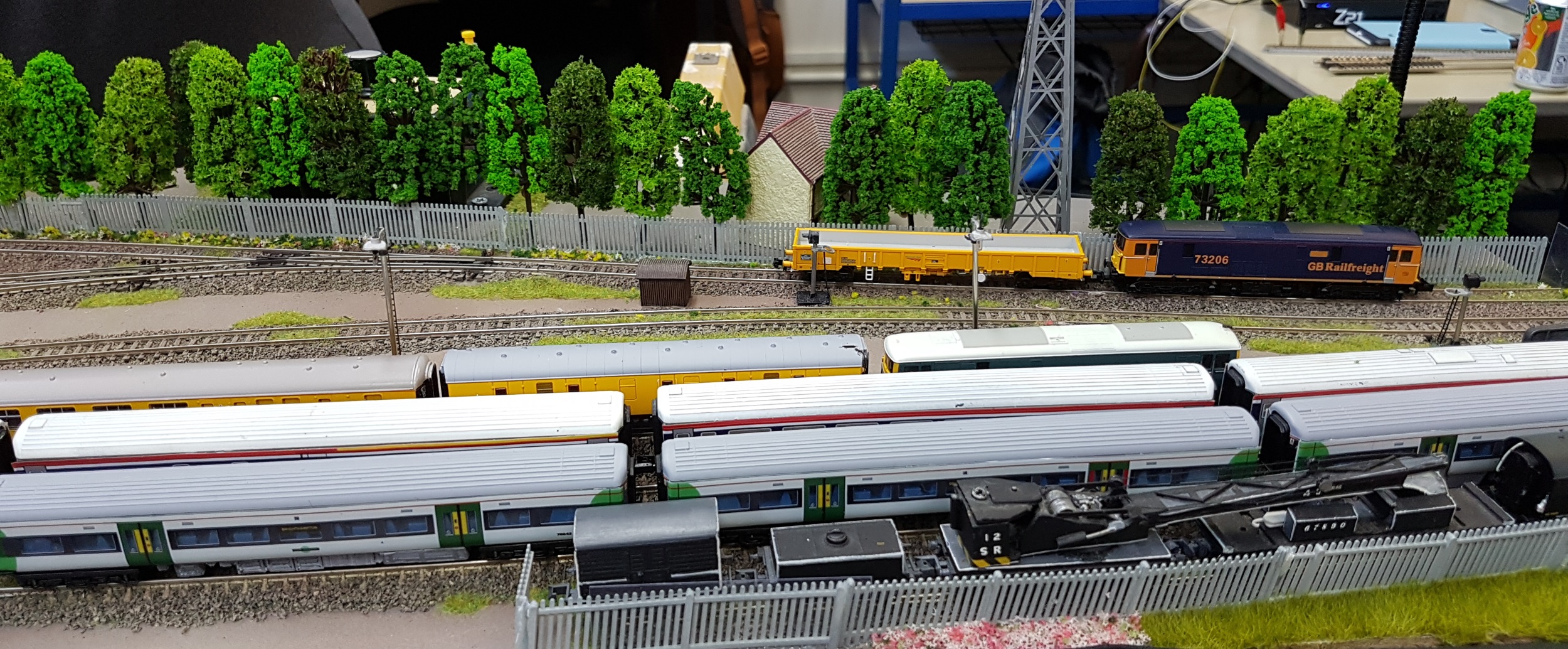
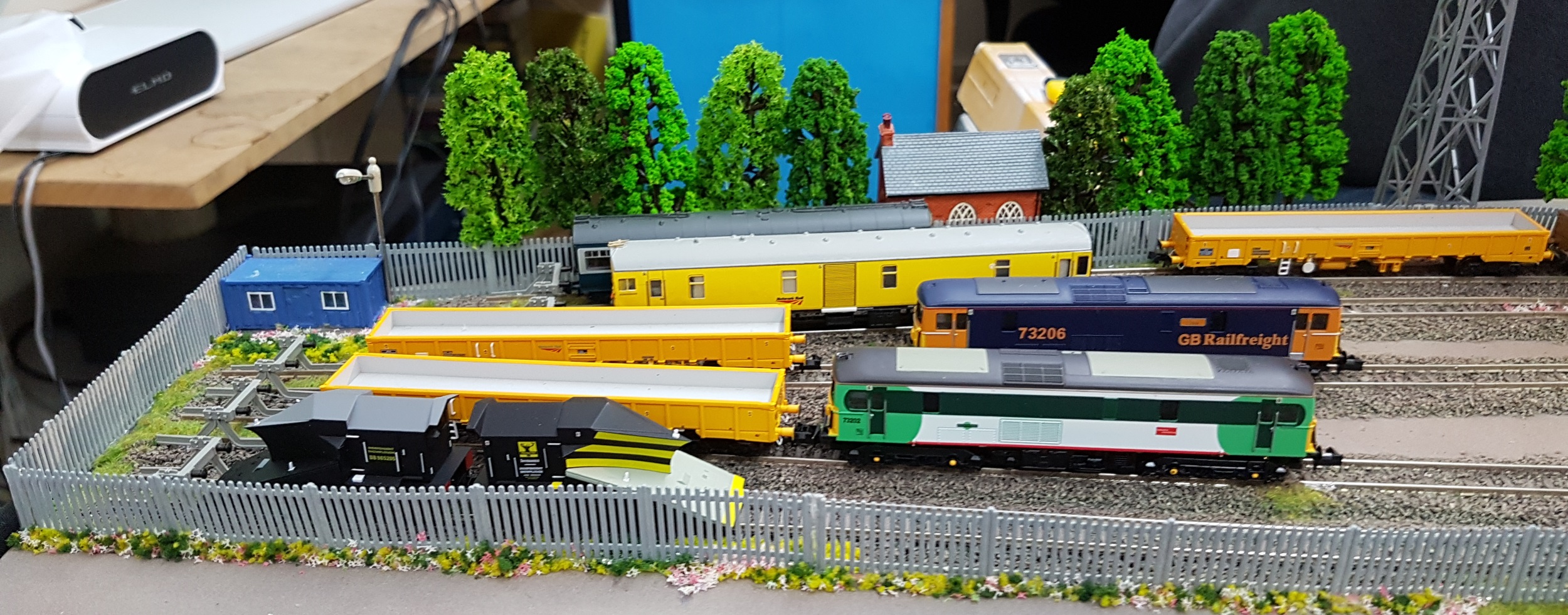
Another small shunting layout, Tunbridge Yard West  is a 4ft x 1.5ft, modern image, layout set in the early 90s as a shunting / storage yard for Network Rail, diesels with some emu storage sidings.  It is loosely based on Tunbridge Yard West and the Inglenook Sidings set up.  I liked the electric pylons in the background, though I’d probably break them if I tried to uncouple anything on the layout.

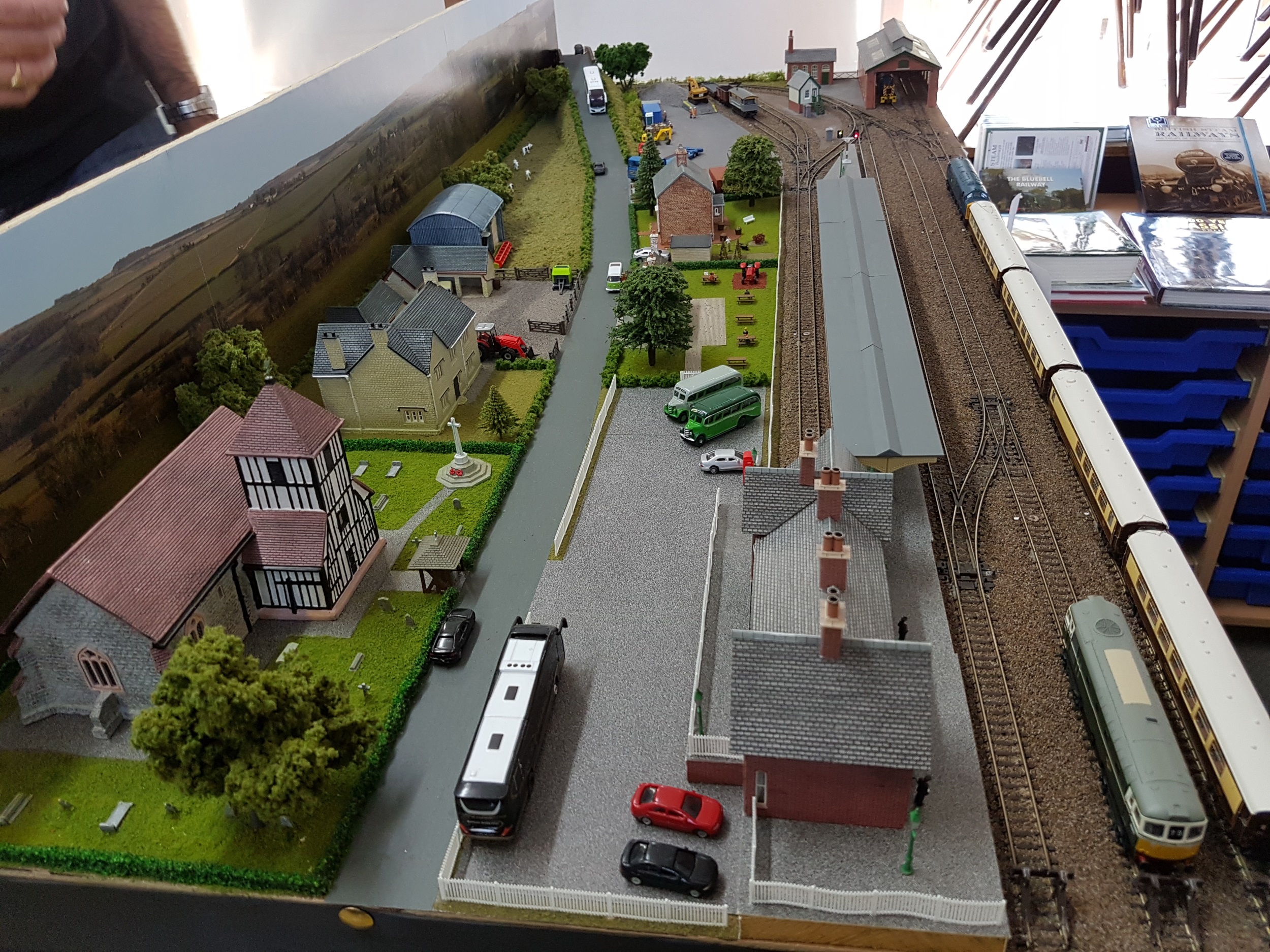
Oakhurst is a terminus station on an a ficticious preserved line. The line is home to a fleet of both steam and heritage diesels, with the mainline connection at Newbridge adding further traffic from incoming railtours.

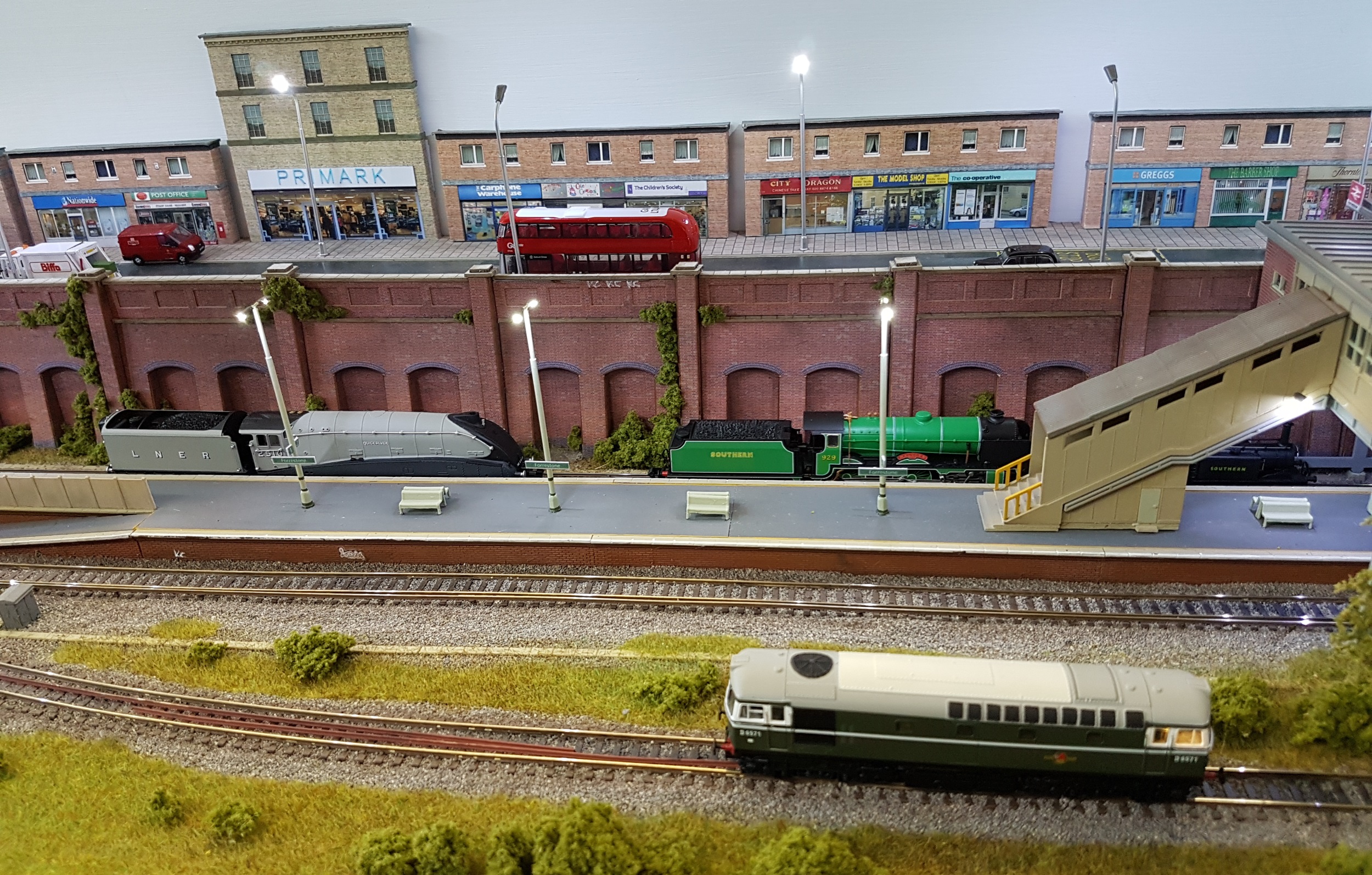
Forrestone is based on a fictional spur off a south London main line comprising two platforms and a locomotive depot for a freight company. It is run on DCC, and will be controlled by iPad and iPhone.  Looks like there is a steam gala in the bay…..

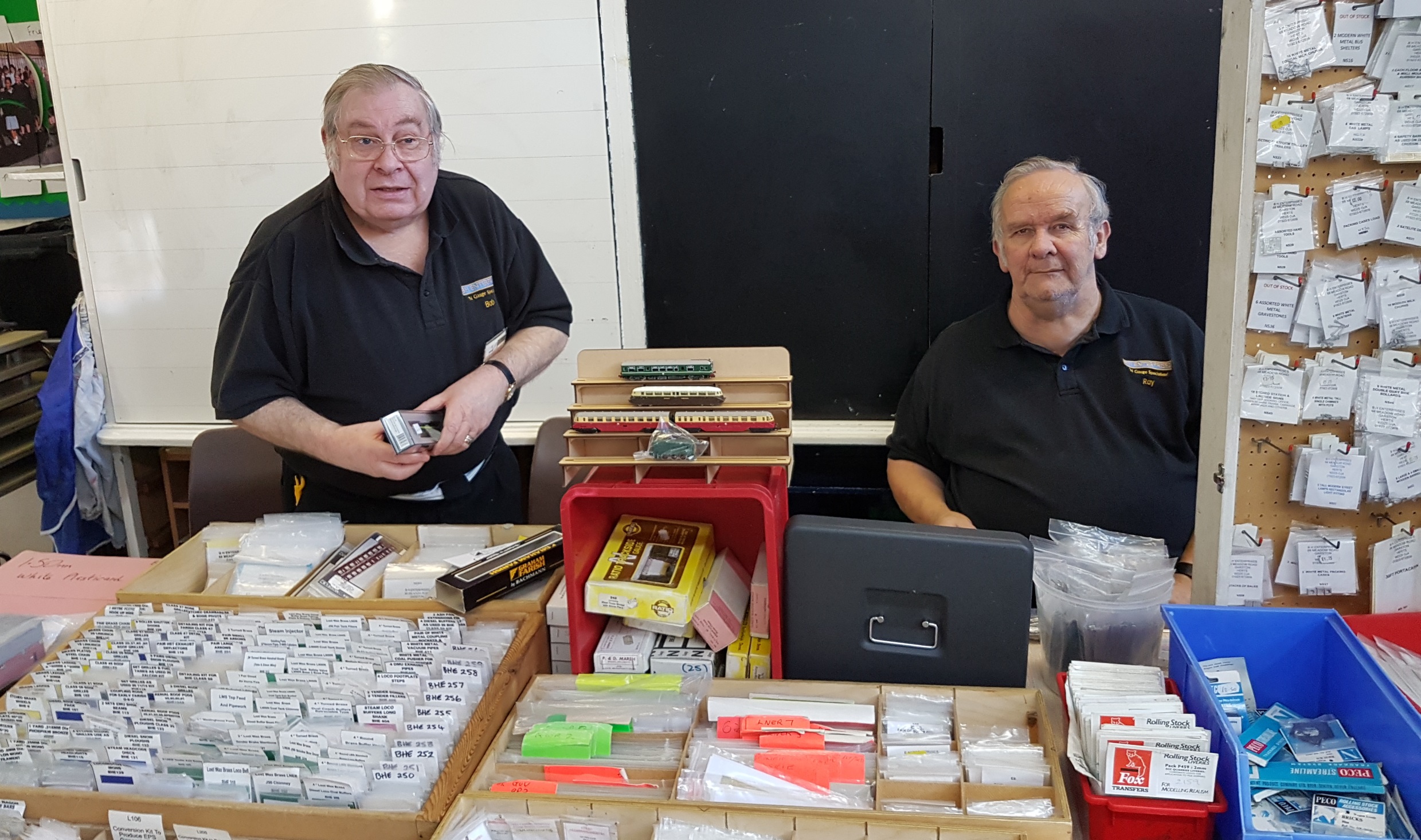
BH Enterprises had their usual spot, selling all the bits and pieces you never knew you needed!  Here’s proof positive that Bob was awake…..

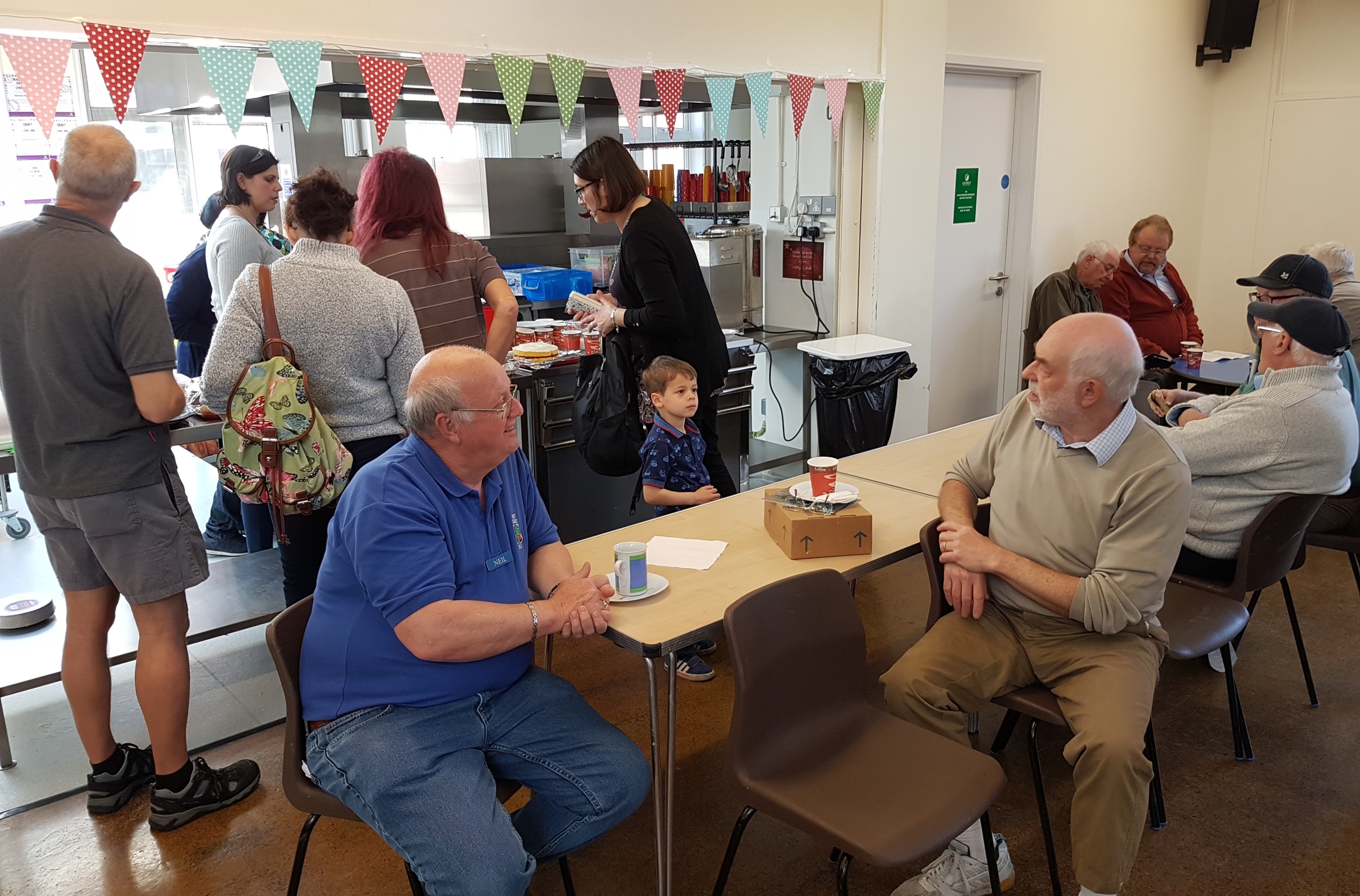
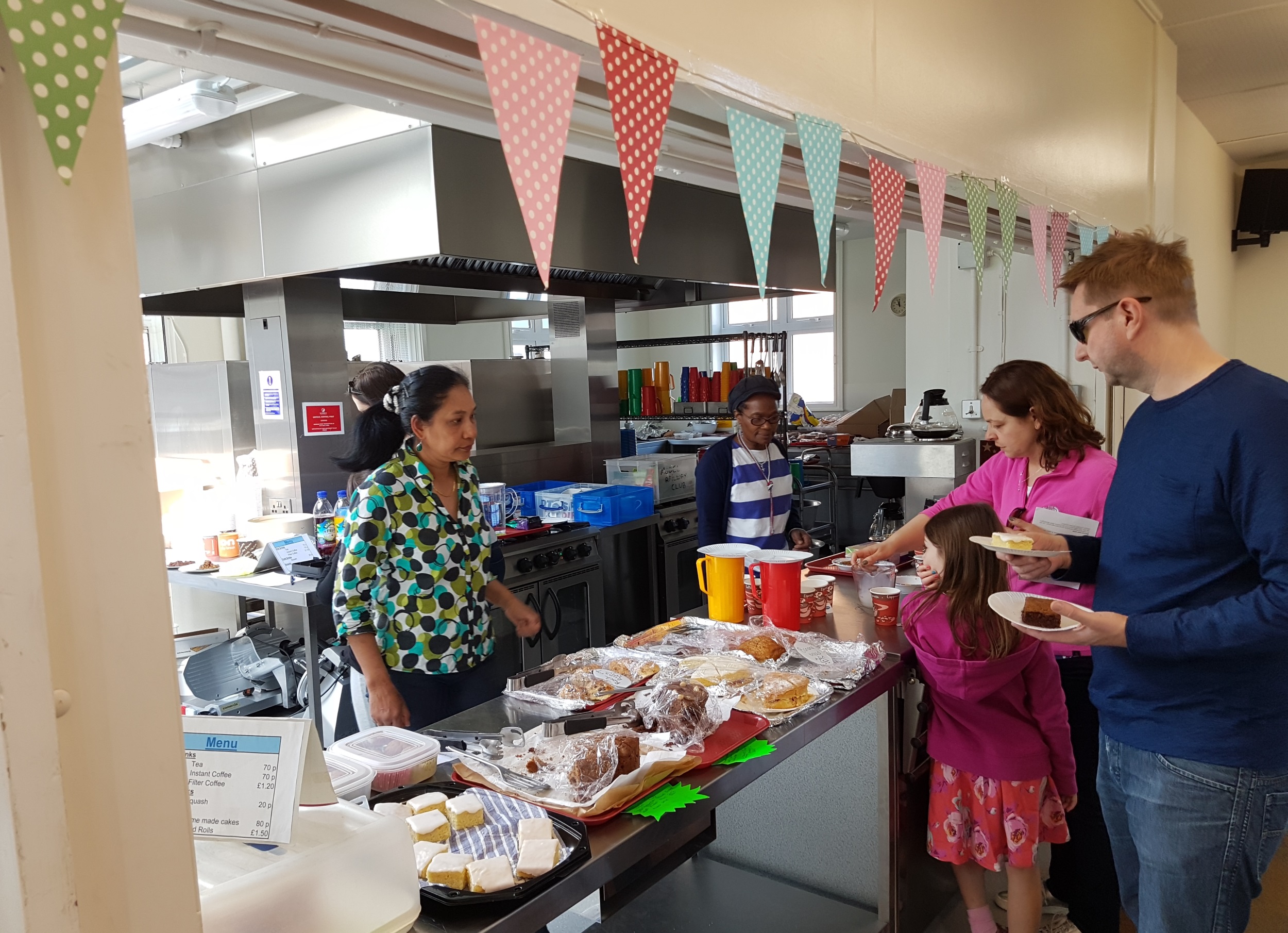
And I have to make a mention of our catering team, who fed and watered the home team and visitors throughout the day.

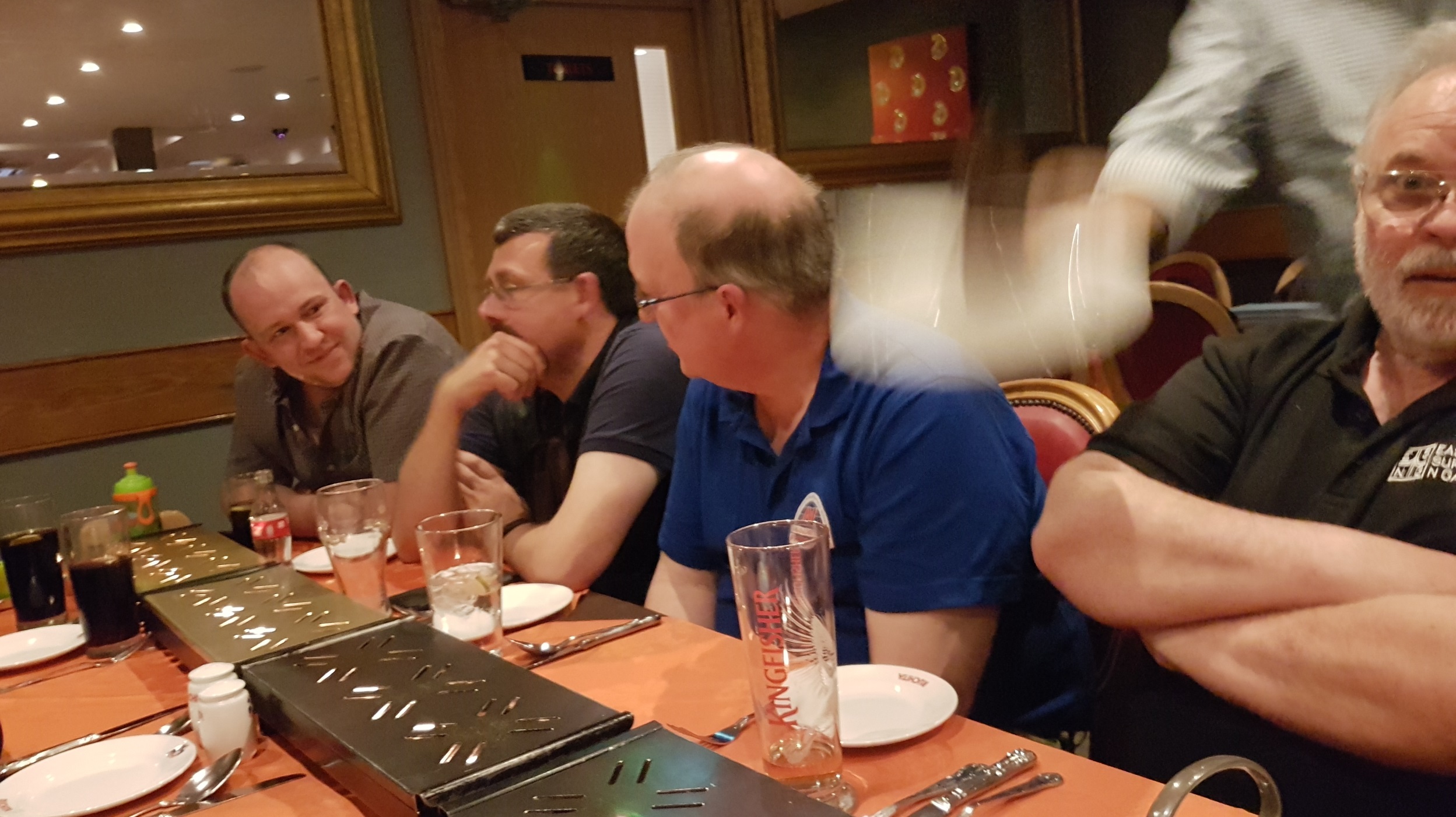
And finally, we packed up and retired to the Ruchita for the traditional curry.  So that’s it till next year, folks!!!

Posted in ESNG, ESNG meetings, Exhibitions, Out and about | Tagged , , , | Leave a comment

ESNG Exhibition 2017 #3

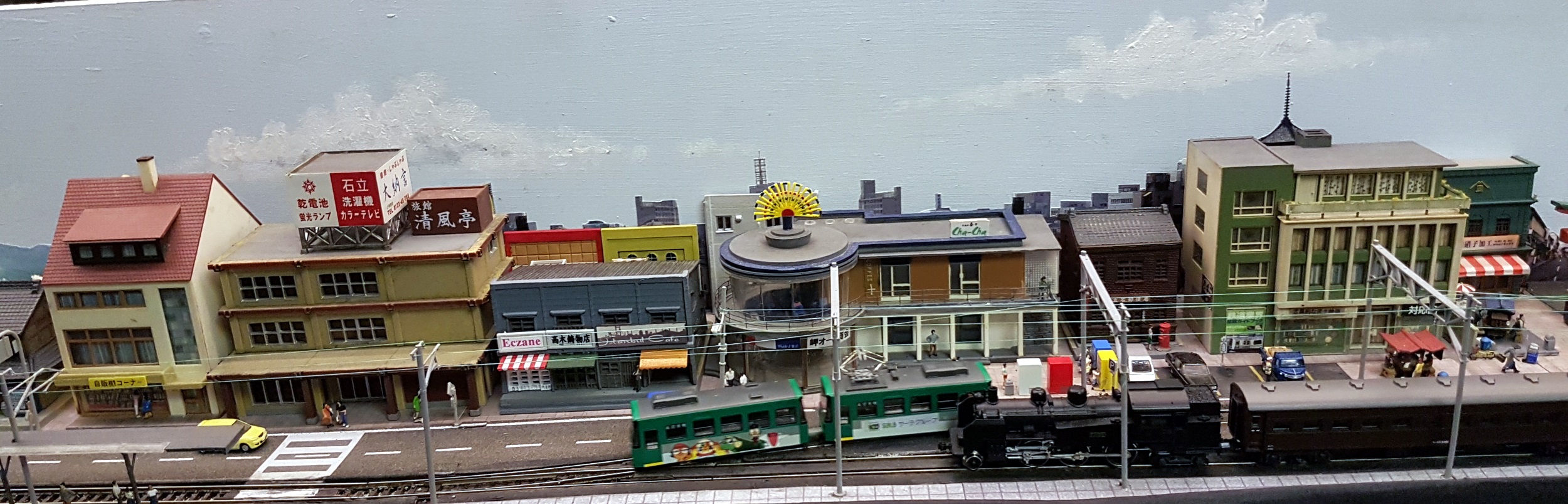
Also in the corridor was Kuritu.  It’s unusual in three ways. It’s Japanese, it’s an inter-urban railway, and it has been designed to be viewed from both sides. A simple design, but it just ‘oozes’ Japan.

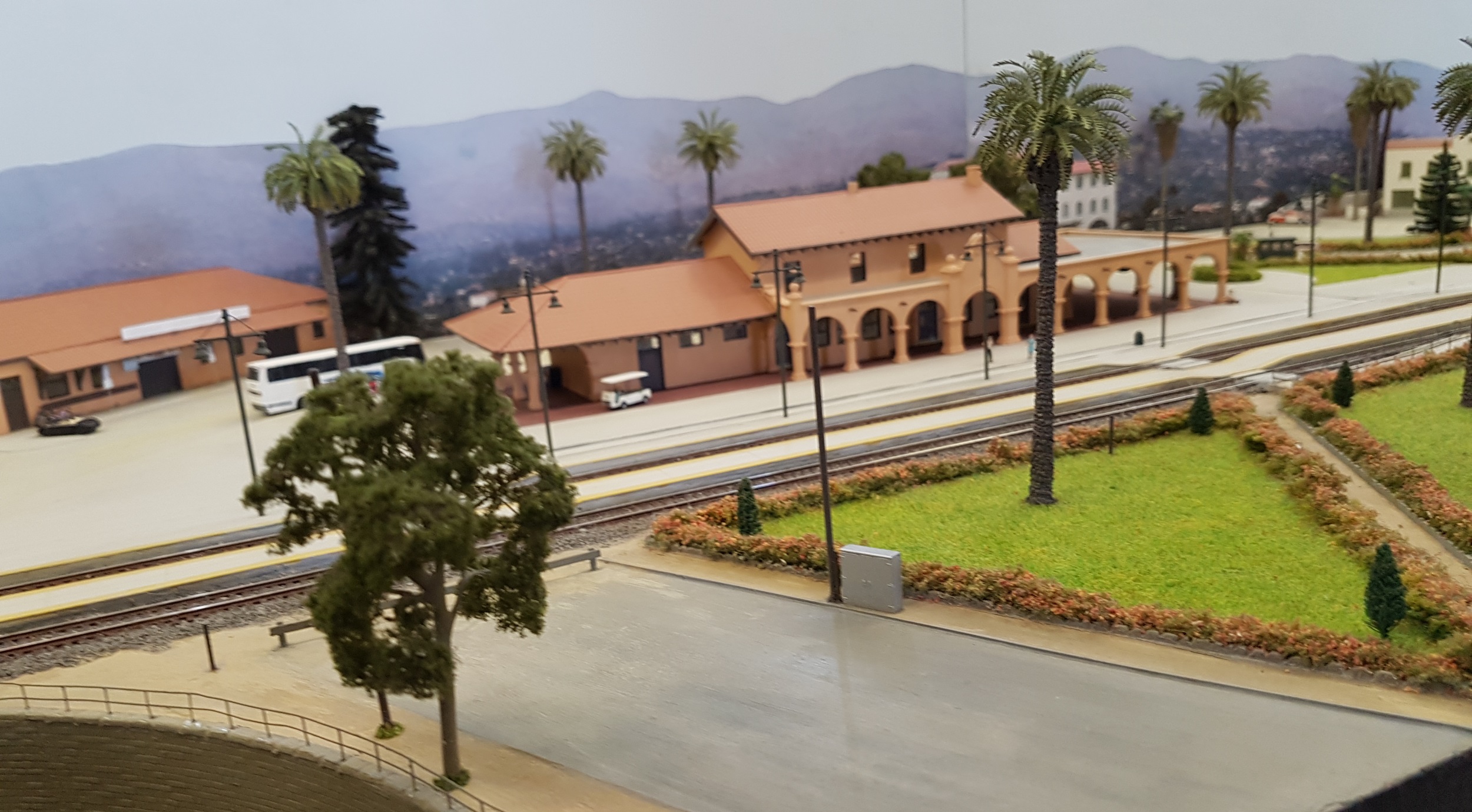
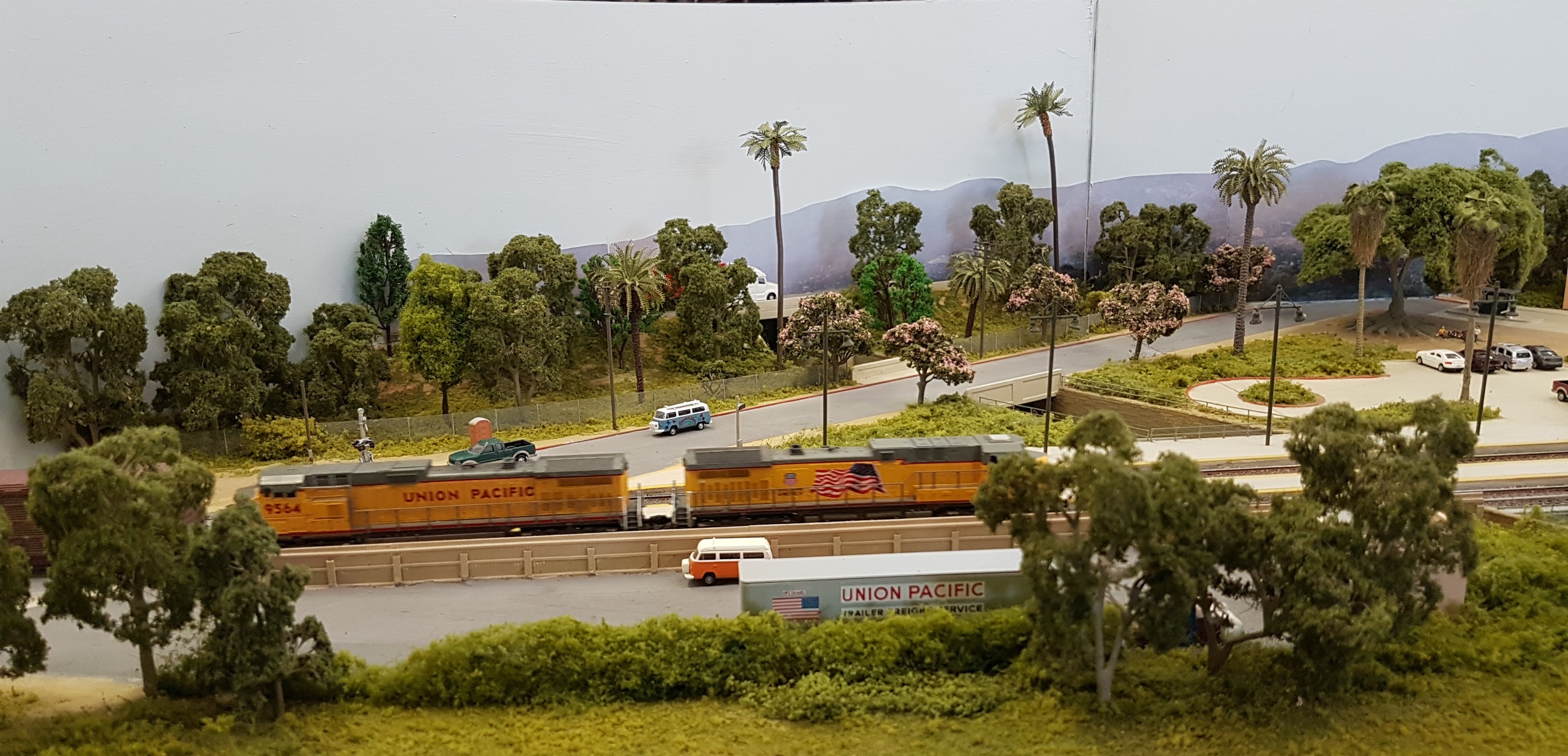
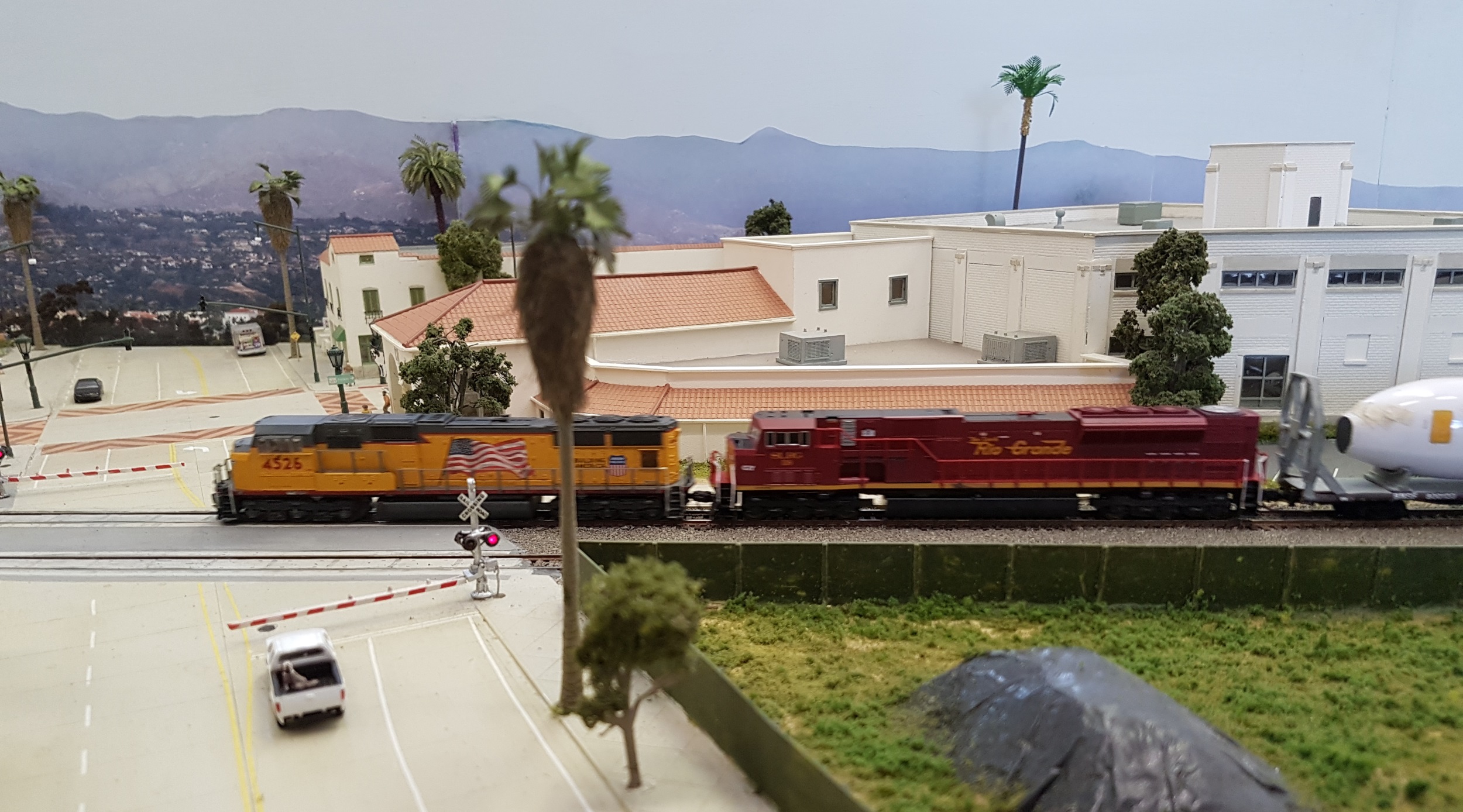
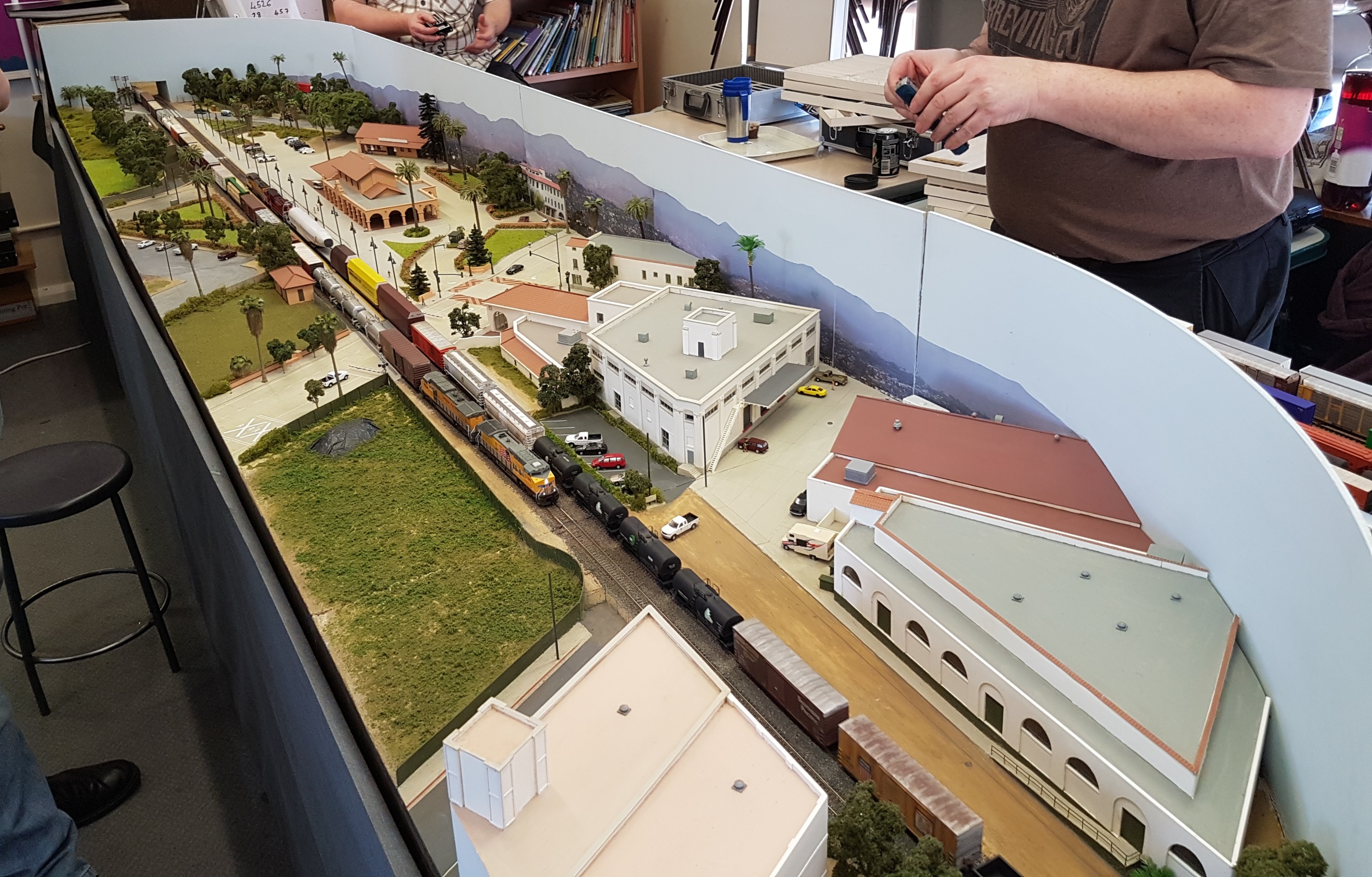
Ian Lamkin lives just up the road in Redhill, but is always booked up further in advance than my ability to arrange a show.  So it was very pleasing to get him and Santa Barbara along.  Santa Barbara is a near scale model of the area around Santa Barbara Amtrak station which is between the beach and the main downtown area. Many photographs and measurements have been taken around the station to recreate as many details as possible. The Surf Line runs from San Diego up through Los Angeles to Santa Barbara, 100 miles north of Los Angeles.

I managed to catch Atlantic Road in a train-free moment.  But it’s the summer of 1998 and trains pass above Atlantic Road, Brixton in South London. Eurostars are using Waterloo International, EWS and Freightliner are still using locos inherited from BR and slam-door EMUs are still in regular use.  I like this layout as 10 years living up the road near the Oval meant that I was familiar with the area – especially Brixton market.

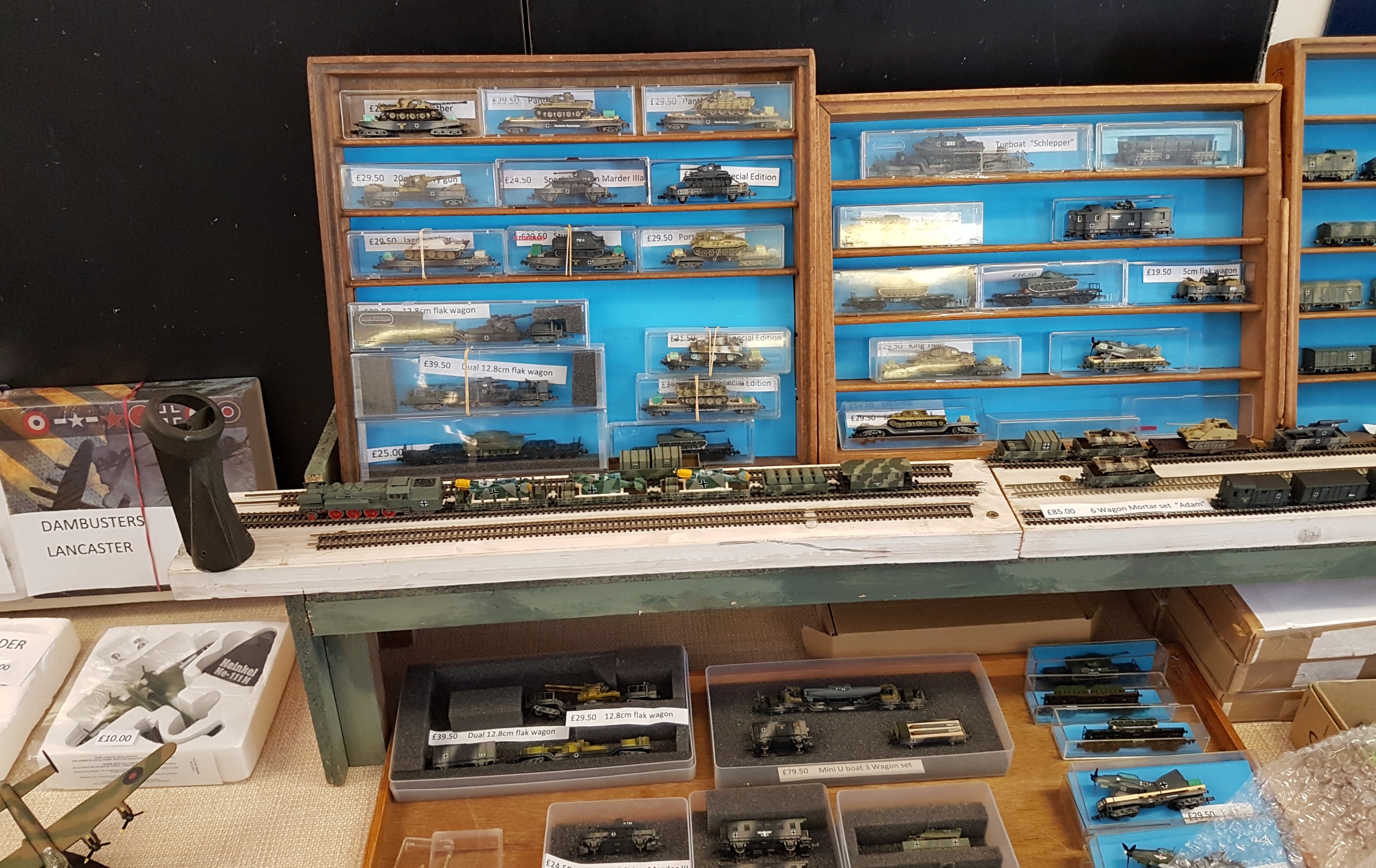
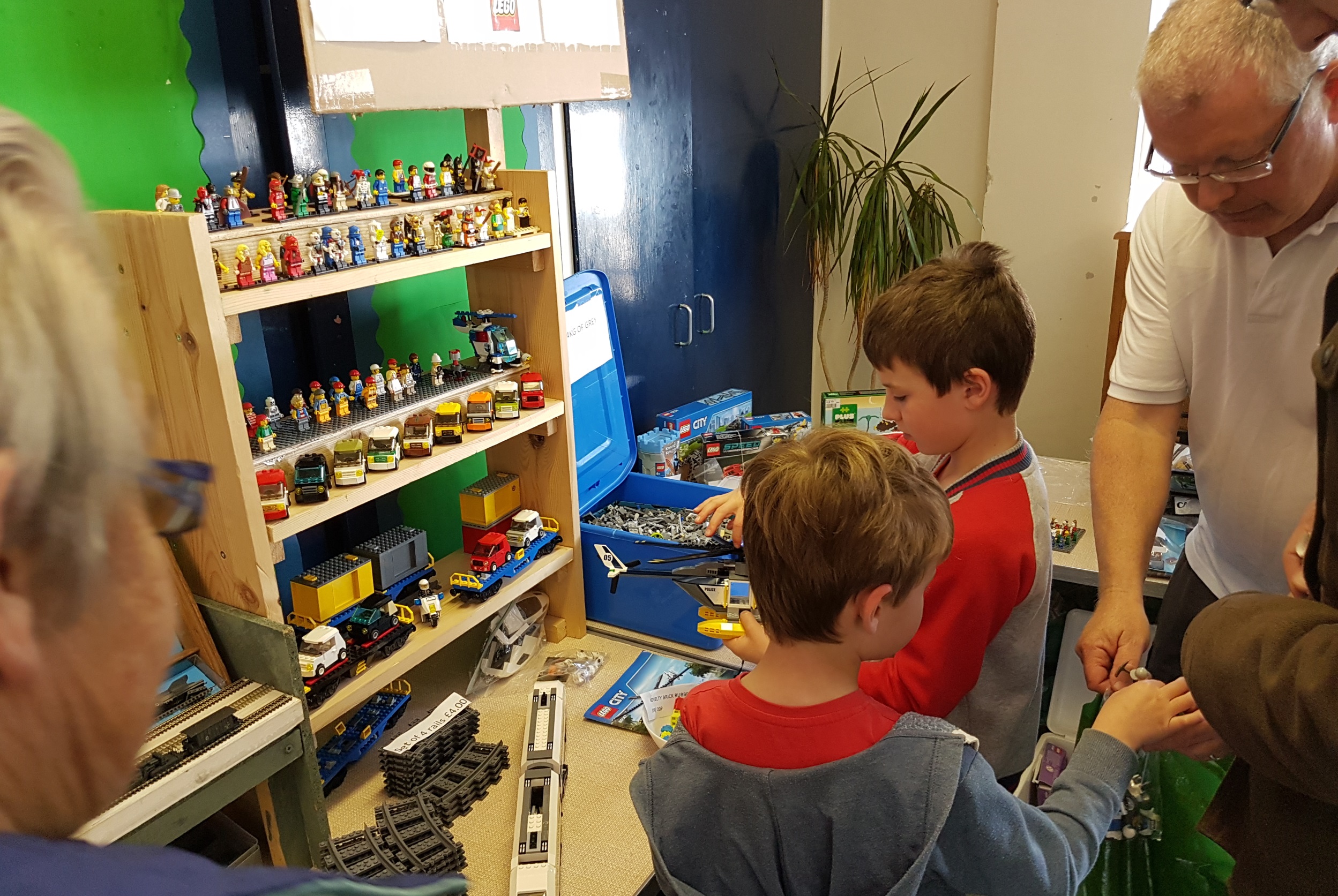
Neil Grace was selling his usual mixture of military and railway equipment.  And he has added some Lego for the younger enthusiast.

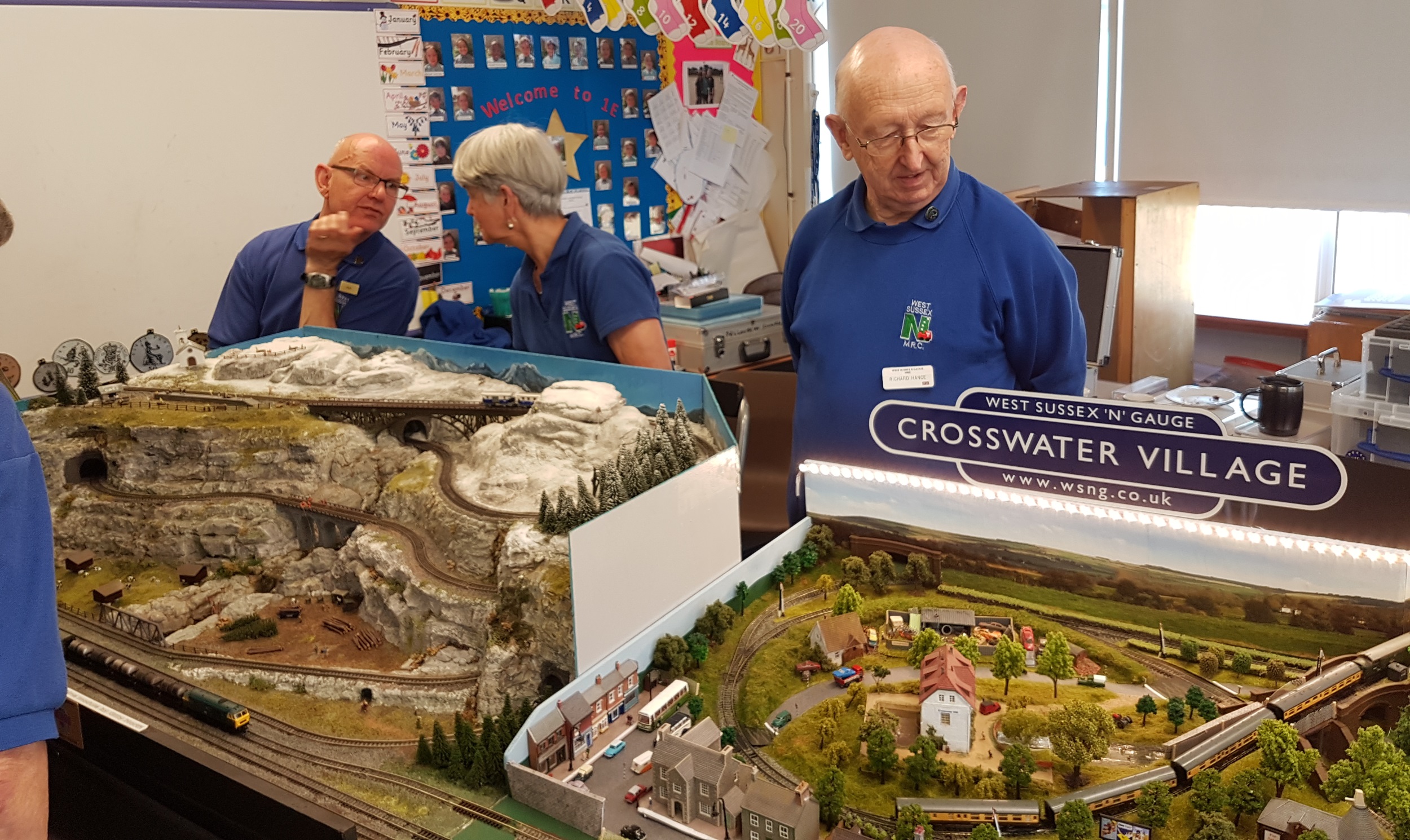
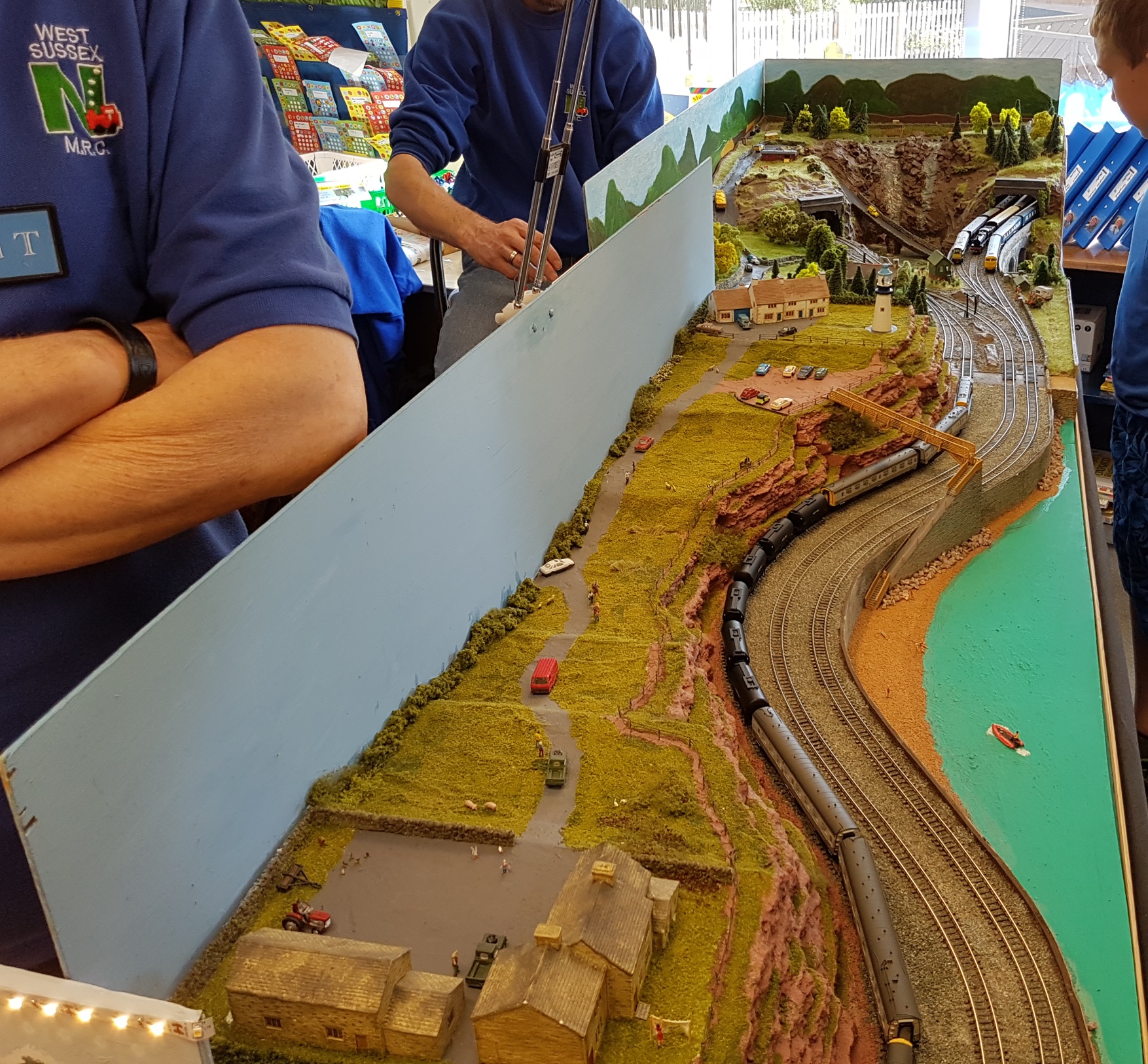
We welcomed back the West Sussex N Gauge group AGAIN, with their N-mod layout.

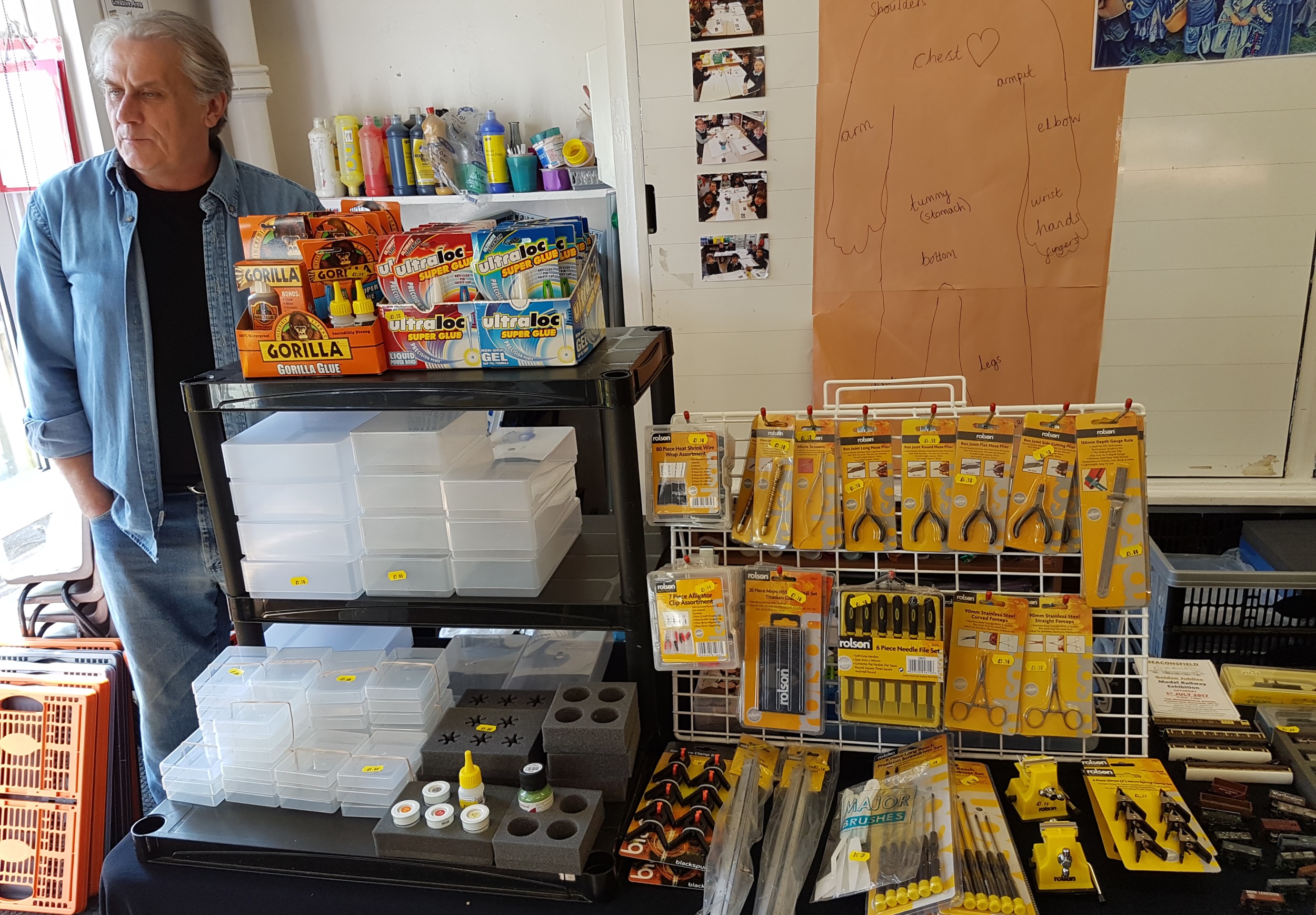
And here’s Jon the Blue-Plastic-Box man showing that he does stock other items.

One more post to go, with the rest of the layouts.

Posted in ESNG, ESNG meetings, Exhibitions, Out and about | Tagged , , , | 1 Comment

ESNG Exhibition 2017 #2

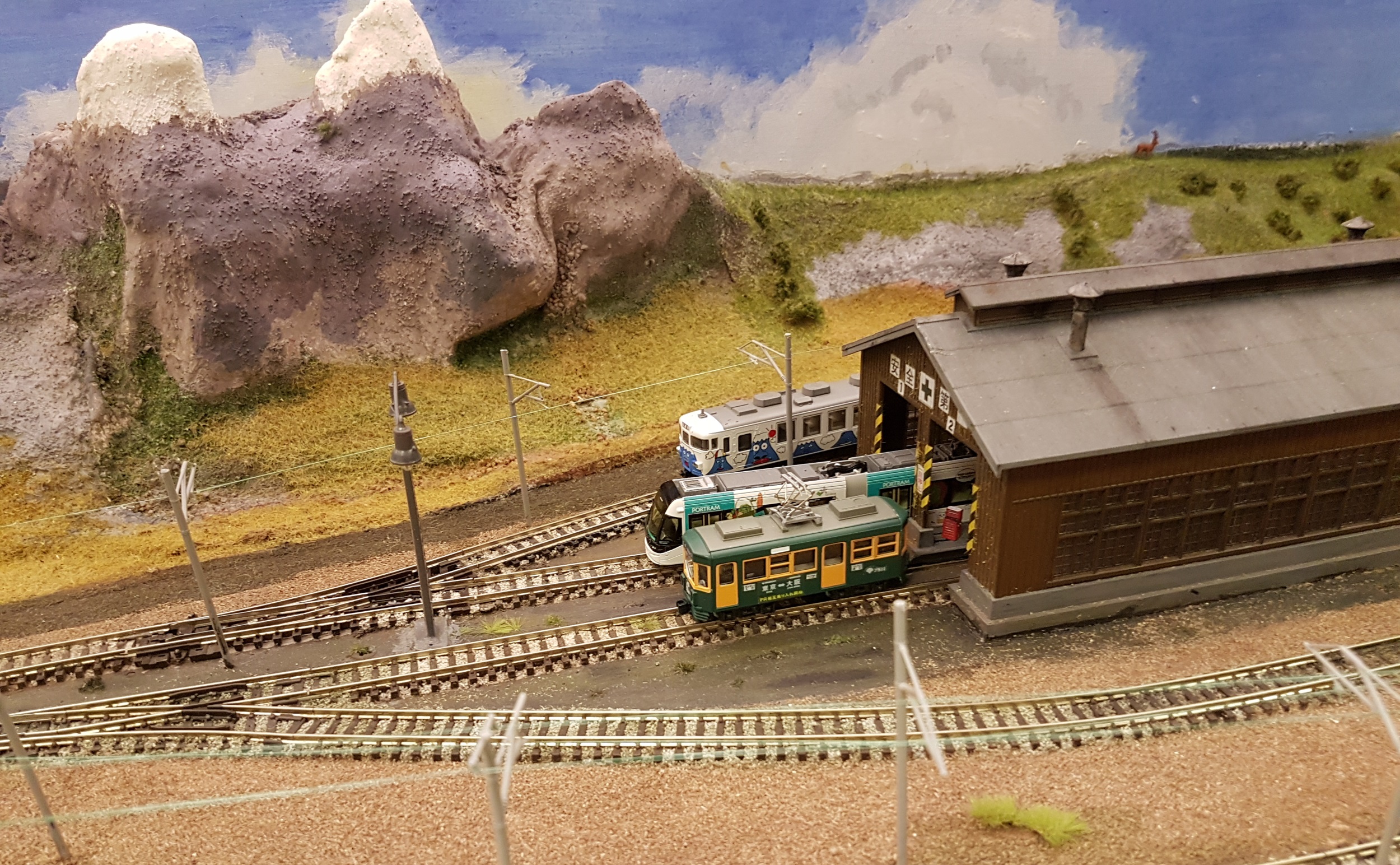
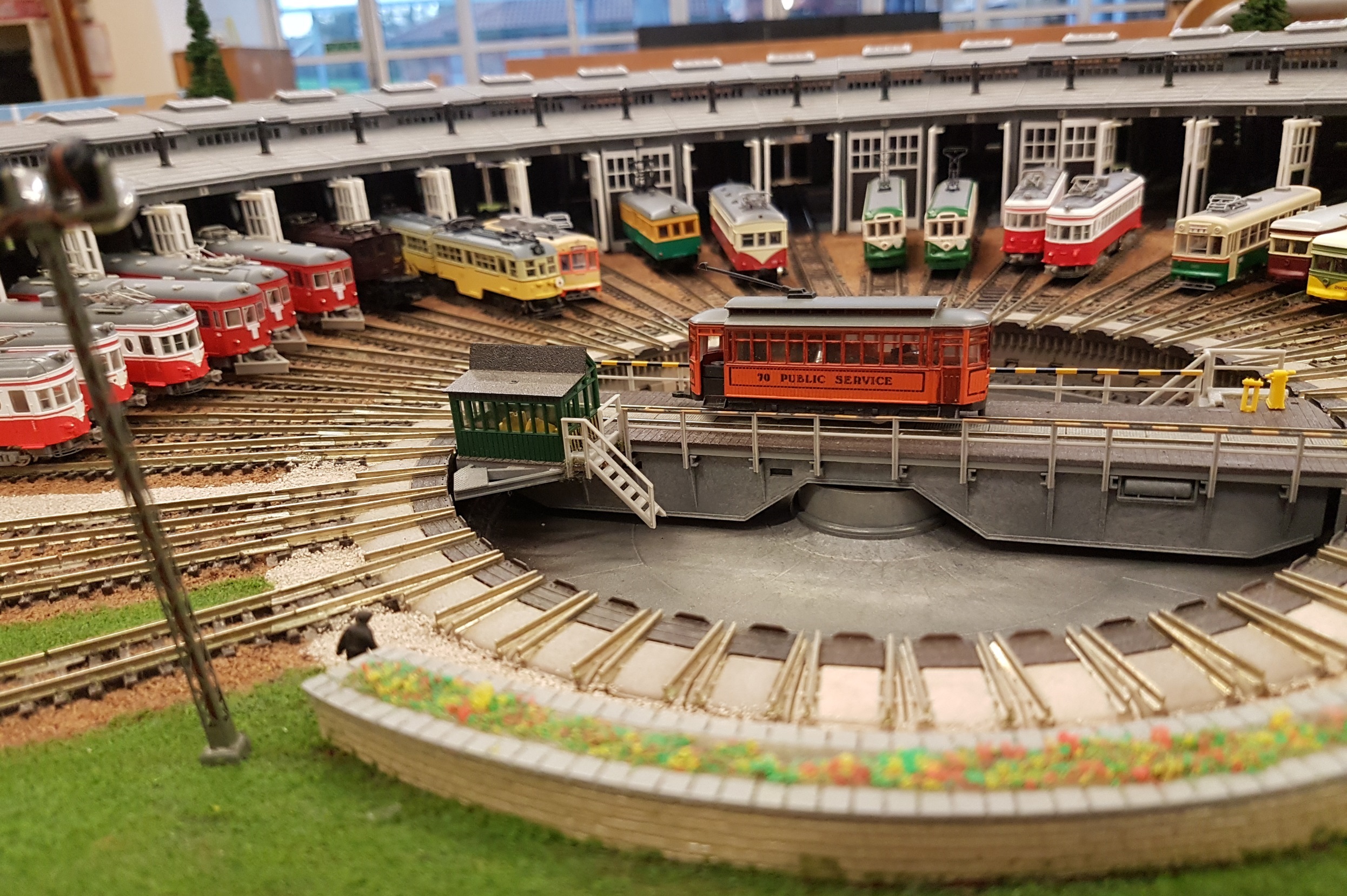
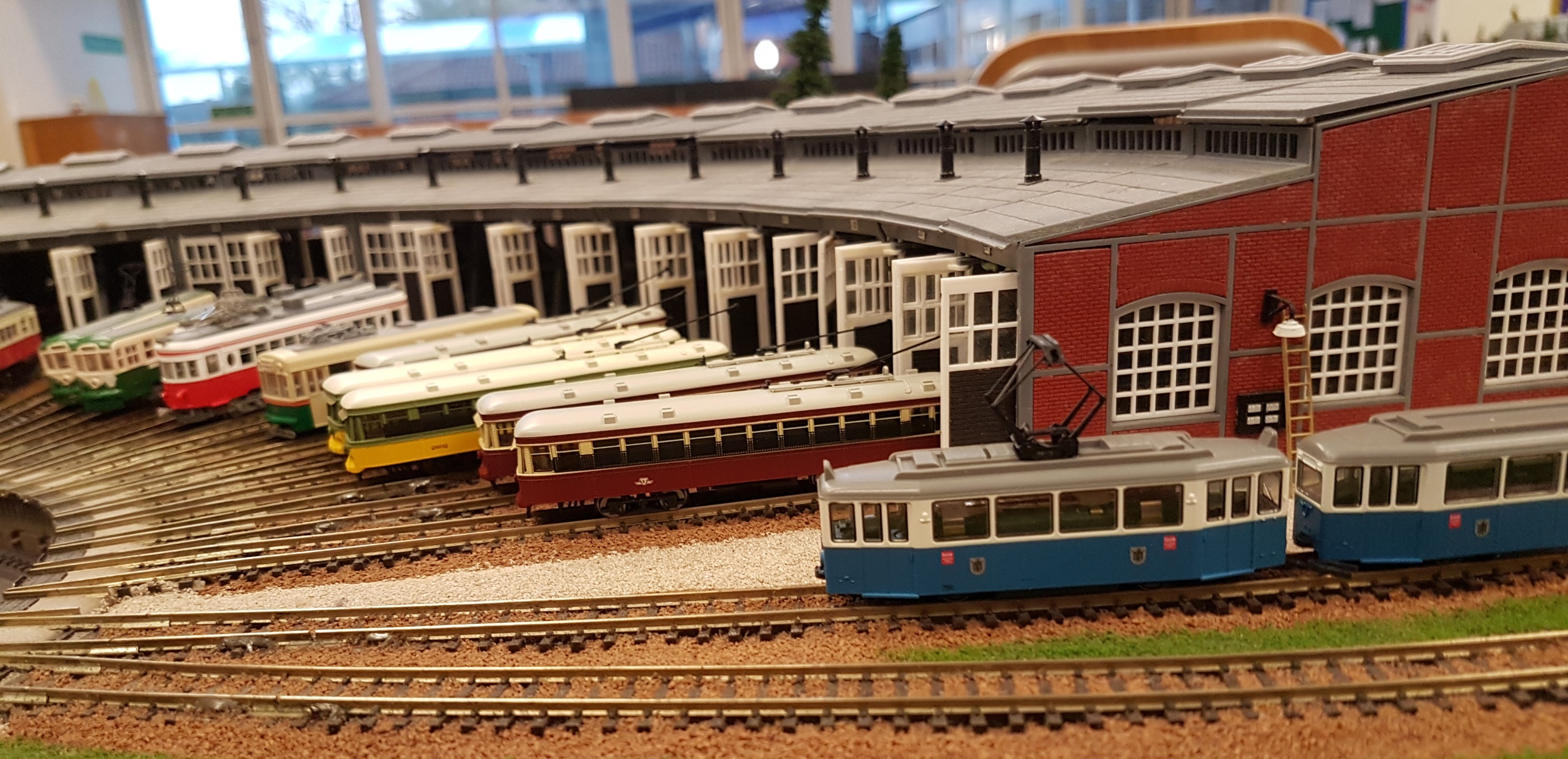
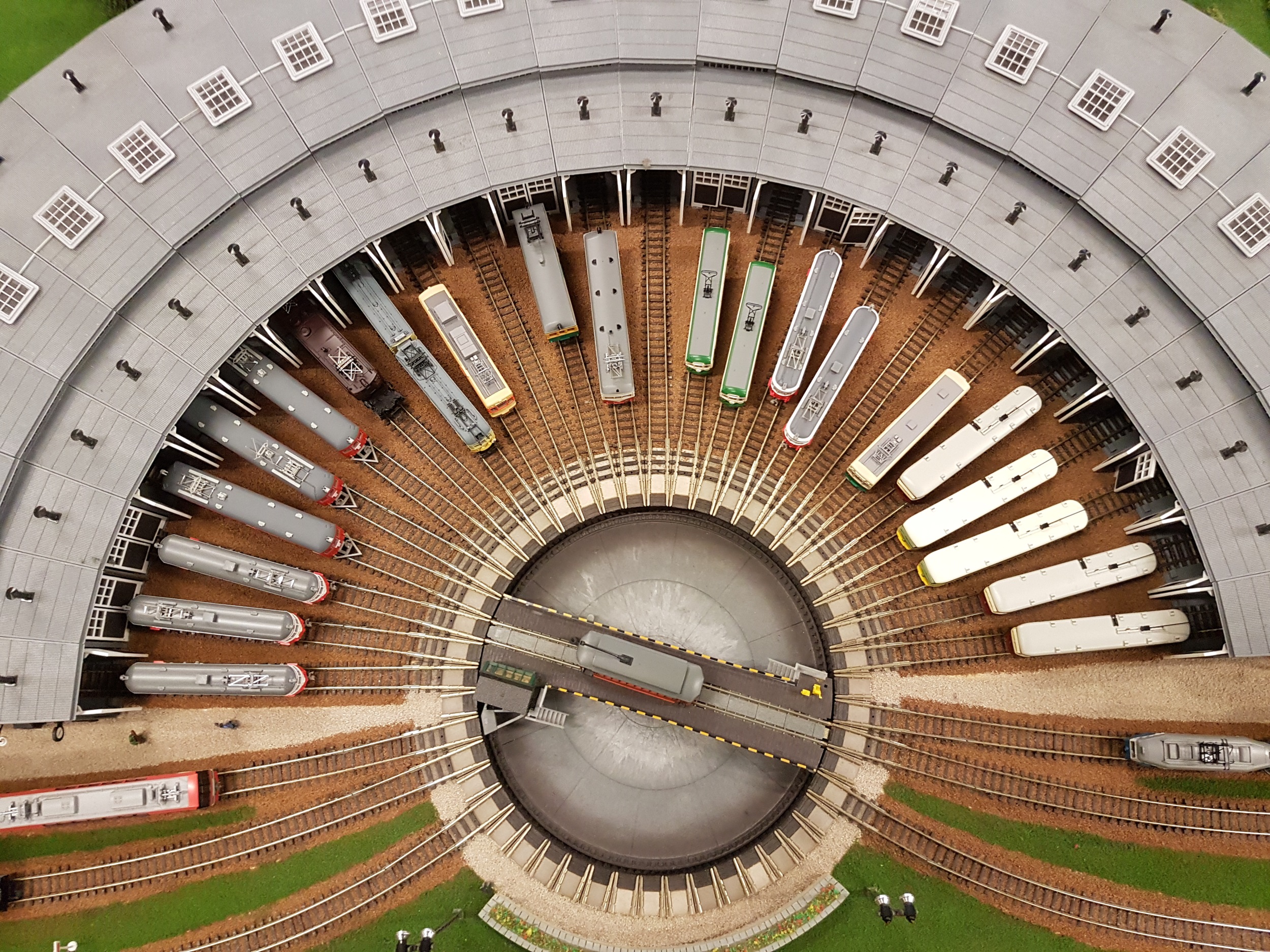
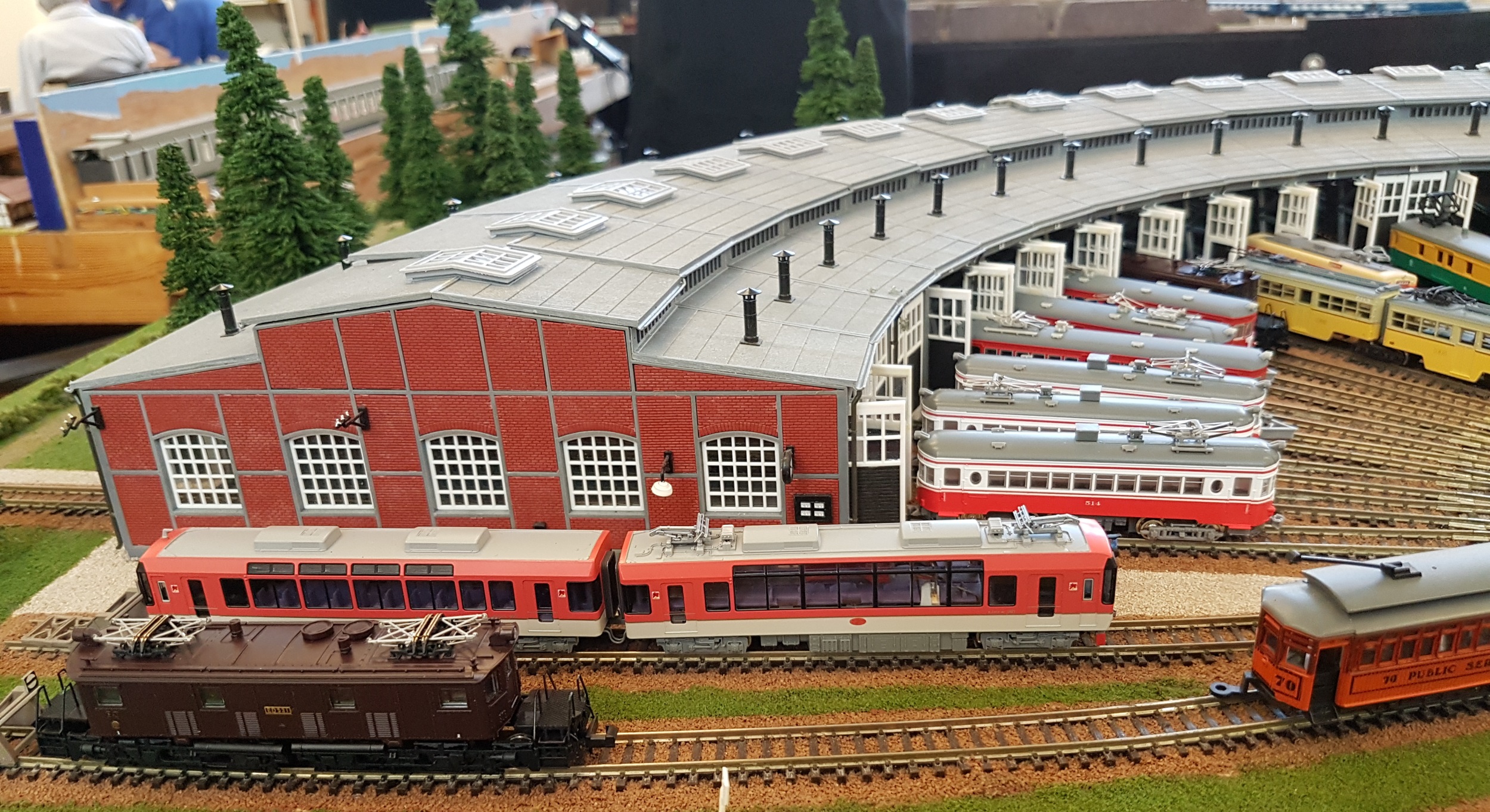
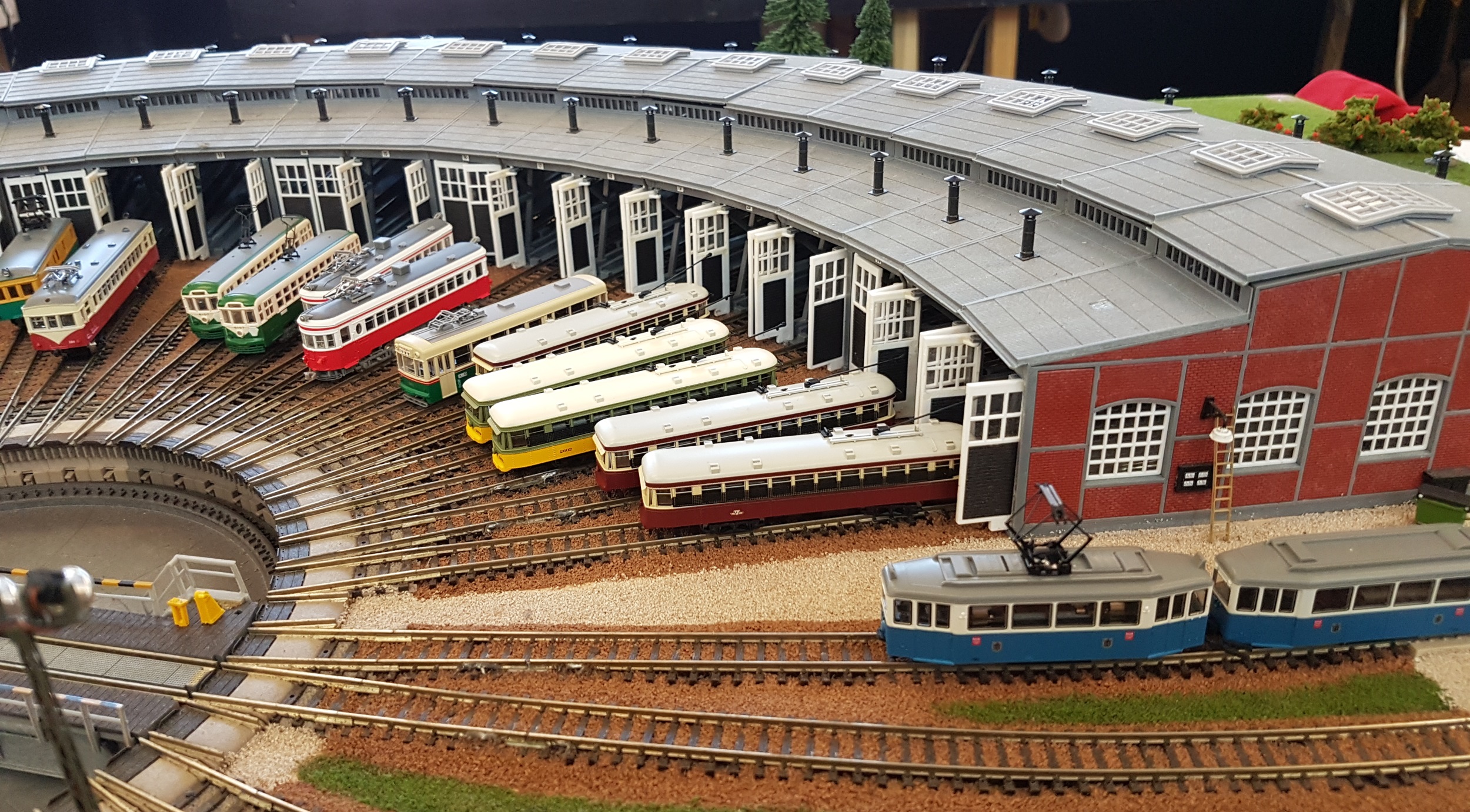
A feature of ESNG shows is ERIC the Roundhouse.  We try to have ERIC appear in a new guise for each show – recent themes have been a PW depot, locomotives seen in Redhill, Japanese locomotives, and Lehigh Valley diesels.  However, we were running out of ideas.  A flash of inspiration, and we proudly present: ERIC, International Tramway Museum.  I didn’t realise I had quite that many trams!

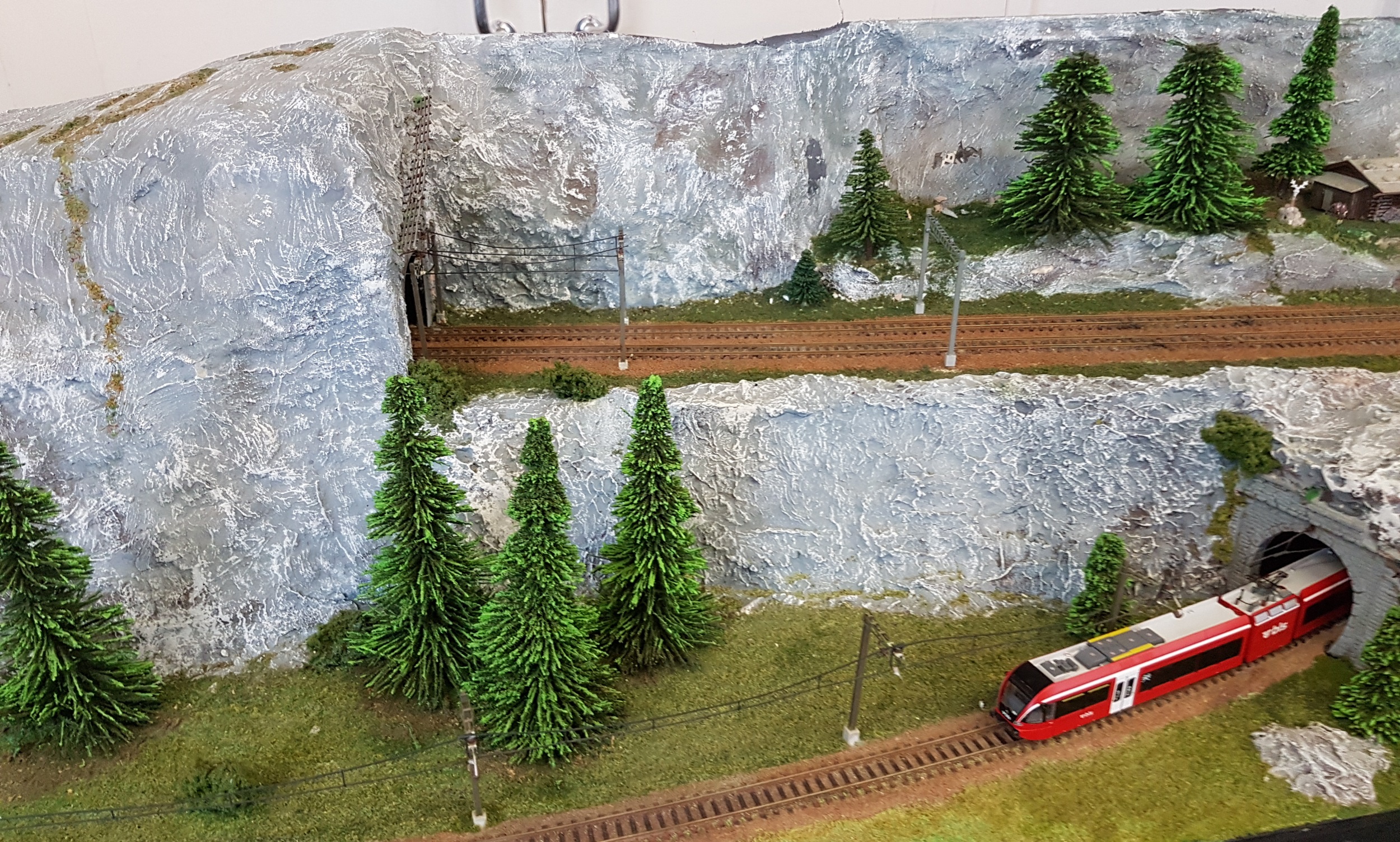
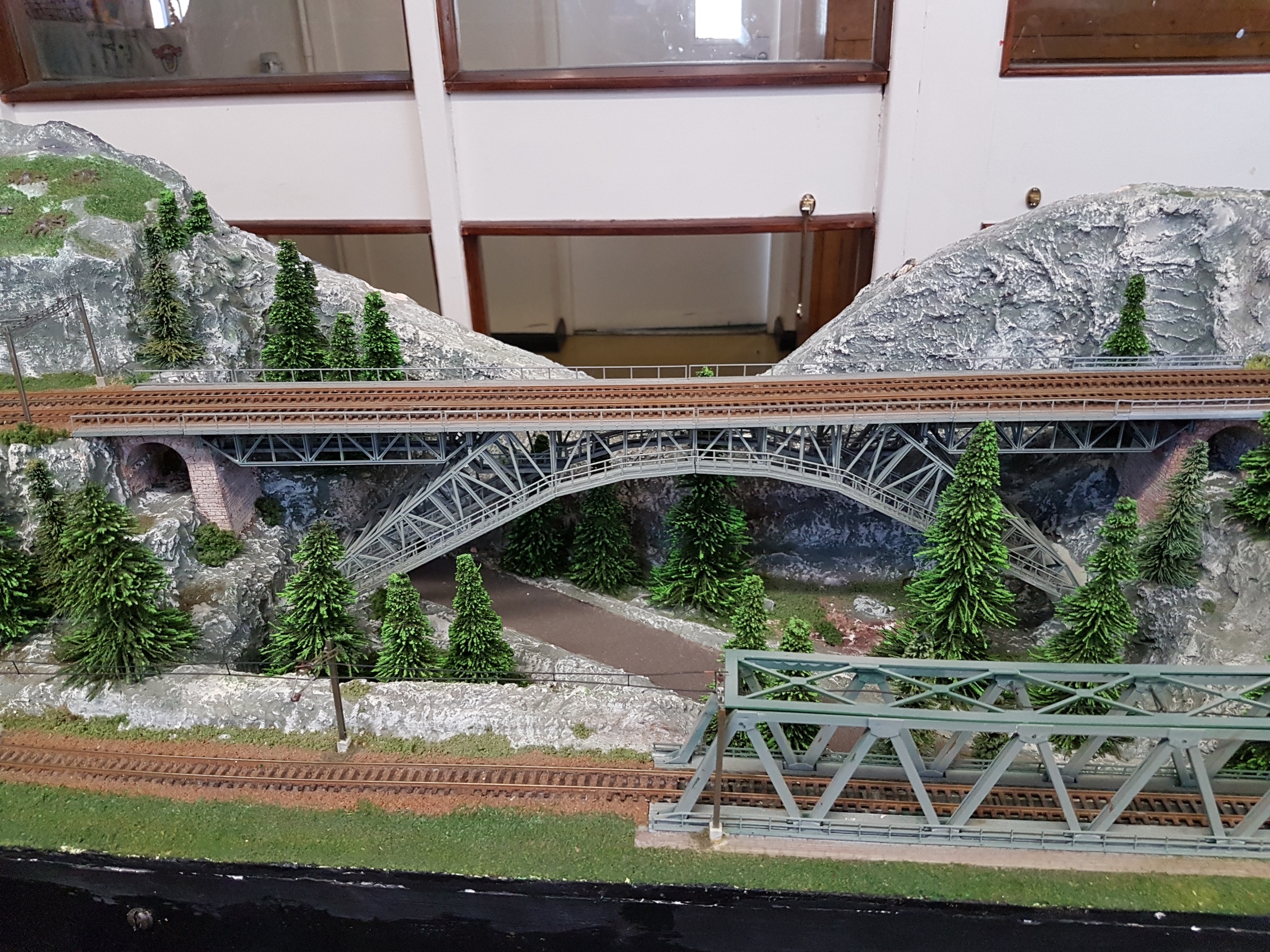
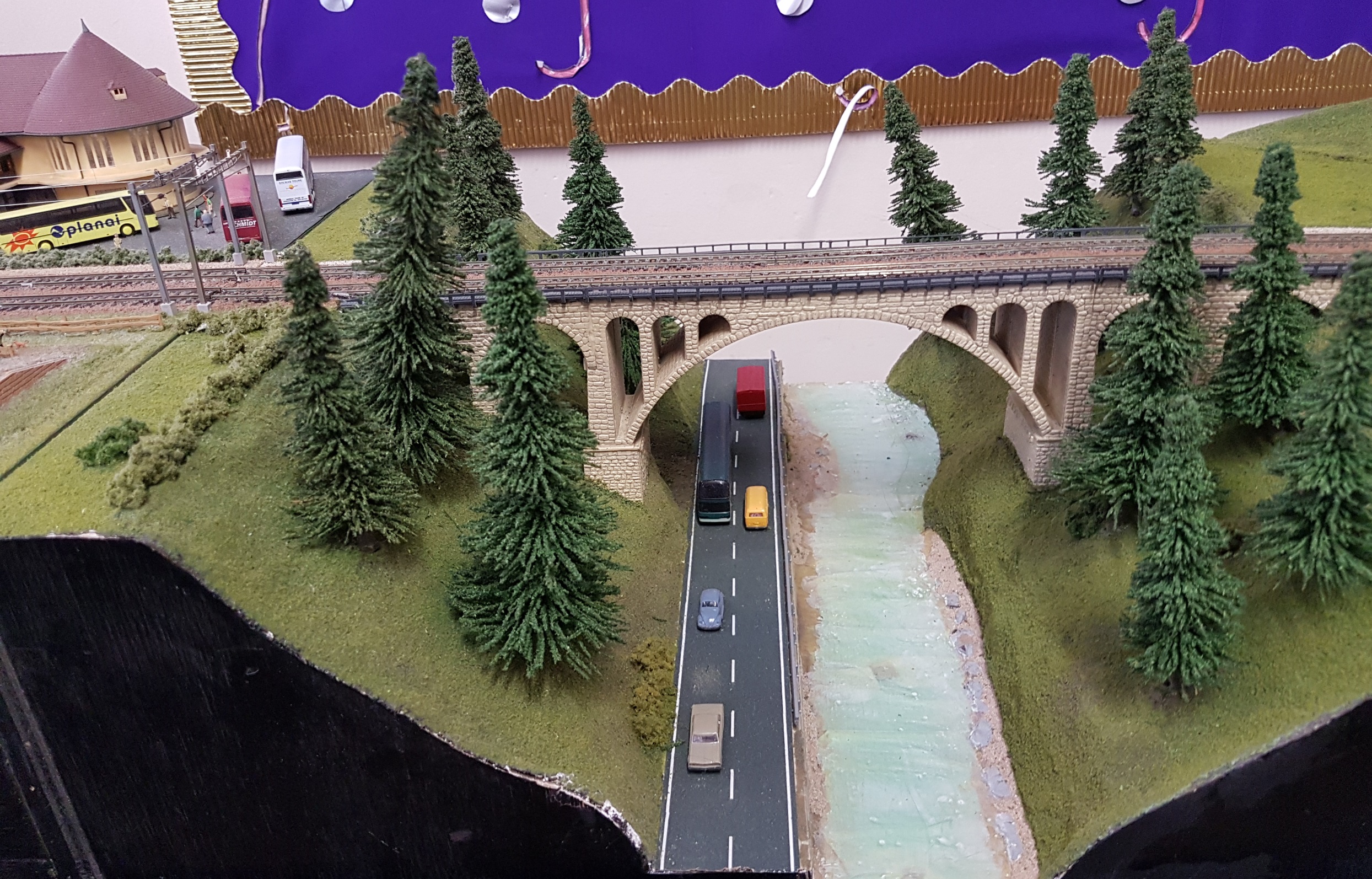
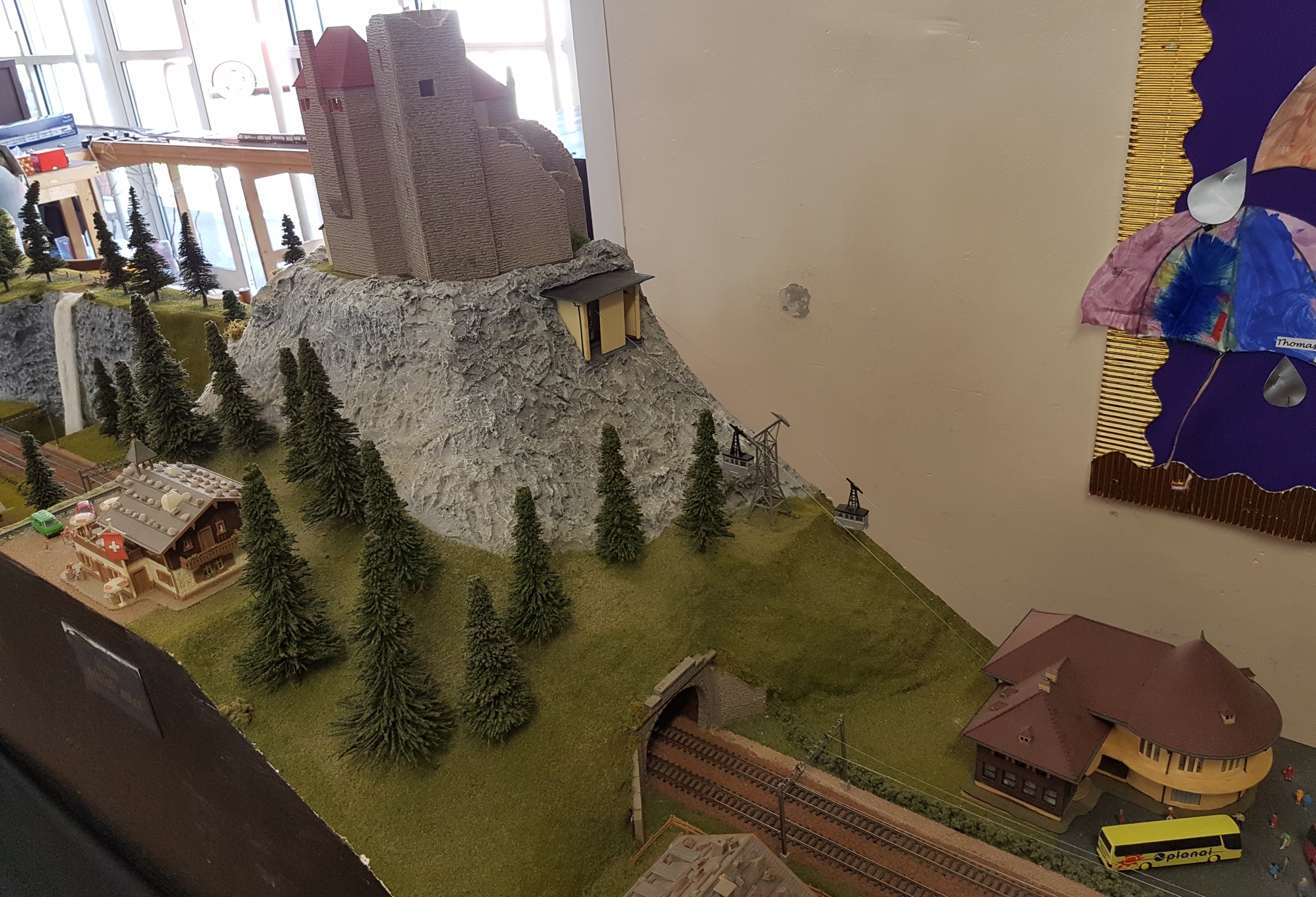
On the far side of the hall, John Brightwell’s ‘Alpenbahn’ modular layout settled down to run a steady stream of trains all day.  Alpenbahn was originally conceived and constructed as a modular layout by members of ESNG. It is now being curated by John Brightwell. As the name suggests, an alpine scene is represented, the idea being that very long prototypical trains can be run through an evocative landscape. Today, Alpenbahn is linked to two of Richard Oliver’s N-Club modules.

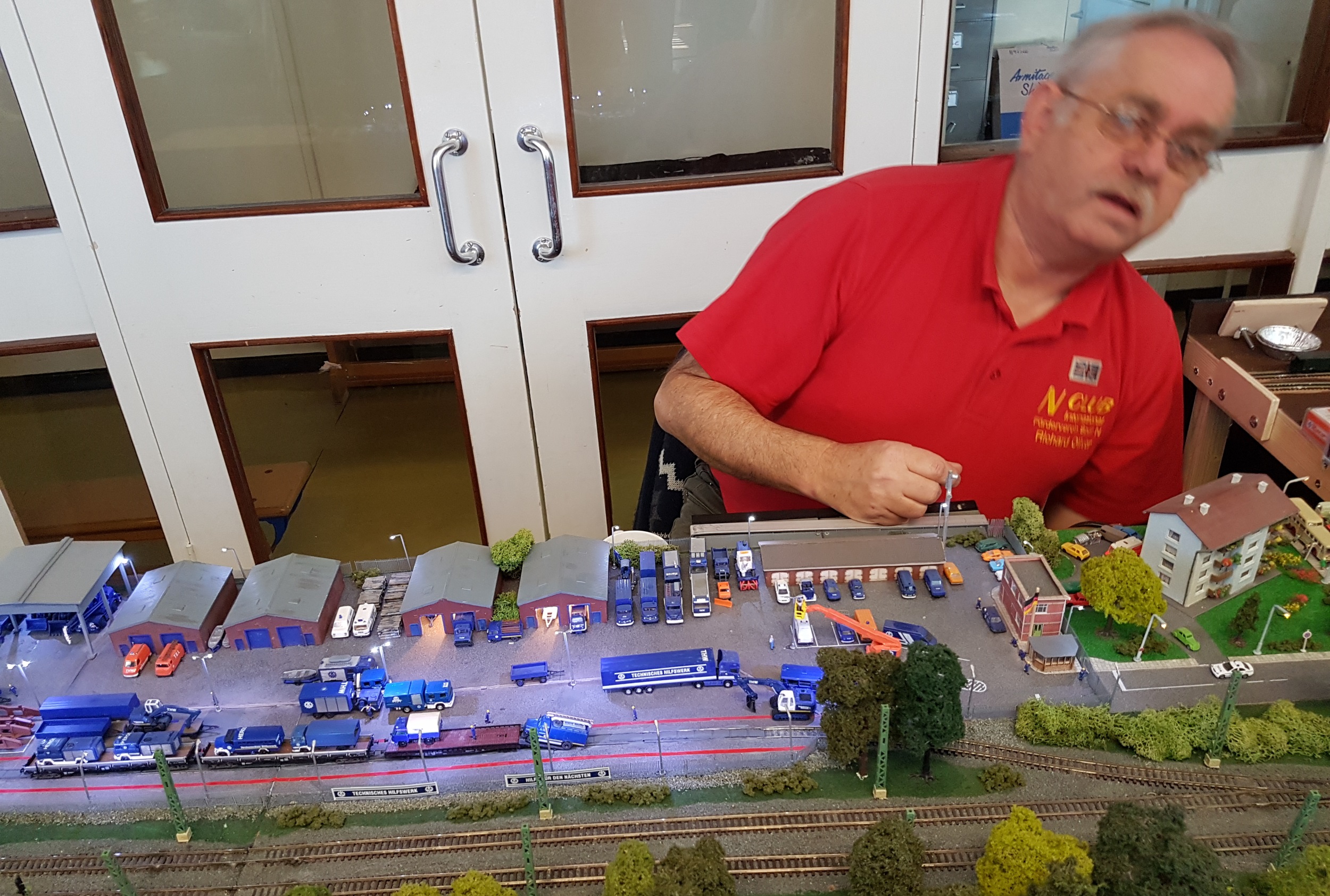
We invited Richard Oliver to add his N-club modules to the end of Alpenbahn, and he also operated the end loops.  Richard’s modules are very neat and fully lit.  I’m afraid we caught Richard at an inopportune moment.  Has he:

  1. Fallen asleep waiting for the next train?
  2. Expired after eating a rock cake from the catering department?
  3. Put his money on the wrong horse in the National?

Please send any answers to any website but this one.  (Sorry Olly).

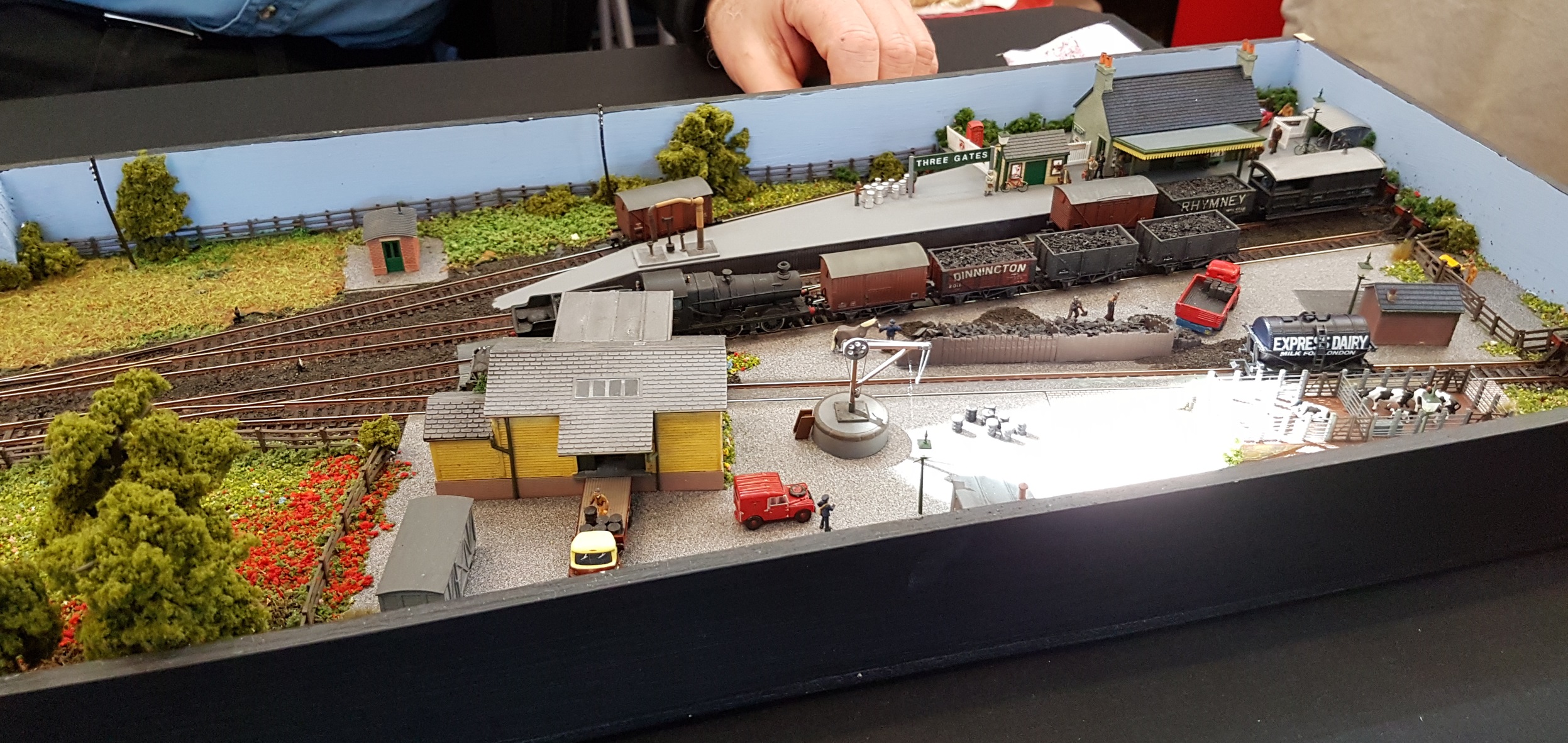
The other layout in the room was Three Gates – tiny yet perfectly formed.   It’s branch line/light railway terminus somewhere in the South West of England.  Stock is by Farish, Dapol & Peco.  The layout folds into a box 2ft. x 1ft. 4ins. for transport & storage.  This just shows that anyone can have a layout, anywhere.

Out in the corridor, Neil & Martin’s emporium was where you could buy the proverbial kitchen sink – provided it was second-hand.  There are rumours that they are part of the Trotter family empire.  Derek and Dave are wondering whether to part with some of their money….

Tomorrow, we begin to work down the classrooms to show the other layouts in the exhibition.

Posted in ESNG, ESNG meetings, Exhibitions, Out and about | Tagged , , , | 1 Comment

ESNG Exhibition 2017 #1

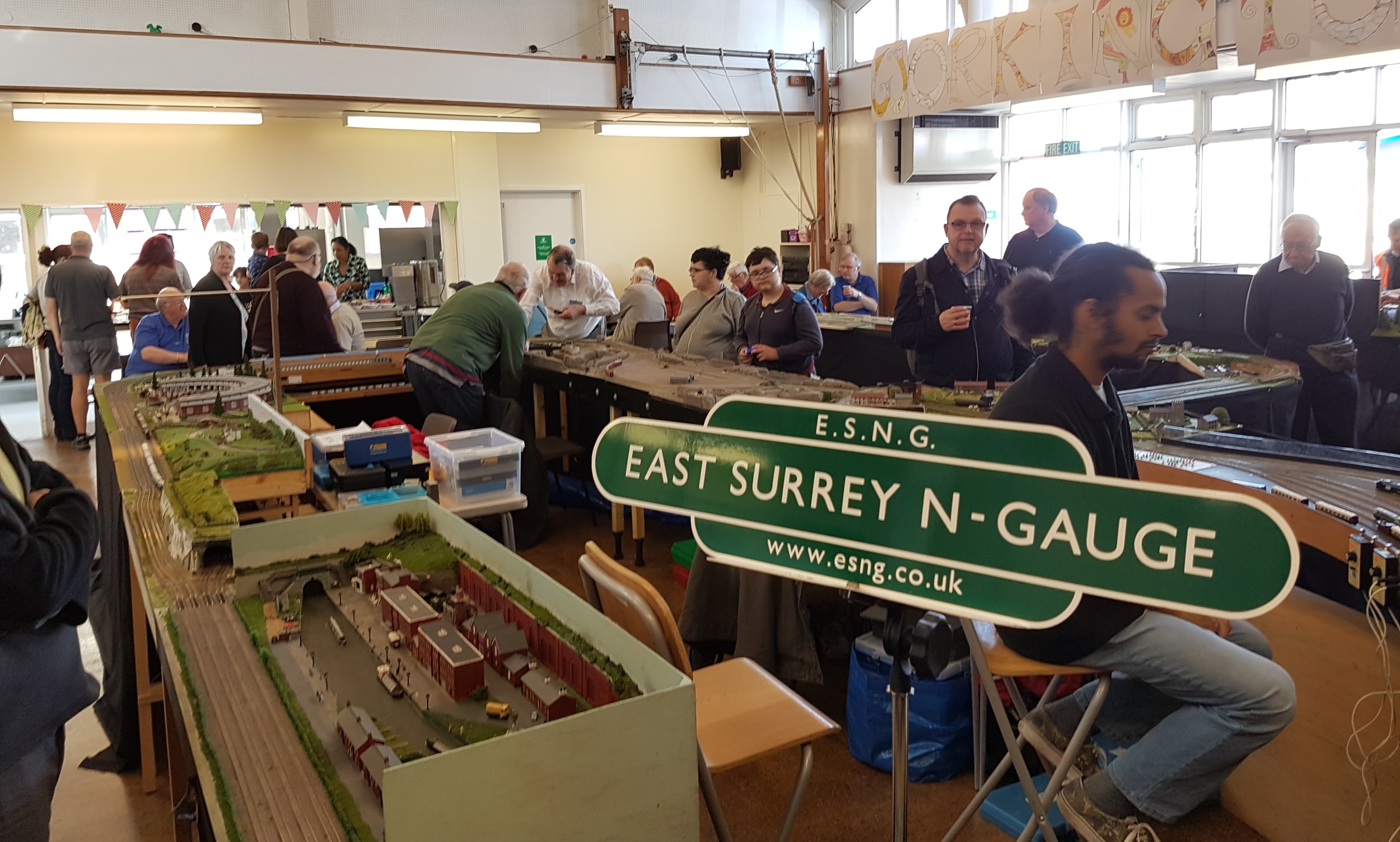
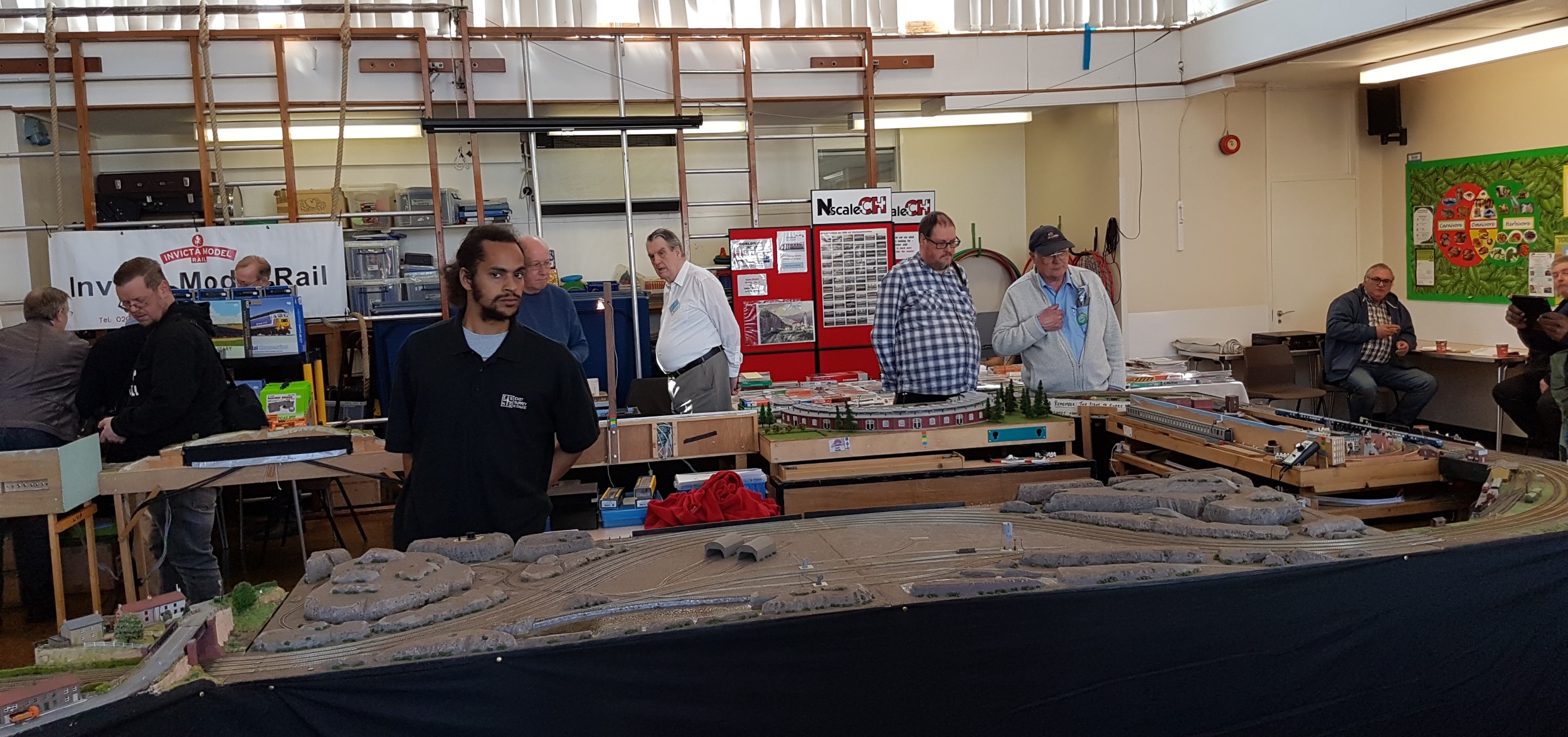
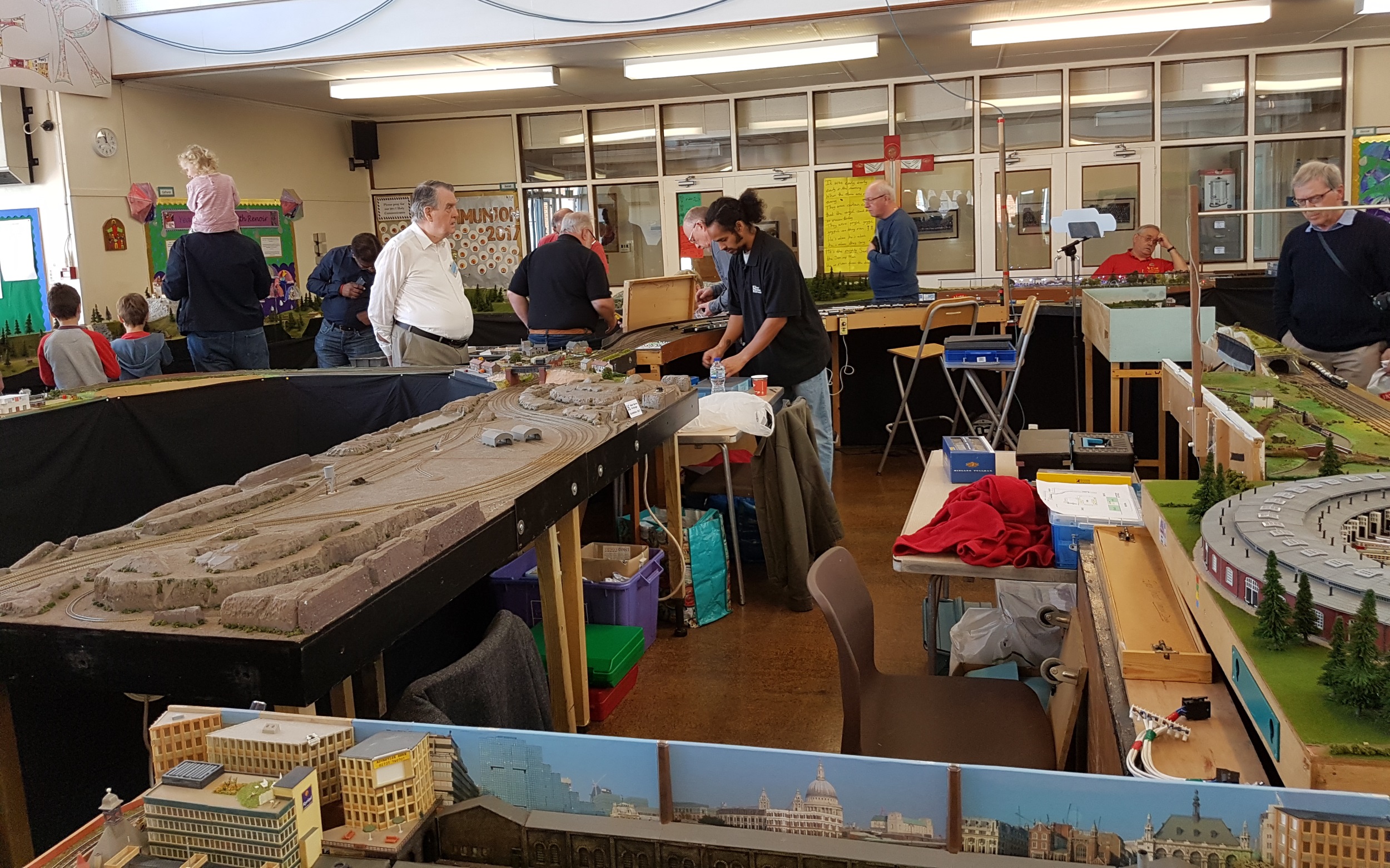
Well, we’ve survived another annual exhibition!  A lot of hard work, but well worth it.  All went well, we had some good modelling on display, and received a number of very positive comments from the punters – not least about the real coffee on sale in the refreshment area!

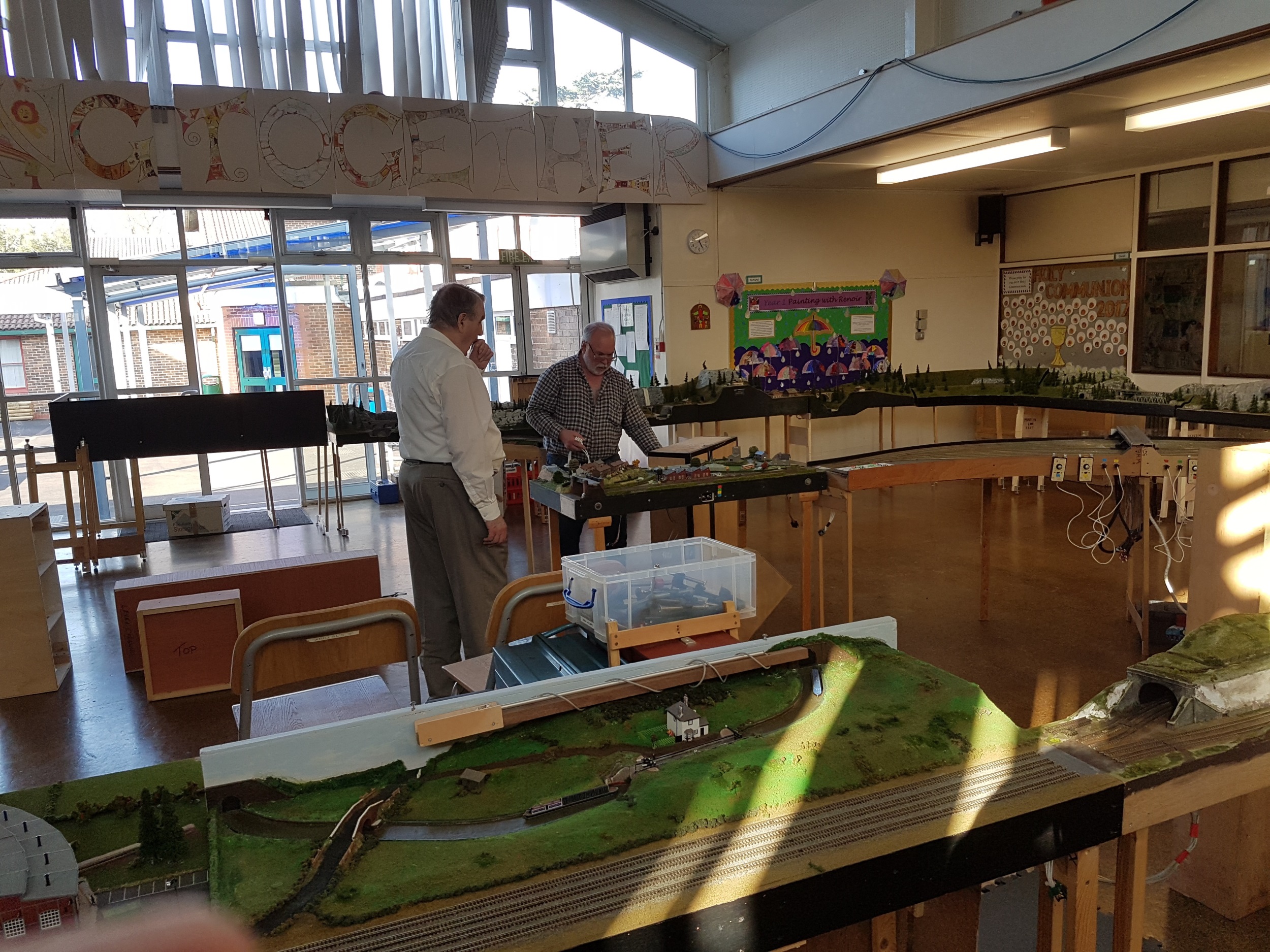
But work started on the Friday afternoon, collecting things from the club room about 1pm, then slowly working to put the N-mod/N-club circuit together.  Ideally, one should have a trial run of the layout to be exhibited, to make sure all is working.  However life has been just too hectic, so a long afternoon to allow for a few repairs and rewiring is a good substitute.   And there’s time for coffee breaks and a fish-and-chip supper.

In another room, Paul was piecing together all his Kato Unitrack for the Kato Racetrack….

Saturday morning, 10am, all was working (just) and the doors opened to our visitors.  It was a strange year, in that there was a very high attendance in the morning (I was wondering about a record year), but a very quiet afternoon without the usual ‘surge’ after lunch.  Perhaps the fine weather and the Grand National kept people away.

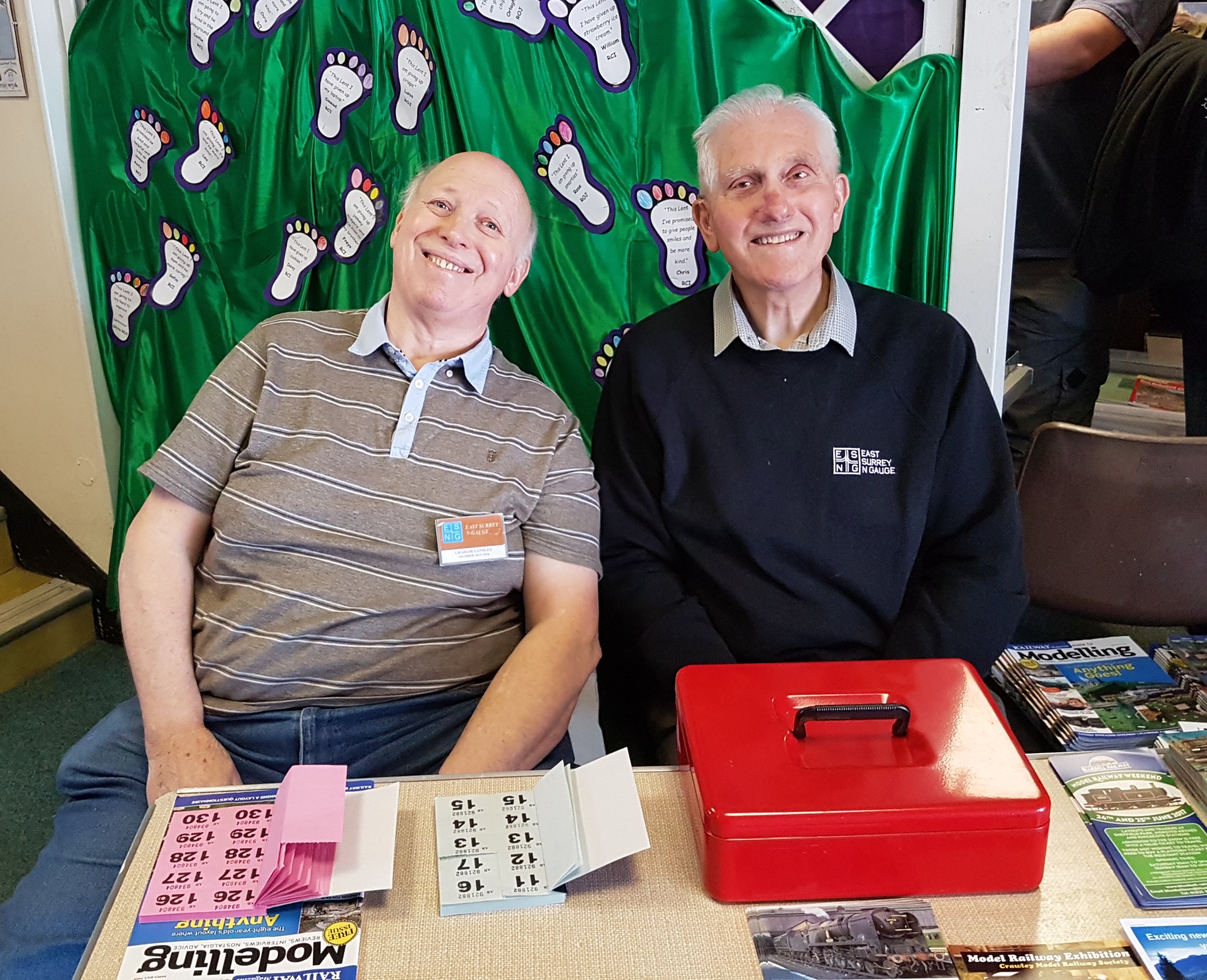
However, to get in you have to pass the ‘gate-keepers’, experts in giving the wrong change and insulting the visitors.  For some reason, they seem to love it!  Here, Graham and Reg look ready to confuse all comers…..

Still, the hall is pretty busy, so a few hardy souls have made it past the pay-desk.

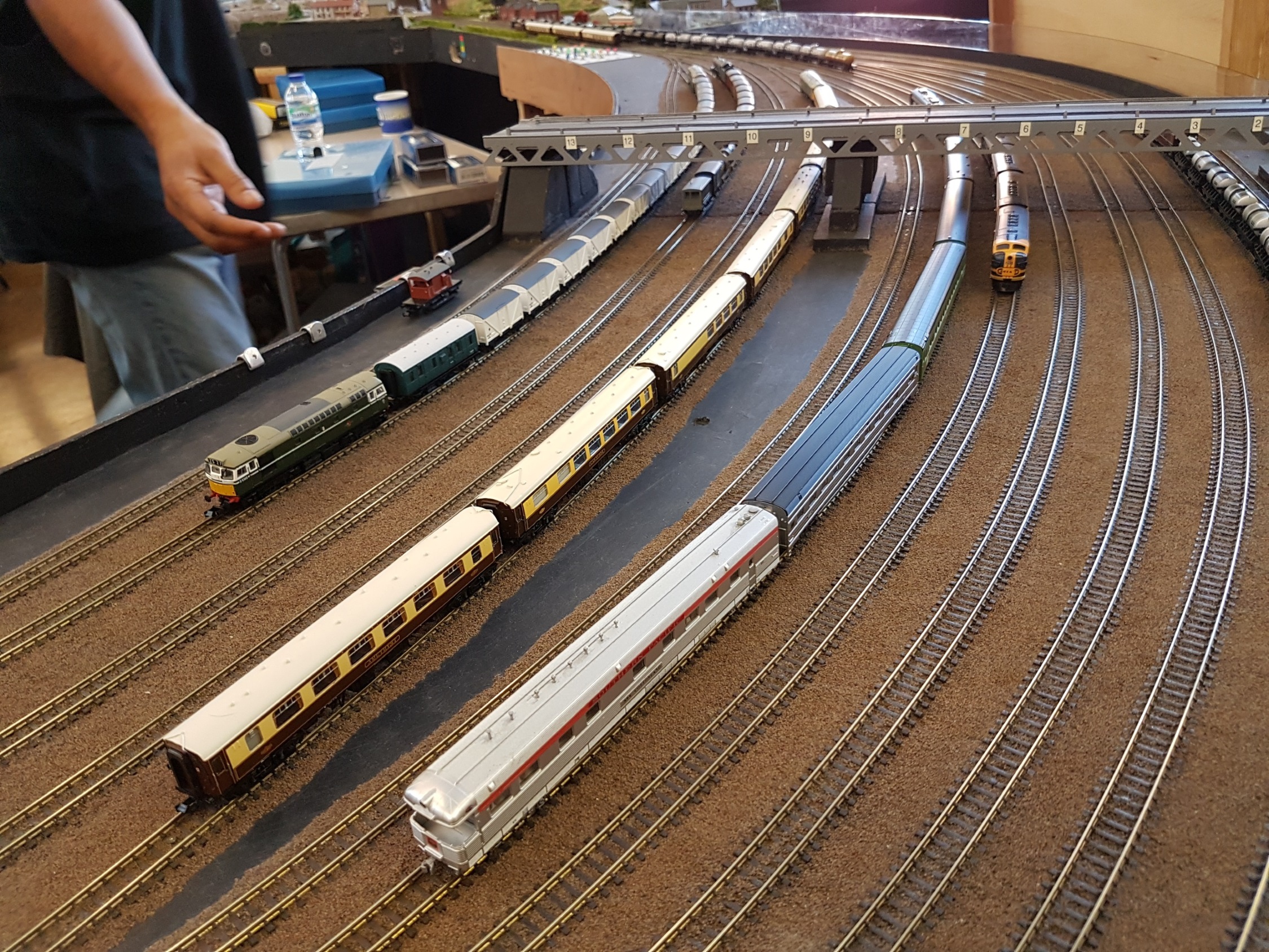
The fiddle yard has the usual variety of stock/  We were initially aiming for a UK themed day, but Simon, Graham and I have set up a few American rakes.

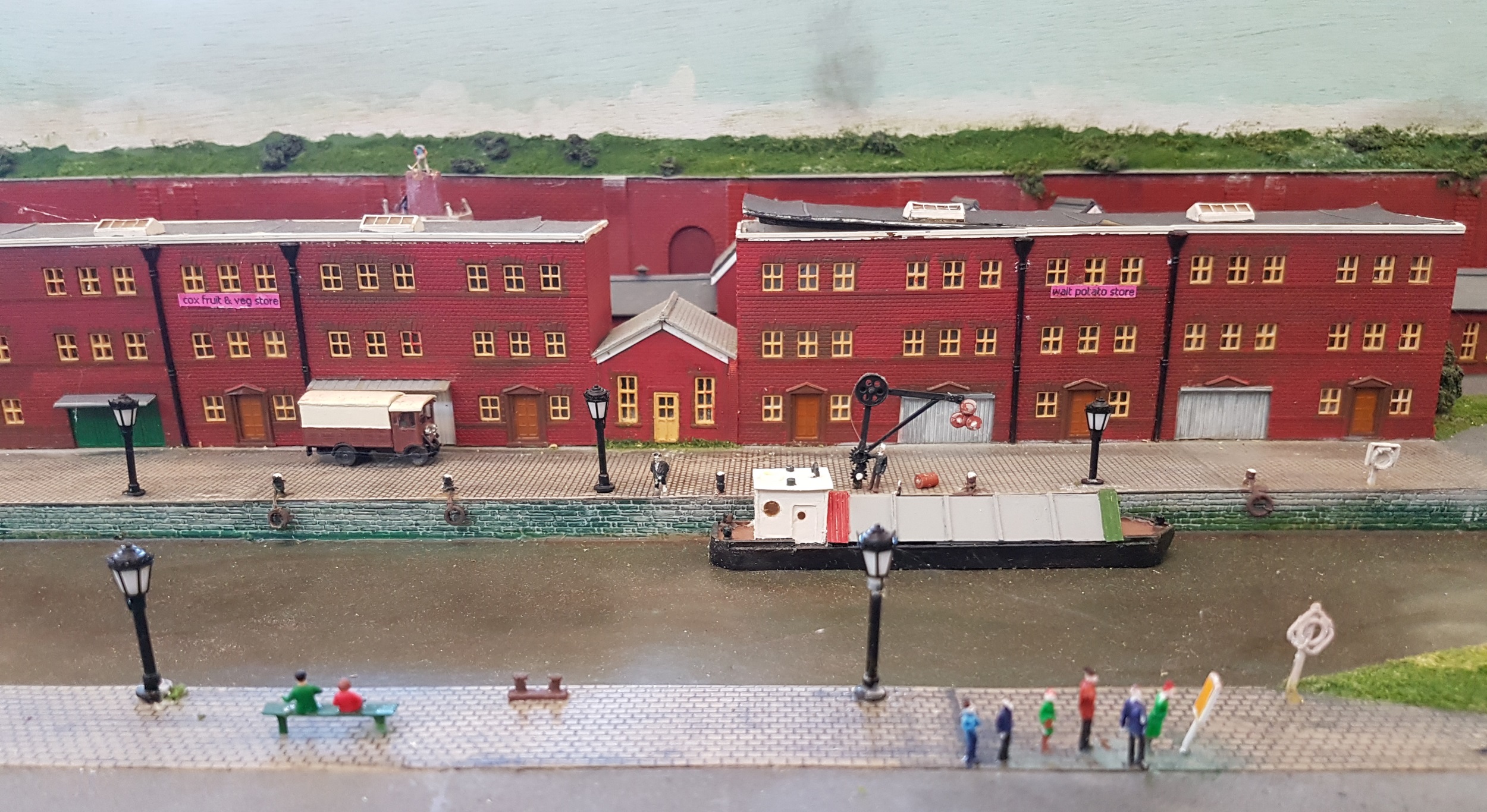
On the N-mod circuit, our late President’s ‘Lowwater Basin’ diorama was behind the main lines, though it looks as though a little repair is needed to one roof.

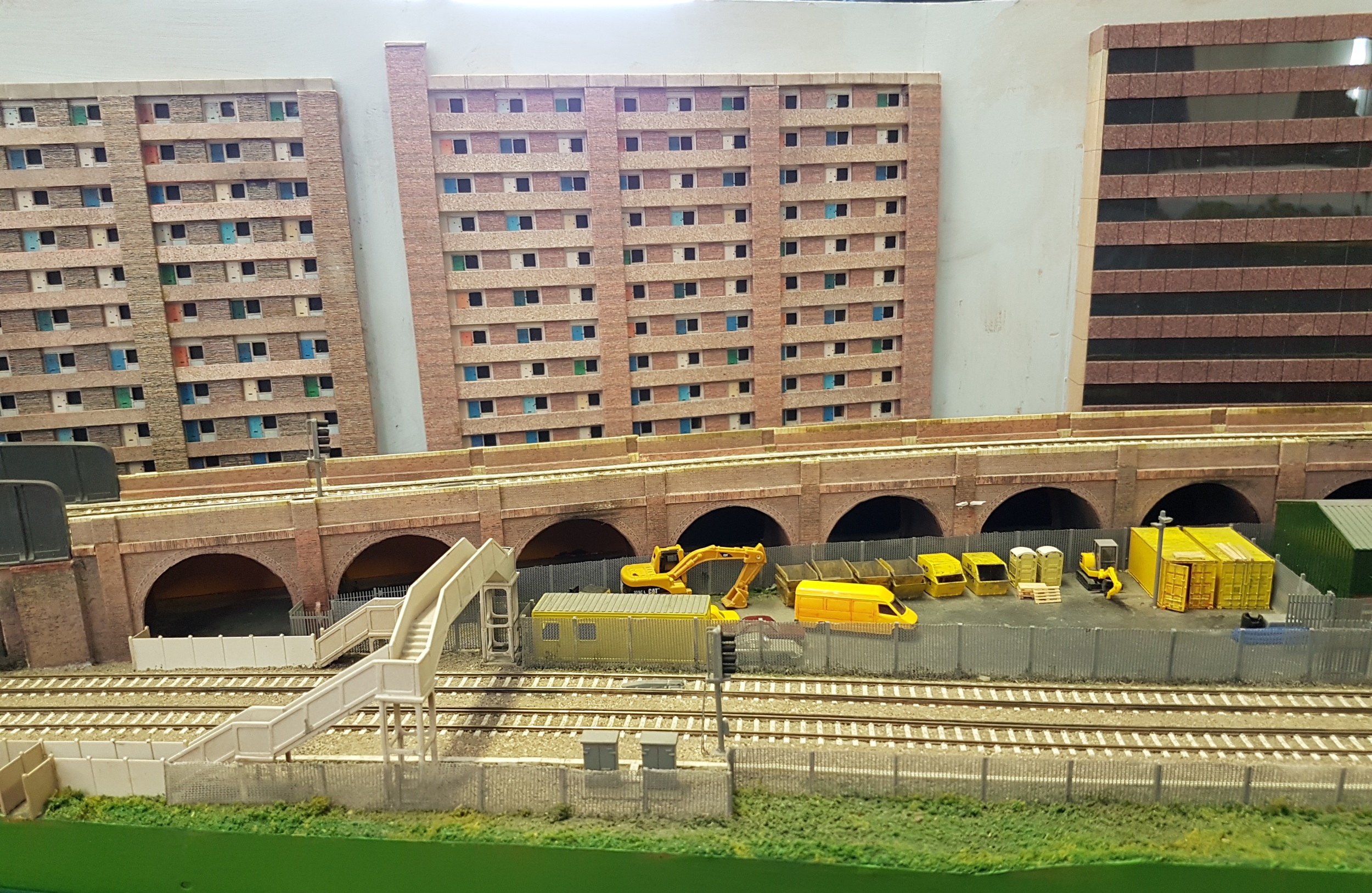
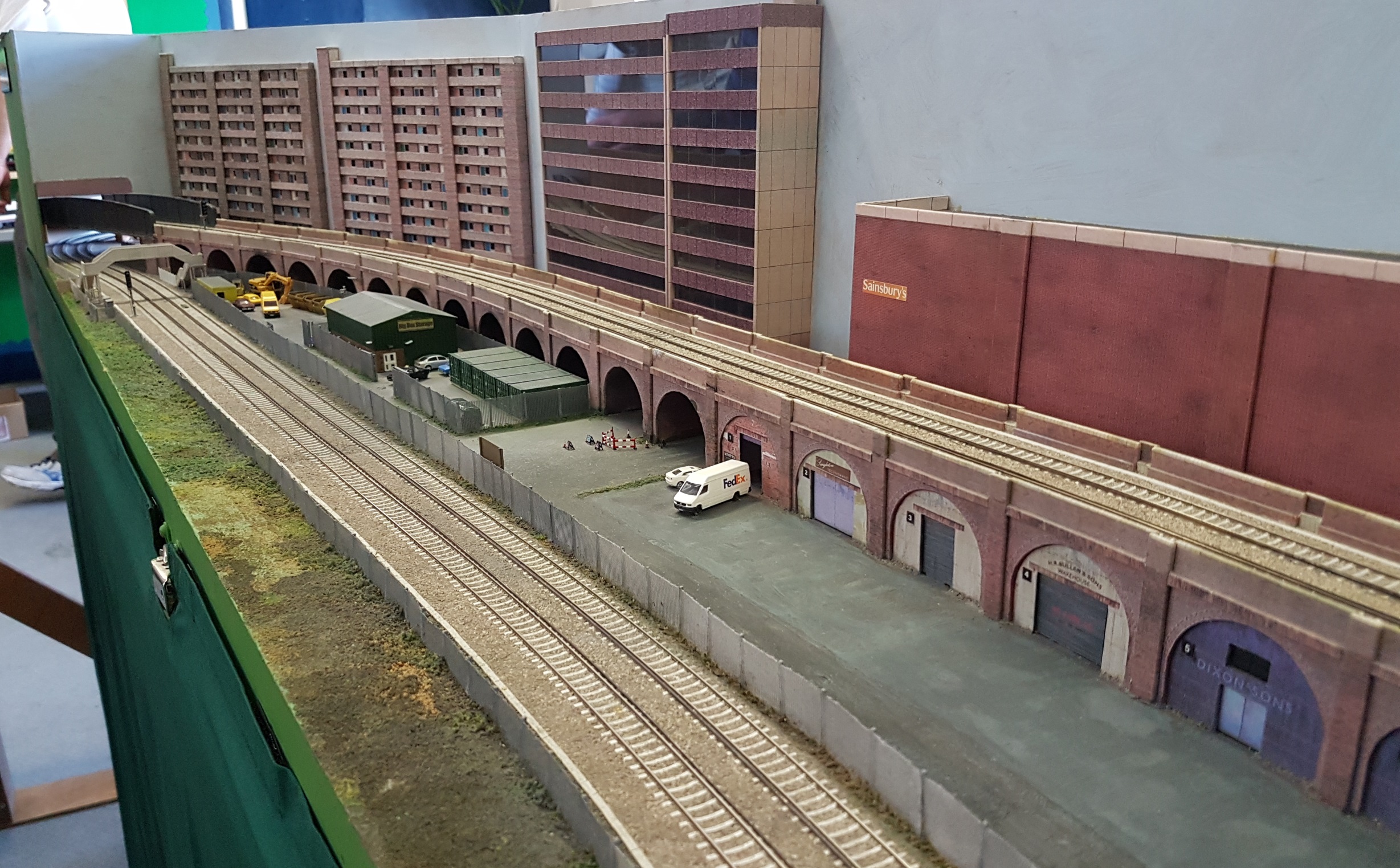
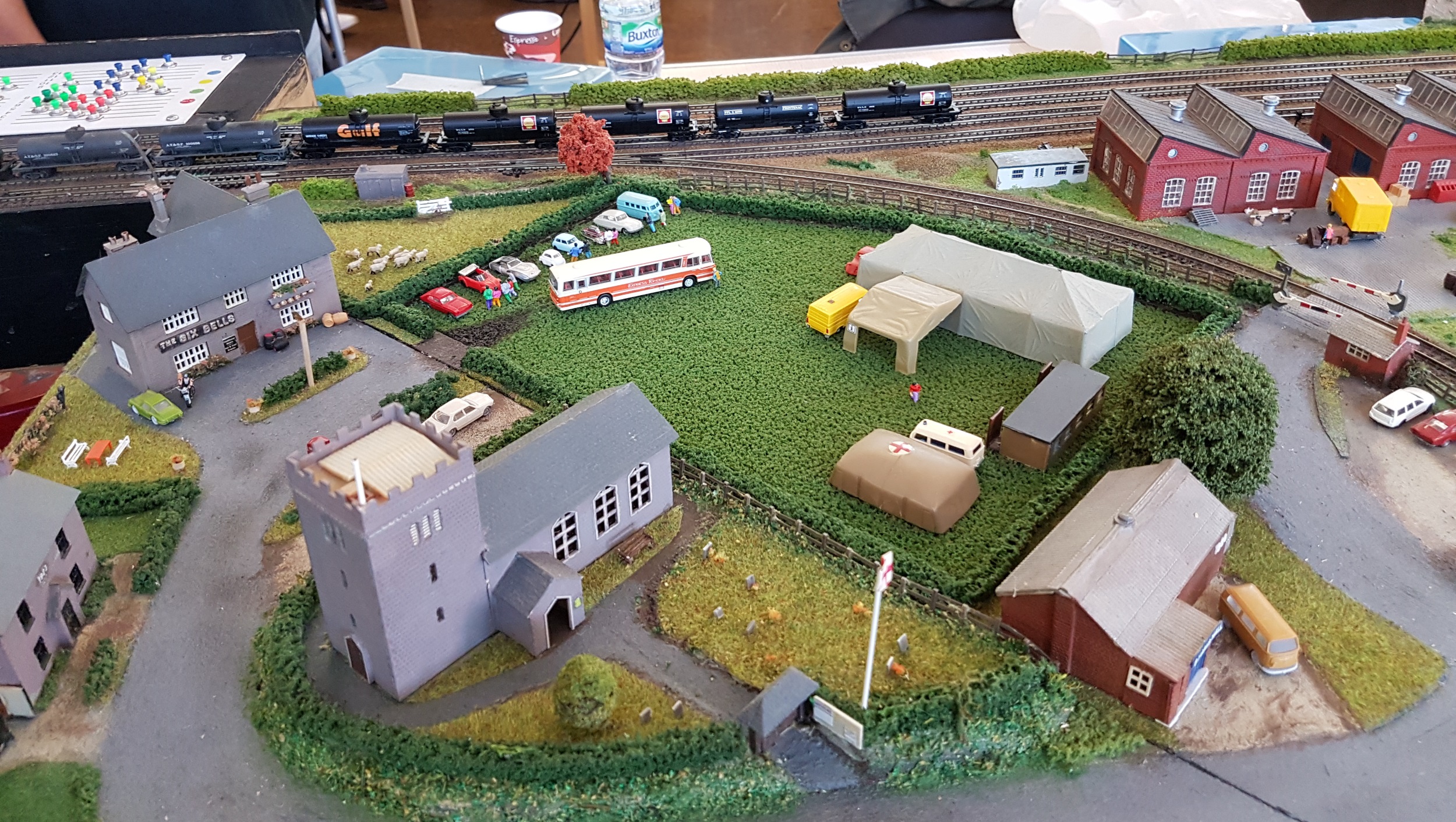
One new idea for the modular layout this year was the addition of a double track N-club standards branch off the main N-mod circuit (we’ve done it once before.)  Here we have one of the junctions on Derek’s module, whilst Simons long American tanker train passes on the main line.

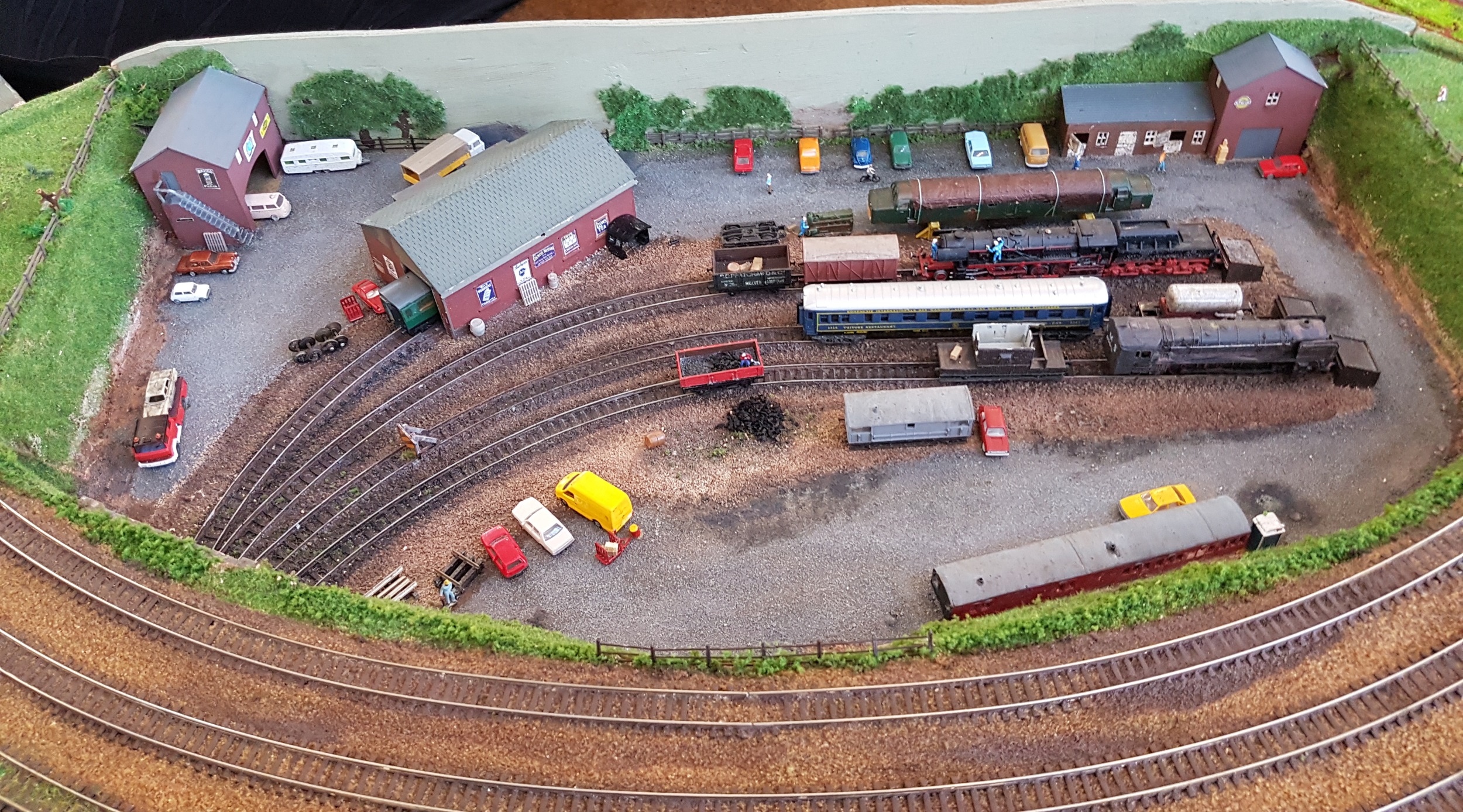
Derek’s N-club corner hosts a preservation society, who seem to have preserved some old ‘Lone-Star’ track to build their yard.  That Derek recycles everything….

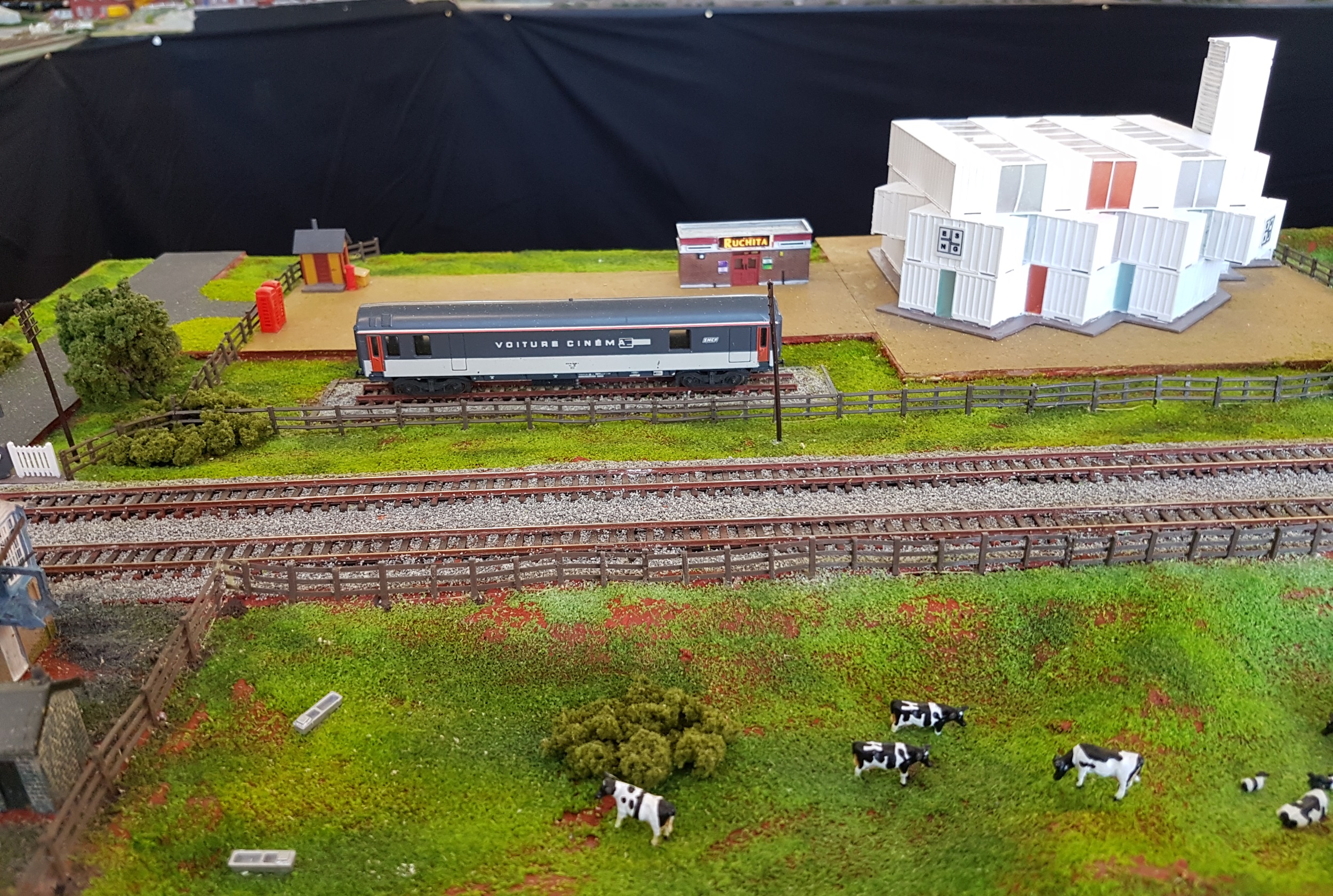
After going to Stuttgart and back unused, I was pleased to see that my ‘Clubhouse’ N-club module saw trains running over it, and worked fine.  I’ve got all the figures and vehicles to place on the scene, but just haven’t had time to set it up.

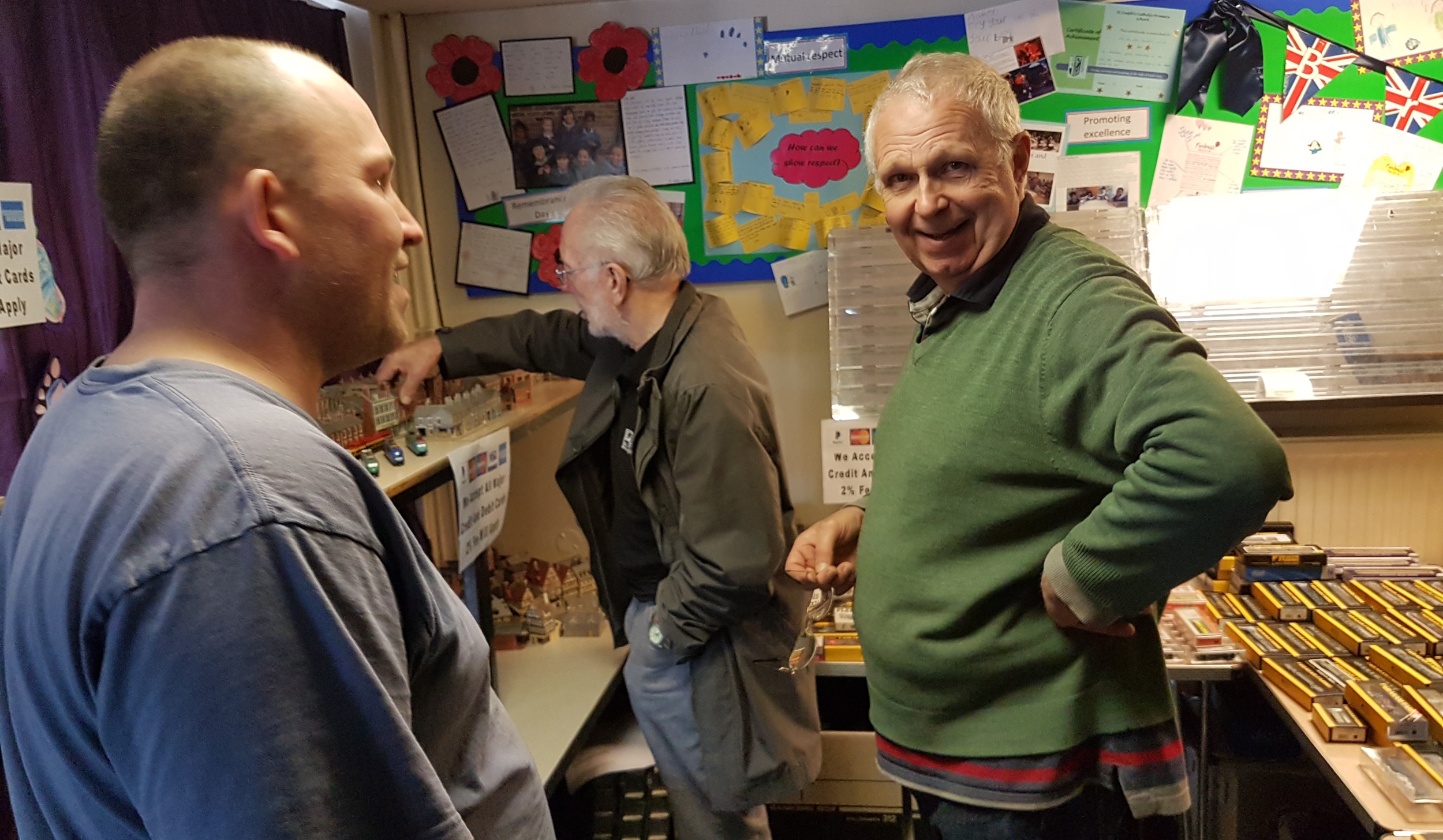
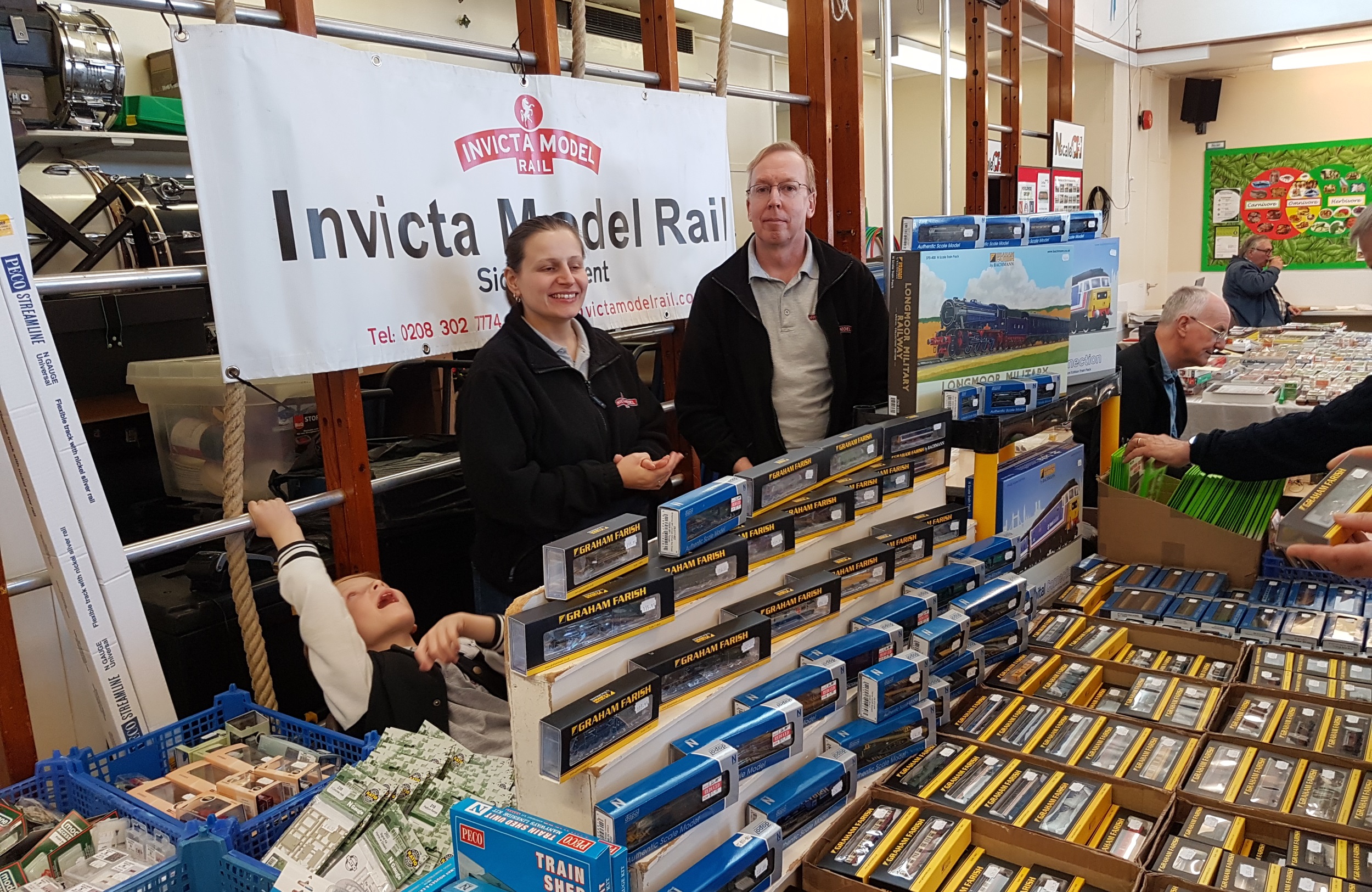
Trade in the main hall included Invicta, that was a real family business for the day….

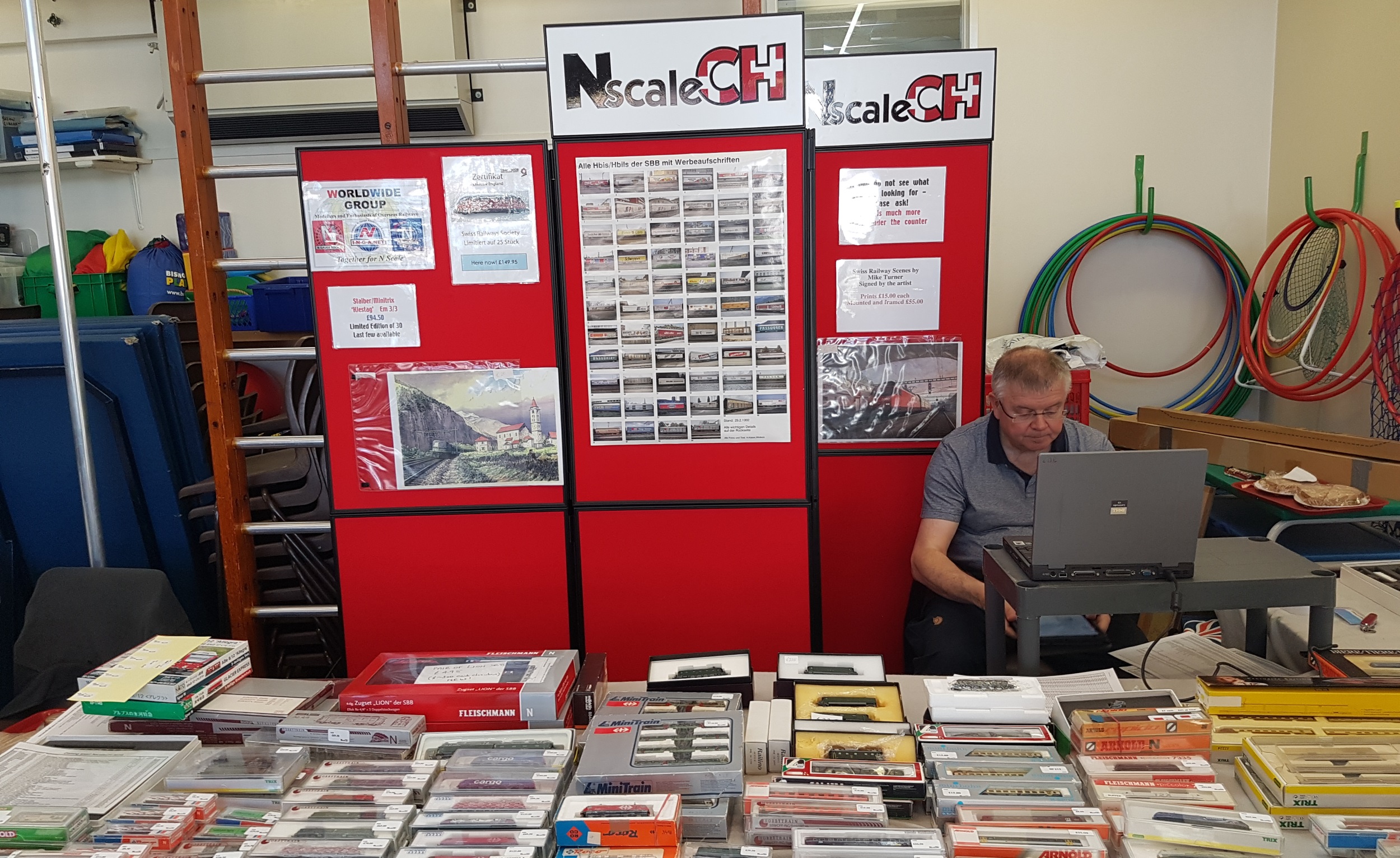
And NScaleCH.  No John guarding his stand, as he was keeping Alpenbahn running.

Next post, more from the main hall.

Posted in ESNG, ESNG meetings, Exhibitions, Out and about | Tagged , , , | Leave a comment

Swanage Strictly Bullied Steam Gala #2

Second episode of the Derek & Allan show from Swanage…..

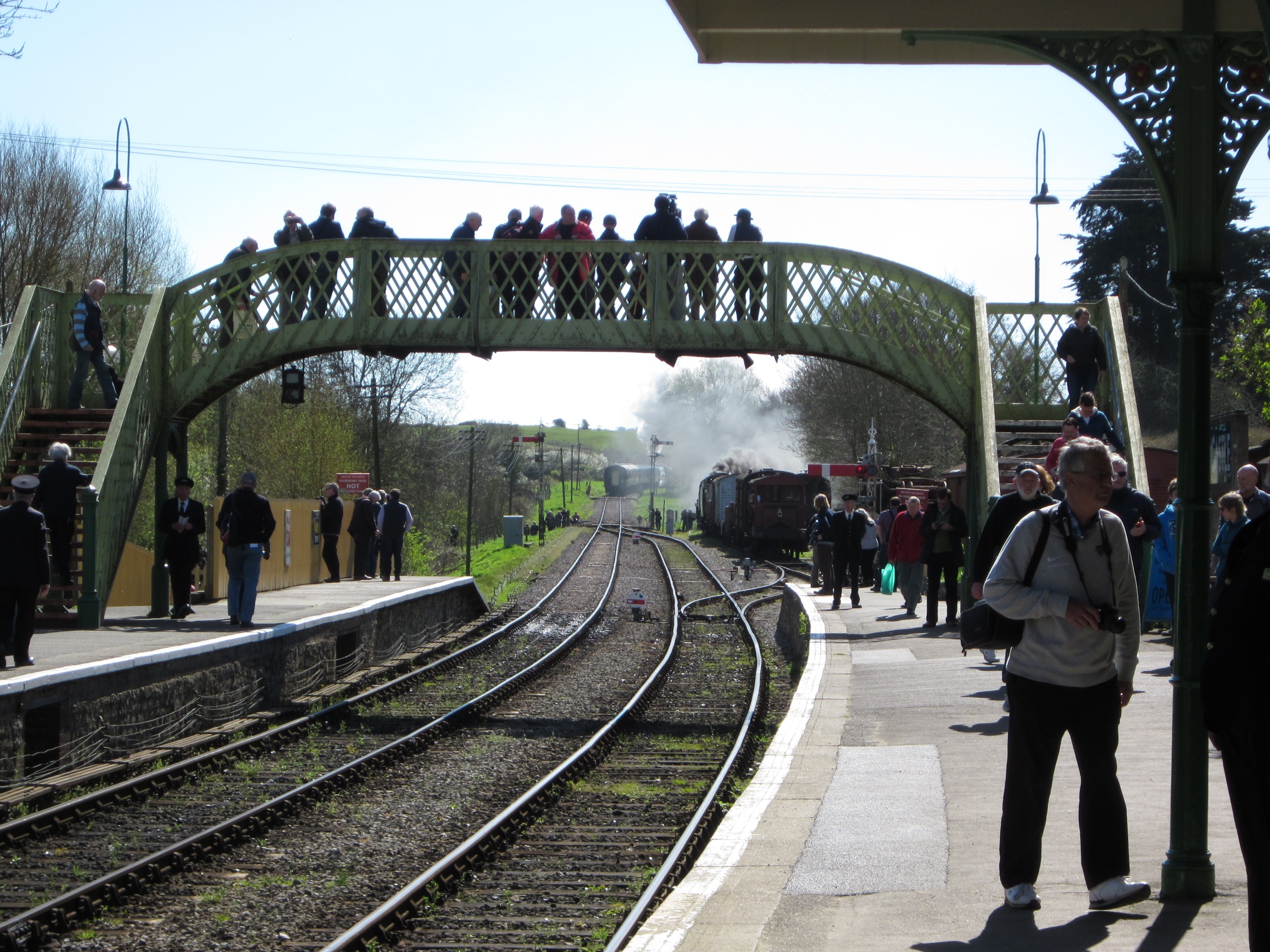
Load testing the footbridge…..

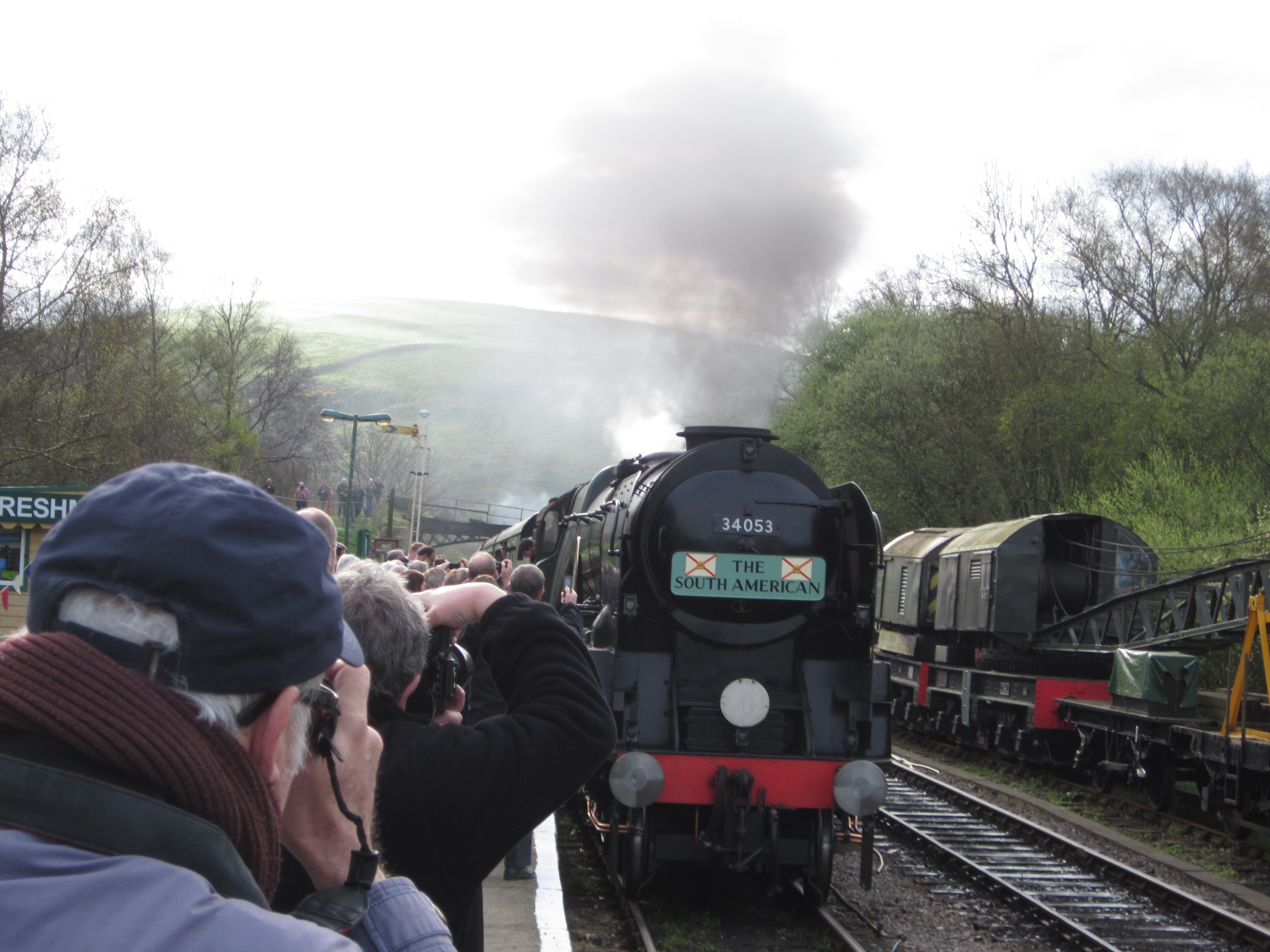
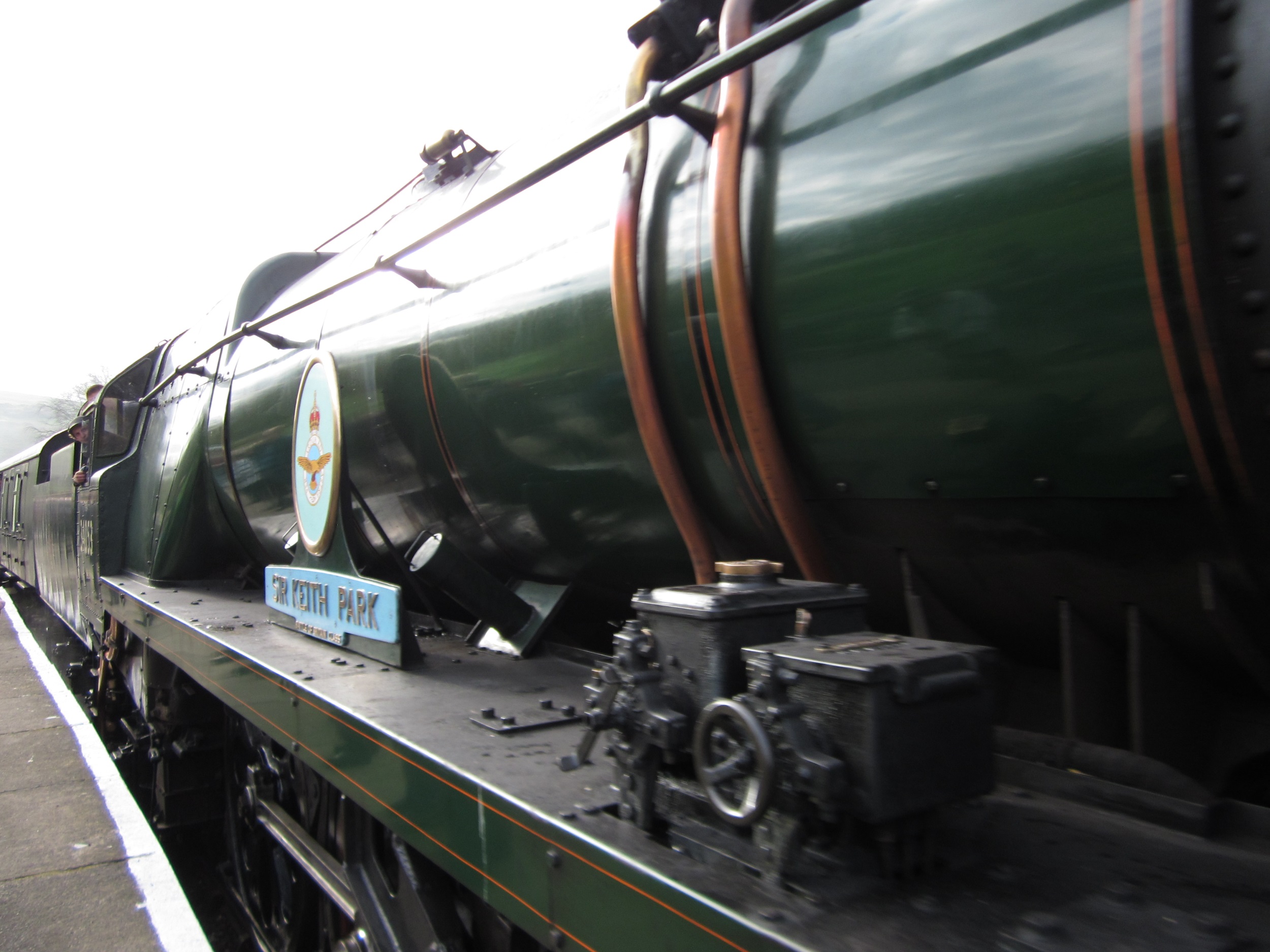
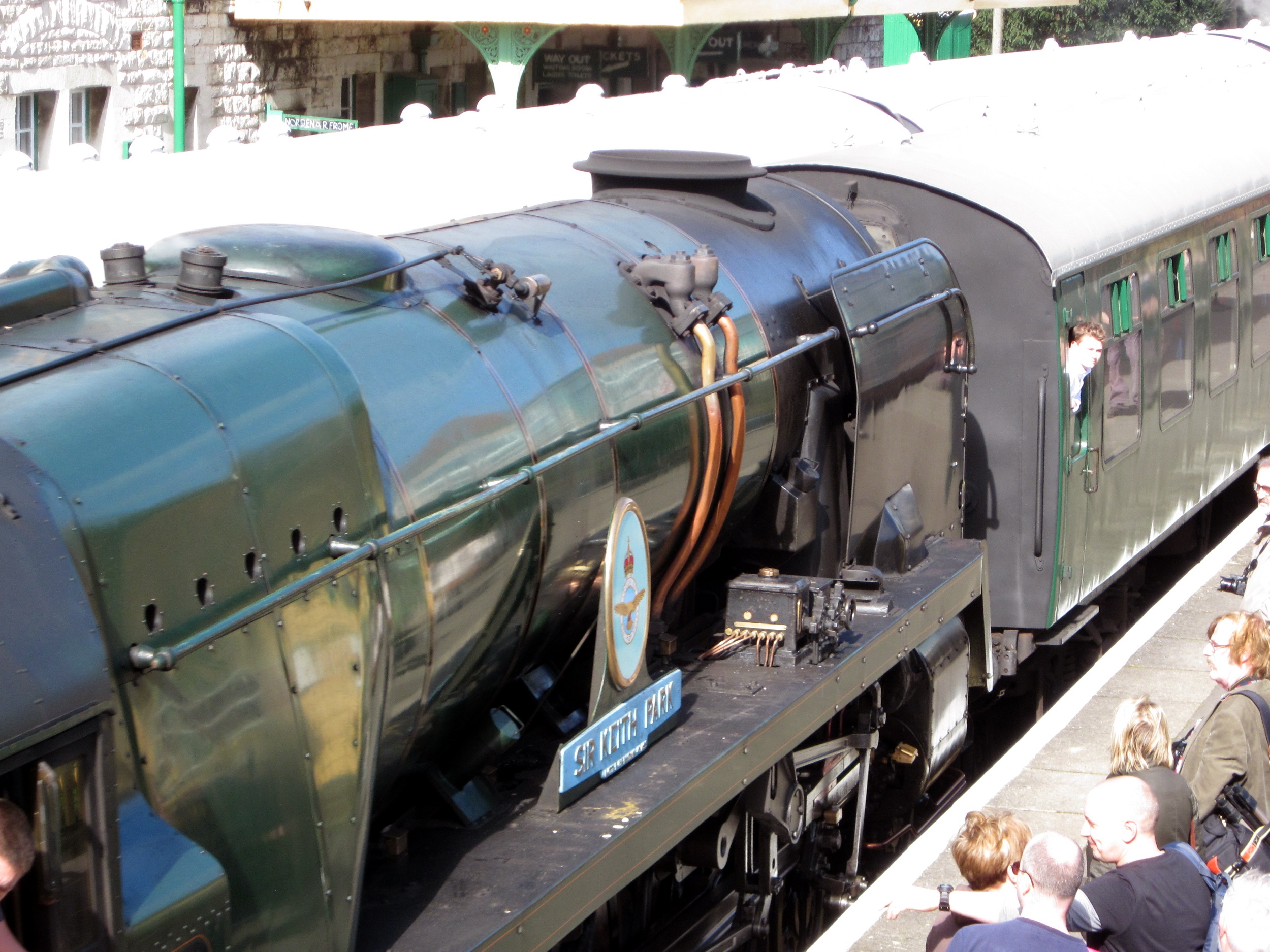
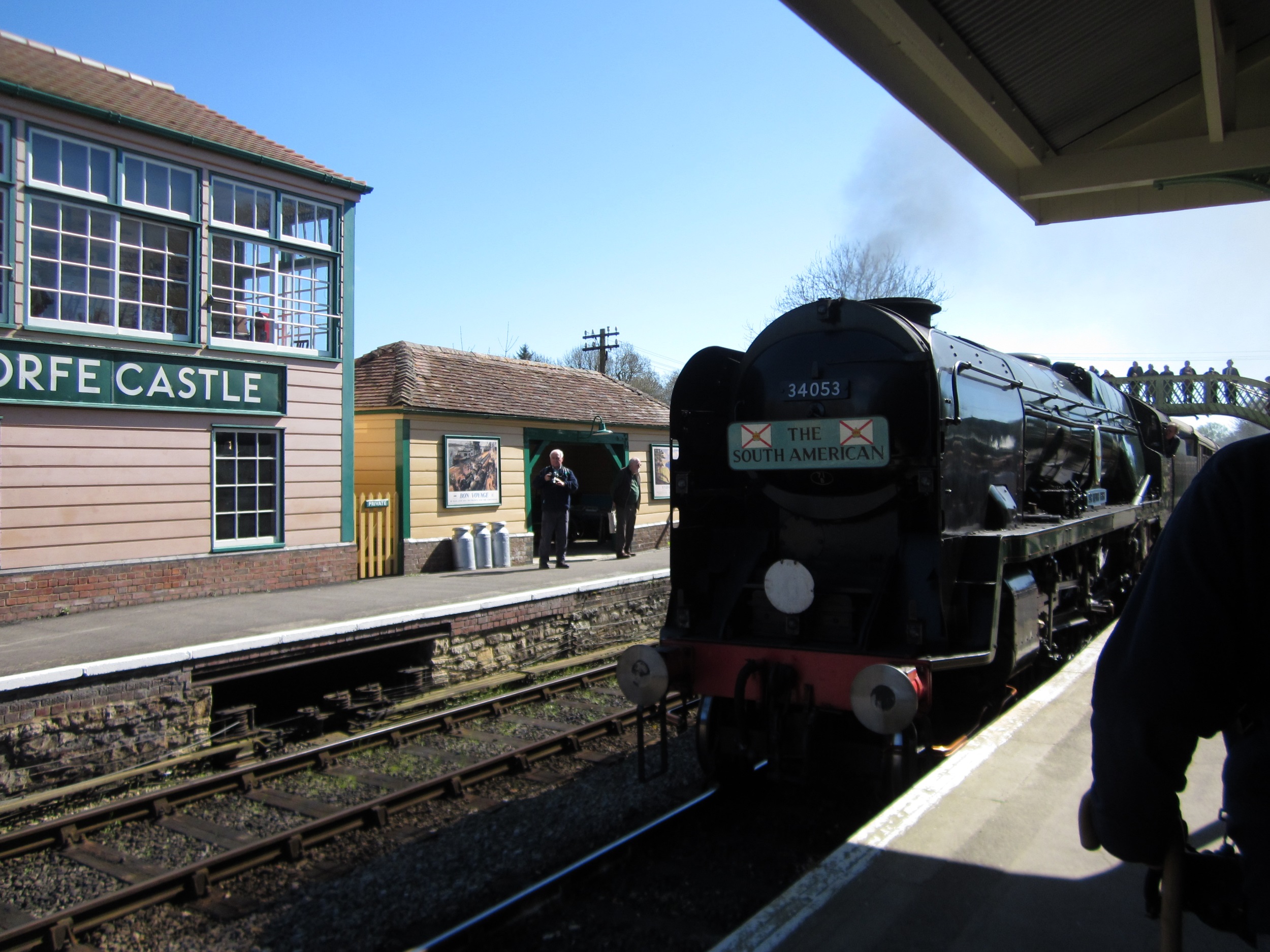
Rebuilt Battle of Britain 34053, ‘Sir Keith Park’.  Park was in operational command during two of the most significant air battles in the European theatre in the Second World War, helping to win the Battle of Britain and the Battle of Malta. In Germany, he was supposedly known as “the Defender of London”. (From Wikipedia).

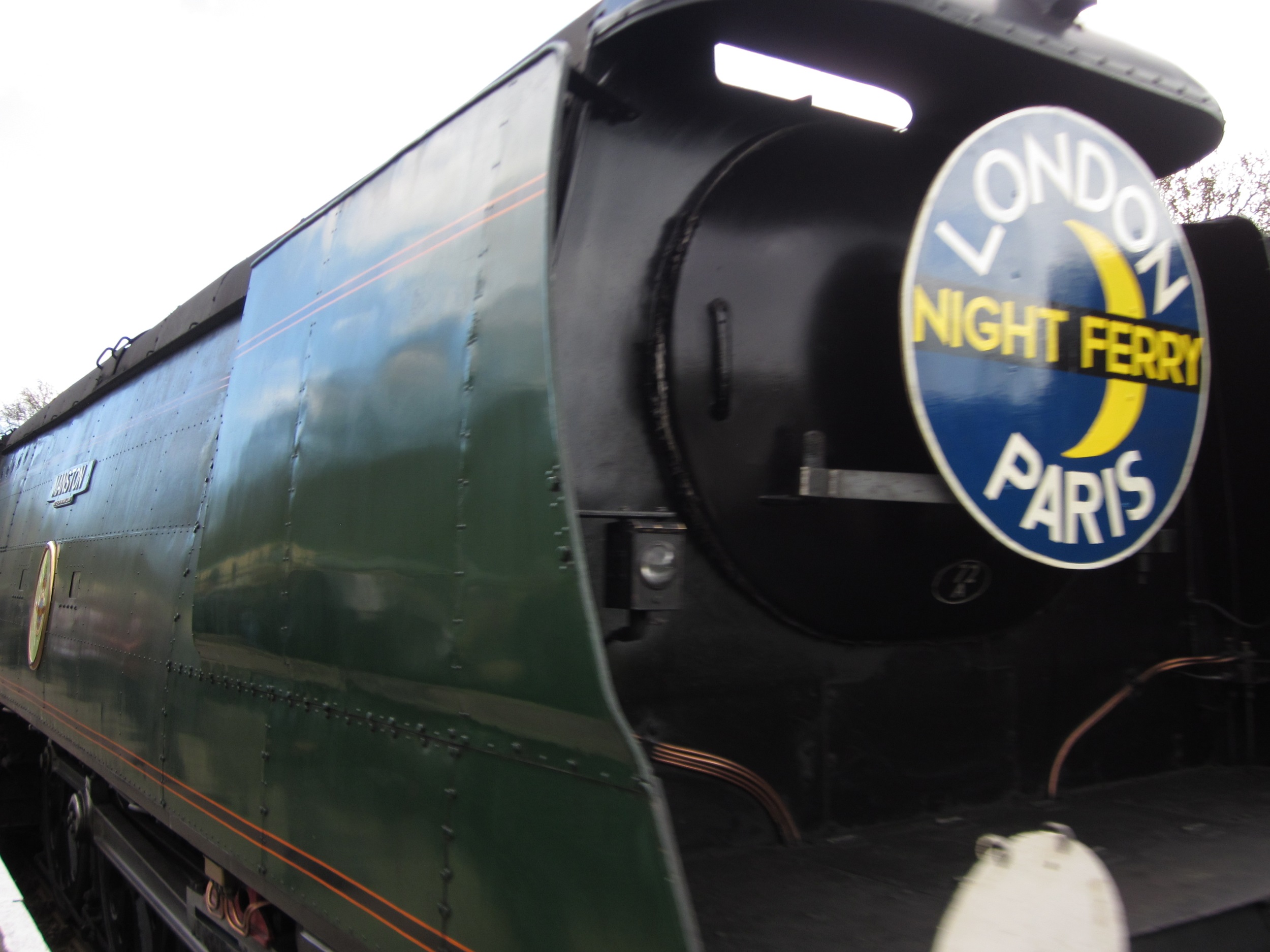
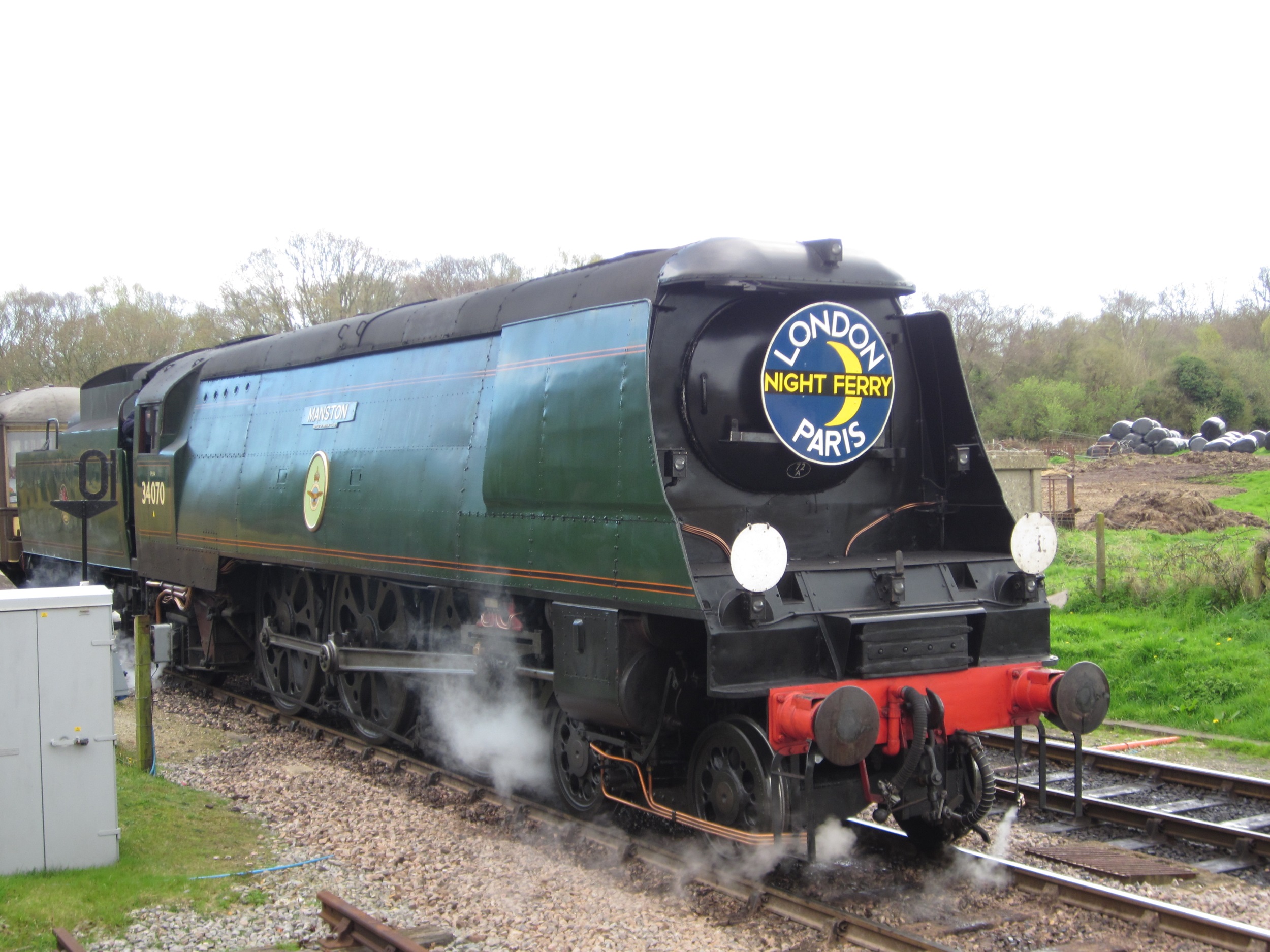
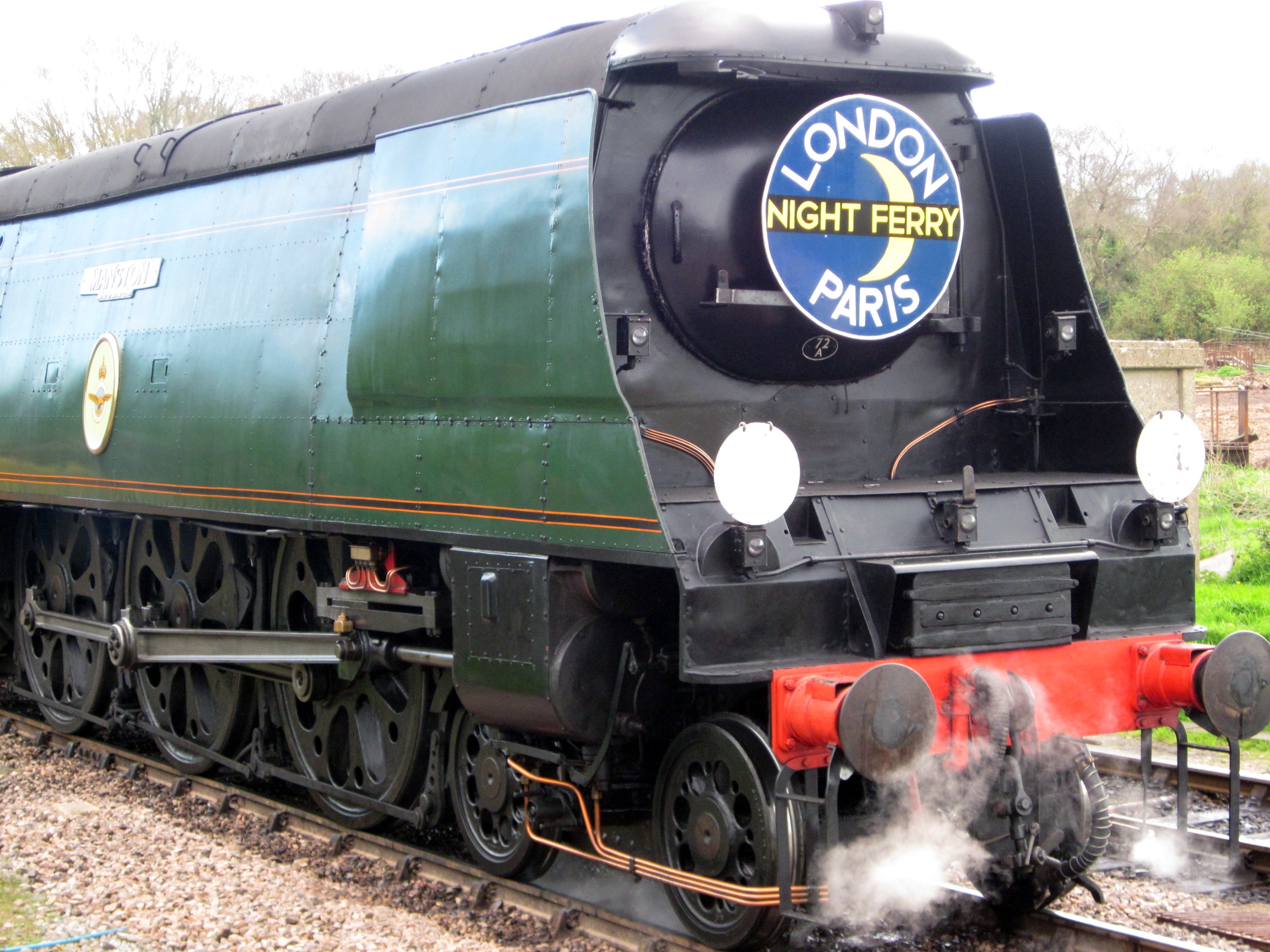
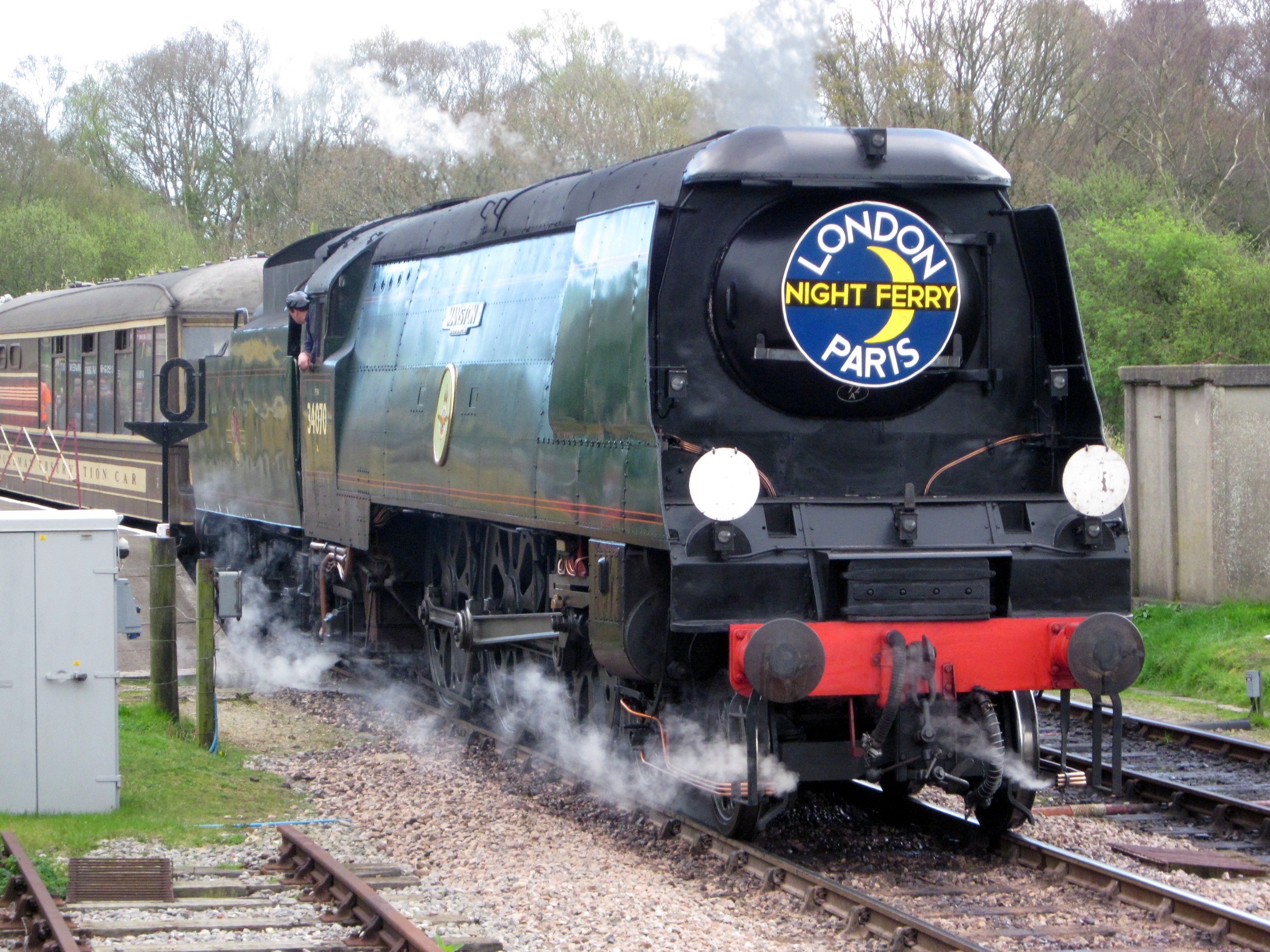
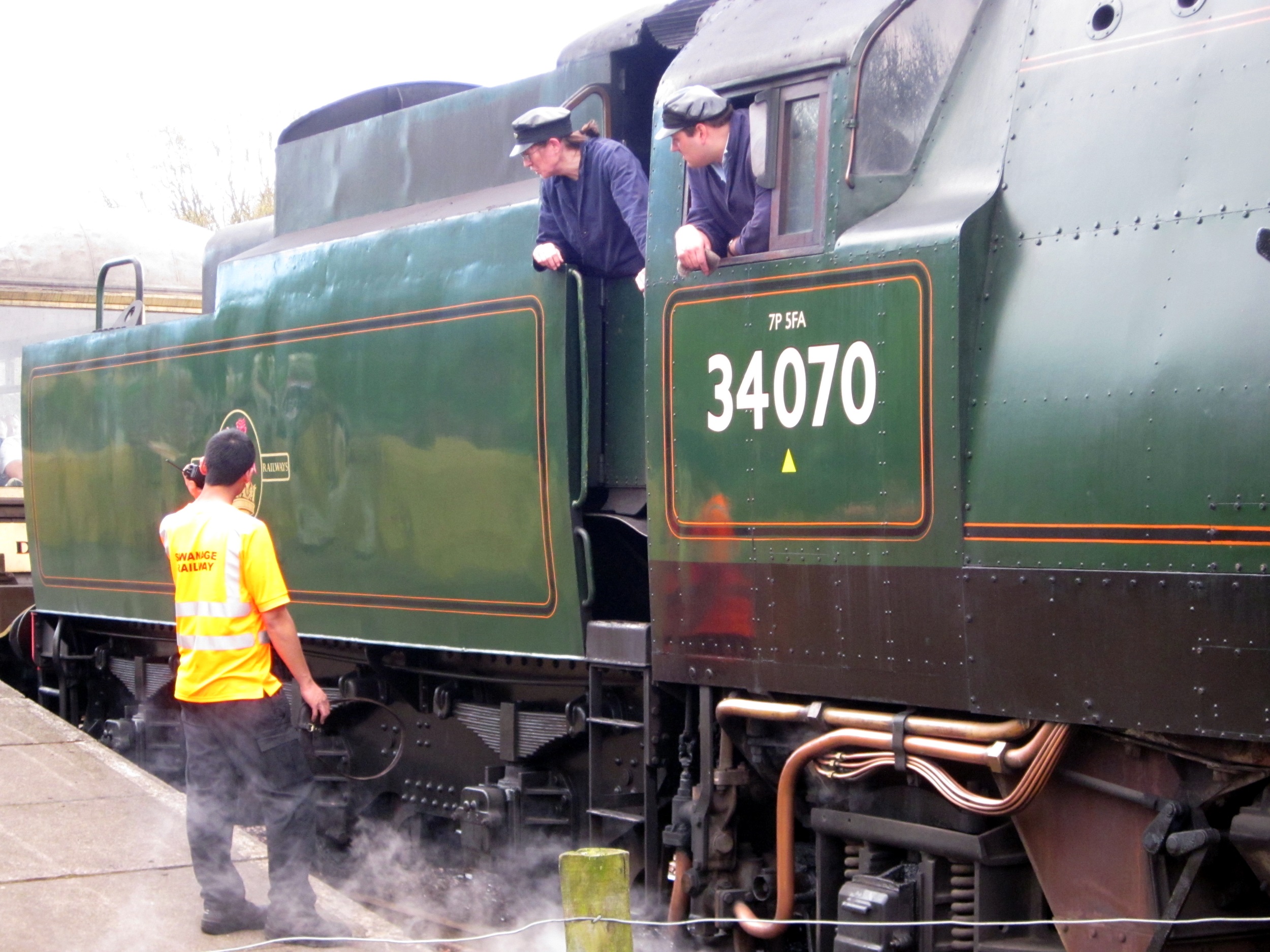
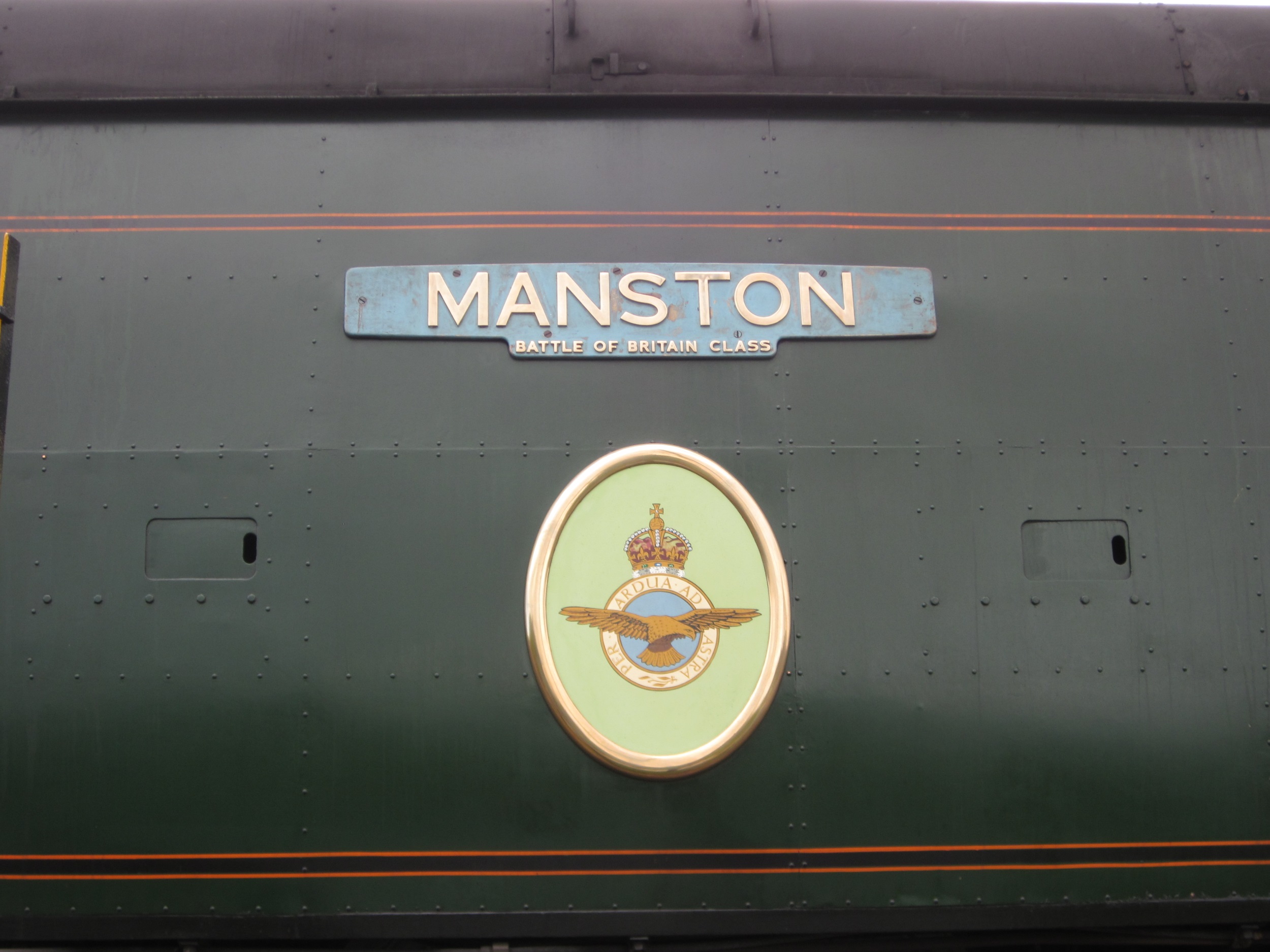
And un-rebuilt Battle of Britain class, 34070, ‘Manston’.  Manston, in East Kent, was a key air base during the Battle of Britain.

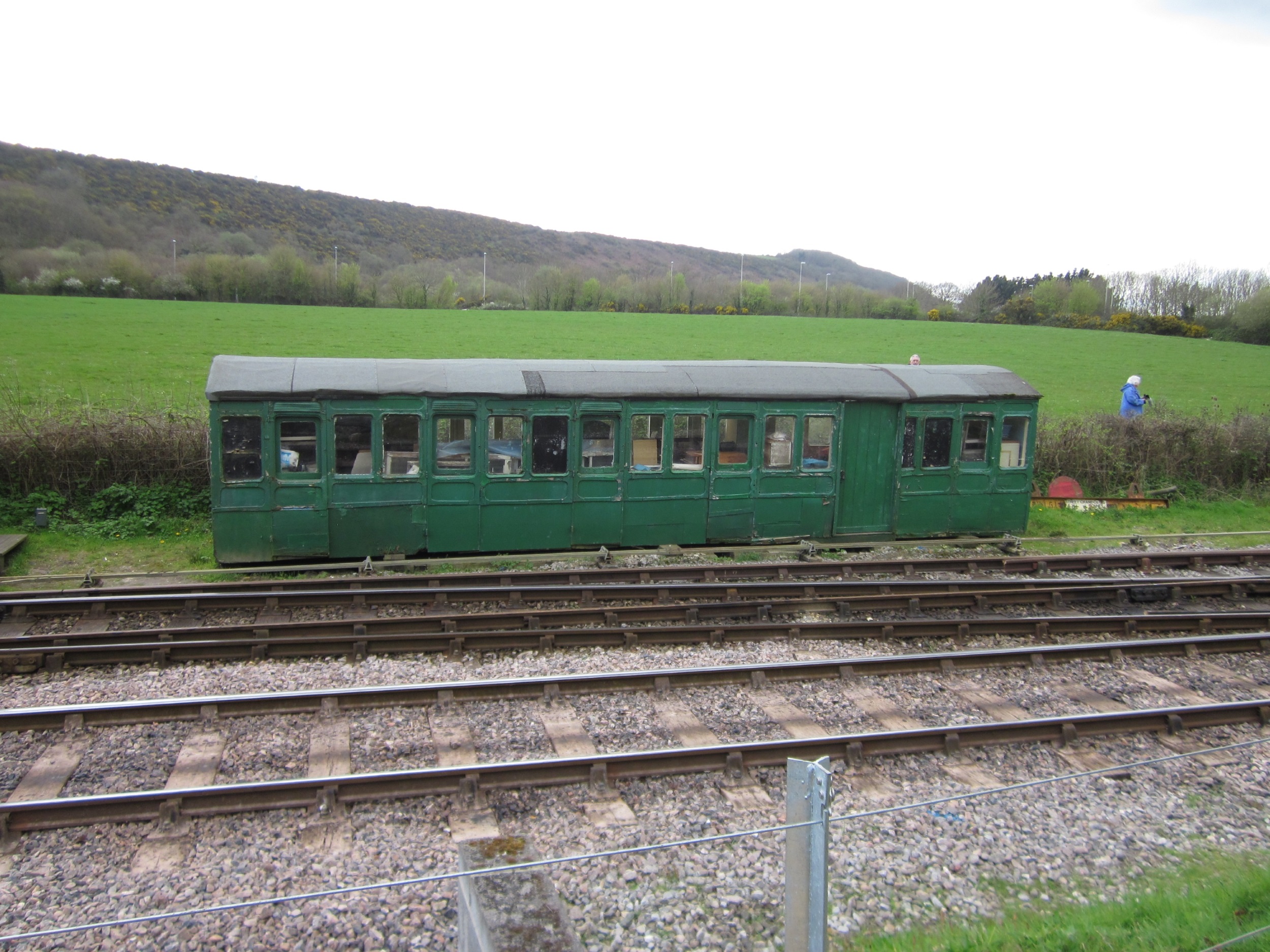
To finish, a little scenic inspiration.  It’s probably more difficult to model this well, than a brand new coach….

And last but not least, I don’t think Bullied had much to do with this, but I like it!

Posted in Inspiration, Out and about, Prototype | Tagged , , , | 1 Comment

Swanage Strictly Bullied Steam Gala #1

I’m panicking towards a flight to Jakarta, so the ESNG show pictures will have to wait a couple of posts more.  But for now, some prototype inspiration…..


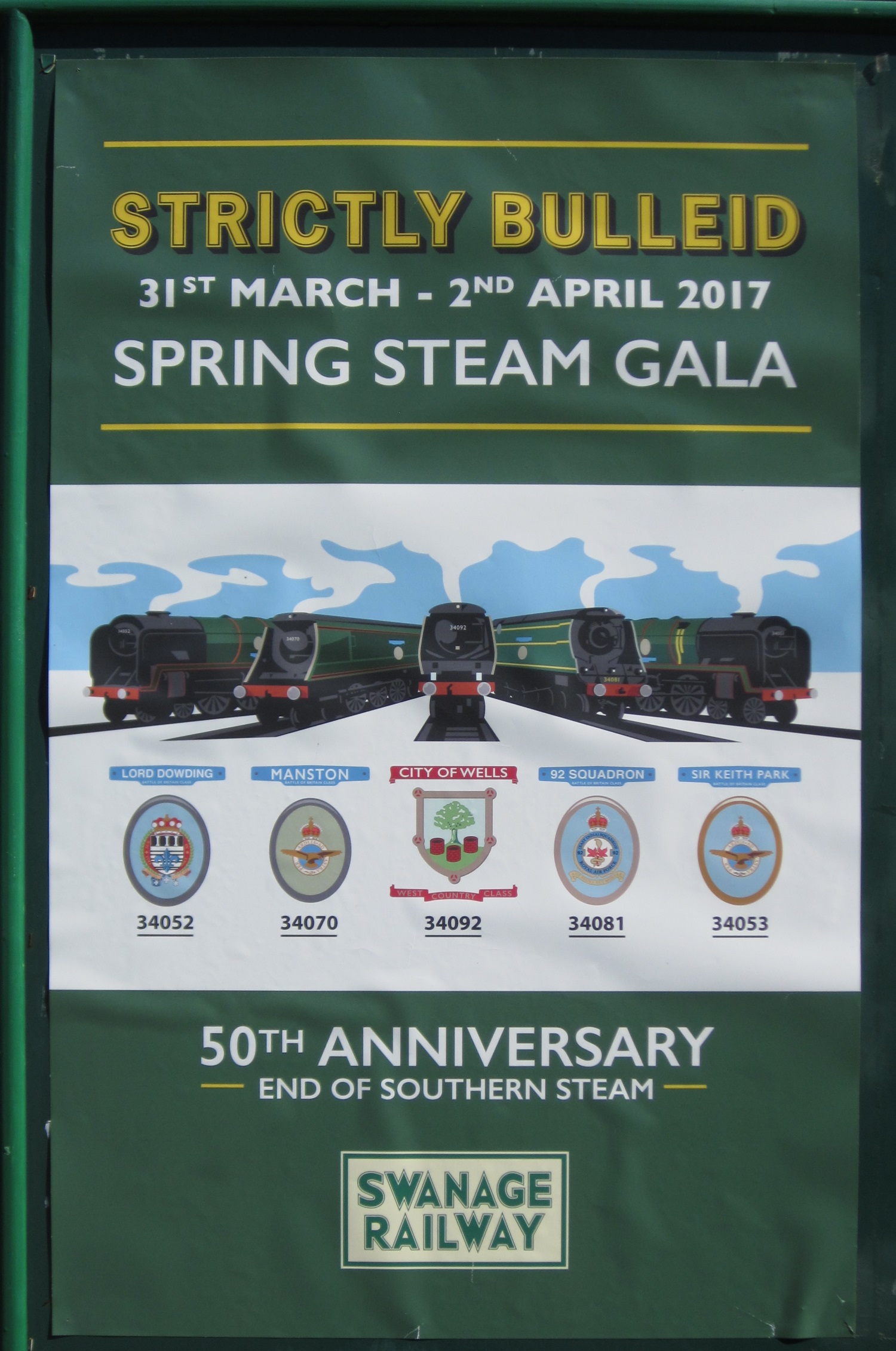
Allan & Derek recently spent a weekend on the Swanage Railway, where they were running a number of Bullied Pacific 4-6-2’s.  Some of the last steam locomotives to run on British Railways, they are handsome locomotives in both un-rebuilt and rebuilt forms.  And one of my favourites, as I saw them in their last days on services from Waterloo.

And is it really 50 years since I was behind a West Country or Battle of Britain class?

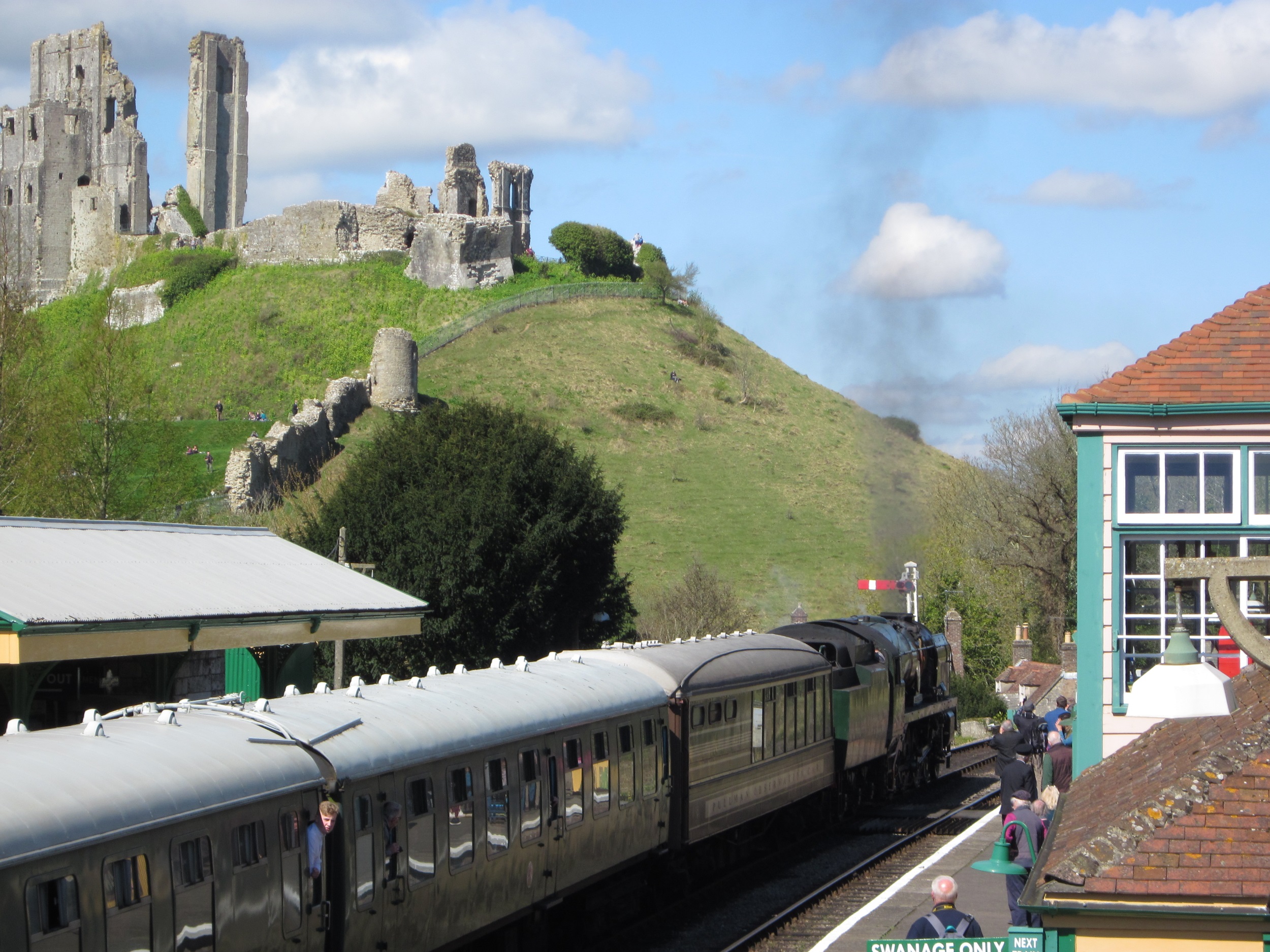
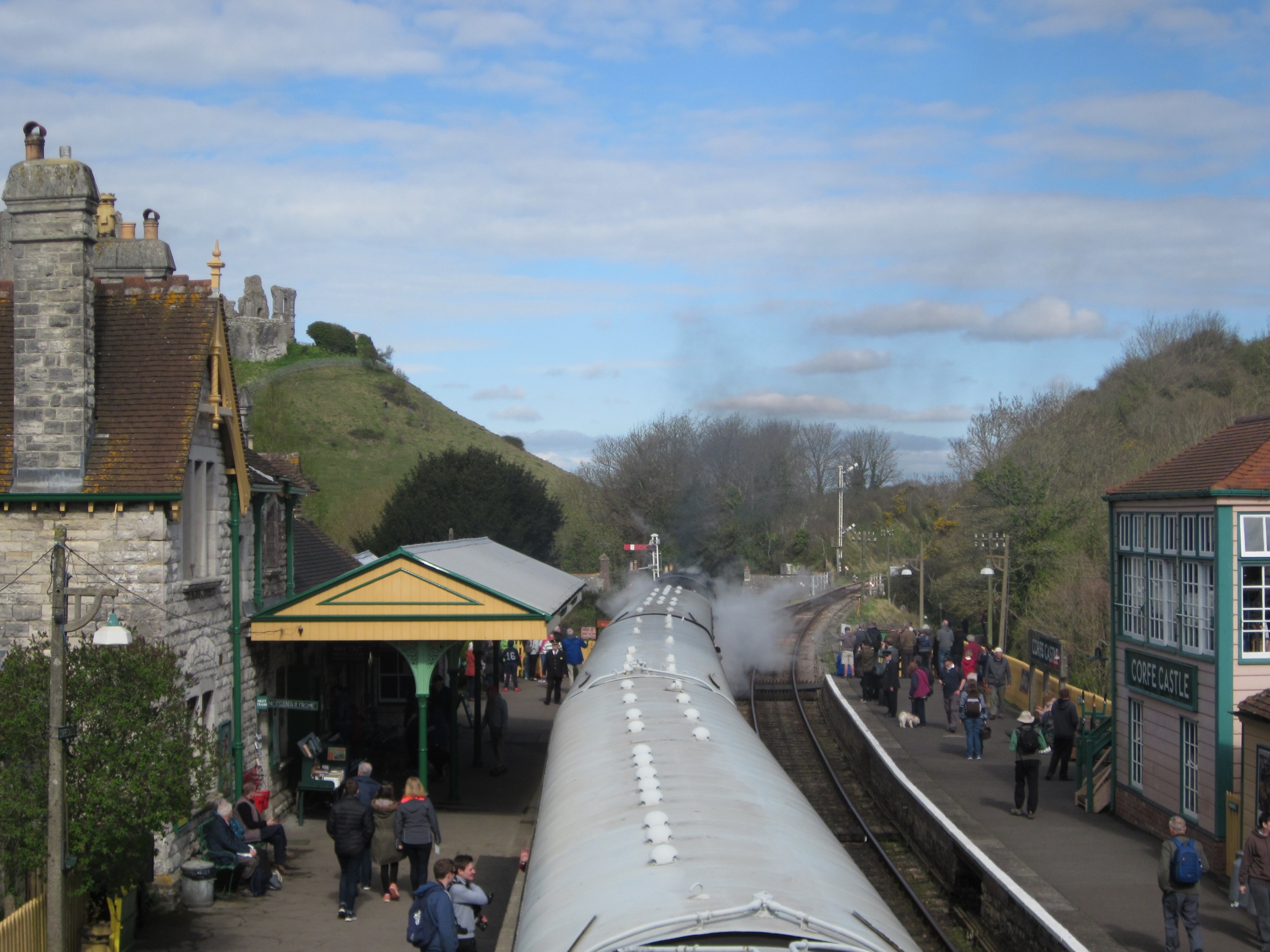
The Swanage railway is blessed by some wonderful scenic locations, none better than at Corfe Castle.

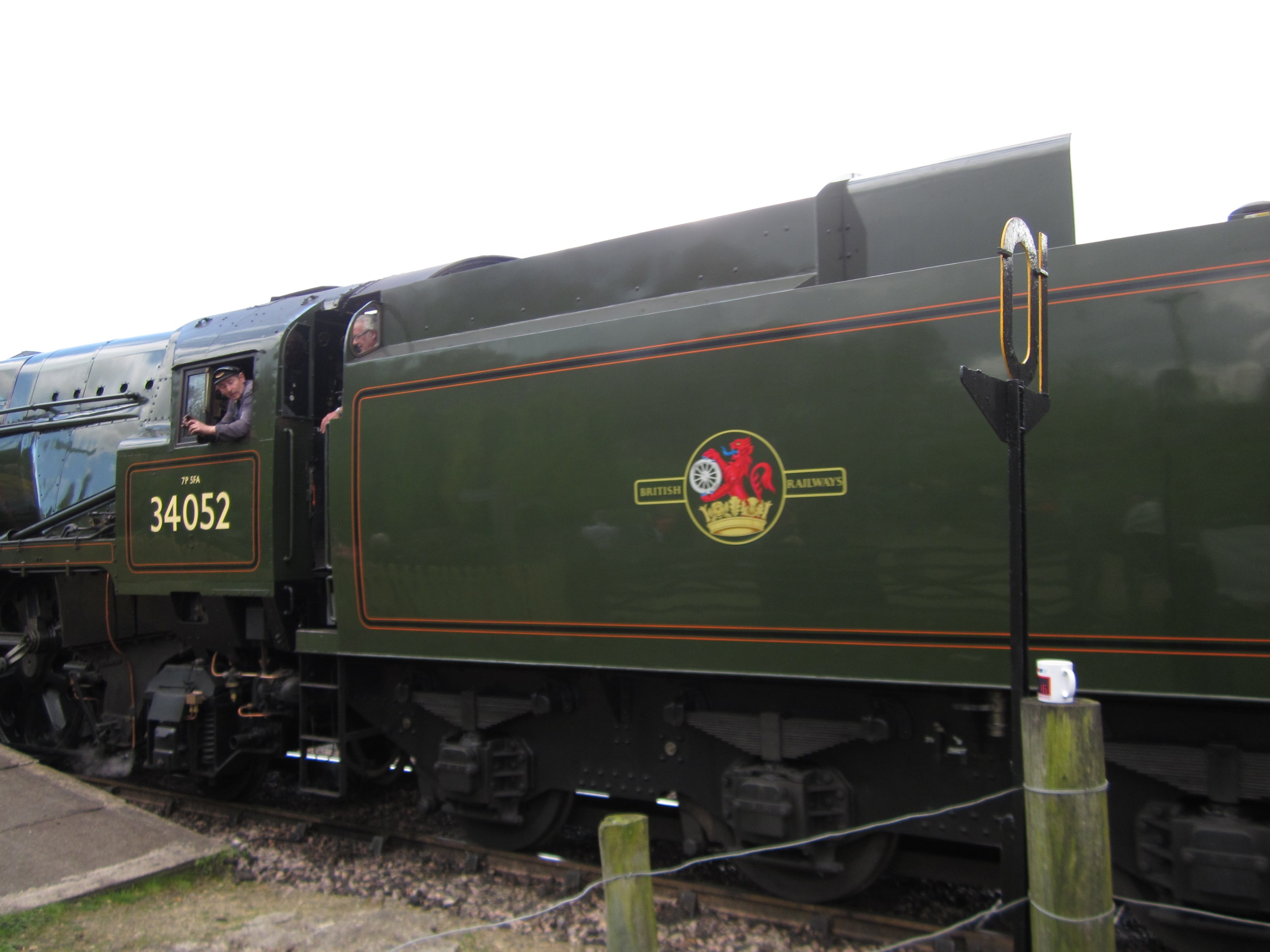
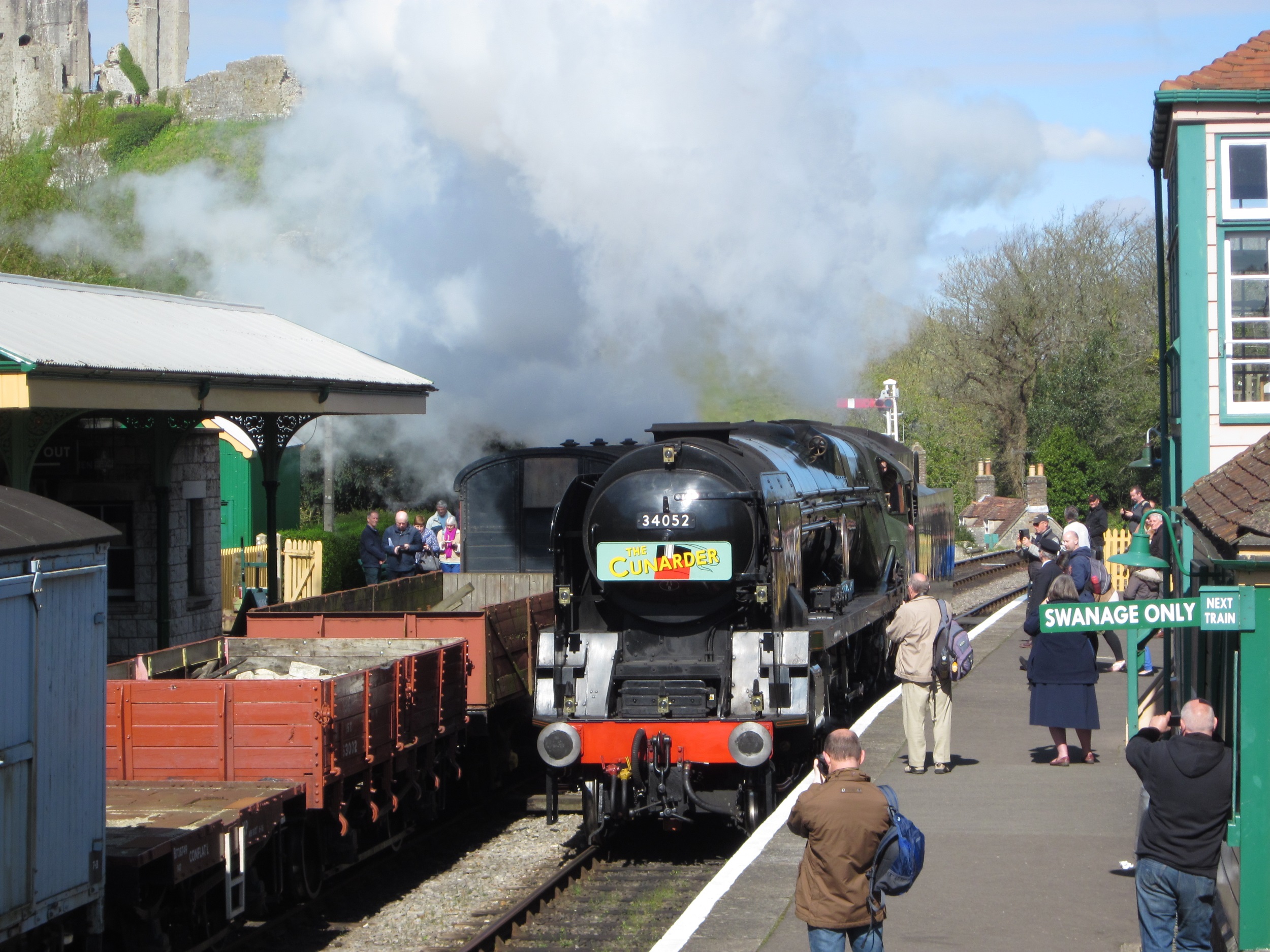
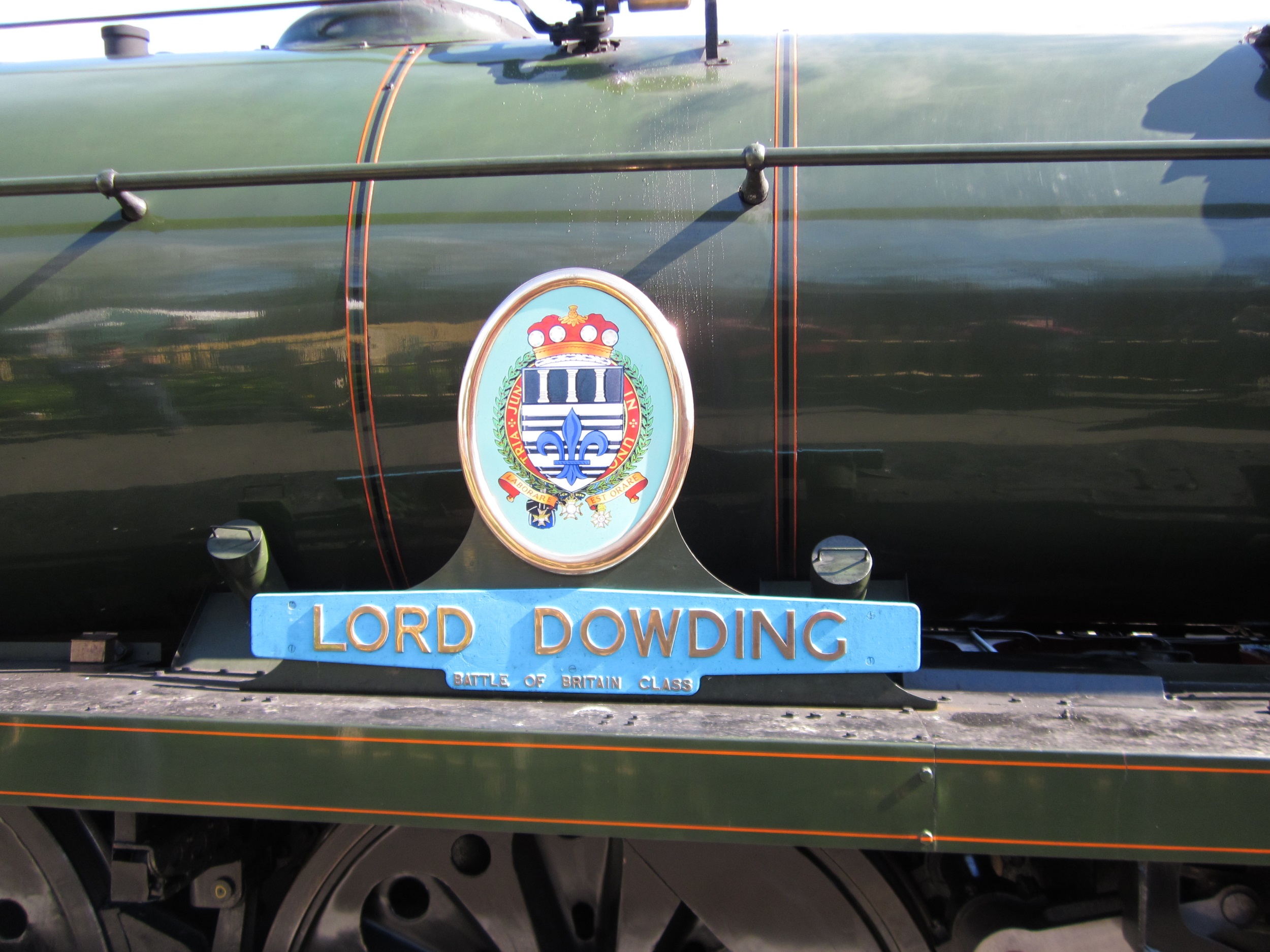
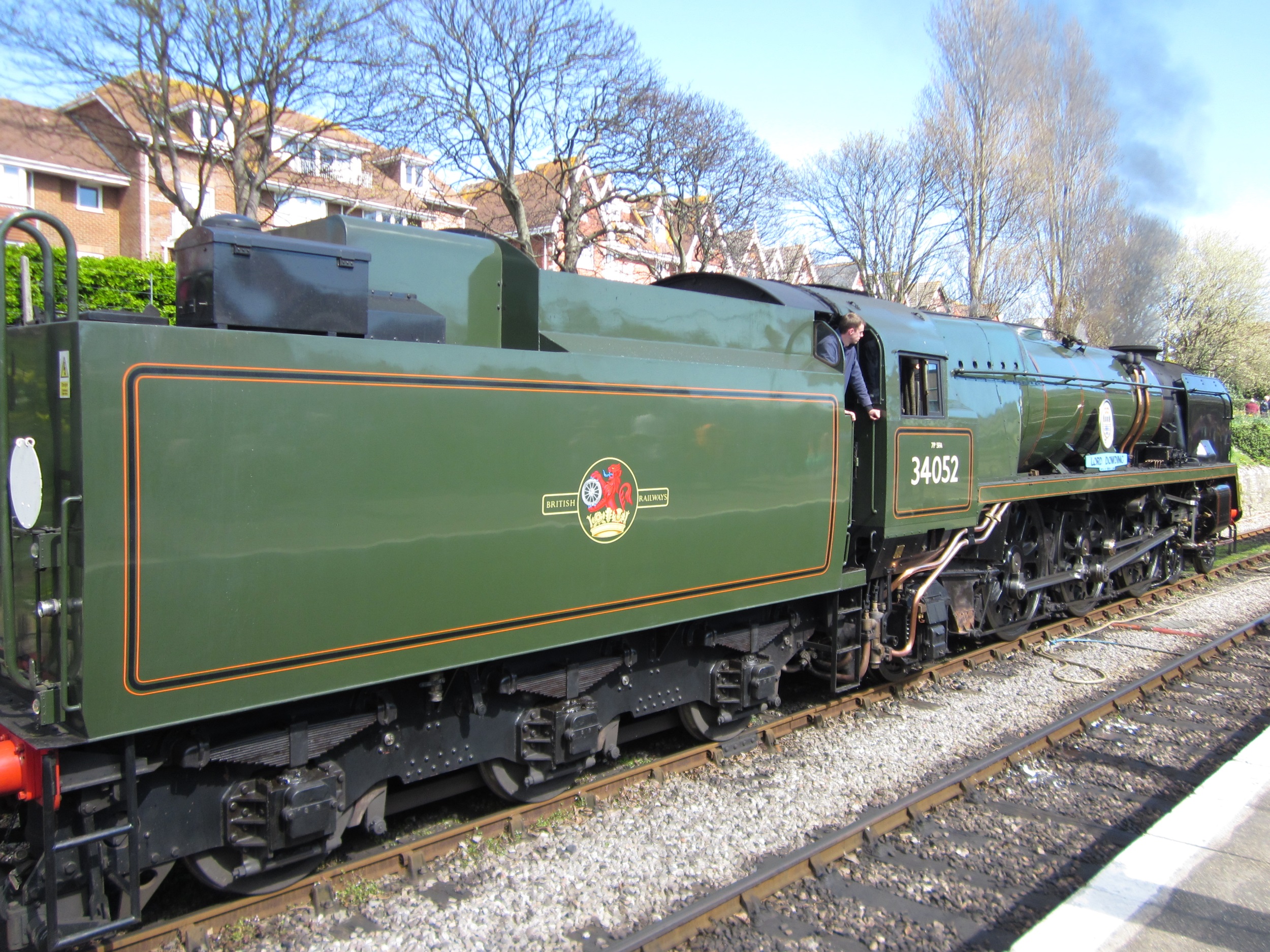
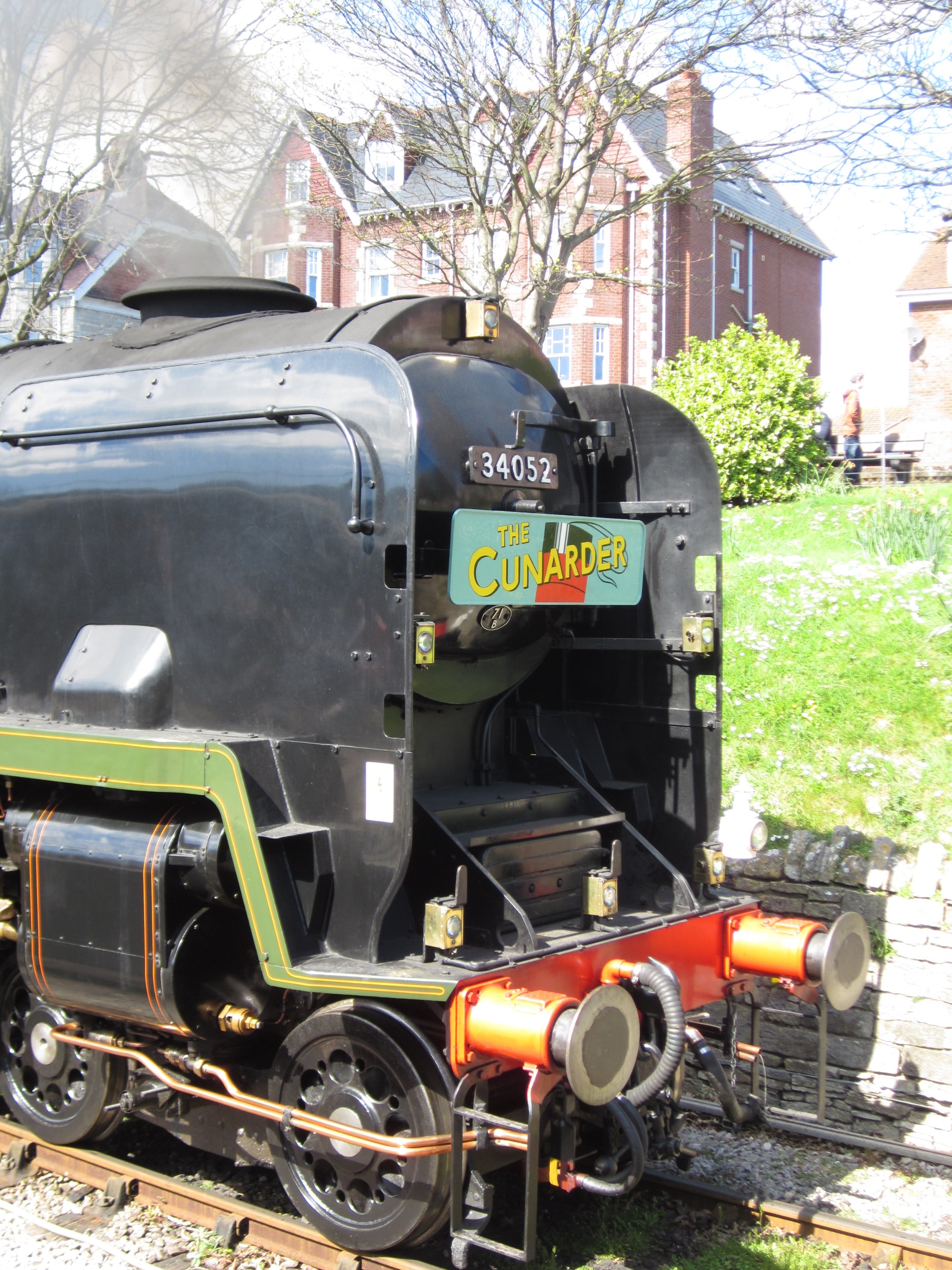
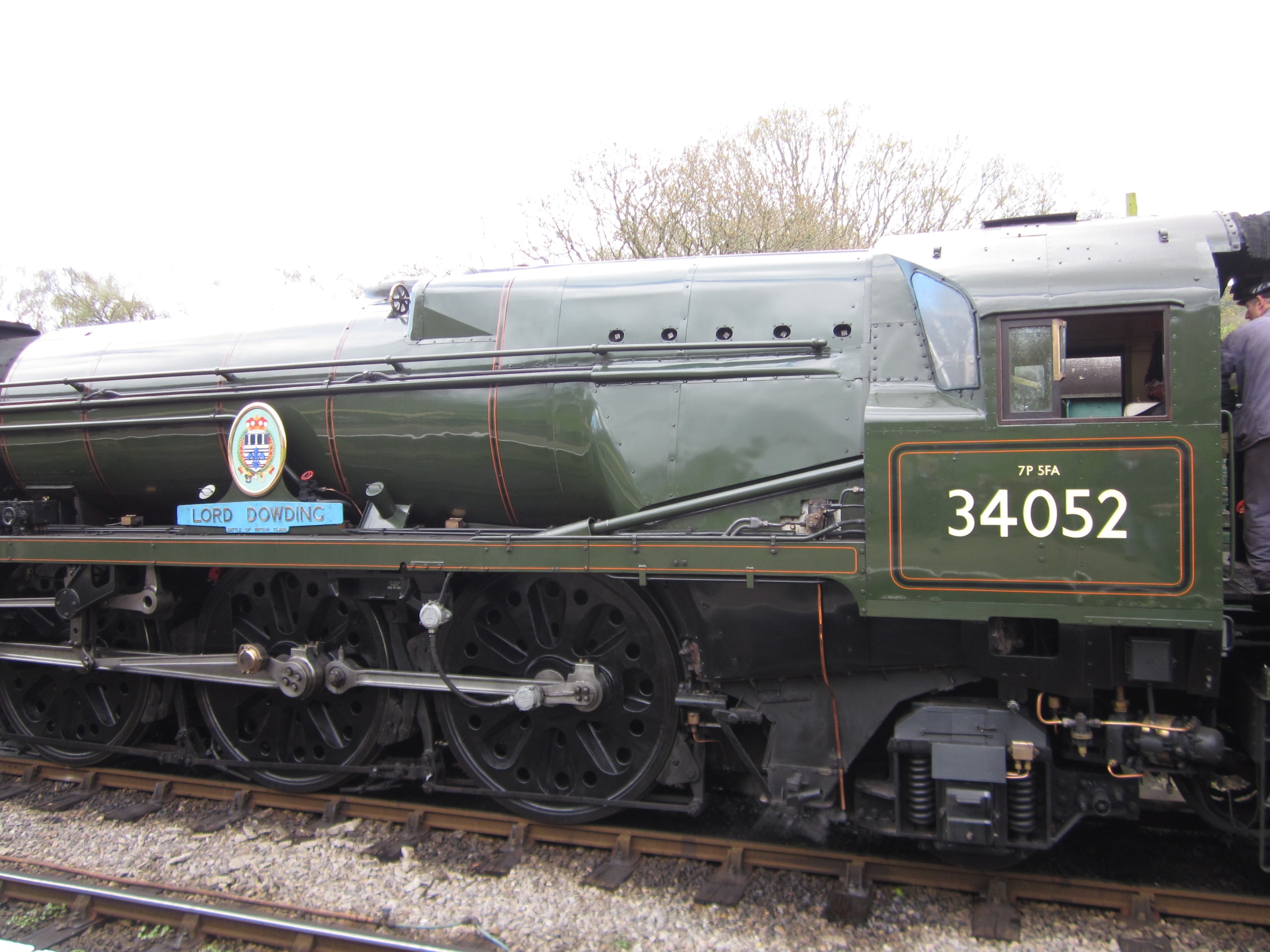
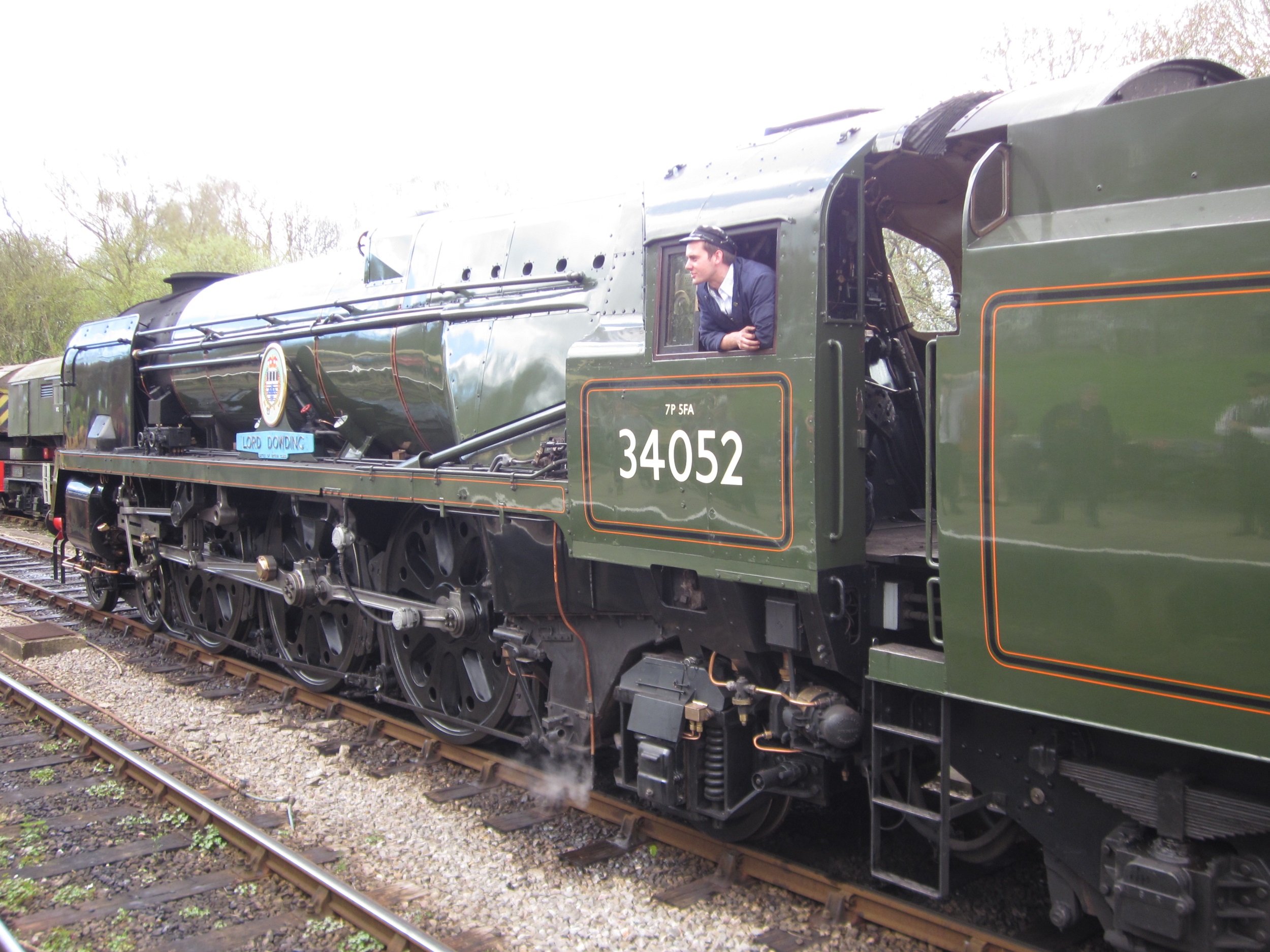
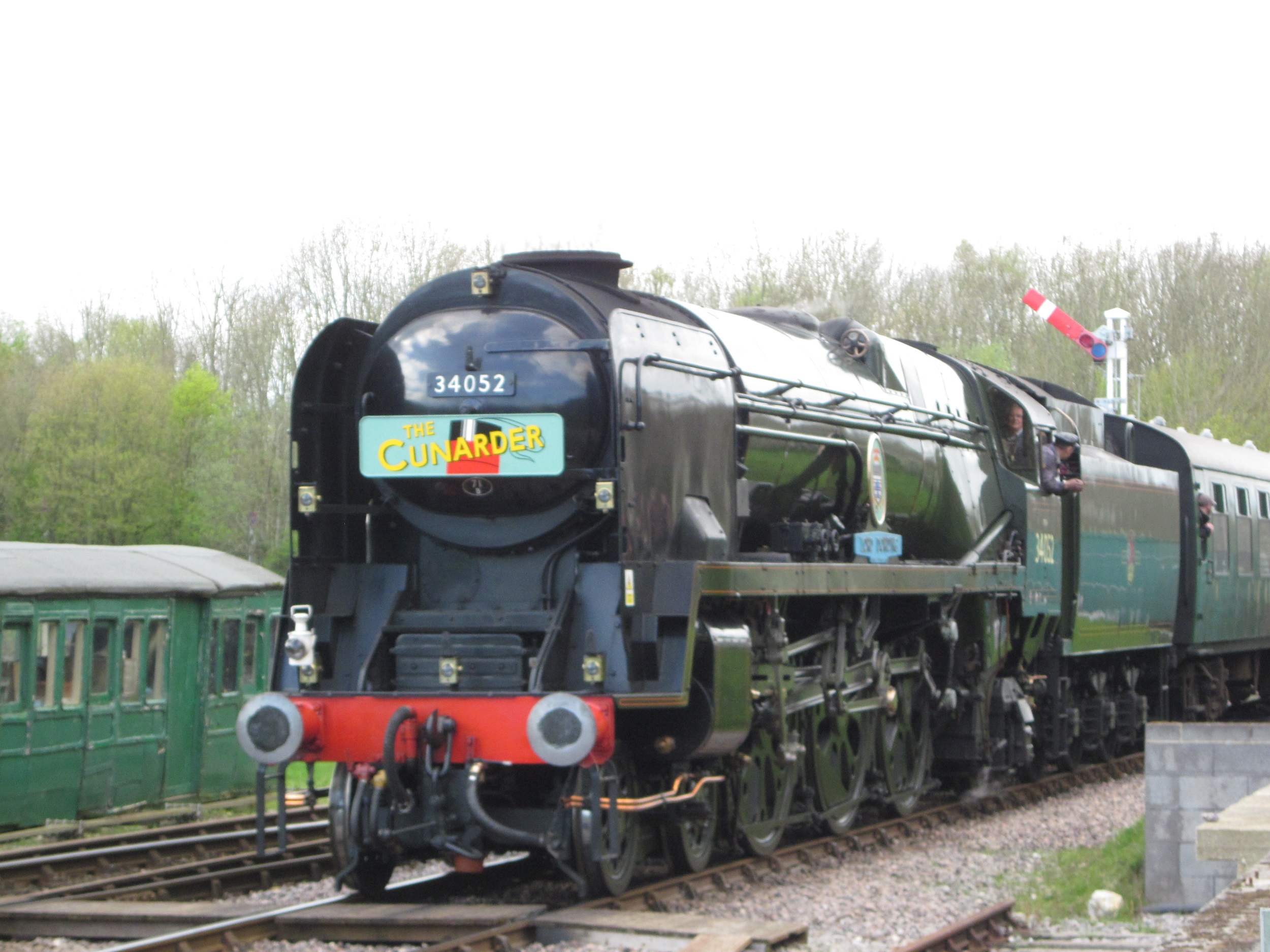
We’ll run through some of the locomotives on parade.  We start with 34052, Lord Dowding, a Battle of Britain class locomotive named after the head of RAF fighter command during the Battle of Britain in 1942.  We start at Corfe Castle, again…

So clean you can see your face in it….


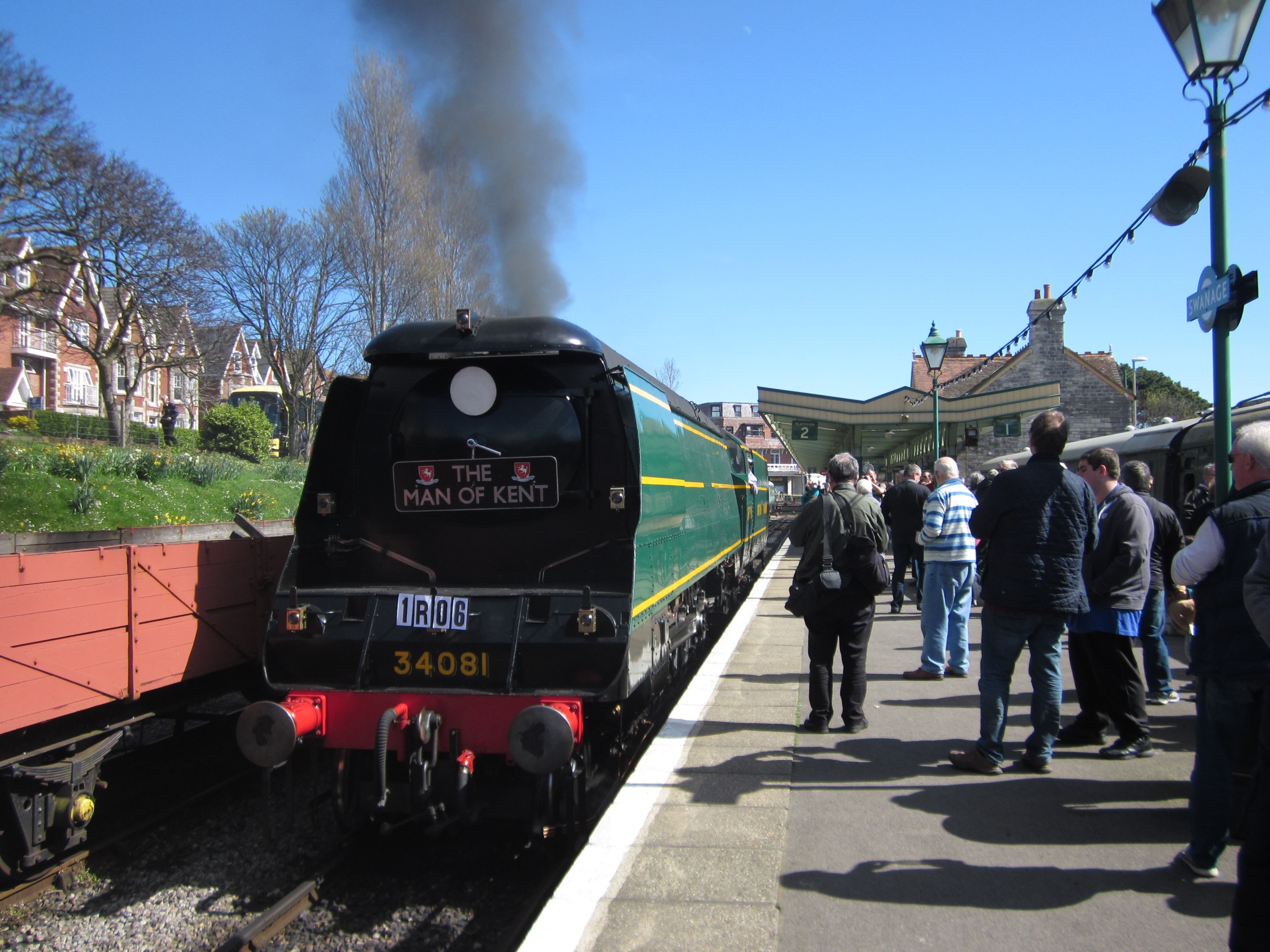
Two complete today, two photographs of un-rebuilt locomotives.  Here’s 34081, the British Railways built ’92 Squadron’, without nameplates.

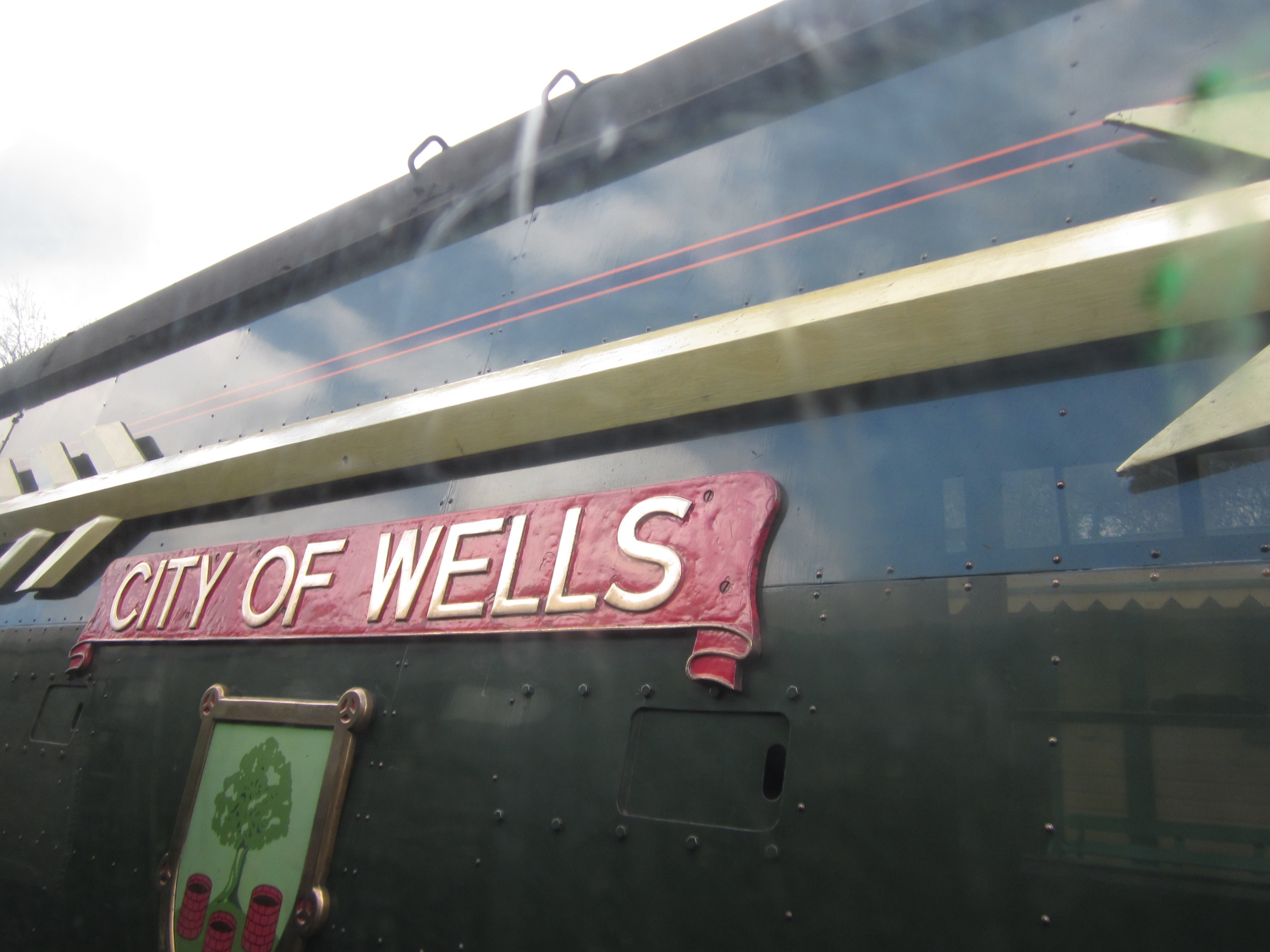
And just a nameplate and ‘Golden Arrow’ logo for 34092, City of Wells.  Naming half of this class of locomotives after Southern Railway West Country, mainly holiday, destinations was a publicity success.  And naming the other half to honour the Battle of Britain airfields and squadrons was equally astute.

More next post.


Posted in Inspiration, Out and about, Prototype | Tagged , , , | 2 Comments

A little Redhill local history

I’ll report back on the show next time.  But for now, a little local history (at least it is if you live in Redhill).  From the Surrey Mirror:

The grisly tale of the tunnel between Merstham and Coulsdon South

Anyone who regularly uses the train line between Croydon and Redhill will have noticed the tunnel between Coulsdon South and Merstham railway stations.  Your phone’s signal goes and without funny cat videos to watch for at least 30 seconds you have to entertain yourself with your own thoughts. No easy task in today’s world of instant gratification.And the chances are at some point those thoughts will have included ‘why are we going through a tunnel anyway, what are we passing underneath and how long has the tunnel been there?’

Few commuters – even if they use the Brighton Main Line every day – will know the answers.  And even fewer are likely to know the sinister history of the Merstham Tunnel, or that it was the scene of the first possible murder on a train in the UK.

The construction of the 1.04-mile-long Merstham Tunnel started in 1839 and took two years to complete.  It is there so that trains can get through the hills of the North Downs, with the tunnel being cut through chalk.  The tunnel’s construction would be a crucial part of allowing London and Brighton to be linked by a train line.
When a railway line from London to Brighton was first proposed in the 1830s no fewer than six routes were suggested, only two of which came through the Merstham Gap north of what is now Redhill.  The winning route was an unexpected victor at the end of a Parliamentary enquiry.  Even then, the line should have gone through or near Reigate rather than two miles to the east of it. According to one account, opposition from local landowners prevented it doing so, but it is more likely that the topography of the area was the cause.

The route chosen followed that of the new Brighton Road, opened in 1818 through the gap between Redstone Hill and Redhill Common.  At that time Redhill as a town did not exist. The area now occupied by the town centre was empty marshland devoid of any buildings. There were a few farms in the vicinity and a cluster of cottages but that was about it.

When the tunnel was finished, to make the public feel safe in the darkness, gas lamps were fitted to the walls which were whitewashed.  This was soon abandoned, however, after the large amount of soot emitted from the trains made it too difficult to keep bright.

The tunnel was something of an engineering marvel but in 1905 it gained notoriety for a far darker reason when it became the site of a murder mystery.  On September 24, 1905, a 22-year-old woman’s body was found mutilated inside the tunnel by a sub inspector, William Peacock.  Peacock found Mary Sophia Money shortly before 11pm, while her body was still warm, and took her to the nearest train station where police instructed him to bring it to The Feathers Inn.

Mary, a bookkeeper, did not have any identifying papers on her and the day after her brother, Robert Henry Money, a dairy farmer, had to identify her.  It was initially assumed the cause of death was suicide, as Peacock believed she had jumped from a train while it was passing through the tunnel.  However, “claw marks” were found on the walls of the tunnel which suggested there may have been a struggle.
The theory that she had been murdered was strengthened by her post-mortem, as it was discovered that a white, silk scarf had been forced down her throat.  Scratches, bruises and cuts were also discovered on her arms and face, which led doctors to believe she had been pushed off or struggled with someone while on the train.

Her last moments were then investigated by detectives as they tried to solve the murder.  On the night of her death she had bought a bag of chocolates after finishing work at about 7pm and told a friend she was going for a walk before heading to Victoria station.

It was speculated Mary was going to meet a man for a date, with many coming to the conclusion that her death was at the hands of a partner.  This theory was further strengthened after a guard at Purley Oaks Signal Box and a guard at East Croydon recalled seeing a couple fighting.  Both guards said the woman in the couple fitted Mary’s description.Following her murder, over 100 interviews were taken and a huge investigation was sparked.  But the killer could never be found and her unsolved murder is widely regarded as the first murder on a train in the country.

And the other tunnel?

You would probably have to be very observant to notice but there are actually two tunnels, almost side by side, which trains run through between Coulsdon and Merstham.

The sharing of the main line caused a great deal of friction between rail operators South Eastern Railway (SER) and the London Brighton and South Coast Railway (LB&SCR).  Eventually the LB&SCR gained Parliamentary approval to build its own independent line between Coulsdon North and Earlswood, which bypassed the SER stations of Coulsdon South, Merstham and Redhill.
This involved the construction of a second tunnel to the east of the original, and 25 feet (7.6 metres) above the level of the original. Since both routes form part of the Brighton Main Line, in order to differentiate them the former was called the “Redhill Line”, whilst the new line became known as the “Quarry Line”.  The newer tunnel, known as the Quarry Tunnel, is about 1.2 miles long and was built between 1896 and its opening on November 8, 1899.
Today fast trains that bypass Redhill and Merstham will still use the Quarry Tunnel while trains that stop at Redhill and Merstham use Merstham Tunnel.

Posted in Out and about, Prototype, Weird and wonderful | Tagged , , , | 1 Comment

ESNG meeting – 6 April 2017

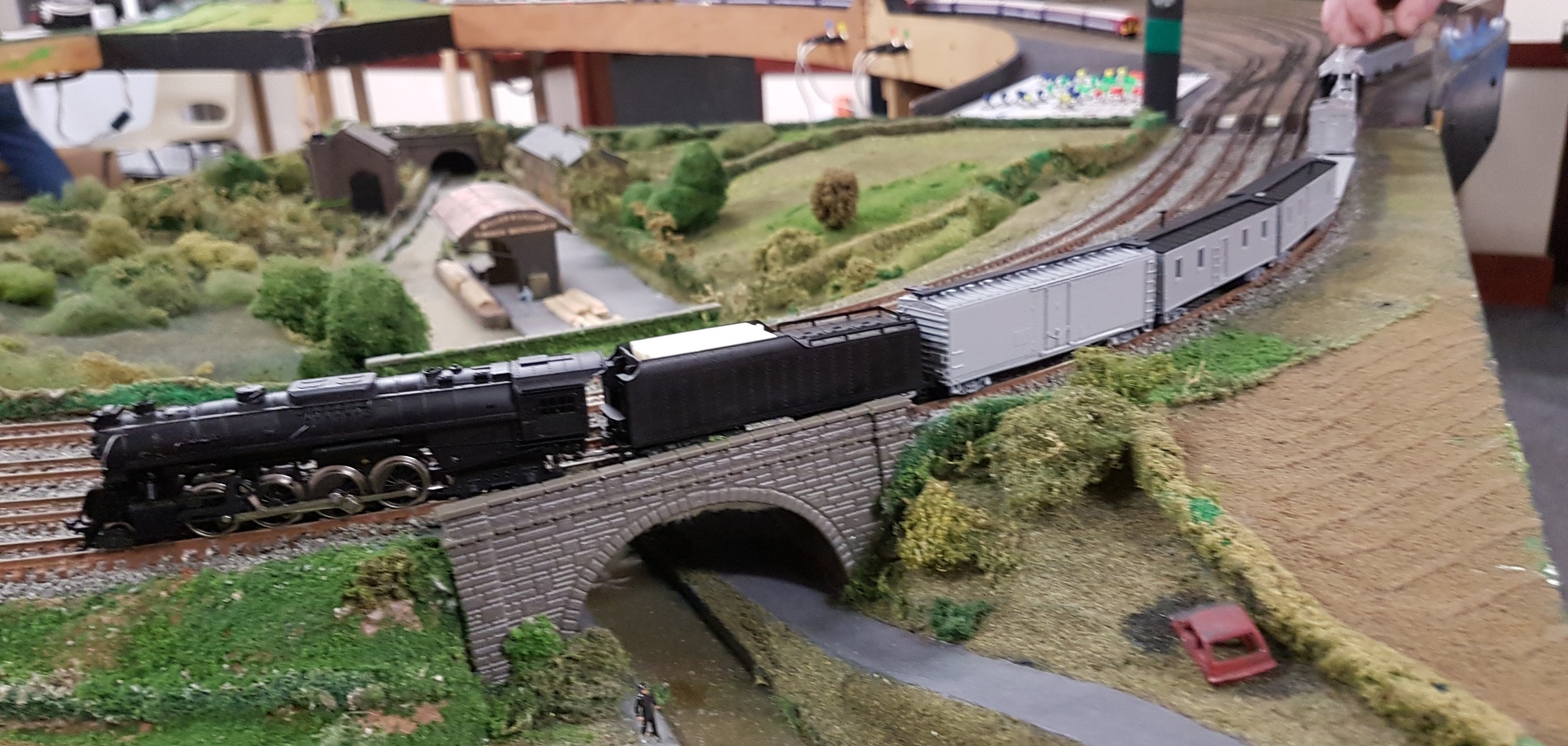
Two days to the exhibition and 11 of us met up for final planning and to run  a few trains.  The layout was full of trains, some on test for Saturday.

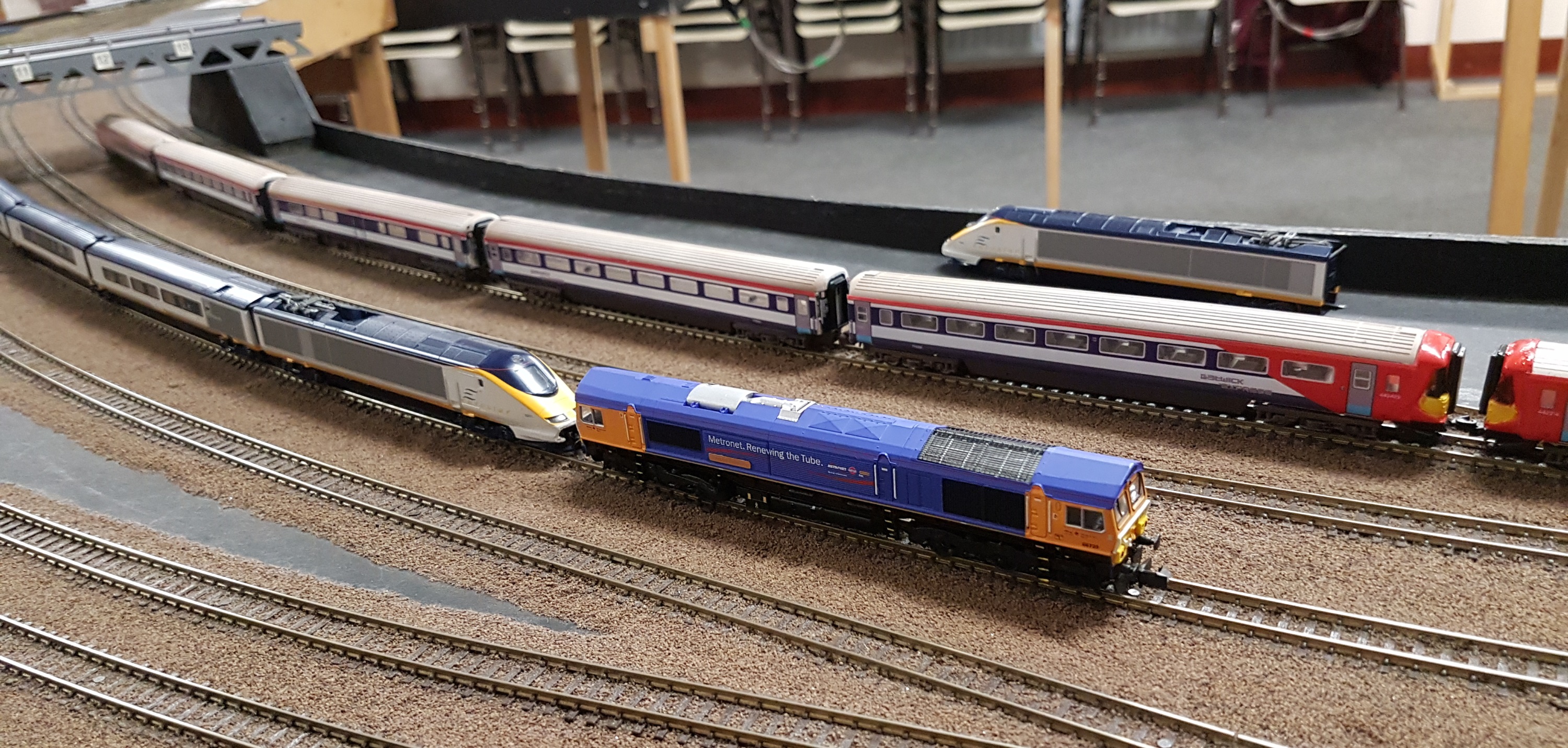
Martin’s Eurostar lost a power car with a broken coupling and had to be rescued by a ’66’.  This made an excellent rake in its own right – perhaps more interesting than the full Eurostar.  Behind is Martin’s scratch built ‘Gatwick Express’ units.  Neatly done and a colourful reminder of an interesting train.

Simon was testing his mainly kit built breakdown train….

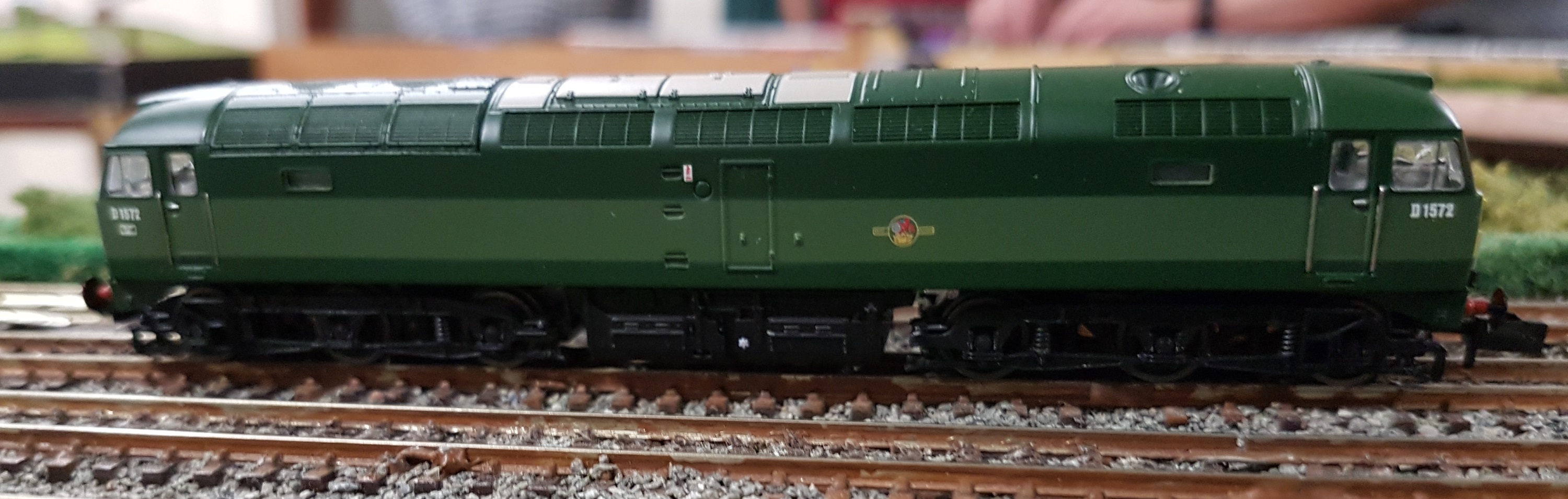
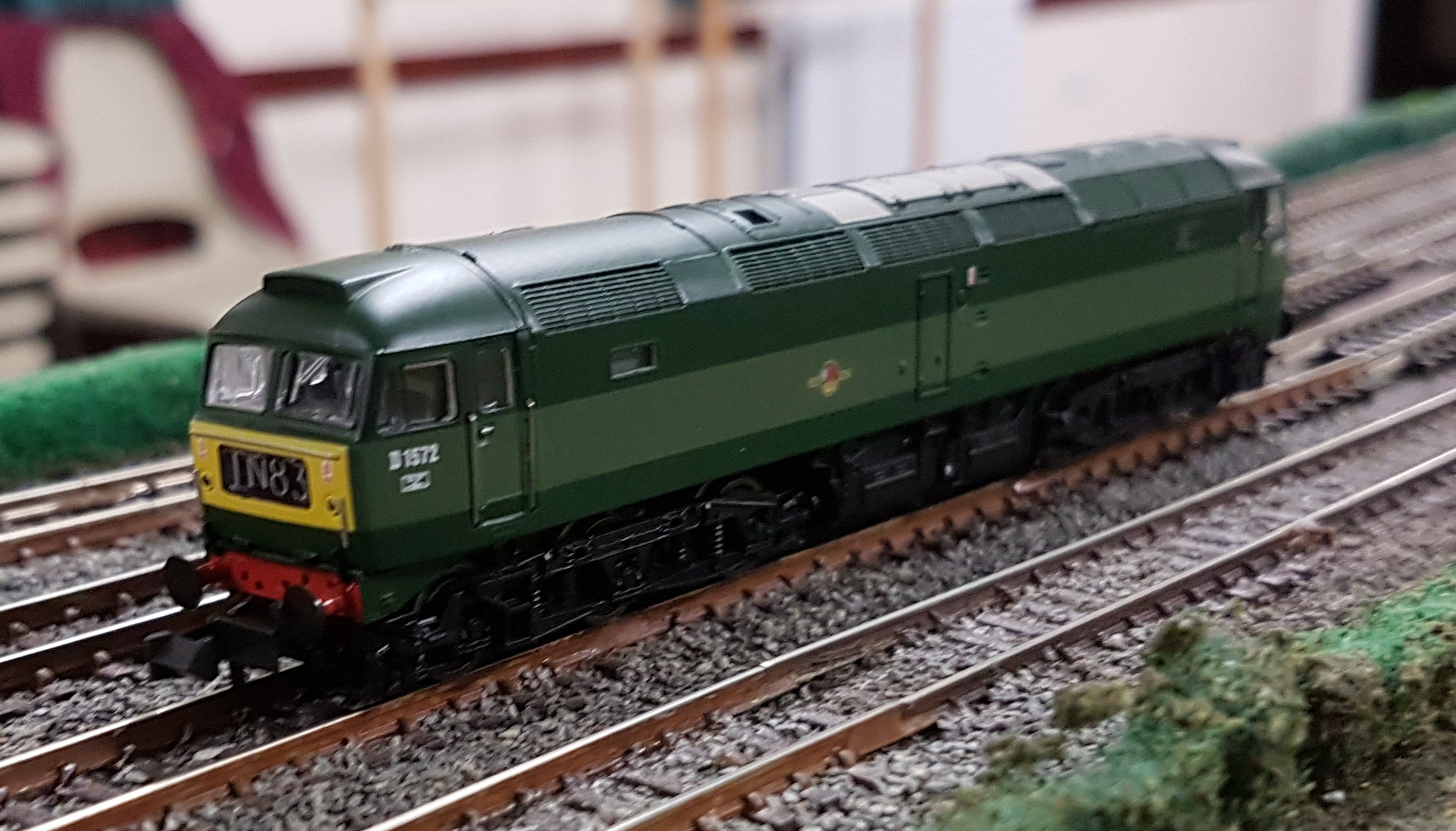
I had abandoned my ‘no more trains’ policy and bought a Bachmann Class 47 – or of this vintage a Brush Type 4 – in my favourite diesel livery.  The two tone livery always looks smart, and I remember seeing diesels like this at the London termini.

So, it’s back to the hall tomorrow afternoon to load up the cars and start the slow set up of the exhibition.  Then we’ll see who turns up on the day.  I’m not impressed that ASLEF have gone on strike again, that may stop a few people who would be coming to the show by train.  Poor display of solidarity….

Posted in ESNG, ESNG meetings | Tagged , , , | Leave a comment