Three links for Thursday

Three links for this Thursday.

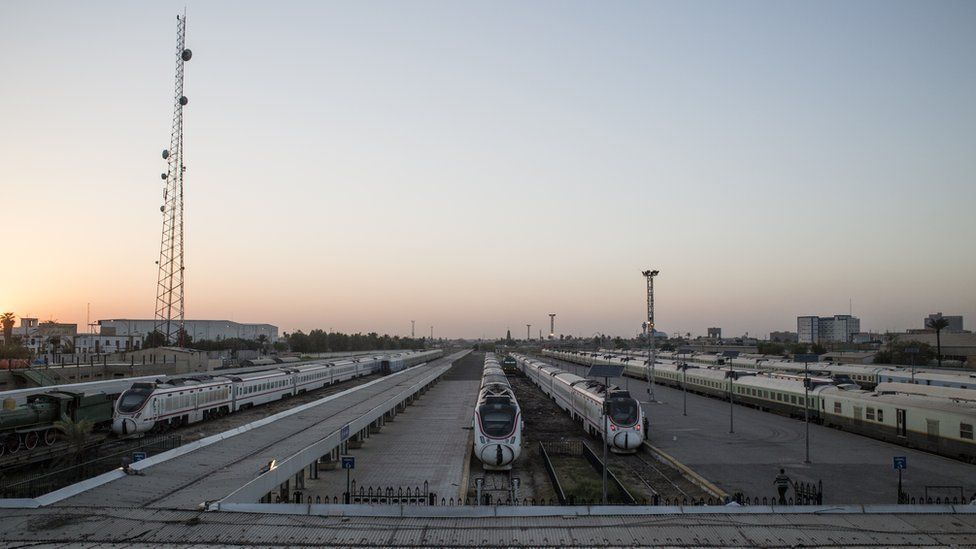
First the BBC visits Baghdad Central station.  It’s an interesting and sympathetic article, interviewing a veteran train driver.

The state railway’s heyday, when it offered luxury travel to Jerusalem and even as far west as London, has long passed.

Now, its overnight journeys run only to Basra, and its large fleet of trains has been reduced to just six, pushing more than 200 train drivers into compulsory redundancy.
_92212626_344a3004

_92213866_344a2945

Another off the wall layout idea.  We’ve seen wartime UK and European models.  How about the Middle East?  Operation could, of course, be limited…..

Secondly, probably a familiar scene to some, the ‘foldaway’ market over the railway tracks in Bangkok.  I have worked there, but never discovered this gem.  I do recall travelling by train into Dhaka, Bangladesh, where people lived and traded within inches of the train, but they kept off the tracks.

Southwest of Bangkok, the Maeklong Railway Market is one of the most popular places to shop for seafood in Thailand. But buyer beware: oncoming trains may spoil your trip if you fail to step out of the way.

thailand-railway-market

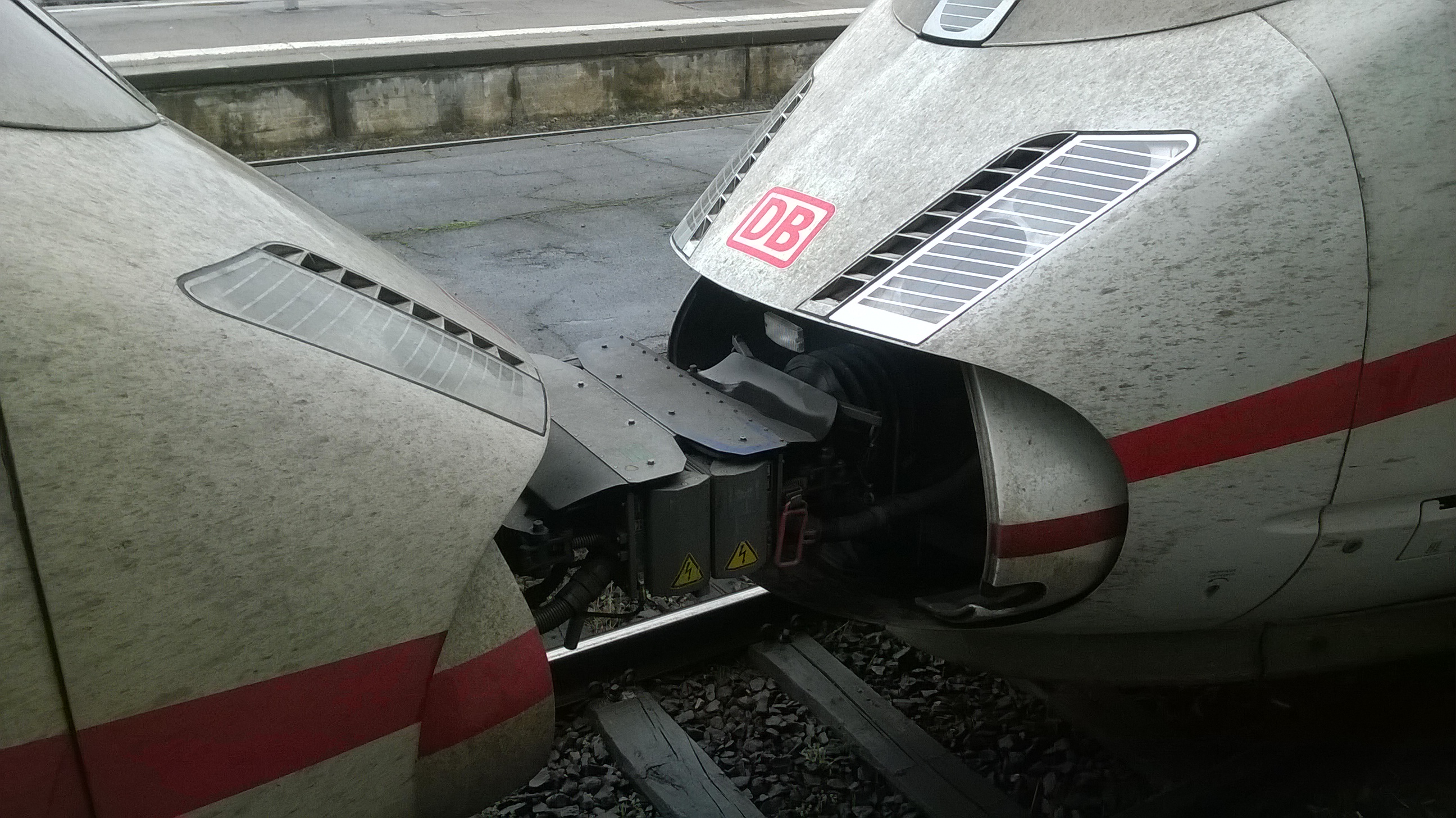
When we were in Stuttgart, the punters were most impressed by the train-operated level crossing barriers on Konigshaven.  How much more impressed would they be by a train-operated market model?  Mind you, if it were a module, they’d have to move quick to dodge the ICE and bullet trains….

And lastly, on the same site, I followed this link to an interesting article on beating graffiti on the New York Subway.

In just about every movie set in New York City in the 1970s and 80s there’s an establishing shot with a graffiti-covered subway…

For two decades, the MTA failed miserably in its attempts to fix the problem, sometimes, laughably. Like the time they decided to repaint 7,000 subway cars white.  They called it “The Great White Fleet.” Of course, this only provided a fresh white canvas for the graffiti writers and then before you knew it, the fleet was covered in spray paint again.

Then there was Mayor Ed Koch’s “Berlin Wall” method. Koch surrounded the train yards with two fences topped with barbed wire and guarded by German Shepherds. This worked until graffiti writers realized they could distract the dogs with food and cut through the fences……

In 1984 David Gunn became President of the New York City Transit Authority…..

Systemically, train line by train line, Gunn took the subways off the map for graffiti writers. While they were fixing it, they didn’t allow any graffiti on it. If graffiti artists “bombed” a train car, the MTA pulled it from the system. Even during rush hour.

There is still subway graffiti—it just never leaves the train yards. Artists—many of them from abroad—paint subway cars knowing full well that they will get cleaned before they’re ever seen by the public…..

The only place most people can see NYC subway graffiti is on social media.

One has to say that graffiti looks better on a model than on the real thing – especially inside carriages.  There are plenty of sources of decals to tag your models.

graffititrain-7615_lead

Posted in Inspiration, Out and about, Prototype, Weird and wonderful | Tagged , , | Leave a comment

Ron’s Rambles #2

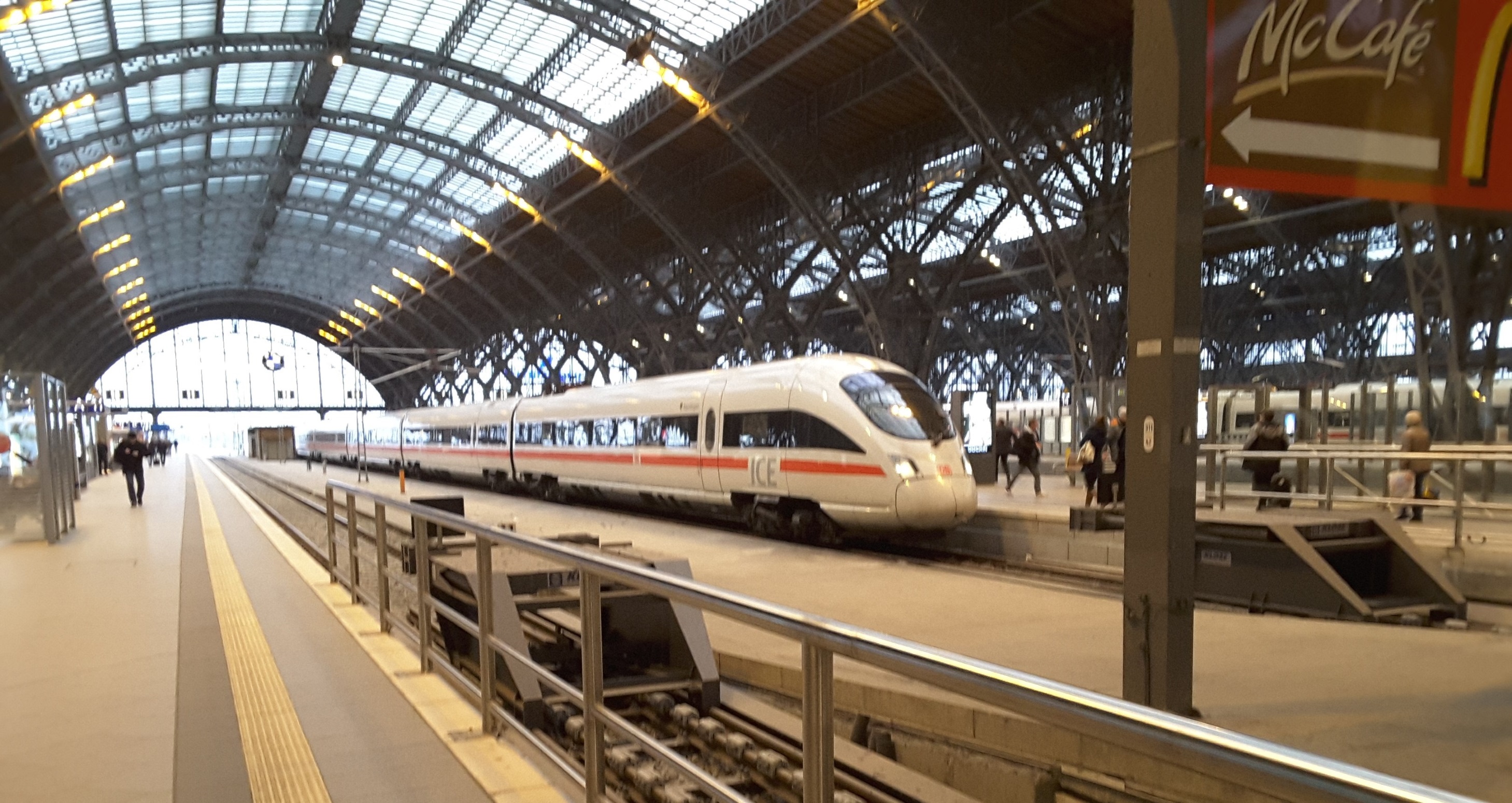
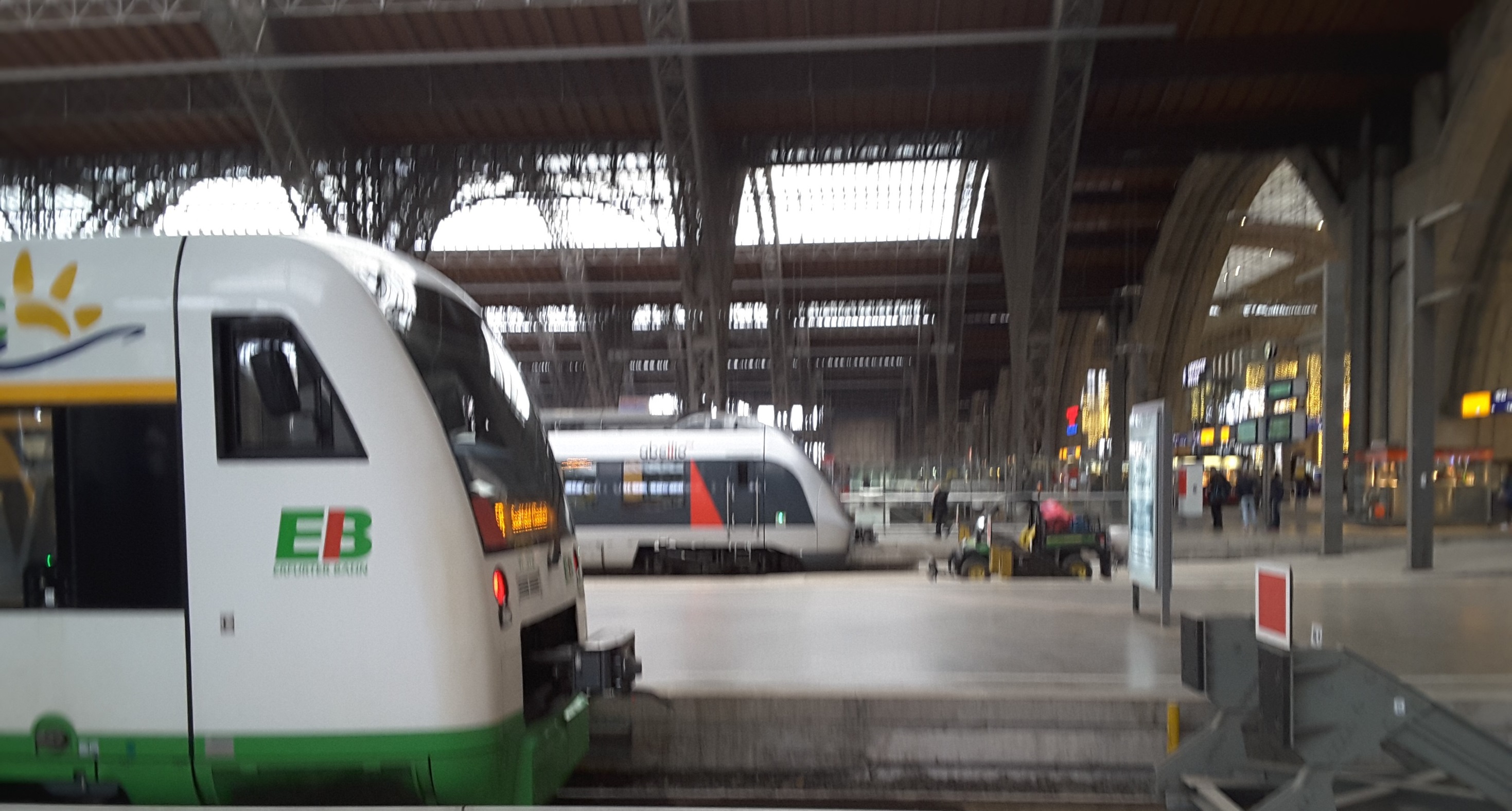
More of Ron’s pictures, this time from Leipzig.  First, the railways.  Seeing the ‘McCafe’ reminds me that the inventor of the Big Mac died this week, age 93.  Perhaps he never ate his own invention to get to that age!  How do you invent a burger?  The paper said that the original version didn’t have that piece of bread between the two bits of meat, and it was too ‘sloppy’.  My (not altogether limited) experiences that all bits of a Big Mac slide in all directions even with the bread divider.

r1_1

r1_2

r1_3

r1_4

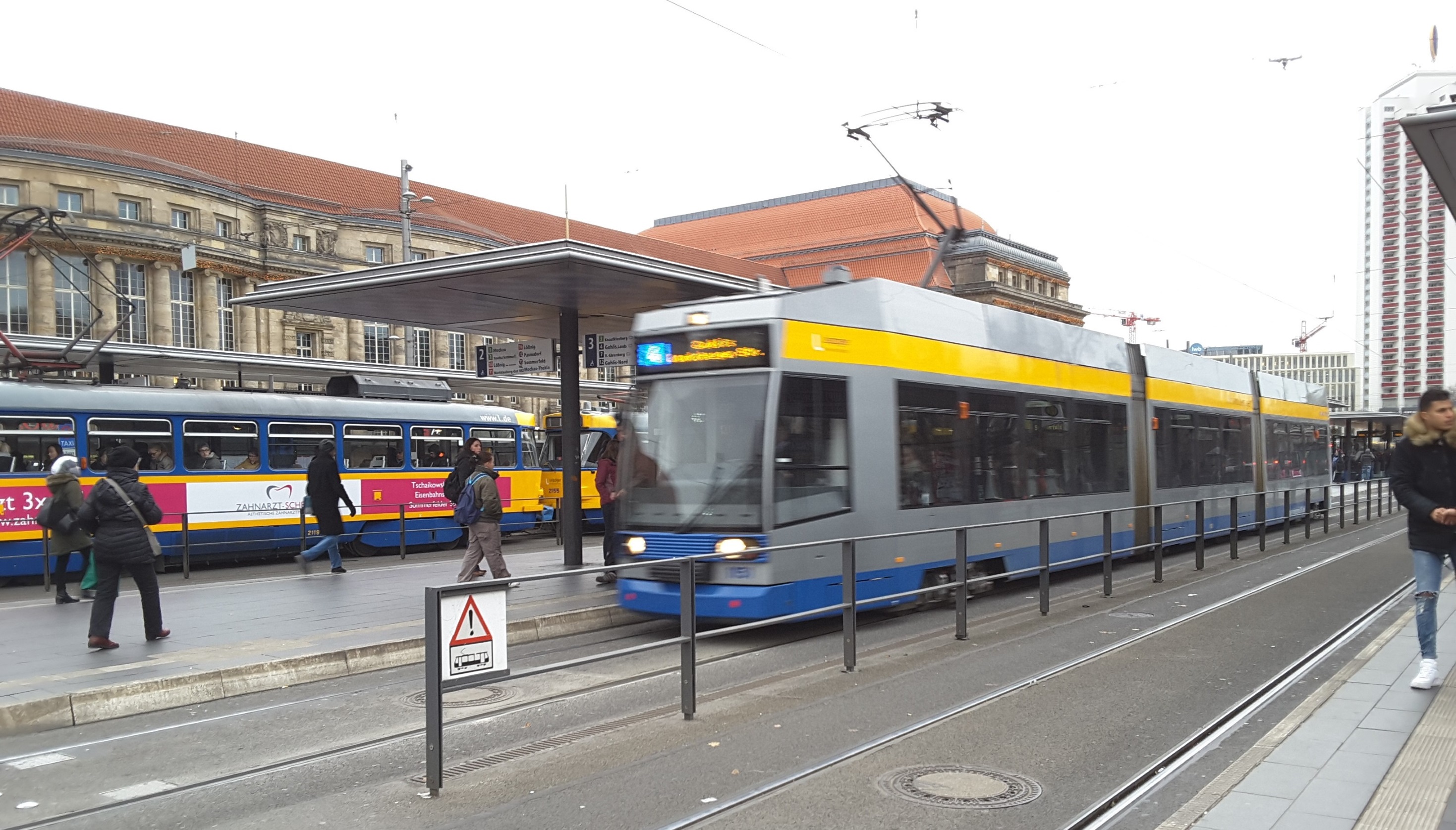
Then the trams.  Attractive designs, with an equally attractive livery…..

r1_5

r1_6

r1_7

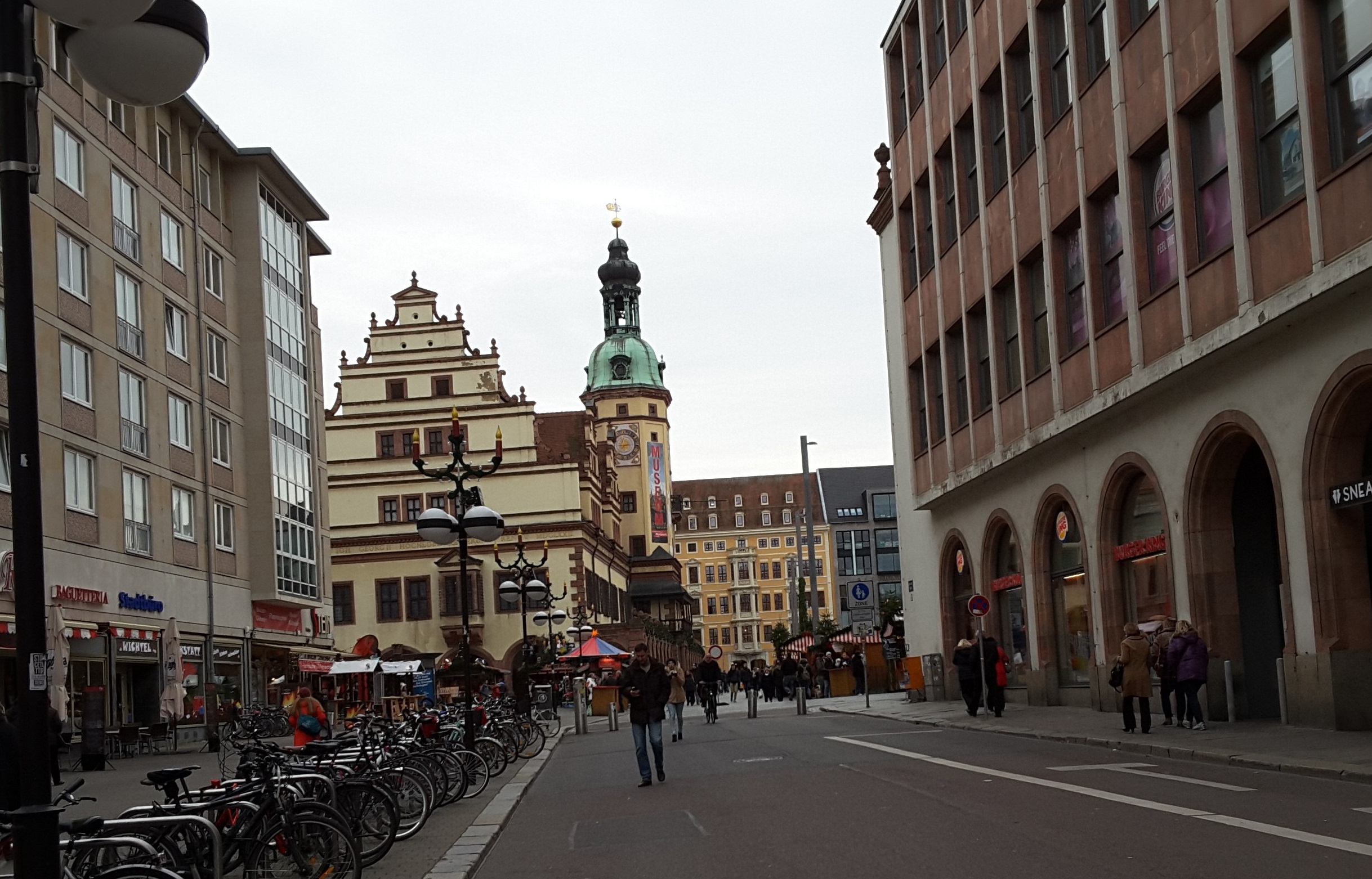
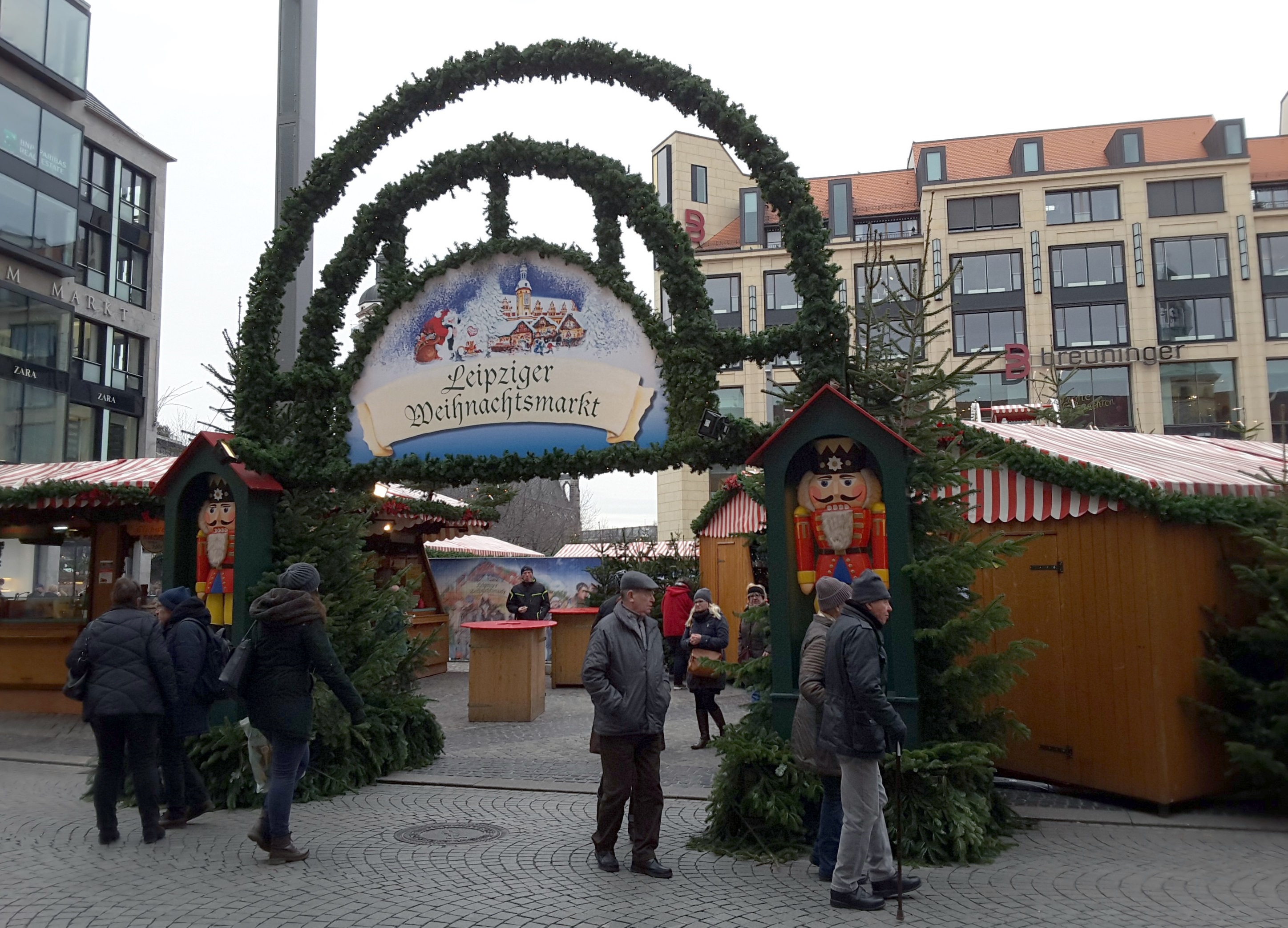
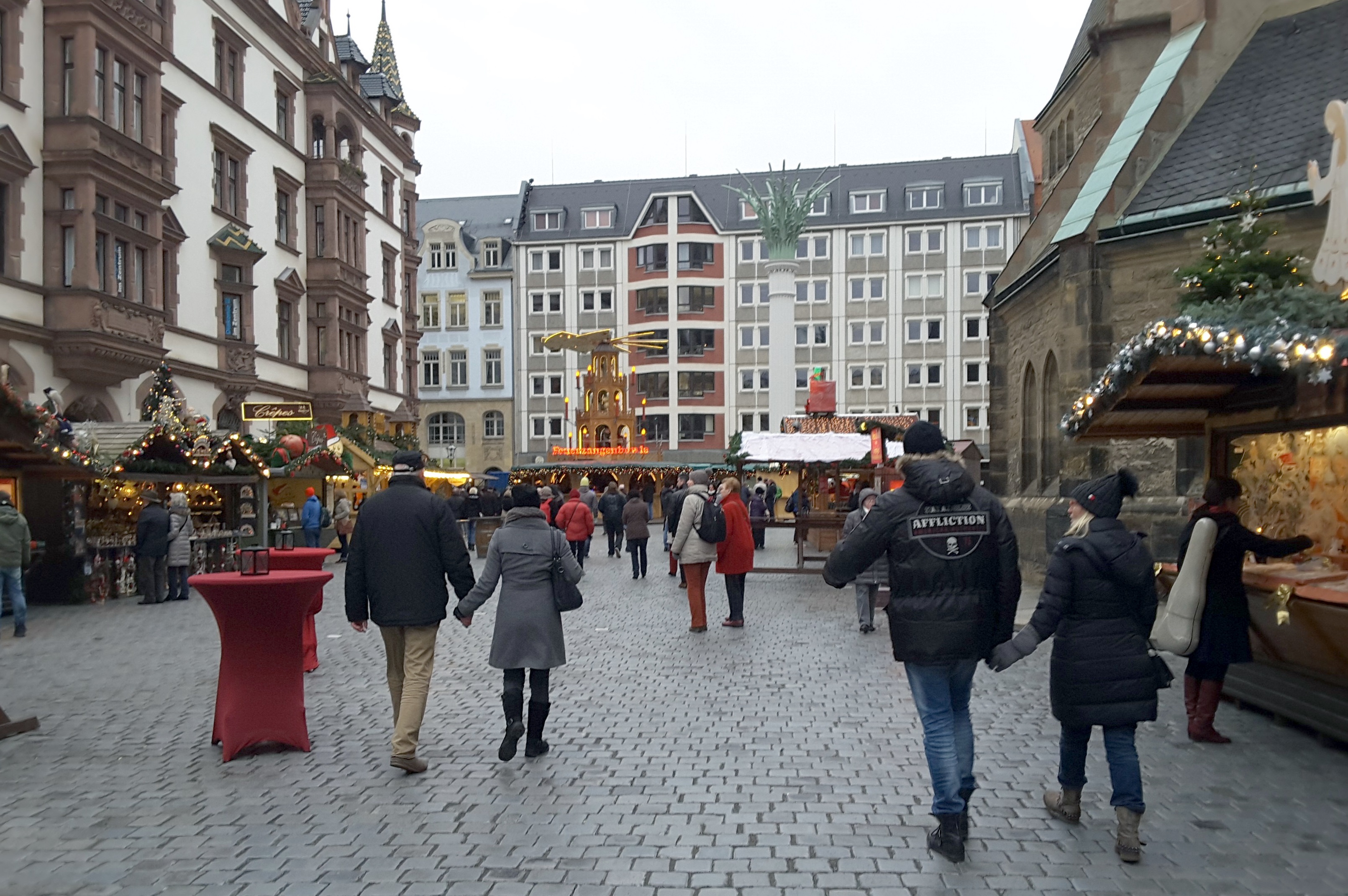
And finally, the markets.  That reminds me, better start shopping.  And very soon Maxine will say to me, ‘Isn’t it time WE wrote the Christmas cards’, meaning, ‘It’s time YOU got on with it’….

r1_8

r1_9

r1_10

Posted in ESNG, Inspiration, Out and about, Prototype | Tagged , , , , | Leave a comment

Ron’s Rambles #1

A new contributor to the blog for the next couple of days – Ron Dawes, brother of Allan.  Ron is on safari in deepest Germany, around Leipzig and Hanover, I think, visiting an eclectic mix of Christmas markets and stations.  So welcome, Ron, and thanks for the photographs!

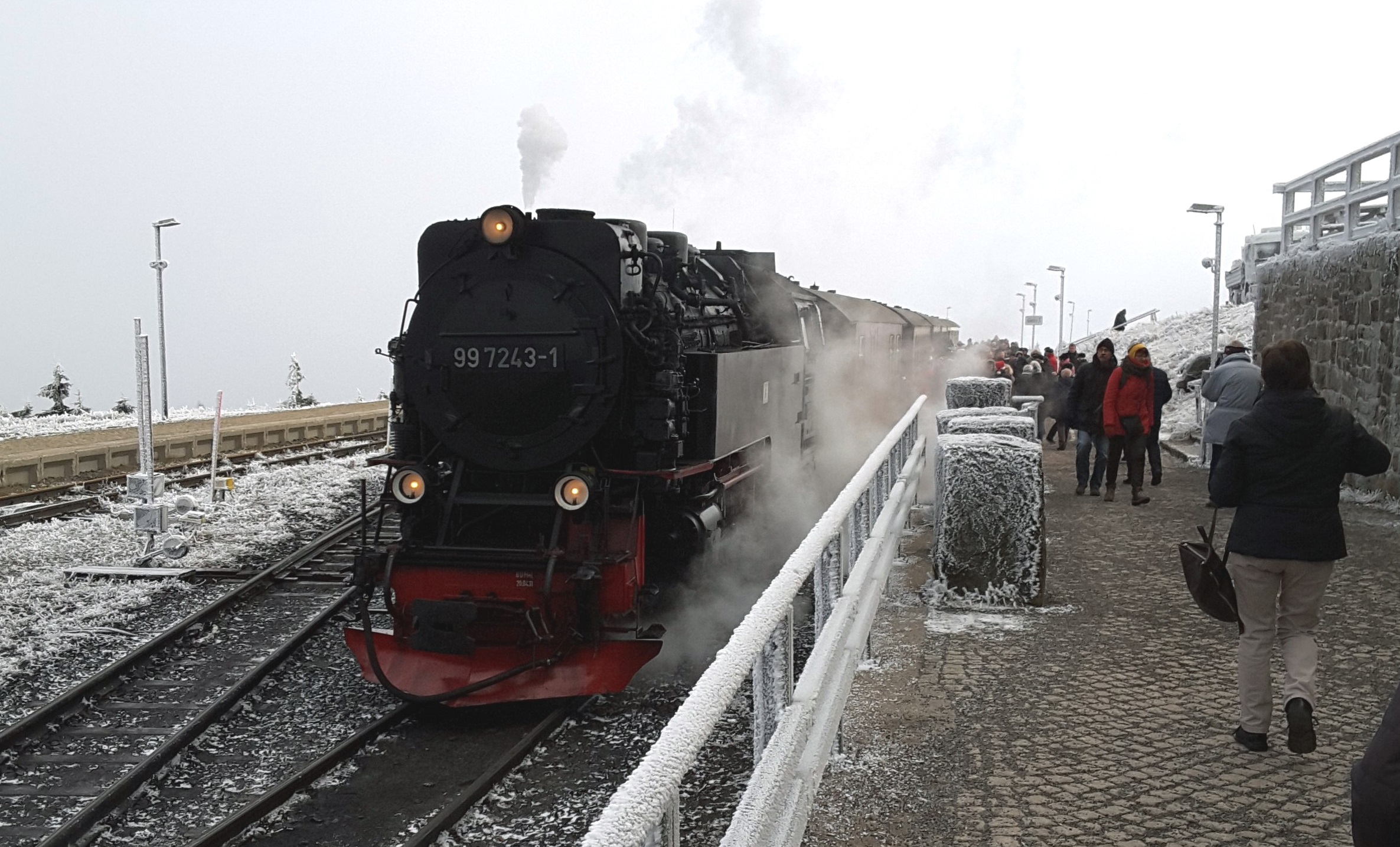
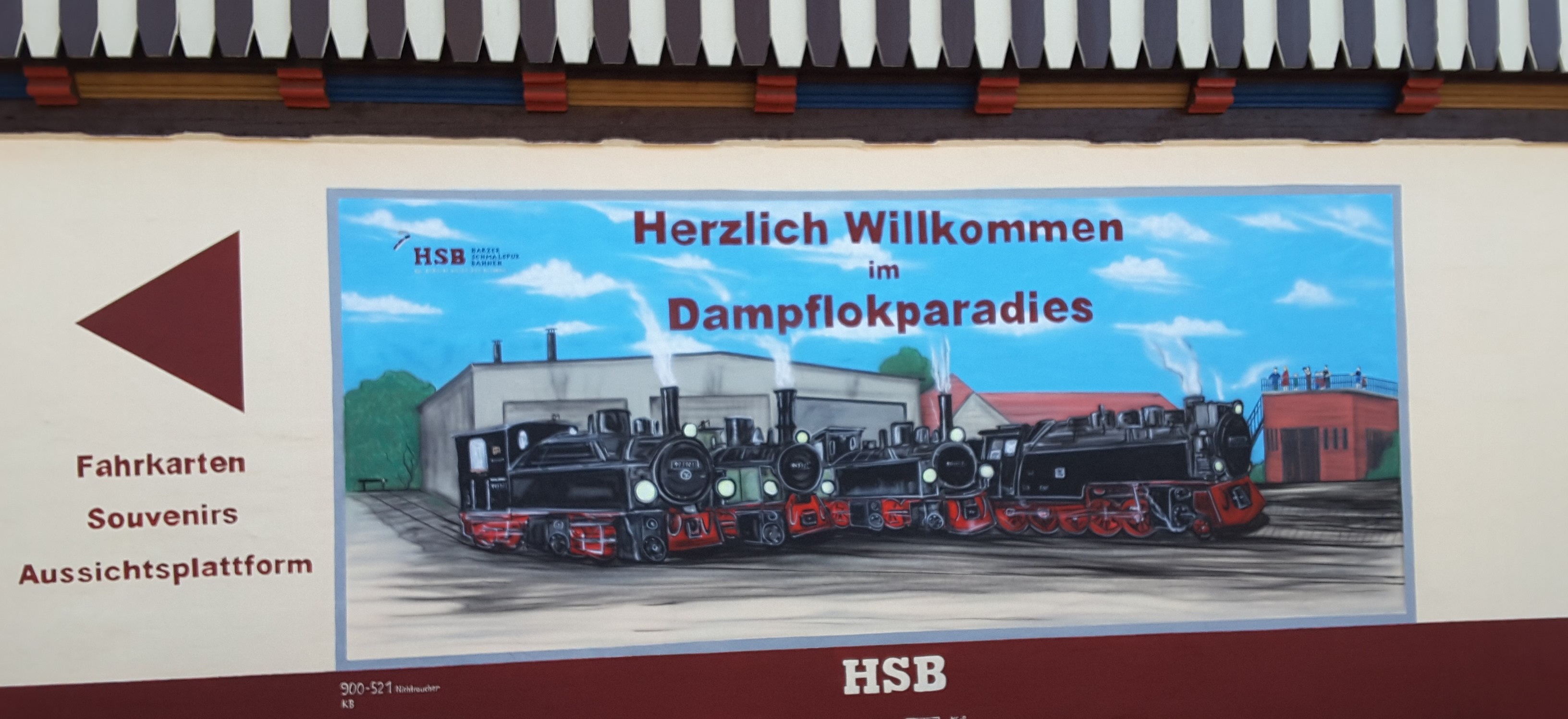
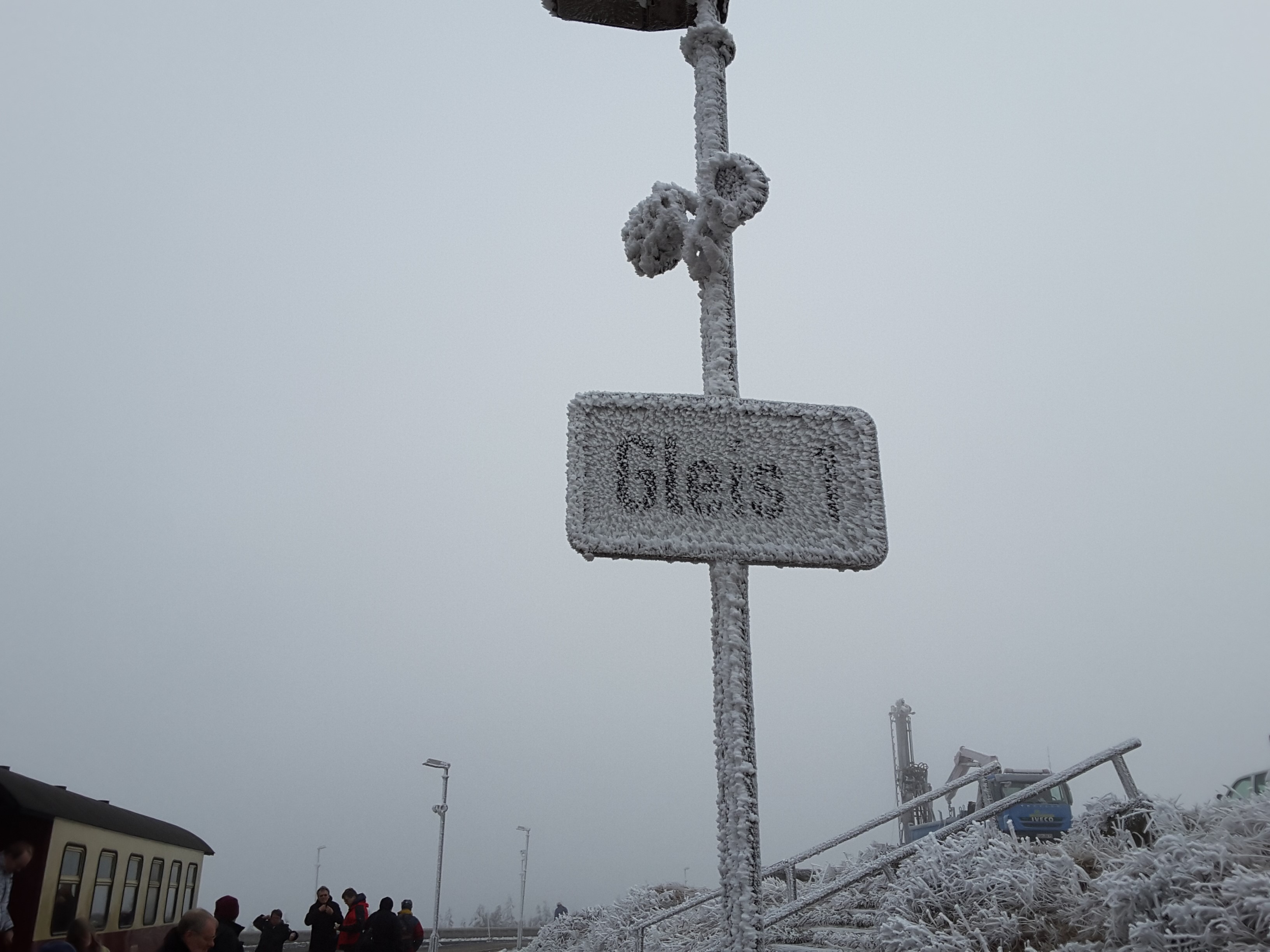
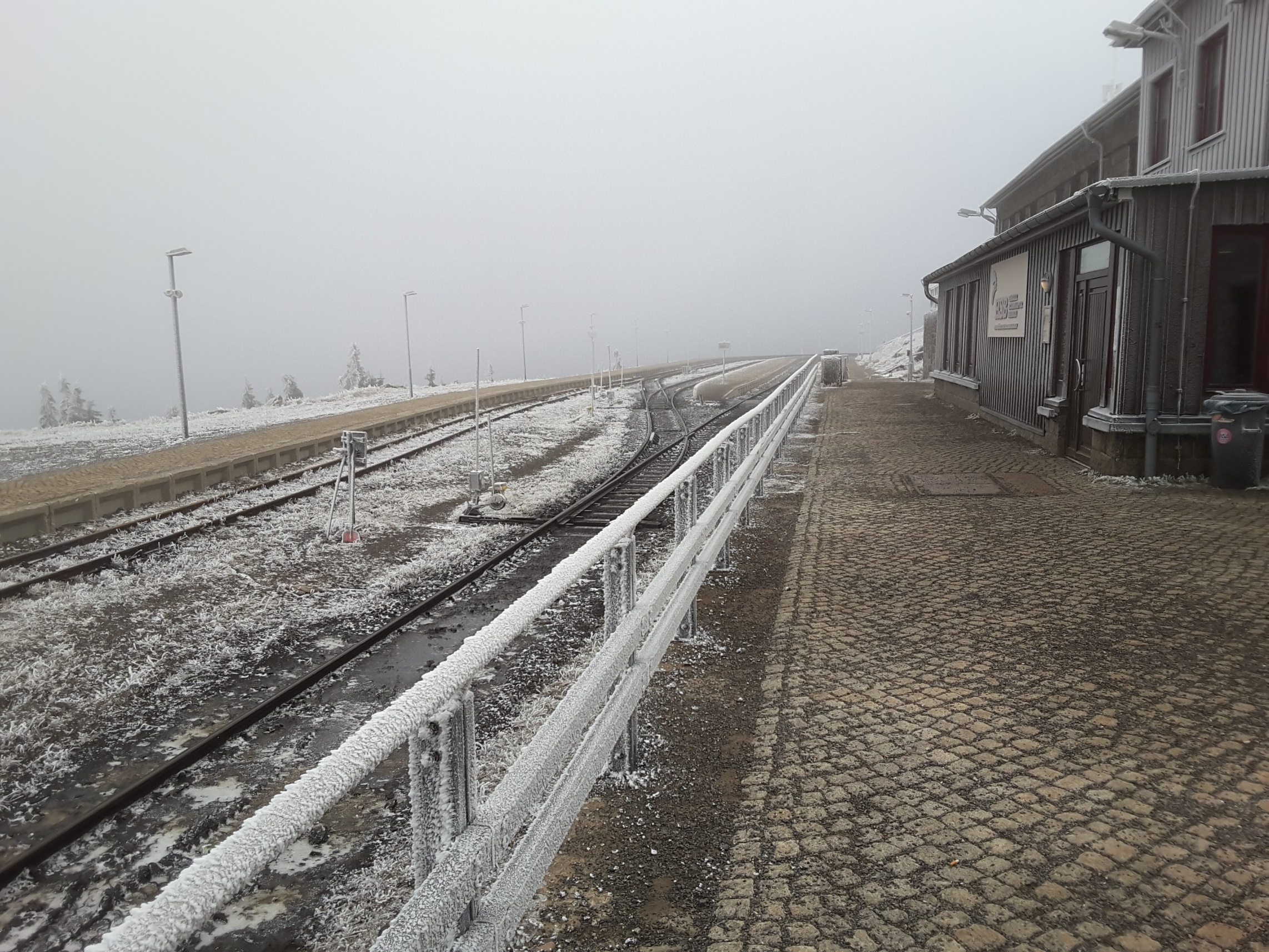
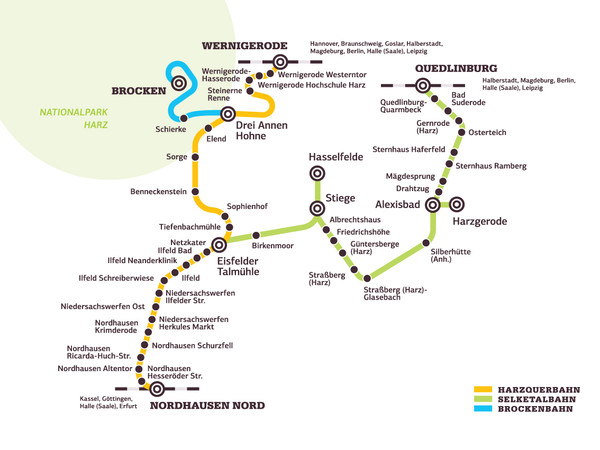
We start on the Harz metre gauge lines – at least I think that’s where Ron is looking on the map!

r1_1

r1_2

My German is so good that I thought ‘Gleis’ is a place – not Platform 1.  I do like the trains, but Ron is welcome to the weather.  Is there on a Christmas market in June for me?

r1_3

r1_4

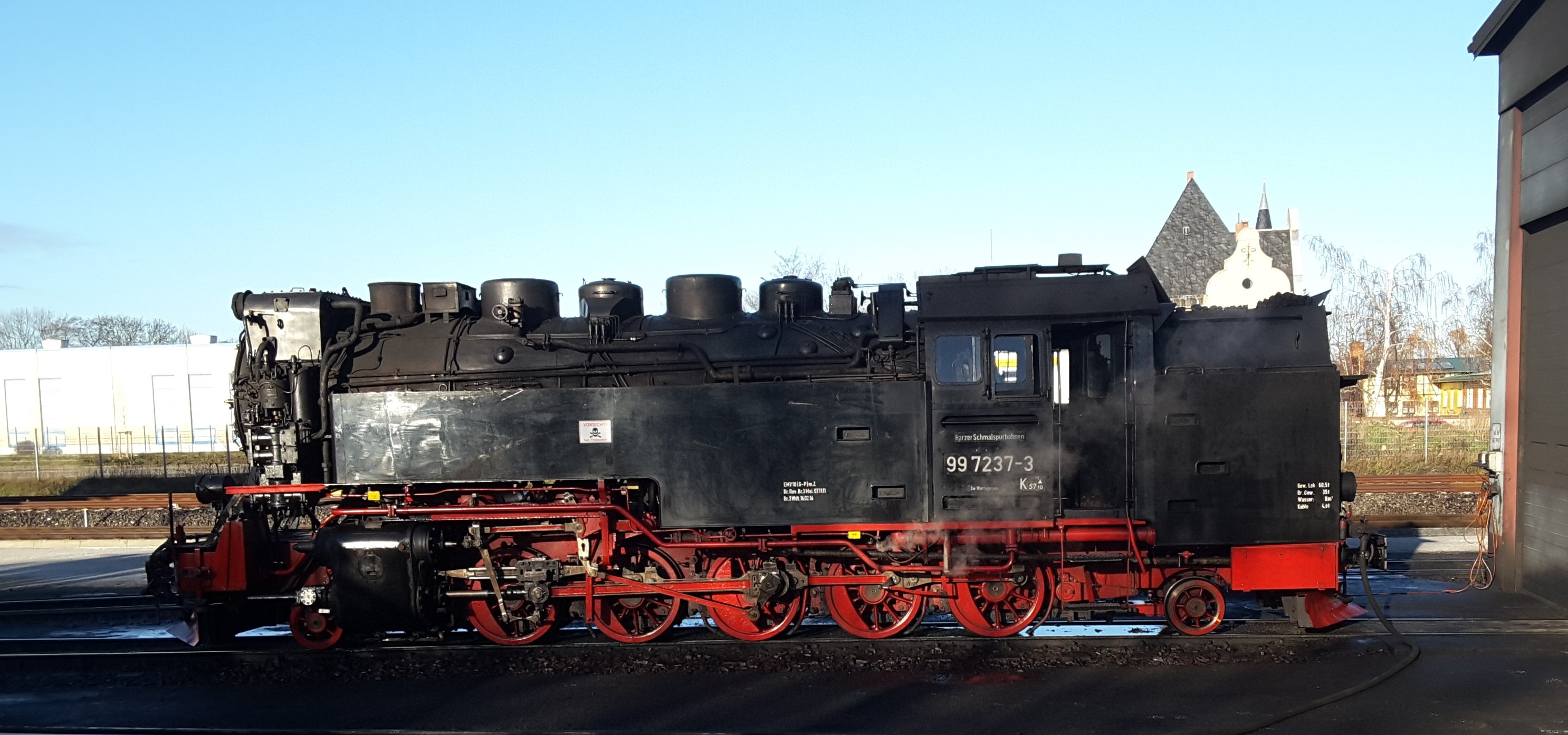
What a handsome brute – of a loco, I mean….

r1_5

The Harz website is an interesting read.  The key figures it gives are:

  • 25 steam locomotives
  • 16 diesel engines
  • 48 train stations
  • 140.4 km of tracks
  • 1,000 mm gauge network

An extensive system, as this map shows:

149727e448

Next three shots from a ‘cold and damp’ Goslar.

r4_1

Ron must have been shivering taking this one – or perhaps it was late afternoon and just getting dark!

r4_2

I like the semaphore signal still in use.

r4_3

Posted in ESNG, Inspiration, Out and about, Prototype | Tagged , , , , | Leave a comment

ESNG meeting – 1 December 2016

Well, it was the post-Stuttgart blues tonight.  The Cha(I)rman was at home, suffering from the pre-Christmas milk round blues.  By 7:45pm, the three of us who were there were seriously considering going home.  We did have a look at Martin’s N-club Ford layout, to see how we could get rid of the high points causing occasional derailments and decoupling.  But two more arrived, then a couple more, so we quickly put up a small circuit and got things running.

Running was a bit erratic at first, till we cleaned the track.  After all, the layout had more running time at Stuttgart, than for the rest of the year here in the UK.  Only the one train in the fiddle yard so far, but Graham is looking to get something going….

wp_20161201_20_35_16_pro

Paul had a Japanese breakdown train in action….

wp_20161201_20_35_31_pro

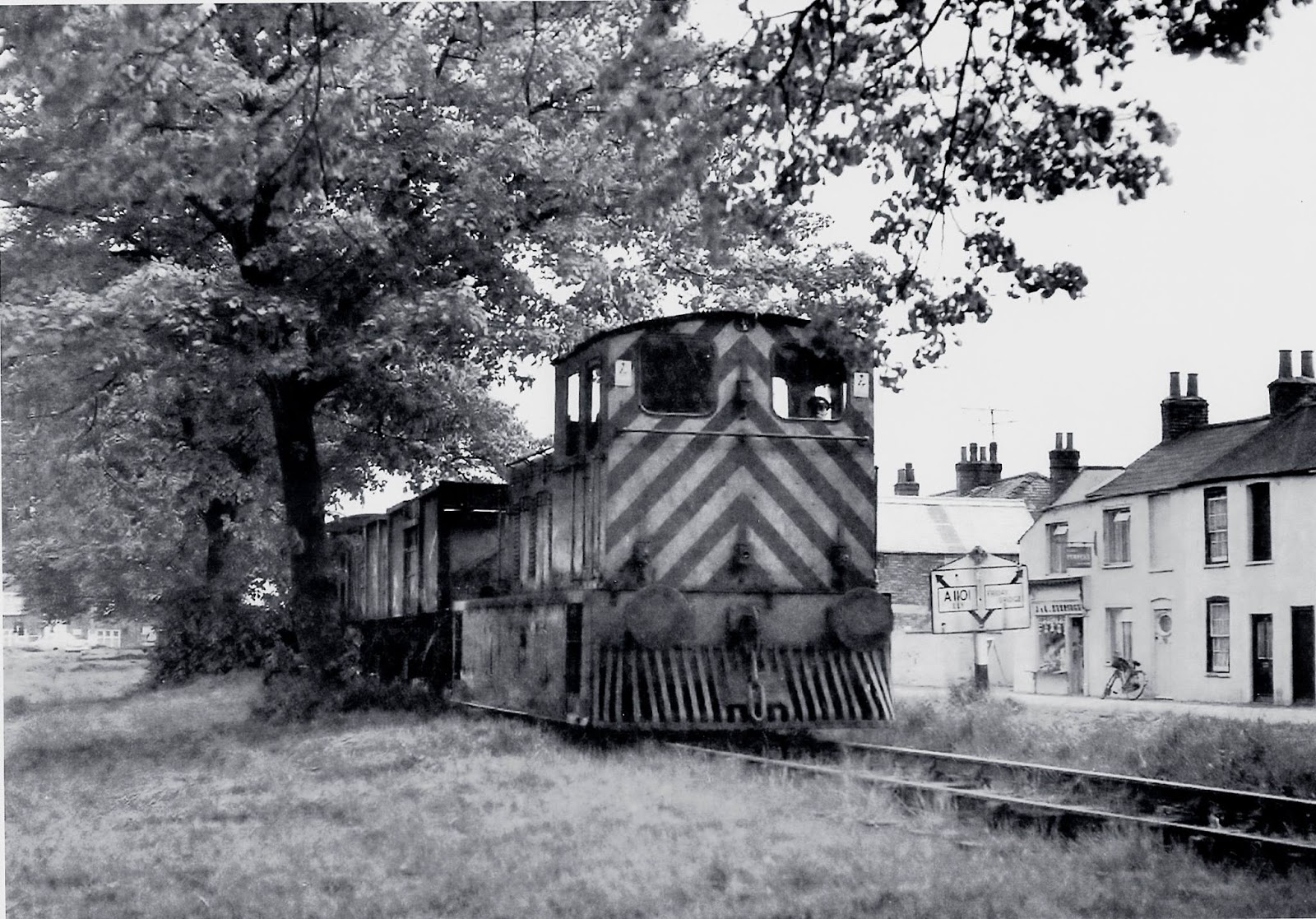
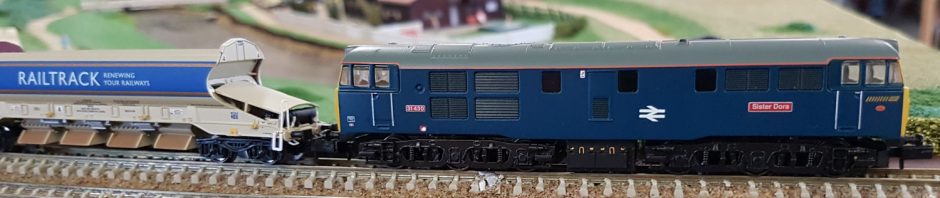
My birthday present (today).  A bargain from Rails of Sheffield, and I took the opportunity to run it in.  I do like the bright National Coal Board livery, and it would look great heavily weathered, but it is earmarked for a coat of black paint and side-skirts (in the post from Etched Pixels) to be a Wisbech and Upwell tram locomotive.  And possible reworked windows if I am feeling brave!

wp_20161201_20_36_05_pro

Rather like this, in 1966….

wisbech-and-upwell-20th-may-1966-and-the-last-tram-from-upwell-trundles-alongside-elm-rd

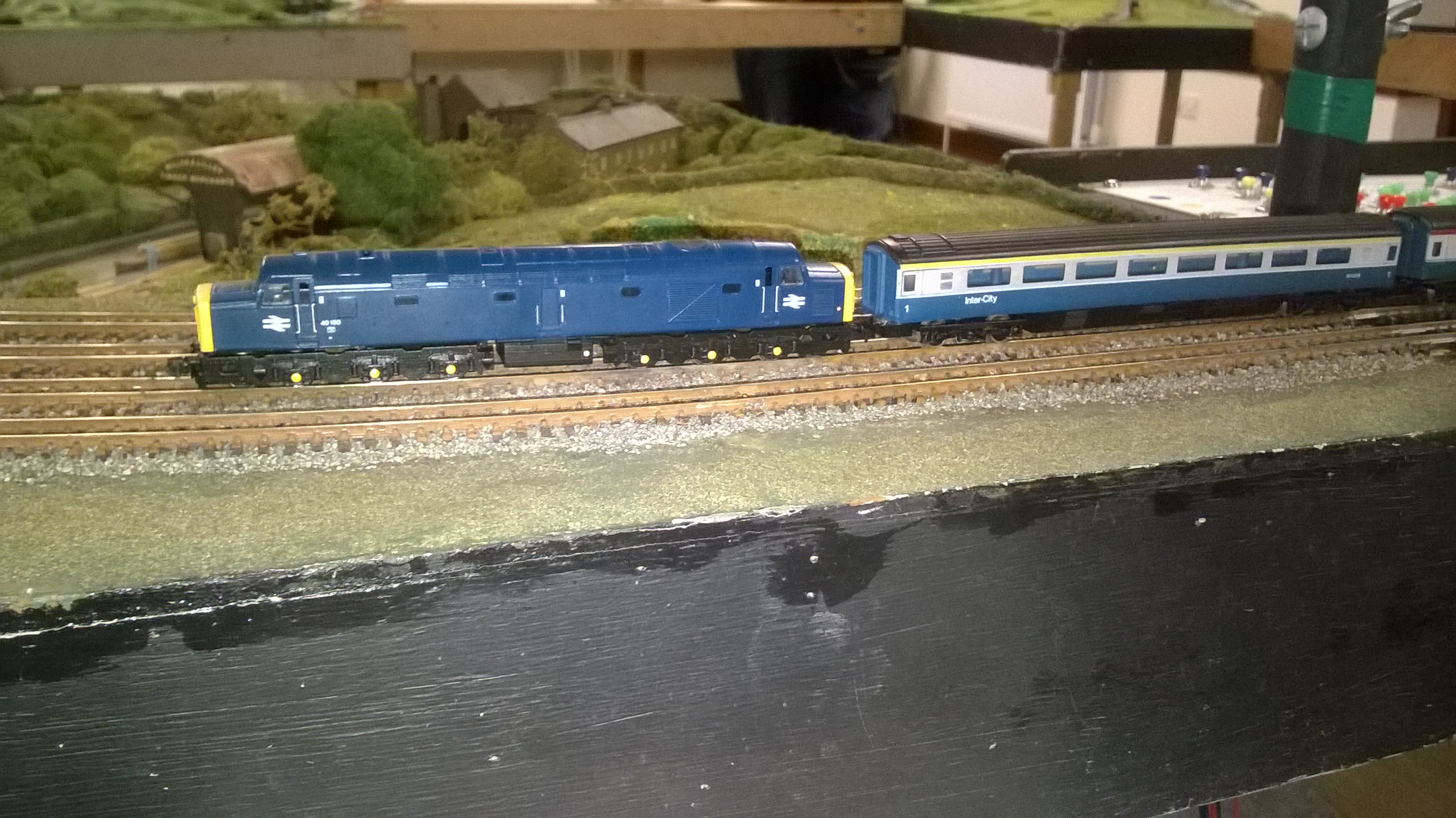
Derek was running one of Martin’s old trains, a Farish class 40 and sleeping car train.  A lovely model, although the new Farish 40 due out next year will be even better, at least from the photos of the model to date.

wp_20161201_20_37_17_pro


And on a different note, what did I do right last month?  Same old rubbish witty comments on modelling and railways in general, but nearly 3,000 reads, 50% more than usual!  No answers, please, and no doubt December will be a disaster, since pride cometh before a fall…..

stats

Posted in ESNG, ESNG meetings | Tagged , , , | 2 Comments

Back to my childhood haunts

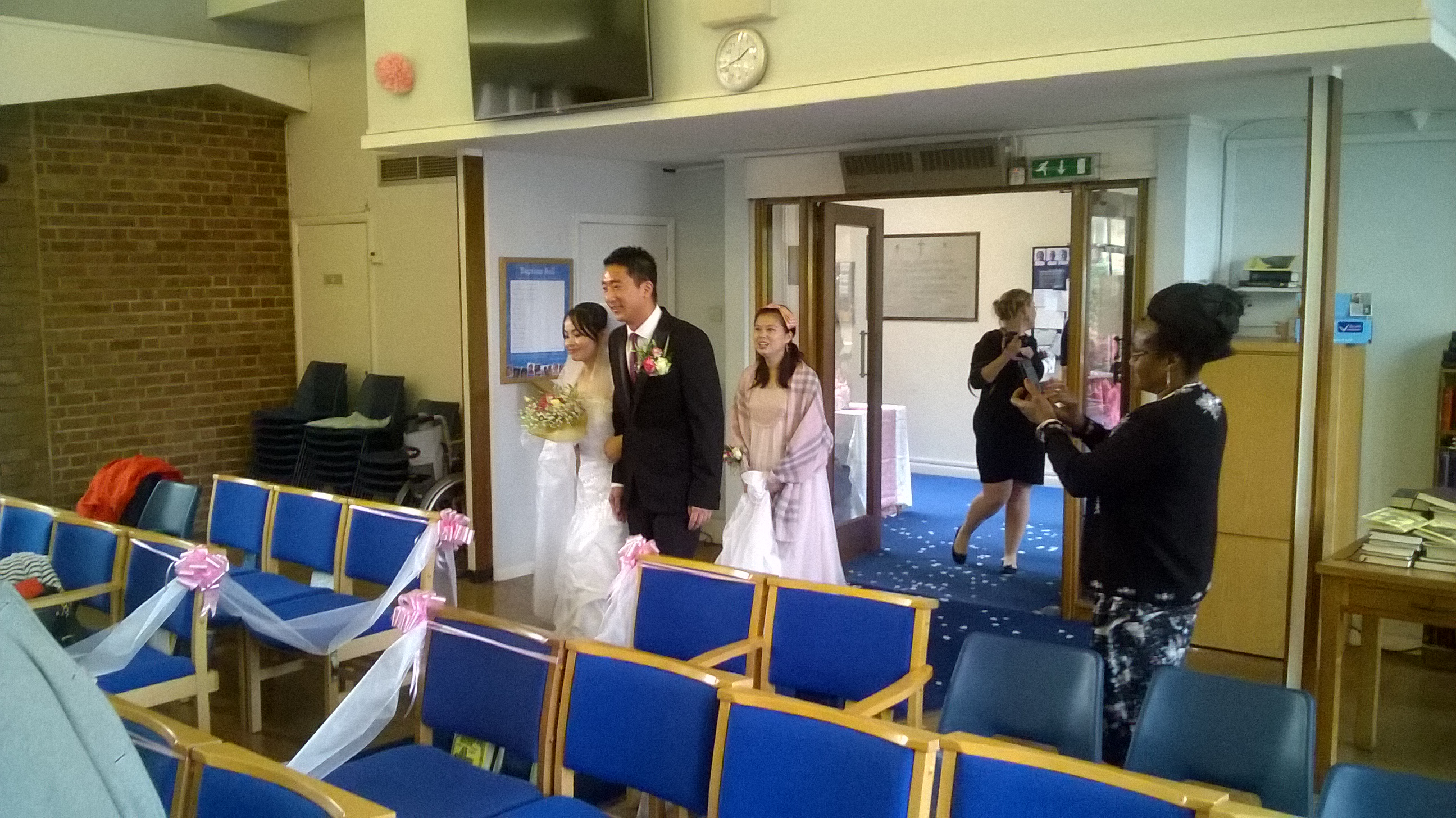
The day before going to Stuttgart, Maxine and I had the privilege of going to the wedding of a Chinese friend of ours.  An interesting experience, with the church service in Mandarin, translated back into English for the few English guests.  At one point, the translator slipped up and translated Mandarin into Mandarin, to everyone’s amusement.  It was also a fun afternoon, perhaps made more relaxed by all four parents still being in China.  And the reception had a lot of very good oriental food!!!

wp_20161115_13_42_02_pro

But the real, railway, point of this post is that the wedding was held in Petts Wood, 2o miles from our home, and where I was brought up from the age of two until after university.  I had never been inside the Methodist Church, but it is just next to the shops and Petts Wood station, one of my early trainspotting locations.

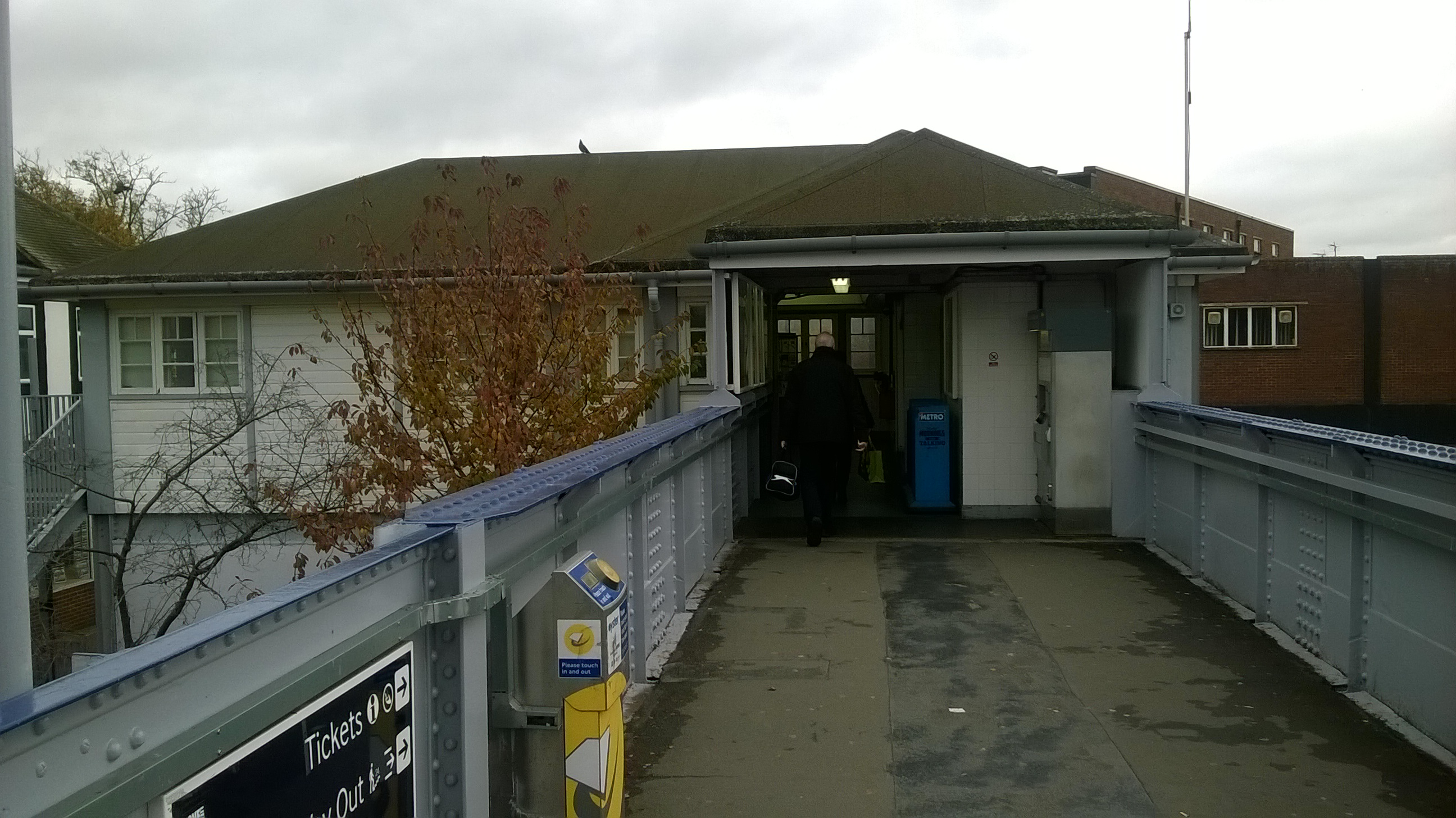
Petts Wood was built as a temporary wooden station by the (real) Southern Railway in the 1930’s, as the suburbs, and electrification, spread out from central London.  The station has never been rebuilt, although the goods yard has disappeared under a supermarket.  In the photograph below, the footbridge is just as I remember it (but it was SR green), as is the right hand half of the building.  The station has, however, been extended to the left, and more than doubled in size beyond the footbridge.

wp_20161115_14_10_18_pro

Looking up towards London and Chiselhurst Junction, a major junction where the 4-track Victoria-Kent Coast Lines are crossed by the 4-track Charing Cross-Tonbridge lines.  This gives Petts Wood excellent links to all the southern London Termini – Victoria, Charing Cross, Cannon Street, Holborn Viaduct, Waterloo (Eastern) and London Bridge (Eastern).  I remember the ‘new’ footbridge being constructed in the 1960’s.

wp_20161115_14_10_23_pro

Looking towards Orpington, the station has hardly changed, apart from the platform furniture and the paintwork.

wp_20161115_14_10_32_pro

A South-Eastern ‘Networker’ approaches on a through working.  In my day, the staple diet was 4EPB and 2EPB suburban EMU’s, and 4CEP fast workings.  Treats if you were patient were 6-car Hastings DEMU’s, and twice a day the ‘Golden Arrow’.  I can remember seeing it head south as I came home from infants school for lunch – must have been a Britannia Pacific on the front, but it was still worth spotting in later years with a Class 71 Bo-Bo electric on the front.  A limited amount of goods traffic and engineers trains passed through in off-peak hours.

wp_20161115_14_11_04_pro

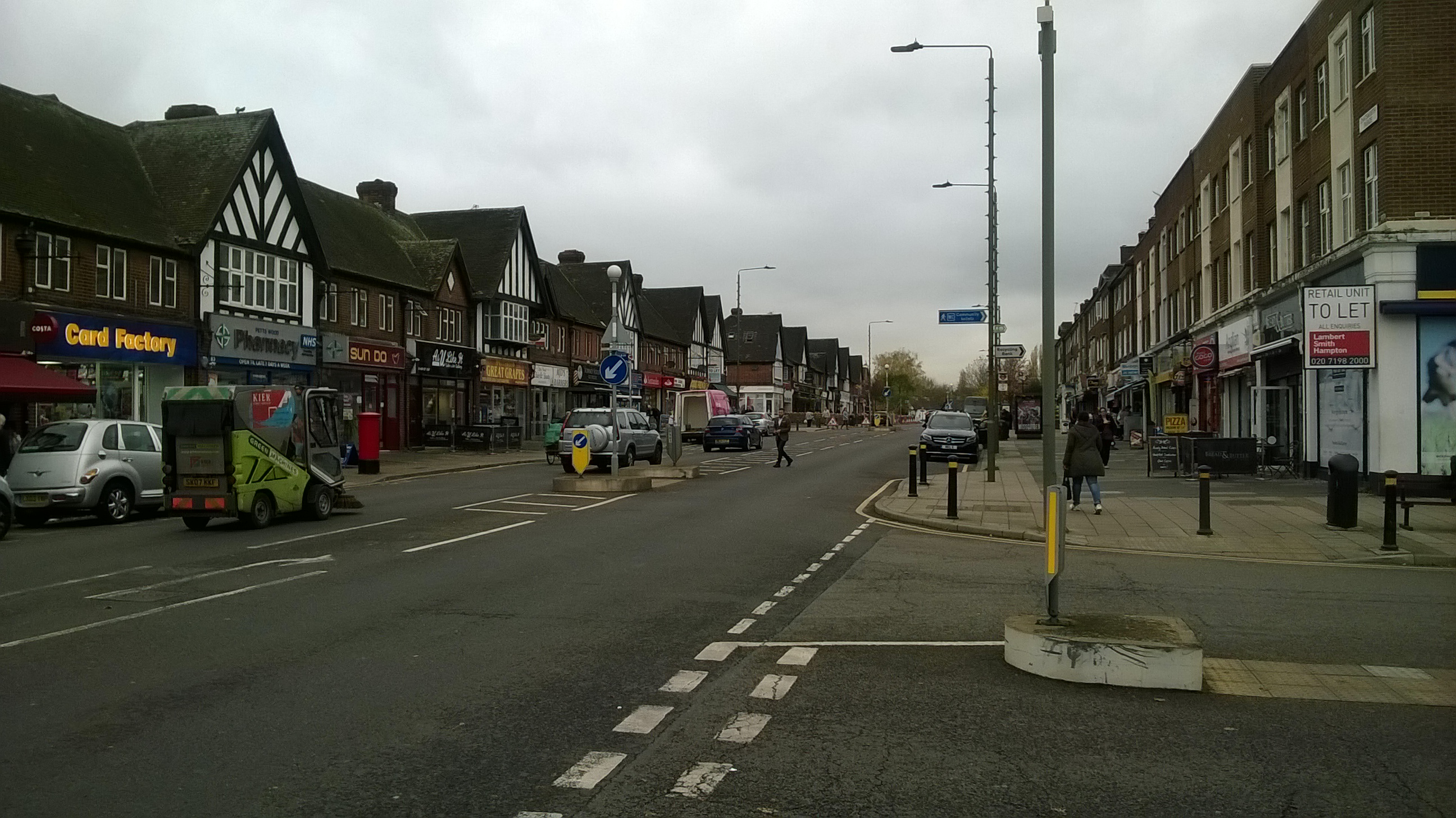
Finally, a view of the shopping street.  In one sense hardly changed from the 1930’s, with the ‘Brewers Tudor’ shops.  But none of the shops seem to be as they were in the 1960’s.  Food shops have disappeared – replaced by the supermarkets – and there are a lot of restaurants and beauty salons, and ‘Card Factory’ and ‘Costa Coffee’.  An interesting social comment on changing times!

wp_20161115_14_12_21_pro

All in all, it was a very pleasant afternoon, attending an excellent wedding and stirring up a few old memories.

Posted in Inspiration, Out and about, Prototype | Tagged , , , | Leave a comment

Stuttgart 2016 #3 – Other views

A final post from Stuttgart (unless anyone else sends me some photographs.)  Just a random selection, once again, of scenes that caught my eye.

The Hungarian branch of INGA-net attended the meet for the first time, and their simple, single track, oval, set at high level, was very impressive.  Their grass and embankment slopes were some of the best small scale undergrowth that I have seen….

s3_1

s3_2

s3_3

s3_4

The German N-Trak group had some contrasting, but still impressive, USA cityscapes on show….

s3_5

The next few are a random selection from a variety of modules….

s3_6

s3_7

s3_8

s3_9

s3_10

s3_11

Two ways to fill an end loop.  I still can’t work out what is meant to be happening in the first scene.  The second is a very nicely observed nature reserve, with a board-walk and wetland for twitchers birdwatchers.

s3_12

s3_13

Finally three views of a fully-lit town and station…..

s3_14

s3_15

s3_16

Posted in ESNG, ESNG meetings, N Club International, Out and about | Tagged , , , | 2 Comments

Stuttgart 2016 #2 – ESNG at play

The ESNG contribution looked, in part, much as a normal club night, with a procession of trains of varying parentage taking to the tracks.  The Farish Blue Pullman deserves a mention as it ran faultlessly for all four days.

s2_0

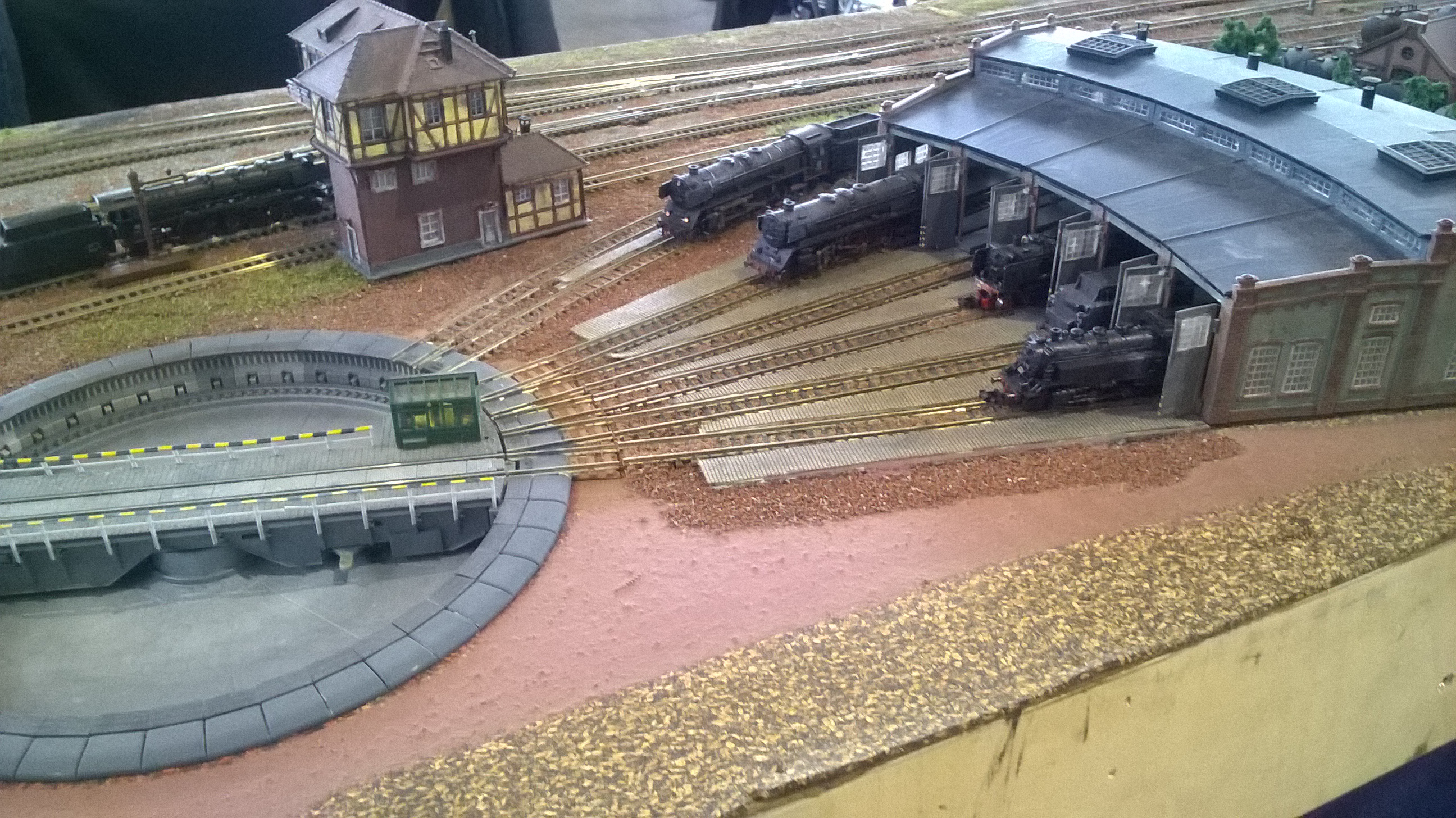
‘ERIC’ went Network Southeast for the show, giving Sean an opportunity to show off all his models.  The stripy blue livery was one of the better on to grace UK rails in recent years, although it was possibly subliminal advertisement for a well known brand of toothpaste.  We cheated a bit and split up the multiple units to fill two of the roundhouse tracks….
s2_2

s2_3

s2_4

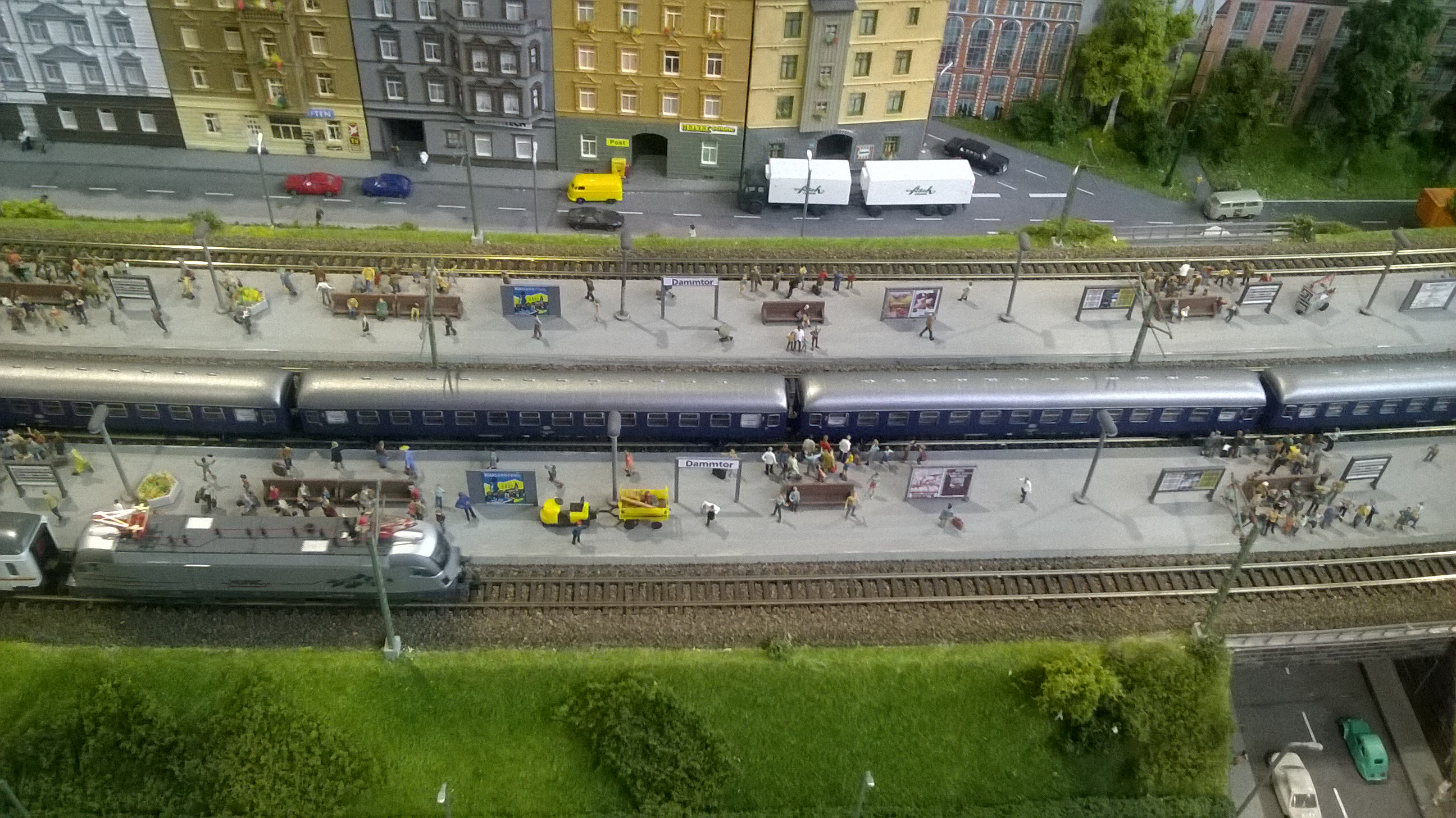
After the 4-track N-mod sections, the main line dropped to N-club 2-track modules.  Martin’s model of Ford station is a nicely compressed model of a real location on the south coast, and the Gaugemaster shop can be seen in the background.  Last year, we found that the dummy outside 3rd rail was set a little high and tended to lift locomotives off the track.  That was solved, but this year we found a few dips in the trackwork that need attention.
s2_5

The modular setup was in the form of a U, with 4-track N-mod along one side, 2-track N-club along the end, and then 2-track N-club fronting the Konigshaven layout along the other leg of the U.  Konigshaven exhibited at Stuttgart 10 years ago, and the owners took the opportunity for a 10th anniversary return.  All ran well for all four days, a complement to the builders of what is now a 20-year old layout.  The only disaster was a train of wagons that found their way to the floor.  Fortunately most survived, and the others can be renovated with new bogies.

s2_6

s2_7

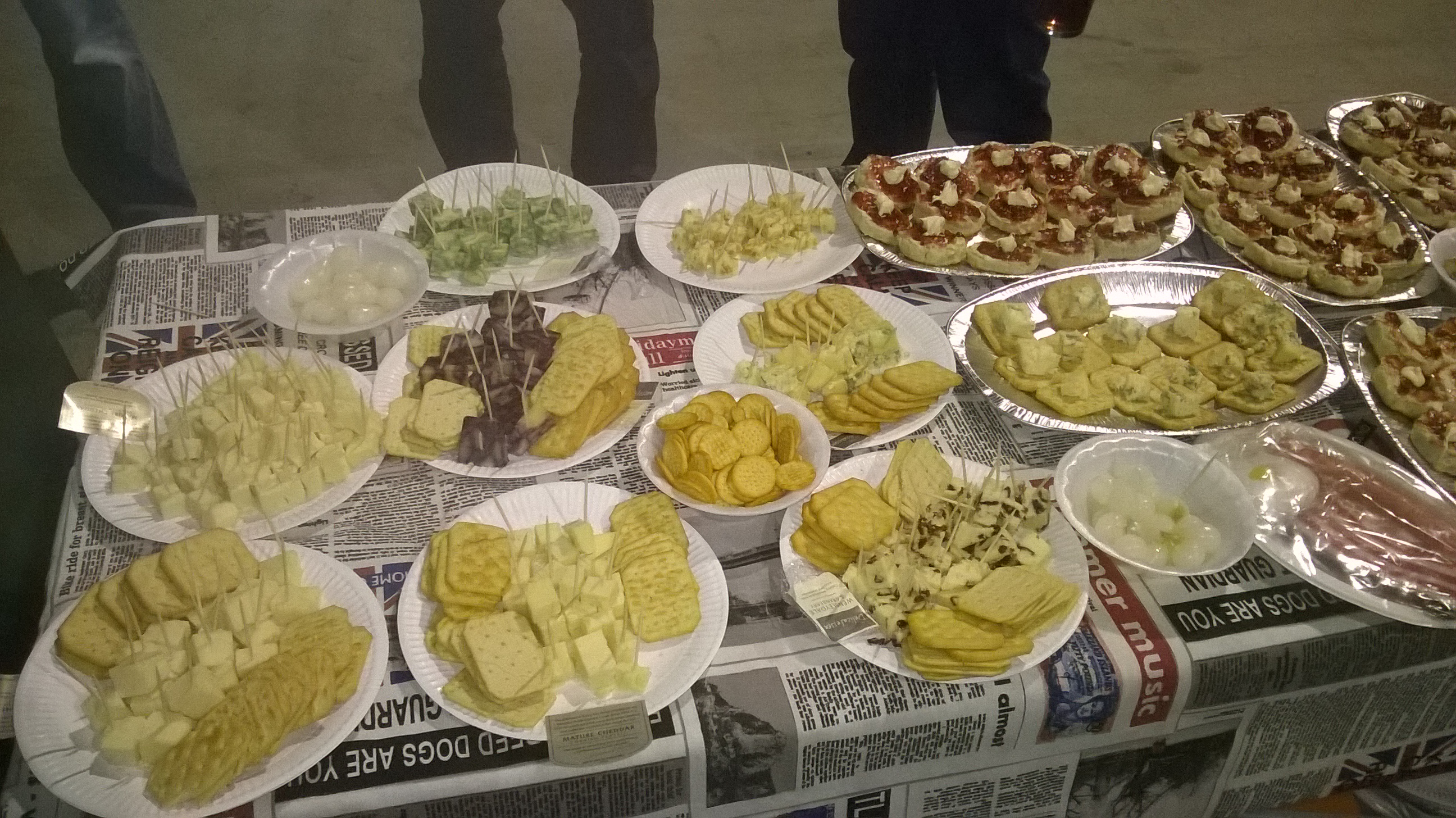
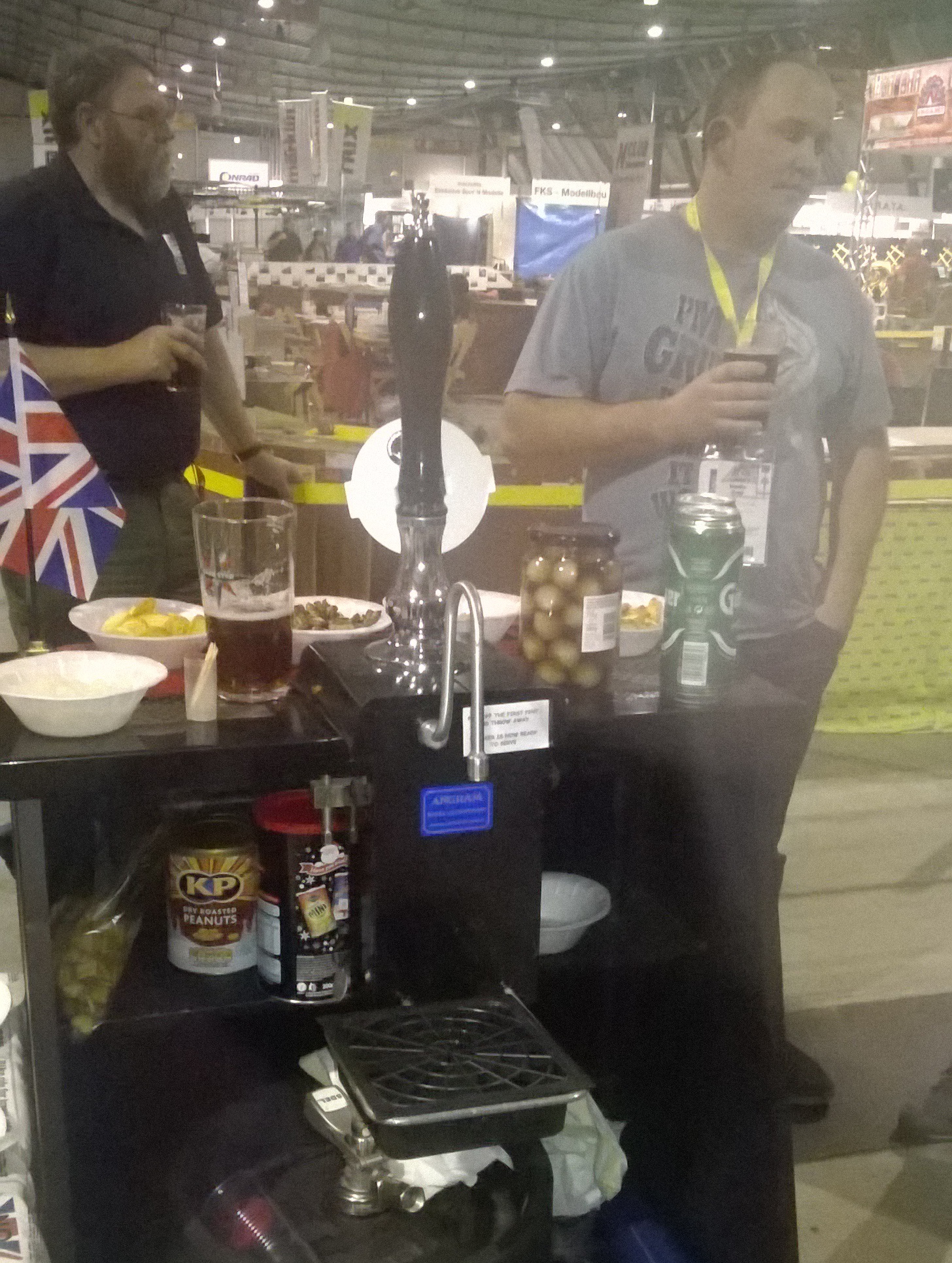
Thursday night was, as usual, lock-in party night at the show venue, with each club bringing national food (and drink).  Here’s the ESNG contribution with items such as clotted crème scones, a range of British cheeses, and delicacies such as Walkers Crisps, mince pies and Twiglets.

s2_8

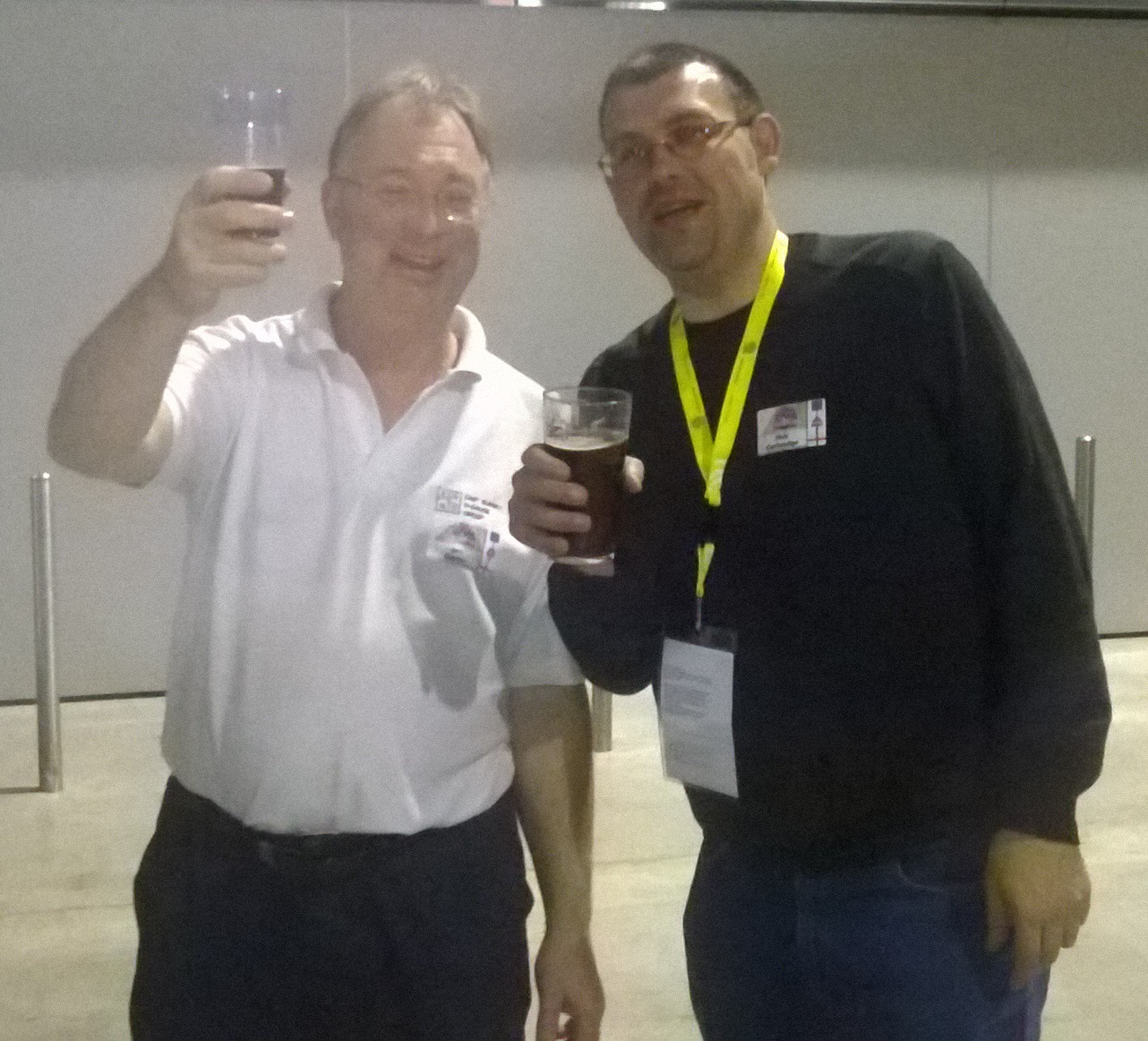
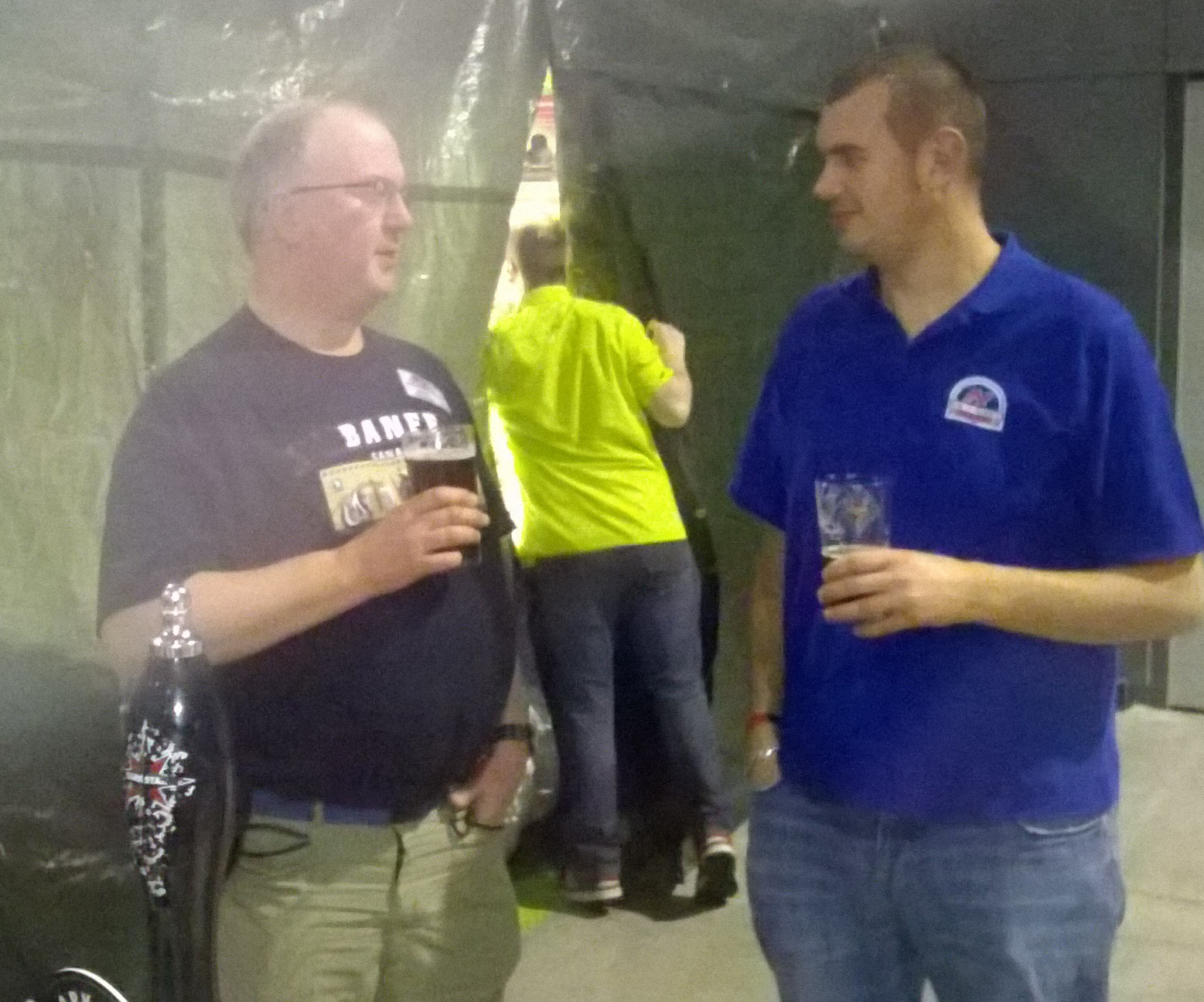
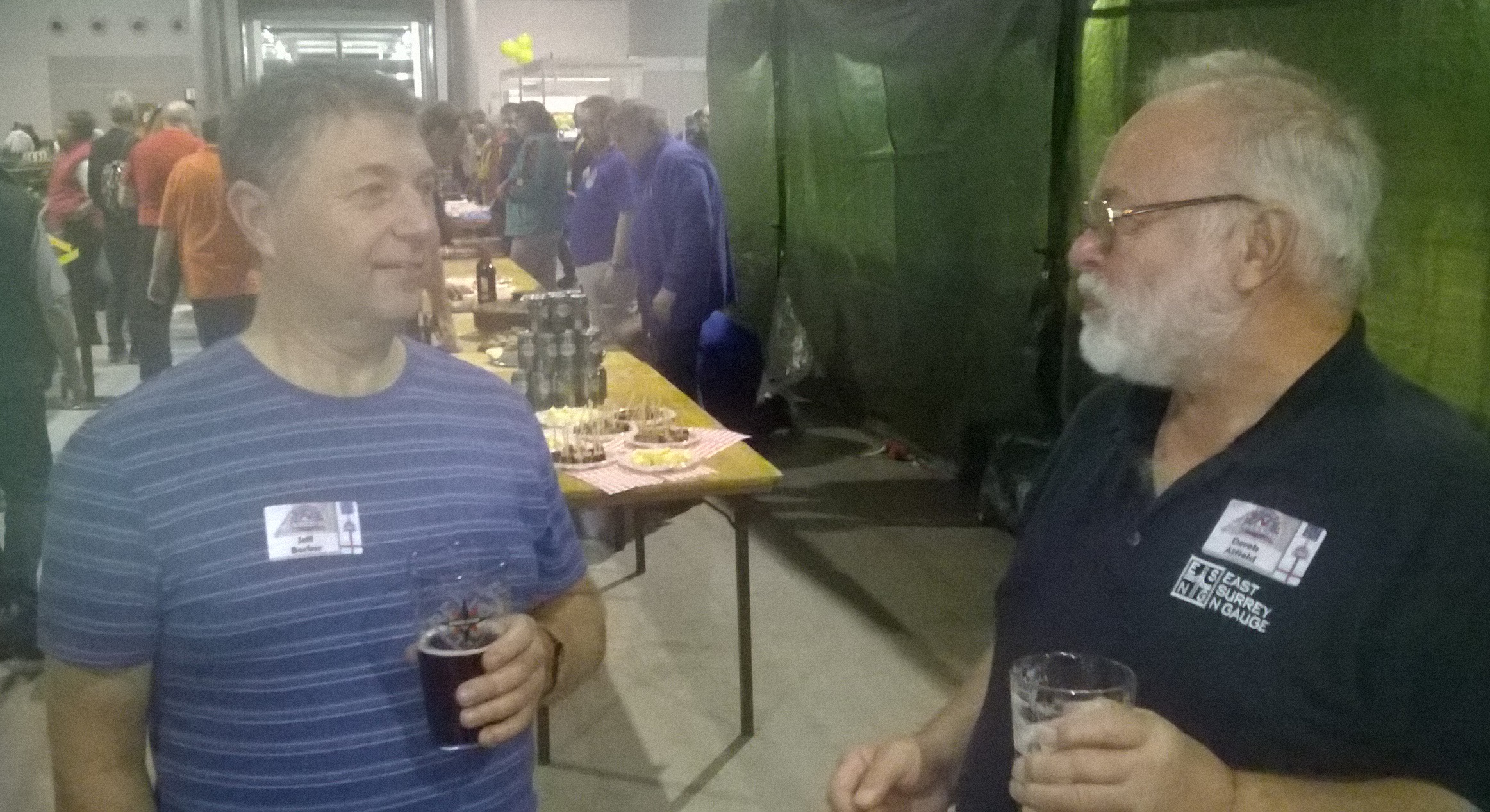
And of course the ever popular barrel of Sussex bitter.  The club members are shown in characteristic poses (sorry about the fade in the photos – my phone couldn’t cope with such photogenic objects….)

s2_9

s2_10

s2_11

s2_12

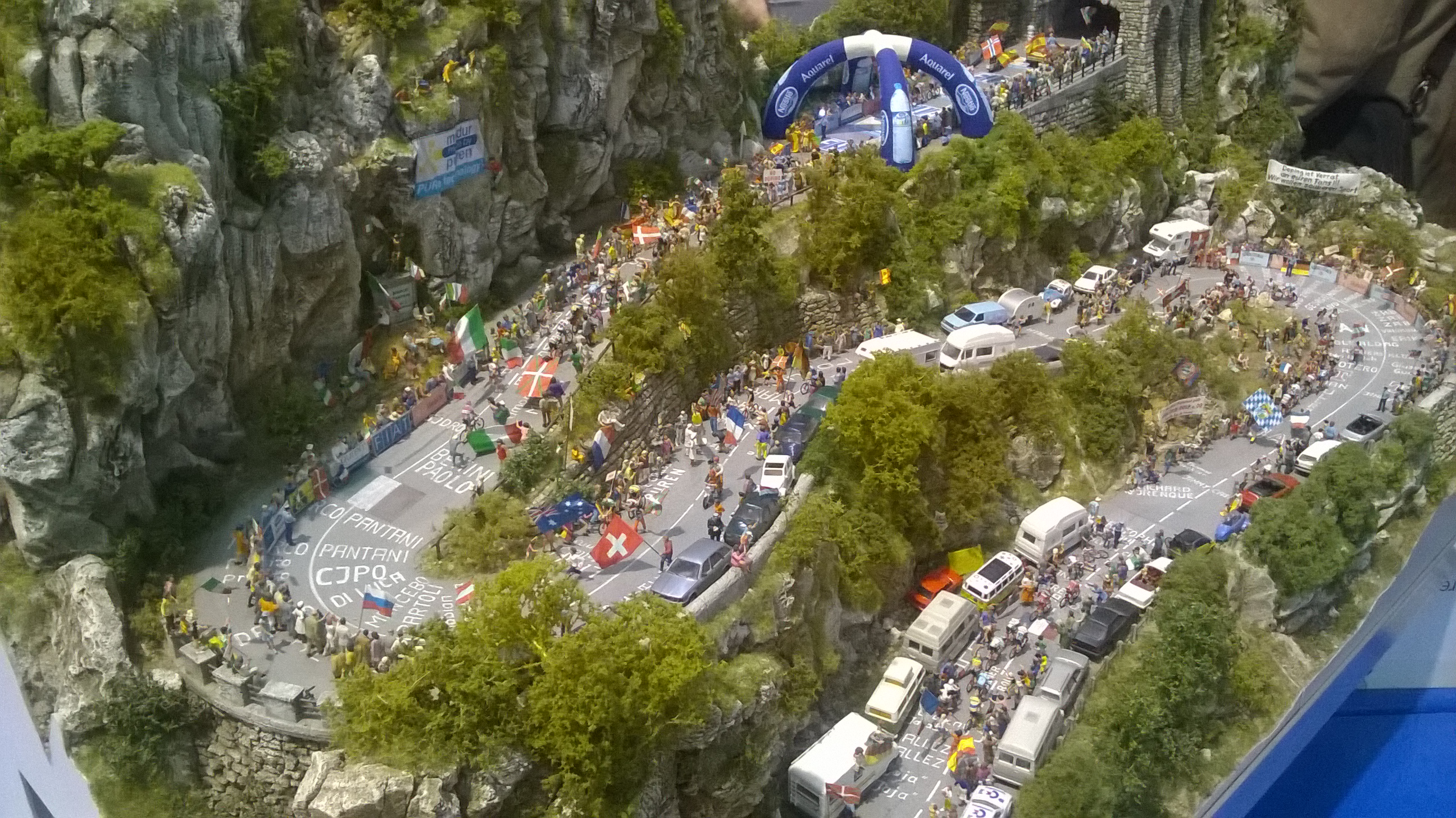
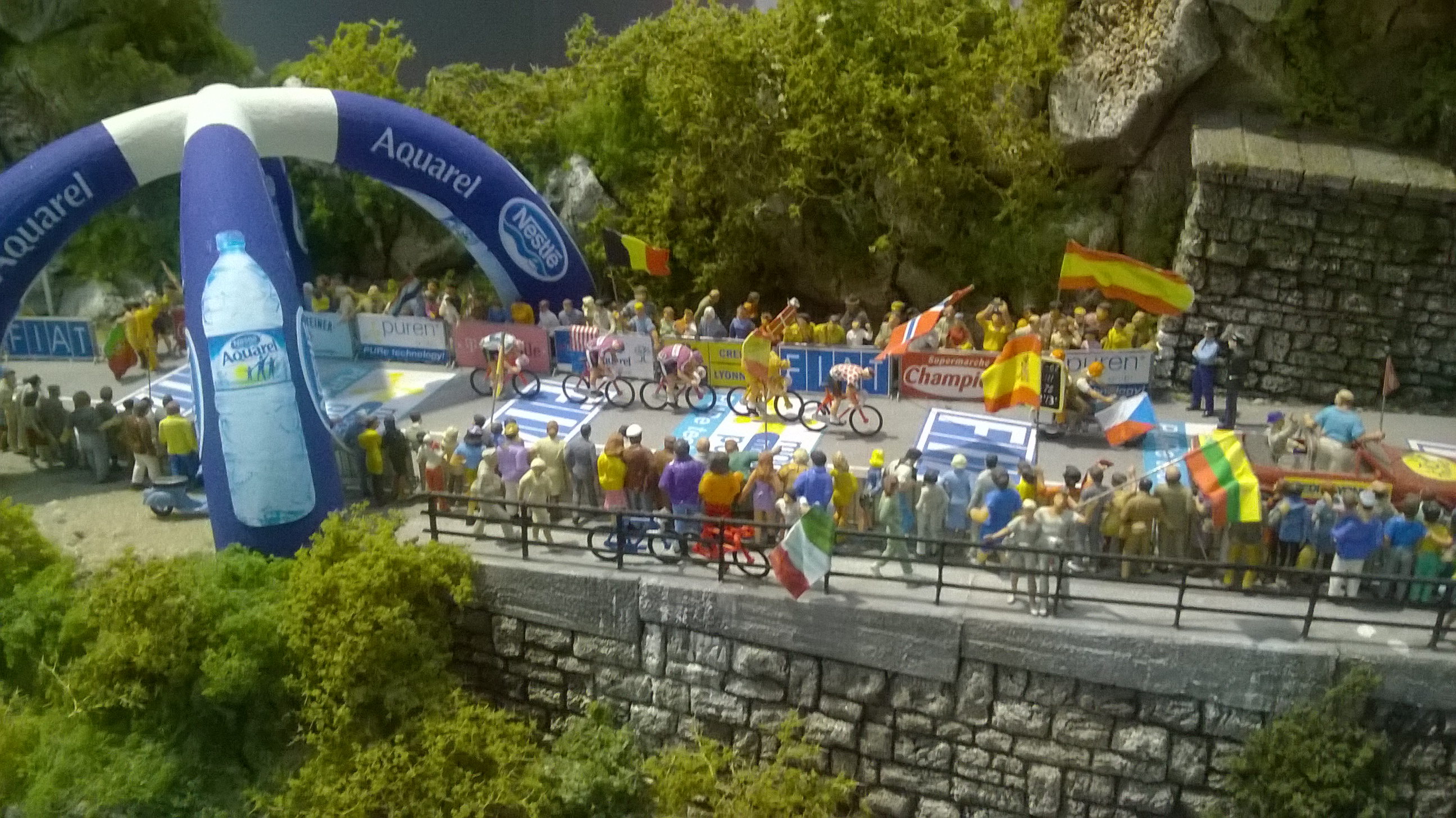
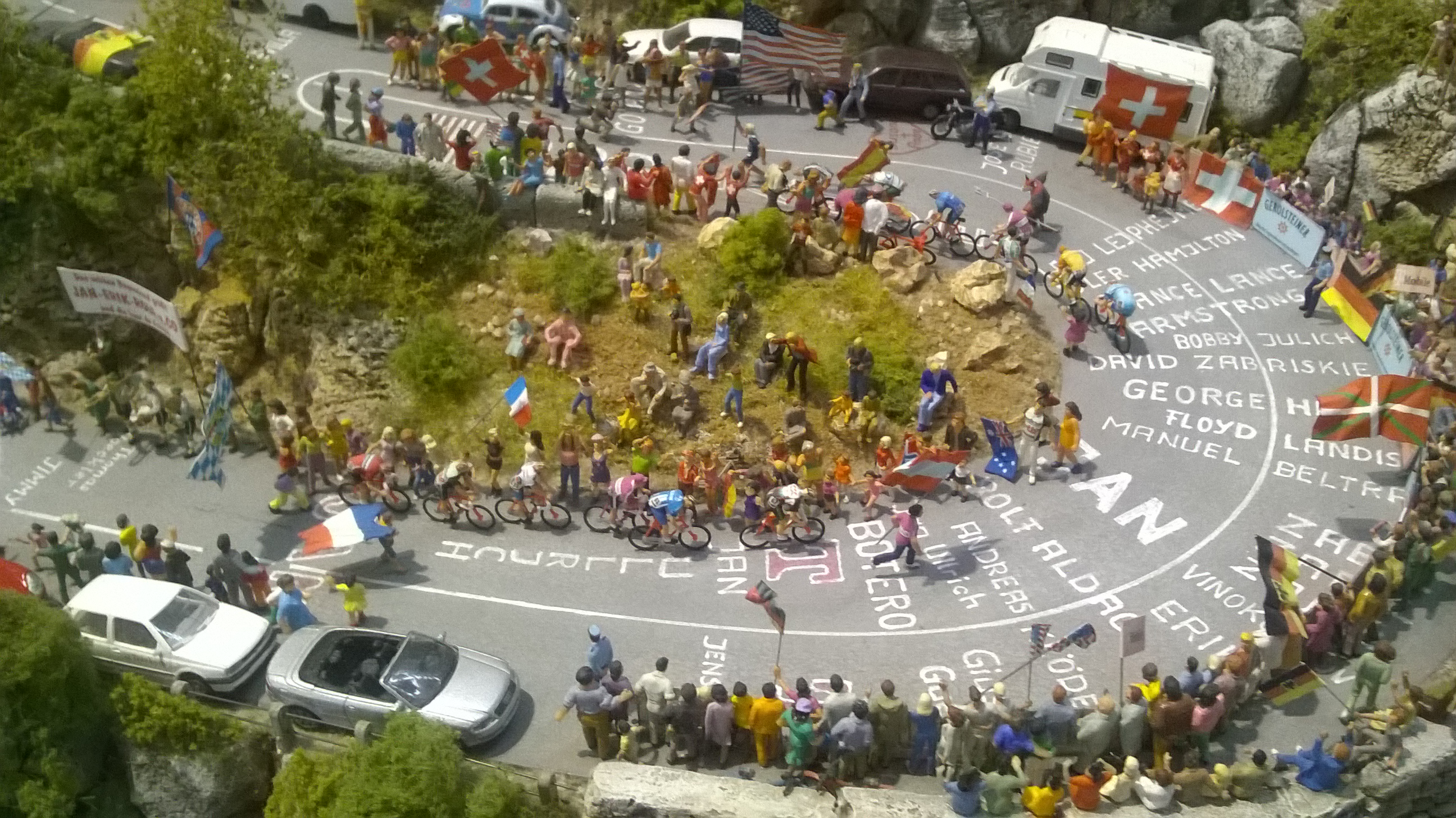
Back at the show, one stand had a series of amazing dioramas, including this one of the Tour de France.  I just don’t know how many figures were used in this wonderful model….

s2_13

s2_14

s2_15

Posted in ESNG, ESNG meetings, N Club International, Out and about | Tagged , , , | Leave a comment

Stuttgart 2016 #1 – Stuttgart itself

Last week, ESNG completed its annual pilgrimage to the Stuttgart N-Club meet and show.  I went for the full four days this year, for the first time.  My impressions of the whole thing – four days is great fun, but not twice as good as two days (work that one out if you can) – and that the full show is exhausting.  I did very little on Monday, the day after I got back.  A model railway show doesn’t seem hard work, but you’re always active, operating and just putting things back on the track.

We also had plenty of discussions as to ESNG’s direction, but more of that another time.

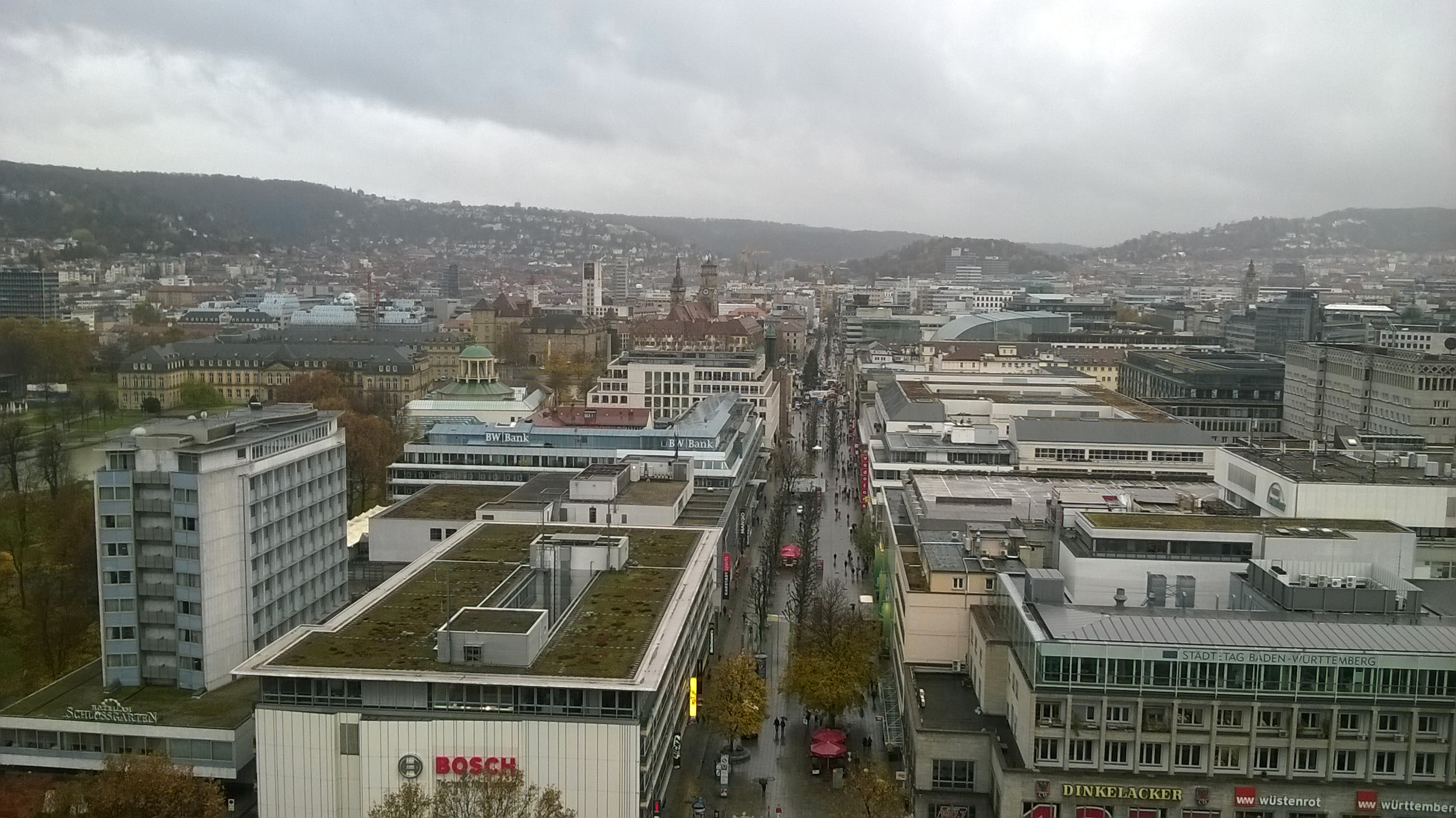
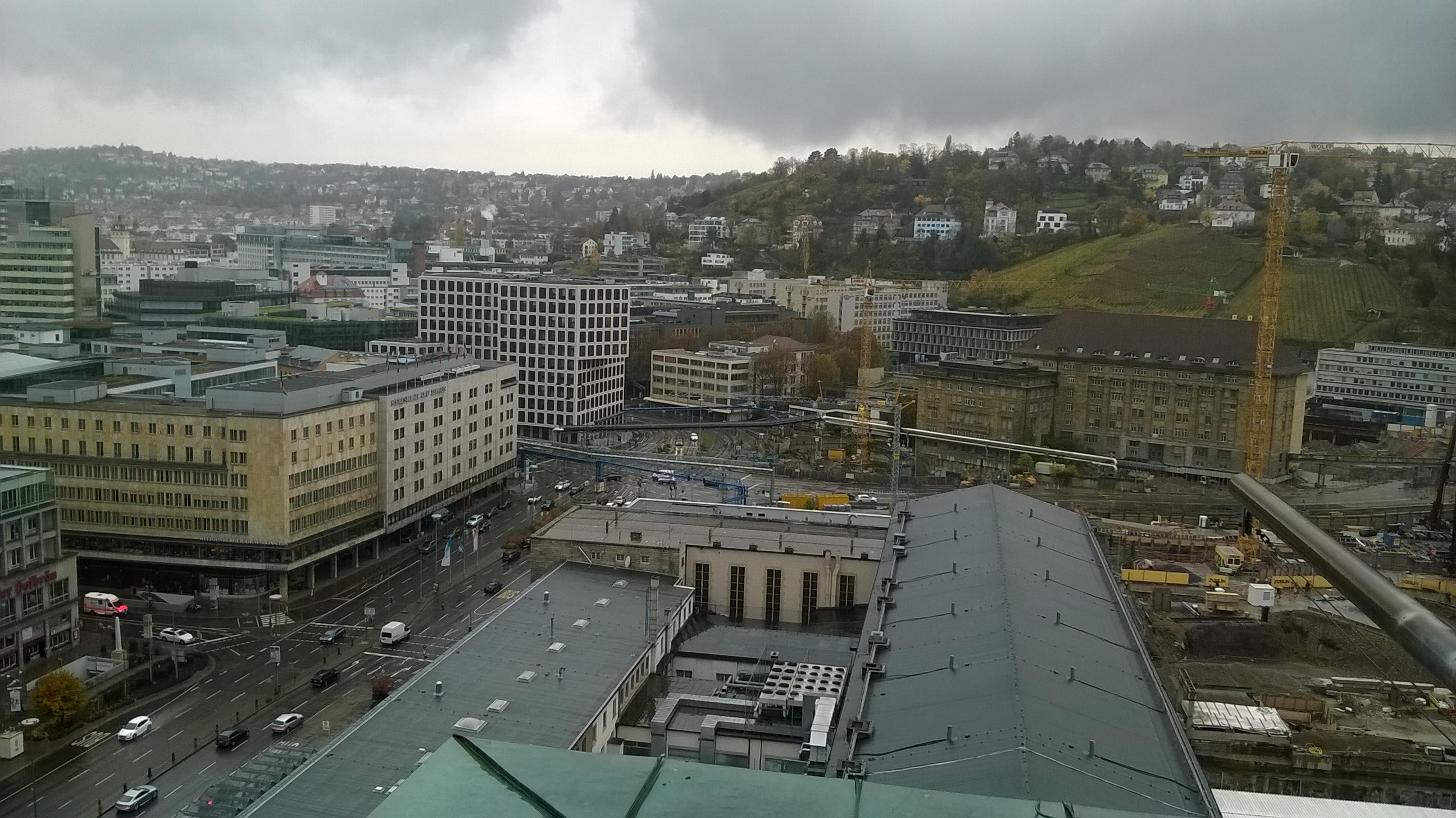
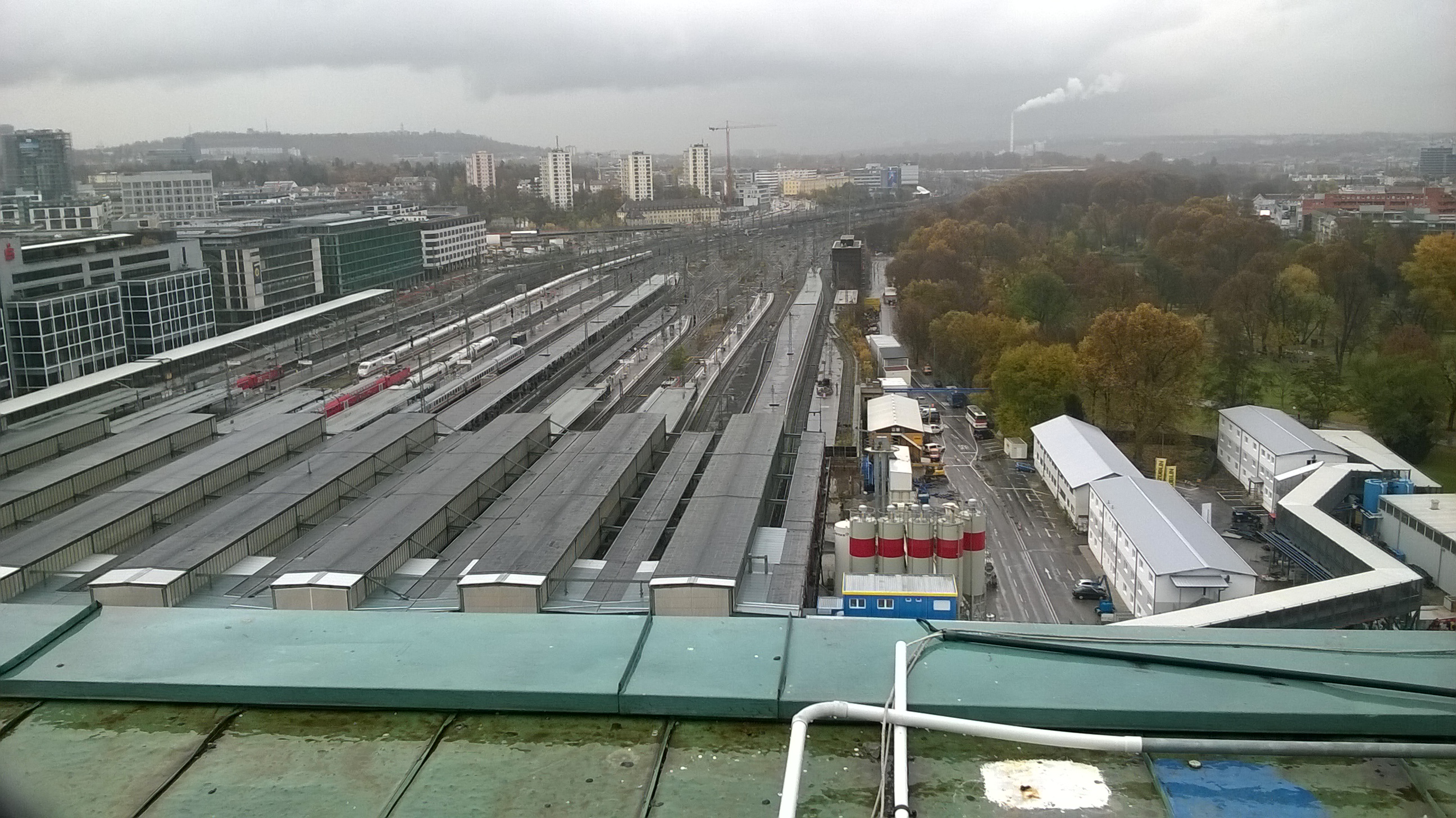
Of course, one benefit of spending four days in Stuttgart was the chance to take a train down town, and see the town centre for the first time in seven years!  So we’ll start this year’s review with a few photographs of the real thing.  The views from the observation platform on the top of  the station tower are excellent – despite the rain.

s1_1

The station roof is in the foreground, and the temporary platform access is to the right.

s1_2

All this station area shown here, leading off to the carriage and loco yards in the far centre distance are being abandoned and redeveloped.  Trains will still run through this location though.  The station is being rebuilt underground and at 90 degrees to the existing station, so that through trains will not have to reverse when they stop at Stuttgart.  The magnitude of the project is gigantic, and will free up great areas for development and park land through the crowded river valley.  Perhaps we should have done something similar at London Bridge?  But the planning enquiries would have gone on for ever…..

s1_3

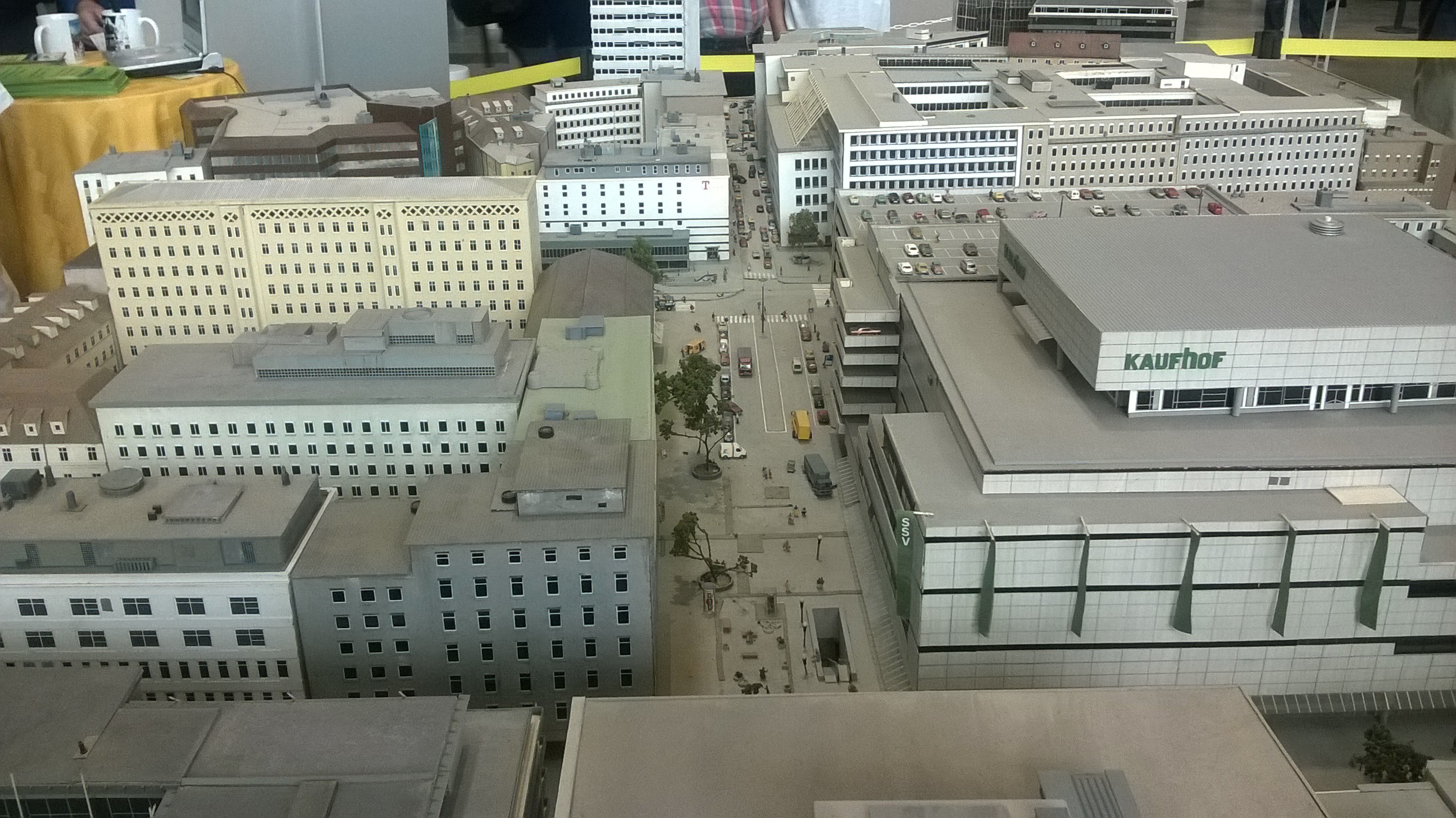
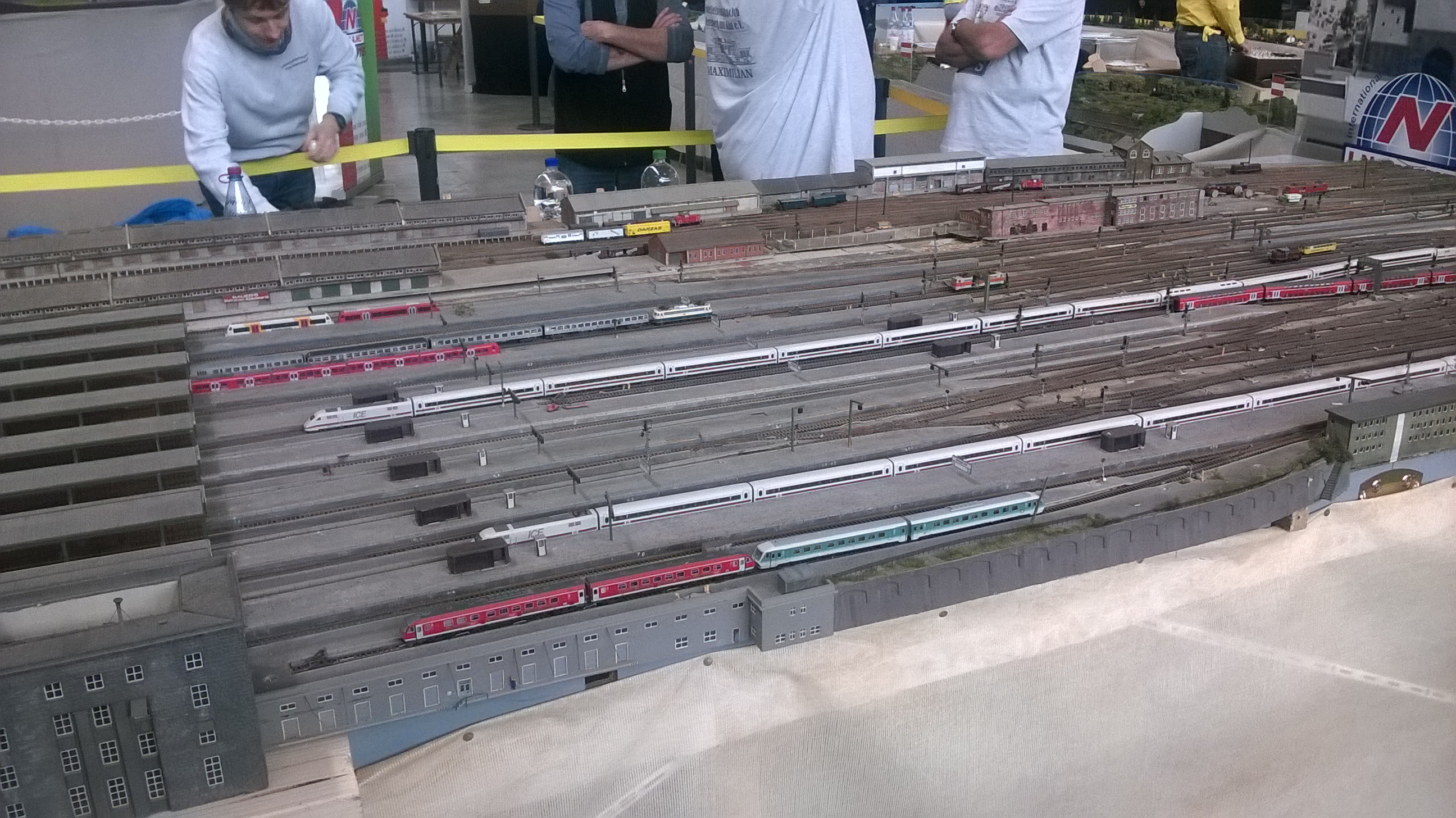
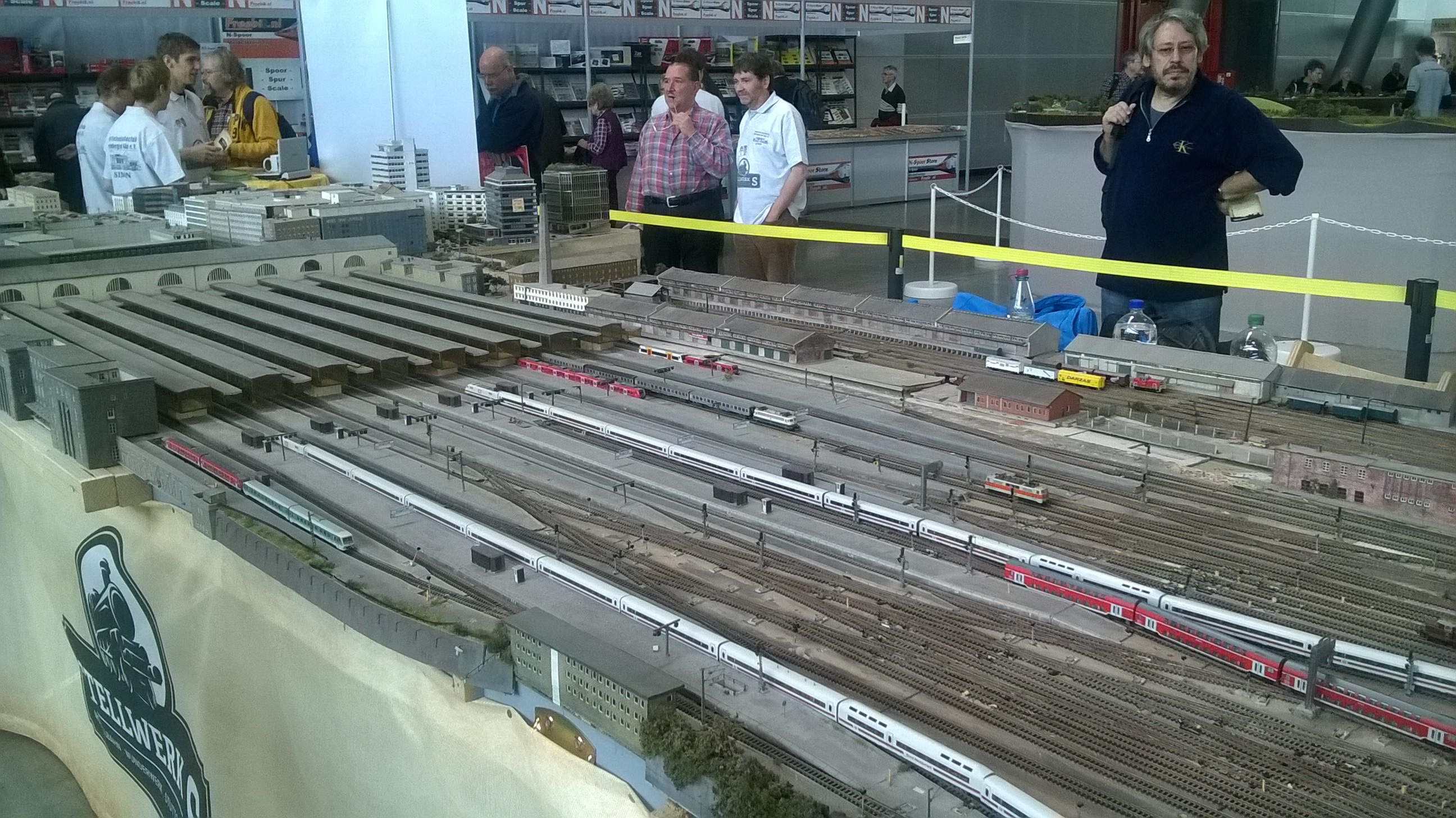
In the Stuttgart show there was part of a model of the Stuttgart station as it was 20 years ago.  The owner had been building the layout for 30 years or so, and had recently died, leaving his layout to the Stuttgart club.  They managed to get part of the layout out of its room into the Messe for its first public showing ever.

s1_4

All the good sidings and sheds in the background below have already been redeveloped – look at the trainspotter’s photographs that follow.

s1_5

s1_6

Meanwhile, back in the station, Allan, Derek and I went and stood on the end of the platform to watch the trains.  Plenty of movement to see, though being a Saturday, it wasn’t worth a trip to another station to look for goods.

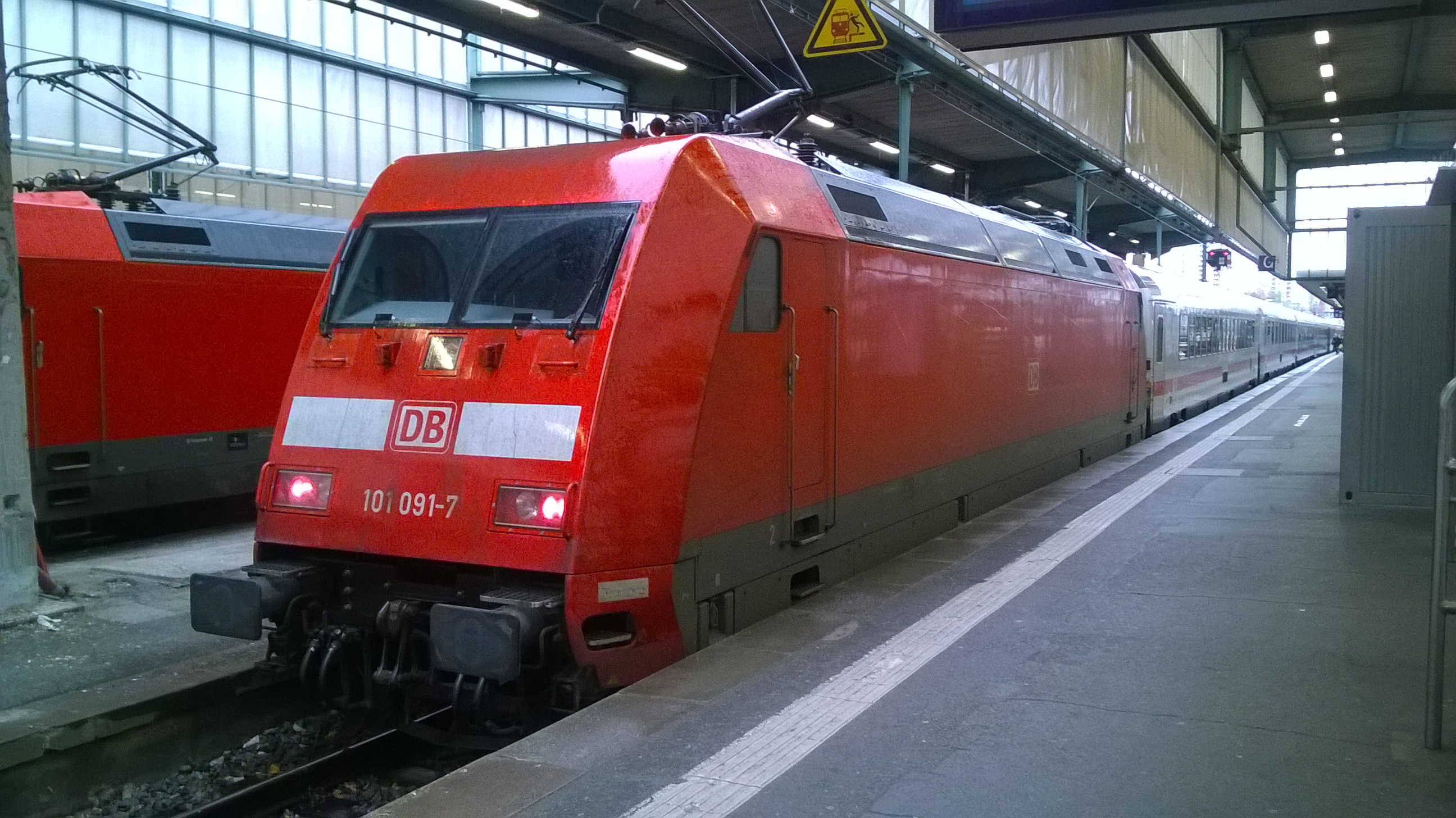
These first two photos, of the same scene, are interesting in how identical reds have come out differently in photographs taken within seconds of each other.

s1_7

s1_8

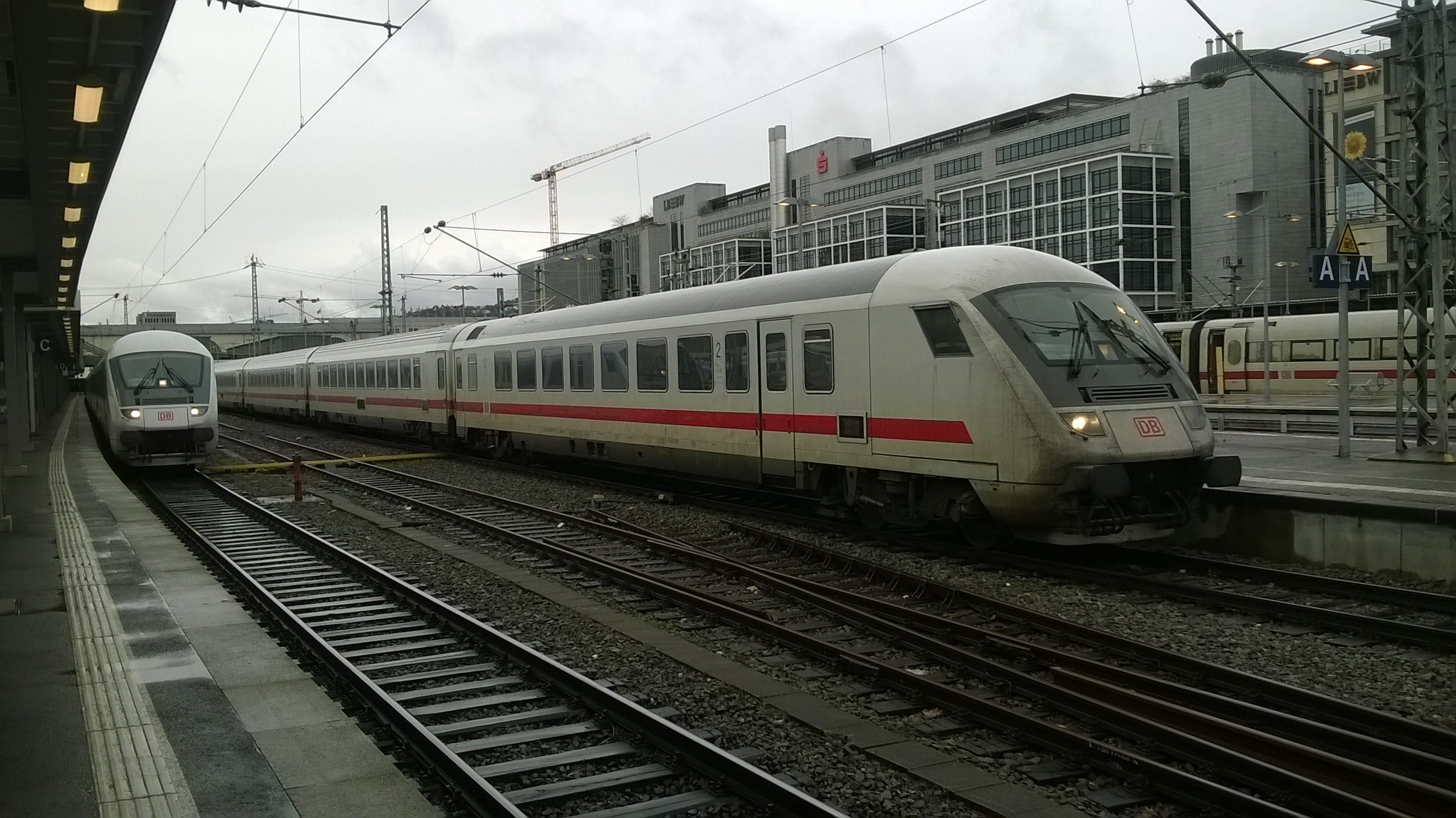
Push-pull sets waiting to depart.  Note the redevelopment in the background….

s1_9

A former East German loco and double-deck stock.  Again, interesting to see how the red loco has faded in colour…..

s1_10

s1_11

The station control centre….

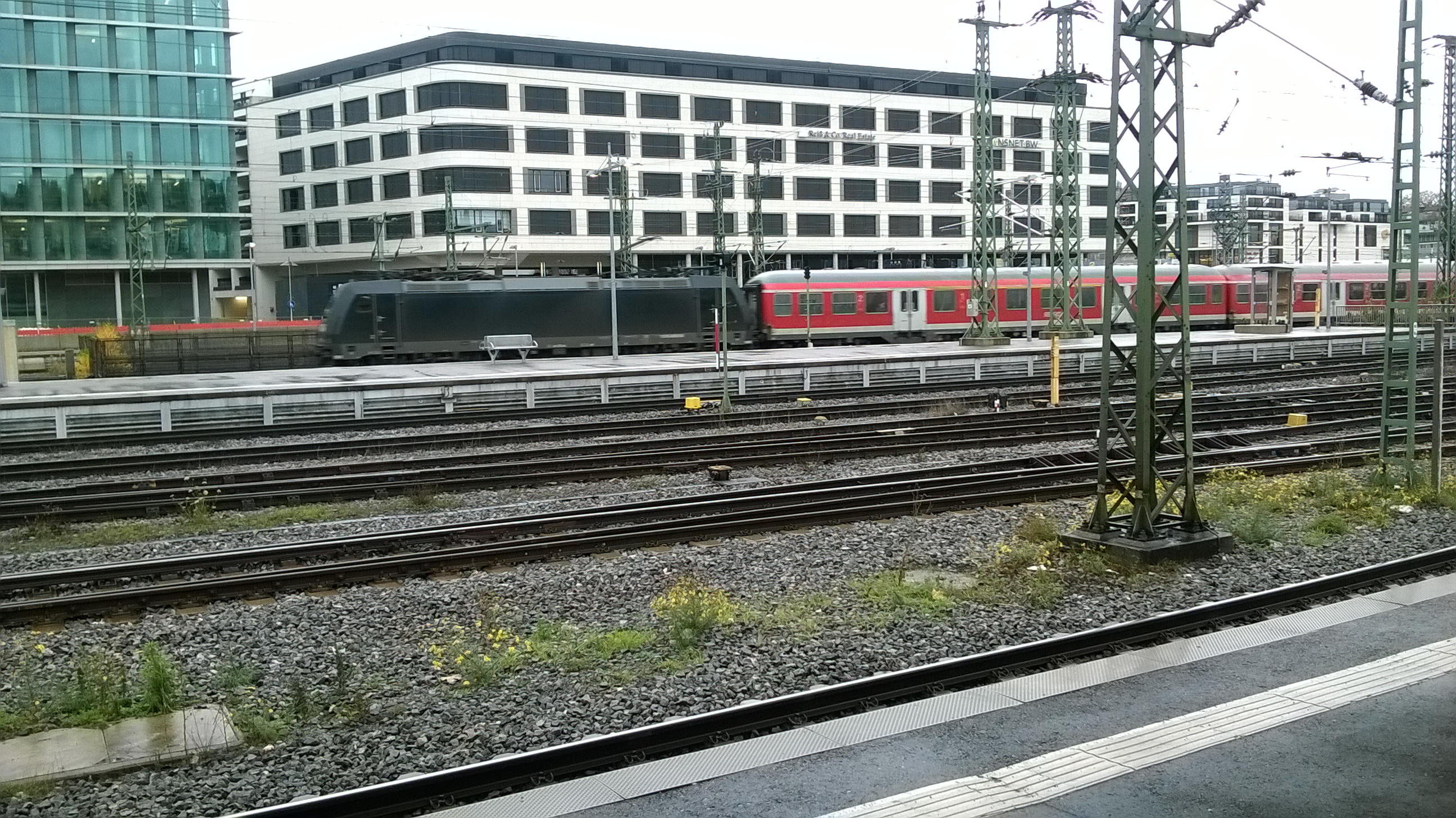
s1_12

Black is the new red…..

s1_13

An ICE3 enters the platform….

s1_14

And an view of the link between units.  Just like Kato…..

s1_15

Posted in ESNG, ESNG meetings, N Club International, Out and about | Tagged , , , | Leave a comment

Layout design – redux – different voices – simple layout, complex operation

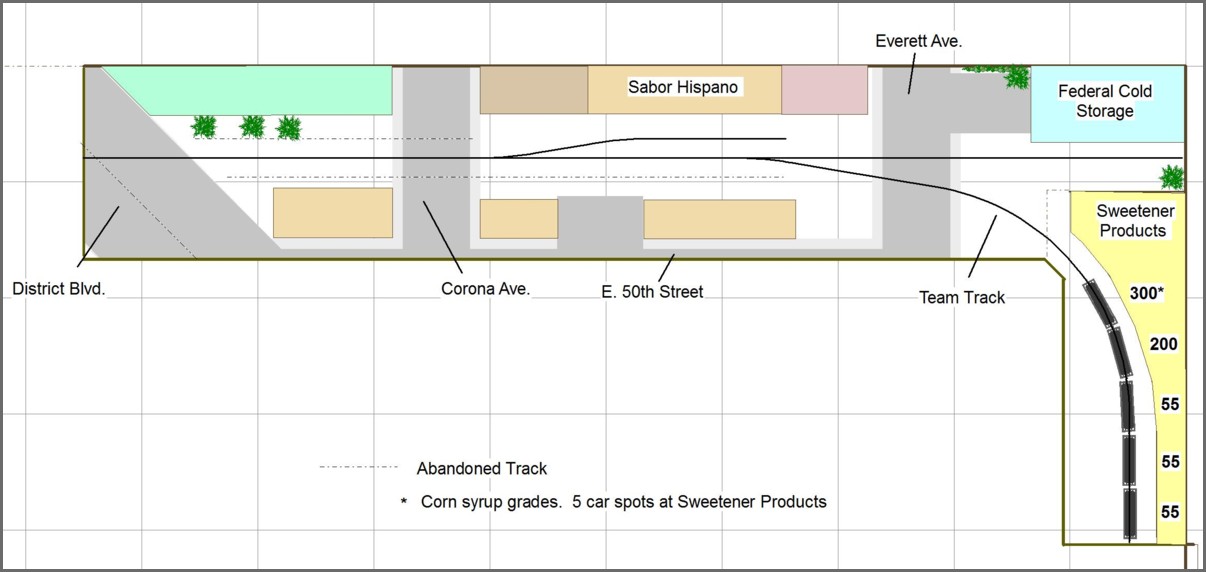
The third post, a long way behind the traction ones, is about small, switching layouts.


Another interesting voice in the layout design world is Lance Mindheim, who most originally posts at http://www.lancemindheim.com/.

GMR47pic

He has built a number of very interesting layouts.  The first was a 20×20 foot N gauge layout of the Chicago, Indianapolis and Louisville or as it’s usually known, the Monon in Indiana in 1955.

He then moved to modelling modern-day Miami in HO.  The small East Rail was a 10×10 foot L-shaped switching layout.  Simple, but lots of operation.

ZopsSmall images

The room-sized Downtown Spur occupies the full 20×20 foot of the railway room.  It is wonderful modelling, and a couple of photographs in a recent Model Railroader article really could have been the real thing.

Ant300 CourtyardSouthThumb

So, what are the design points we can learn from Lance’s brilliant modelling?

  1. The ordinary makes a good model.  It’s better to model a realistic square concrete box of a warehouse, than some fancy, and unrealistic, building.
  2. Switching takes time.  There’s the time at each road crossing.  There’s the flares to light at ungated crossings.  There’s the time to uncouple or couple the wagons.  There’s the time taken to walk from one end of the train to the other.  There’s the time taken to unlock points and relock them after switching.  It all adds up to a slow procedure if its done realistically.
  3. One siding can act as three or four, if there are a number of different industries, or different doors on a single building, that need cars spotted in front of them.

Lance’s blog includes a number of deceptively simple switching layouts.  But if operated as the prototype, even a couple of sidings can offer an hour or two’s instant entertainment.

(All pictures, from Lance Mindheim’s website)


Lance Mindheim continues to build small switching layouts.  His latest is an HO model of the Los Angeles Junction Railway.  Read about it here.  It’s another L-shaped plan, and as with his earlier work perfectly captures the run down modern freight branch.  Only two points, but plenty of operation.

Lance describes the ethos of his plan…..

As we zero in our target of planning a layout that meets our personal interests, consideration needs to be given to that subtle component called time.  Time, in all its aspects, plays a dominant role in whether we are blissfully content or miss the mark.

  1. How much time do I have to spend on the layout?
    Which activities do I want to be engaged in during that available time?
  2. How long do I want an operating session to last?
  3. Do I want to spend my available time covering a small area with high levels of detail or larger areas with a more basic/representative detail level?
  4. How long will I live in my present home?

So, to answer everybody’s questions, no the LAJ layout isn’t a test bed but rather the result of my answers to the above questions.  I want a highly detailed urban layout.   I want to fulfill my lifelong interest in finally modeling at least a portion of the LAJ.  I want a design that can sustain thirty to forty-five-minute op. sessions (but really doesn’t need to sustain anything longer). My available hobby time isn’t what it used to be and I need to factor that in if I’d like the layout to be mostly complete in the next eighteen months.   When I pick up my throttle I want to feel transported to the dry heat of LA and run under the palms and past iconic art deco structures.  That’s what I’m up to.

z1

And would you believe this is a model?

z2

(Photo, Lance Mindheim website)

Posted in Inspiration, Jon's layout ramblings, Layout design | Tagged , | Leave a comment

Off my trolley – redux – interurban branchlines – 1

This post has always been popular, too….


A good, if rather conventional, place to start with interurban layouts, is the conventional branch line.  Some electric railroads were no more than a branch line in total.  Others, like the Pacific Electric, had twigs off the branches off the trunk.  An interurban branchline has all the merits of a conventional one – small space, little stock needed, and what one builds can be built to a good standard.

I think it’s going to take several posts to explore just a few of the options!

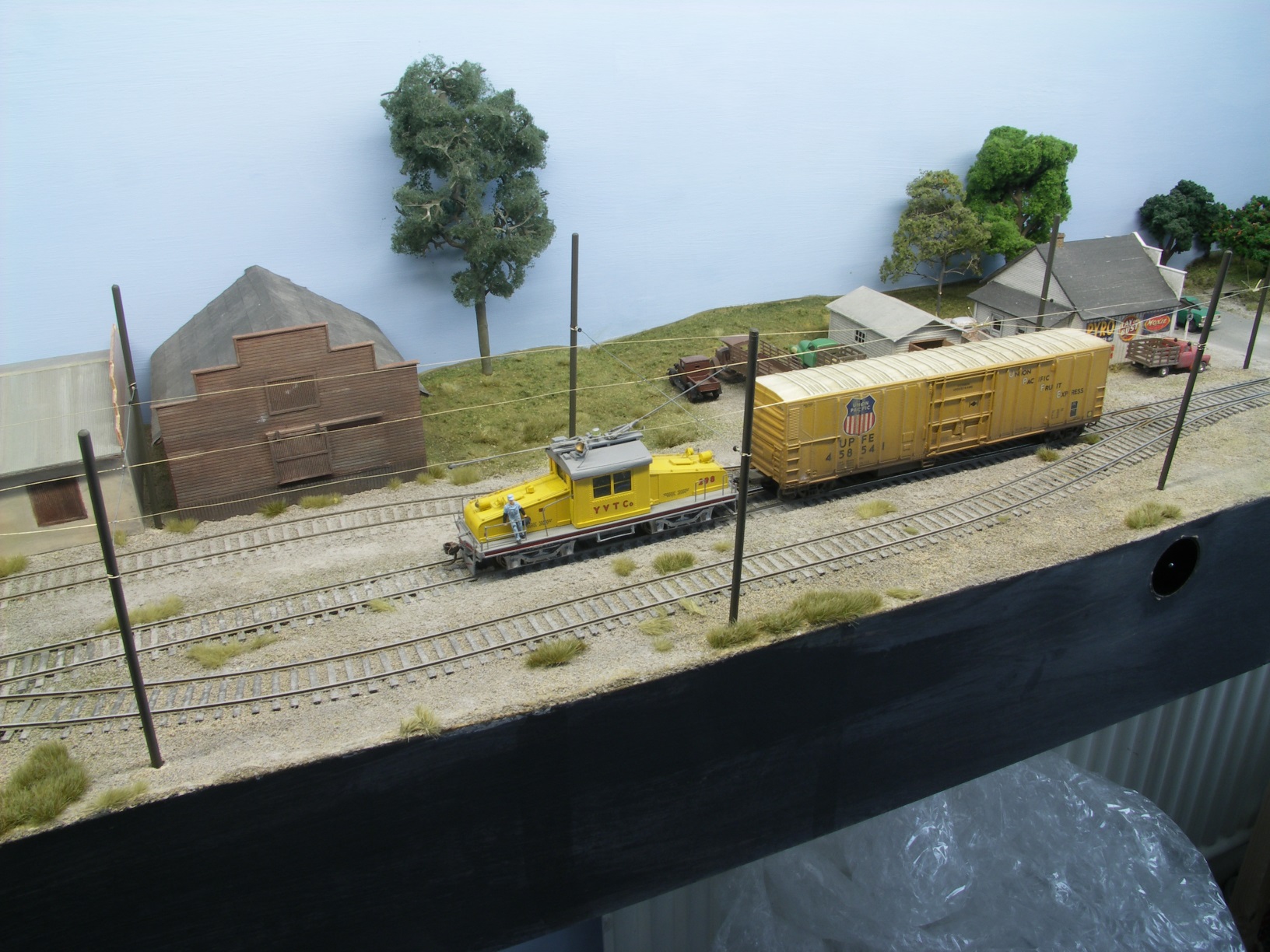
Let’s start with a true branch line layout.  6 foot long in HO and short trains of two or three cars, and the occasional preserved interurban.  This is Andy Gautrey’s Wiley City on the Yakima Valley.  This little layout has a simple track plan, and some well observed modelling.

Wiley City 10 KONICA MINOLTA DIGITAL CAMERA

You can read all about this lovely little layout, with plenty of photos, on RMweb.

Let’s contrast this with an example from the prototype.  When the Pacific Electric Railway (or at least its predecessor) came to the San Fernando valley, there was nothing but fields of grain.  If you go there now, there is nothing but sprawling suburbs.  The interurban opened up this part of the Los Angeles region.  The freeways did the rest of the damage.

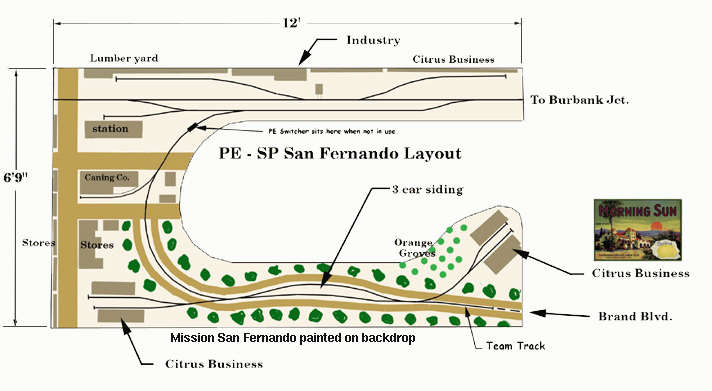
At the very end of the Pacific Electric empire lay San Fernando itself.  Even after the passenger service from downtown had been abandoned, the ‘Orphan Spur’ – an isolated mile or two of track that served a few profitable citrus packing houses.  A single locomotive lived on the spur and dealt with all switching.  This little line would make a good model, especially if the passenger service from downtown was kept going into the post-war period.  The map below comes from Bruce Petty’s excellent ‘Los Angeles River Railroads’ site, as does his interpretation of this line.

pesfsp_pe_layout

For more, see his San Fernando page .

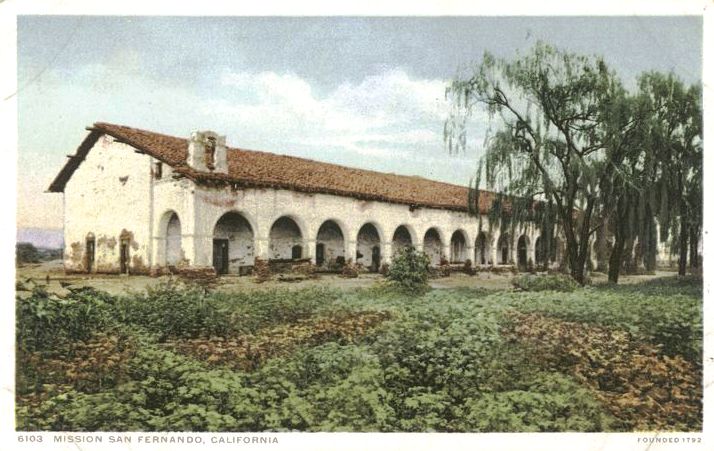
Mission_San_Fernando_Postcard,_circa_1900

One attraction of this line is a chance to model the San Fernando Mission.  The postcard below is its 1900’s form.  It was extended a lot in later years, but the simple building shown here would be the right sort of size for a model railroad.  A little modeller’s licence would place it next to the tracks rather than a road away.

10545
If you are really interested in this line, I can recommend this book.  It’s full of delightful pictures and lots of information on the freight and interurbans and also plenty of social history of the area.  However, you will probably have to get it from the USA, as even Amazon don’t seem to stock it here in the UK.


Wiley City has been a regular on the exhibition circuit, and I was delighted to see it ‘in the flesh’.  Here are some YouTube video of it in action (the oldest a frightening 5 years old)….

And one of the real thing – at least the centenary celebrations…..

And the San Fernando branch is still a possible future layout for yours truly.  If only someone would produce 3D printed Pacific Electric cars.

Posted in Layout design, Traction | Tagged , , , | 3 Comments